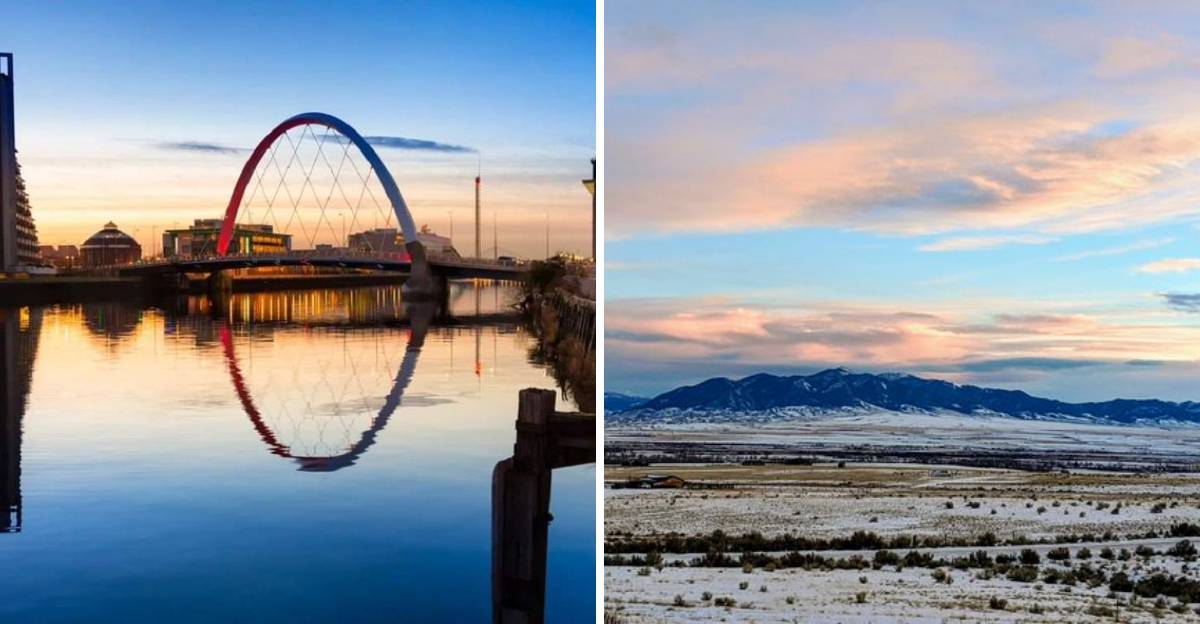
Montana is a land where distance defines daily life in ways most Americans can barely imagine.
Here, a trip to the grocery store might mean an hour on empty highways, and neighbors can live so far apart that visits require careful planning.
The state’s vast open spaces create communities built on self-reliance, patience, and the understanding that isolation shapes everything from culture to commerce.
From prairie towns tucked against the Canadian border to remote valleys surrounded by mountain passes, these places exist in a world where geography dictates rhythm.
Roads stretch endlessly across wheat fields and badlands, connecting tiny settlements that serve as lifelines for ranchers and farmers spread across territories larger than entire Eastern states.
In Montana, distance isn’t just measured in miles but in the time it takes to reach another human being, a hospital, or a place to refuel.
The following locations showcase how extreme remoteness creates distinct ways of living, where every journey is an adventure and every community becomes a testament to human resilience in the face of geographical challenges that most people will never experience firsthand.
1. The Hi-Line (US Highway 2)
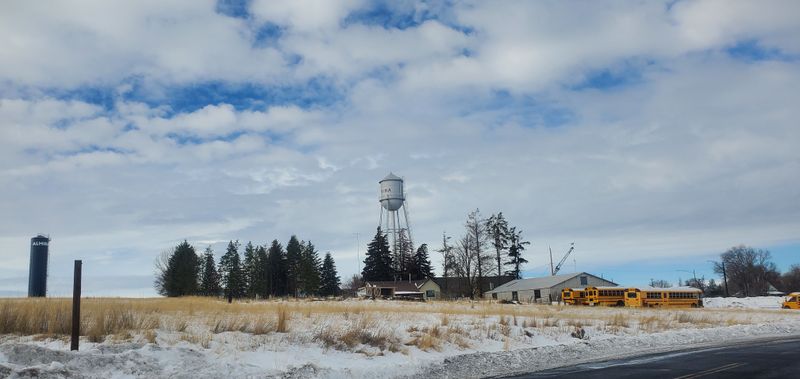
US Highway 2 cuts across Montana’s northern edge like a ribbon through an ocean of wheat and grassland.
This corridor connects a string of small towns separated by dozens of miles of absolutely nothing but rolling prairie.
Grain elevators rise like prairie skyscrapers, marking each settlement from miles away.
Residents along the Hi-Line have adapted to a lifestyle where driving two hours for medical specialists or major shopping trips is simply routine.
The towns themselves feel like islands in a sea of agriculture.
Havre, Malta, Glasgow, and Wolf Point serve as critical hubs, but even these feel impossibly distant from one another.
Between them, the landscape unfolds in hypnotic sameness.
Winter transforms the Hi-Line into something even more challenging, with blizzards closing roads for days and stranding travelers between towns.
Yet people here wouldn’t trade this life for anything.
They’ve built communities around potlucks, high school sports, and the shared understanding that everyone depends on everyone else.
Churches, cafes, and community centers become vital gathering spots.
The Hi-Line teaches patience and planning.
You learn to stock up, to carry emergency supplies in your vehicle year-round, and to check weather forecasts obsessively.
This northern stretch represents Montana at its most beautifully stark and unforgiving.
Address: US Highway 2, Northern Montana
2. Jordan
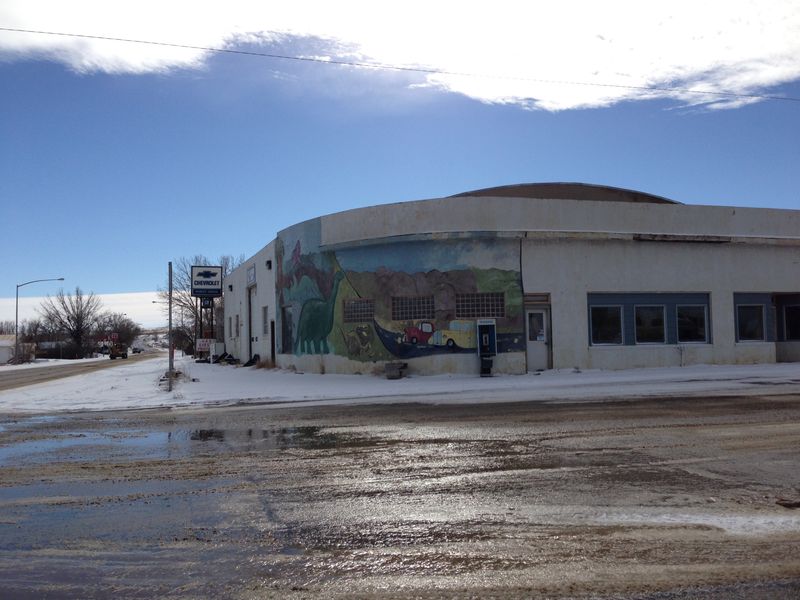
Garfield County’s seat sits nearly a hundred miles from any significant population center.
Jordan earned its reputation as one of America’s most isolated county seats honestly.
Getting anywhere from here requires commitment and a full gas tank.
The town itself clusters around a handful of streets, with the county courthouse standing as the architectural centerpiece.
Surrounding Jordan, the landscape opens into endless sagebrush hills and coulees that seem to stretch into infinity.
Ranchers here measure their properties in sections, not acres, and their nearest neighbors might live twenty miles away.
Self-reliance isn’t a lifestyle choice but an absolute necessity.
Residents learn to fix their own equipment, treat minor medical issues themselves, and maintain extensive pantries.
When something breaks, you can’t just call a repair person who’ll arrive in an hour.
The community compensates for geographical isolation with fierce loyalty and mutual support.
Everyone knows everyone, and when crisis strikes, neighbors mobilize despite the distances involved.
Jordan’s annual events become reunion-like occasions where far-flung residents reconnect.
Living here means accepting that convenience is a luxury reserved for city dwellers.
But residents gain something increasingly rare: genuine solitude, star-filled night skies unmarred by light pollution, and a profound connection to the land.
Address: Downtown Jordan, Garfield County, Montana
3. Big Sandy
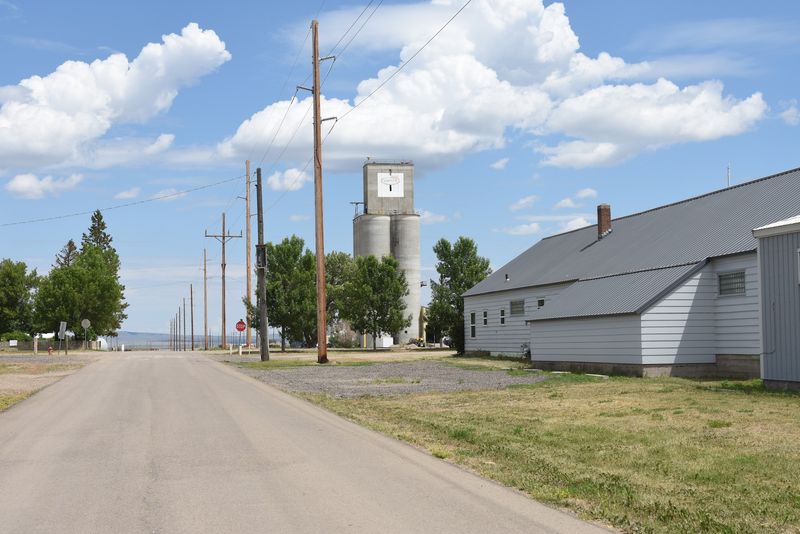
Chouteau County’s agricultural heartbeat pulses through this small community where farming operates on a scale that defies easy comprehension.
Big Sandy sits amid some of Montana’s most productive wheat country.
Farmers here don’t work small family plots but manage operations spanning thousands of acres.
The distances involved in daily agricultural work boggle outsiders’ minds.
A single farmer might own land sections separated by miles of other properties, requiring constant travel between non-contiguous fields.
Moving massive combines, tractors, and other equipment across these distances becomes a logistical challenge that defines harvest season.
The town serves as a supply and social center for a vast surrounding territory.
Its Main Street hosts essential businesses: a grocery store, hardware shop, and cafes where farmers gather to discuss weather, crop prices, and equipment.
These conversations happen over coffee that fuels long days spent traversing enormous properties.
Big Sandy’s school brings together children from ranches and farms scattered across the countryside.
Some students ride buses for over an hour each way.
The community rallies around its school and athletic teams with intensity born from isolation.
Friday night basketball games become major social events.
Living here means understanding that agriculture at this scale requires both cutting-edge technology and old-fashioned grit.
Address: Main Street, Big Sandy, Chouteau County, Montana
4. Scobey
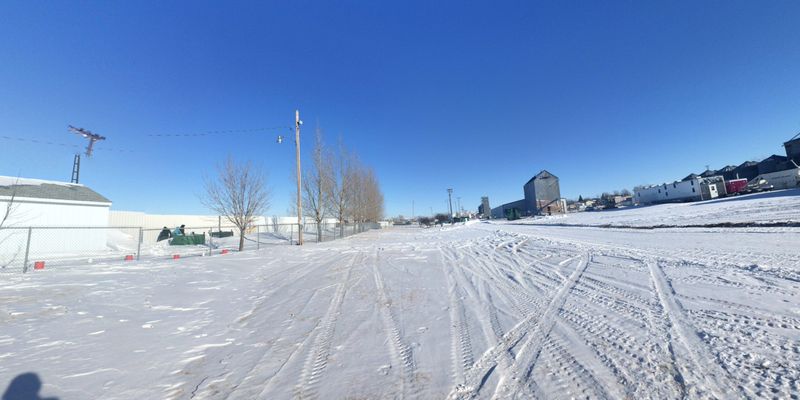
Tucked into Montana’s extreme northeastern corner, Scobey exists in a geographical pocket that feels disconnected from the rest of the state.
The Canadian border lies just miles north, closer than any Montana city of significance.
This proximity creates a unique cultural blend.
Many residents have relatives across the border and think nothing of international trips for shopping or visiting.
Meanwhile, the state’s famous mountain regions feel impossibly distant, almost mythical.
Scobey’s landscape consists of gentle prairie swells dotted with farms and the occasional windbreak of trees planted to protect homesteads from relentless winds.
The quiet here runs deep.
On a calm day, you can hear conversations from blocks away.
This geographical detachment has forged a distinct prairie culture focused inward on local traditions and community bonds.
The Pioneer Town Museum preserves buildings from the homesteading era, telling stories of settlers who chose this remote corner precisely because of its isolation.
Today’s residents inherit that independent spirit.
They’ve built a life that doesn’t require constant connection to urban centers.
Entertainment comes from community events, high school activities, and the simple pleasure of wide-open spaces.
Scobey represents a Montana that many people never see, where prairie rather than mountains defines the landscape and where distance from the state’s tourist corridors preserves an authentic way of life.
Address: Main Street, Scobey, Daniels County, Montana
5. The Big Hole Valley
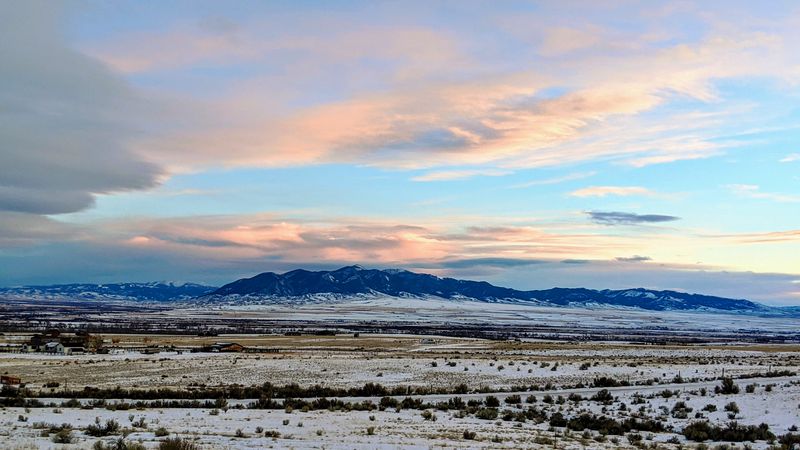
This high-altitude basin cradles a ranching culture where neighbors might live ten miles apart as the crow flies.
The Big Hole Valley sits surrounded by mountain ranges that create both stunning beauty and practical challenges.
Winter comes early and stays late at this elevation.
Snow can fall any month of the year, and residents plan accordingly.
Ranches spread across the valley floor and up into surrounding foothills, connected by dirt roads that become impassable mud troughs during spring thaw.
Getting supplies means driving to Wisdom or Jackson, tiny settlements that serve as the valley’s commercial centers.
For anything more substantial, ranchers face the prospect of traversing mountain passes like Chief Joseph Pass.
These routes climb to elevations where weather can turn treacherous without warning.
What might be a clear day in the valley can mean whiteout conditions at the pass summit.
The Big Hole’s isolation has preserved traditional ranching practices.
Cattle drives still happen here, with riders moving herds between summer and winter pastures.
The annual hay harvest becomes a community-wide effort, with neighbors helping neighbors against the ever-present threat of early snow.
Social life revolves around brandings, community dinners, and the occasional dance at a local hall.
People treasure these gatherings because they require such effort to attend.
Address: Big Hole Valley, Beaverhead County, Montana
6. Ekalaka
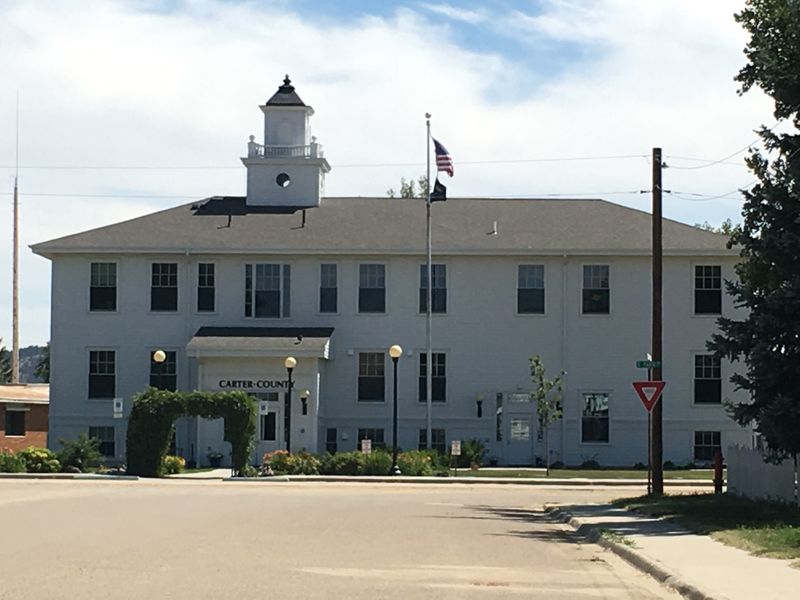
Carter County’s only incorporated town sits in Montana’s far southeastern corner, where the landscape transforms into dramatic badlands and pine-studded hills.
Ekalaka represents frontier living in its most authentic modern form.
Getting here requires intention; nobody passes through Ekalaka on the way to somewhere else.
The town serves a vast territory of ranches scattered across some of the state’s most rugged terrain.
Surrounding badlands contain fossil beds that have yielded remarkable prehistoric discoveries.
The Carter County Museum showcases these finds, including complete dinosaur skeletons pulled from the ancient sediments.
This small-town museum rivals much larger institutions in the quality and significance of its collections.
Paleontologists still work the area, occasionally stopping in town for supplies before heading back into the backcountry.
Ranchers here deal with landscape challenges that make their work especially demanding.
Cattle graze across broken terrain where vehicles can’t always follow.
Horseback work remains essential, not romantic nostalgia but practical necessity.
The distances between ranches and the remoteness of the region mean that self-sufficiency isn’t optional.
Medical emergencies require long ambulance rides or helicopter evacuations.
Yet residents embrace this lifestyle, finding richness in the stark beauty surrounding them and pride in maintaining traditions that urban Montana has largely abandoned.
Address: Main Street, Ekalaka, Carter County, Montana
7. The Rocky Mountain Front
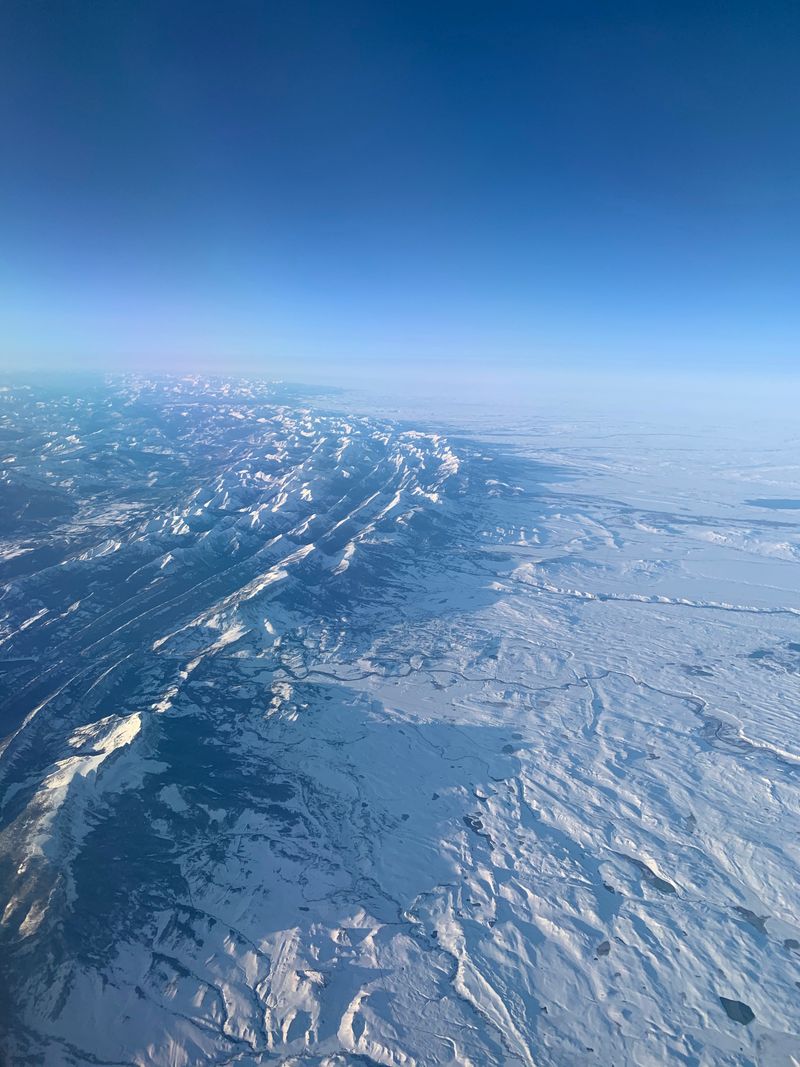
Where the Great Plains collide with the Rockies, geography creates one of Montana’s most striking and challenging landscapes.
The mountains rise abruptly from the prairie like a massive wall, creating a barrier that forces travelers into lengthy detours.
North-south roads simply don’t exist through much of this region.
Instead, anyone wanting to travel parallel to the mountain front must take circuitous routes that add hours to journeys.
This geographical feature has shaped settlement patterns and community connections for generations.
Towns along the Front developed in relative isolation from one another despite being relatively close as the crow flies.
Choteau, Augusta, and Dupuyer serve communities stretched along the mountain base, each acting as a hub for surrounding ranches.
But visiting between these towns requires commitment because direct routes don’t exist.
The Front’s weather adds another layer of complexity.
Chinook winds roar down from the mountains with ferocious intensity, creating sudden temperature swings and hazardous driving conditions.
Winter storms can close the few roads that do traverse east-west, isolating communities for days.
Yet the Front attracts people drawn to its raw beauty and the challenge of living where landscape dictates terms.
Ranchers here work land that transitions from prairie to mountain foothills, requiring versatility and deep knowledge of both ecosystems.
Address: Rocky Mountain Front, Teton and Pondera Counties, Montana
8. Glasgow
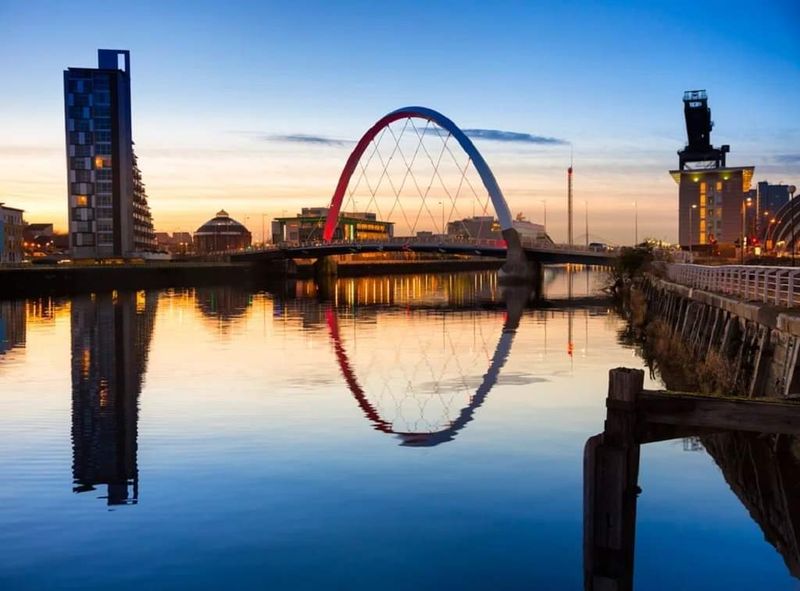
Valley County’s largest community functions as the primary service center for a territory larger than some entire Eastern states.
Glasgow sits in the heart of what Montanans call the Missouri River Country.
From here, the landscape unfolds in every direction as rolling prairie, badlands, and river breaks.
The town’s importance stems entirely from its role as a hub in an otherwise empty region.
Ranchers drive in from a hundred miles away for veterinary supplies, medical appointments, or shopping that goes beyond bare essentials.
Glasgow’s businesses understand they serve customers who can’t just pop back tomorrow if something’s forgotten.
People stock up when they come to town, filling trucks with weeks’ worth of supplies.
The community has adapted to serving this massive geographical radius.
Its hospital, while small, provides services that would otherwise require traveling to Billings or Great Falls, journeys of several hours.
Fort Peck Dam and Fort Peck Lake lie nearby, adding recreation and some employment to the local economy.
But fundamentally, Glasgow exists because vast distances create the need for regional centers.
The town’s restaurants and hotels see steady traffic from travelers crossing eastern Montana’s empty quarters.
For many passing through, Glasgow represents the only significant stop for hours in any direction.
Residents take pride in their role as an anchor point in this sea of space.
Address: Downtown Glasgow, Valley County, Montana
9. Broadus
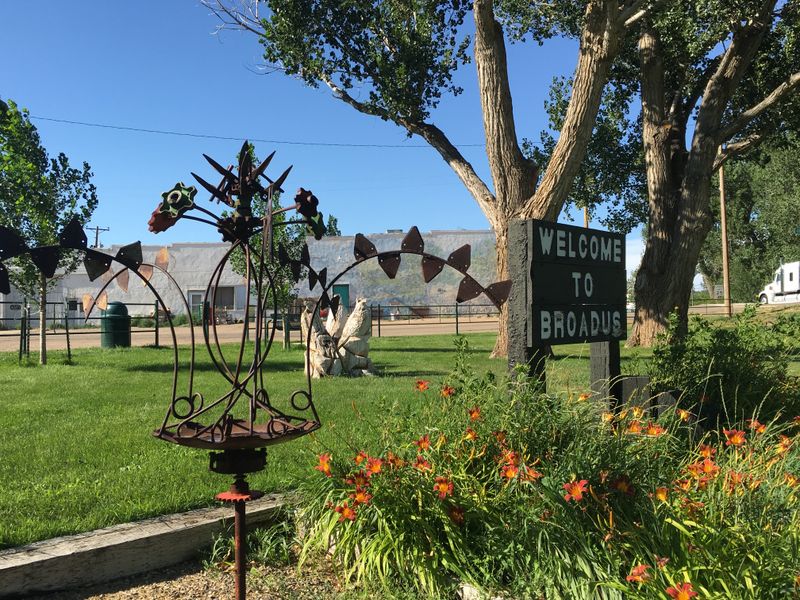
Powder River County’s seat occupies a strategic position along Highway 212, known locally as the Warrior Trail.
Broadus serves travelers crossing one of the most desolate stretches of highway in the lower states.
Between Billings and the Black Hills of South Dakota, this route traverses hundreds of miles where services are scarce and towns are tiny.
Broadus becomes a vital oasis, offering fuel, food, and lodging to travelers who’ve learned to fill their tanks whenever opportunity presents itself.
The town’s gas stations and cafes see a steady stream of cross-country travelers, ranchers from the surrounding territory, and hunters during fall seasons.
Beyond its role as a highway stop, Broadus serves a vast ranching community spread across the Powder River basin.
This landscape of rolling sagebrush hills and cottonwood-lined creek bottoms supports large cattle operations.
Ranchers here contend with distances that make even routine tasks into day-long expeditions.
The town hosts essential services that ranchers can’t do without: veterinary supplies, equipment parts, and basic groceries.
Community life centers around schools, churches, and annual events that bring together people from across the county.
Broadus represents a particular Montana archetype: the small town that exists because geography demands it.
Without this community, the surrounding region would be even more impossibly remote.
Address: Main Street, Broadus, Powder River County, Montana
Dear Reader: This page may contain affiliate links which may earn a commission if you click through and make a purchase. Our independent journalism is not influenced by any advertiser or commercial initiative unless it is clearly marked as sponsored content. As travel products change, please be sure to reconfirm all details and stay up to date with current events to ensure a safe and successful trip.
