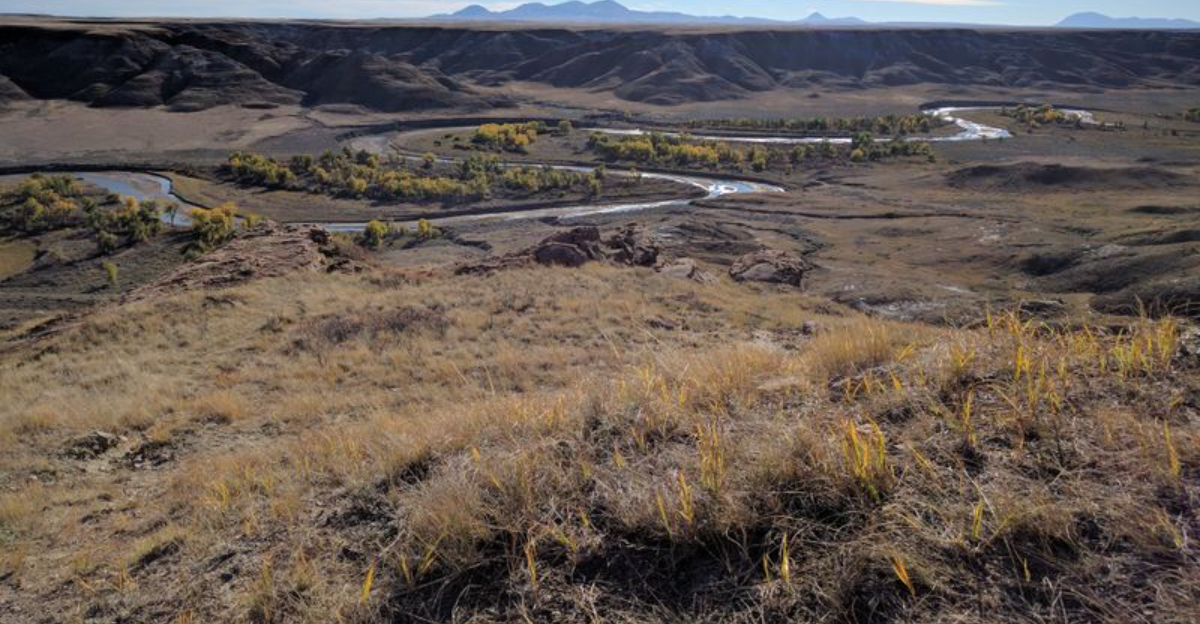
Montana holds some of the most breathtaking prairie landscapes in America, where the sky seems endless and the land rolls on forever.
These wide-open spaces have a way of stirring something deep inside you, making you feel connected to nature in ways you never imagined.
The plains here aren’t just flat grasslands; they’re living ecosystems filled with wildlife, wildflowers, and stories written in the wind.
When you stand in the middle of these vast expanses, surrounded by nothing but earth and sky, your heart swells with a feeling that’s hard to put into words.
Many travelers come to Montana seeking mountains, but those who discover the plains find something equally powerful.
The silence, the space, and the beauty create moments that stay with you long after you’ve left.
Whether you’re watching a sunrise paint the grasses gold or listening to prairie birds sing their ancient songs, these plains have magic that can transform your perspective.
Get ready to explore seven remarkable Montana plains that might just make your heart feel too big for your chest.
National Bison Range Prairie Grasslands
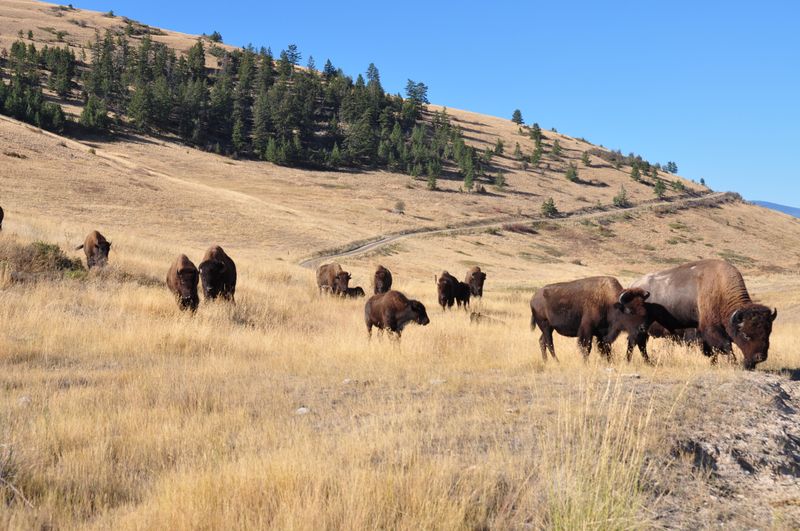
Picture yourself standing where thousands of bison once thundered across the land in herds so massive they shook the earth.
The National Bison Range Prairie Grasslands near Moiese offers that exact connection to America’s wild past.
This 18,500-acre refuge protects not just bison, but an entire prairie ecosystem that’s been carefully restored to its natural glory.
Rolling hills covered in native grasses create a patchwork of greens and golds that shift with every breeze.
Wildflowers burst into color during spring and summer, painting the landscape with purples, yellows, and reds.
Bison graze peacefully alongside pronghorn antelope, elk, and bighorn sheep, creating scenes straight from a nature documentary.
A scenic drive winds through the refuge, giving you front-row seats to this magnificent display.
You can pull over at designated spots to watch wildlife from a safe distance, camera ready for that perfect shot.
The visitor center provides educational displays about prairie conservation and the animals who call this place home.
Early morning visits reward you with golden light washing over the grasslands and animals at their most active.
Birds fill the air with songs while hawks circle overhead, scanning for breakfast.
The sheer size of the bison up close reminds you just how powerful and majestic these creatures truly are.
Walking the short trails available lets you experience the prairie intimately, feeling the grass brush your legs and breathing in the sweet scent of wildflowers.
This place teaches you that prairies aren’t empty spaces; they’re vibrant communities bursting with life.
Your heart expands with appreciation for the conservation efforts that keep this precious ecosystem thriving for future generations to witness and cherish.
Milk River Valley Bottomlands
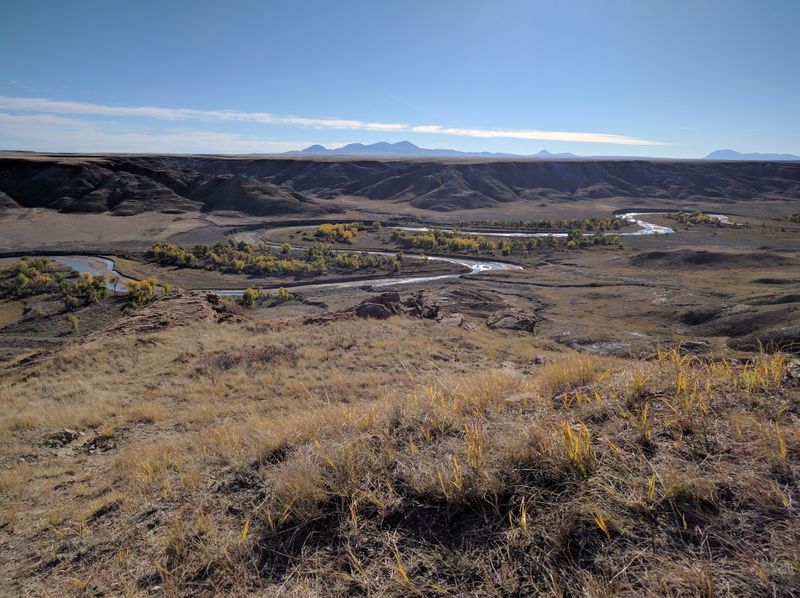
Have you ever wondered what it feels like to stand where ancient rivers carved their stories into the earth over millions of years?
The Milk River Valley Bottomlands in northern Montana offer exactly that experience, stretching across a landscape shaped by water and time.
Rich soil and abundant moisture create lush grasslands that contrast beautifully with Montana’s drier regions.
Cottonwood trees line the riverbanks, their leaves rustling like whispered secrets in the constant prairie wind.
The valley floor spreads wide and welcoming, providing crucial habitat for migratory birds traveling the Central Flyway.
During spring and fall, you’ll spot countless waterfowl stopping here to rest and refuel on their long journeys.
The Milk River itself meanders gently through the valley, its waters reflecting the enormous sky above.
Sandbars and small islands dot the river, creating perfect nesting spots for plovers and other shorebirds.
Ranchers have worked this land for generations, their cattle grazing the same grasses that fed bison herds centuries ago.
Driving through this valley, especially near sunset, feels like traveling through a painting where colors intensify by the minute.
The low angle of light makes the grasses glow golden while casting long shadows that dance across the bottomlands.
Wildlife becomes more active as temperatures cool, with deer emerging from riverside thickets to graze.
Local communities like Malta and Glasgow sit near this valley, offering friendly stops where ranching culture remains strong and authentic.
Visiting here connects you to both natural beauty and human history, where people have learned to live in harmony with the land.
The vastness combined with the river’s life-giving presence creates a feeling of abundance that fills your chest with gratitude and wonder.
Fort Peck Lake Surrounding Prairies
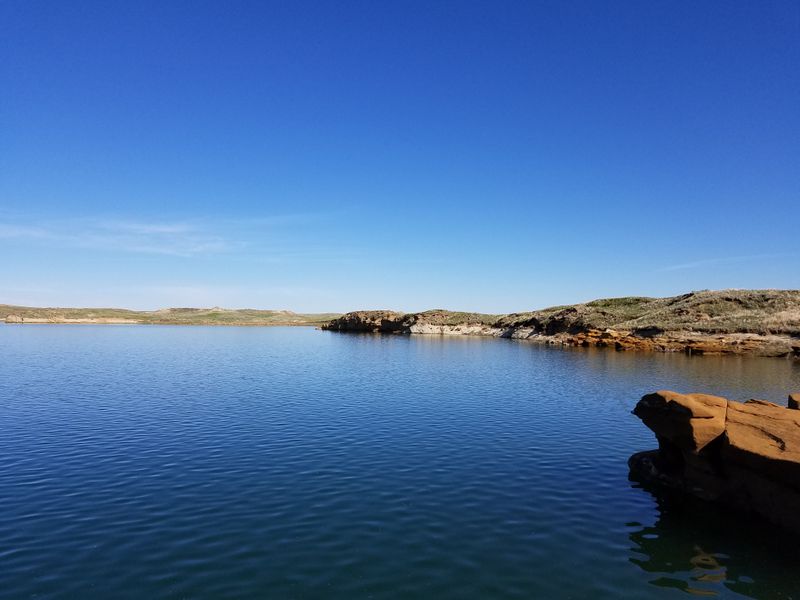
Montana’s largest body of water sits surrounded by some of the most unexpected prairie beauty you’ll ever encounter.
Fort Peck Lake, created by damming the Missouri River, stretches for 134 miles with over 1,500 miles of shoreline.
The prairies encircling this massive reservoir create dramatic contrasts between water and grassland that photographers dream about capturing.
Native grasses grow right up to rocky shorelines, where waves lap gently against the land.
The Charles M. Russell National Wildlife Refuge encompasses much of the area around the lake, protecting nearly one million acres of mixed-grass prairie.
Sagebrush, prairie cones, and blue grama grass create a textured landscape that changes character with every season.
Wildlife thrives in this unique ecosystem where prairie meets water, with elk, deer, and pronghorn roaming freely.
Bald eagles nest along the shoreline, their white heads visible against the blue sky as they soar above the prairies.
Prairie dog towns dot the landscape, their residents standing guard and chattering warnings when you approach.
The town of Fort Peck itself feels like stepping back in time, with 1930s architecture from the dam construction era still standing proud.
A museum and powerhouse tour give you insight into the massive engineering project that transformed this region.
The Fort Peck Theatre hosts summer performances that bring culture to this remote prairie setting.
Camping along the lake lets you fall asleep to coyote songs echoing across the prairies and wake to spectacular sunrises over the water.
The isolation here is profound; you can go hours without seeing another person, just you and the endless land.
This combination of water, wildlife, and wide-open spaces creates an emotional experience that makes your heart swell with appreciation for Montana’s diverse beauty.
Malta Prairie Wildflower Expanse
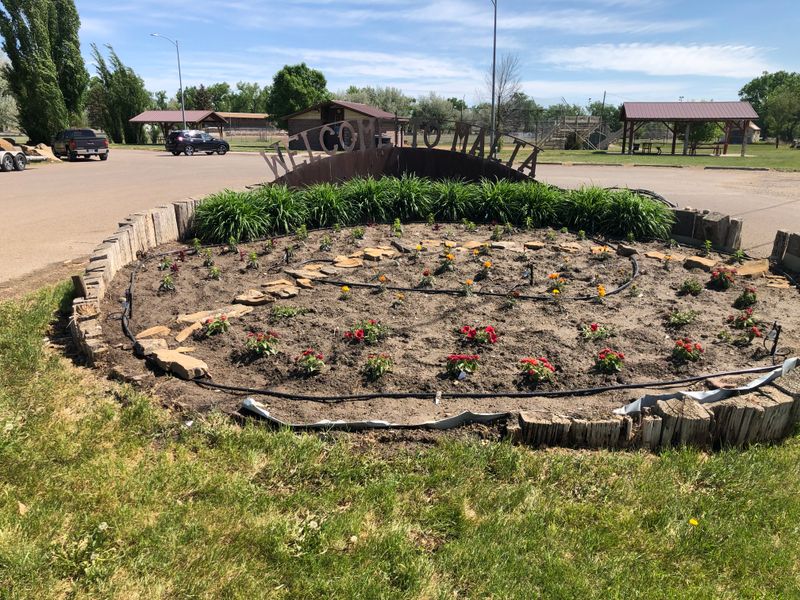
Spring arrives on the Malta prairies like an artist with an unlimited palette, transforming brown winter grasslands into riots of color.
Located in north-central Montana, this region experiences wildflower displays that rival any mountain meadow for sheer beauty and diversity.
Timing your visit right means witnessing nature’s most spectacular show, where every step reveals new blooms.
Prairie smoke flowers create hazy purple clouds across the landscape, their feathery seed heads catching the light.
Yellow blanketflowers, purple lupines, and orange globe mallow paint the grasslands in bold strokes that stretch to the horizon.
The sweet fragrance of blooming prairie clover fills the air, attracting butterflies and bees by the thousands.
Phillips County Museum in Malta offers excellent resources about local prairie ecology and the best spots for wildflower viewing.
Local ranchers have learned to appreciate these blooms as indicators of healthy rangeland, balancing cattle grazing with conservation.
Photographers from across the country travel here during peak bloom, usually late May through June, seeking that perfect prairie portrait.
Walking through these flower-filled prairies feels almost magical, like wandering through a natural garden that nobody planted.
The scale is what makes it breathtaking; not just a patch of flowers but entire hillsides covered in color.
Grasshoppers spring away with each step while meadowlarks sing from fence posts, their yellow breasts matching the flowers below.
Early morning dew makes the flowers sparkle like jewels, while evening light turns the entire prairie golden.
Bring a field guide and you’ll be amazed at the diversity; over 200 wildflower species grow in Montana’s prairies.
This natural wonder reminds you that prairies aren’t boring or barren but incredibly rich ecosystems deserving protection and admiration that touches your soul deeply.
Big Open Grassland Region
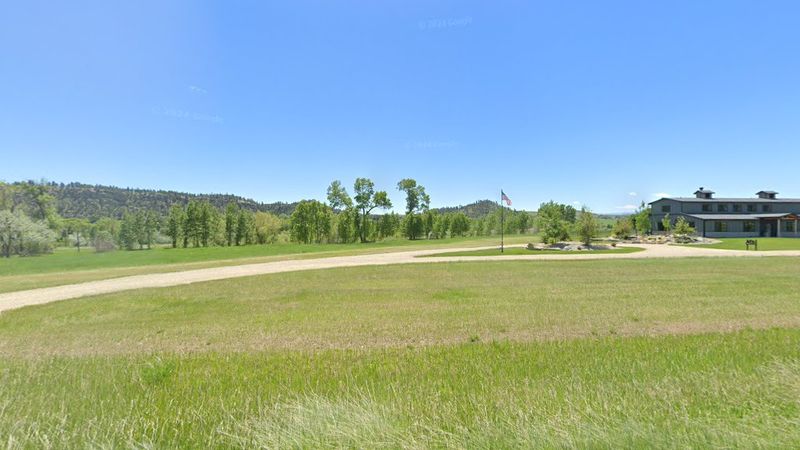
They call it the Big Open for good reason; this region of eastern Montana contains some of the most sparsely populated land in the lower 48 states.
Fewer than one person per square mile lives here, meaning you’ll encounter more antelope than people during your visit.
The grasslands roll endlessly in every direction, creating a sense of space that’s increasingly rare in our crowded world.
Garfield and McCone Counties form the heart of this region, where ranches measure in tens of thousands of acres.
The landscape appears simple at first glance, but closer inspection reveals incredible complexity in the grasses, flowers, and small creatures.
Shortgrass prairie dominates, adapted perfectly to the region’s limited rainfall and temperature extremes.
Driving the lonely highways through the Big Open becomes a meditation on solitude and self-reliance.
You might travel an hour without seeing another vehicle, just you and the road disappearing into the horizon.
Small towns like Jordan serve as outposts of human civilization, where everyone knows everyone and strangers are greeted warmly.
The night sky here reveals stars you’ve never seen before, with the Milky Way stretching across the darkness like a river of light.
Without light pollution, constellations appear crisp and clear, making you feel tiny beneath the cosmic display.
Thunderstorms roll across these plains with dramatic intensity, lightning illuminating the grasslands in brilliant flashes.
Pronghorn antelope race across the prairies at speeds up to 60 miles per hour, America’s fastest land animal showing off its incredible abilities.
Sage grouse perform their elaborate mating dances each spring at traditional lek sites used for generations.
Experiencing the Big Open teaches you that emptiness isn’t empty at all but full of subtle beauty, wildlife, and profound peace that expands your heart beyond its normal boundaries.
Terry Badlands and Prairie Mix
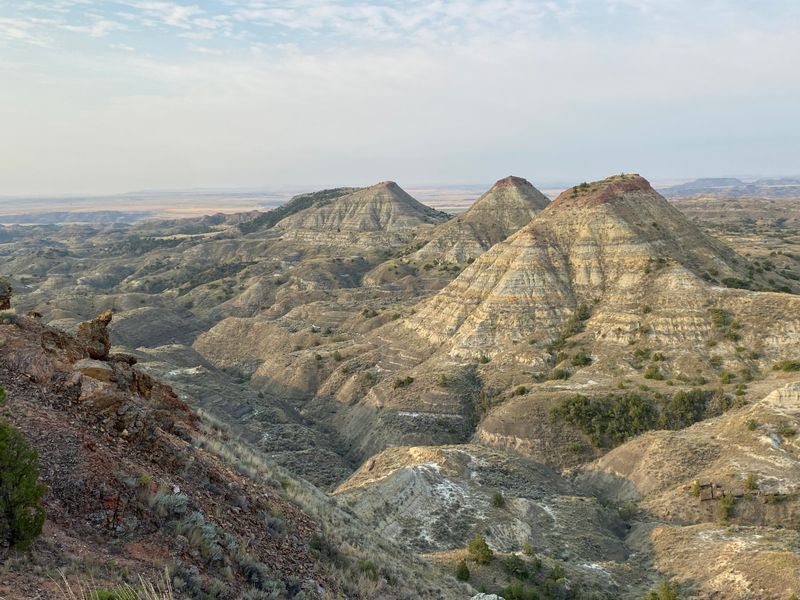
Where badlands meet prairie, something magical happens; two of Montana’s most distinctive landscapes create a visual feast unlike anywhere else.
Near the town of Terry in eastern Montana, eroded badlands formations rise dramatically from surrounding grasslands.
The contrast between smooth prairie and rugged badlands creates endless photo opportunities and unforgettable scenery.
Layers of sedimentary rock in shades of cream, rust, and gray tell stories of ancient seas and swamps that covered this region millions of years ago.
Fossils occasionally appear in the badlands, remnants of dinosaurs and prehistoric mammals that once roamed here.
The prairie grasses grow right up to the badlands edges, softening the harsh rock formations with their gentle textures.
Prairie Elk State Park near Terry provides access to both landscapes, with trails leading through grasslands and into badlands formations.
The Yellowstone River flows nearby, adding another element to this diverse ecosystem.
Cottonwoods and willows follow the river, creating ribbon forests that shelter deer and wild turkeys.
Sunrise and sunset transform the badlands into glowing sculptures, their colors intensifying as light hits at low angles.
Shadows create depth and drama, making the formations appear to change shape throughout the day.
The prairie grasses catch the light too, turning golden and creating waves of color that ripple with every breeze.
Local ranchers work this challenging terrain, their cattle grazing the prairie while avoiding the steep badlands.
The combination of landscapes supports diverse wildlife, from prairie dogs in the grasslands to bighorn sheep in the badlands.
Visiting this transitional zone shows you how different ecosystems blend and support each other, creating something greater than either could alone.
The beauty here is raw and powerful, filling your chest with emotions as big as the landscape itself.
Custer National Forest Prairie District
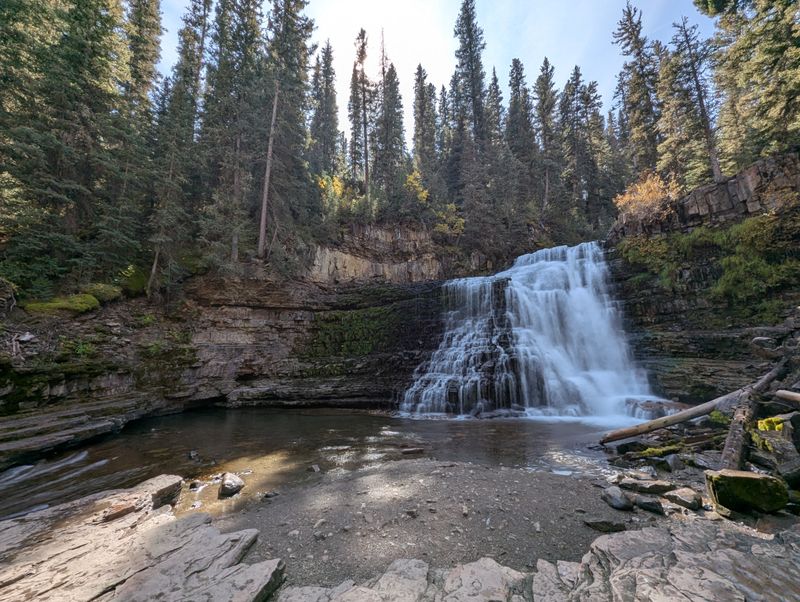
Most people think national forests mean trees, but Custer National Forest’s Prairie District proves that protected grasslands deserve equal recognition.
Scattered across southeastern Montana in separate units, this unique district preserves over 200,000 acres of mixed-grass prairie.
Each unit offers different experiences, from the Ekalaka Hills to the Capitol Rock area near Ismay.
The Long Pines unit near Camp Crook features ponderosa pine forests rising from prairie grasslands, creating an island ecosystem.
Wildlife uses these forested areas as shelter while foraging in surrounding grasslands, making for excellent viewing opportunities.
Hiking trails wind through both environments, letting you experience the dramatic transition between forest and prairie.
Capitol Rock stands as a distinctive landmark, a massive sandstone formation visible for miles across the surrounding prairie.
Native Americans used this area for vision quests and ceremonies, recognizing its spiritual power.
Climbing to the top rewards you with 360-degree views of seemingly endless grasslands stretching in every direction.
The Chalk Buttes unit features white cliffs and unusual rock formations that contrast beautifully with green prairie grasses.
Geology enthusiasts love exploring the exposed layers that reveal millions of years of earth history.
Wildflowers bloom in profusion during spring, taking advantage of moisture that collects around the buttes.
Primitive camping is allowed in most areas, letting you sleep under stars so bright they seem close enough to touch.
Coyote howls echo across the prairie at night, a wild symphony that reminds you this is their home.
Birding opportunities abound, with over 200 species recorded in the district, from tiny wrens to soaring golden eagles.
Protecting these prairie districts ensures future generations can experience the heart-swelling beauty of Montana’s grassland heritage in its most authentic form.
Dear Reader: This page may contain affiliate links which may earn a commission if you click through and make a purchase. Our independent journalism is not influenced by any advertiser or commercial initiative unless it is clearly marked as sponsored content. As travel products change, please be sure to reconfirm all details and stay up to date with current events to ensure a safe and successful trip.
