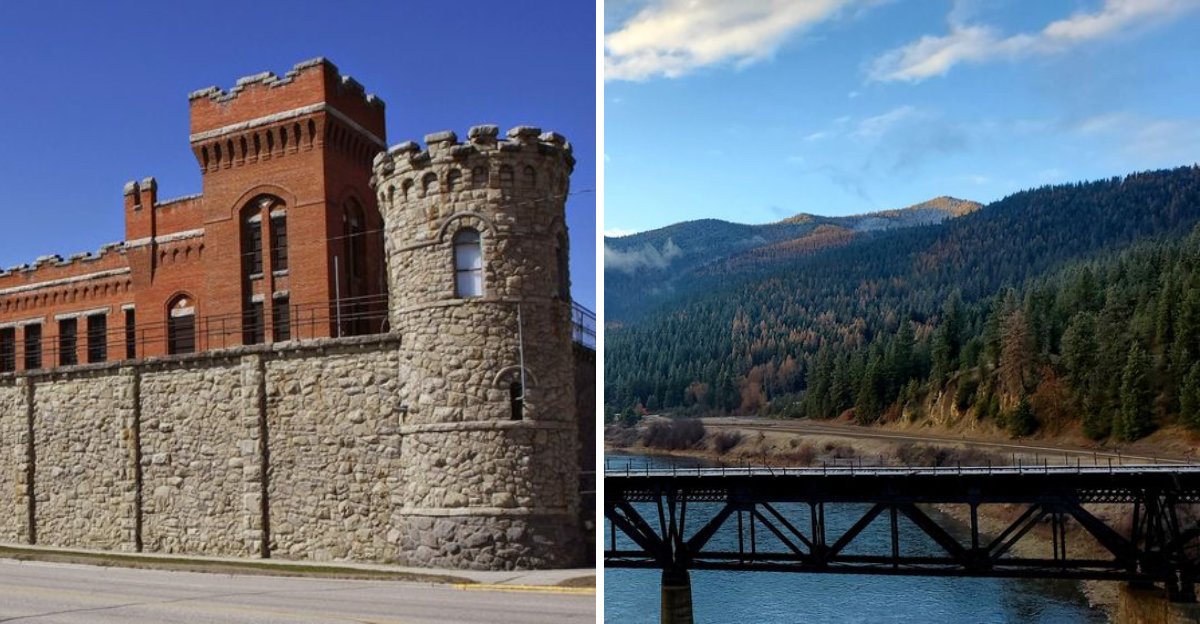
Montana’s railroad history runs deep through its valleys and mountain passes, where iron rails once carried ore, timber, and dreams of prosperity across the rugged landscape.
Towns that boomed alongside the tracks faded when the trains stopped coming, leaving behind historic depots and forgotten main streets.
Today, those same communities have found new life as charming weekend destinations, blending railroad heritage with outdoor adventure, creative culture, and small-town hospitality that feels worlds away from everyday routine.
1. Whitefish: Alpine Gateway With Historic Charm
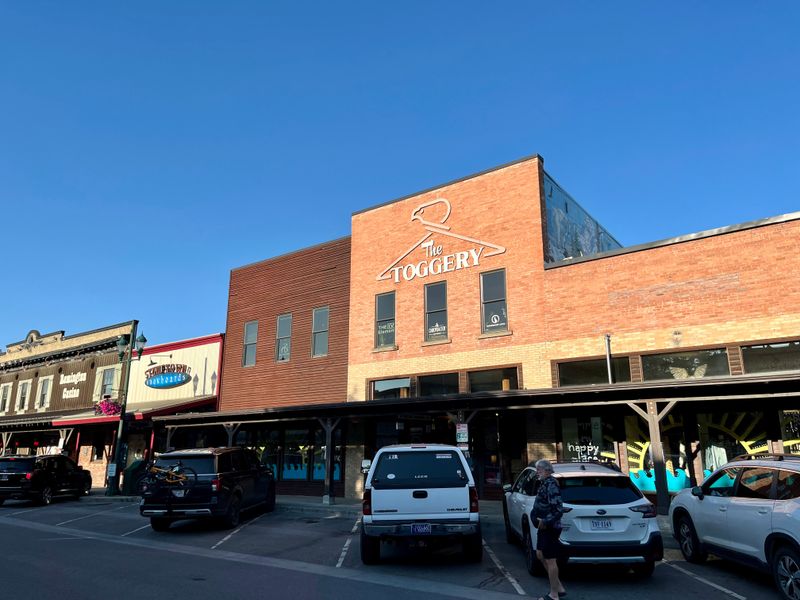
Whitefish sits at the edge of Glacier National Park, where the Great Northern Railway once brought travelers eager to explore the wilderness.
The depot still stands as a reminder of those days, now surrounded by a lively downtown filled with galleries, restaurants, and shops housed in vintage buildings.
Winters here transform the town into a ski haven, with Whitefish Mountain Resort drawing powder enthusiasts from across the region.
Summer brings hikers and cyclists who explore trails winding through forests and along lakeshores, while the town itself hums with festivals and outdoor concerts.
The historic architecture along Central Avenue tells stories of railroad prosperity, with brick facades and old signs that have been lovingly preserved.
Whitefish Lake offers swimming, paddleboarding, and sunset views that paint the surrounding peaks in shades of pink and gold.
Local breweries and farm-to-table restaurants have transformed the dining scene, making this a destination for food lovers as much as outdoor adventurers.
The town balances its railroad past with a vibrant present, where art walks and live music fill summer evenings.
Stumptown Historical Society Museum shares tales of logging camps and railway workers who built this community from scratch.
Walking the tree-lined streets feels like stepping into a postcard, where every corner reveals mountain views and welcoming storefronts.
Whitefish proves that Montana’s railroad towns can honor their heritage while embracing modern mountain culture with style and authenticity.
2. Livingston: Artist Colony Along the Yellowstone

Livingston rose as a Northern Pacific Railway hub, where workers maintained locomotives and travelers changed trains bound for Yellowstone National Park.
The grand depot, built in 1902, stands as one of Montana’s most beautiful railroad buildings, now housing a museum that celebrates the town’s transportation heritage.
Artists discovered Livingston decades ago, drawn by affordable studio space and dramatic landscapes framed by the Absaroka Mountains.
Galleries line Main Street, showcasing Western art alongside contemporary pieces that reflect the creative energy flowing through this community.
The Yellowstone River runs just south of town, offering world-class fly fishing that attracts anglers who wade its clear waters in search of trout.
Downtown buildings wear their age proudly, with vintage neon signs and pressed tin ceilings that transport visitors back to mid-century Montana.
Writers and filmmakers have long called Livingston home, adding literary depth to a town already rich in character and story.
Summer brings rodeos and street festivals that fill the air with music and the smell of grilled food, while locals and visitors mingle on sidewalks.
The Livingston Depot Center displays railroad artifacts and historical photographs that document the town’s evolution from railway junction to cultural destination.
Coffee shops and bookstores provide gathering spots where conversations flow as freely as the espresso.
Livingston’s transformation from railroad town to artist haven happened organically, creating a community where creativity and history coexist beautifully along the banks of Montana’s longest river.
3. Red Lodge: Mountain Town With Mining Roots
Red Lodge began as a coal mining camp, where the Northern Pacific Railway carried black diamonds from the surrounding hills to fuel locomotives across the West.
Broadway Avenue preserves that mining heritage, with brick storefronts and vintage architecture that speak to the town’s industrial past.
The Beartooth Highway starts here, climbing through alpine tundra to heights that leave visitors breathless in every sense.
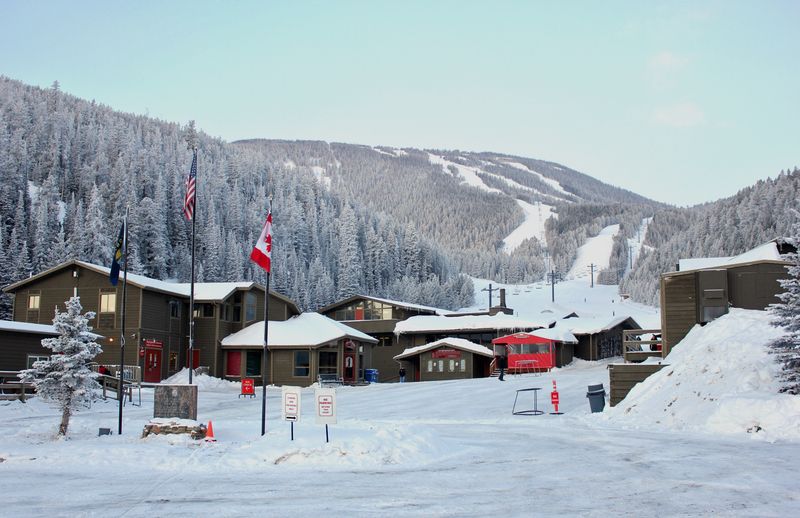
Red Lodge Mountain Resort brings skiers to slopes that offer stunning views across the Beartooth Plateau, while summer transforms the area into hiking paradise.
Historic saloons still operate along Broadway, their wooden bars worn smooth by generations of miners, ranchers, and now tourists seeking authentic Western atmosphere.
The Carbon County Historical Society maintains exhibits about coal mining operations and the diverse immigrants who worked the mines and settled the region.
Rock Creek flows through town, providing a soundtrack of rushing water that accompanies strolls through downtown.
Summer festivals celebrate everything from music to motorcycles, filling streets with energy and bringing together locals and visitors in shared celebration.
The town’s proximity to Yellowstone makes it a strategic base for park exploration, offering quieter accommodations than gateway communities.
Art galleries and craft shops have moved into old storefronts, adding creative flair to a town built on hard labor and determination.
Red Lodge balances its rough-and-tumble past with modern amenities, creating a destination where history feels present without overwhelming the contemporary experience.
Walking these streets means following in the footsteps of miners and railroad workers who carved a community from Montana wilderness.
4. Three Forks: Where Rivers and Rails Meet
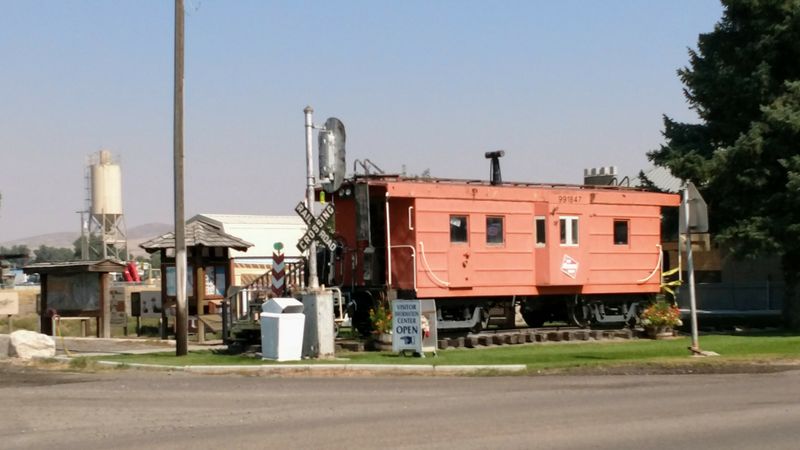
Three Forks sits at the confluence of the Jefferson, Madison, and Gallatin Rivers, where Lewis and Clark camped and where the Milwaukee Road later established a division point.
The town’s location made it strategically important for both explorers and railway engineers, creating layers of history visible in its quiet streets.
Headwaters State Park protects the spot where three rivers merge to form the mighty Missouri, offering trails and interpretive signs that tell the story of Western expansion.
Downtown Three Forks maintains a sleepy charm, with locally owned cafes and antique shops that invite leisurely browsing.
The Milwaukee Road Depot still stands, a reminder of when steam locomotives stopped here for water and crew changes.
Nearby Madison Buffalo Jump State Park preserves a cliff where Native Americans once drove bison herds, adding prehistoric depth to the area’s human story.
Fishing access sites along all three rivers provide endless opportunities for anglers seeking solitude and trout in equal measure.
The town celebrates its heritage with murals depicting Lewis and Clark, railroad workers, and early settlers who recognized this valley’s agricultural potential.
Small-town pace defines life here, where neighbors greet each other by name and visitors quickly feel welcomed into the community.
The surrounding landscape stretches wide and golden, with mountain ranges visible in every direction framing this historic crossroads.
Three Forks offers a quieter weekend escape than busier Montana destinations, appealing to those who appreciate history without crowds and nature without fanfare.
This town proves that sometimes the most rewarding getaways happen in places where rivers converge and time seems to slow to match their steady flow.
5. Deer Lodge: Prison Town Turned Heritage Site
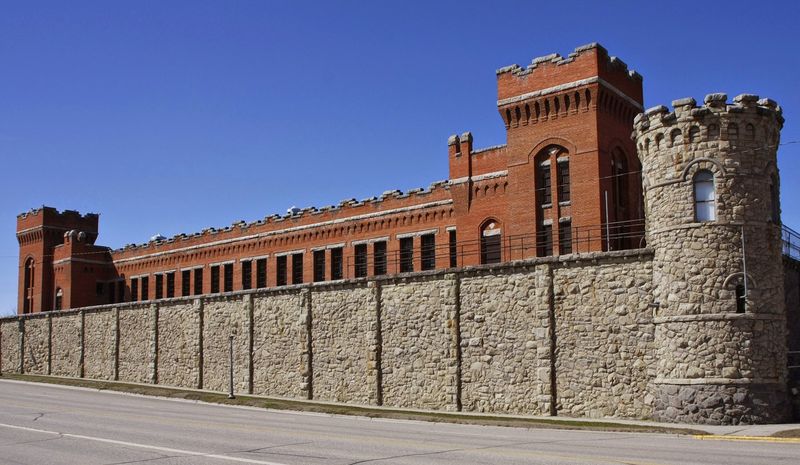
Deer Lodge grew alongside the Northern Pacific Railway, but it’s the imposing stone walls of the Old Montana Prison that dominate the town’s identity today.
The prison operated from 1871 to 1979, and now serves as a museum where visitors walk cellblocks and learn about life behind bars in the Old West.
Railroad history intersects with prison history here, as trains once delivered supplies and transported inmates to this remote valley community.
The Grant-Kohrs Ranch National Historic Site preserves a working cattle ranch that supplied beef to mining camps and railroad construction crews across Montana.
Downtown Deer Lodge retains its vintage character, with brick buildings housing cafes and shops that cater to history enthusiasts exploring the area’s museums.
The Powell County Museum complex includes an automobile museum with vintage cars that tell their own stories of American mobility and Western expansion.
Clark Fork River flows through the valley, offering fishing and floating opportunities for visitors who want to balance museum tours with outdoor recreation.
The town’s location between Missoula and Butte makes it a convenient stop for travelers crossing Montana, though many find reasons to linger longer than planned.
Local restaurants serve hearty meals that fuel exploration of the multiple museums clustered within walking distance of each other.
Deer Lodge embraces its unusual heritage without sensationalizing it, presenting prison history alongside ranching and railroad stories with equal respect.
The surrounding valley spreads wide and agricultural, with hay fields and ranch land that look much as they did when trains first steamed through this corridor.
This town offers a unique weekend getaway for those fascinated by the complex layers of Western history, where railroads, ranching, and incarceration intersect in unexpected ways.
6. Philipsburg: Silver Town Frozen in Time
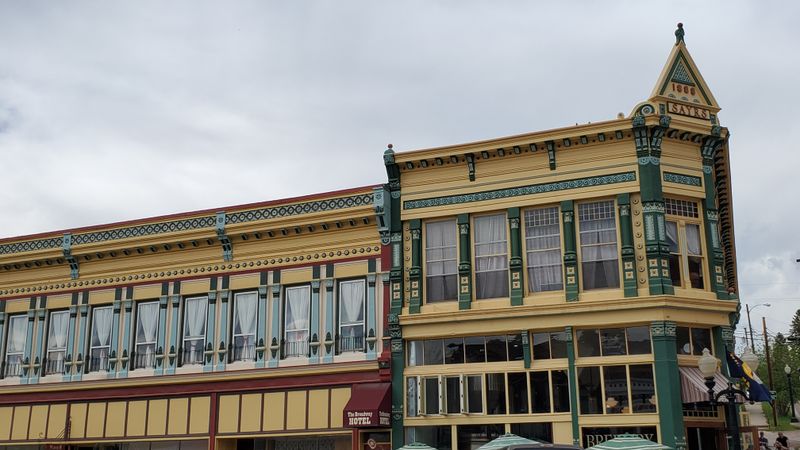
Philipsburg clings to the side of a mountain, its Victorian buildings arranged along Broadway like stage sets from a Western film.
Silver mining built this town, and a rail connection arrived via the Drummond and Philipsburg Railroad, linking the mines to wider markets and supply routes.
The Granite Ghost Town stands above Philipsburg, where abandoned mine buildings and empty homes tell silent stories of boom and bust.
Broadway stretches just a few blocks, but every storefront holds something interesting, from the famous Sweet Palace candy shop to galleries selling local art and jewelry.
The Philipsburg Brewing Company occupies a historic building, serving craft beer to visitors who appreciate both the brews and the vintage atmosphere.
Sapphire mining continues in the surrounding hills, and several businesses offer visitors the chance to pan for gems and keep whatever they find.
The town’s elevation keeps summer temperatures pleasant, while snow transforms winter into a postcard scene of white-covered roofs and twinkling lights.
Historic walking tours reveal details about the architecture and the families who built fortunes from silver extracted from the surrounding mountains.
Rock Creek flows nearby, attracting fly fishers who work its waters while based in town.
Philipsburg feels authentic in ways that many tourist towns don’t, with working residents and genuine community spirit visible beneath the historic preservation.
The surrounding Flint Creek Range provides dramatic backdrop and endless hiking opportunities for those willing to explore beyond the main street.
This town captures Montana’s mining heritage better than almost anywhere else, offering weekend visitors a genuine glimpse into the silver boom era that shaped the state’s early economy and character.
7. Big Timber: Ranching Community With Railroad Heart
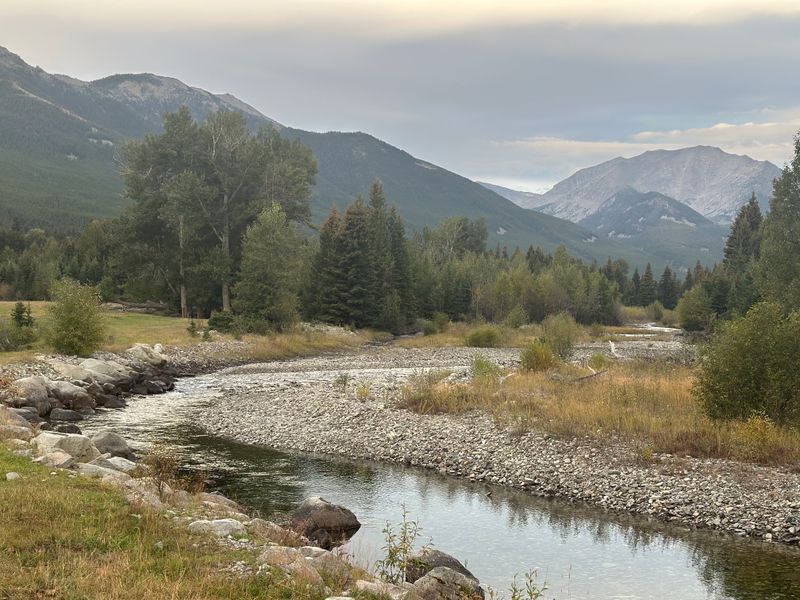
Big Timber spreads across the Yellowstone River valley, where the Northern Pacific Railway established a division point that made this ranching community a transportation hub.
The Crazy Mountains rise dramatically to the north, their jagged peaks providing a stunning backdrop to a town that remains refreshingly unpretentious.
McLeod Street runs through downtown, lined with buildings that house working businesses serving both locals and the growing number of visitors discovering this area.
The Crazy Mountain Museum preserves local history, from railroad operations to ranching heritage to the Norwegian immigrants who settled this valley.
Big Timber Waterslides offers family fun during hot summer days, while the river itself provides floating and fishing opportunities.
The town maintains its working character, with feed stores and ranch supply shops operating alongside galleries and restaurants that cater to tourists.
Natural hot springs bubble up in the nearby mountains, accessible via forest roads that require four-wheel drive and a sense of adventure.
The Grand Hotel has welcomed guests since 1890, its Victorian elegance preserved through careful restoration that honors the building’s railroad-era origins.
Sheep and cattle ranches still operate across the surrounding valleys, making this a place where Western traditions continue rather than just get commemorated.
The Boulder River flows through spectacular canyon country south of town, offering some of Montana’s most scenic and challenging fly fishing.
Big Timber avoids the tourist crowds that overwhelm other Montana destinations, appealing to visitors who want authentic small-town experience without manufactured Western theme park atmosphere.
This community proves that railroad towns can maintain their identity and purpose while welcoming weekend visitors who appreciate genuine Montana hospitality and landscape.
8. St. Regis: Crossroads of Scenic Highways
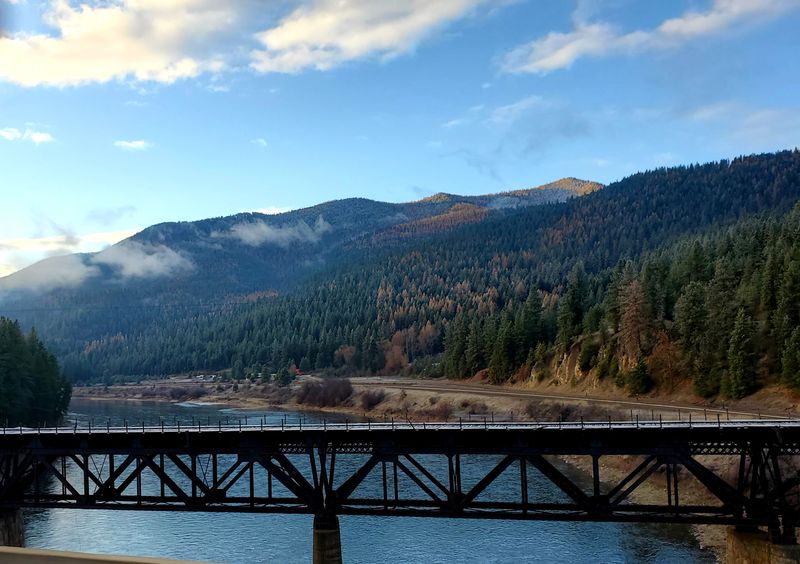
St. Regis sits where Interstate 90 and Highway 135 intersect, a location that made it important during railroad days and keeps it relevant for modern travelers.
The town began as a Northern Pacific Railway stop, serving locomotives that needed water and crews that needed rest before crossing the mountains.
Today, St. Regis offers a convenient base for exploring the surrounding national forests, with trails and fishing streams accessible within minutes of downtown.
The St. Regis Travel Center maintains vintage neon signs that glow against mountain darkness, creating roadside Americana atmosphere that photographers love.
The Clark Fork River flows nearby, its waters clear and cold, supporting populations of trout that attract fly fishers from across the region.
Local cafes serve hearty breakfasts to travelers heading east or west, continuing the tradition of feeding people passing through this mountain corridor.
The surrounding Lolo National Forest provides endless recreation opportunities, from hiking to wildlife watching to simply driving forest roads that penetrate deep wilderness.
St. Regis embraces its role as a crossroads, offering services and hospitality without pretending to be something it’s not.
The town’s elevation and location create weather patterns that bring heavy snow in winter, transforming the area into a quiet retreat for those seeking solitude.
Historic buildings along the main street show their age, but that weathered character adds authenticity to a town that has watched countless travelers pass through.
Summer brings motorcyclists riding scenic routes, while autumn draws hunters preparing for seasons in the surrounding mountains.
St. Regis may be small, but its location and natural surroundings make it a surprisingly appealing weekend destination for those who appreciate Montana’s quieter corners and railroad heritage.
9. Culbertson: Hi-Line Town on the Northern Border
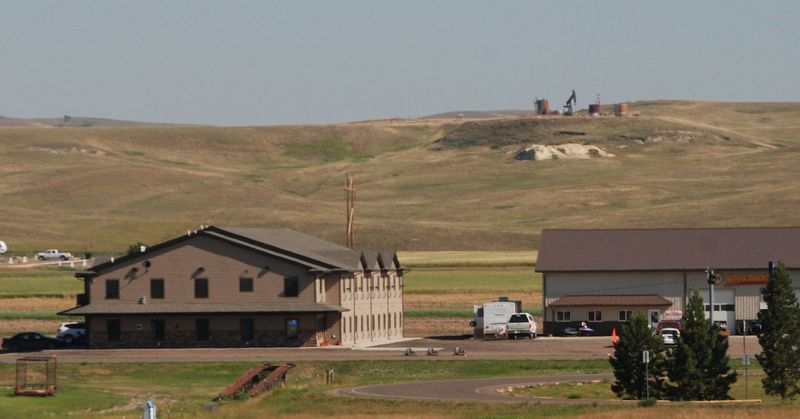
Culbertson stretches along Montana’s Hi-Line, where the Great Northern Railway connected isolated prairie communities to the wider world.
This town sits just miles from the North Dakota border, surrounded by wheat fields and ranch land that roll to distant horizons.
The Missouri River flows south of town, creating a green corridor through otherwise dry country and offering recreation opportunities unusual for this region.
Culbertson’s downtown preserves its railroad-era architecture, with brick buildings that once housed businesses serving farmers, ranchers, and railway workers.
The town celebrates its agricultural heritage with grain elevators that still dominate the skyline, visible for miles across the flat landscape.
Medicine Lake National Wildlife Refuge lies nearby, attracting birders who come to see pelicans, cranes, and countless waterfowl that use these prairie wetlands.
Local museums document homesteading history and the challenges faced by families who claimed land and built farms in this harsh but beautiful country.
The Hi-Line’s wide skies create dramatic sunsets that paint clouds in colors that seem impossible, rewarding visitors who venture to Montana’s northern reaches.
Culbertson maintains small-town friendliness that surprises first-time visitors, with locals eager to share stories and recommendations.
The town’s location makes it a strategic stop for travelers crossing northern Montana, though the surrounding natural areas deserve more than just a fuel stop.
Fishing and boating on the Missouri provide summer recreation, while the surrounding prairie offers solitude that feels increasingly rare.
Culbertson represents the quieter side of Montana’s railroad heritage, where towns survive through determination and communities remain tight-knit despite economic challenges and changing times.
10. Townsend: Canyon Lake Retreat
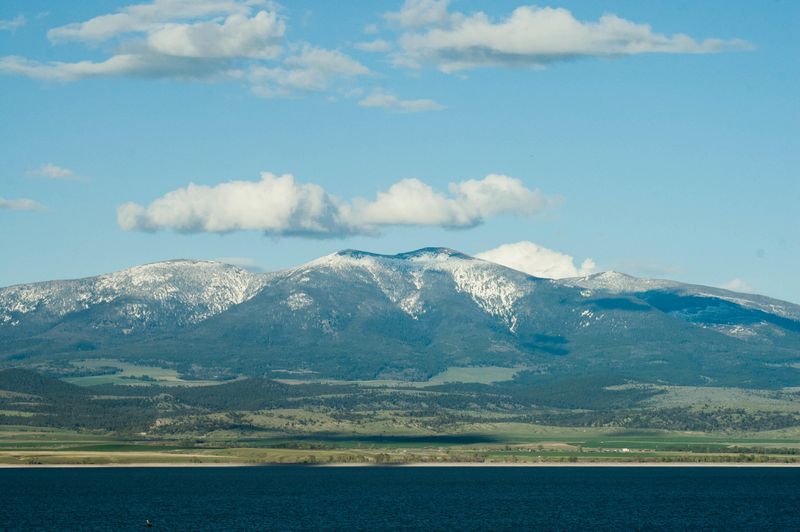
Townsend occupies a valley where the Missouri River widens into Canyon Ferry Lake, creating a recreation destination that draws boaters, anglers, and campers.
Rail service reached Townsend on the Northern Pacific, and the depot era helped connect this Missouri River valley to the state’s larger trade and travel network.
Canyon Ferry Lake stretches for miles, its blue waters reflecting the Big Belt Mountains that rise steeply from the eastern shore.
Townsend’s downtown retains historic buildings that recall the town’s railroad past, though today the economy revolves around lake recreation and tourism.
Several marinas and campgrounds line the lakeshore, offering access to some of Montana’s best walleye and trout fishing.
The town serves as a gateway to the Gates of the Mountains Wilderness, where limestone cliffs tower above the Missouri River.
Broadwater County Museum preserves local history, from Native American artifacts to railroad memorabilia to homesteading exhibits.
Summer weekends bring crowds to the lake, but weekday visits reveal a quieter side of this popular recreation area.
The surrounding valley spreads wide and agricultural, with hay fields and small ranches that maintain the area’s rural character.
Townsend offers more affordable accommodations than busier Montana destinations, making it appealing for budget-conscious families seeking outdoor adventure.
Wildlife viewing opportunities abound, with eagles, ospreys, and deer commonly spotted along the lakeshore and in surrounding foothills.
The town’s location between Helena and Bozeman makes it a convenient base for exploring central Montana’s attractions and scenic backroads.
Townsend proves that railroad towns can reinvent themselves around natural resources, creating weekend getaways where water recreation and mountain scenery combine with small-town hospitality and railroad heritage.
Dear Reader: This page may contain affiliate links which may earn a commission if you click through and make a purchase. Our independent journalism is not influenced by any advertiser or commercial initiative unless it is clearly marked as sponsored content. As travel products change, please be sure to reconfirm all details and stay up to date with current events to ensure a safe and successful trip.
