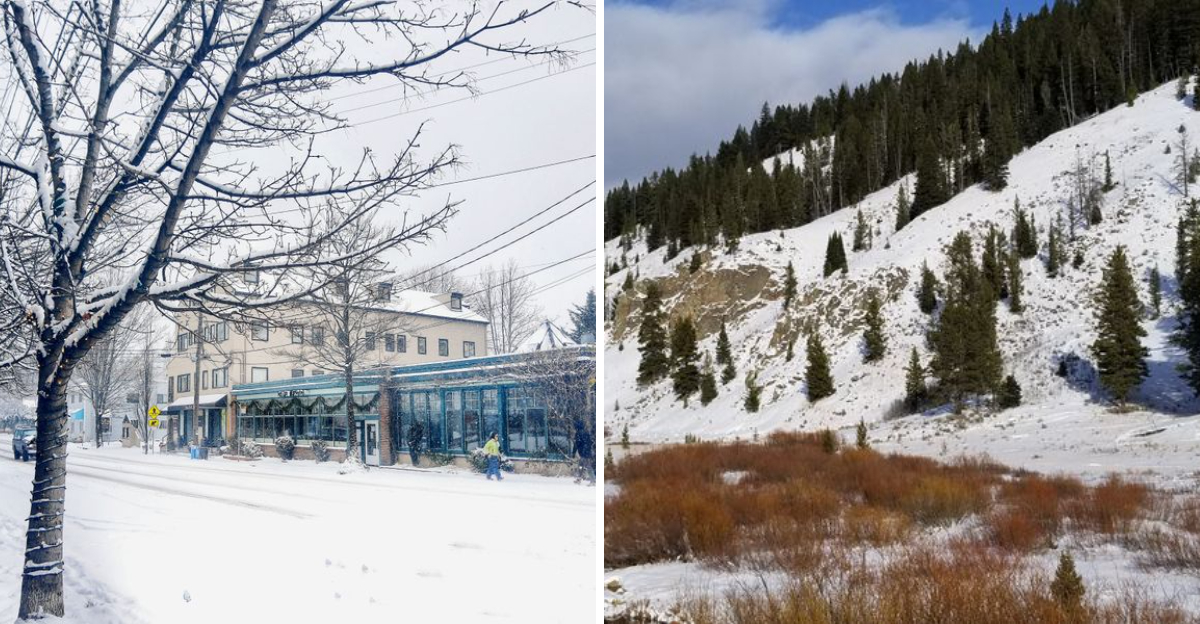
Montana holds some of the most breathtaking valleys in the entire country, where towering mountains meet wide open spaces.
Snow-capped peaks frame these valleys like natural works of art, creating landscapes that feel almost unreal.
Whether you love hiking, wildlife watching, or simply soaking in stunning views, these valleys offer something truly special.
From quiet meadows to rushing rivers, each valley has its own personality and charm.
Many of these spots remain peaceful and uncrowded, giving visitors a chance to experience nature at its finest.
The combination of dramatic mountain scenery and serene valley floors makes Montana a paradise for outdoor lovers.
Get ready to explore ten incredible valleys where snowy peaks stand guard over some of the most beautiful land you’ll ever see.
1. Bitterroot Valley
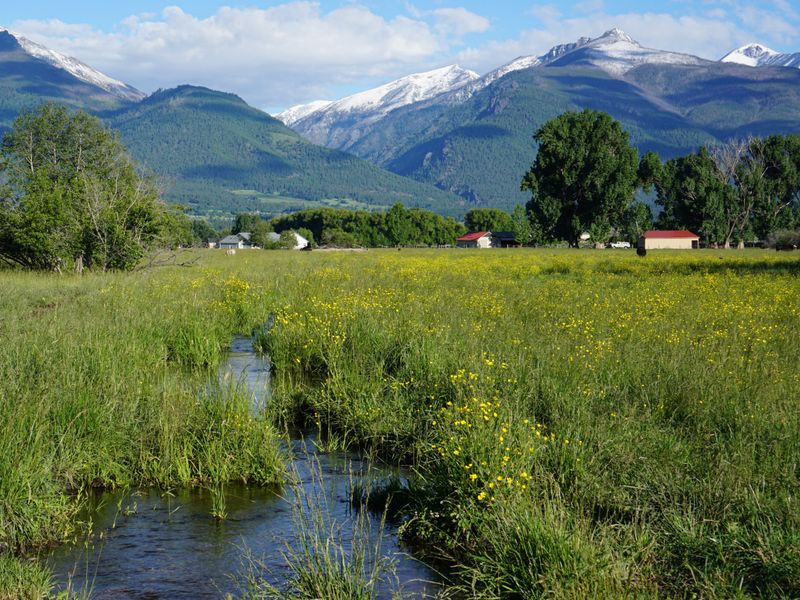
Bitterroot Valley stretches along the western edge of Montana, where the Bitterroot Mountains rise dramatically to create one of the most striking backdrops imaginable.
This valley runs roughly north to south, offering miles of scenic beauty that changes with every season.
Wildflowers carpet the valley floor in spring and summer, while autumn brings golden aspens and cottonwoods.
The Bitterroot River winds through the center, providing excellent fishing opportunities and a peaceful soundtrack to any visit.
Small towns like Hamilton and Stevensville dot the valley, each offering a welcoming atmosphere and local charm.
Hiking trails lead into the surrounding wilderness, where you can spot elk, deer, and even black bears.
The Bitterroot National Forest borders much of the valley, preserving its wild character.
Snow-dusted peaks tower above the landscape nearly year-round, creating postcard-perfect views from almost anywhere you stand.
Local ranches and farms add to the valley’s rural beauty, with horses grazing against mountain vistas.
Bitterroot Valley feels timeless and unhurried, a place where nature still sets the pace.
Address: Bitterroot Valley, Hamilton, MT 59840
2. Flathead Valley
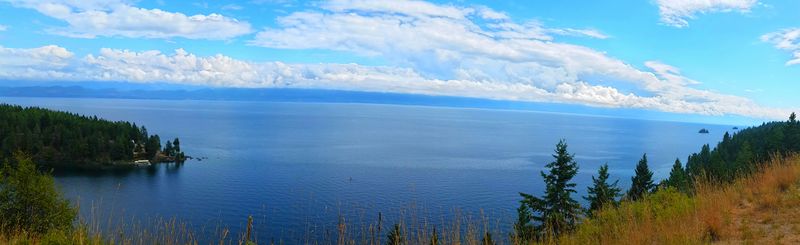
Flathead Lake anchors this stunning valley, creating a centerpiece that draws visitors from around the world.
The valley sits in northwestern Montana, cradled between the Mission Mountains to the east and the Salish Range to the west.
Both mountain ranges wear snow like crowns for much of the year, their white peaks contrasting beautifully with the deep blue lake below.
Cherry orchards thrive in the valley’s unique climate, bursting into bloom each spring with delicate pink and white flowers.
Towns like Kalispell, Whitefish, and Bigfork offer arts, dining, and outdoor recreation without feeling overly touristy.
Glacier National Park lies just to the north, making Flathead Valley an ideal base for exploring one of America’s greatest natural treasures.
The valley’s mix of water, mountains, and forests creates incredible biodiversity.
Eagles soar overhead, ospreys dive for fish, and bighorn sheep navigate the rocky slopes above.
Winter transforms the area into a snowy wonderland, perfect for skiing and snowshoeing.
Summer brings warm days ideal for boating, swimming, and lakeside relaxation.
Address: Flathead Valley, Kalispell, MT 59901
3. Gallatin Valley
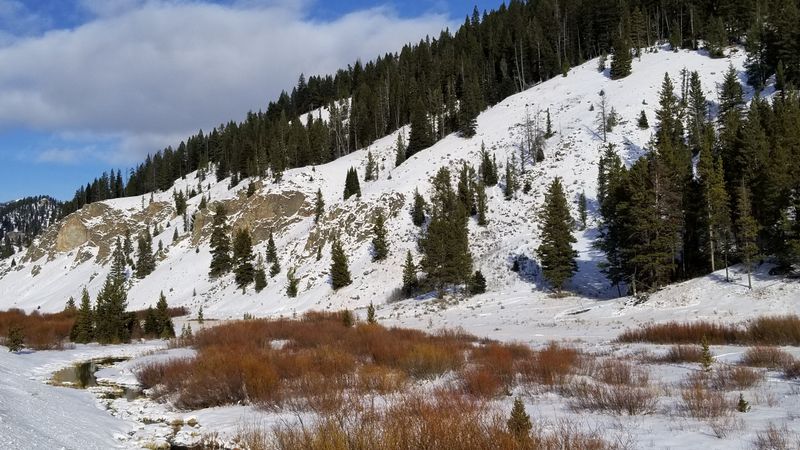
Bozeman sits at the heart of Gallatin Valley, a college town that blends outdoor adventure with cultural energy.
The Bridger Mountains rise sharply to the north, their jagged ridgeline often white with snow even in summer months.
To the south, the Spanish Peaks and Madison Range add even more dramatic scenery to an already impressive landscape.
The Gallatin River flows through the valley, famous among fly fishermen for its abundant trout populations.
Rolling hills covered in grasslands give way to pine forests as you climb toward the mountains.
This valley has attracted ranchers for generations, and you’ll still see working cattle operations alongside newer developments.
Wildlife thrives here, with moose, elk, and bears all calling the surrounding mountains home.
The valley provides easy access to Yellowstone National Park, located just to the south.
Hot springs bubble up in several locations nearby, offering natural relaxation after a day of exploring.
Ski resorts operate in the surrounding peaks, drawing winter sports enthusiasts from across the region.
Gallatin Valley combines accessibility with wild beauty in a way few places can match.
Address: Gallatin Valley, Bozeman, MT 59715
4. Paradise Valley

Paradise Valley earned its name honestly, stretching between Livingston and Yellowstone National Park like nature’s own highway.
The Absaroka Mountains wall in the valley on both sides, their peaks often glowing pink and orange at sunset.
Snow clings to these mountains for most of the year, feeding countless streams that cascade down into the valley below.
The Yellowstone River runs straight through the middle, creating world-class fishing opportunities and stunning scenery at every bend.
Ranches occupy much of the valley floor, some dating back over a century to Montana’s homesteading days.
Chico Hot Springs sits nestled in the foothills, offering warm mineral waters with mountain views.
Artists and writers have long been drawn to Paradise Valley, inspired by its unspoiled beauty and peaceful atmosphere.
Hiking trails lead into the Absarokas, where alpine lakes reflect surrounding peaks like mirrors.
Eagles nest along the river, and you might spot bighorn sheep on rocky outcrops above the valley floor.
The drive through Paradise Valley alone makes the trip worthwhile, with new vistas appearing around every curve.
This valley feels remote despite being relatively accessible, preserving a frontier quality that’s increasingly rare.
Address: Paradise Valley, Emigrant, MT 59027
5. Mission Valley
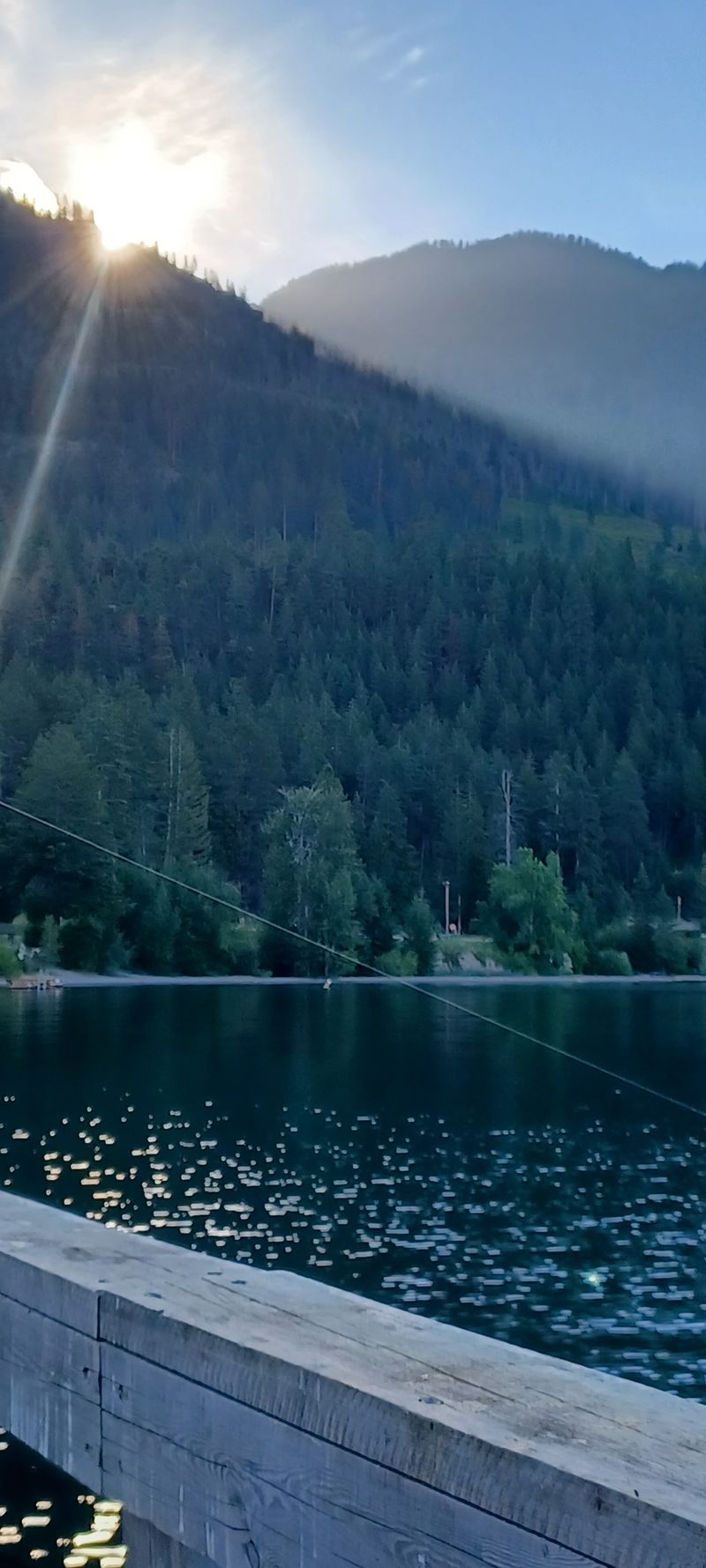
Mission Mountains dominate the eastern horizon of Mission Valley, their sharp peaks often shrouded in clouds and snow.
The Flathead Indian Reservation encompasses much of this valley, adding cultural richness to its natural beauty.
Bison roam freely at the National Bison Range, where you can drive through and observe these magnificent animals in their natural habitat.
The valley floor spreads wide and flat, perfect for agriculture and offering unobstructed views of the surrounding peaks.
Small communities like St. Ignatius preserve the area’s history and provide a glimpse into reservation life.
The Mission Mountains Wilderness protects the high country, keeping it wild and roadless for future generations.
Waterfalls tumble from glacial cirques, especially dramatic during spring snowmelt.
The valley’s position creates stunning light conditions, particularly during golden hour when the mountains seem to glow.
Ninepipe and Pablo National Wildlife Refuges attract hundreds of bird species, making this a birdwatcher’s paradise.
Cherry stands line some roads in summer, offering fresh fruit against a backdrop of snowy peaks.
Mission Valley combines cultural heritage with natural splendor in ways that make it truly unique.
Address: Mission Valley, St. Ignatius, MT 59865
6. Big Hole Valley
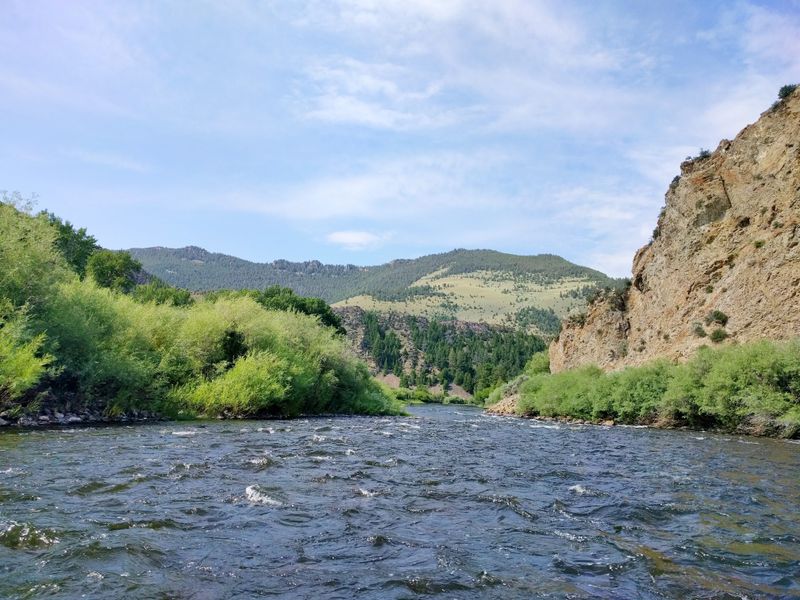
Big Hole Valley spreads out like an enormous meadow, earning its nickname as the Land of 10,000 Haystacks.
The Pioneer Mountains frame the valley to the west, while the Beaverhead Range rises to the east, both wearing snow for much of the year.
This valley sits at high elevation, meaning cooler temperatures and a shorter growing season than many Montana valleys.
Ranching defines Big Hole’s character, with hay meadows and cattle operations stretching as far as the eye can see.
The Big Hole River meanders through the valley, famous for its Arctic grayling and excellent trout fishing.
Wildflowers explode across the meadows in summer, painting the landscape in purples, yellows, and reds.
The valley’s remoteness keeps it quiet and uncrowded, appealing to those seeking solitude.
Historic ranches dot the landscape, some still operating much as they did generations ago.
Snow-covered peaks provide a dramatic backdrop to everyday ranch life, creating scenes that belong on calendars.
Wildlife abounds, including moose that wade in marshy areas and pronghorn antelope racing across open flats.
Big Hole Valley feels like stepping back in time to a simpler, quieter Montana.
Address: Big Hole Valley, Wisdom, MT 59761
7. Swan Valley
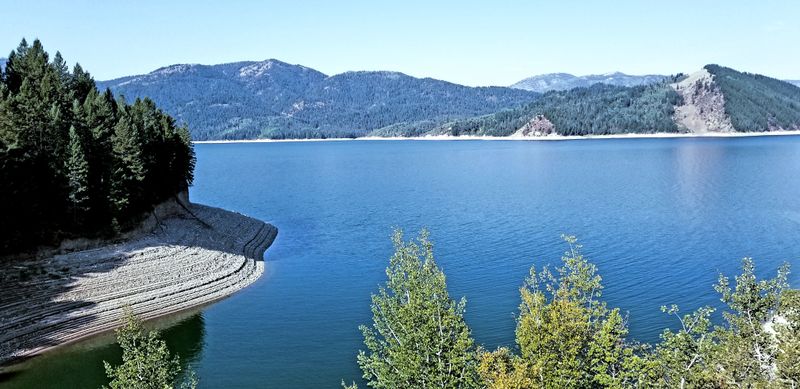
Swan Valley runs like a green corridor between the Mission Mountains and the Swan Range, both crowned with snow.
Highway 83 follows the valley floor, passing through dense forests and alongside crystal-clear lakes.
Seeley Lake and Swan Lake anchor the valley, offering recreation and reflecting surrounding peaks like giant mirrors.
Grizzly bears roam these mountains, making Swan Valley one of the wildest places in the lower states.
The Bob Marshall Wilderness borders the valley to the east, protecting over a million acres of roadless backcountry.
Larch trees turn golden in autumn, creating spectacular color against evergreen forests and white mountain peaks.
Small communities maintain the valley’s quiet character, with few commercial developments interrupting the natural landscape.
Hiking trails lead to alpine lakes where mountain goats navigate cliffs above.
The valley’s position between two major mountain ranges creates unique weather patterns and stunning scenery.
Moose frequently appear along the highway, especially near marshy areas and willow thickets.
Swan Valley offers a true wilderness experience while remaining accessible by paved road.
Snow lingers on the highest peaks well into summer, feeding waterfalls and keeping streams cold and clear.
Address: Swan Valley, Condon, MT 59826
8. Madison Valley
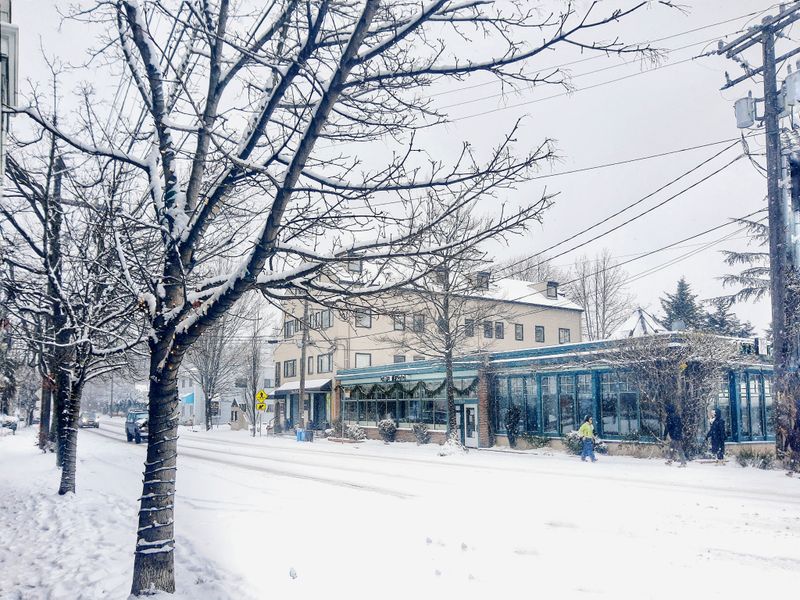
The Madison River gives this valley its name and its soul, flowing north toward Three Forks through spectacular mountain scenery.
The Gravelly Range rises to the west, while the Madison Range towers to the east, both wearing snowfields that last through summer.
Ennis serves as the valley’s main town, known for its fishing culture and western hospitality.
The Madison River ranks among the world’s finest trout streams, drawing anglers from every continent.
Ranches occupy much of the valley floor, their fences and barns creating classic western scenes.
Elk herds winter in the valley, sometimes numbering in the hundreds as they seek lower elevations.
The valley’s width creates big sky views, where weather systems march across the landscape in full view.
Hot springs emerge in several spots, including the popular Norris Hot Springs near the valley’s southern end.
Snow-covered peaks provide year-round drama, changing color with the light from pink to purple to deep blue.
Hiking trails climb into both mountain ranges, offering alpine lakes and panoramic valley views.
Madison Valley maintains a working landscape where agriculture and recreation coexist peacefully.
The combination of world-class fishing and stunning scenery makes this valley unforgettable.
Address: Madison Valley, Ennis, MT 59729
9. Tobacco Root Valley
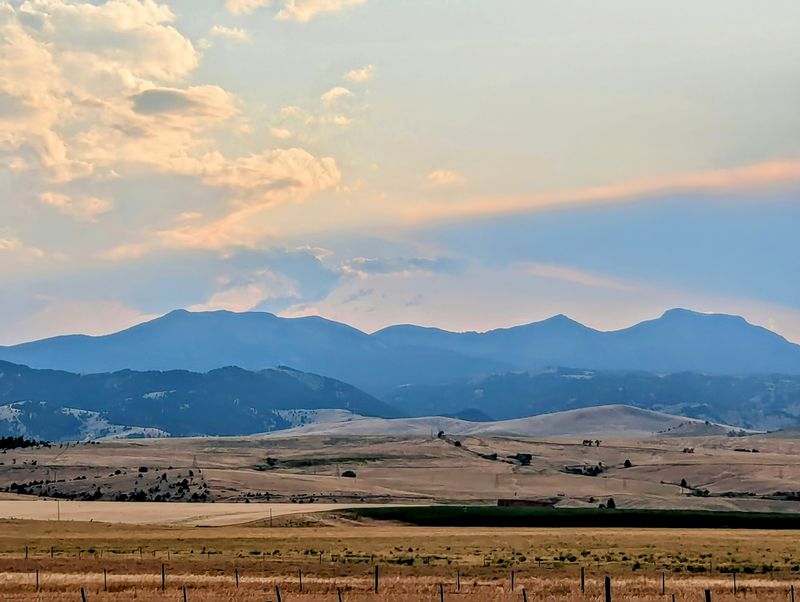
Tobacco Root Mountains rise abruptly from the valley floor, their jagged peaks holding snow in shaded cirques year-round.
This smaller valley near the Madison Range offers intimate mountain scenery without the crowds found in more famous locations.
Historic mining towns like Pony cling to the mountainsides, remnants of Montana’s gold rush past.
The valley floor supports ranching and farming, with hay fields and pastures stretching between mountain walls.
Wildflowers thrive in the high meadows, accessible by trails that wind up from the valley.
Alpine lakes hide in the mountains above, some still frozen into July.
The compact size of Tobacco Root Valley creates an enclosed feeling, like discovering a secret mountain hideaway.
Wildlife includes mountain goats on the highest peaks and elk in the valley during winter months.
Fall brings spectacular color to the valley’s aspen groves, contrasting beautifully with evergreens and snowy peaks.
Mining relics dot the landscape, telling stories of fortune seekers who came here generations ago.
The valley’s relative obscurity keeps it peaceful, appealing to those who prefer solitude.
Snow transforms the Tobacco Roots into an alpine wonderland, visible from the valley floor below.
Address: Tobacco Root Valley, Pony, MT 59747
10. Ruby Valley
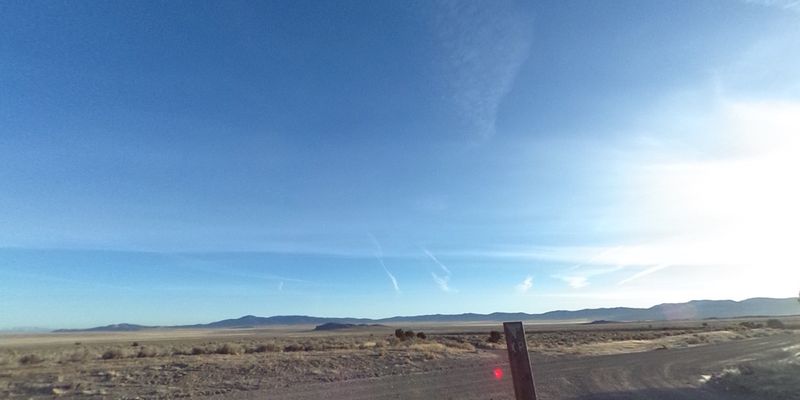
Ruby Valley stretches between the Ruby Range to the west and the Gravelly Range to the east, both mountain chains wearing permanent snowfields.
The Ruby River winds through the valley, smaller than some Montana rivers but offering excellent fishing in an intimate setting.
This valley maintains a frontier feel, with more cattle than people and endless open spaces.
Alder Gulch, site of one of Montana’s richest gold strikes, lies just over the mountains to the west.
The valley floor sits at high elevation, creating crisp air and brilliant starry skies at night.
Ranches here operate much as they have for over a century, preserving traditional western ways of life.
Snow-covered peaks dominate every view, creating constantly changing scenery as light and weather shift.
Hiking opportunities abound in the surrounding mountains, though many trails see few visitors.
Pronghorn antelope race across the valley floor, while eagles circle above looking for prey.
The valley’s isolation appeals to those seeking authentic Montana experiences away from tourist centers.
Ruby Valley offers the kind of big, open landscapes that define Montana in people’s imaginations.
Winter blankets everything in white, making the valley feel even more remote and beautiful.
Address: Ruby Valley, Sheridan, MT 59749
Dear Reader: This page may contain affiliate links which may earn a commission if you click through and make a purchase. Our independent journalism is not influenced by any advertiser or commercial initiative unless it is clearly marked as sponsored content. As travel products change, please be sure to reconfirm all details and stay up to date with current events to ensure a safe and successful trip.
