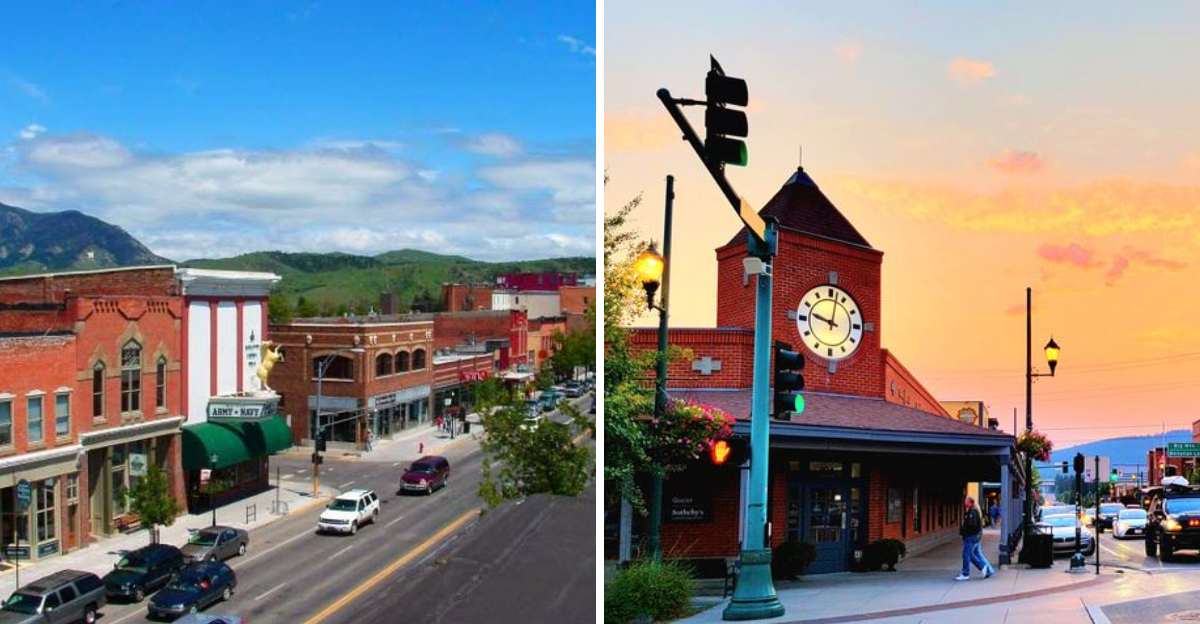
Tourism reshaped Montana in ways you can feel on the sidewalk, at the trailhead, and in conversations at the farmers market.
Small towns with mountain postcards for backdrops now juggle visitor buzz with housing crunches, shifting main street rhythms, and worries about what comes next.
Coffee shops that once knew everyone by name now balance regulars with road-trippers, and the trailheads fill earlier than they used to, changing the pace of daily life.
You will still find real charm, open skies, and that familiar western quiet, but you will also sense the tension between hometown roots and the new economy arriving with camera straps, remote work, and rising prices.
Locals feel both grateful for the attention and wary of losing the character that made these places special in the first place.
We’ll explore towns where beauty soared, visitors multiplied, and everyday life for residents became far more complicated than a postcard suggests.
1. Whitefish
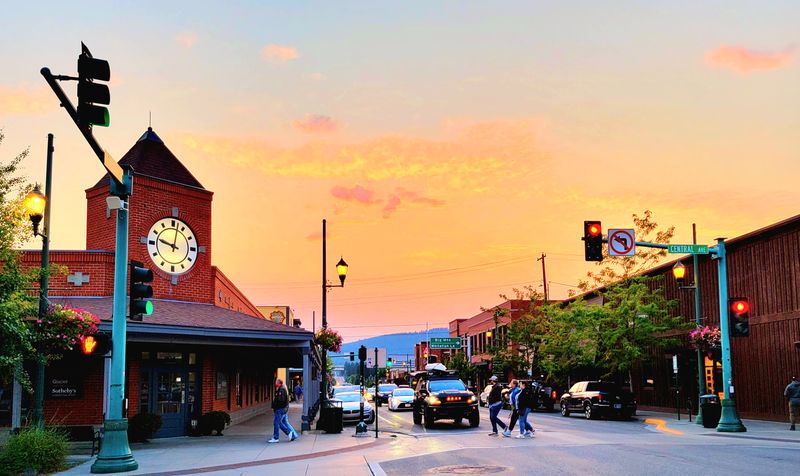
Whitefish sits under Whitefish Mountain Resort with a downtown that feels wrapped in cedar and snowlight.
Visitors come for chairlift views, lake strolls, and the quick jump to Glacier National Park.
Locals feel the squeeze when seasonal rentals swallow year round homes and service workers chase longer commutes.
You can wander Central Avenue and sense why it took off, because storefronts glow warm and side streets point to peaks.
The arts center schedules gallery nights that keep sidewalks lively without feeling frantic.
Morning brings kayaks cutting quiet water while trains echo across the valley.
Food trucks and bakeries hum by midday, and trailheads fill fast with day hikers stacking itineraries.
Winter crowds arrive for groomed runs and gear swaps that double as social calendars.
Spring shoulder season used to be spacious, but flexible travelers now chase empty lift lines and early wildflowers.
Public conversations focus on workforce housing, short term rental limits, and keeping the town’s volunteer fabric strong.
Visitors can help by staying on marked trails, booking early, and supporting local nonprofits.
Small choices add breathing room for the teachers, lift techs, and nurses who keep the place running.
Take the lake path at sunset and you will see why postcards never quite capture it.
Mountains turn pink and the water mirrors rooftops like brushed metal.
Whitefish still welcomes you, and it asks for care that matches the view.
2. Bozeman
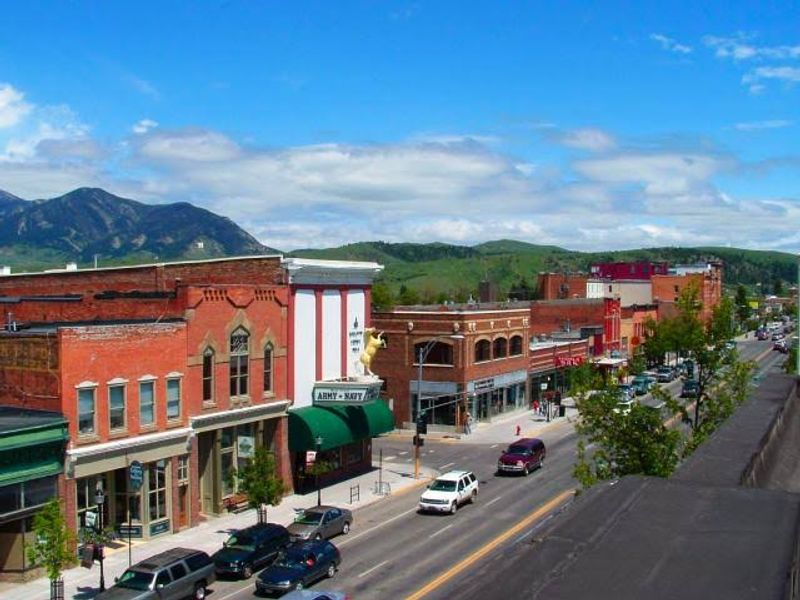
Bozeman moves fast, with research labs, trailheads, and a main street that buzzes from coffee to closing bell.
Visitors orbit Museum of the Rockies, Hyalite hikes, and bluebird powder in the Bridgers.
Locals talk about rising rents and the puzzle of living near what everyone else is seeking.
The energy feels kinetic because the town balances outdoor culture with a strong university heartbeat.
Art walks and film nights bring people outside even when temperatures dip.
When snow falls, skis stack beside cafe stools while avalanche chatter drifts over steaming cups.
Summer pivots to gravel riding, farmer stalls, and trail work days that keep erosion in check.
Downtown storefronts mix heritage outfitters with new design studios that borrow mountain textures.
The airport funnels steady arrivals who split time between national park gateways and in town tastings.
Community groups push for attainable homes, transit options, and small business stability.
You can help by choosing local guides, tipping well, and sharing trails with patience.
Hyalite Canyon rewards early risers with glassy water that reflects a thin blue ceiling.
Evenings stretch long with alpenglow streaming behind the Bridger ridge.
Bozeman’s appeal is real, and the stakes are too when service workers cannot stay close.
Travel here with curiosity and leave space for the people who make the town hum.
3. Big Sky
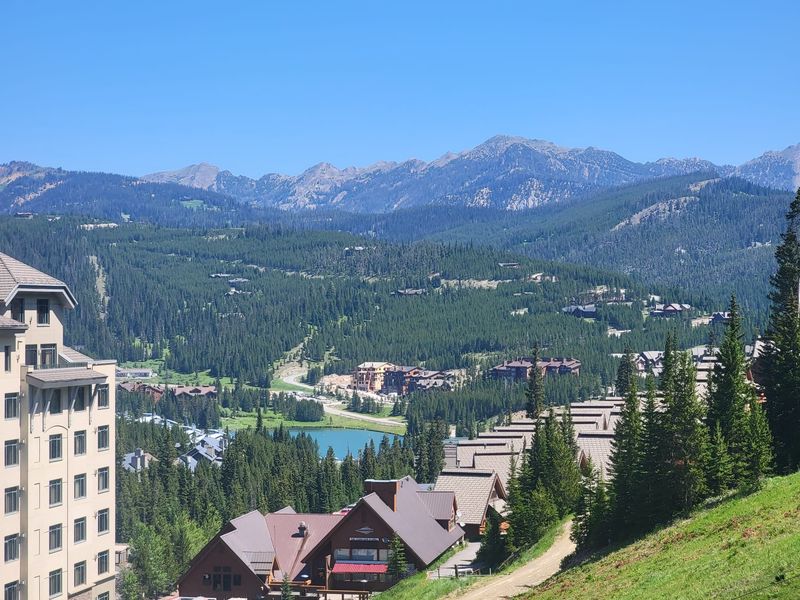
Big Sky swirls around Lone Peak where trail maps, gondolas, and ridge lines draw a global crowd.
The village feels purpose built for mountain life with patios, gear walls, and sculpture that nods to granite and snow.
Local workers shuttle long distances as slopeside lodging leans toward short visits.
Hiking routes spread like spokes into meadows stitched with lupine and paintbrush.
In winter, the terrain offers steeps and bowls that magnetize strong legs and confident turns.
Summer flips the script with rafting, lift served biking, and high alpine picnics.
Public meetings often center on housing, shuttles, and water planning under rising demand.
Visitors can lighten the load by booking shuttles, packing out trash, and respecting posted closures.
Evenings settle quietly when the last orange light burns across Lone Peak’s face.
The Milky Way shows strong when clouds clear and cabins dim their bulbs.
Restaurants lean toward mountain comfort with menus built for tired quads and big appetites.
Trails reward patience because wildlife needs space and hikers need steady steps.
You will feel the altitude and the ambition that shaped this place.
Listen for wind that rattles chair cables like thin chimes.
Big Sky thrives on awe, and it asks for thoughtful travel that leaves room for locals to breathe.
4. Livingston
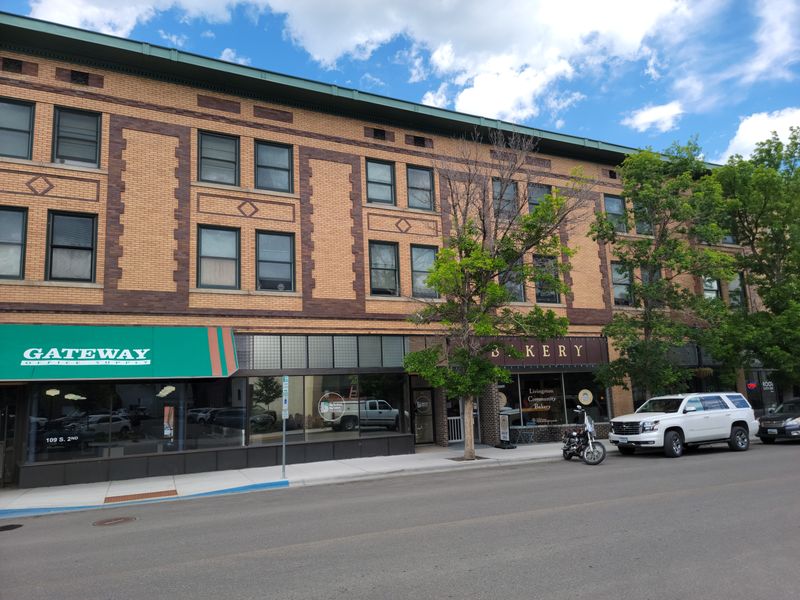
Livingston rests along the Yellowstone River with a downtown stitched from brick, neon, and railroad lore.
Anglers, writers, and road trippers weave through galleries and cafes before heading to the canyon.
Rents climbed as second homes and short stays found big views between wind gusts.
The depot museum anchors the rail story with photos that speak in steam and steel.
River guides greet sunrise with boats stacked like colorful commas beside gravel bars.
Afternoons turn dusty when trucks head toward trailheads hiding behind the first ridges.
The wind really does whistle here, so hats and plans need a firm grip.
Community events pack side streets with music that plays off the mountain wall.
Visitors can ease pressure by staying longer, shopping small, and learning river etiquette.
Guide shops advocate for clean wading practices that protect trout and downstream neighbors.
Winter brings quiet blocks and a glow that makes windows feel like stage lights.
Snow curls along cornices while the river keeps a slow, steady heartbeat.
Writers chase that calm to finish pages and refill the well.
Locals want to keep the rhythm without losing the people who built it.
Come for the air, the river, and the stories, and leave the town stronger than you found it.
5. Red Lodge
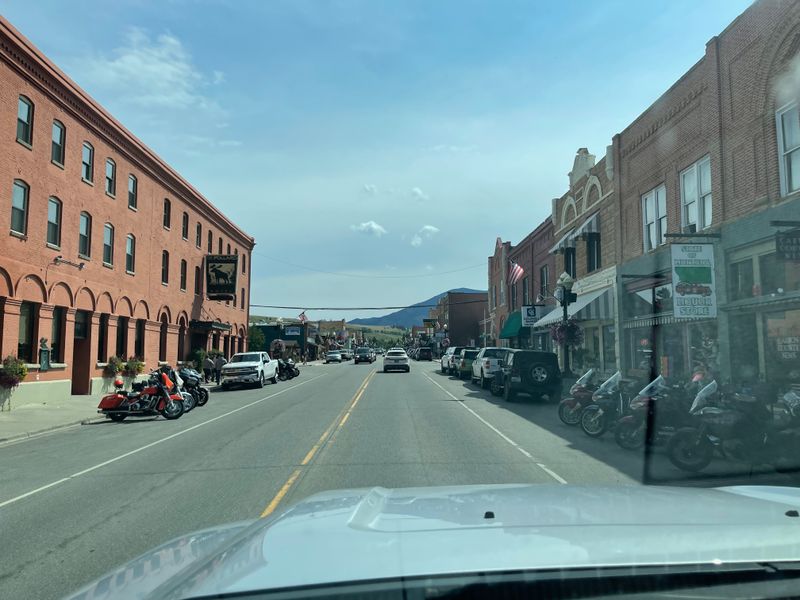
Red Lodge sits at the eastern foot of the Beartooths where the famous highway climbs toward wild stone.
Summer traffic spikes when motorists chase switchbacks and high tundra lakes.
Local housing tightens as rooms pivot to short stays and shoulder months shorten.
Main street looks like a movie set with brick faces, bright murals, and a friendly pace.
Outfitters brief hikers on weather that can turn quick near the pass.
Cyclists gather early to avoid afternoon gusts and hail that appears without ceremony.
Winter brings a different crowd with skis, snowshoes, and quiet trailheads.
Community groups keep an eye on readiness after recent flood recovery shaped priorities.
Visitors can help by staying patient during road work and supporting local repair funds.
Wildlife viewing sets its own schedule, so distance and respect are non negotiable.
Sunsets paint peaks in strange colors that feel borrowed from another planet.
Bakeries sell out fast when hikers load packs before the grade steepens.
Music filters from patios as dogs nap under tables and families trade trip ideas.
Red Lodge welcomes curiosity paired with restraint on fragile alpine ground.
Leave only prints that melt, and the town will keep its neighborly voice.
6. White Sulphur Springs
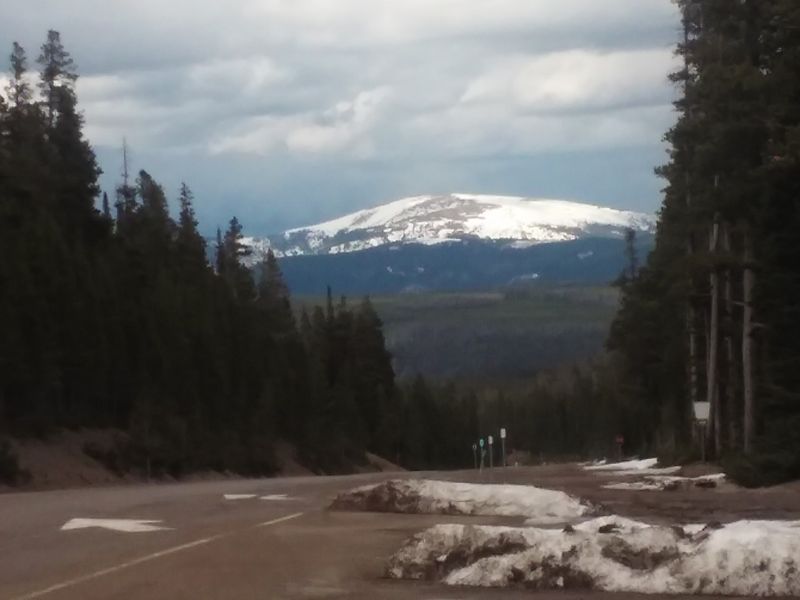
White Sulphur Springs feels like a pause button along rolling ranchland and the high shoulders of nearby ranges.
Mineral pools anchor the town with steam that curls into winter air like a soft banner.
Seasonal surges stretch housing for workers who keep the water warm and the sidewalks tidy.
Main street carries a practical charm that speaks in hardware aisles and painted signs.
Outdoor events light up fields with music and picnic blankets when evenings stay long.
Travelers often pair a soak with day trips into canyons where shadows hold their own cool.
Locals watch carefully as short stays expand into blocks that once felt steady.
Community leaders discuss options that keep teachers and nurses within reach of downtown.
Visitors can support year round businesses that build stability between festival peaks.
Morning coffee tastes better after a brisk walk past simple storefronts and quiet porches.
Wildflowers nod along fence lines while pronghorn stitch the distance with light steps.
Water defines the rhythm here, from hot pools to small creeks sliding under footbridges.
Respectful travel means unhurried schedules and a promise to leave the place rested and clean.
Soak, stroll, and listen for the kind of silence that repairs attention.
White Sulphur Springs carries that Montana calm and hopes it remains livable for the folks who tend it.
7. Ennis
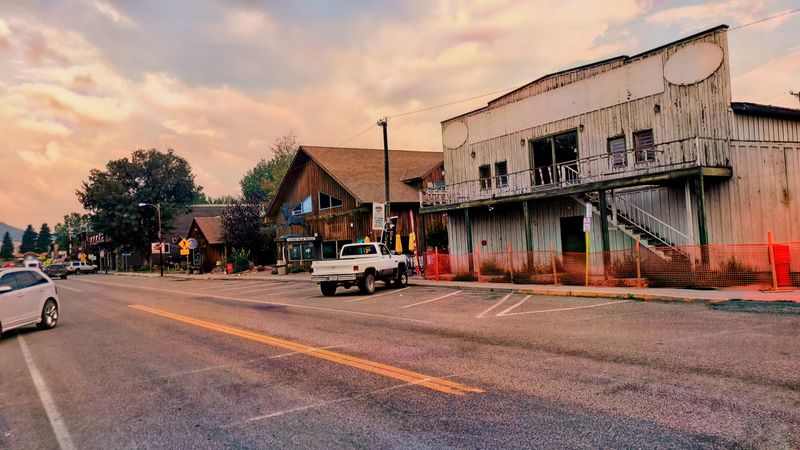
Ennis orbits the Madison River where fly lines arc like handwriting over moving glass.
Anglers flood town in peak seasons and rooms fill fast beside tackle displays.
Locals navigate pricing pressure while keeping access points clean and respectful.
Main street holds a classic western profile with wood fronts and bright signs.
Guide chatter spills onto sidewalks as water levels and hatches shape plans.
Visitors stop for burgers, maps, and last minute tippet before the next bend.
Evenings feel kind when the valley cools and trout sip in the shade.
Community groups work on river stewardship and housing conversations that refuse easy answers.
You can help by decontaminating gear and spreading visits across seasons.
Side roads deliver big valley views that stack ranges like folded paper.
The museum highlights ranch history that still guides local calendars and chores.
Patience at crosswalks matters because trucks haul boats and families at once.
Wildlife frequent the edges, so headlights and slow corners protect more than paint.
Ennis shows how a river town can be generous without losing its voice.
Come ready to learn the water and leave with lighter footsteps on its banks.
8. Columbia Falls
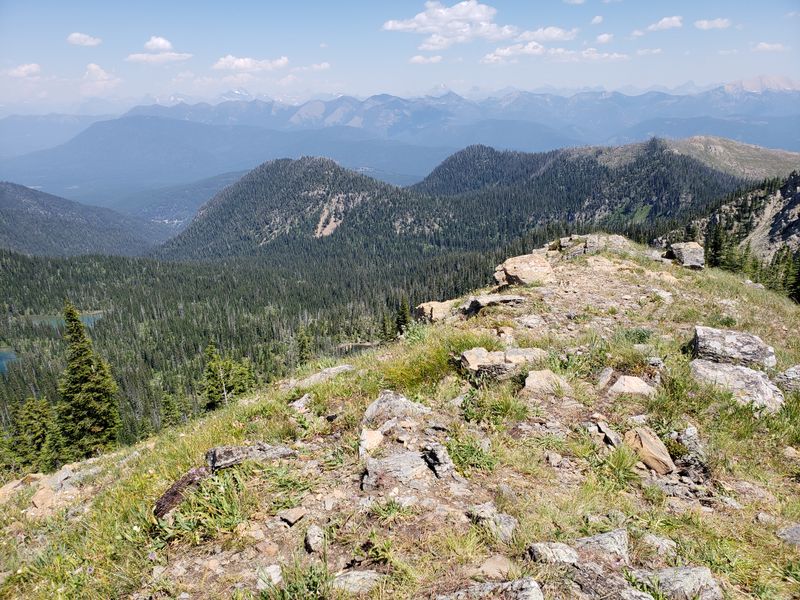
Columbia Falls stands at the gateway to Glacier with a blue collar spirit and rising visitor spillover.
As the park surged, nearby rooms tightened and last minute plans became rare.
Residents felt it when long leases lost ground to flexible calendars.
Main street remains straightforward with diners, hardware, and fresh paint that keeps the place tidy.
Parks fill with families chasing shade while trains hum beyond the trees.
Trailheads wake early because people aim to beat both heat and crowds.
The Flathead River offers gentle sections where rafters learn rhythm without hurry.
Volunteer crews tackle trail maintenance that holds up under sudden traffic.
Visitors can reserve in advance, carry out all waste, and shop where locals work.
Winter softens edges with snow that quiets the map and opens space for reflection.
Spring brings runoff that braids water into fast silver lanes.
By late summer, huckleberries ripen and bears remind everyone to store food right.
Columbia Falls keeps its welcome grounded in work and neighborliness.
Travel lightly and the town can keep roofs within reach for the people who make it run.
The view toward Glacier stays generous when respect leads the way.
9. Hamilton
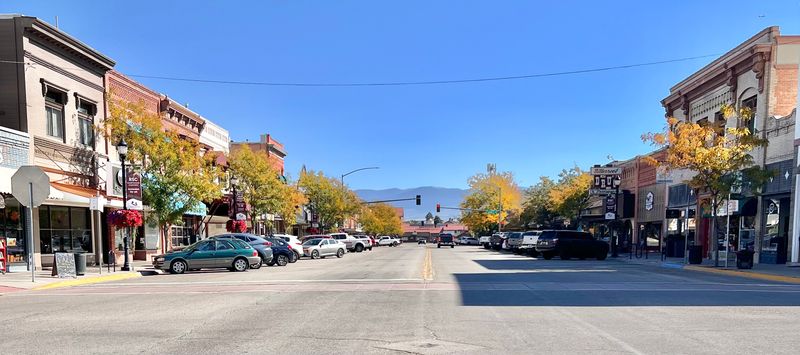
Hamilton spreads along the Bitterroot Valley where cottonwoods print shadows on tidy streets.
Visitors arrive for trailheads, river days, and a downtown that hums on market mornings.
Longtime renters face tougher choices as short stays reshape the calendar.
The museum and courthouse square set a graceful tone that matches brick storefronts.
Peaks rise sudden to the west and make every errand feel cinematic.
Cyclists thread quiet neighborhoods before climbing toward canyon mouths.
Local growers sell greens and honey that taste like sunlight and clean water.
Community groups track housing, transit, and wildfire readiness with steady focus.
Respect for smoky seasons matters when late summer skies turn copper.
Visitors can plan flexible days, carry masks when needed, and thank crews who keep trails open.
Winter writes a softer script with snow along rooftops and hot drinks by bright windows.
Spring cuts ribbons of meltwater through side channels and pastures.
The town’s heart sits in everyday gestures like careful driving on deer heavy roads.
Travel here works best when curiosity rests beside patience.
Hamilton keeps that Montana warmth and hopes its workers can keep keys to their doors.
Dear Reader: This page may contain affiliate links which may earn a commission if you click through and make a purchase. Our independent journalism is not influenced by any advertiser or commercial initiative unless it is clearly marked as sponsored content. As travel products change, please be sure to reconfirm all details and stay up to date with current events to ensure a safe and successful trip.
