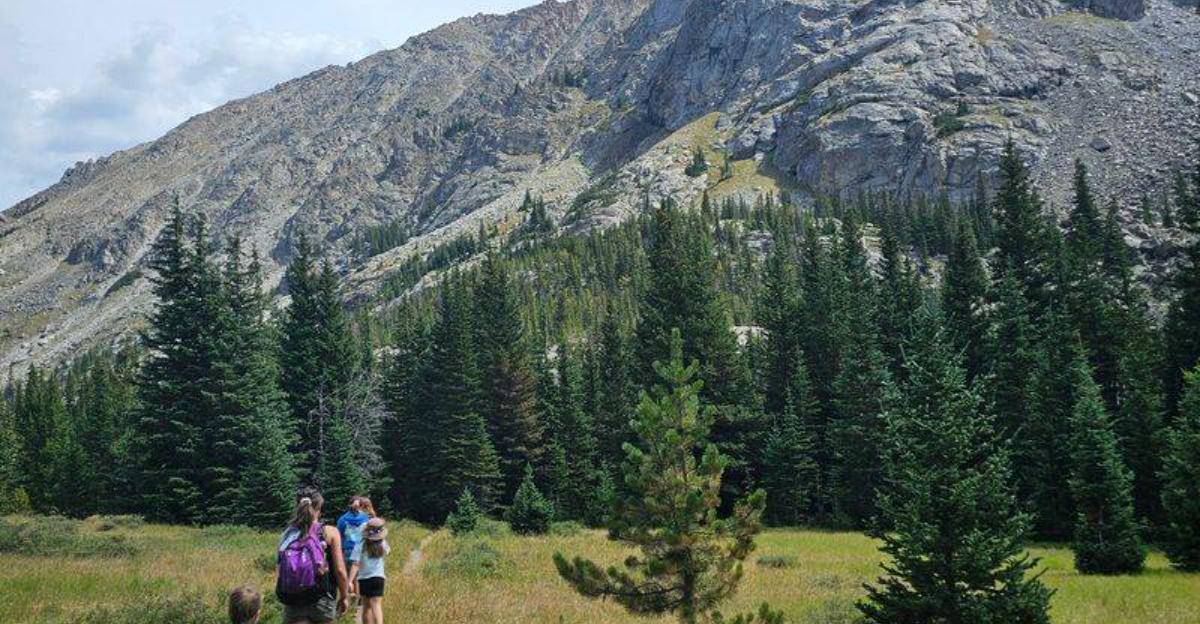
Montana stretches across the northern Rockies like a wild canvas painted with jagged peaks, endless forests, and crystal-clear rivers that seem to flow straight from the heavens.
Small towns scattered throughout this rugged landscape serve as perfect launching points for some of the most breathtaking hikes in America, where alpine meadows meet glacier-carved valleys and wildlife roams freely.
These communities blend frontier charm with outdoor adventure, offering travelers a chance to experience authentic Western culture while accessing trails that range from family-friendly strolls to challenging backcountry expeditions.
Whether you crave the thrill of summiting a mountain pass or the peace of wandering through wildflower fields, these nine Montana towns provide the ideal base camp for unforgettable hiking adventures.
1. Whitefish
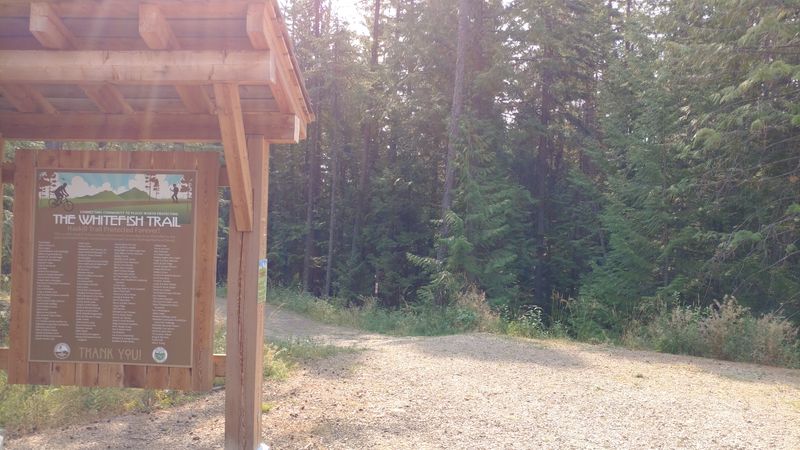
Whitefish sits proudly in the Flathead Valley, where the air smells like pine needles and adventure waits around every corner.
This charming town has evolved from a railroad stop into one of Montana’s most beloved mountain destinations, yet it has managed to keep its small-town soul intact.
The Whitefish Trail system wraps around the community like a protective embrace, offering more than 40 miles of paths that wind through forests, meadows, and ridgelines.
Hikers can choose their own adventure here, from gentle lakeside strolls to steep climbs that reward effort with panoramic views of the surrounding peaks.
Just a short drive away, Glacier National Park beckons with its legendary trails, including the famous Highline Trail and Grinnell Glacier route.
Downtown Whitefish pulses with energy year-round, its historic buildings housing locally owned shops, art galleries, and restaurants where you can refuel after a long day on the trail.
The town’s location near Whitefish Lake adds another dimension to the outdoor experience, with swimming and paddling opportunities that complement the hiking perfectly.
Summer brings wildflowers that carpet the hillsides in purple, yellow, and white, while autumn transforms the landscape into a tapestry of gold and crimson.
Winter doesn’t slow things down either, as the nearby ski resort keeps the town lively when snow blankets the mountains.
Local outfitters and guide services make it easy for visitors to explore safely, whether they’re experienced mountaineers or families looking for their first taste of Montana wilderness.
The community’s commitment to trail maintenance and conservation ensures these paths will remain accessible for generations to come.
Whitefish proves that a small town can offer world-class outdoor recreation without sacrificing charm or authenticity.
2. Red Lodge
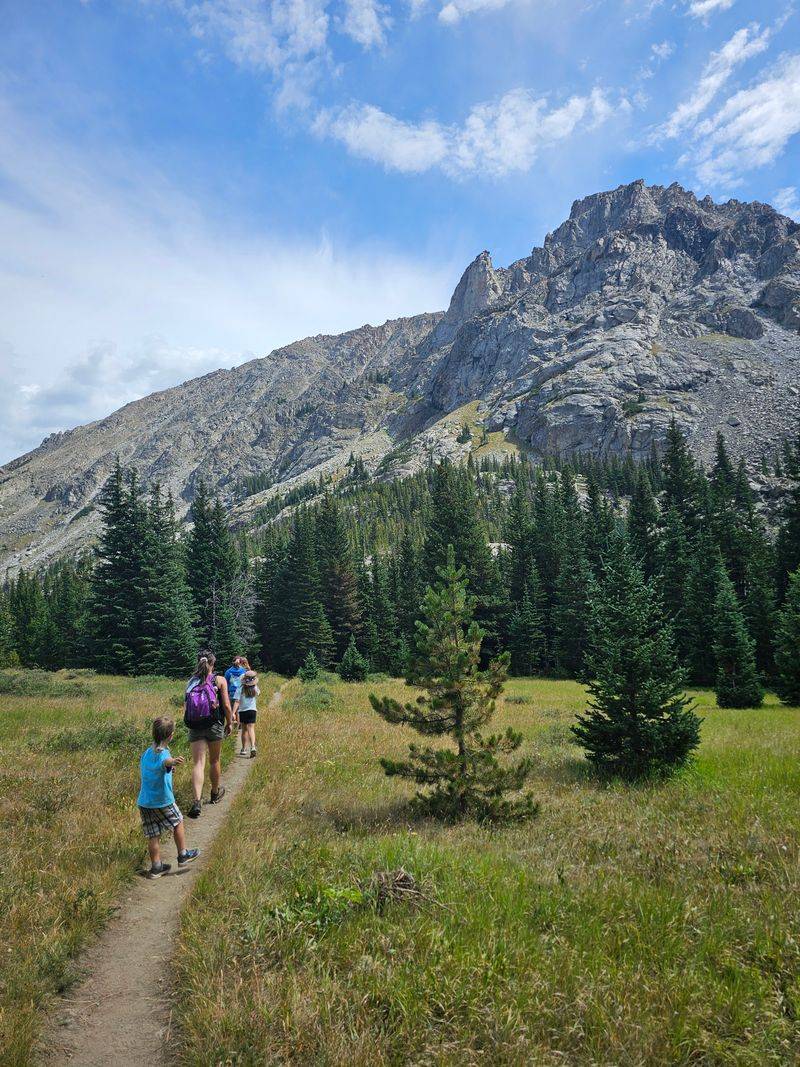
Red Lodge nestles at the foot of the Beartooth Mountains, where the landscape rises so dramatically it takes your breath away before you even start hiking.
Coal miners once filled these streets, but today the town thrives on its reputation as a gateway to some of the most spectacular high-altitude terrain in the lower 48 states.
The Beartooth Highway, often called the most beautiful drive in America, launches from Red Lodge and climbs through switchbacks to nearly 11,000 feet.
Along this legendary route, dozens of trailheads provide access to alpine lakes that mirror the sky, granite peaks that scrape the clouds, and meadows where bighorn sheep graze without concern.
The town itself maintains a wonderful balance between Old West authenticity and modern mountain resort amenities.
Historic brick buildings line Broadway Avenue, their facades telling stories of boom times and hard winters, while inside you’ll find excellent restaurants, breweries, and gear shops.
Hiking options range from the easy Wild Bill Lake Trail to challenging summit attempts on peaks that require scrambling and route-finding skills.
Wildflower displays peak in July and August, transforming the high country into gardens that seem too beautiful to be real.
The surrounding Custer Gallatin National Forest offers endless exploration opportunities, with trails leading to waterfalls, glacial cirques, and ridgelines that provide views stretching into Wyoming.
Red Lodge’s small size makes it easy to navigate, yet it offers all the services hikers need, from good coffee shops for early starts to comfortable lodging for tired legs.
The community celebrates its outdoor heritage with festivals and events that bring locals and visitors together throughout the summer months.
This town understands that the mountains are its greatest treasure and works hard to protect them.
3. Stevensville
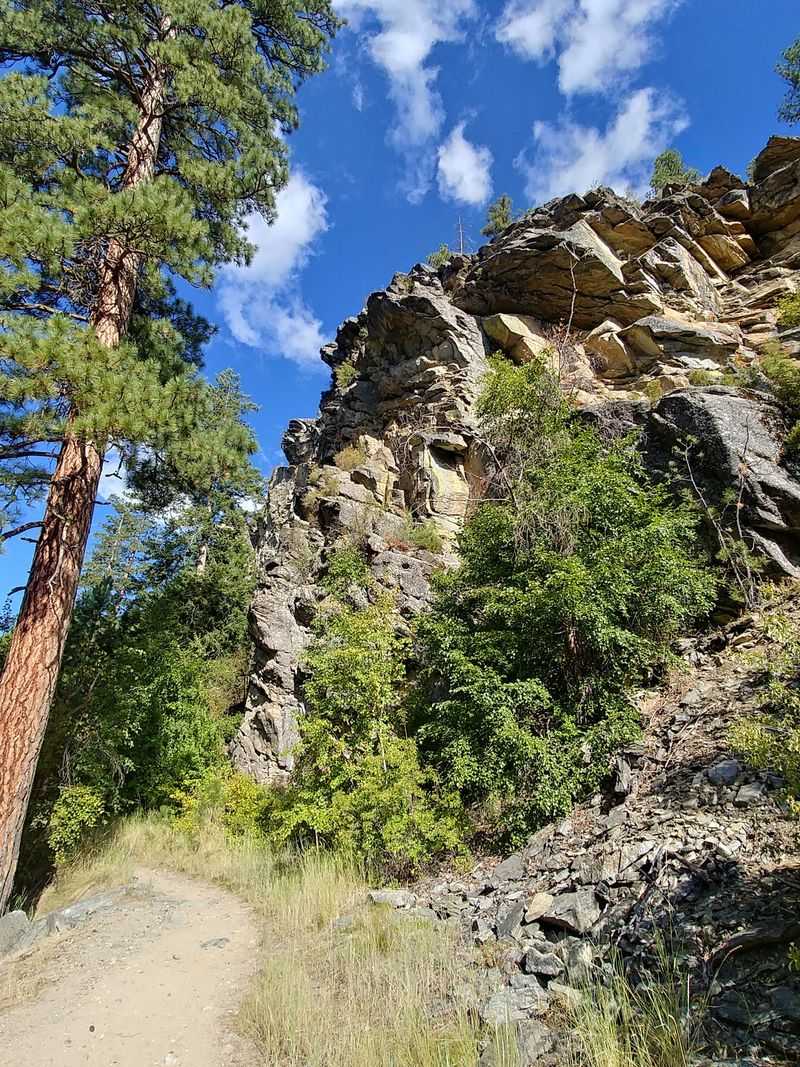
History runs deep in Stevensville, Montana’s oldest permanent non-Indigenous settlement, where missionaries first established roots in the Bitterroot Valley back in 1841.
The Bitterroot Mountains rise dramatically to the west, their jagged ridgeline creating a backdrop that looks like it belongs on a postcard.
Blodgett Canyon stands out as the crown jewel of local hiking destinations, with its towering granite walls and rushing creek creating an atmosphere that feels both powerful and peaceful.
The Blodgett Canyon Overlook Trail offers a relatively short 2.8-mile hike that delivers stunning views without requiring a full-day commitment.
Those seeking more adventure can continue deeper into the canyon, where the trail eventually leads to waterfalls and alpine basins that few people ever see.
Stevensville maintains a quiet, unhurried pace that contrasts beautifully with the dramatic landscape surrounding it.
Main Street features historic buildings, local businesses, and the famous St. Mary’s Mission, which serves as a reminder of the town’s pioneering past.
The Bitterroot River flows nearby, adding fishing and floating opportunities to the outdoor recreation menu.
Spring brings snowmelt that swells the creeks and creates impressive waterfalls throughout the canyons, while summer offers perfect hiking conditions with warm days and cool mountain breezes.
The surrounding national forest lands provide countless trail options, from gentle valley walks to challenging peak ascents that test endurance and determination.
Wildlife sightings are common here, with deer, elk, and occasionally black bears making appearances along the trails.
Stevensville’s small size means limited commercial development, which many visitors find refreshing after experiencing more touristy mountain towns.
The community takes pride in its heritage while embracing the outdoor enthusiasts who come to explore these magnificent mountains.
4. Philipsburg
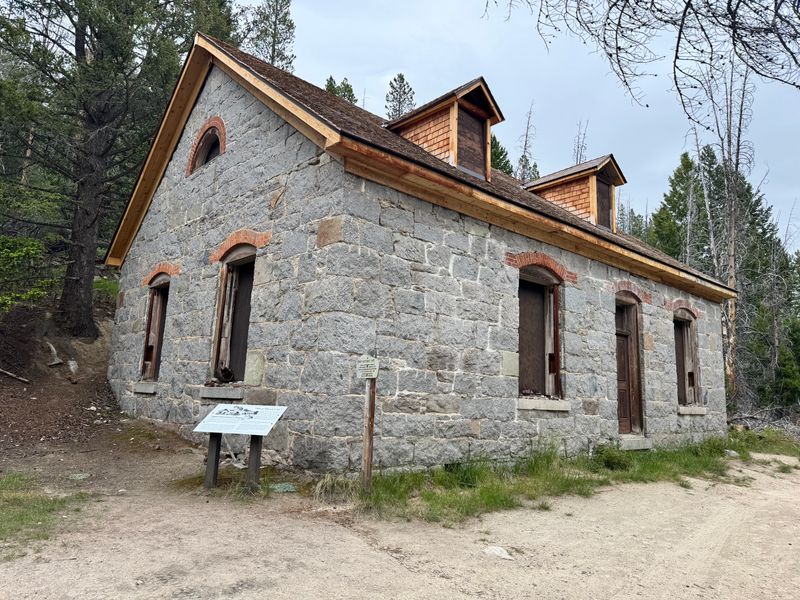
Philipsburg looks like it stepped straight out of a Western movie, with its beautifully preserved Victorian buildings lining Broadway and the surrounding mountains holding secrets from its mining past.
Silver and sapphires once drew fortune-seekers to these hills, and visitors today can still try their luck at gem mining operations around town.
But the real treasure lies in the trails that wind through the nearby Flint Creek Range and Anaconda-Pintler Wilderness.
The Sapphire Lake Trail represents the ultimate hiking challenge in this area, a demanding 14.2-mile journey that climbs through multiple ecosystems on the way to a pristine alpine lake.
This trail doesn’t mess around with gentle grades or easy terrain; it tests your legs, lungs, and determination with relentless climbing and rocky sections that require careful footing.
The reward at the end makes every difficult step worthwhile, as Sapphire Lake sits in a glacial cirque surrounded by towering peaks and permanent snowfields.
Philipsburg itself offers a delightful base camp experience, with the famous Sweet Palace candy store providing fuel for adventures and several good restaurants serving hearty meals.
The town’s compact downtown area makes it easy to explore on foot, with antique shops, art galleries, and local history museums adding cultural depth to the outdoor adventure.
Other trails in the area offer less demanding options, including paths that lead to old mining sites where rusted equipment and collapsed structures tell stories of boom and bust.
Autumn transforms the aspens into golden torches that light up the mountainsides, creating one of Montana’s most spectacular seasonal displays.
The high elevation means cooler temperatures even in summer, making this an excellent destination when lower-elevation areas swelter.
Philipsburg combines authentic Western character with serious mountain terrain in a way that few places can match.
5. Choteau
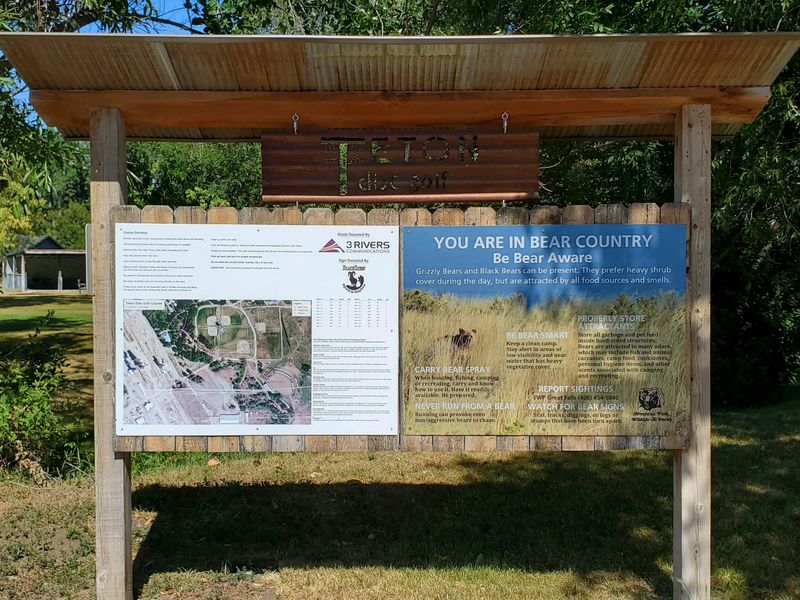
Where the Great Plains collide with the Rocky Mountains, Choteau sits like a sentinel watching over one of the most dramatic transitions in North American geography.
The Rocky Mountain Front rises abruptly here, creating a wall of limestone peaks that seems to emerge directly from the prairie grasslands.
This unique positioning makes Choteau a paradise for hikers who appreciate big views and wild country that still feels genuinely remote.
The Teton Pass area provides access to high-elevation trails that traverse ridgelines with thousand-foot drops on either side, where golden eagles soar and mountain goats pick their way across impossible-looking cliffs.
Dinosaur enthusiasts find another reason to love this area, as Choteau sits near important fossil sites where some of the world’s most significant discoveries have been made.
The town itself maintains an authentic ranching community feel, with working cattle operations surrounding it and local businesses that cater more to residents than tourists.
This authenticity appeals to travelers seeking genuine Montana experiences rather than polished resort atmospheres.
Summer hiking along the Front reveals wildflower meadows that seem to stretch forever, while the constant wind that sweeps across these mountains keeps the air fresh and the mind clear.
Winter transforms the area into a backcountry skiing destination, with powder-filled bowls and couloirs attracting adventurous skiers willing to earn their turns.
The Bob Marshall Wilderness complex lies just beyond, offering multi-day backpacking opportunities for those ready to really disconnect from civilization.
Choteau’s location also makes it a prime spot for wildlife viewing, with grizzly bears, wolves, and elk populations thriving in the surrounding wilderness areas.
The community’s small size and lack of commercial development mean limited services, so hikers should come prepared and self-sufficient.
6. Livingston
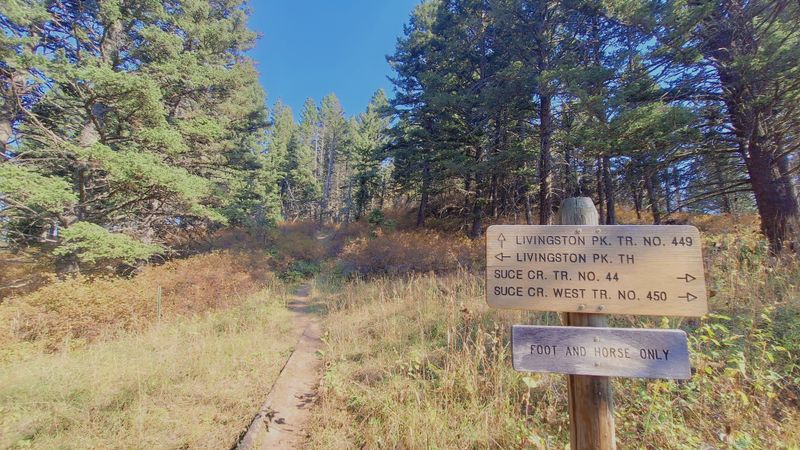
Livingston blends cowboy culture with artistic sensibility in a way that makes it one of Montana’s most interesting small towns.
Writers, painters, and musicians have long been drawn to this community, attracted by the dramatic landscape and the authentic Western atmosphere that still permeates daily life.
The Yellowstone River flows right through town, its famous blue-ribbon trout waters attracting fly fishers from around the world.
But hikers find plenty to love here too, with easy access to trails in the Absaroka-Beartooth Wilderness and the northern sections of Yellowstone National Park just a short drive south.
The Paradise Valley stretches south from Livingston like a green carpet rolled out between mountain ranges, with the Absarokas to the east and the Gallatins to the west creating a corridor of extraordinary beauty.
Numerous trails branch off from this valley, leading to alpine lakes, waterfalls, and summit views that encompass thousands of square miles of wilderness.
Livingston’s historic downtown features beautiful architecture from its railroad heyday, with many buildings now housing art galleries, bookstores, and restaurants that serve locally sourced food.
The community celebrates its cultural heritage with film festivals, literary events, and art walks that add intellectual stimulation to the outdoor adventure.
Spring comes late to the high country around Livingston, with wildflowers often peaking in July rather than June.
The shoulder seasons bring their own magic, with autumn offering golden aspens and reduced crowds, while spring showcases wildlife emerging from winter.
The town’s proximity to Yellowstone makes it a strategic base for exploring the park without dealing with the congestion of gateway communities closer to the entrances.
Livingston understands that protecting the landscape is essential to preserving the lifestyle that makes it special.
7. Ennis
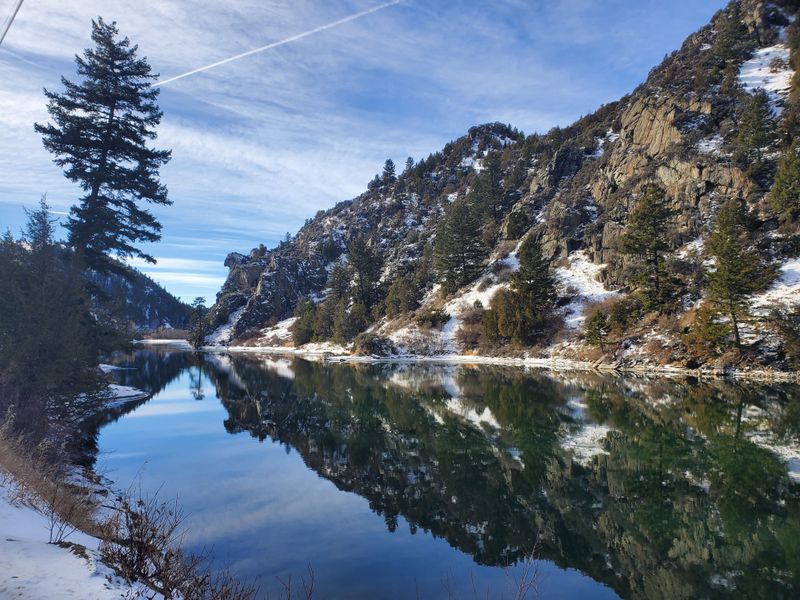
Ennis wears its Wild West heritage proudly, with wooden facades and boardwalks creating an atmosphere that feels authentically frontier without being kitschy or contrived.
The Madison River flows through the valley here, creating one of the world’s premier fly-fishing destinations where anglers wade into the current hoping to hook trophy trout.
But the surrounding Madison Range offers hiking that rivals the fishing, with trails climbing into the Spanish Peaks and other high-country destinations that showcase Montana’s alpine beauty.
The valley itself provides gentler options, with paths following streams through meadows where wildflowers bloom in waves throughout the summer.
Ennis maintains a slower pace than some Montana tourist towns, with local ranchers and outfitters mixing easily with visitors in the cafes and shops along Main Street.
The surrounding landscape transitions from sage-covered foothills to dense forests to treeless alpine zones within just a few miles of elevation gain.
This diversity means hikers can experience multiple ecosystems in a single day, watching the vegetation and wildlife change as they climb higher.
The Madison Valley’s wide-open spaces create enormous skies that seem to showcase every star in the galaxy on clear nights.
Summer brings warm days perfect for hiking, though afternoon thunderstorms can roll in quickly, requiring attention to weather patterns and preparedness.
The surrounding Beaverhead-Deerlodge National Forest provides endless trail options, from short interpretive walks to multi-day backpacking routes that penetrate deep into designated wilderness areas.
Ennis celebrates its ranching heritage with rodeos and other events that remind visitors this is still working ranch country, not just a tourist destination.
The combination of world-class fishing, excellent hiking, and authentic Western character makes this town special for travelers seeking the real Montana experience.
8. Troy
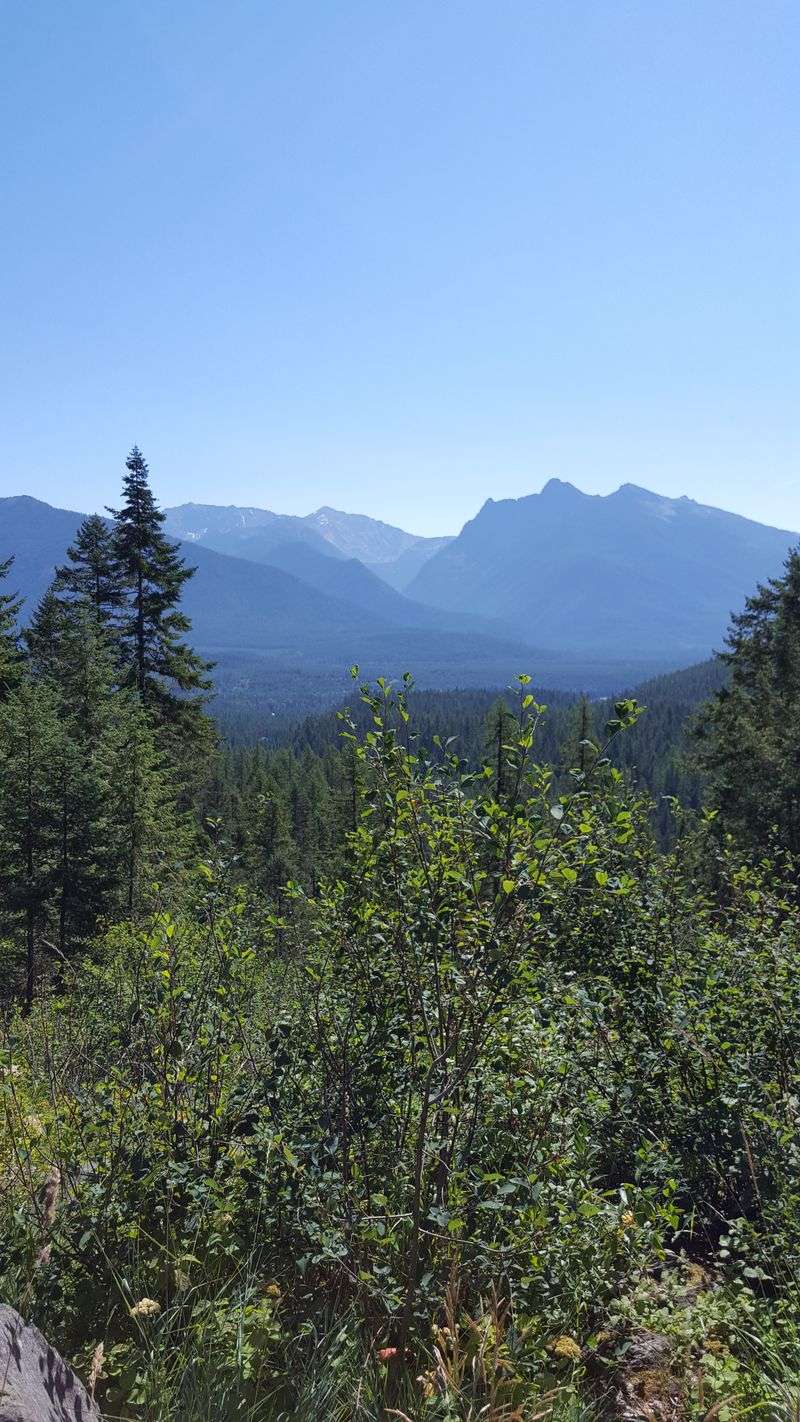
Troy occupies a unique corner of Montana where the landscape feels more Pacific Northwest than classic Rockies, with dense forests, rushing rivers, and a moisture level that keeps everything remarkably green.
The Kootenai River flows through town, its blue-green waters attracting rafters and kayakers who come to run its exciting rapids and peaceful stretches.
The Purcell Mountains rise to the north, while the Cabinet Mountains dominate the southern horizon, creating a valley that feels both protected and wild.
Hiking trails in this area lead through old-growth forests where cedar and hemlock trees create cathedral-like groves, their shade keeping the understory cool even on hot summer days.
The Cabinet Mountains Wilderness offers more challenging terrain, with trails climbing to alpine lakes tucked into cirques and ridgelines that provide views stretching into Idaho.
Troy itself remains refreshingly uncommercial, a working-class town where logging and recreation coexist and locals outnumber tourists even in peak season.
This authenticity appeals to hikers who prefer discovering places before they become trendy destinations plastered across social media.
The surrounding national forest lands provide countless miles of trails, many seeing few visitors despite offering excellent hiking through diverse terrain.
Wildlife thrives in these forests, with moose, elk, deer, and black bears all common, plus the occasional grizzly in the more remote areas.
Spring brings impressive waterfalls as snowmelt swells every creek and stream, while summer offers comfortable temperatures and long daylight hours perfect for extended hikes.
The Kootenai Falls, located nearby, provides an easy but spectacular walk to one of Montana’s largest waterfalls, where the river thunders through a narrow gorge.
Troy represents Montana’s quieter side, where outdoor adventure doesn’t require reservations, crowds, or expensive gear.
9. Bearcreek
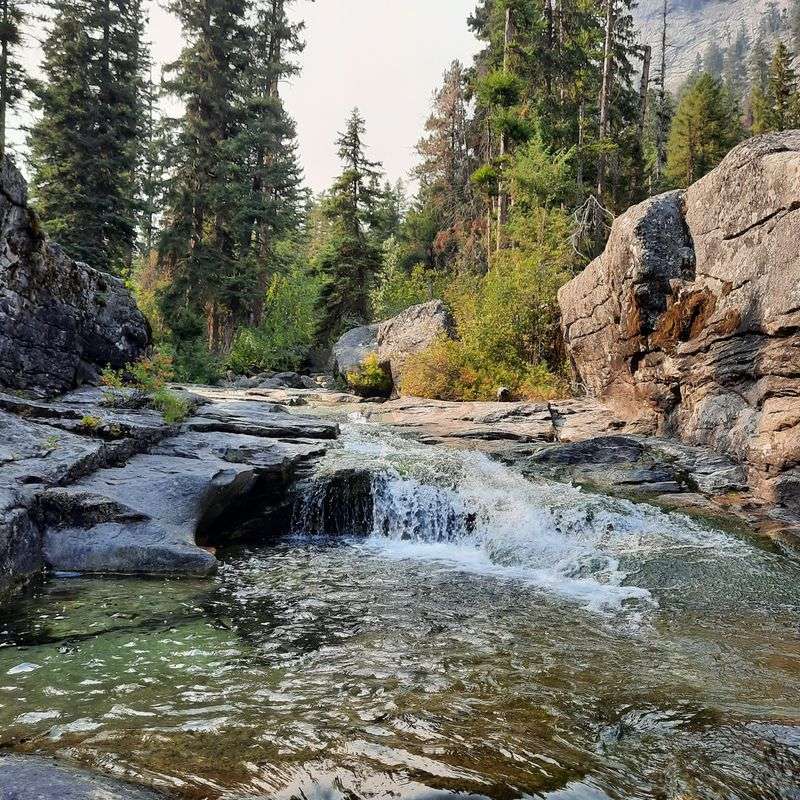
Bearcreek barely qualifies as a town, with just a handful of buildings clustered along the road, but what it lacks in size it makes up for in character and access to extraordinary hiking.
This tiny community sits in the shadow of the Beartooth Mountains, sharing the spectacular landscape that makes nearby Red Lodge famous but offering a quieter, less discovered alternative.
The Pig Races held at the local establishment have become a quirky tradition that draws visitors who might otherwise drive straight past this unassuming spot.
But hikers in the know understand that Bearcreek provides quick access to trailheads leading into some of the Beartooth Range’s most impressive terrain.
The surrounding peaks rise above treeline into the alpine zone, where summer snow lingers in shaded gullies and wildflowers carpet the tundra in brilliant colors.
Trails here range from gentle valley walks to serious mountaineering routes that require experience, fitness, and proper equipment.
The small size of Bearcreek means minimal services, so hikers should plan accordingly and bring supplies from larger towns.
This lack of development preserves an authentic feel that’s increasingly rare in Montana’s mountain communities.
The mining history of the area remains visible in abandoned structures and old rail grades that now serve as hiking and biking paths.
Wildlife encounters are common in this region, with the possibility of seeing everything from ground squirrels to grizzly bears depending on elevation and season.
The Beartooth Plateau stretches out above, its high-elevation landscape offering a hiking experience unlike anything else in the lower 48 states.
Bearcreek serves as a reminder that some of Montana’s best outdoor experiences come from the smallest, least assuming places rather than the famous destination towns.
Sometimes the best adventures start where the pavement ends and the crowds disappear.
Dear Reader: This page may contain affiliate links which may earn a commission if you click through and make a purchase. Our independent journalism is not influenced by any advertiser or commercial initiative unless it is clearly marked as sponsored content. As travel products change, please be sure to reconfirm all details and stay up to date with current events to ensure a safe and successful trip.
