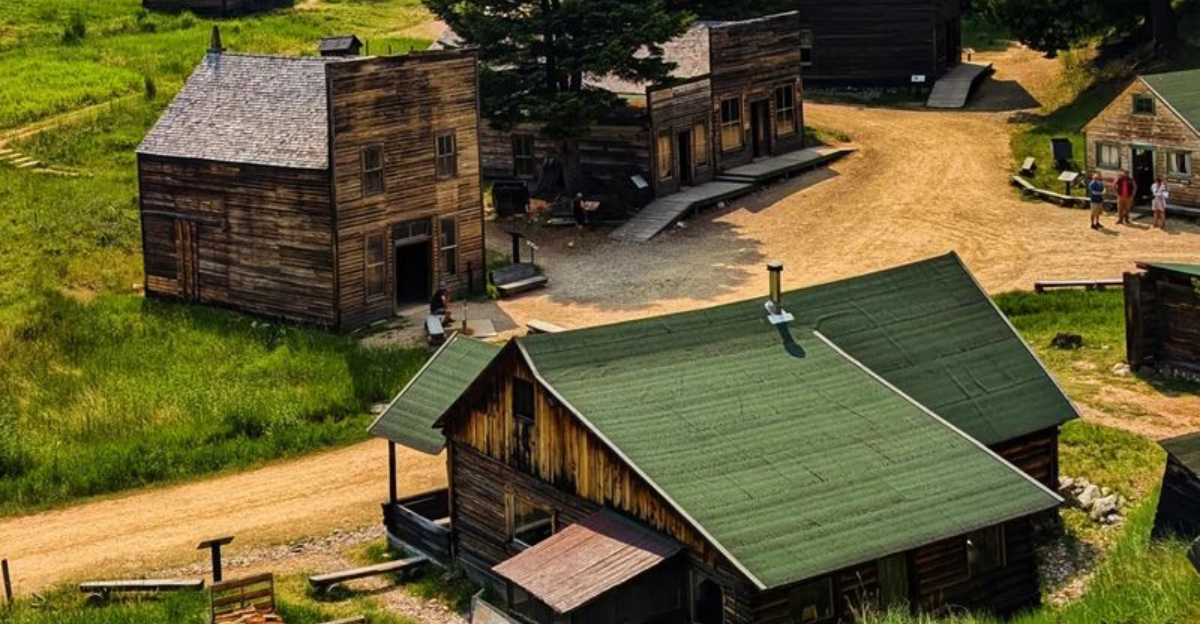
Night settles fast in the mountains, and Garnet answers with a hush that feels watchful and kind, as though the town has learned to greet darkness the same way it greets visitors, with calm and careful attention.
The wooden storefronts keep their shape against the sky, firm silhouettes that refuse to fade even as the last light slips behind the ridgeline.
Old hotel windows hold a thin shimmer, catching moonlight in a way that makes it easy to imagine someone just crossed the room, paused at the glass, and vanished before you looked up.
Gravel crunches softer on the path, muting your footsteps until you feel like you’re walking inside someone else’s memory.
The forest pulls close around this Montana ghost town, protective rather than threatening, wrapping the empty streets in pine scent and cool air.
Nothing here feels abandoned, only paused, as if the past is giving you space to listen.
Stay a few extra moments, and the place seems to breathe with you.
Boards settle, branches shift, and the faintest breeze threads between buildings that have weathered far more than time.
In that stillness, you realize the quiet is part memory, part wind, and fully alive, holding the echoes of a community that never entirely left.
A Walk Through Main Street After Dusk
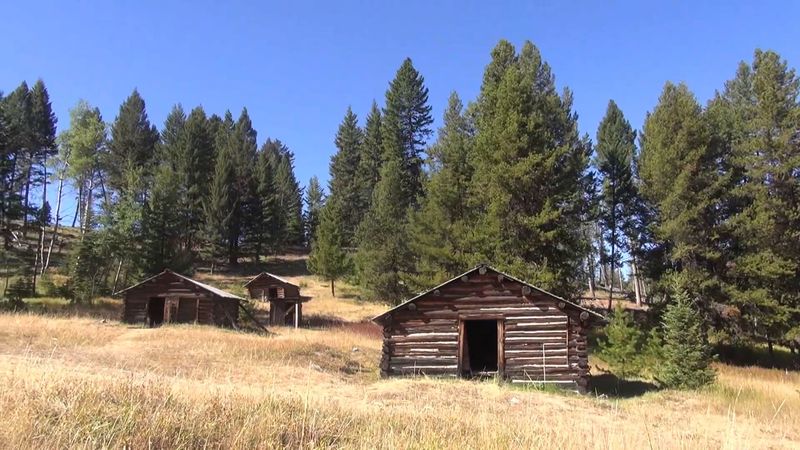
Main Street in Garnet narrows your focus to wood grain, cold glass, and the gentle seam where the road meets the porch steps.
As the light fades, silhouettes of false fronts stitch the last color out of the sky and ask you to listen.
Even your footsteps learn to whisper because the buildings seem to be paying attention.
The Dahl Saloon stands with its doors closed, but the boards still carry a faint scent of pitch and dust that clings to your jacket.
Across the way, the mercantile windows hold a mirror of pine shadows, turning the whole street into a quiet theater.
Nothing moves except a moth skating along a windowpane as if following a remembered route.
The road has no pavement, just compacted earth with small stones that give under your heels and remind you of freight wagons.
A breeze moves through the alley and raises a dry rattle from a stack of lumber that never found its next job.
You glance back and the line of storefronts looks steady, like a chorus that knows every verse.
Faint light from the horizon lays one last stripe along a porch rail, then disappears with polite finality.
Even in the growing dark, detail remains clear enough to read the past without pressing it for answers.
Montana nights do that, offering space for sound to travel while keeping secrets in the timberline.
Here in Garnet, quiet is not empty, only careful.
Your breath shows for a moment and blends with the dust, then vanishes like another small story.
When you turn toward the hill, the street stays behind with an unbroken calm that feels earned.
The Hotel That Holds Its Echoes
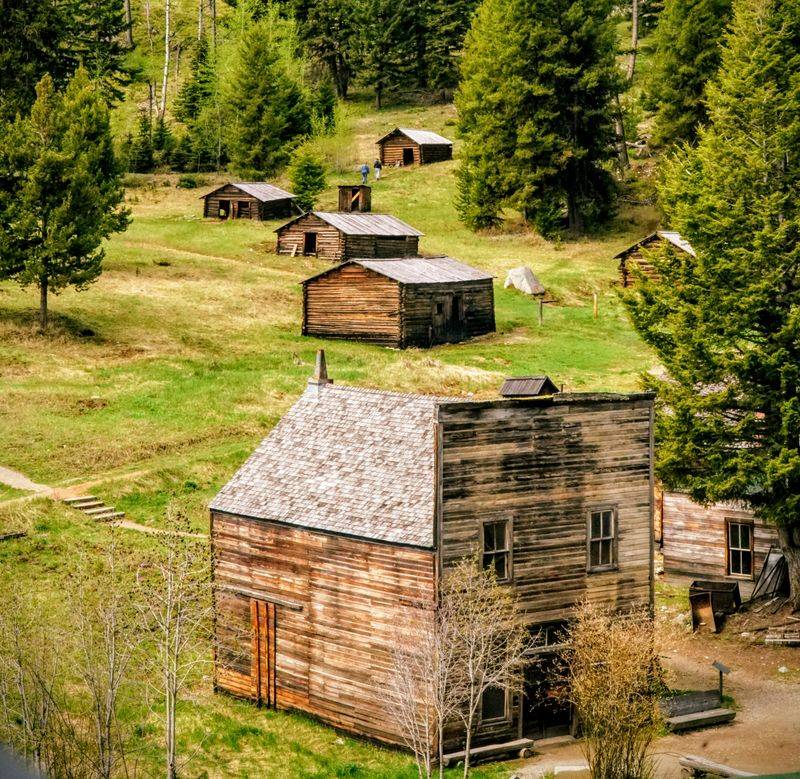
The hotel rises taller than its neighbors, and that extra height gives it a seriousness you feel before you step inside.
Boards underfoot flex with a slow confidence, as if the structure still understands its own weight.
Window light drifts across the floor and leaves a pale rectangle that looks freshly made.
The staircase carries a mild scent of sap and time, and the rail is smooth from countless practical hands.
Every doorframe seems measured rather than decorative, an economy that suits this Montana hillside.
When you pause, the building returns a soft echo that has the patience of a good listener.
Rooms hold their plainness like a promise, with walls that keep their stories without volunteering them.
A chair stands near a window and aligns with a view of pines that sew the slope together.
Light shifts and the wood deepens to warm brown, even as the air grows cooler around your shoulders.
The floorboards give one small note and then settle as if agreeing on a boundary.
There is nothing theatrical here, only texture, shadow, and the nerve of a place that survived collapse.
Across Montana, hotels once made bright pockets in rough towns, and this one folds that memory carefully.
You think about travelers who arrived with dust on their collars and left with plans for the creek.
The building does not ask you to believe anything except what you can touch and hear.
When you step back outside, the quiet holds, and the doorway frames the evening like a kept secret.
Hard Rock and Quiet Hands
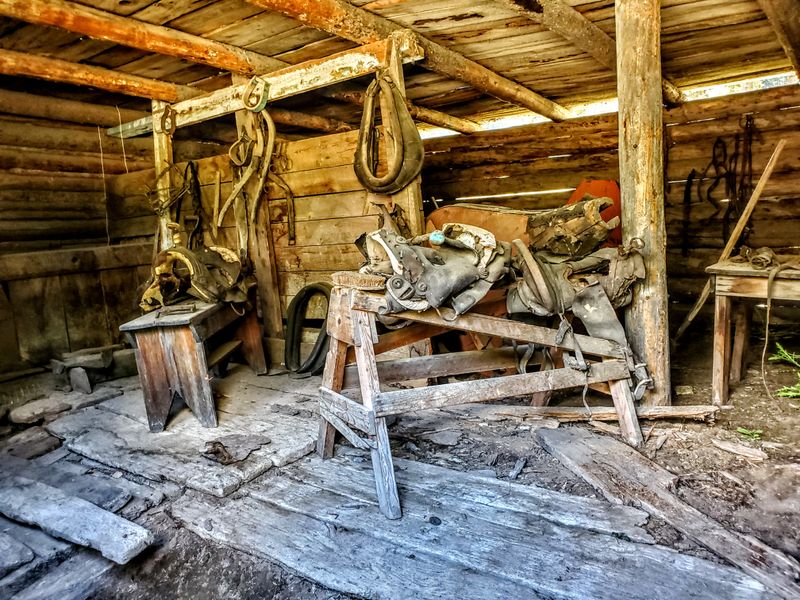
Garnet grew on hard rock, and the hillside still bears the scuffs and angles that mining carved into it.
Old equipment sits in the open like punctuation marks, each piece ending a sentence that used to be longer.
The iron has turned the color of dried moss and carries a matte quiet you can feel from a few steps away.
Shafts that once pulled ambition from the mountain now seem modest, even thoughtful, under the line of trees.
Ore bins hold their planes like folded maps that will not unfold further.
Shadows gather in the joints and create small rooms where light stays brief and polite.
On the trail, gravel pops under your boots and reminds you that this is still working ground in spirit.
Montana landscapes keep their dignity, and this slope is no exception.
There is nothing flashy in the machinery, only stubbornness refined into shape and purpose.
You trace a seam in the wood and find it smooth where hands found it first.
Wind negotiates with the treetops, sending down a hush that suits the iron well.
The mountain smells of resin and stone, and the air feels practical around your face.
Looking downslope, town lines appear orderly, and the whole site makes meaning without speeches.
In Garnet, the past shows its mechanics plainly enough to stand on their own.
When the light softens, the machinery grows less like objects and more like punctuation again, closing the day with restraint.
Porches, Windows, and the Art of Stillness
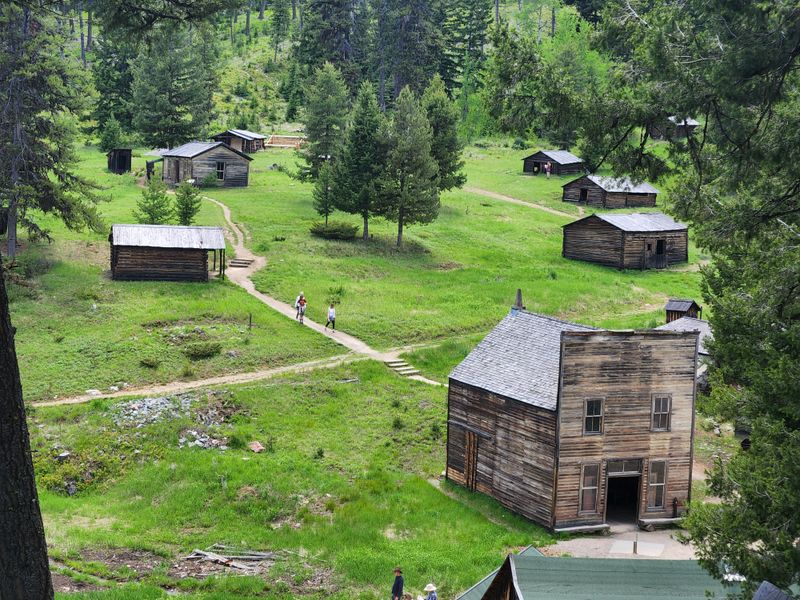
Garnet teaches stillness through small details that hold your attention longer than you expect.
A porch plank creaks and then stops, offering one clear note before choosing quiet again.
Nail heads line up with a discipline that feels almost ceremonial from this distance.
Glass panes gather colors from the surrounding firs and give them back as softened shapes.
The corner joints show careful work that makes utility read like style without trying.
Any breeze arrives as a visitor rather than a force, and the buildings accommodate it without fuss.
Shadows pool beneath awnings and stay there with the plain confidence of things that belong.
Montana light moves with patience, turning rough boards into the warm side of amber for a few minutes.
You can read the seasons in the wood grain, each stripe a ledger entry paid in full.
Even the gaps speak, though quietly, about time and expansion and the simple physics of survival.
Walking slow helps, because the town rewards attention instead of speed.
Your reflection shares the window with a slice of sky and an outline of trees, and both look comfortable together.
The rhythm of porches stepping along the street keeps your pace measured and steady.
Nothing here feels fragile, only finished with the chapter it was built to write.
You leave the block understanding that stillness can be generous when a place is made well.
Forest Edge and Night Songs
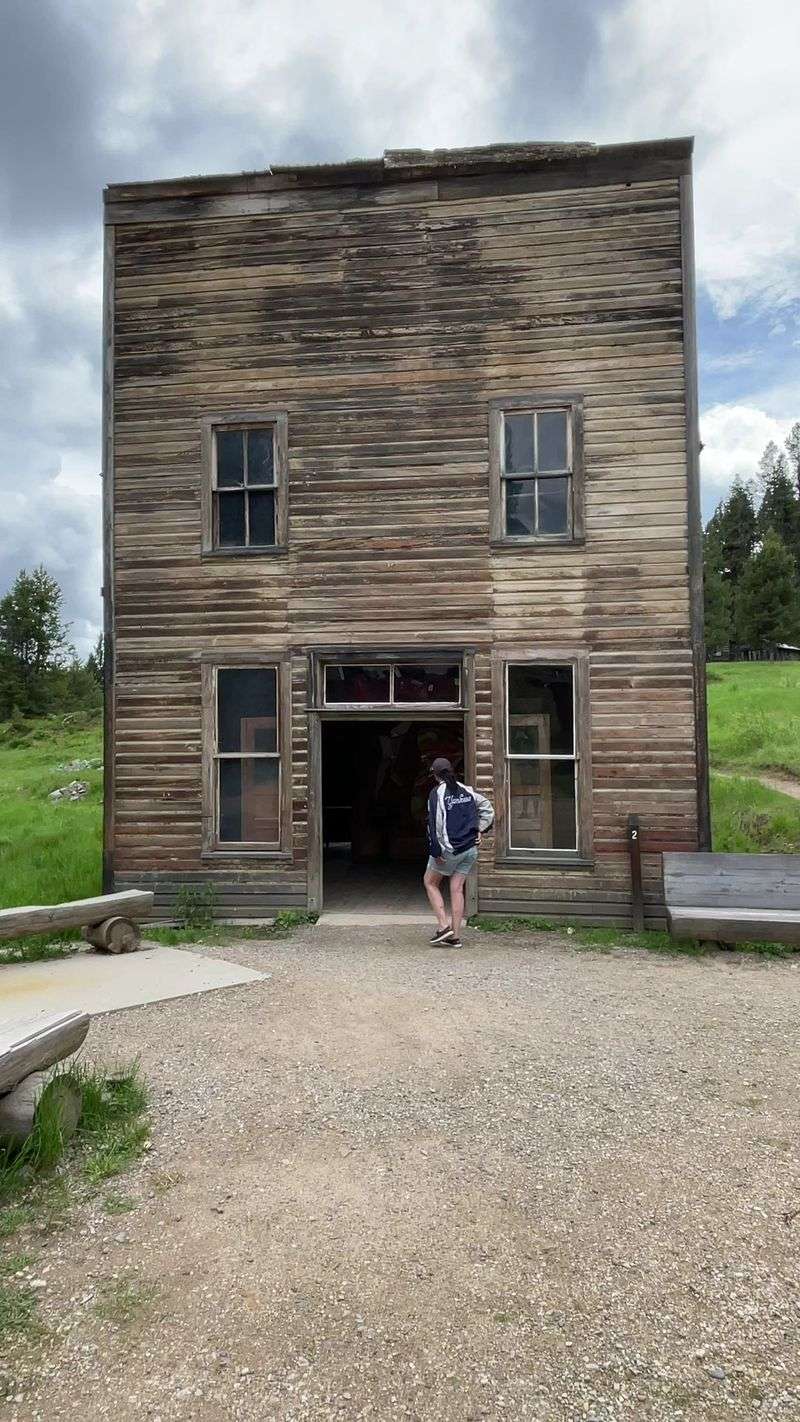
The forest stands close around Garnet, and the boundary between trees and town behaves like a living braid.
As evening gathers, the timberline threads a darker line that holds its shape even when the sky loosens.
The air cools quickly here, and the scent of pine lifts clean and certain above the road.
Bird calls taper into single notes that land lightly on the roofs and stay a moment.
Crickets begin a loose rhythm from the grasses near the edge of the clearing.
Up the slope, a breeze touches one fir at a time and makes a slow conversation worth overhearing.
Montana nights come with clarity, and the stars answer in patient clusters above the ridge.
When you pause, the quiet reveals its layers, never blank but calmly arranged.
The town absorbs this sound like it has practice, giving the streets a measured heartbeat.
Dust settles along the fence rails and turns the grain powder soft under your hand.
Some light remains on the horizon, and the forest saves it like a keepsake between branches.
A fox might cross the road, silent as a hinge, and be gone before your next breath.
You feel watched in a gentle way, more noticed than judged, which suits the place well.
The edge holds, and the town appears smaller but not diminished under the growing dark.
Leaving the clearing, you carry the scent of resin with you as if it chose to travel.
The forest holds a memory of every wind that passes, and you sense that history in the way branches settle after each movement.
Night gathers itself carefully, arranging sounds so they arrive in an order that feels intentional.
A faint coolness drifts through the clearing as if the ground itself exhaled to welcome the dark.
Shadows pool in slow increments, and the road begins to shine with a muted glow from the rising stars.
Your footsteps soften until they barely register, and the forest listens with an attention that feels almost companionable.
Getting There Without Rushing
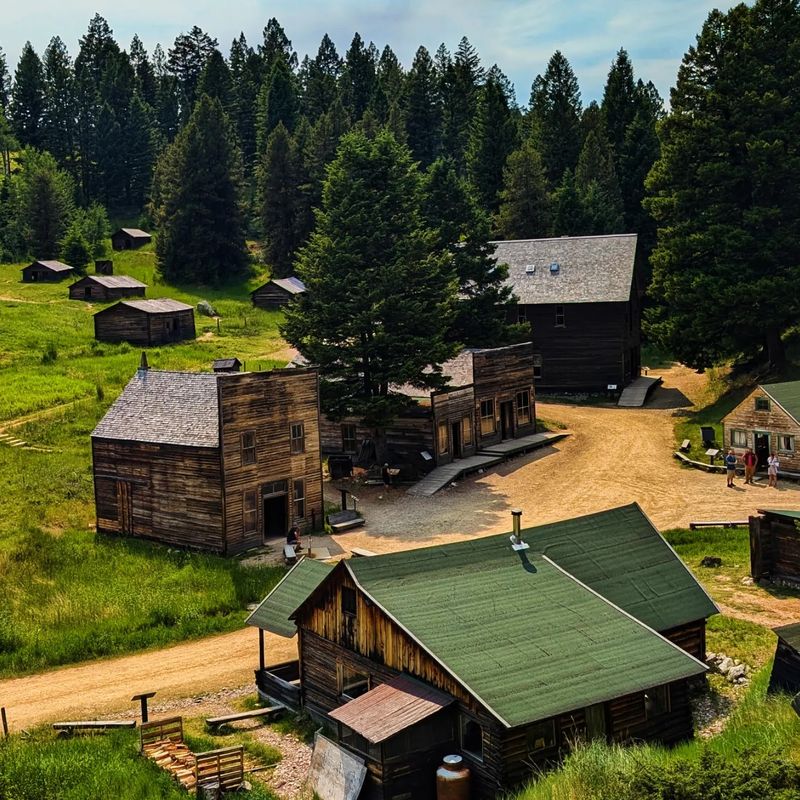
Reaching Garnet means trusting a mountain road that prefers steady attention over speed.
The curves keep you honest, and the surface shifts from gravel to packed dirt with polite irregularity.
Along the route, lodgepole pines mark distance better than any sign, and they do it quietly.
Montana geography does not apologize for its terrain, and that helps you slow down before you arrive.
Pullouts invite you to stop and let the air clear your thoughts without fanfare.
When you finally see the town, it appears with no ceremony, simply placed where the hillside allows.
Parking sits at the edge, and walking in gives your senses time to adjust to the pace.
The path under your boots feels like an introduction delivered in honest prose.
If weather shifts, the road answers with tact rather than drama, asking only for respect.
Signs share useful guidance without crowding the view or the experience.
This is public land managed with a steady hand that shows in small details.
Arriving prepared feels less like caution and more like partnership with the place.
Travel here rewards patience with clarity, the way good trails reveal themselves step by step.
By the time you reach Main Street, your mind has already decelerated to match the town.
Leaving later, you will remember how the road kept its word the whole way.
The landscape asks you to notice small differences in slope and soil, and the request feels gentle rather than demanding.
You find yourself pulling over more than you planned, not for photos but to let the quiet stand beside you.
The final incline settles into a steady grade that eases the transition from travel to arrival.
A single birdcall may echo across the valley and remind you how far you have stepped from noise.
The approach becomes part of the visit, shaping your expectations into something calmer and more receptive.
Seasons That Change the Story
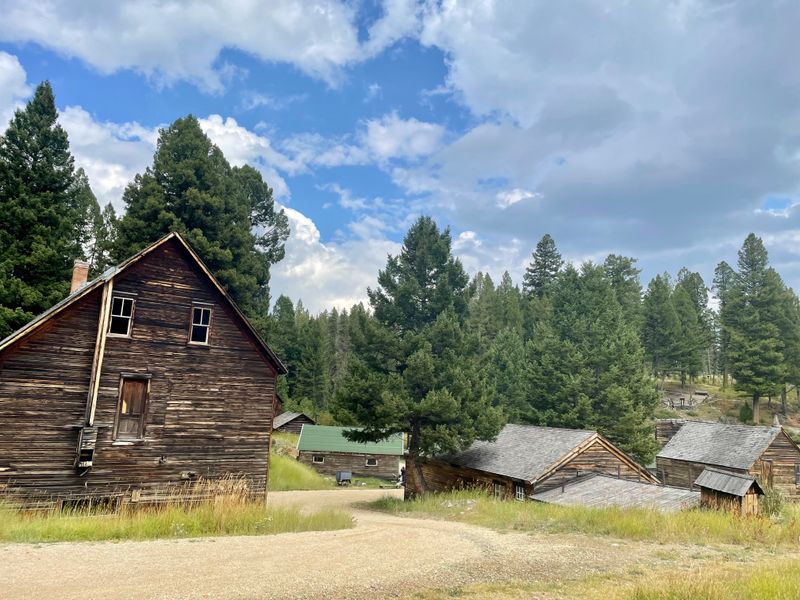
Garnet reads differently in every season, and each visit writes fresh notes on the same page.
Summer pulls the forest close with soft needles underfoot and long evenings that untangle slowly.
Shadows run slim along porches, and the town breathes in a measured green that suits the slope.
Autumn sharpens edges and paints the hills with a burnished tone that flatters the woodwork.
Dry leaves move like paper secrets and fill the alleyways with a quick hush.
The storefronts take on a deeper calm that answers the sky with steady composure.
Winter keeps its voice low, trimming sound to the essentials and polishing the air to glass.
Footprints write brief lines in snow that brightens every sill and stair.
The buildings appear careful and dignified, as if wrapped by the season rather than held by it.
Spring loosens the ground and sends water ticking under the boards beside the road.
Birdsong returns in tidy phrases, and light wakes early to find the windows ready.
Each change arrives with local logic, never abrupt, always grounded in this Montana setting.
Planning around weather feels like listening, not scheduling.
You learn to let the town set the pace and the palette for your day.
By the end, the seasons feel like chapters that keep the same voice while telling new things.
Colors shift with a confidence that never needs to announce itself, and the town absorbs each change without strain.
Cold mornings hold their breath until sunlight settles on the rooftops and loosens the day awake.
Warm afternoons widen the streets and give every doorway a sense of welcome.
Rain arrives in quiet intervals that highlight the grain of old wood and deepen the scent of soil.
By the time you leave, the season that greeted you feels like a companion that walked beside you the entire way.
Dear Reader: This page may contain affiliate links which may earn a commission if you click through and make a purchase. Our independent journalism is not influenced by any advertiser or commercial initiative unless it is clearly marked as sponsored content. As travel products change, please be sure to reconfirm all details and stay up to date with current events to ensure a safe and successful trip.
