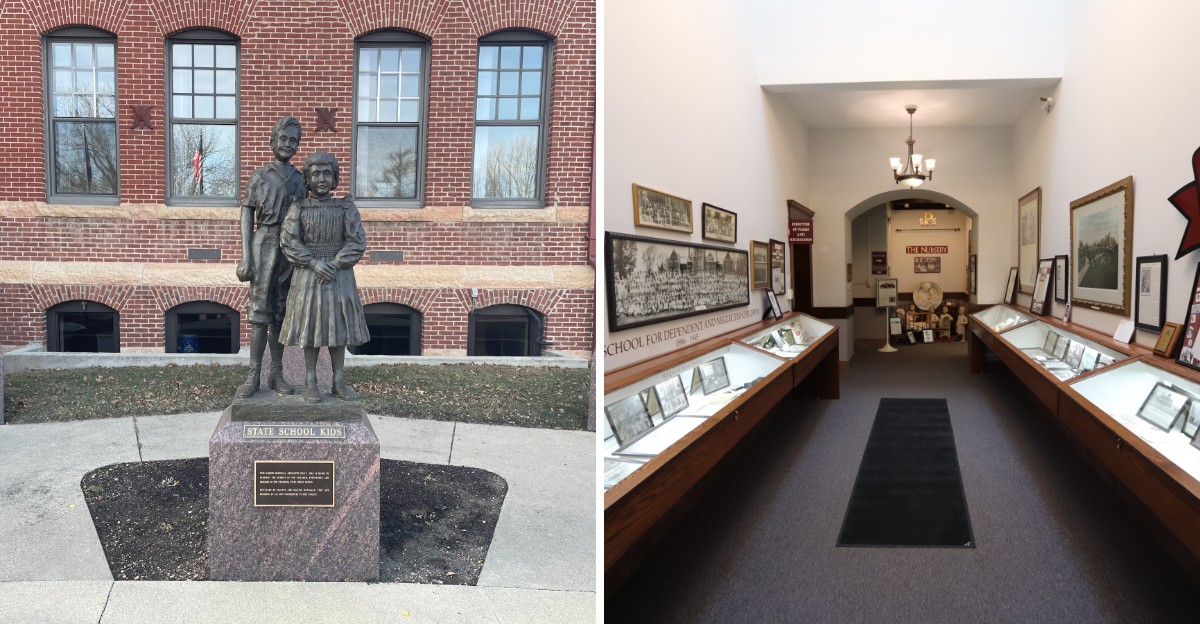
Ten thousand children walked through these doors over the decades this institution operated, each one carrying a story most visitors never learn about anywhere else.
Original buildings still stand here, preserved rather than demolished, offering a rare, unfiltered look at a chapter of child welfare history that rarely gets discussed openly. Exhibits walk through daily life inside the institution, difficult subject matter handled with the seriousness it actually deserves.
Preserving a site this significant takes real commitment most communities eventually abandon in favor of easier, more comfortable history to display. This museum chose otherwise, keeping the full picture intact rather than softening it for convenience.
History like this deserves attention rather than avoidance. What happened here shaped thousands of lives, and this quiet corner of Minnesota makes sure none of it gets forgotten.
A Hilltop Campus With a Big Story
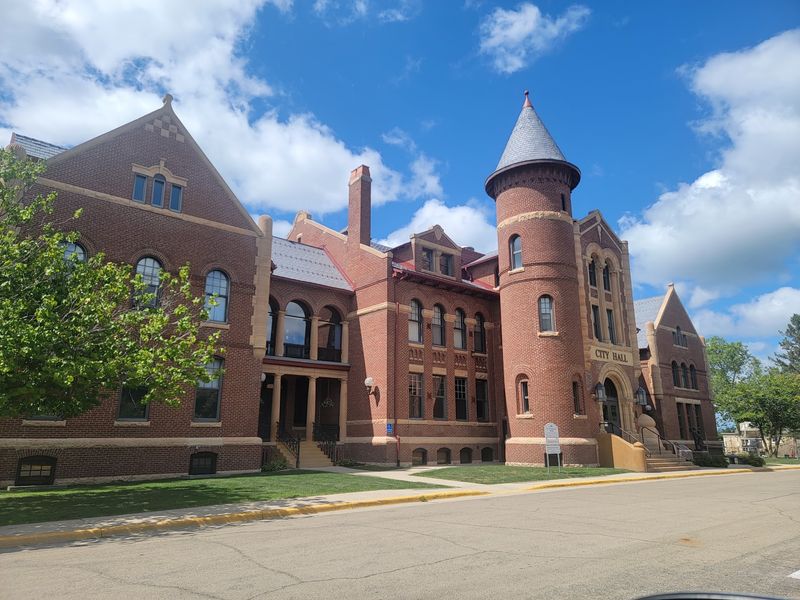
The first thing I noticed was the quiet. Big brick buildings stand in neat rows across a green hill, looking more like a college than a place for kids with nowhere else to go.
Minnesota opened the State Public School in 1886. The idea was simple but bold for its time. Instead of sending poor or abandoned children to adult poorhouses, the state would raise them in cottages, teach them in classrooms, and train them for work.
Over nearly six decades, more than 10,000 children lived here. Some stayed only weeks. Others grew up on these grounds. Many were eventually placed with families across the state, sometimes to be loved and sometimes mostly to help on farms.
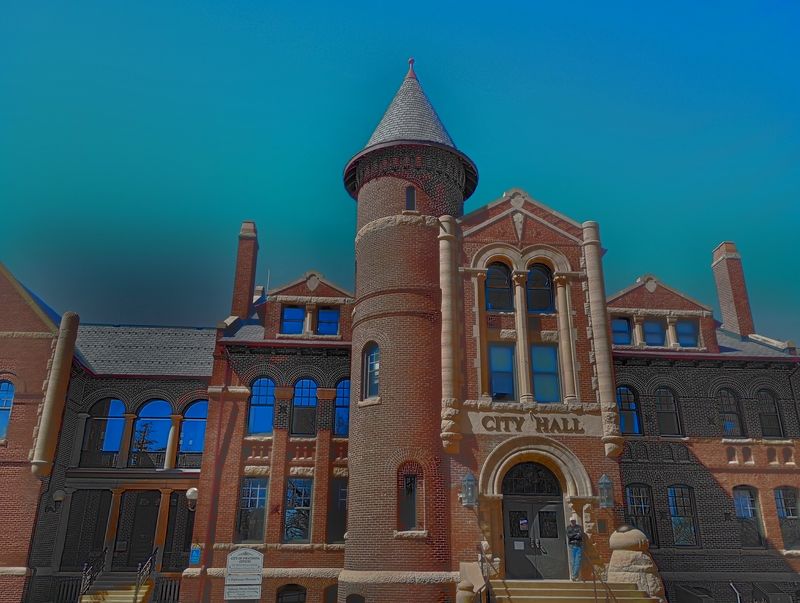
Today the campus belongs to the City of Owatonna. Several buildings hold offices and community programs, so you might see people heading to meetings while you study old photographs. That mix surprised me at first.
It also keeps these sturdy old halls cared for and alive, which feels like a quiet win for history lovers.
Cottage 11, Frozen in Time
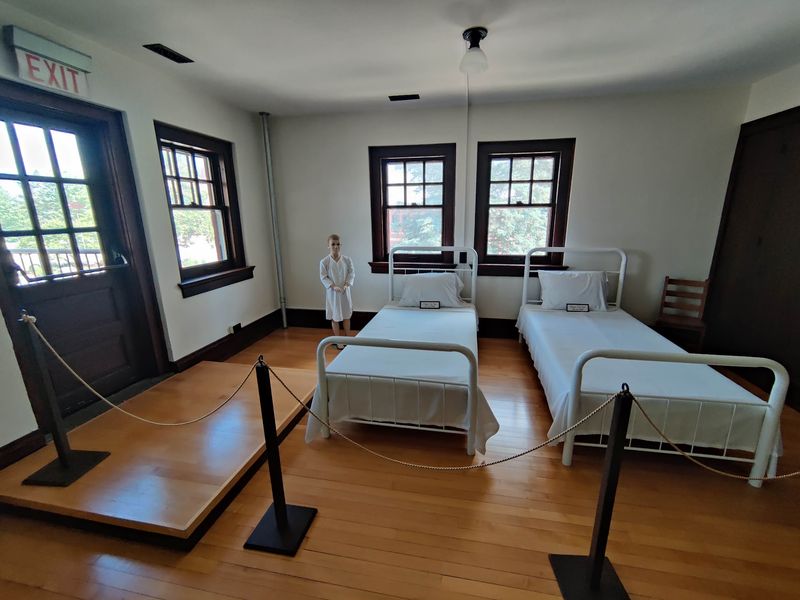
Cottage 11 is one of the original homes where groups of children lived under the watch of a matron, and it has been restored to look much like it did back then.
Everything neat and orderly, just the way a strict daily schedule demanded. Matrons ran these cottages like clockwork, handling meals, chores, bedtimes, and discipline for dozens of kids at once.
Standing in the dormitory, I tried to picture the noise of so many children sharing one space. Then I tried to picture the silence after lights out, both felt powerful.
Volunteers often staff the cottage, and many visitors say these guides share vivid details that bring the past into focus. Some have family ties to the school, which adds a personal layer you cannot get from a sign.
Bring your questions and do not be shy, a good chat here can completely change how you see the whole campus.
Inside the Museum Hallway
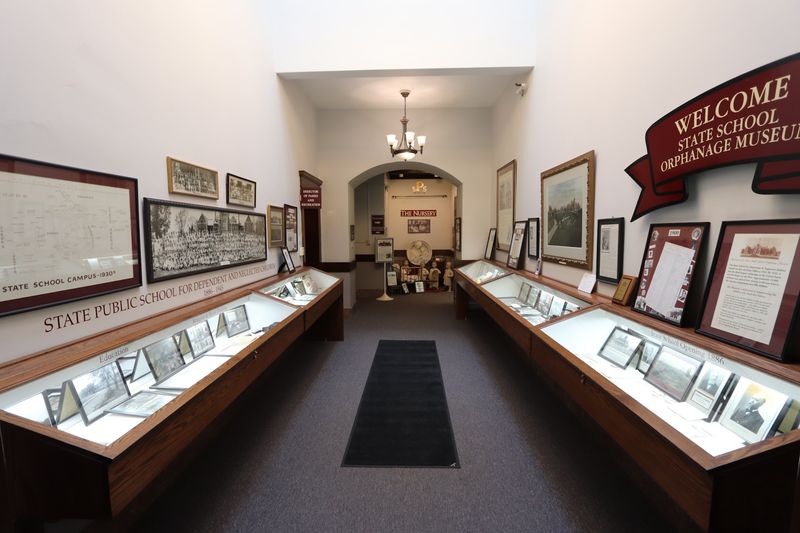
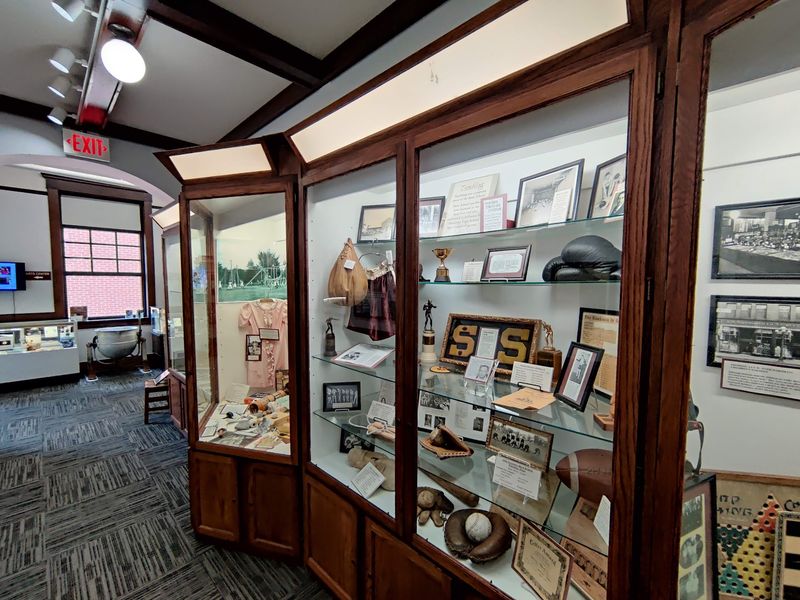
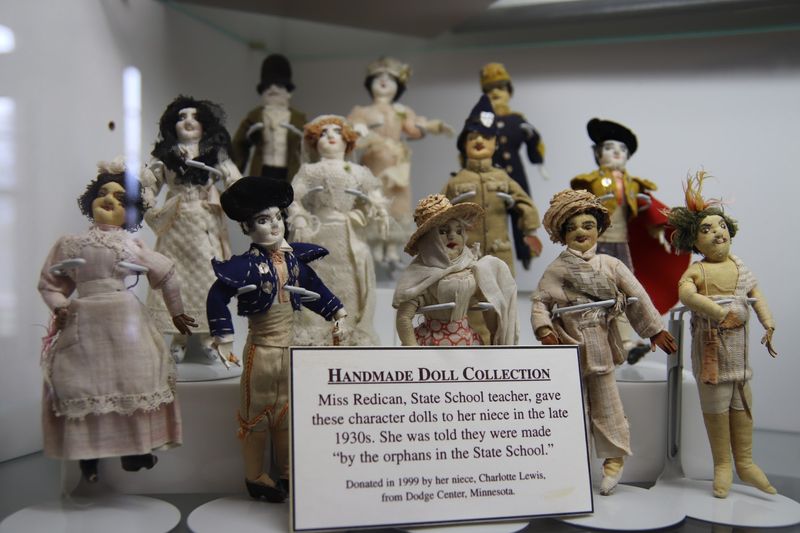
Glass cases line a long, L-shaped hallway inside the main building, and I found myself leaning closer to every one. Worn dolls, tiny shoes, a rocking chair, and a tricycle sit beside faded photographs of kids in matching clothes.
The space is not huge. Expect lots of reading and a modest number of artifacts rather than a giant hall packed with objects. Still, the panels are thoughtful and clearly written, and they explain daily routines, rules, schooling, and how children arrived here in the first place.
The details are what make this stop hit home, like a child’s school record or a snapshot of kids lined up for a meal. Each little item hints at a real person with a real story.
Families with younger readers may want to read panels out loud together. It turns the visit into a conversation, and kids often ask the best questions. Think of this hallway as the opening chapter.
The rest of the campus fills in the remaining pages.
Rare Film From an Attic
Here is a detail that gave me goosebumps. Inside Cottage 11, a video plays footage of children who lived at the school, and that film was found tucked away in someone’s attic years later.
Think about that for a second. Without one lucky discovery, there would be no moving pictures of these kids at all. Just still photos and written records.
Watching the flickering images, I noticed small things. Kids walking in groups. Faces glancing at the camera. Ordinary moments that feel extraordinary because they almost disappeared forever.
The footage is short, so give it your full attention. Try to spot how the children dressed, how they moved together, and what the buildings looked like around them. Compare it with the cottage you are standing in, and the past suddenly feels much closer.
It is also a good reminder for all of us. Old boxes in grandma’s attic might hold more history than we realize, so maybe check before tossing anything out.
The Children’s Cemetery
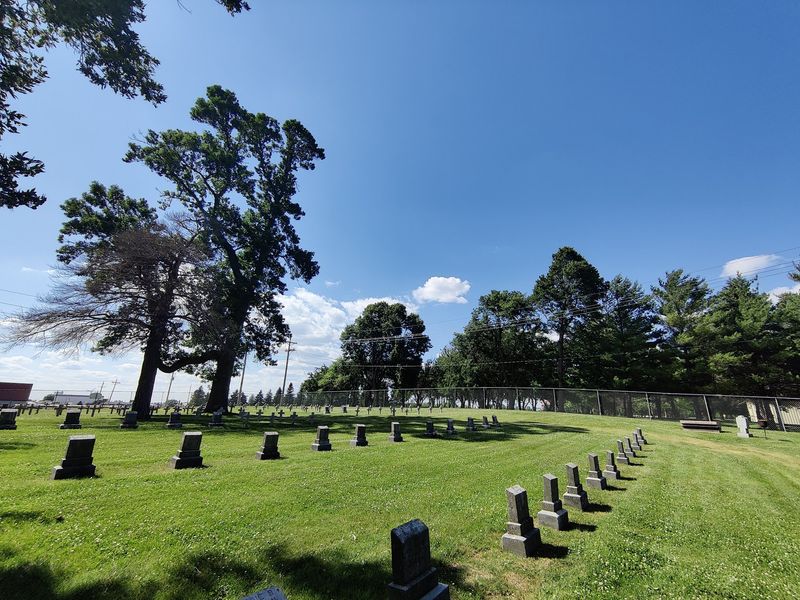
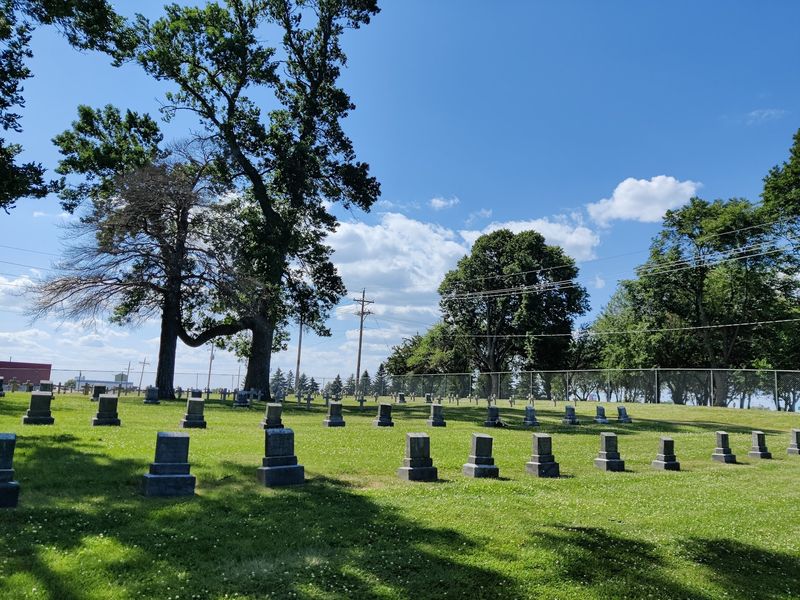
Nothing prepared me for the cemetery. It sits on a peaceful stretch of grass, with row after row of small stones marking children who died while living at the school.
Nearly 200 kids are buried here. Illness spread quickly in crowded places back then, and medicine could not always help. For many years, the graves carried only numbers instead of names.
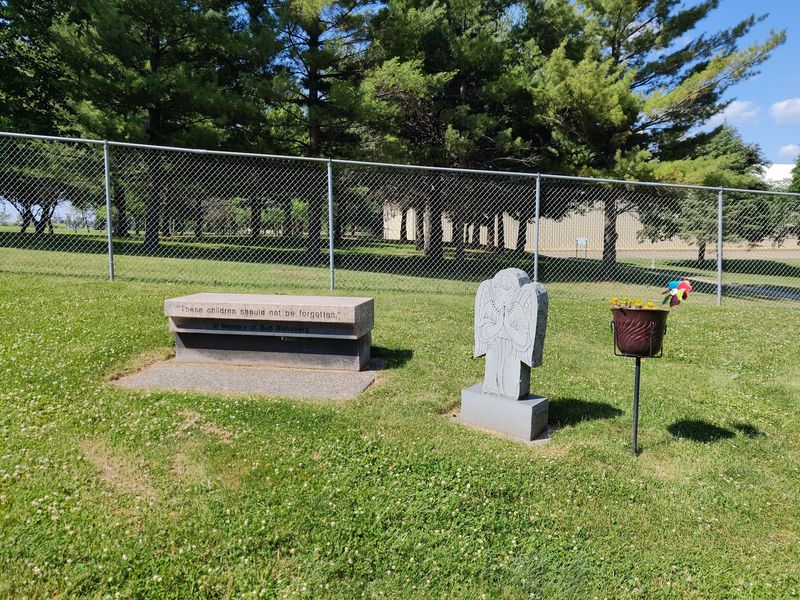
That has changed, thanks to dedicated local efforts. Researchers and community members worked to match those numbers with real identities, so many stones now proudly show each child’s name. Seeing those names, I felt something shift.
Plan to spend quiet time here. Read the memorial information, walk slowly, and let the space speak. Many visitors describe this as the most moving part of the whole trip, and I understand why.
Parents bringing kids might want to talk about it beforehand. It can be emotional, but it also opens up meaningful conversations about kindness, family, and how much the world has changed.
Push a Button, Hear the Past
Scattered across the grounds are little audio markers, and pressing the buttons turned into a mini treasure hunt for me. Each one shares a piece of the school’s history right where it happened.
Grab a map before heading out. The markers are not linked by a formal trail, and a few sit out in the middle of open grass, so finding them can take a bit of wandering. Totally worth it.
On a breezy day, you might find yourself standing in the wind with your ear close to a speaker. Honestly, that made it feel more real. The same wind blew across this hill when thousands of children played, worked, and walked between buildings.
This self-guided tour is great for families with energetic kids. Let them race to the next marker and push the button first. Wear comfortable shoes, bring water in summer, and give yourself enough time to hear them all. Every stop adds another small piece to the big picture.
Stories Worth Reading Before You Go
A little homework makes this visit so much richer. Before my trip, I learned that former residents and writers have shared accounts of life at the school, and those stories stuck with me the whole afternoon.
One book many visitors mention is A Boy from C-11, which centers on life in Cottage 11. Reading it first makes the restored rooms feel familiar, almost like meeting a place you already know.
Inside the museum, keep an eye out for the displays about crackers and milk and about Cottage 11. Visitors often point to these as key pieces for understanding everyday life here. Small routines, like simple snacks, can say a lot about how children were cared for.
Look, you do not need to become an expert. Even skimming a few pages or watching a short program ahead of time helps. You will notice more, ask better questions, and connect the objects in the cases to the real kids who once held them.
Sad Moments and Surprising Hope
Let me be honest. Parts of this visit are heavy, and the museum does not pretend otherwise.
Children arrived here after loss, poverty, or neglect. Rules were strict, work was hard, and some placements with families did not go well. The cemetery makes the harder side impossible to ignore.
Yet the exhibits also share uplifting stories. Many kids learned to read, gained skills, made lifelong friends, and went on to build full lives. Some former residents returned years later to see the place they considered their childhood home.
What I appreciated most was the balance. The displays share facts and personal accounts without turning the story into a lecture. Visitors are trusted to think for themselves.
Teenagers especially seem to connect with it. Plenty of parents say kids they expected to be bored ended up talking about the stories for days. Leave space on the drive home for conversation, because you will probably want it.
A Gift Shop With Heart
Tucked inside Cottage 11 is a small gift shop, and I almost walked right past it. Big mistake avoided.
The selection is modest, with books and a few items related to the school. You will not find a mall-style store here. What you will find are publications that dig deeper into the history, perfect for anyone who wants to keep learning after leaving.
A souvenir mug might not be your thing. Fair enough. But think about the former residents who come back, often older now, looking for a way to remember the place that shaped them. For them, a simple keepsake can mean a lot.
Admission to the self-guided tour is free. The City of Owatonna does ask visitors to donate if they are able, and those gifts help keep the buildings and exhibits in great shape.
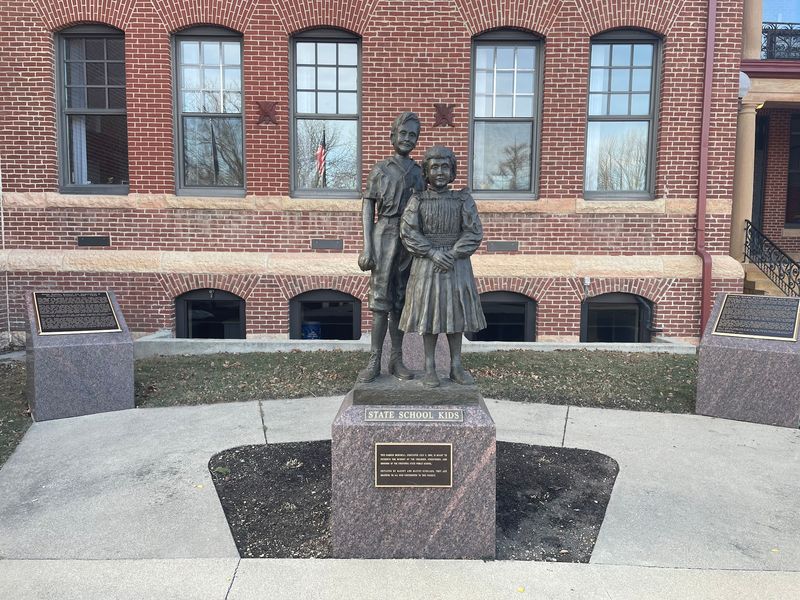
So drop a little something in the box or pick up a book. Either way, you are helping these children’s stories stay alive for the next generation of curious visitors.
Planning Your Stop in Owatonna
Timing matters here, so a quick game plan helps. The museum is open weekdays from 8 AM to 5 PM, and weekends from 1 to 5 PM. Weekday visits are mostly self-guided.
Set aside at least two hours. The museum hallway, Cottage 11, the audio markers, and the cemetery add up faster than you think. Rushing would mean missing the best parts.
Road trippers, take note. The campus sits just off I-35, making it an easy detour between the Twin Cities and southern Minnesota. It beats another gas station snack stop by a mile.
While on campus, peek at the art center nearby, which visitors often praise for its beauty. Then find the Minnesota State Public School Orphanage Museum at 540 W Hills Cir, Owatonna, MN 55060, and give these remarkable kids the attention they deserve.
