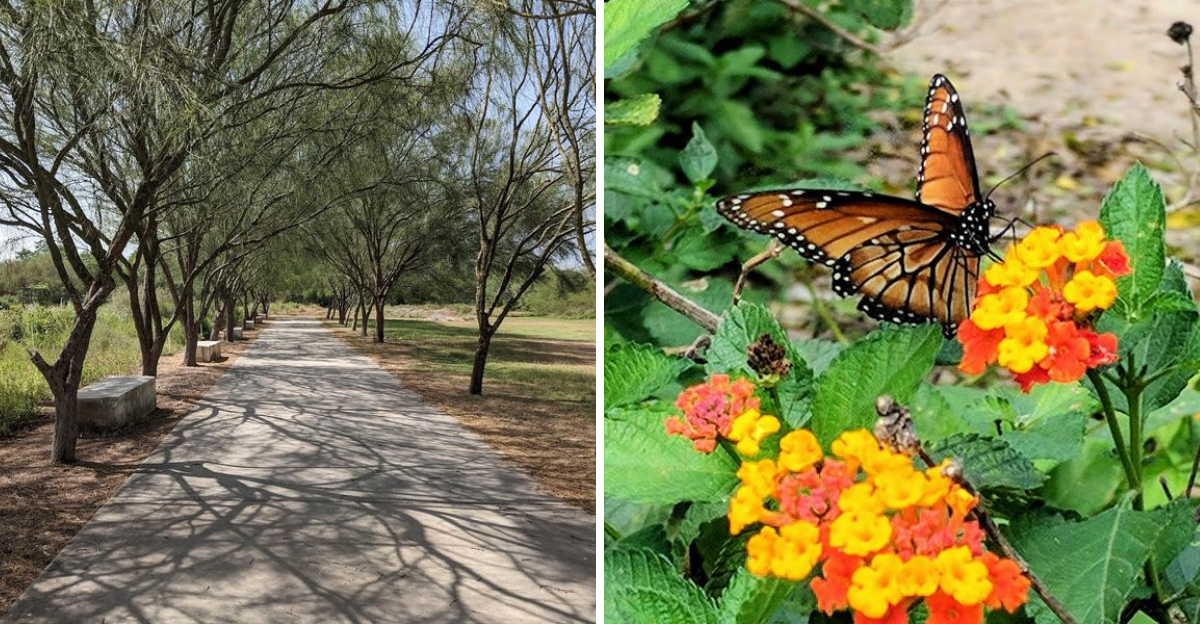
A nature preserve that hosts more than 100 species of butterflies is a colorful wonder. This Texas spot is a haven for these delicate insects.
A person can walk through the gardens and see a variety of species in all stages of life. It is an educational and beautiful experience.
The preserve is also important for conservation. The gardens are filled with plants that attract and support butterflies.
This is a place to slow down and appreciate nature’s beauty. Texas has many natural attractions, but this one is unique.
It offers a chance to see something truly special and fragile. It is a place of tranquility.
A Nature Preserve Unlike Any Other in Texas
Most nature preserves feel like they were built for the brochure. The National Butterfly Center feels like it was built for the butterflies first, and the visitors second, which is exactly why it works so well.
Operated by the North American Butterfly Association, this 100-acre private preserve and botanical garden is not a butterfly house. There are no enclosures, no feeding stations with captive insects, and no glass panels separating you from the action.
Every butterfly you see is wild, living on its own schedule, feeding from plants that were specifically chosen to support its life cycle.
The preserve sits in the Lower Rio Grande Valley, a region where the climate blends subtropical warmth with just enough seasonal variation to keep things interesting year-round.
That combination creates one of the longest growing seasons in the United States, which means nectar plants are almost always in bloom somewhere on the property.
Texas holds the title of most butterfly-diverse state in the country, with over 442 recorded species. The Rio Grande Valley alone supports more than 300 of those.
The National Butterfly Center pulls from that richness in a way that few other destinations can match.
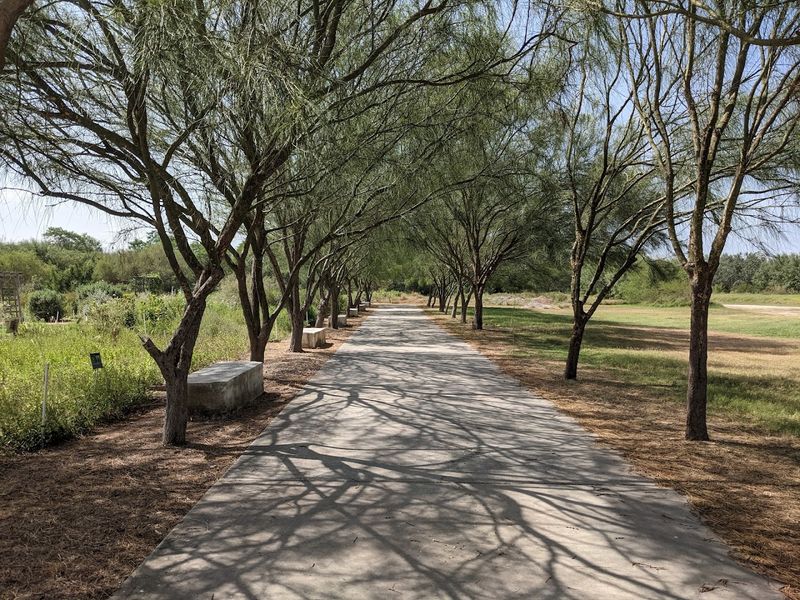
Trails wind through cultivated gardens, open wildscapes, and denser native plantings that attract everything from common sulphurs to rare tropical species that drift north from Mexico.
The experience feels less like a scheduled attraction and more like a slow, rewarding walk through a world that exists entirely on its own terms.
Why the Lower Rio Grande Valley Is Butterfly Paradise
Geography does a lot of quiet work at the National Butterfly Center. The Lower Rio Grande Valley sits at a point where North American temperate ecosystems and Mexican tropical ecosystems overlap, and that overlap is everything.
Species that typically stay in Central America or deep into Mexico sometimes drift north when conditions are right.
That means on any given sunny afternoon, you might spot a butterfly that most North American field guides barely mention, simply because it wandered across the border and found the habitat irresistible.
The valley also benefits from a subtropical climate that keeps temperatures mild even through winter. Butterflies are cold-blooded, so they need warmth to stay active.
South Texas delivers that warmth in abundance, which is why butterfly activity here does not grind to a halt the way it does in northern states.
Rainfall patterns also play a role. September rains typically trigger a flush of new plant growth and nectar production, which sets up October and November as the most spectacular months for butterfly watching.
Spring brings its own wave of activity when wildflowers bloom across the preserve.
For optimal viewing, sunny days with temperatures above 70 degrees Fahrenheit are the sweet spot. Butterflies are more active, more visible, and more likely to be feeding openly in those conditions.
The center’s staff and volunteers understand this rhythm well, and the habitat plantings are designed to support butterfly populations across every season, not just the peak months.
The Peak Season Secret Most Visitors Miss
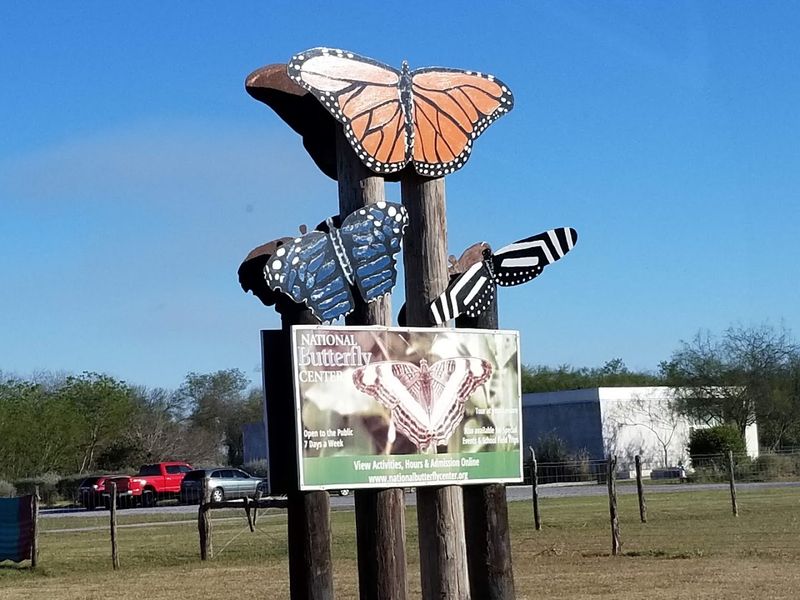
Timing matters more at a butterfly preserve than at almost any other nature destination. The National Butterfly Center has seasons within seasons, and knowing which one you are stepping into changes everything about the visit.
Late fall, particularly October and November, is widely considered the peak period. September rainfall kicks off a chain reaction: plants respond with fresh growth and abundant nectar, which draws butterflies in from across the region and from further south.
By mid-October, the preserve can feel almost overwhelming in the best possible way.
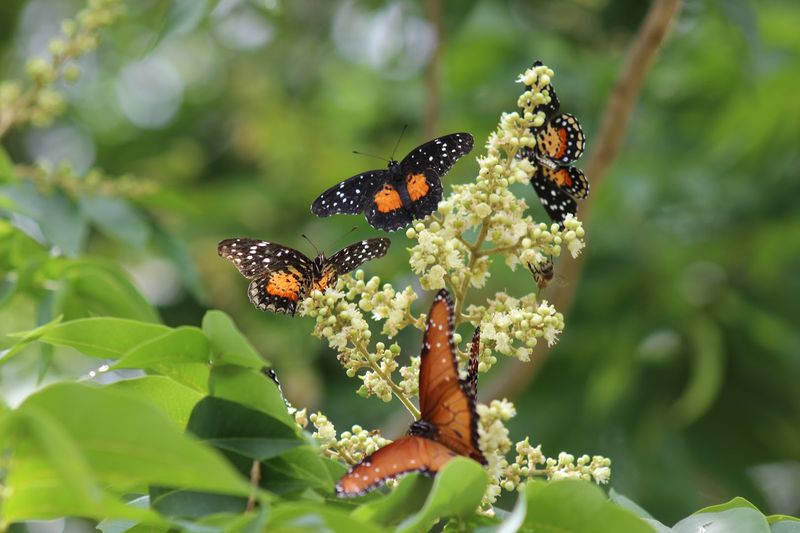
Monarch butterflies pass through during their southward migration, which adds a layer of spectacle to an already busy time of year. Watching a Monarch nectaring alongside a Mexican bluewing or a red-bordered pixie is the kind of moment that makes you forget you had other plans for the afternoon.
Spring is a quieter but equally rewarding season. Wildflowers push up across the gardens and wildscapes, and many resident species become more active and visible.
The crowds are thinner in spring, which some visitors actually prefer.
Summer brings heat, but the preserve does not shut down. Certain species thrive in the warmer months, and the native plantings continue to support caterpillars and adults through the season.
The real secret is that there is no bad time to visit. Every season offers something specific and worth seeing, and the center is genuinely open and active year-round.
Checking ahead for recent sightings before your trip helps you know what to look for when you arrive.
Monarch Butterflies and Other Star Species to Watch For
Some butterflies at the National Butterfly Center are easy to spot because they are large, bold, and completely unbothered by human presence. The Monarch is the obvious headliner, but it shares the stage with a genuinely impressive cast.
The Mexican bluewing is one of the species that stops people mid-trail. Its wings flash iridescent blue when the light catches them at the right angle, and it tends to perch in ways that feel almost deliberate, like it knows you are watching.
Red-bordered pixies are another local favorite. Small and quick, they dart between plants with an energy that makes them fun to track.
Queen butterflies, which resemble Monarchs but have a distinctly different pattern, are common throughout the warmer months and worth taking a second look at if you think you have spotted a Monarch.
Ornythion swallowtails are among the larger species visitors encounter, and their slow, gliding flight makes them easier to follow and photograph than many of the faster species.
Gulf fritillaries show up reliably across most of the year, their bright orange wings making them one of the more photogenic regulars.
Sulphurs of various types fill the gardens with soft yellow and white movement on sunny days. The sheer number of species recorded at the center, over 200 in total, means that even experienced butterfly watchers tend to see something new each visit.
Bringing a field guide specific to Texas or the Rio Grande Valley makes the experience considerably richer.
Birds, Bobcats, and the Wildlife Beyond the Butterflies
Butterflies get top billing here, and rightfully so. But the preserve supports a wider cast of wildlife that catches most first-time visitors completely off guard.
Nearly 300 bird species have been recorded at the center, which puts it firmly on the radar of serious birders. The green jay is one of the most talked-about sightings, and it is genuinely hard not to stop and stare the first time one lands nearby.
Its plumage is almost cartoonishly vivid, a mix of greens, blues, and yellows that looks too bright to be real.
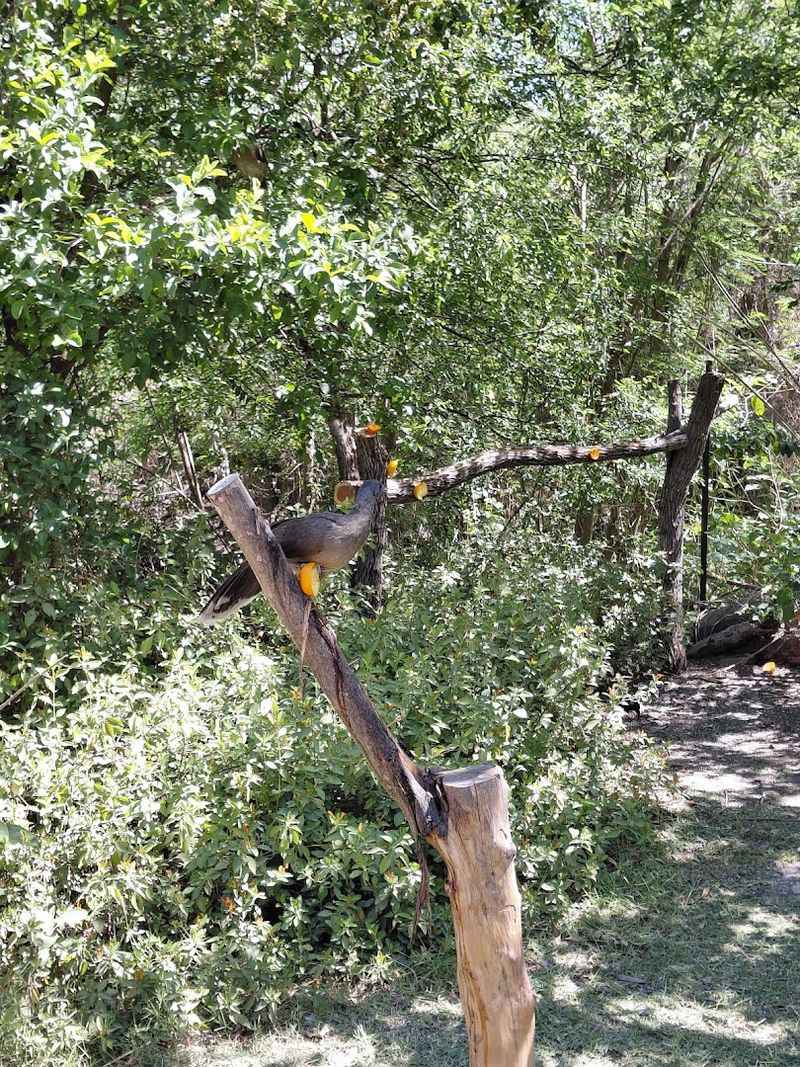
Chachalacas are another bird you will likely hear before you see. Their loud, raspy calls carry across the preserve early in the morning, and once you spot a group of them moving through the brush, you understand why birders make special trips to the valley just for this species.
Bird blinds are set up around the property, giving visitors a quiet place to observe without disturbing the animals. These simple structures make a real difference in how close you can get to birds going about their natural behavior.
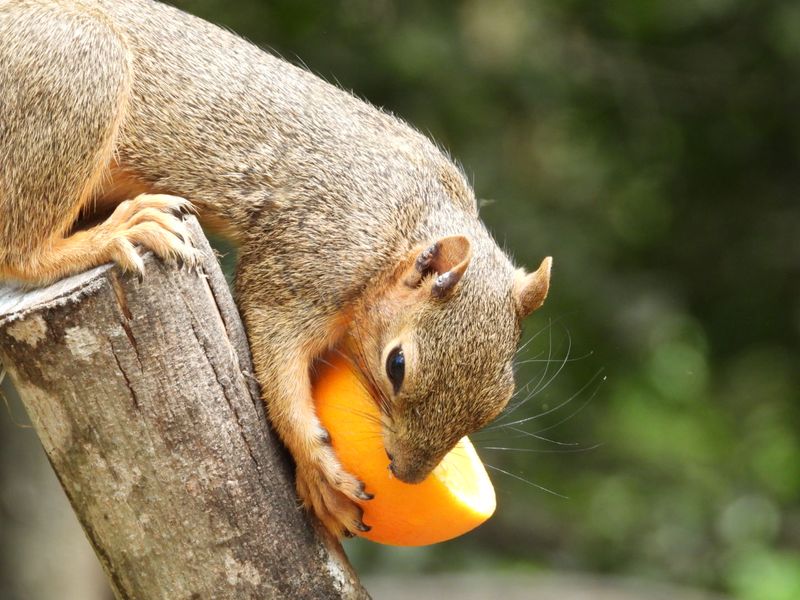
Beyond birds, the preserve is home to bobcats, armadillos, coyotes, and blacktail jackrabbits. Spotting any of these takes patience and a bit of luck, but the trails give you a genuine chance.
There is also Spike, a resident African spurred tortoise who has become something of a local celebrity among regular visitors. He moves slowly, minds his own business, and has a kind of weathered dignity that feels perfectly at home in a place like this.
Native Plants, Gardens, and the Habitat That Makes It All Work
The butterflies do not show up by accident. Every plant in every garden at the National Butterfly Center was chosen with a specific purpose, either to provide nectar for adult butterflies or to serve as a host plant where females lay eggs and caterpillars feed.
That distinction matters more than most visitors initially realize. A garden full of pretty flowers might attract a few butterflies, but a garden designed around the full life cycle of specific species creates something entirely different.
The center’s approach to habitat restoration is rooted in that deeper understanding.
Native plants are the foundation of everything here. Non-native ornamentals might look appealing, but they often lack the specific chemical compounds that caterpillars need to develop properly.
By focusing on plants indigenous to South Texas and northern Mexico, the center has created a habitat that supports dozens of species through every stage of their lives.
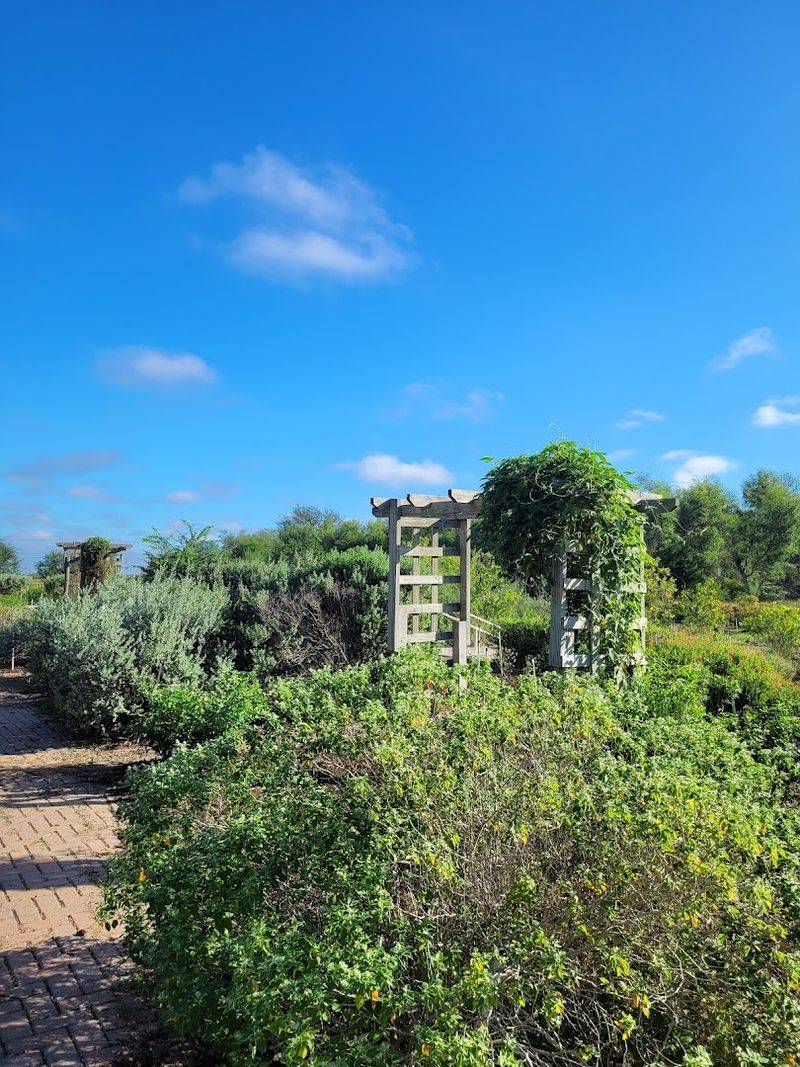
Walking through the cultivated garden sections, you notice how thoughtfully the plantings are arranged. Taller shrubs provide shelter and perching spots.
Lower flowering plants offer easy nectar access. Open sunny patches give butterflies the warmth they need to stay active.
The center also runs a plant nursery on site, where visitors can purchase native plants to take home and use in their own gardens. That is one of the more practical ways the center extends its conservation mission beyond its own property lines.
Starting even a small native plant garden at home contributes to the larger network of habitat that butterflies depend on across their entire range.
Pixie Preserve and the Expansion of Conservation Work
Conservation rarely stays still, and the National Butterfly Center is a good example of what happens when an organization keeps pushing its mission forward. The center recently expanded its work significantly by acquiring an additional 350 acres of land from The Nature Conservancy.
This new area, named Pixie Preserve, sits about six miles west of the main center. It was not acquired just to have more land.
The preserve has a specific ecological purpose: propagating native species and creating a dedicated refuge for the manfreda giant-skipper, which holds the distinction of being Texas’s most endangered resident butterfly.
The manfreda giant-skipper is a specialist, meaning it depends on a very specific plant, the manfreda, to complete its life cycle. Habitat loss has pushed this species to the edge of survival in Texas.
Pixie Preserve is designed to change that trajectory by restoring and expanding the exact habitat this butterfly needs.
The expansion also reflects a broader understanding of what conservation actually requires at scale. Single protected sites can do a lot, but connected landscapes do more.
By adding Pixie Preserve to its network, the center creates a larger refuge that benefits not just butterflies but the full range of wildlife that depends on intact South Texas scrub habitat.
This kind of long-term thinking is what separates organizations that simply maintain beautiful spaces from those that actively work to restore what has been lost. The Pixie Preserve acquisition is a meaningful step, and it signals that the center’s most important work may still be ahead of it.
Native Bees and the Broader Pollinator Story
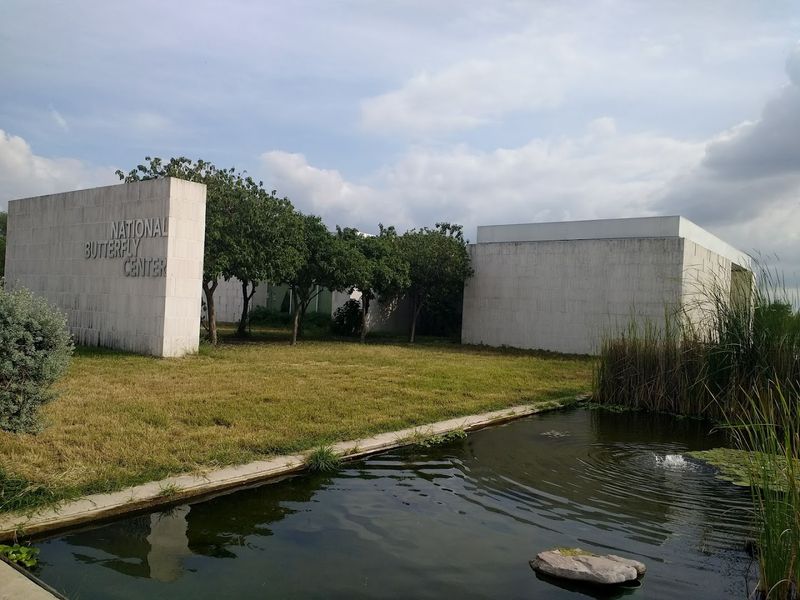
Butterflies draw the headlines at the National Butterfly Center, but pollinators as a group are the real story. The center has been quietly building a body of research on native bees that deserves far more attention than it typically gets.
Over 50 native bee species have been documented on the property. That number alone is impressive, but one discovery stands out above the rest.
Researchers at the center recorded the red-legged Toluca leafcutter bee, a species that had never previously been documented in the United States. That is not a minor footnote.
Finding a species new to a country within a 100-acre preserve speaks to how ecologically rich this landscape really is.
Native bees are often overlooked in favor of their more charismatic honeybee relatives, but they play an irreplaceable role in pollinating native plants. Many native bee species have highly specific relationships with particular plants, meaning the loss of either partner can destabilize an entire local ecosystem.
The center’s work on native bees connects directly to its butterfly mission. The same native plantings that support butterfly populations also support diverse bee communities.
The two efforts reinforce each other in ways that make the overall conservation work more resilient.
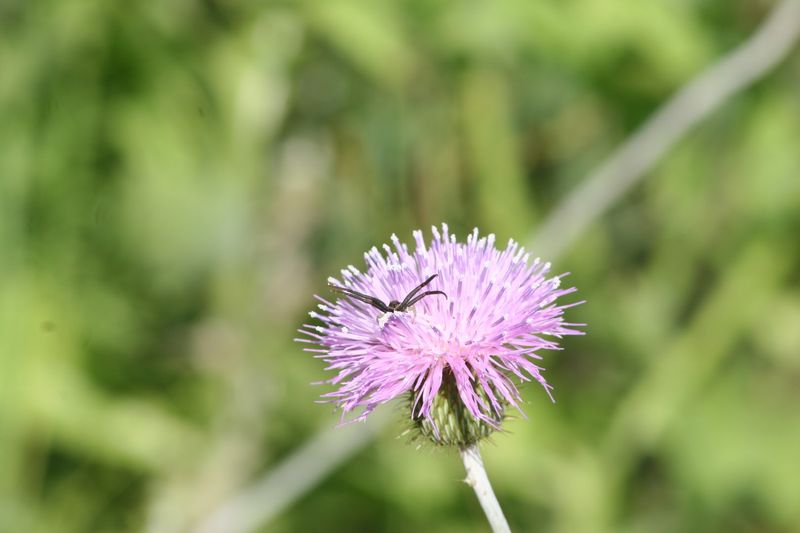
For visitors, this adds another layer of observation to explore during a visit. Slowing down near flowering plants and watching who else shows up alongside the butterflies reveals a world of activity that most people walk right past.
The center encourages that kind of attentive, curious engagement, and it tends to stick with you long after you leave.
Planning Your Visit to the National Butterfly Center
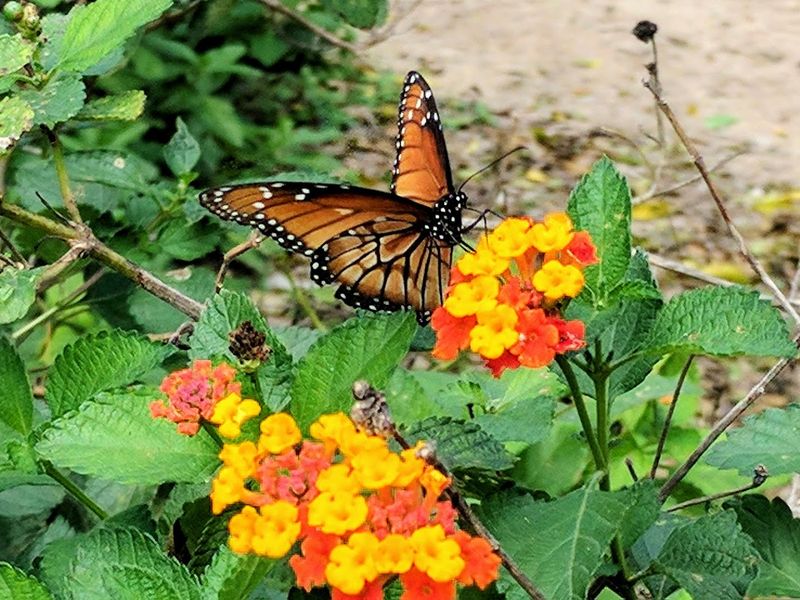
Getting the most out of a visit to the National Butterfly Center starts with a little planning, though not the complicated kind. The preserve is genuinely welcoming and accessible, and the setup makes it easy to spend several hours without feeling rushed.
Wear comfortable shoes suited for walking on natural trails. The property covers 100 acres, and while you do not need to cover all of it in one visit, you will want to explore beyond the cultivated garden areas near the entrance.
Lightweight, breathable clothing in neutral colors works well. Bright colors do not scare butterflies away, but they can make it harder to notice subtle species against similarly colored flowers.
Bring binoculars if you have them, especially if birds are part of your interest. A camera with a decent zoom lens helps with butterfly photography, though many species are approachable enough that a phone camera gets surprisingly good results.
The center hosts educational programs and school field trips throughout the year, and it organizes the annual Texas Butterfly Festival, which draws butterfly enthusiasts from across the country.
Checking the center’s schedule before your visit helps you land on a day with programming that matches your interests.
The on-site plant nursery is worth a stop before you leave. Taking home a few native plants and starting even a small pollinator garden extends the center’s mission into your own backyard in a tangible way.
The staff are knowledgeable and genuinely enthusiastic about helping visitors choose the right plants for their specific area.
Address: 3333 Butterfly Park Drive, Mission, Texas
