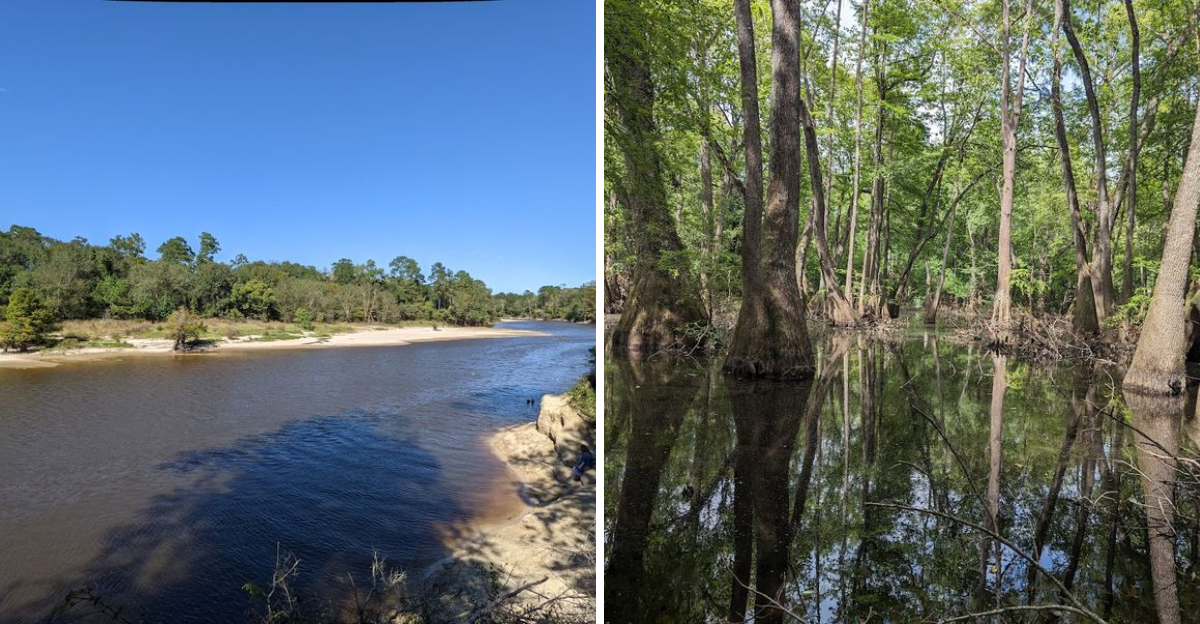
A state park that spans over 2,000 acres of forest and wetlands has a way of making a person feel far from civilization. Village Creek State Park is one of those places.
The trees are tall and thick, and the wetlands host birds and wildlife that seem unbothered by visitors. The trails wind through pine and hardwood forests, offering shade and the sound of birds.
The park is not as famous as some of the state’s other parks, but it has a wild feel that sets it apart. A person can walk for miles without seeing another soul.
This is a park for those who want to escape the crowds and enjoy a quiet day in nature. Texas has many parks, but a place this quiet is a true gift.
A Forest That Feels Bigger Than It Is
The trees here do something to your sense of scale. Loblolly pines stretch so high overhead that you actually tilt your head back to find the sky, and the canopy closes in around you like a green ceiling that never ends.
The forest at Village Creek State Park covers 2,466 acres, but it feels at least three times that size once you are inside it.
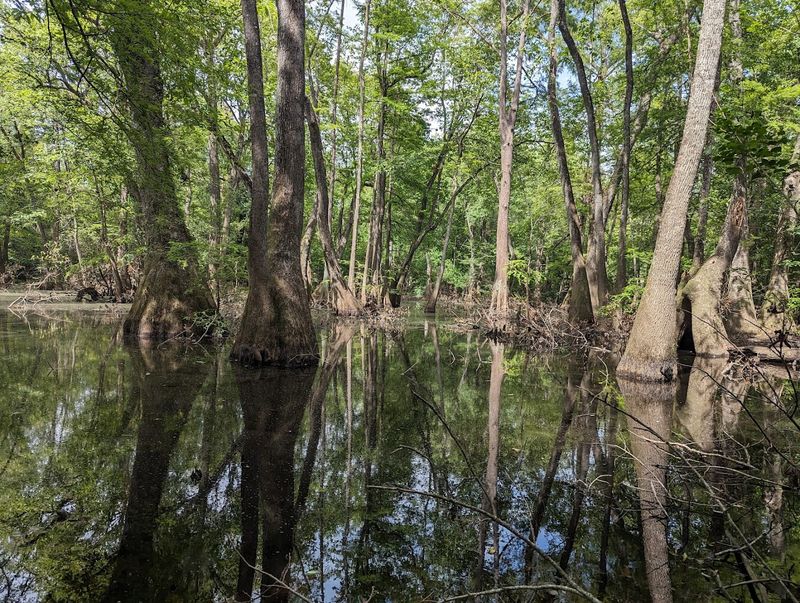
Part of that feeling comes from the sheer variety of what is growing here. You move through bottomland hardwood forests full of white oak, beech, and magnolia, and then suddenly the landscape shifts into cypress-tupelo swamps where the water is dark and still.
There are baygalls, backwater sloughs, and rare longleaf pine savannas that most people do not even know exist in Texas.
The understory is thick and layered, which adds to that sense of depth. Ferns, shrubs, and low-growing plants fill in every gap beneath the bigger trees, so the forest feels alive in every direction.
Even on a busy weekend, you can walk just a short distance down a trail and feel completely alone with the woods.
This park sits technically within Lumberton city limits, which makes the wild feeling even more surprising. You can hear birds calling from deep in the forest canopy and spot the occasional deer moving quietly through the brush.
It is the kind of forest that rewards slow walking and careful attention more than speed.
Village Creek, A Free-Flowing Waterway Unlike Any Other
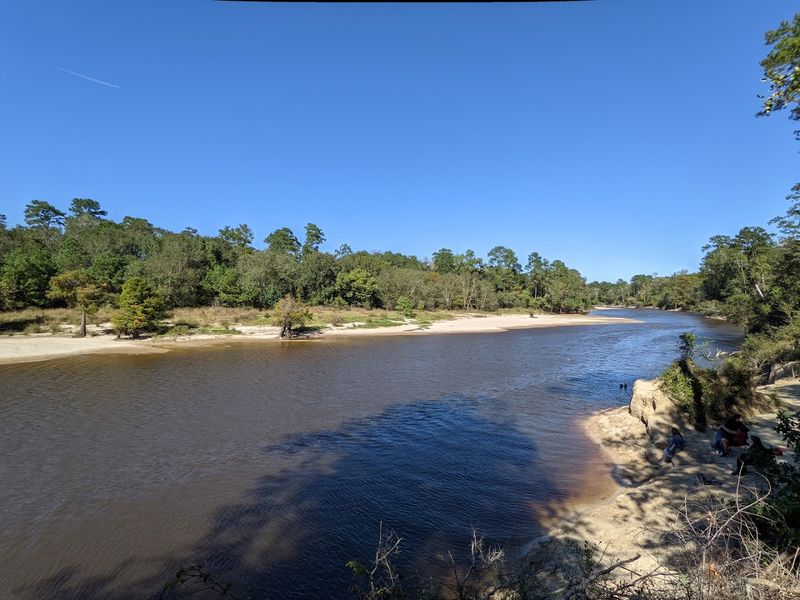
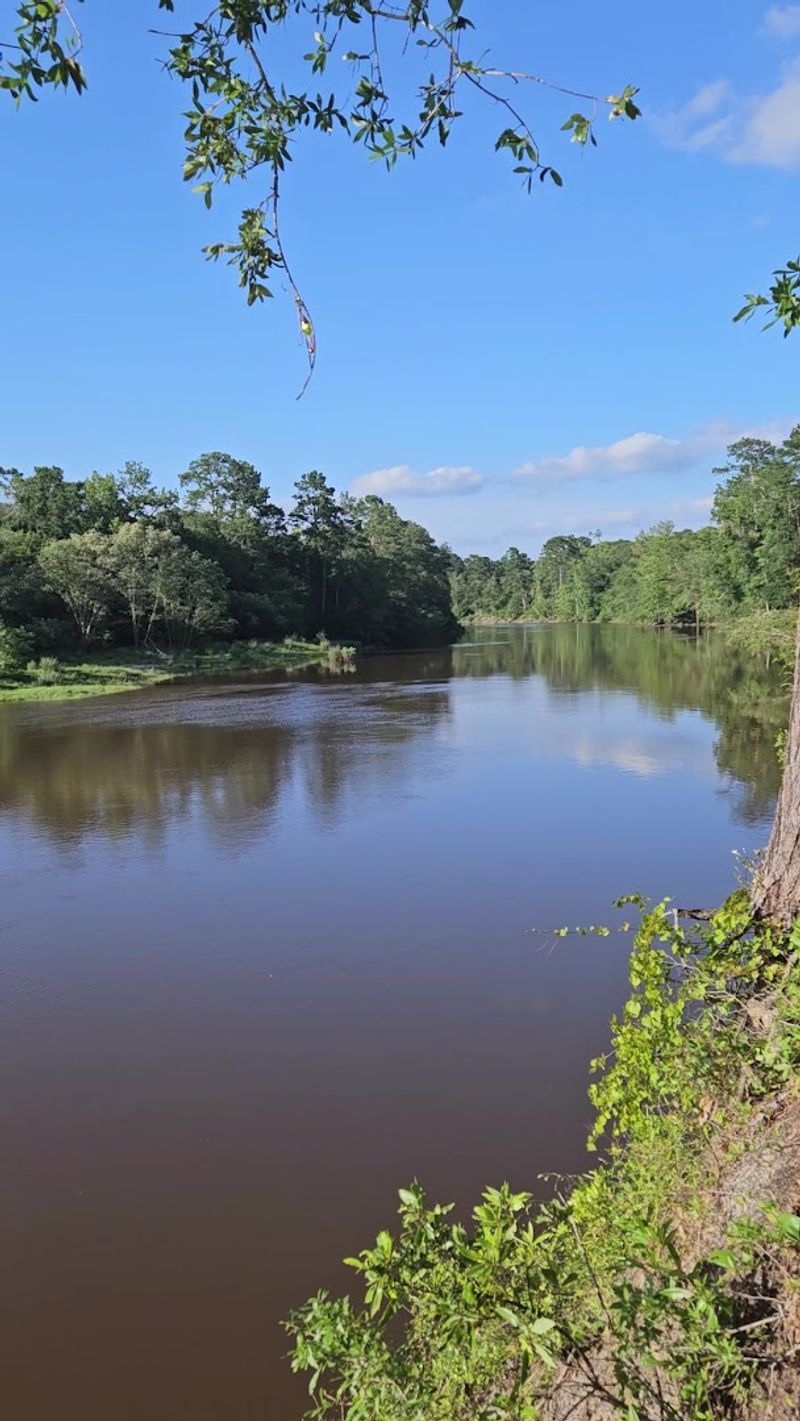
Not every creek earns its own name on a map, but Village Creek has more than earned it. This is a genuinely free-flowing Texas waterway, meaning it has not been dammed, channeled, or significantly altered by development.
That distinction matters more than it sounds, because free-flowing creeks like this one are becoming increasingly rare across the state.
The creek meanders right through the heart of the park, and its movement sets the rhythm for everything around it. Paddlers who put a kayak or canoe in the water here will find a route that feels genuinely remote, even though it runs through a park that is close to town.
The Village Creek Paddling Trail gives visitors a chance to experience the waterway from water level, which is an entirely different perspective than hiking the banks.
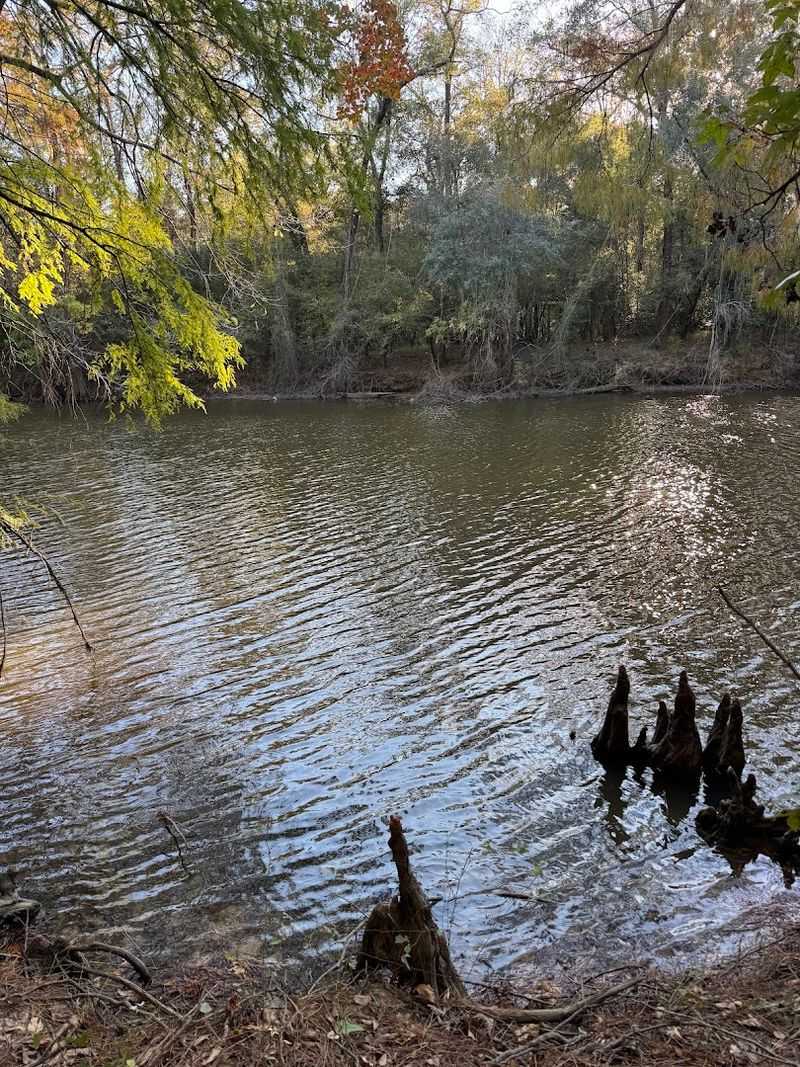
Cypress trees line much of the creek’s edge, their knobby knees poking up from the shallows in clusters. The water itself shifts color depending on the light, going from a deep amber brown in shaded stretches to something almost golden where sunlight breaks through.
Turtles bask on logs. Herons stand motionless in the shallows, watching for fish with incredible patience.
Alligators are also present in the park, and the creek is part of their habitat. Spotting one from a safe distance is one of those quietly thrilling moments that reminds you this is real wilderness.
The creek does not just run through the park. It is the park’s living pulse.
Eight Miles Of Trails Through Shaded Wilderness
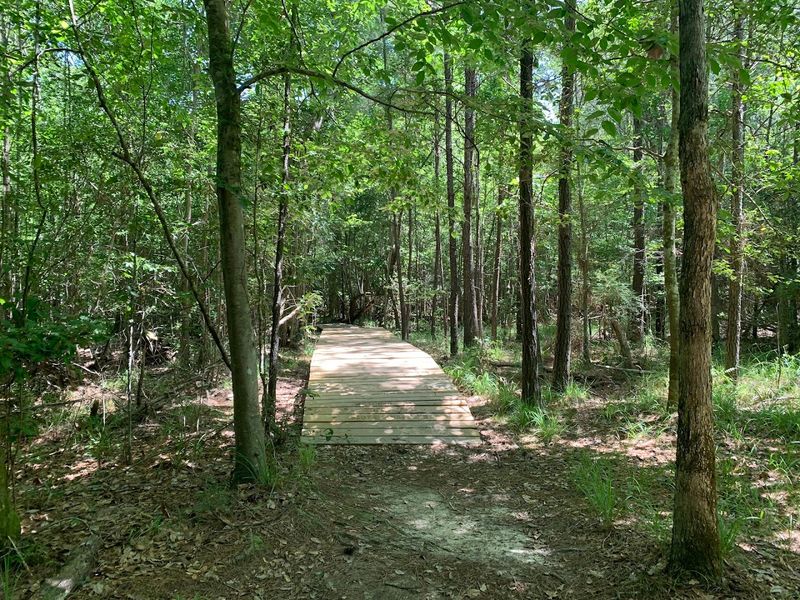
Eight miles of trails sounds modest until you are actually on them, and then it feels like more than enough. The paths here wind through several distinct ecosystems, so the scenery genuinely changes as you move from one section to the next.
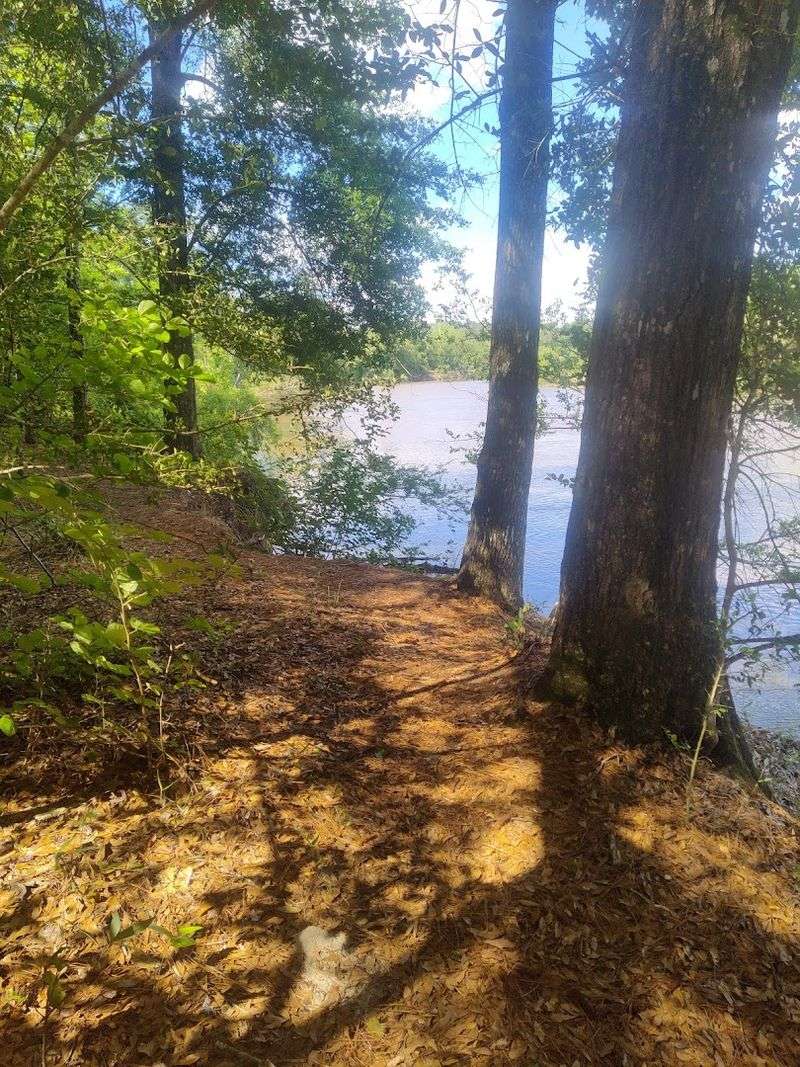
One moment you are walking under a high pine canopy, and the next you are skirting the edge of a swampy area where the ground gets soft and the air smells earthy and wet.
Most of the trails are heavily shaded, which makes hiking here comfortable even during the warmer months when Southeast Texas heat can be brutal. The tree cover acts like a natural air conditioner, and the breeze that moves through the forest keeps things bearable.
I noticed the temperature drop noticeably the moment I stepped off the parking area and into the trees.
Hikers and mountain bikers share the trail system, and the paths are well-maintained enough to handle both. The terrain is mostly flat, which makes it accessible for families with kids or anyone who does not want a strenuous workout but still wants a genuine outdoor experience.
Flat does not mean boring here. The forest does all the visual work for you.
Wildlife sightings are common along the trails. Armadillos rustle through the leaf litter, roadrunners dart across the path, and if you are quiet enough, you might catch a beaver moving along a slough.
Every walk here feels like a small adventure with its own surprises.
Over 200 Bird Species Call This Park Home
Birdwatchers talk about Village Creek State Park with a kind of reverence that makes sense the moment you hear your first wood duck calling across a still backwater slough. More than 200 species of birds have been recorded here, which is a staggering number for a single park.
The variety of habitats is what drives that count so high.
Wood ducks nest in the bottomland hardwoods. Egrets and herons wade through the cypress swamps with their slow, deliberate movements.
Woodpeckers drum steadily against the tall pines overhead, and owls are active at dusk when the forest gets quiet and shadowy. Red-shouldered hawks circle above the tree line on warm afternoons, riding thermals with effortless grace.
Cardinals and mockingbirds are almost constant companions on any walk through the park. Their songs layer together into a soundtrack that makes the whole experience feel more alive.
Bringing binoculars is genuinely worth it here, even if you are not usually a dedicated birder.
The park’s position near the Big Thicket National Preserve adds to its appeal for bird enthusiasts. Species that move through the Big Thicket often spill into the park, especially during migration seasons in spring and fall.
Those seasonal windows bring unexpected visitors that can surprise even experienced birders. A morning spent walking quietly through the forest with your eyes up and your pace slow is one of the most rewarding ways to experience everything this park offers.
Wildlife Around Every Bend In The Trail
The wildlife list at Village Creek State Park reads like something from a nature documentary, and the exciting part is that most of it is genuinely visible to patient visitors. Beaver and river otter live along the creek and its connected waterways.
Bobcats move through the forest at dawn and dusk, usually unseen but occasionally spotted crossing a trail with quiet confidence.
White-tailed deer are common enough that you start to expect them. They appear at forest edges in the early morning and late afternoon, grazing calmly or lifting their heads to watch you pass.
Rabbits and opossums are regulars too, and armadillos seem entirely unbothered by the presence of humans as they root through the leaf litter along the trail edges.
Reptiles are well represented here. Snakes, turtles, and frogs are found throughout the park’s varied habitats, and the swampy areas near the creek are particularly active.
The alligator population is real and worth respecting, especially near the water. Keeping a safe distance is just common sense, but seeing one in the wild is genuinely memorable.
The fish community in Village Creek is healthy and diverse, making it popular with anglers who want a natural, undeveloped waterway experience. Frogs call loudly from the sloughs on warm evenings, creating an almost overwhelming chorus after dark.
The park does not just contain wildlife. It functions as a working, breathing ecosystem where animals go about their lives with or without an audience watching.
Primitive Camping In A Forest That Feels Genuinely Remote
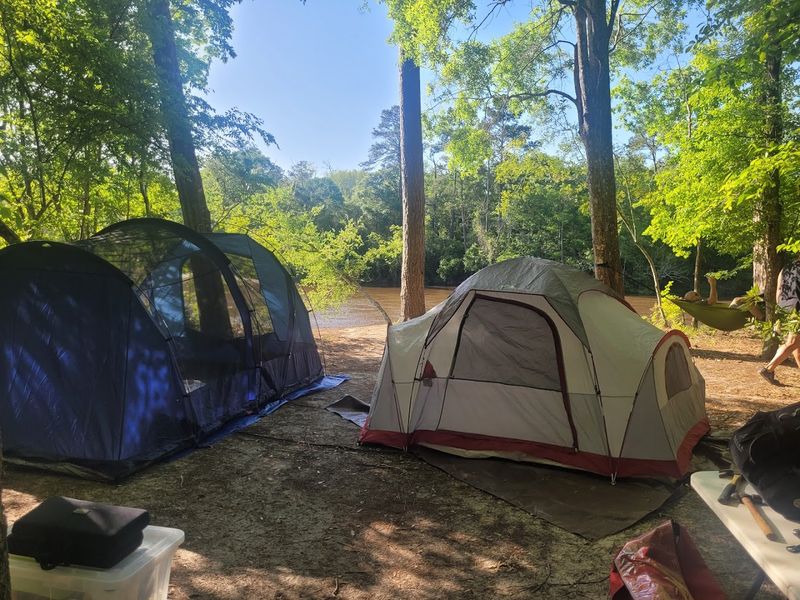
Camping at Village Creek State Park is not the kind of experience where you pull up next to an electrical hookup and watch TV through your RV window. The campsites here are primitive, walk-in, tent-only spots that put you directly into the forest with nothing between you and the trees.
That is exactly the point, and it makes all the difference.
Carrying your gear down a trail to a secluded campsite changes your relationship to a place. You earn the quiet.
The sounds of the park at night, owls calling, frogs singing, the occasional splash from the creek, become the whole experience rather than background noise. Waking up inside that forest, with light filtering through the canopy and birds already active overhead, is something that sticks with you.
The walk-in nature of the campsites keeps the numbers low and the atmosphere genuinely peaceful. You are unlikely to feel crowded here the way you might at a more developed campground.
The solitude is a feature, not a side effect.
Southeast Texas nights can be warm and humid, so a good tent with ventilation and a solid mosquito strategy are both worth planning for. Lightweight gear and layers for the cooler early mornings make the experience much more comfortable.
The park’s ranger programs, including campfire talks and guided night hikes, give campers a chance to connect with the forest in ways that go well beyond just sleeping in it. It is outdoor camping done the honest way.
Rare Ecosystems You Would Not Expect In Southeast Texas
Most people picture Southeast Texas as one continuous wall of green humidity, and while that is not entirely wrong, Village Creek State Park throws some genuine surprises into the mix.
The park contains rare longleaf pine savannas, which are open, grassy ecosystems that once covered millions of acres across the Southeast but have been reduced to a fraction of their original range.
Walking into a longleaf pine savanna after moving through dense bottomland forest feels like stepping into a different climate zone entirely. The light opens up.
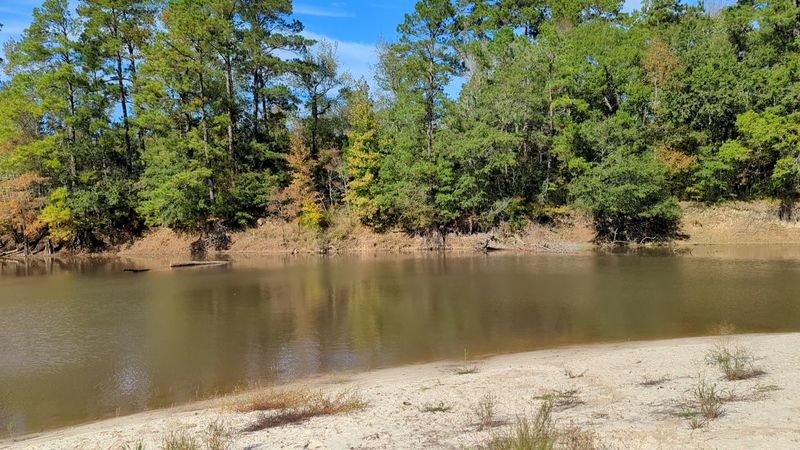
The ground beneath your feet becomes sandy and dry. Post oak trees appear alongside yucca plants and prickly pear cactus, which are not species you expect to find growing near a cypress swamp.
These arid sandy lands exist because of the park’s varied topography. As the land rises away from the floodplains of Village Creek and the Neches River, the soil changes and the moisture drops.
Different plants move in, and with them comes a whole different community of insects, birds, and reptiles.
The biological diversity packed into a single park is genuinely remarkable. Moving through several distinct ecosystems in a single afternoon hike gives you a compressed version of what makes the entire Big Thicket region so ecologically unique.
Scientists and naturalists have been fascinated by this area for generations, and the park does a good job of helping visitors understand why. The rare ecosystems here are not just interesting.
They are irreplaceable.
Ranger Programs That Bring The Park To Life
There is a version of visiting a park where you walk a trail, take some photos, and drive home. Then there is the version where a ranger points out a plant you have walked past a hundred times and explains why it only grows in two places in all of Texas.
The second version is infinitely better, and Village Creek State Park makes it easy to have that experience.
Ranger-led programs here cover a wide range of interests. Guided nature hikes take small groups through the forest with commentary that turns an ordinary walk into something genuinely educational.
Stargazing programs take advantage of the park’s relatively dark skies, which are surprisingly good for a location so close to a city. Campfire talks bring the history and ecology of the park to life in a way that feels personal and unhurried.
These programs are especially valuable for families with kids who want more than just a walk in the woods. Having someone who knows the park deeply explain what you are seeing makes the whole experience click in a different way.
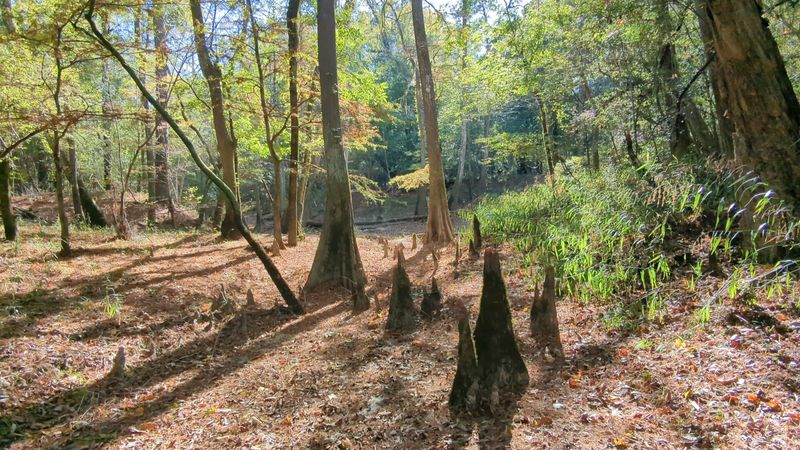
Children tend to engage immediately when a ranger shows them something unexpected, like a beaver-chewed tree stump or a cluster of cypress knees.
The park opened in 1994 and has been managed by the Texas Parks and Wildlife Department ever since. Ongoing reforestation efforts with native species are part of the park’s recovery from past hurricane damage.
The rangers carry that history with them, and sharing it is clearly something they care about.
A Gateway To The Big Thicket That Deserves Its Own Spotlight
Village Creek State Park often gets described as a gateway to the Big Thicket National Preserve, and while that is accurate, it undersells what the park is on its own terms. The Big Thicket connection is real and meaningful, because the two areas share the same ecological DNA.
But this park has its own character, its own trails, its own wildlife, and its own reasons to visit that have nothing to do with anything else nearby.
The Big Thicket is one of the most biologically diverse regions in North America, sometimes called the American Ark because of the number of species it supports. Village Creek State Park sits right at its edge, and the natural richness of the preserve bleeds directly into the park’s ecosystems.
That proximity makes the park feel wilder than its size alone would suggest.
For visitors who want to explore the broader region, the park is a logical starting point. It offers infrastructure, ranger knowledge, and a sense of orientation that helps people understand what they are about to experience in the larger preserve.
But plenty of visitors never leave the park itself and still go home feeling like they saw something genuinely special.
High average rainfall keeps the vegetation dense and the waterways full, which supports the incredible biodiversity that makes this corner of Texas so distinctive. The park feels undiscovered in the best possible way.
It rewards the people who make the effort to find it.
Address: 8854 Park Rd 74, Lumberton, Texas.
