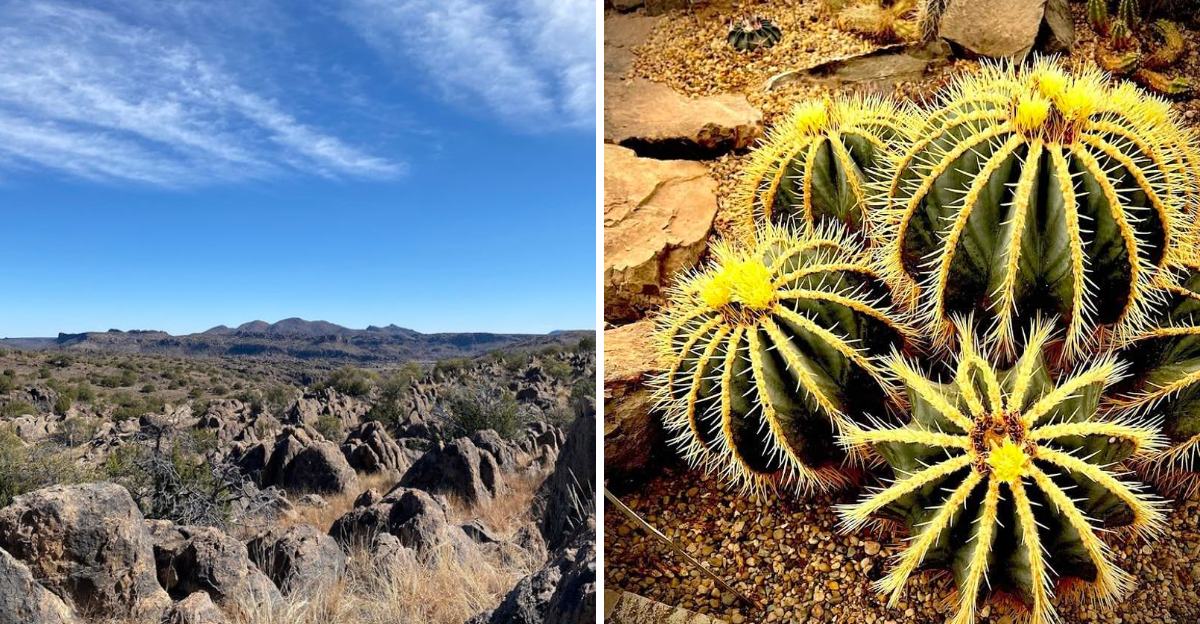
A desert garden with more than 3,000 cactus plants is a sight to behold. This Texas spot offers a stunning display of desert diversity.
The plants are varied in size, shape, and color. A person could spend hours exploring the paths and learning about these resilient species.
It is a reminder of the beauty that thrives in arid environments. The garden is both educational and inspiring.
Texas has many natural attractions, but this collection of cacti is truly unique. It is a great place to visit and gain a new appreciation for desert life.
There is a quiet magic here that sneaks up on you slowly, the kind you only find when a place has been built with genuine care and curiosity.
The Chihuahuan Desert Itself, North America’s Largest and Most Diverse Desert
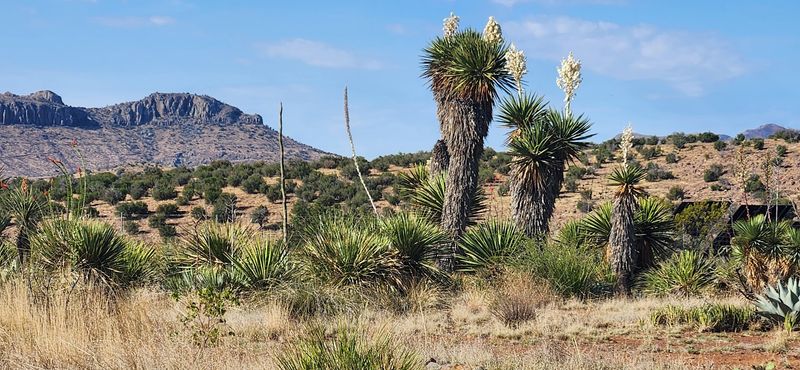
People often underestimate just how extraordinary the Chihuahuan Desert really is. It stretches across a massive swath of West Texas, New Mexico, and deep into Mexico, making it the largest desert in North America by a wide margin.
What surprises most visitors is learning it is also the most biologically diverse desert in the entire Western Hemisphere.
That is not a small claim. The region is home to as many as 3,500 plant species, including a remarkable concentration of the world’s cactus varieties.
Scientists and botanists travel specifically to study the ecosystems found here, because the range of life packed into this seemingly harsh landscape is genuinely astonishing.
The Nature Center sits at an elevation between 5,040 and 5,100 feet in the foothills of the Davis Mountains.
That altitude creates what ecologists call a sky island environment, where cooler temperatures and slightly higher rainfall support plant and animal communities you would not find at lower desert elevations.
The air feels different up here, cleaner and a little cooler, especially in the mornings.
For anyone who has only experienced desert from a car window, actually being inside this landscape changes your perspective completely. The colors shift with the light throughout the day, moving from pale gold at sunrise to deep amber at dusk.
Every rock, plant, and trail feels like part of a living system that has been quietly thriving for thousands of years.
The Maxie Templeton Cactus Museum Collection, a Greenhouse Like No Other
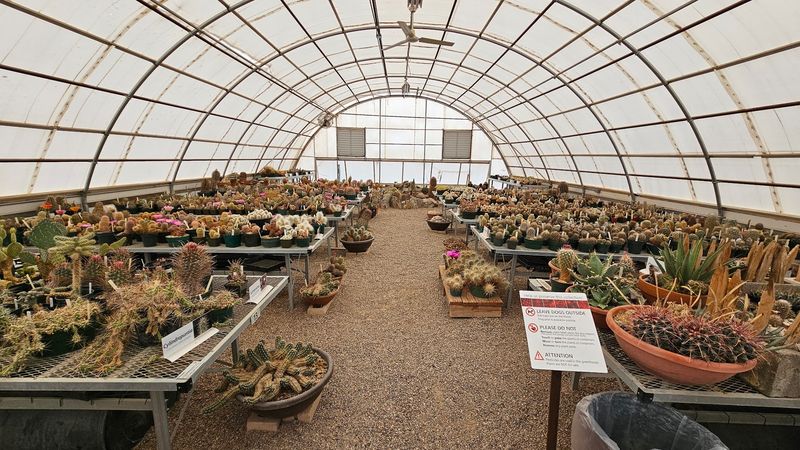
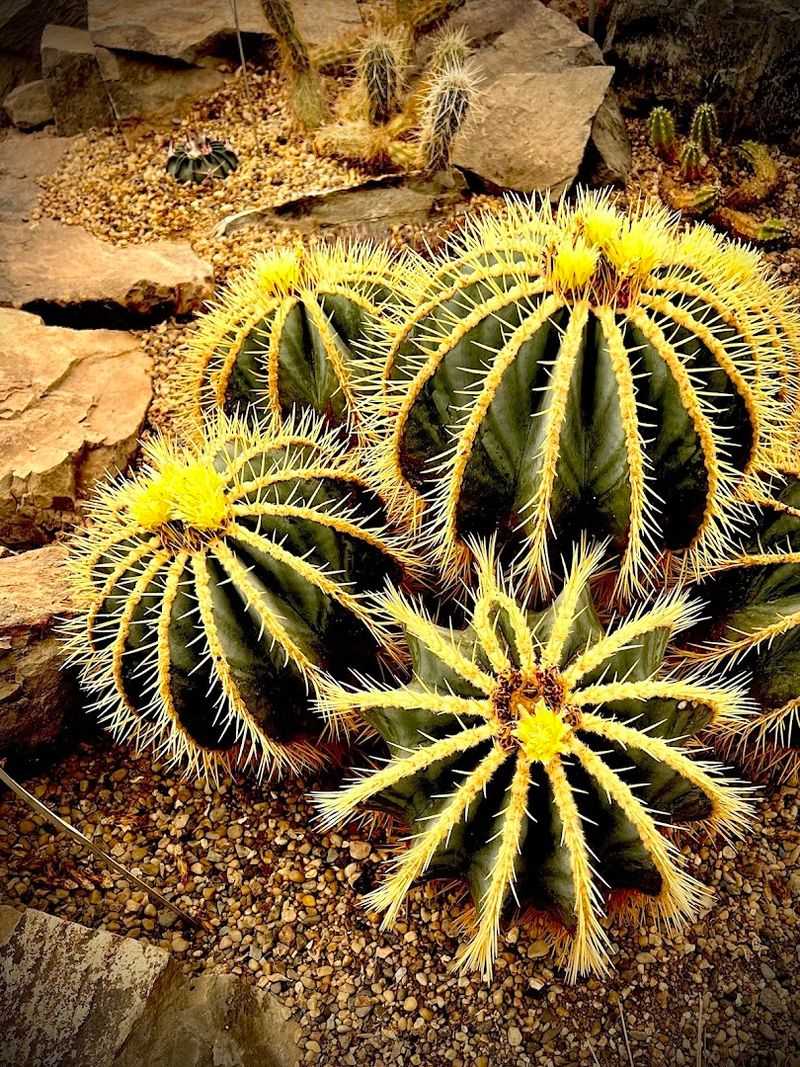
Hidden inside a specialized greenhouse at the Nature Center is one of the most impressive plant collections in the American Southwest. The Maxie Templeton Cactus Museum Collection houses approximately 200 species, subspecies, and varieties of Chihuahuan Desert cacti and succulents.
Every single plant is individually named and numbered, so you can actually learn what you are looking at as you walk through.
The scale of it hits you gradually. Row after row of plants in every imaginable shape, from tiny clustering forms no bigger than a golf ball to towering columns that brush the greenhouse ceiling.
Some have long, dramatic spines. Others are almost smooth, with a waxy sheen that catches the light in unexpected ways.
Spring is the most spectacular time to visit the collection, typically from late March through May. During those weeks, blooms appear in shades of yellow, pink, red, and deep magenta, turning the greenhouse into something that looks more like a painting than a scientific collection.
The contrast between the sharp spines and the soft, delicate flowers is hard to forget.
Even outside of bloom season, the collection rewards slow, careful looking. There is something meditative about moving through this space, reading labels, noticing the subtle differences between species.
It is the kind of place where an hour can pass without you realizing it. Serious plant enthusiasts will want to spend even longer, and honestly, that feels completely reasonable once you are inside.
The 18-Acre Botanical Garden and Trans-Pecos Natives Trail
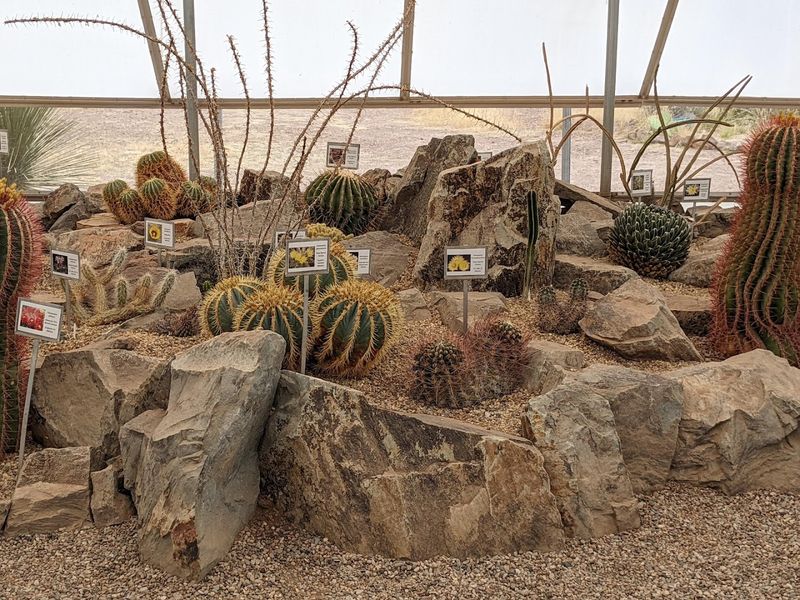
Beyond the greenhouse, a whole other world opens up in the form of an 18-acre botanical garden that wraps around the property in a way that feels surprisingly natural.
The Trans-Pecos Natives Trail is the main path through this area, a 0.5-mile self-guided loop that introduces visitors to nearly 165 plant species native to the Trans-Pecos Region.
Each plant is clearly labeled, and the groupings by family make the whole experience feel organized without feeling stiff.
What I appreciated most was how the garden manages to feel wild even though it is carefully curated. The plants are not arranged in tidy rows or manicured beds.
Instead, they grow in clusters and groupings that mimic how they would appear in the natural landscape, which makes the whole walk feel more like a discovery than a lecture.
Scattered throughout the botanical garden are a few specialty areas worth seeking out. The Pollinator Garden buzzes with activity during the warmer months, attracting bees, butterflies, and hummingbirds to its carefully chosen plantings.
The Native Grasses Exhibit showcases 26 species of regional grasses, which sounds niche but is genuinely fascinating once you start noticing how different each variety looks and feels.
The Wildscape Garden near the Powell Visitor Center rounds out the experience beautifully. It demonstrates how desert-friendly landscaping can look both practical and appealing, which is useful inspiration for anyone living in a dry climate.
The whole garden area moves at a gentle pace, and that rhythm suits it perfectly.
Hiking Trails Through Canyons, Overlooks, and Hidden Springs
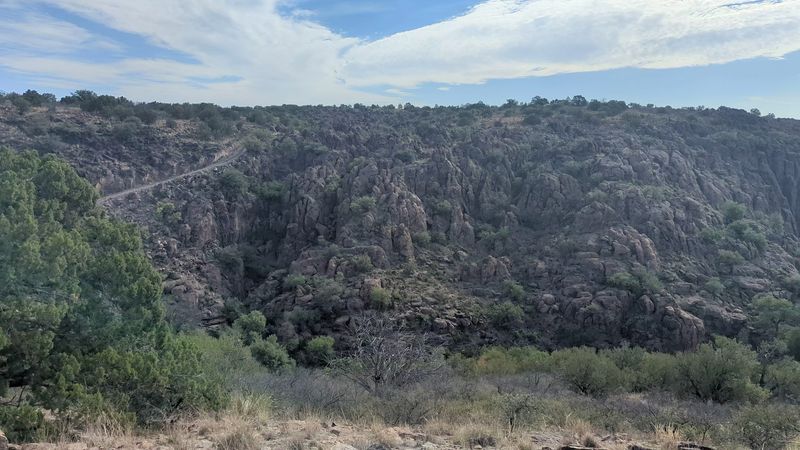
Over five miles of hiking trails spread across the property, and the variety in difficulty and scenery makes the Nature Center feel much larger than its 507 acres might suggest.
The Modesta Canyon Trail is a personal favorite for many visitors, a 1.75-mile moderate loop that leads into a secluded canyon where permanent springs and pools appear.
Finding water in a desert setting always feels a little miraculous, and this trail delivers that moment reliably.
Clayton’s Overlook offers something completely different. The 1.0 or 1.5-mile moderate loop climbs to a summit where a Geology Exhibit explains the ancient rock formations visible across the landscape.
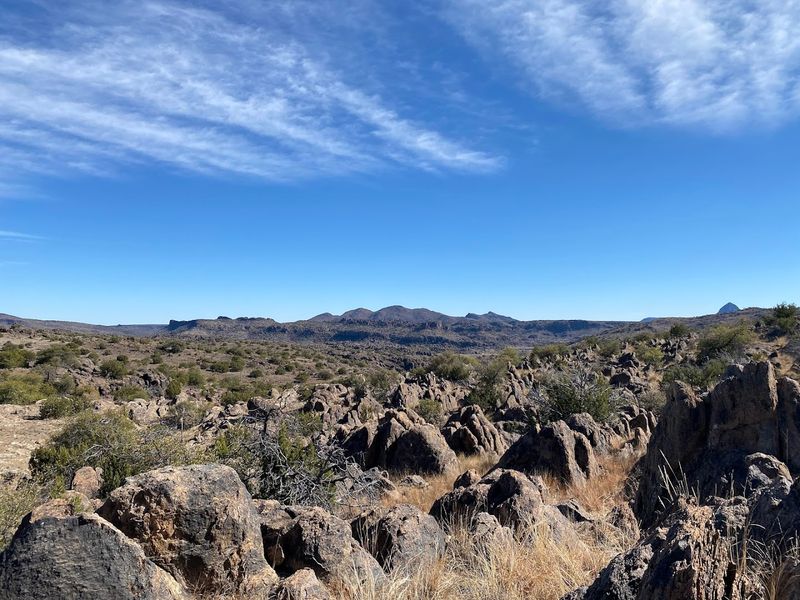
The views from the top stretch across the Davis Mountains in every direction, and on a clear morning, the light across those ridgelines is genuinely breathtaking.
For those who want a real physical challenge, the Outside Loop covers 2.25 or 2.5 miles of strenuous terrain that rewards effort with solitude and sweeping desert views.
On the gentler end of the spectrum, the Hummingbird and Butterfly Trail winds for just 0.33 miles through the botanical garden, making it accessible for visitors of all fitness levels.
All trails are exclusively for hikers, which keeps the experience peaceful and unhurried. Leashed dogs are welcome, which makes this a genuinely family-friendly outing.
Sturdy shoes, sunscreen, a hat, and plenty of water are non-negotiable essentials, especially during the warmer months when the desert sun is relentless and the terrain is uneven.
The Happy Jack Mine Replica and Mining Heritage Exhibit
History has a way of sneaking up on you at the Nature Center, and the Mining Heritage Exhibit is where that happens most dramatically.
Built around a replica of an 1880s silver mine called the Happy Jack Mine, the exhibit gives visitors a surprisingly immersive look at what life and work looked like in this region more than a century ago.
The replica is detailed enough to feel genuinely atmospheric rather than touristy.
Inside and around the exhibit, you will find actual mining machinery, samples of materials once pulled from the earth, and a section the staff calls the mining hall of fame, which highlights the people and stories connected to the area’s extraction history.
It is the kind of display that rewards curiosity, because the more questions you bring to it, the more interesting it becomes.
West Texas has a rich and sometimes overlooked mining past, and this exhibit does a thoughtful job of connecting that history to the landscape you can see all around you.
The rocky terrain and dramatic geology suddenly make more sense when you understand what people were looking for and finding beneath the surface.
Even visitors who do not consider themselves history enthusiasts tend to linger here longer than expected. There is something tactile and real about the machinery and rock samples that makes the past feel close and accessible.
It fits naturally into the broader story the Nature Center tells about this landscape, one that includes geology, ecology, and human presence all woven together.
The Bird Blind and Solar-Powered Water Feature for Wildlife Watching
Quiet moments are sometimes the best moments at a nature center, and the Bird Blind at the Chihuahuan Desert Nature Center is built specifically for that kind of stillness.
The structure gives visitors a sheltered spot to observe wildlife without disturbing it, and the 30-foot solar-powered water feature positioned nearby does a remarkable job of drawing birds in close.
Desert birds are often underappreciated compared to their more colorful tropical cousins, but spending even twenty minutes at the Bird Blind will change that impression fast.
Species that you might never notice from a moving trail suddenly become vivid and fascinating when you have the chance to watch them drink, bathe, and interact at close range.
The water feature operates quietly, which keeps the atmosphere calm and undisturbed.
The solar-powered aspect of the installation is worth noting too. It reflects the Nature Center’s broader commitment to operating in harmony with the environment it exists to protect.
Small details like that add up to a sense of authenticity that makes the whole visit feel more meaningful.
Birdwatchers with binoculars will get the most out of this spot, but even casual observers find themselves drawn in by the activity around the water. Early mornings tend to bring the most bird traffic, so arriving when the center opens at 9 AM gives you the best chance of a lively session.
Bring patience and a quiet voice, and the desert will reward you with more than you expected.
Wildflower Season, Monsoon Rains, and the Best Times to Visit
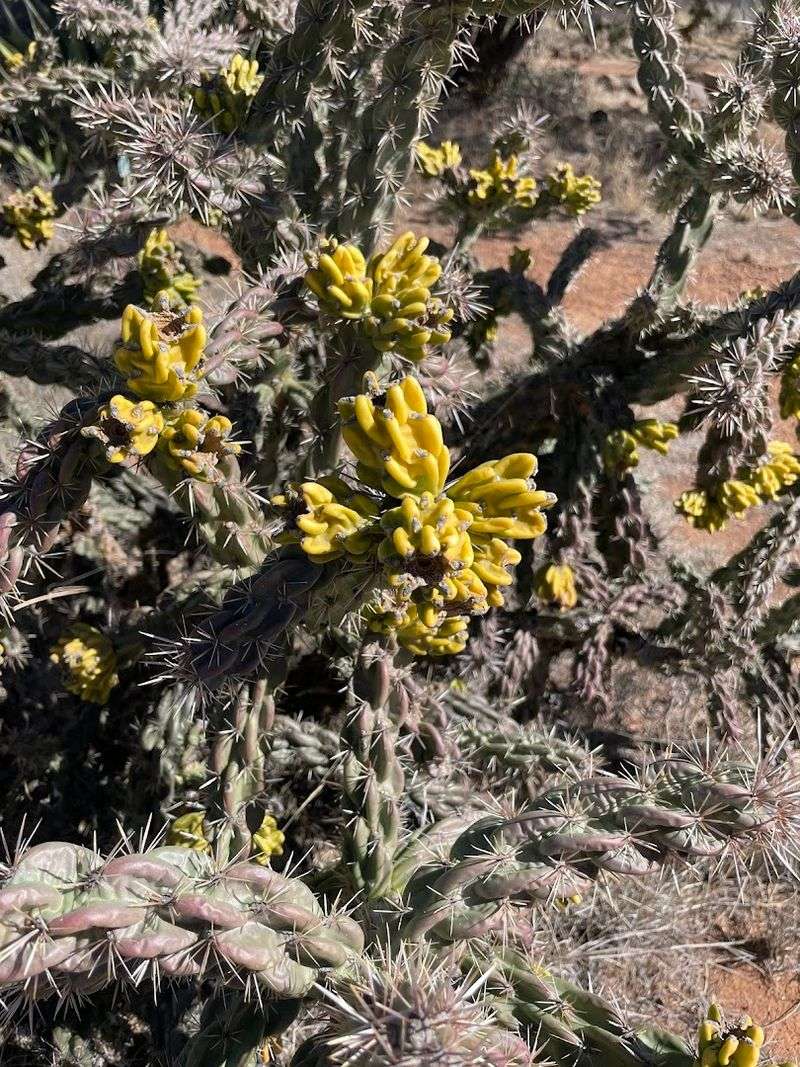
Timing a visit to the Chihuahuan Desert Nature Center can genuinely transform the experience. Spring, from late March through May, is when the property reaches peak visual drama.
Wildflowers carpet open areas in waves of color, and many of the cacti in both the greenhouse collection and the botanical garden burst into bloom. The combination of spiny textures and delicate flowers creates a visual contrast that is hard to describe and even harder to forget.
Monsoon season, which typically runs from July through August, brings its own kind of magic. The desert grasses shift from dusty brown to a rich, vivid green almost overnight after the rains arrive.
A second flush of wildflowers follows, and hummingbirds become noticeably more abundant during this period, darting between blooms with impressive speed and energy.
Summer temperatures in the Davis Mountains are moderated by the elevation, making the Nature Center a more comfortable destination than lower desert locations during the hottest months.
That said, mornings are always cooler and more pleasant for hiking, and the light during the first hour after sunrise is exceptional for photography.
The center is open Monday through Saturday from 9 AM to 5 PM, with Sunday hours from mid-March through November between 12:30 PM and 5:30 PM. It closes on major holidays including Thanksgiving, Christmas, and New Year’s Day.
Planning around those details ensures you arrive when the gates are open and the experience is fully available, which makes the long drive out to Fort Davis entirely worth it.
Practical Tips, Accessibility, and Making the Most of Your Visit
Getting the most out of a visit to the Chihuahuan Desert Nature Center starts with a little preparation, and the payoff for that preparation is significant. The terrain throughout the property is uneven in places, with loose rocks and natural desert flora that require attention underfoot.
Sturdy closed-toe shoes are a genuine necessity, not just a suggestion, especially on the canyon and overlook trails.
Sun protection matters more than most people expect at this elevation. A wide-brimmed hat, sunscreen, and a generous supply of water should be treated as non-negotiable parts of your packing list.
The desert air is dry, and the sun at 5,000 feet hits differently than it does at sea level. Staying hydrated keeps the experience enjoyable rather than exhausting.
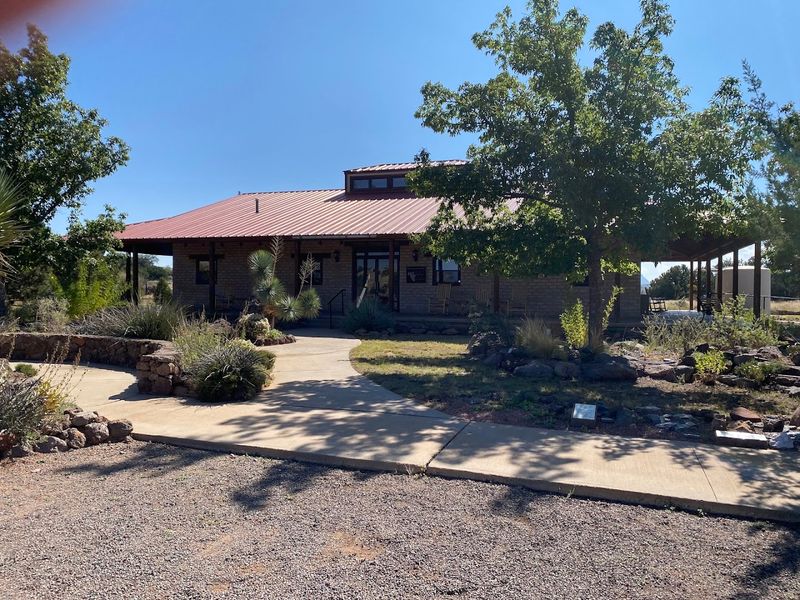
Accessibility at the Nature Center is thoughtfully considered. The Powell Visitor Center is fully wheelchair accessible, and most paths within the botanical garden can accommodate wheelchairs comfortably.
Families with strollers will find the garden area manageable, even if the hiking trails present more of a challenge on rougher sections.
Picnic tables and shaded areas are available on the property, which makes it easy to slow down, eat lunch, and let the surroundings sink in. The gift shop inside the Powell Visitor Center carries educational materials, field guides, and nature-themed items that make for meaningful souvenirs.
Before heading out, spend a few minutes with the interpretive exhibits inside the visitor center. They provide context that makes everything you see outdoors feel richer and more connected.
Address: 43869 TX-118, Fort Davis, TX 79734
