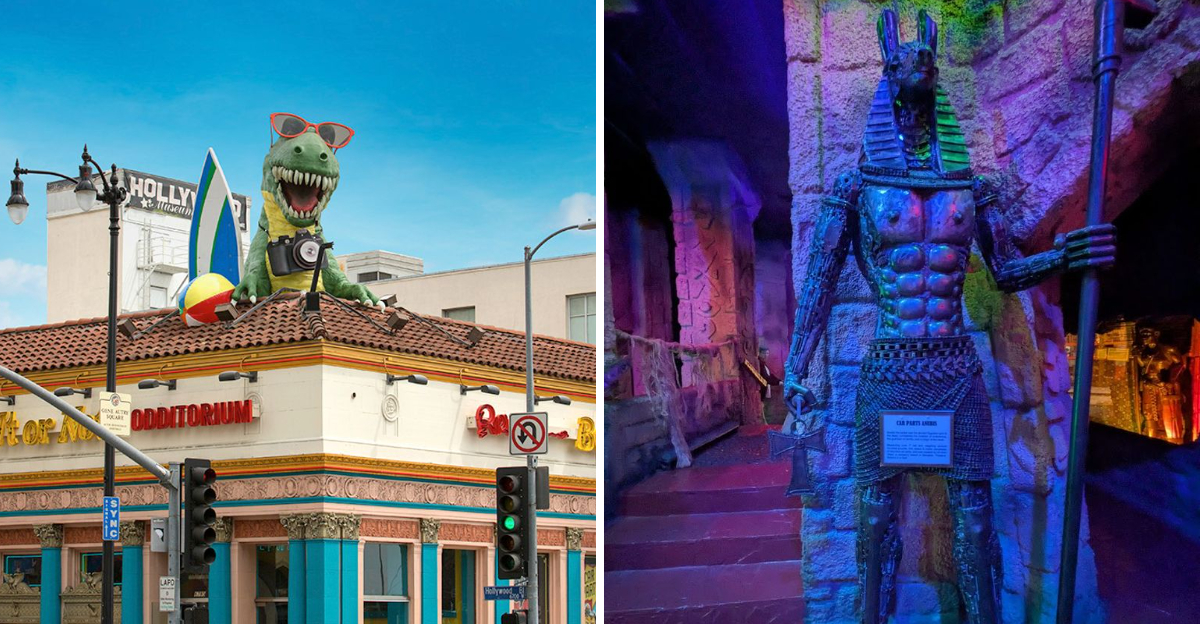
A place with more than 500 strange exhibits is bound to be memorable. This Texas attraction is packed with oddities, shrunken heads, unusual artifacts, and the kind of curiosities that make a person wonder if what they are seeing is real.
It is a museum that embraces the bizarre, inviting visitors to see things they have never seen before. Walking through the exhibits is a journey into the unexpected, a reminder of how vast and strange the world can be.
It is the kind of place where a person can wander for hours and still be surprised. Texas has plenty of museums and attractions, but one dedicated to the weird and wonderful is a standout.
A visit here is unforgettable.
The Shrunken Heads and Ancient Oddities Gallery
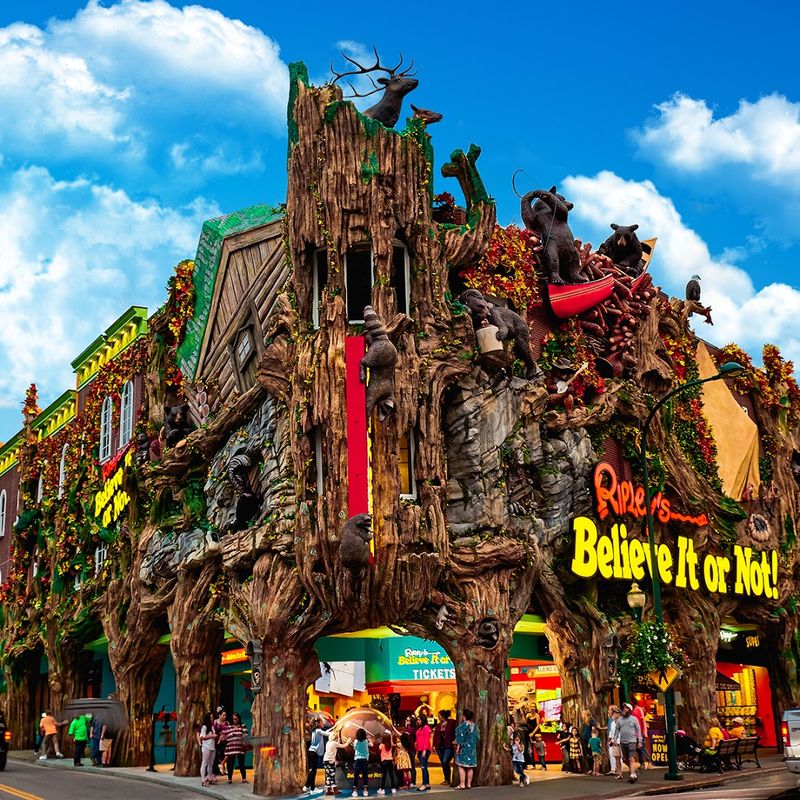
There is something deeply unsettling about standing a few feet away from a shrunken human head, and yet you simply cannot look away. The shrunken heads on display here are among the most talked-about exhibits in the entire building.
They were historically created by certain Amazonian tribes as part of ritual practices, and seeing them up close makes history feel very real, very fast.
The detail preserved in each one is genuinely remarkable. Features are still recognizable, and the craftsmanship, if you can call it that, is hard to comprehend.
Most visitors spend longer in this section than they expect to, reading the background information and trying to process what they are actually looking at.
What makes this gallery work so well is the context provided alongside the exhibits. Rather than just placing strange objects behind glass, Ripley’s gives you the story.
You learn where items came from, what they meant to the cultures that created them, and why Robert Ripley was so determined to collect them.
Robert Ripley spent decades traveling the world specifically to find objects that most people would never encounter in their lifetimes. His obsession with the bizarre and the extreme is what built this entire brand.
The shrunken heads section captures that obsession perfectly, offering a window into human history that is equal parts eerie and educational.
Kids tend to react with wide eyes and nervous laughter here. Adults are usually just quietly fascinated.
It is one of those exhibits that sticks with you long after you have left the building.
The Two-Headed Calf and Mutated Animal Exhibits
Few things get a bigger reaction from a crowd than the two-headed calf. It sits in its display case looking completely calm and almost matter-of-fact, while the people gathered around it are anything but.
Genetic mutations in animals are rare, and seeing a preserved specimen of one feels like catching a glimpse of something nature usually keeps hidden.
The mutated animal section of the Grand Prairie Odditorium covers a surprisingly wide range of specimens. Beyond the calf, there are other creatures that defy the usual rules of biology in ways that feel almost impossible.
Each one comes with information about how and why these mutations occur, which adds a layer of genuine science to what could otherwise just feel like a freak show.
That balance between education and spectacle is something Ripley’s has always done well. The exhibits are presented with enough context that you walk away knowing something new, not just feeling unsettled.
It respects both the curiosity of the visitor and the scientific reality of what caused each anomaly.
I found myself reading every single label in this section, which is not something I usually do at museums. The explanations are written clearly enough for younger visitors to follow, but they do not talk down to adults either.
That middle ground is harder to strike than it sounds.
Families with kids tend to cluster here for a while. The reactions are priceless, ranging from shock to laughter to genuine curiosity about how biology works.
It is a memorable stop that sparks real conversations.
Incredible Artwork Made From Unexpected Materials
A portrait of John Lennon made entirely from cassette tape ribbon sounds like something someone would describe at a dinner party just to see people’s expressions. At Ripley’s Grand Prairie, you can stand right in front of it and confirm that yes, it is absolutely real.
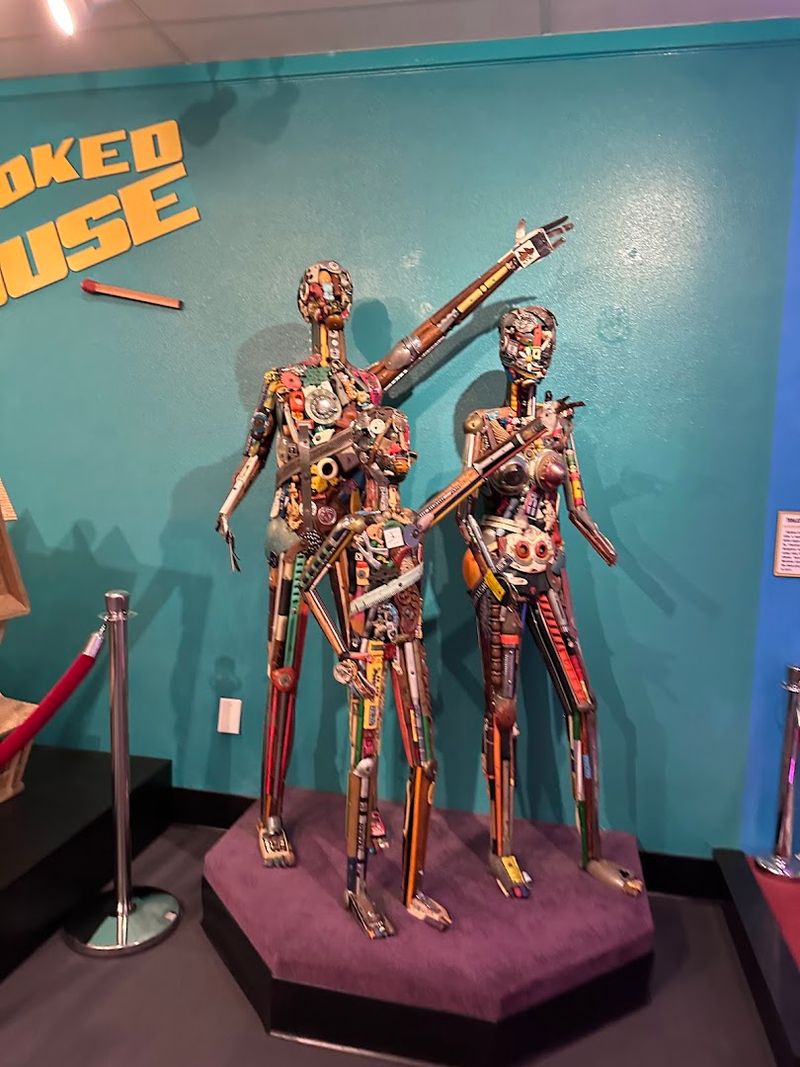
The detail is extraordinary, and the creativity behind it is the kind of thing that makes you rethink what art even means.
That is just one piece in a collection of artworks made from the most unlikely materials. Marilyn Monroe rendered in pennies.
Sammy Davis Jr. built from the pages of a 3D telephone book. A horse constructed entirely from purses.
A dress sewn together from pieces of trash. Each one is more surprising than the last, and together they form one of the most genuinely impressive sections of the museum.
What hits hardest about these pieces is the sheer patience required to create them. Art made from pennies or cassette tape does not happen quickly.
These artists spent enormous amounts of time on work that most people would assume was impossible, and the results speak for themselves.
There is also something quietly thought-provoking about art made from discarded or everyday objects. It reframes the way you look at ordinary things, which is exactly the kind of mental shift a good museum should inspire.
Ripley’s leans into that idea throughout the building, but this section makes it most explicit.
Even if you are not usually drawn to art, this gallery tends to change that for a few minutes. The sheer ingenuity on display is hard to resist.
The Vampire Killing Kit and Ship of Death
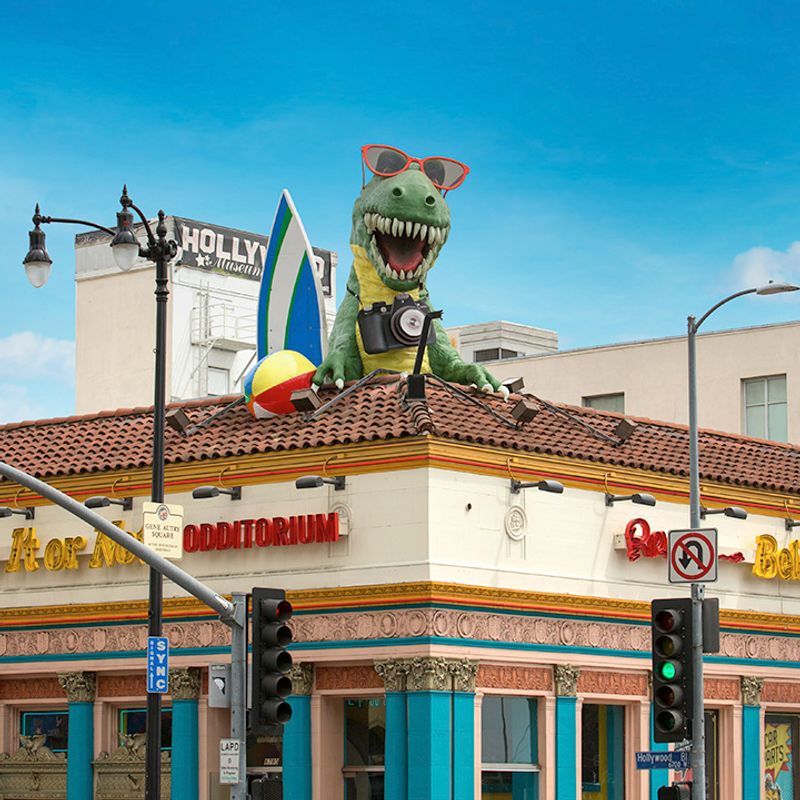
Somewhere between history and folklore sits the vampire killing kit, and Ripley’s has one of the most striking examples you will find anywhere. Housed in an aged wooden case, the kit contains everything a 19th-century believer would have considered essential for the job.
It is equal parts fascinating and deeply strange, and it raises genuine questions about how fear shaped the beliefs of entire communities.
The historical context here is genuinely interesting. Kits like this were produced during periods of widespread superstition in Eastern Europe, when unexplained deaths led communities to believe vampires were real threats.
The objects inside were not novelties then. They were considered survival tools, and that shift in perspective makes the whole display land differently.
Right nearby, the Ship of Death exhibit adds another layer of darkness to this corner of the museum. The display explores legends and stories surrounding cursed vessels, with visuals and artifacts that make the mythology feel tangible.
It is the kind of exhibit that works best when you let yourself get pulled into the story rather than standing back from it.
Together, these two exhibits form a pocket of the museum that feels genuinely atmospheric. The lighting, the presentation, and the subject matter all line up to create something that feels more like a chapter of a strange novel than a standard museum display.
I spent more time in this section than I planned to. There is something about the intersection of history and fear that keeps you reading, keeps you looking, and keeps you wondering how much of it people truly believed.
Robert Wadlow Animatronic and the World’s Most Extreme Records

Robert Wadlow stood 8 feet 11 inches tall, making him the tallest human being ever recorded. Meeting the animatronic version of him at Ripley’s Grand Prairie is one of those moments that genuinely resets your sense of scale.
You know intellectually that he was very tall, but standing next to a life-size representation of him makes the reality of it hit completely differently.
The animatronic is detailed and surprisingly lifelike, which adds to the impact. Wadlow’s story is also told with real care here.
He was from Alton, Illinois, and despite his extraordinary size, he was known for being soft-spoken and kind. He passed away in 1940 at just 22 years old, and his story is one of the more moving ones in the entire museum.
Beyond Wadlow, this section of the Odditorium celebrates human extremes in a broader sense. Records, anomalies, and measurements that push the limits of what seems possible are gathered here in a way that feels celebratory rather than exploitative.
The tone matters, and Ripley’s generally gets it right.
There is also something genuinely humbling about this gallery. It reminds you that the range of human experience is far wider than everyday life suggests.
People have lived extraordinary lives in extraordinary bodies, and their stories deserve to be told with the kind of detail and respect this exhibit provides.
Kids especially love this section. Measuring themselves against the Wadlow figure is practically a rite of passage, and the photos people take here are always memorable.
The Three-Ton Ball of Barbed Wire and Giant Scrap Metal Sculptures
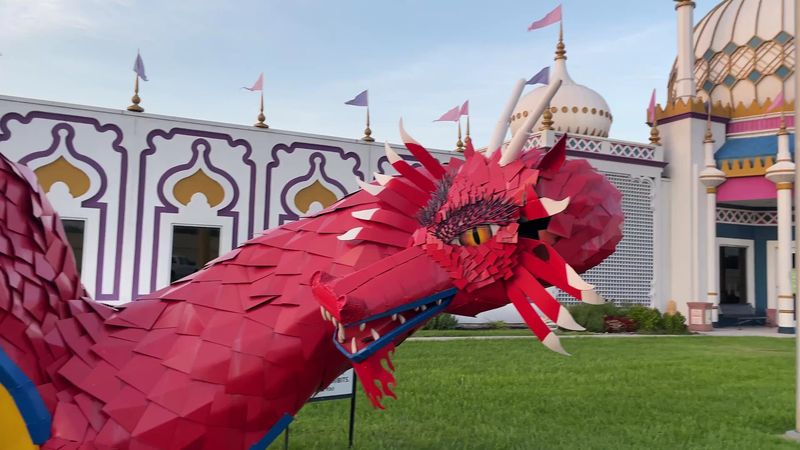
A ball of barbed wire that weighs three tons and stretches 17 miles if unrolled is not something you expect to encounter on a Tuesday afternoon in Texas, and yet there it is. The sheer absurdity of its existence is part of what makes it so enjoyable.
Someone spent a significant portion of their life winding barbed wire into a ball, and now it lives in a museum where thousands of people come to stare at it every year.
That is the magic of Ripley’s, honestly. The exhibits do not all need to be ancient or historically significant to be fascinating.
Sometimes the most compelling thing is simply the fact that a person chose to do something so specific and so persistent that the result became undeniably extraordinary. The barbed wire ball is a perfect example of that principle.
Nearby, the giant scrap metal gorilla and Chinese metal dragon add a sculptural energy to this part of the museum. Both pieces are impressive in scale and detail, made from materials that would otherwise have been discarded.
The gorilla in particular has a presence that catches you off guard when you first spot it across the room.
These large-scale pieces break up the pace of moving through display cases and give your eyes something different to process. The shift in scale and texture keeps the museum from feeling repetitive, which is no small achievement when you are covering 10,000 square feet of content.
Standing near the barbed wire ball, I kept thinking about the patience it must have taken. Some people build things not because they are useful, but simply because they can.
Optical Illusions and the Enchanted Mirror Maze
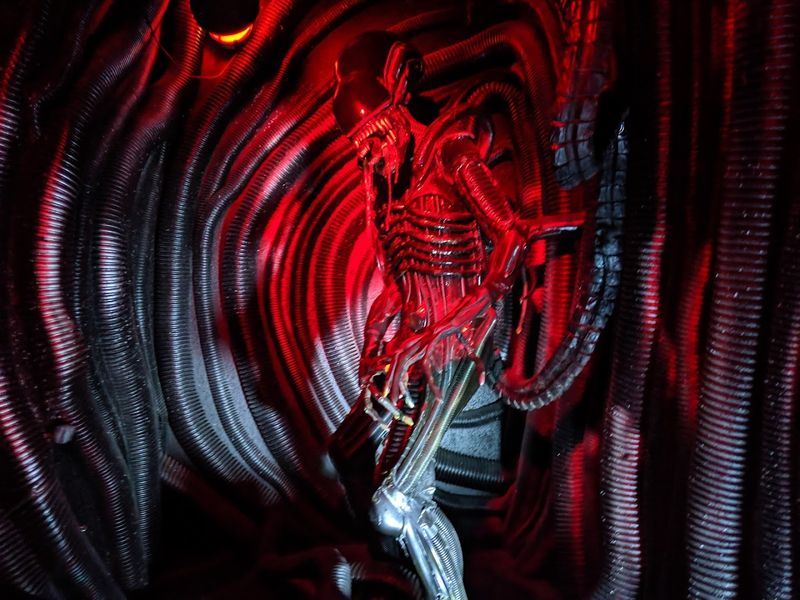
Your brain starts lying to you almost immediately in the optical illusions section, and it is genuinely delightful. Lines that look curved are straight.
Colors that appear different are identical. Shapes that seem to move are completely still.
The whole gallery is designed to make you question your own perception, which sounds frustrating but is actually one of the most fun parts of the visit.
The science behind optical illusions is woven into the displays in a way that makes it accessible without dumbing it down. You learn why your brain makes certain assumptions and how visual artists exploit those assumptions to create effects that feel almost magical.
It turns out your eyes and brain are in constant negotiation, and they do not always agree.
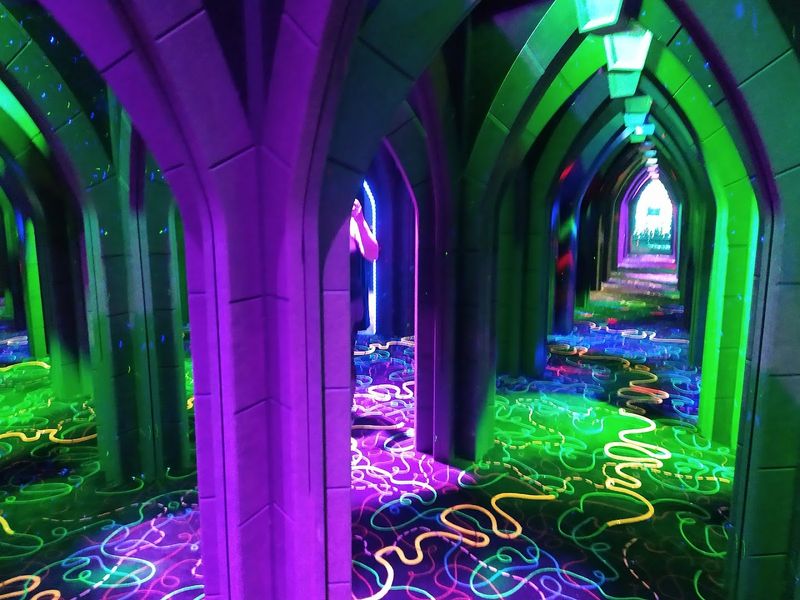
The Enchanted Mirror Maze takes that sense of disorientation and amplifies it significantly. Moving through a maze of mirrors where every reflection looks like a new path forward is the kind of experience that sounds simple but feels genuinely surprising in practice.
Groups tend to get separated and find each other again in unexpected places, which leads to a lot of laughter.
It is one of the more interactive parts of the complex, and it works especially well for families and groups of friends. The maze is not particularly long, but the experience is memorable precisely because it engages your body and not just your eyes.
After spending time with static exhibits, the mirror maze offers a nice change of energy. It is playful, a little disorienting, and exactly the kind of break that keeps a long museum visit feeling fresh.
The Tornado Alley Wind Tunnel and 7D Moving Theater
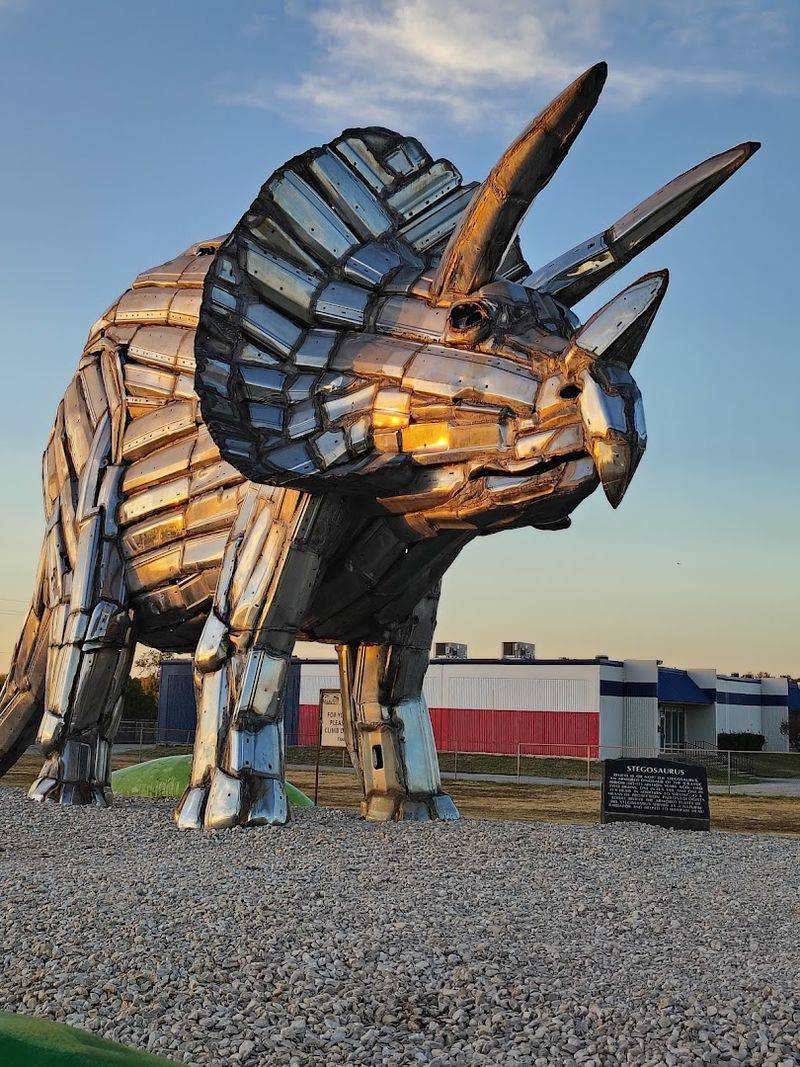
Texas knows a thing or two about tornadoes, which makes the Tornado Alley wind tunnel feel especially fitting for a Grand Prairie attraction. Stepping into the tunnel and feeling the air push against you with real force is a physical experience that most museum exhibits simply cannot replicate.
It is loud, a little overwhelming, and completely exhilarating in the best possible way.
The exhibit puts you inside the sensation rather than just showing it to you from a distance. For kids who have grown up hearing about tornado warnings and storm sirens, this is a chance to feel a fraction of that power in a controlled, safe environment.
It tends to produce some of the biggest reactions of the entire visit.
The 7D Moving Theater adds another layer of immersive experience to the complex. The combination of motion-synchronized seats, 3D visuals, and interactive elements creates something that feels much more involved than a standard movie screen.
Depending on which program is running, you might be flying over landscapes, dodging obstacles, or caught in the middle of an adventure that makes your stomach drop in the best way.
These interactive attractions are part of what separates Ripley’s Grand Prairie from a traditional museum. The goal is not just to look at things but to feel them, to be inside the experience rather than observing from the outside.
That philosophy runs through the entire complex and keeps the energy high from start to finish.
By the time you come out of the theater, you are usually ready to double back and revisit something you rushed past earlier. The place earns that second look.
Unique Curiosities, Hoaxes, and the Full Odditorium Experience
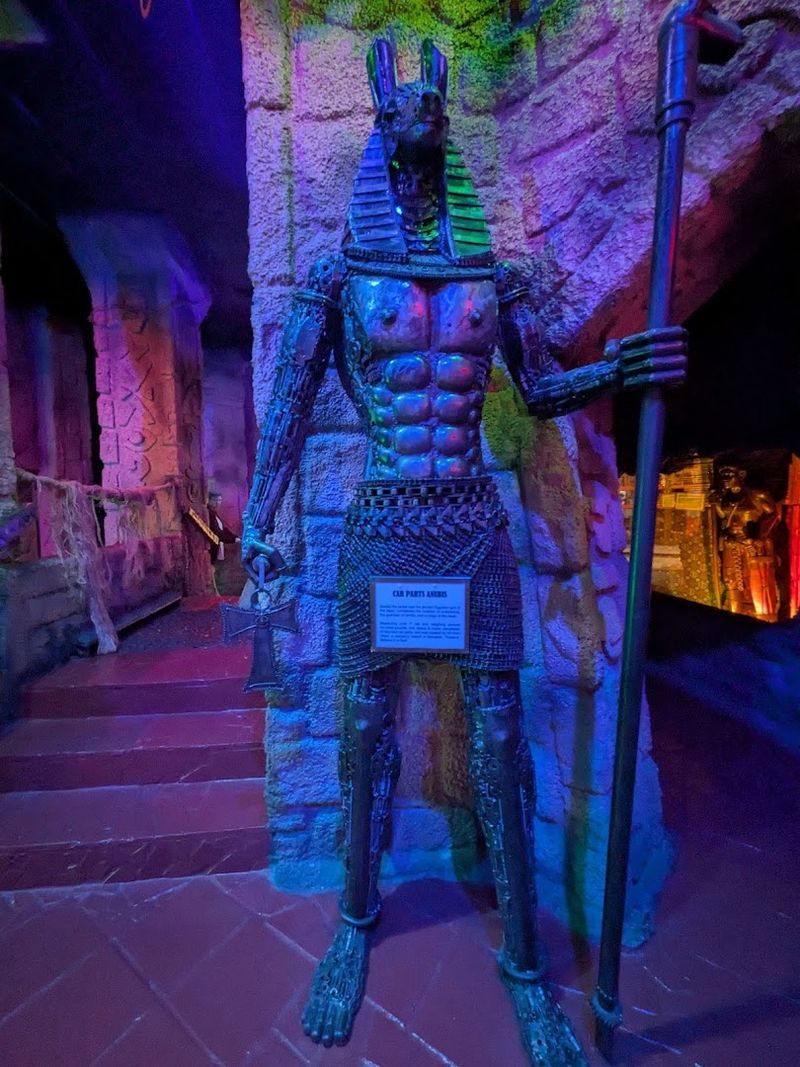
The furbearing trout and the Fiji mermaid share something important in common: both are famous hoaxes that somehow became beloved pieces of cultural history. Ripley’s leans into that paradox rather than shying away from it.
The exhibits here are presented with a knowing wink, acknowledging that part of the fun is the history of how people were fooled and why they wanted to believe.
The Fiji mermaid in particular has a rich backstory that stretches back to P.T. Barnum and the 19th-century fascination with exotic curiosities.
Seeing a replica here and reading about how the original was received by the public gives you a surprisingly insightful look at how entertainment and deception have always been tangled together. It is more thought-provoking than it first appears.
Beyond the hoaxes, the broader Odditorium experience is defined by its variety. A guitar made from a bedpan sits near a crooked house built entirely from matchsticks.
Art made on the head of a pin is displayed alongside a car crafted from camel bone. The range of human creativity and eccentricity on show is genuinely staggering.
Rattlesnake rattle art shaped like Texas, a toast portrait, a giant porcupine fish: each exhibit arrives without warning and lands with its own specific kind of surprise. The pacing of the galleries is designed so that you are never quite sure what is coming next, which keeps you moving and engaged throughout.
Ripley’s Believe It or Not! in Grand Prairie is one of those rare places that delivers exactly what it promises and then goes a little further.
Address: 601 E Palace Pkwy, Grand Prairie, TX 75050.
