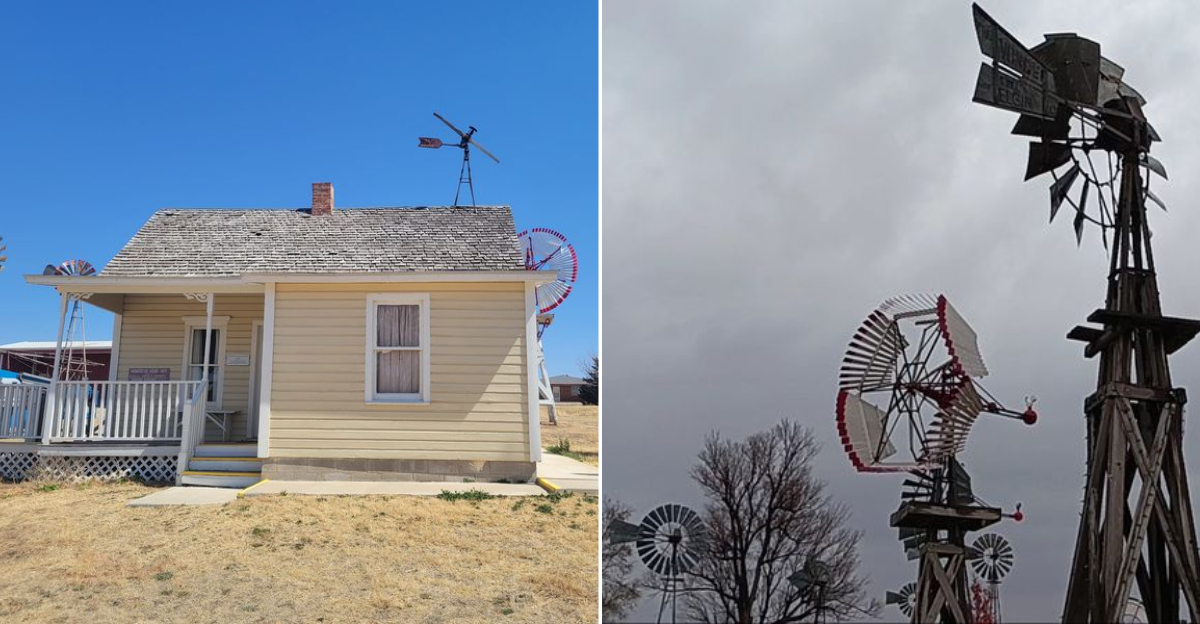
You have probably driven past a windmill without a second thought, a rusty relic leaning against a barn or standing alone in a field.
But in one corner of Oklahoma, more than sixty restored windmills rise from the prairie like a gathering of gentle giants, each one a testament to the ingenuity that once drew water from the high plains.
Walking among them, you can hear the creak of wooden blades and the low hum of metal turning in the breeze, a sound that feels both ancient and alive.
The windmills were rescued from farms across the region and brought here to be saved, repaired, and displayed, a sprawling collection that tells the story of how settlers survived on the open land.
Some are rare models, others are familiar designs, but all of them stand as monuments to a way of life that is slowly fading. It is the kind of place where you slow down, look up, and let the wind do the talking.
A Whole Field Of Windmills
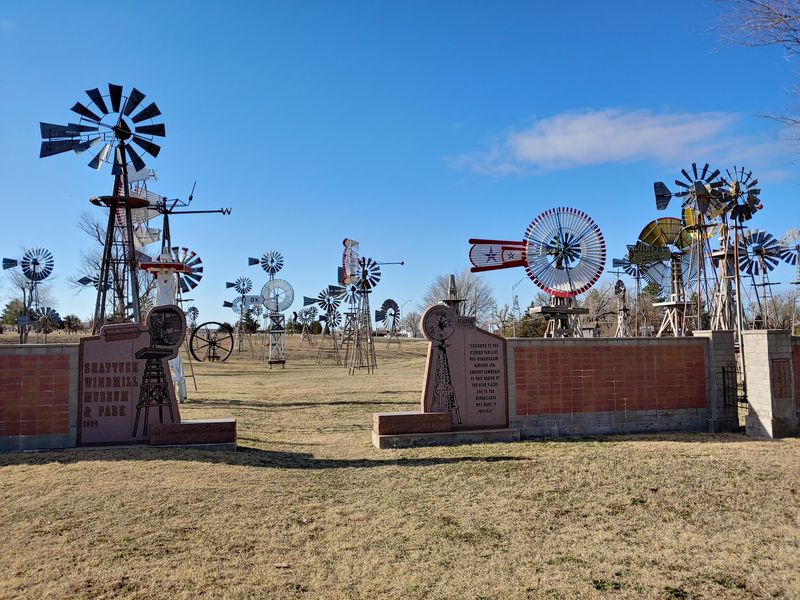
The first thing that gets you here is the sightline, because one old windmill feels neat, but a whole field of them feels almost unreal.
You keep looking across the grounds and spotting another shape, another wheel, another tail, and somehow the collection never starts feeling repetitive.
That is a big part of why this place works so well, since the windmills are grouped together but still spaced enough apart to notice.
From one angle, the park looks like a sketchbook of prairie engineering, with different heights and forms standing against that broad Oklahoma sky.
It helps to walk slowly instead of rushing through, because the collection makes more sense when your eyes have time to compare details.
Some visitors focus on the scale first, while others notice the quiet motion, the creak of metal, and the way the breeze seems part of the exhibit.
Even if you are not usually interested in machinery, the number of restored pieces gives the place a strong visual rhythm that pulls you along.
Kids can count favorites, adults can look for design changes, and everyone ends up understanding how important wind power once was here.
What stays with you most is the feeling that this was everyday technology, not decoration, and now it stands like a memory you can walk through.
That mix of beauty, usefulness, and sheer variety is exactly why the museum feels bigger than a roadside stop.
Where The Prairie Story Begins
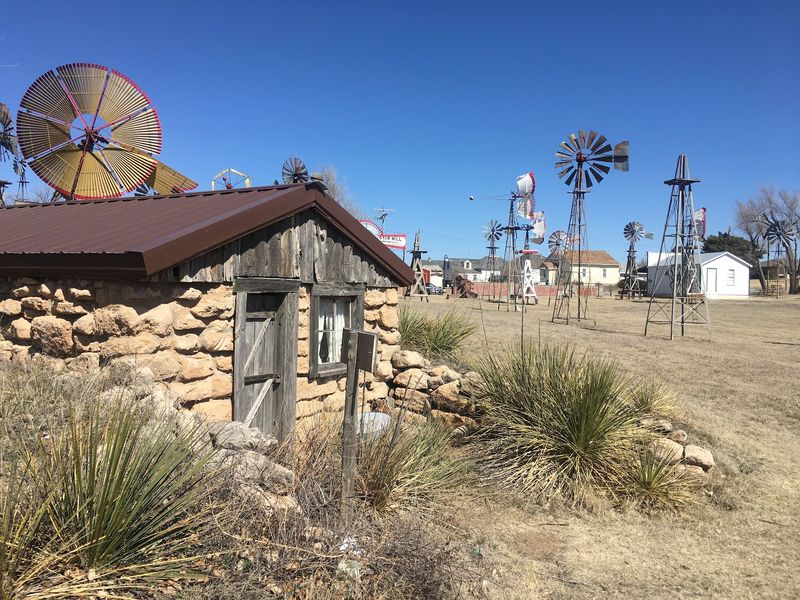
Getting there is part of the charm, because the roads around Shattuck, Oklahoma, set up the museum perfectly, with open land and sky doing half the storytelling.
You will find it at 1100 E 11th Street, Shattuck, OK 73858, and the setting makes immediate sense once the windmills come into view.
Nothing feels squeezed in or overdesigned, which honestly helps the place feel more real and connected to the landscape that once depended on it.
The museum sits in a way that lets you notice distance, weather, and wind, and that matters when the whole story is about drawing water.
If you are driving through this part of Oklahoma, give yourself a little unhurried time, because the approach adds to the experience.
I would not treat it like a quick photo stop only, since the grounds invite wandering and the first look always leads to another.
Bring comfortable shoes, keep your phone ready for pictures, and let yourself pause at the edges before you head straight inside.
That first slow walk from the parking area helps you understand why a windmill museum belongs here instead of somewhere boxed indoors.
Location matters with a place like this, and Shattuck gives it space, weather, and the kind of horizon that makes everything readable.
By the time you start exploring, the museum already feels rooted in its home rather than placed there for effect.
A Century Of Wind Powered Thinking
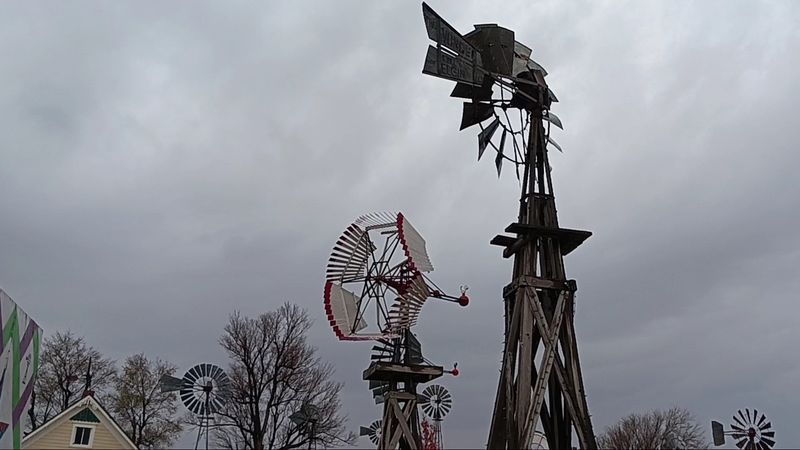
What surprised me most was how clearly the collection shows change over time, almost like flipping through a giant outdoor book about invention.
You can see that people kept adjusting shape, size, and materials, trying to make each windmill work better in rough prairie conditions.
That kind of progress feels easy to miss in a regular history lesson, but here it stands in front of you at full height.
Some designs look simple and almost homemade, while others seem more refined, which tells you a lot about trial, error, and practical thinking.
The museum does a nice job of turning old machinery into something readable, even for visitors who do not know the technical side.
Instead of memorizing facts, you notice patterns, and those patterns explain how people kept improving tools that were absolutely necessary.
Standing among the windmills makes innovation feel less abstract, because every adjustment had a purpose tied to water, labor, and survival.
That is why the collection feels smart as well as scenic, especially if you enjoy seeing how ordinary needs push clever ideas forward.
For families, it is a great way to talk about engineering without making it sound heavy, formal, or difficult to understand.
By the end, you really do see these machines as problem solvers, not just old objects sitting nicely in the Oklahoma breeze.
No Two Look Quite The Same
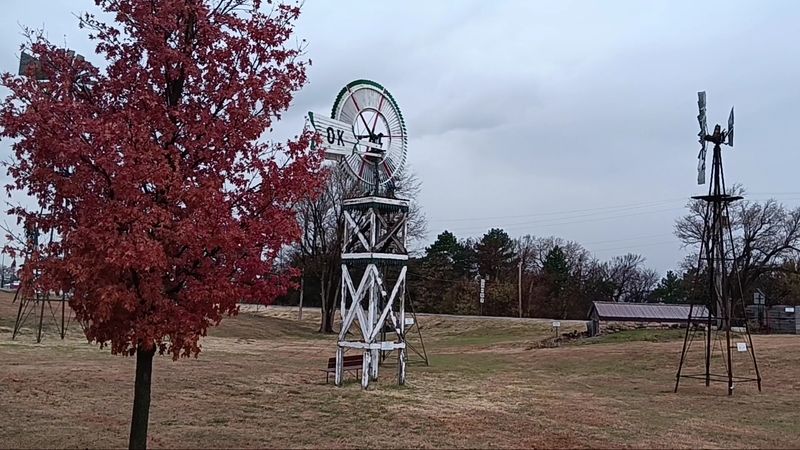
Here is where the place gets extra fun, because the windmills are not copies of each other, and your eye keeps jumping to differences.
One has a heavier look, another seems almost delicate, and another carries a tail shape that gives it a completely different personality.
That variety keeps the walk interesting, especially if you like noticing small design clues that say something about use and era.
Some towers feel sturdy and workmanlike, while others have a slightly more elegant profile, which sounds odd until you actually see them.
I ended up playing a quiet game of picking favorites, then changing my mind after walking a little farther down the path.
It is a good place to slow kids down, too, because they can compare blade shapes and guess which windmill looks strongest.
Even people who arrive thinking all windmills look alike usually drop that idea pretty quickly once they start paying attention.
The restored pieces each hold onto their own character, and that individuality gives the park a friendly, almost conversational feeling.
You are not just viewing a category of object here, you are meeting examples that each tell the same story differently.
That is probably why the museum stays lively from start to finish, since variety keeps curiosity moving right alongside the wind.
From Towering To Tiny
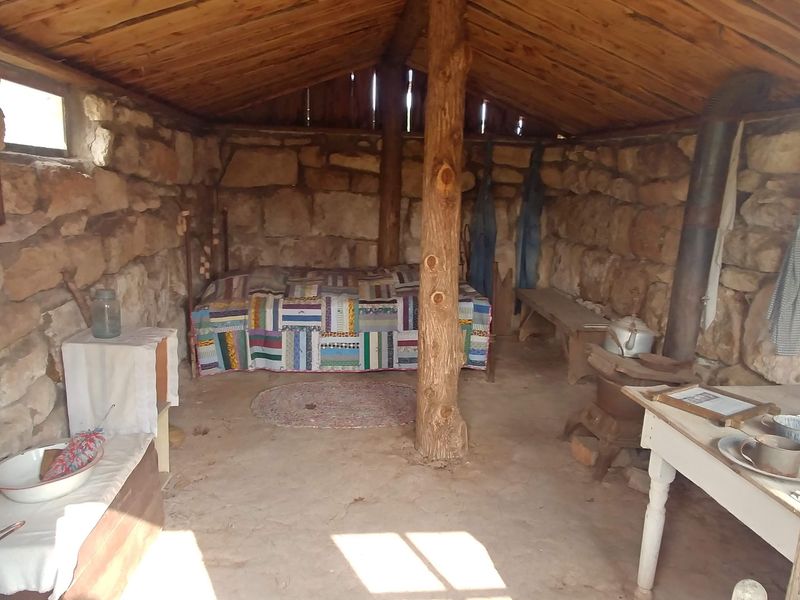
You notice the size differences almost right away, and that contrast makes the collection feel more personal, because not every job needed the same machine.
Some windmills stretch upward with a kind of confidence, while smaller ones sit nearby looking practical, compact, and quietly determined.
That range helps you picture farms, ranches, and homes using whatever size fit their needs and their patch of land.
Seeing the scale up close is better than reading about it, since your body instantly understands what huge and small really mean.
I liked watching people stand beside the taller structures, because it gave everything around them a clearer sense of proportion.
The smaller models matter just as much, though, since they remind you that useful tools do not always have to dominate a skyline.
If you are taking photos, this is one of the best themes to capture, because the size contrast tells a story fast.
Move around a little and frame the big and little pieces together, and suddenly the whole collection feels even more dynamic.
For younger visitors, this section can spark easy conversations about work, design, and how people matched equipment to everyday problems.
By the time you leave, the different scales make the museum feel less like a lineup and more like a community.
Inside A Pioneer Dugout
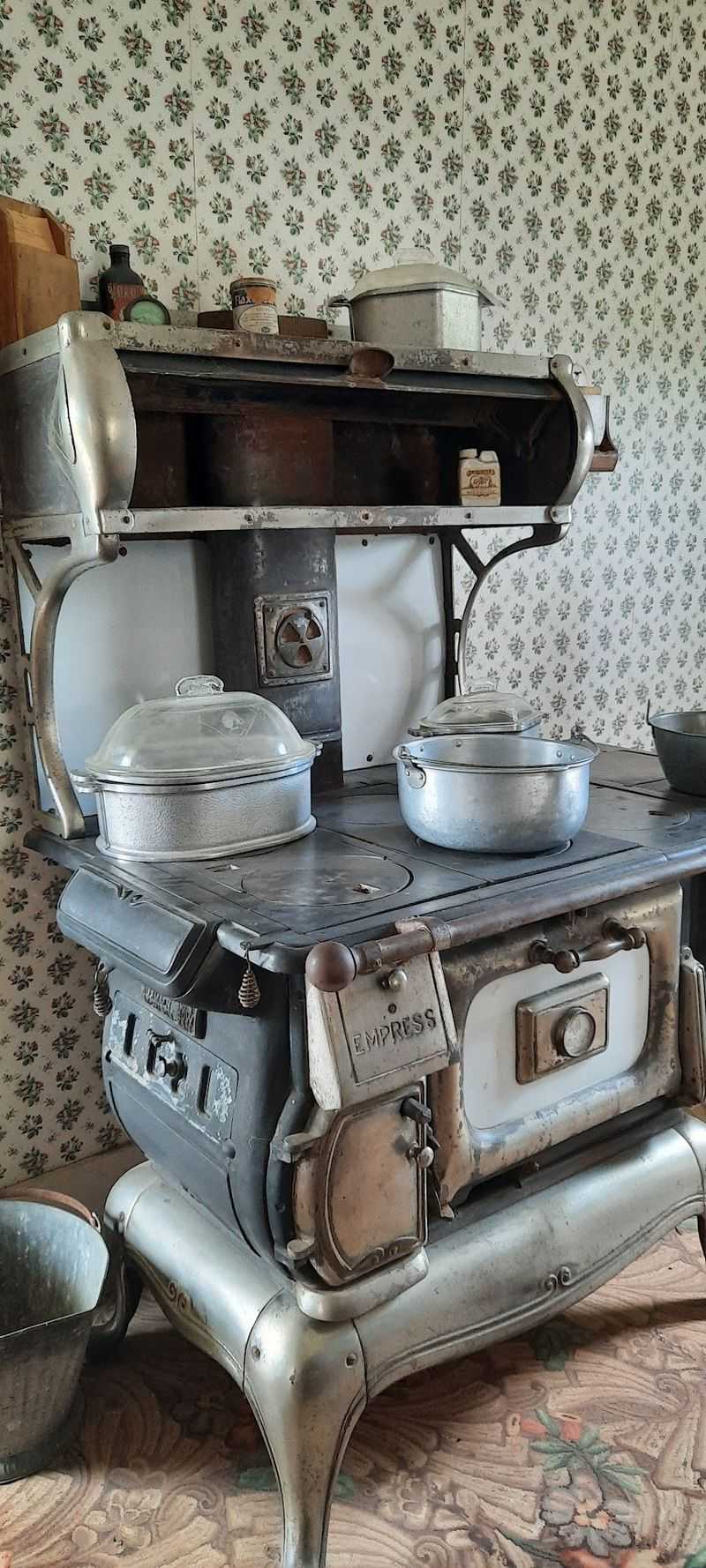
Then the museum changes gears a little, and suddenly you are not just thinking about machines, you are thinking about the people beside them.
The reconstructed dugout makes that shift feel immediate, because it shows how families lived close to the ground with whatever materials they had.
Walking near it gives the whole park more emotional weight, since the struggle for water becomes tied to shelter, meals, and daily routines.
You start imagining heat, wind, dust, and the steady effort of making a home in a place that did not hand out comfort.
What I appreciate is how plain the space feels, because plainness tells the truth better than a fancy recreation ever could.
Nothing needs to be exaggerated when the reality was already demanding, and that honesty comes through in the structure itself.
If you are visiting with kids, the dugout opens up easy conversations about adaptation, problem solving, and what families truly needed.
It also balances the outdoor collection nicely, because the windmills pumped water for lives that looked much more like this.
That connection is what makes the museum memorable instead of merely unusual, especially out here in western Oklahoma where the landscape still explains everything.
You leave the dugout with a fuller sense of effort, and the windmills outside start looking even more essential than before.
The Farmhouse Tells The Next Chapter
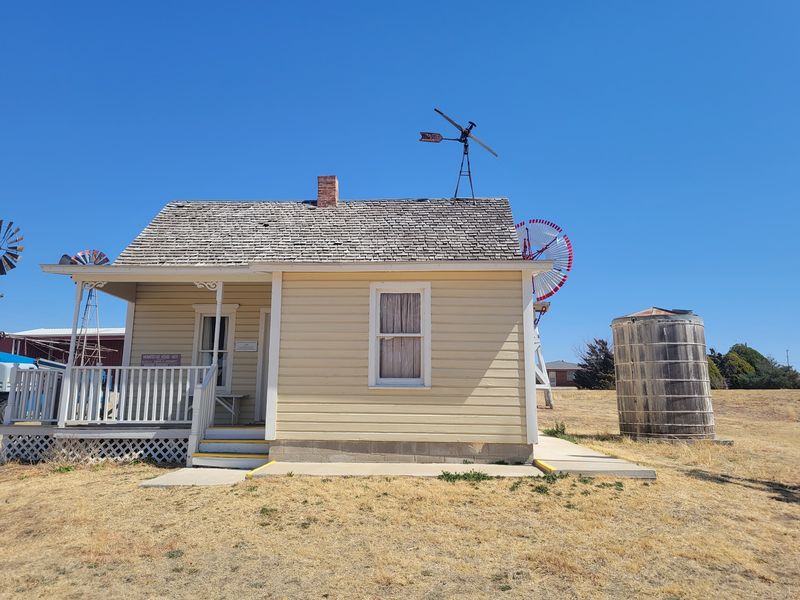
Just when you think the story has settled in, the farmhouse adds another layer and shows how home life changed as the region developed.
It feels less makeshift than the dugout, and that difference quietly says a lot about growing communities, changing materials, and new possibilities.
Seeing both structures in one place is useful, because you can compare them without needing anyone to overexplain the point.
The farmhouse gives pioneer life a more familiar shape, with rooms and details that feel closer to what many visitors already imagine.
That familiarity can be powerful, since it bridges the gap between distant history and everyday life in a way kids understand quickly.
I liked how the building keeps the museum from becoming only about equipment, because homes are where the bigger story really lands.
You start connecting water, labor, weather, and family life, and suddenly the windmills outside seem tied to everything indoors.
For me, that is when the park stopped feeling like a collection and started feeling like a small world with real stakes.
Take your time around the farmhouse and notice the mood shift, because it carries a quieter kind of information than the towers do.
When you step back outside, the open Oklahoma air feels a little different, almost like the whole landscape has become more understandable.
A General Store With Real Character
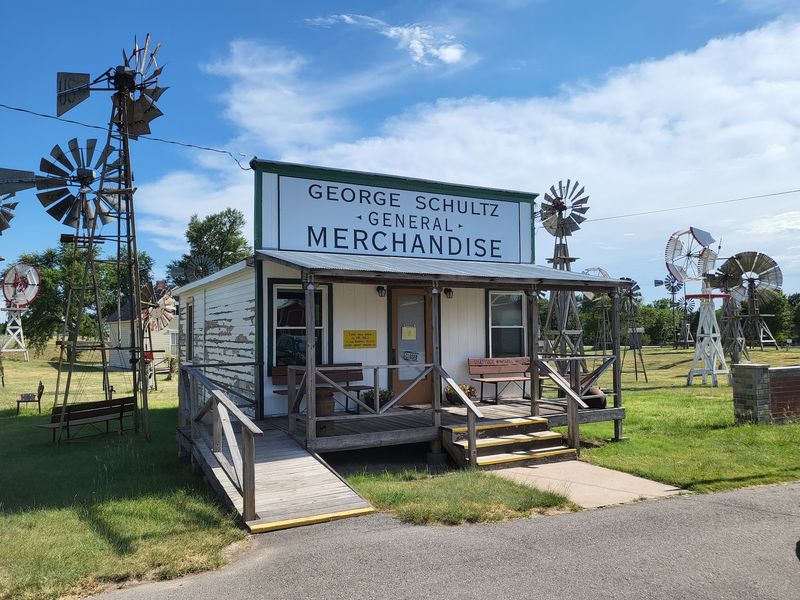
I always love when a museum includes something a little unexpected, and the recreated mercantile gives this place a nice human, everyday touch.
Instead of focusing only on survival tools, it reminds you that communities also needed supplies, routines, and familiar spaces to gather.
The general store setup helps the history relax a bit, which is great if younger visitors need a change from looking upward constantly.
You can picture people stopping in for necessities, talking over local news, and stitching daily life together one errand at a time.
That kind of scene matters because it rounds out the world the windmills served, making everything feel more lived in and connected.
I think visitors who like old small town details will especially enjoy this part, since it adds texture without feeling staged or stiff.
Even when you are mostly looking at the room itself, your mind starts filling in voices, footsteps, and ordinary moments.
The museum benefits from that softer rhythm, because not every lesson has to arrive through machinery or technical explanation.
If you move through the park in order, the store almost feels like a pause where the larger story catches its breath.
By then, you are not just seeing objects anymore, you are imagining a whole prairie community working, shopping, and carrying on together.
Easy To Explore At Your Own Pace
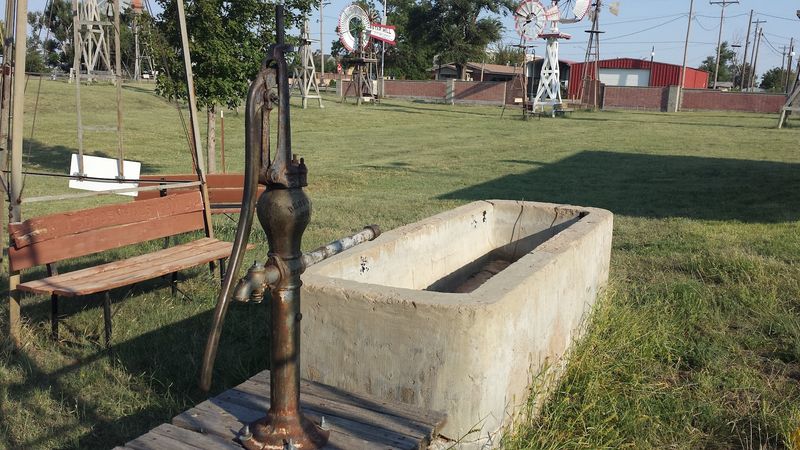
One of the nicest things about the museum is how easygoing it feels, because you can wander, pause, and take it in naturally.
There is no need to hurry from one point to the next, and that slower rhythm suits the subject better anyway.
Places like this work best when you let your attention drift a little, then follow whatever detail catches your eye next.
Maybe it is a tail vane, maybe it is a tower shape, or maybe it is the way the wind shifts across the grounds.
That freedom makes the visit friendly for different ages, since not everyone wants the exact same pace or focus.
Some people will head straight for the tallest windmills, while others linger by the historic buildings and soak up the atmosphere.
I would recommend giving yourself room to circle back, because certain parts of the collection look different after you have seen more.
The museum rewards second glances, and that is usually a good sign that a place has real depth beneath the novelty.
By the end, you feel like you have spent time somewhere thoughtful, not just checked off another roadside attraction in Oklahoma.
That relaxed, self guided experience fits the wide open setting perfectly, and it is a big reason the visit stays with you.
