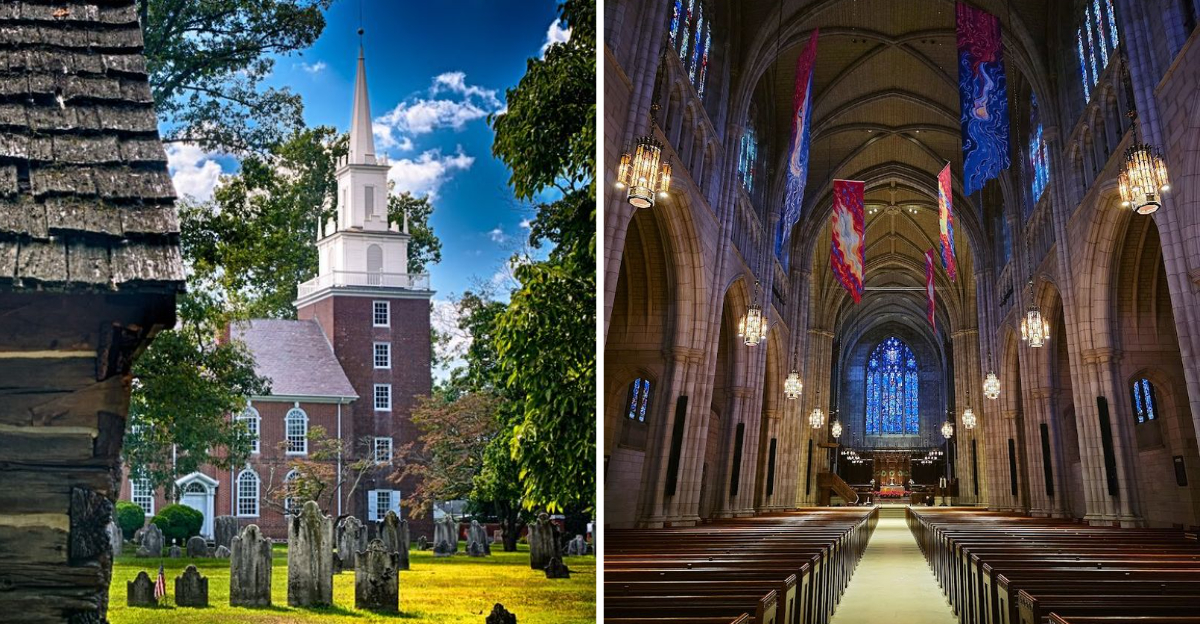
You do not need a passport to find soaring Gothic spires, glowing stained glass windows, and stone carvings that belong in a European cathedral.
New Jersey has all of that and more.
Some churches here are among the oldest in the country, dating back to the 1600s. Others are masterpieces of Victorian design or Romanesque Revival.
Their ceilings soar, their organs thunder, and their histories spill out into the cemeteries out back.
Whether you love architecture, history, or just a quiet place to sit, these churches will make you see the Garden State in a whole new light.
Come see for yourself.
1. Cathedral Basilica of the Sacred Heart
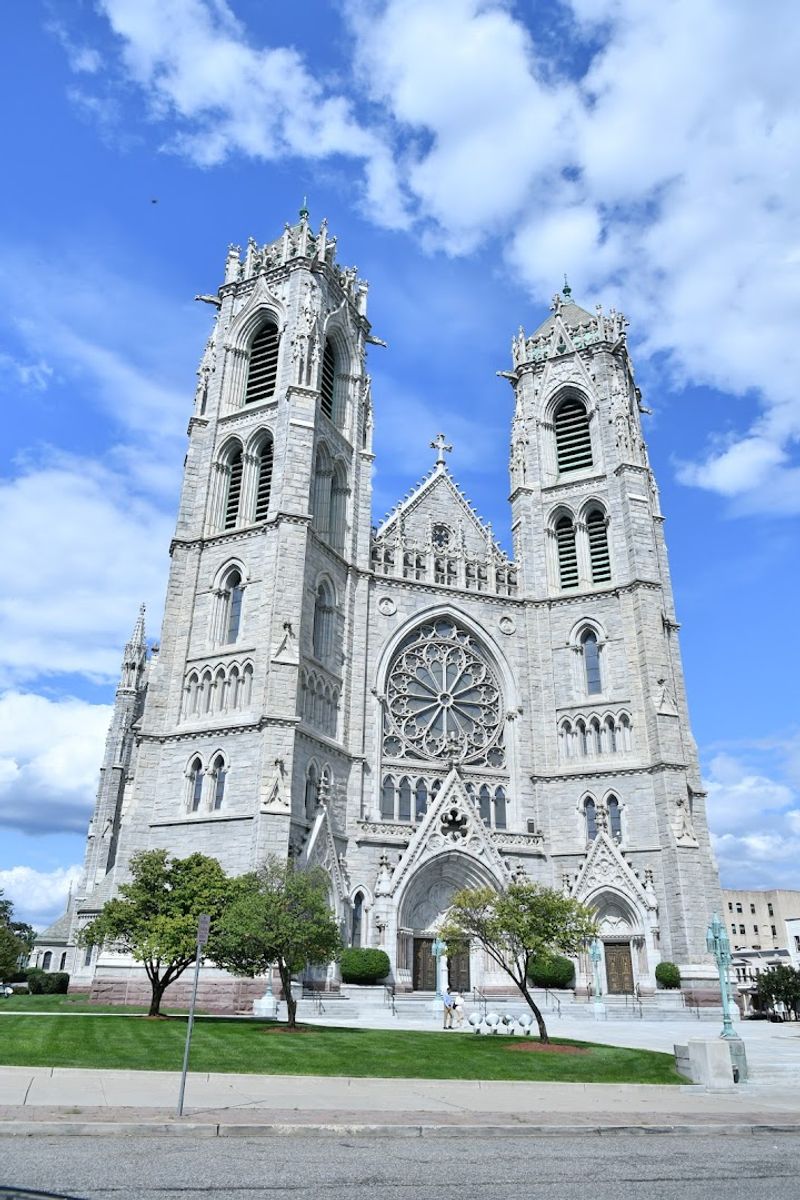
Standing in front of this cathedral for the first time feels like accidentally stumbling into a scene from medieval France. The twin spires climb 232 feet into the Newark skyline, actually surpassing the height of Notre Dame in Paris.
That fact alone is enough to stop anyone in their tracks.
Construction began in 1899 and took over 50 years to complete, finishing in 1954. The result is a French Gothic masterpiece covering 45,000 square feet, comparable in size to Westminster Abbey.
It ranks as the fifth-largest cathedral in all of North America.
The stained glass inside is considered second only to Chartres Cathedral in France, which is extraordinary company to keep. A 36-foot rose window near the main entrance holds the title of the largest of its kind in any Catholic church in the Western Hemisphere.
The cathedral also houses the largest church organ in New Jersey, and the crypt beneath holds the remains of former archbishops. It became a Minor Basilica in 1995.
Address: 89 Ridge St, Newark, NJ 07104
2. St. Lucy’s Church
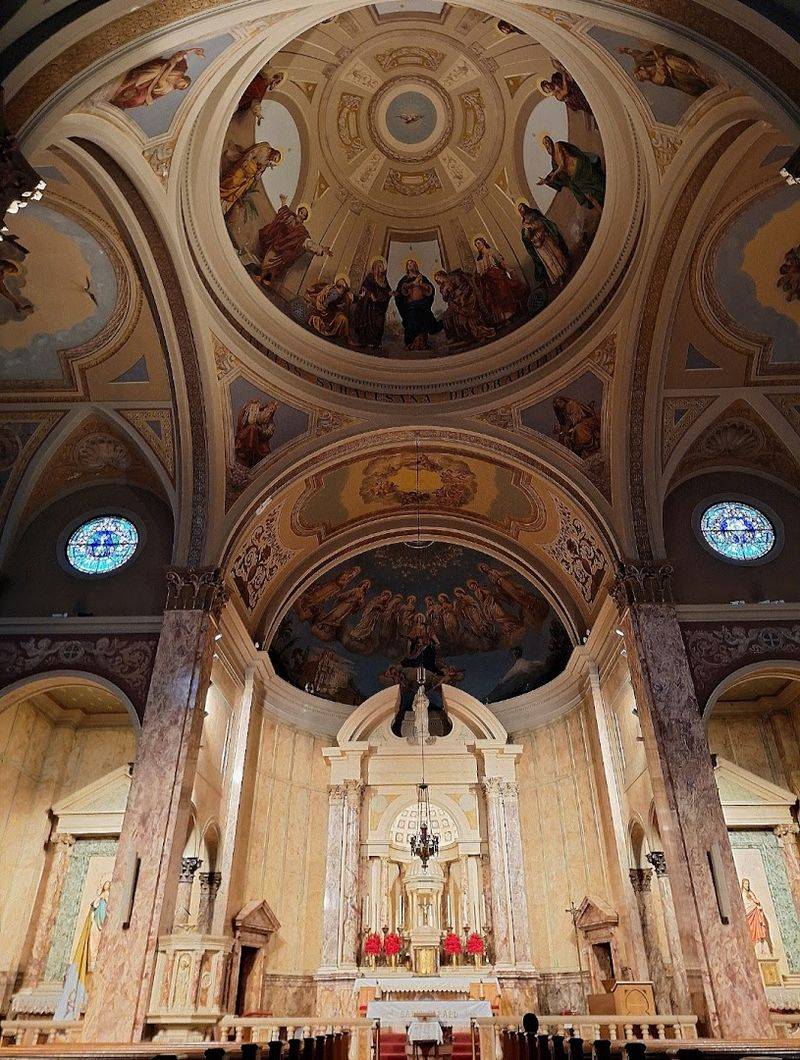
Walking up 7th Avenue toward St. Lucy’s Church, you get the sense that this building has been quietly anchoring the neighborhood for generations. The church carries a warmth that feels almost personal, like it belongs specifically to the people who have prayed inside it for over a century.
That kind of rootedness is rare and genuinely moving.
St. Lucy’s has long served Newark’s Italian-American community, and the devotion poured into its upkeep shows in every carved detail. The interior features rich ornamentation that reflects the deep pride of the congregation.
It is the kind of place where history is not just displayed on a placard but felt in the atmosphere.
The church remains an active and beloved parish, drawing visitors who appreciate both its spiritual significance and its architectural character. Light filters through the windows in a way that softens everything inside, creating a hushed and contemplative mood.
Few places in Newark carry this particular combination of community identity and visual beauty. Whether you are stopping in for a quiet moment or exploring the area’s religious heritage, St. Lucy’s rewards a visit with something genuinely memorable and unexpectedly touching.
Address: 118 7th Ave, Newark, NJ 07104
3. Grace Church in Newark
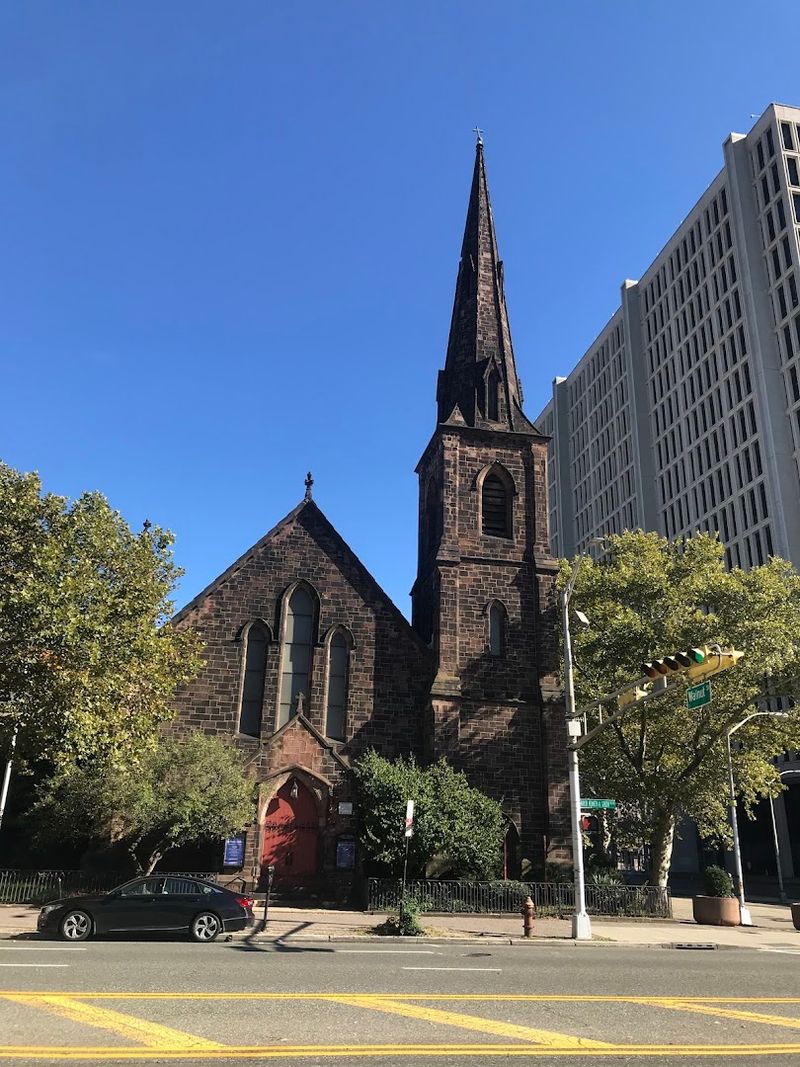
Broad Street in Newark is a busy corridor, but Grace Church manages to command your full attention the moment it comes into view. The Gothic Revival stonework rises with quiet authority above the surrounding streetscape, a reminder that this building has been here longer than most of what surrounds it.
Something about its proportions just feels right.
Grace Church in Newark carries a long history of serving the community through changing times and shifting neighborhoods. The congregation has maintained a commitment to both spiritual practice and social engagement that gives the building added meaning beyond its impressive exterior.
History here is layered and genuinely earned.
Inside, the soaring arched ceilings and carefully preserved details create an atmosphere that feels both grand and intimate at the same time. The stained glass work adds color and warmth to the stone interior, softening the scale in a way that invites you to linger.
Visiting on a bright morning, when light pours through those windows, is an experience that stays with you.
Grace Church stands as one of Newark’s most distinguished architectural landmarks and a place where the sacred and the historical meet in a genuinely compelling way.
Address: 950 Broad St, Newark, NJ 07102
4. St. Peter’s Episcopal Church
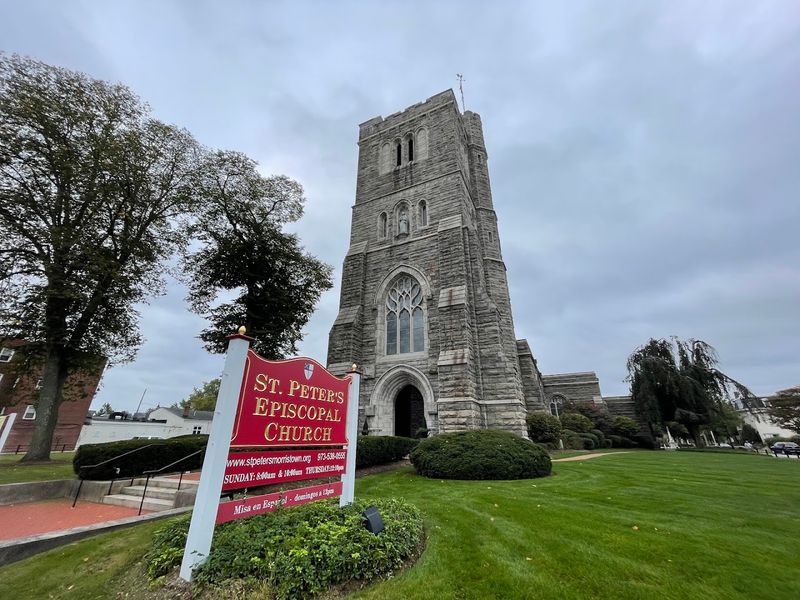
Morristown has a way of making you feel like you have stepped back into the Revolutionary War era, and St. Peter’s Episcopal Church fits that atmosphere perfectly.
The church sits with a kind of composed dignity that suits a town so deeply tied to American history.
You half expect to see a Continental soldier walking past.
The congregation here has roots stretching back to the 18th century, and the building reflects that long, layered past in its materials and design. Stone walls, careful proportions, and traditional detailing give St. Peter’s a grounded, enduring presence on Maple Avenue.
It is the kind of architecture that earns respect rather than demands attention.
Inside, the space is thoughtfully preserved, with woodwork and windows that speak to generations of careful stewardship.
The church is still an active Episcopal parish, which means the building remains a living part of Morristown’s community rather than a static museum piece.
Visiting feels participatory rather than merely observational. For anyone interested in early American religious history or simply beautiful historic architecture in a charming New Jersey town, St. Peter’s delivers on every count with understated elegance.
Address: 70 Maple Ave, Morristown, NJ 07960
5. First Presbyterian Church
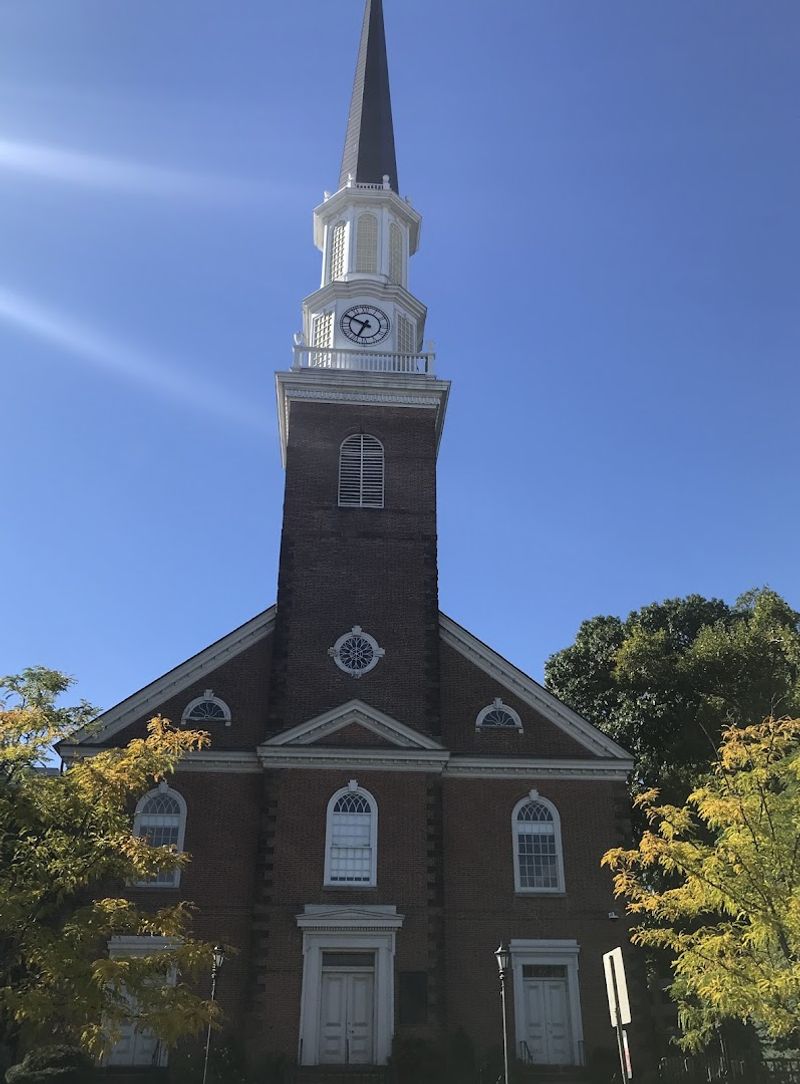
Founded in 1666, the First Presbyterian Church in Elizabeth is one of the oldest congregations in New Jersey, and the weight of that history is palpable the moment you arrive.
The church has witnessed more of American history than most textbooks cover, from colonial settlement through the present day.
That kind of longevity is genuinely humbling.
The building itself carries the marks of centuries of use and care, with architectural elements that speak to different eras of renovation and devotion. Its location on Broad Street places it at the heart of Elizabeth’s historic downtown, where it continues to serve as both a spiritual home and a community landmark.
Few churches in the state can match this depth of continuous presence.
The congregation’s historical connections are remarkable. Pastors from this church were among the founding presidents of Princeton, Harvard, and Yale, which tells you something about the intellectual and spiritual influence this place once carried.
The church also served as a regular stop on the Underground Railroad, with historic passageways still accessible beneath the building.
Visiting means standing in a place where American history was genuinely shaped by ordinary people of extraordinary conviction.
Address: 42 Broad St, Elizabeth, NJ 07201
6. Princeton University Chapel
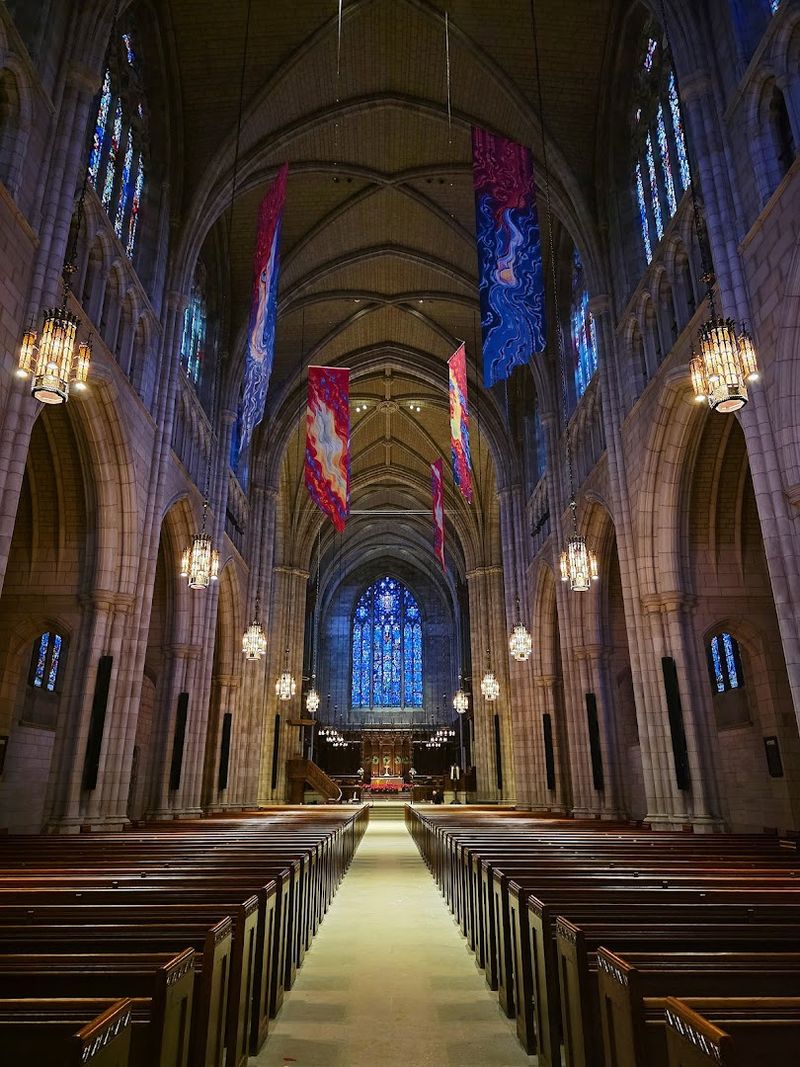
Stepping onto Princeton’s campus and catching your first glimpse of the university chapel is one of those moments that genuinely stops you mid-stride.
The building has been a central feature of campus life since 1928, and its Gothic collegiate architecture speaks a language of serious intellectual and spiritual ambition.
It is enormous, beautiful, and somehow still feels approachable.
The chapel was designed to serve the entire university community, and its scale reflects that inclusive intention. The soaring interior, with its carved stonework and magnificent windows, creates a space that feels built for contemplation rather than performance.
Natural light transforms the atmosphere depending on the time of day.
What makes Princeton University Chapel special beyond its architecture is the way it sits within a living academic community. Students, faculty, visitors, and locals all pass through its doors for services, concerts, and quiet reflection.
The chapel hosts a remarkable variety of events throughout the year, making it far more than a static landmark. For anyone visiting Princeton, skipping the chapel would be a genuine mistake.
It represents one of the finest examples of collegiate Gothic architecture in the entire country and remains one of New Jersey’s most breathtaking interior spaces.
Address: 64 Mercer St, Princeton, NJ 08542
7. Old Tennent Presbyterian Church
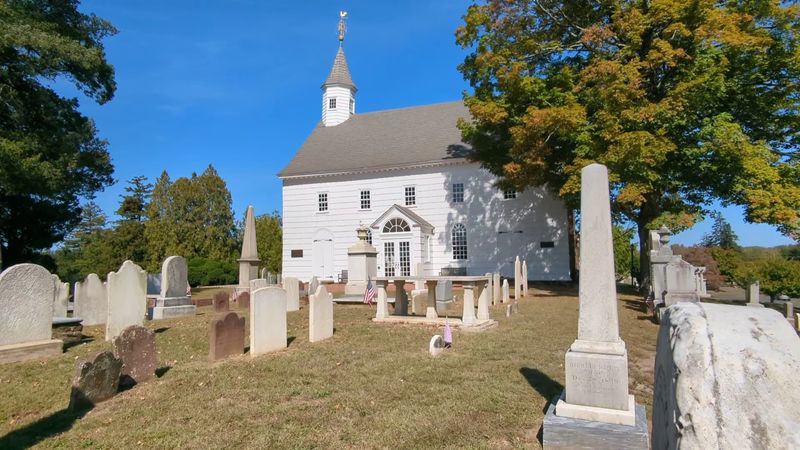
There is something almost cinematic about pulling up to Old Tennent Presbyterian Church on Tennent Road, surrounded by open fields and a cemetery that holds stories going back centuries.
The white clapboard exterior and simple wooden steeple look exactly like what you imagine when someone says “colonial American church.” It is the kind of place that photographers love and historians adore.
The church has deep ties to the Battle of Monmouth, one of the significant engagements of the Revolutionary War fought nearby in 1778.
During and after the battle, the church served as a field hospital, and the cemetery holds the graves of soldiers from that conflict.
History here is not decorative; it is structural.
The congregation has maintained continuous worship at this site for centuries, which gives Old Tennent a living quality that purely preserved historic sites sometimes lack.
The interior is simple and unadorned, which suits the Calvinist tradition perfectly, with clean lines and wooden pews that focus attention on the spoken word.
Visiting in autumn, when the surrounding landscape turns golden, adds another layer of beauty to an already compelling destination. Old Tennent stands as one of New Jersey’s most authentic connections to its colonial and revolutionary past.
Address: 448 Tennent Rd, Manalapan, NJ 07726
8. St. Michael’s Episcopal Church
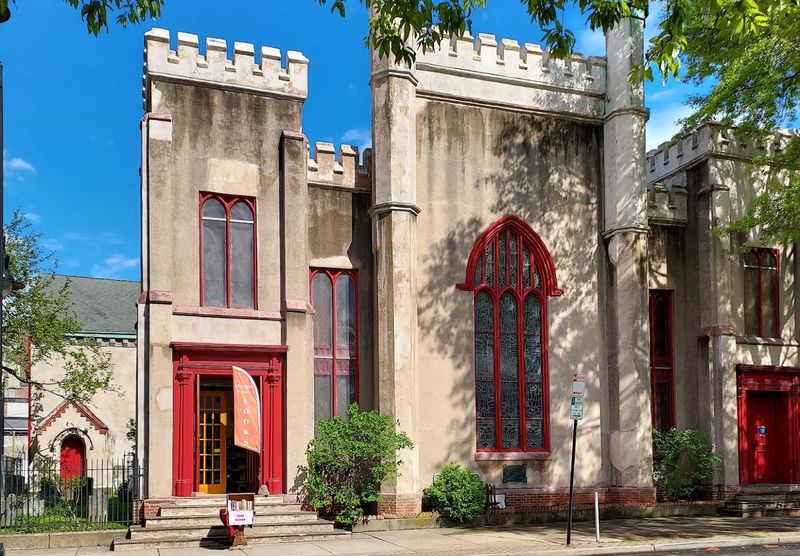
Trenton’s North Warren Street has its share of historic architecture, but St. Michael’s Episcopal Church holds a special place among it all. The building carries a quiet gravitas that you feel before you even reach the front door.
It has the look of a church that has seen everything and remained standing through all of it.
The Gothic detailing on the exterior is carefully executed, with arched windows and stonework that reflect a serious commitment to craftsmanship. Inside, the proportions feel balanced and human-scaled, which is not always easy to achieve in a Gothic-influenced design.
The space invites you to slow down and actually look at the details.
St. Michael’s has served Trenton’s Episcopal community through centuries of change in the surrounding city, and that continuity of purpose adds meaning to every architectural element.
The stained glass windows are among the highlights, filtering light into the nave with a warmth that shifts beautifully throughout the day.
Visiting on a weekday morning, when the church is quiet and the light is doing its best work through the glass, is a genuinely lovely experience. St. Michael’s represents the kind of thoughtful, enduring religious architecture that New Jersey has in abundance but that visitors too often overlook.
Address: 140 N Warren St, Trenton, NJ 08608
9. Sacred Heart Church
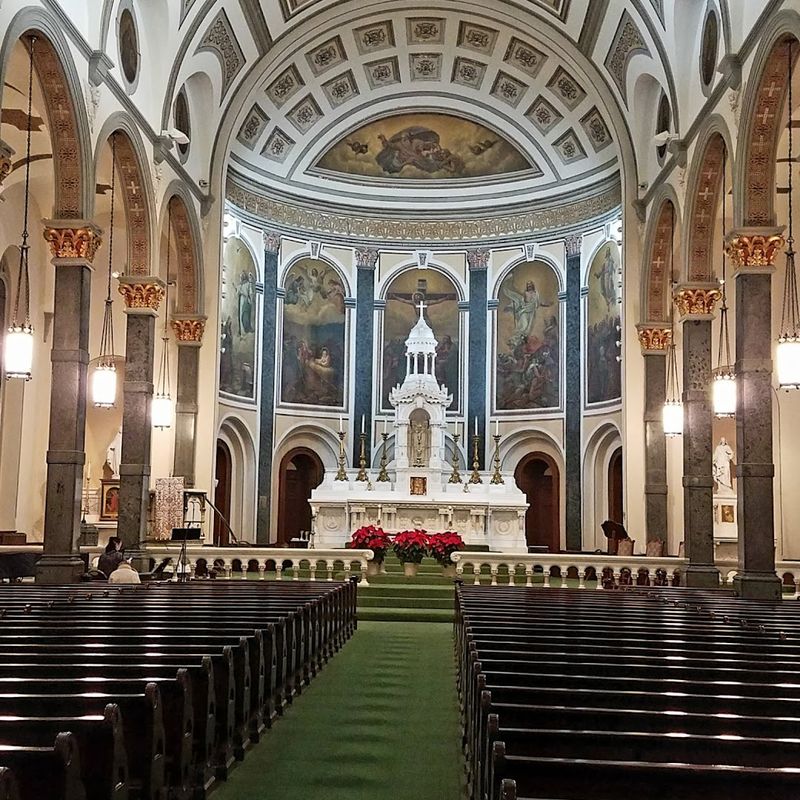
Sacred Heart Church on South Broad Street in Trenton is one of those buildings that announces itself with genuine architectural confidence.
The facade is detailed and expressive, with the kind of ornamentation that reflects a congregation’s deep investment in creating a worthy sacred space.
It is hard to walk past without stopping for a longer look.
The church has served Trenton’s Catholic community for generations, and its interior continues that tradition of richly layered visual devotion. Painted surfaces, carved details, and carefully placed windows combine to create an atmosphere that feels both celebratory and reverent at the same time.
Few interiors in the region achieve this balance so effectively.
Sacred Heart stands as an important landmark in a city that has its own complex and fascinating history. The congregation’s longevity speaks to the enduring role of faith communities in anchoring neighborhoods through economic and social change.
The building itself has been lovingly maintained, which shows in the quality of the details you encounter at every turn. For visitors exploring Trenton’s historic sites, adding Sacred Heart to the itinerary provides a genuinely rewarding contrast to the more civic landmarks nearby.
The church is beautiful in a full-throated, unapologetic way that is hard not to admire.
Address: 343 S Broad St, Trenton, NJ 08608
10. Christ Church
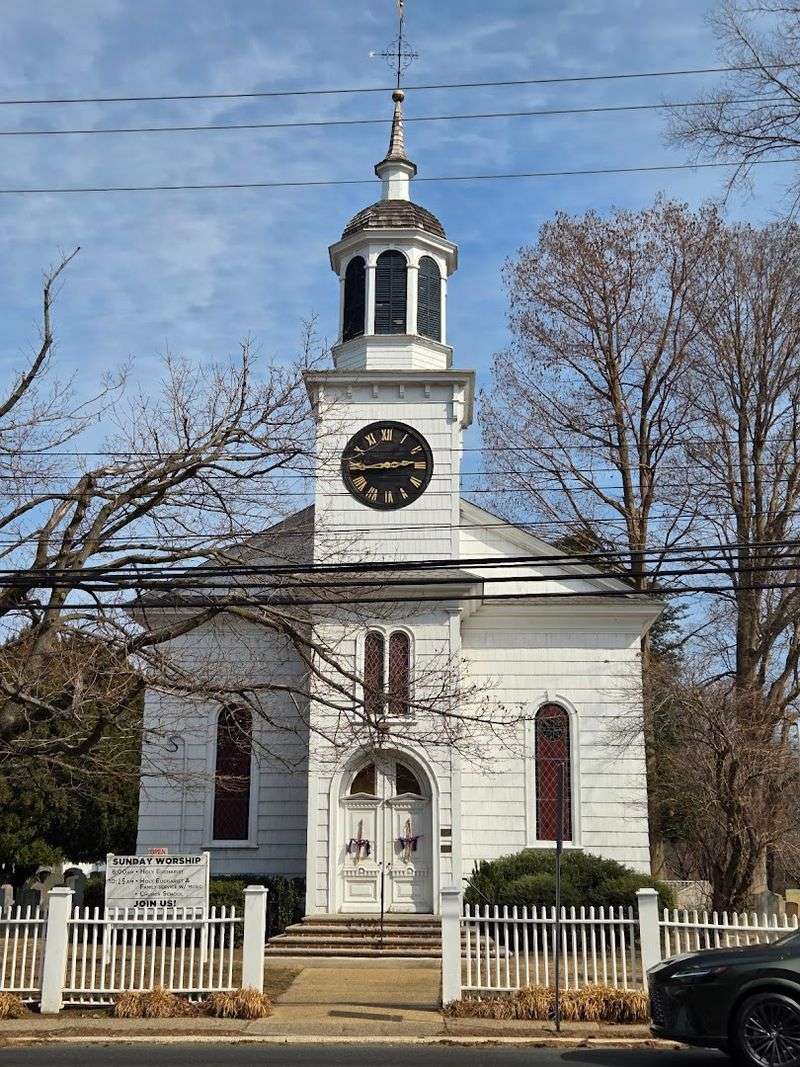
Christ Church in Shrewsbury is the kind of place that makes you want to sit on a nearby bench and just absorb the atmosphere for a while.
The white exterior and classic proportions feel perfectly calibrated to their surroundings, fitting the quiet, tree-lined character of Sycamore Avenue like they were always meant to be here.
In a way, they were.
The church is one of the oldest Episcopal congregations in New Jersey, with roots reaching back into the colonial period. That history gives the building a presence that goes well beyond its physical dimensions.
The cemetery surrounding the church is itself a kind of open-air historical document, with markers that trace the region’s earliest European settlement.
Inside, the simplicity of the design is its own kind of beauty. Clean lines, wooden pews, and carefully preserved original elements create a space that feels honest and uncluttered.
The light inside is gentle and diffuse, which suits the contemplative quality of the architecture perfectly. Christ Church attracts visitors interested in colonial history, religious heritage, and simply beautiful, well-preserved historic buildings.
Shrewsbury itself is a charming destination, and the church anchors the town’s historic identity in a way that is both meaningful and visually satisfying.
Address: 380 Sycamore Ave, Shrewsbury, NJ 07702
11. Jacob’s Chapel AME Church
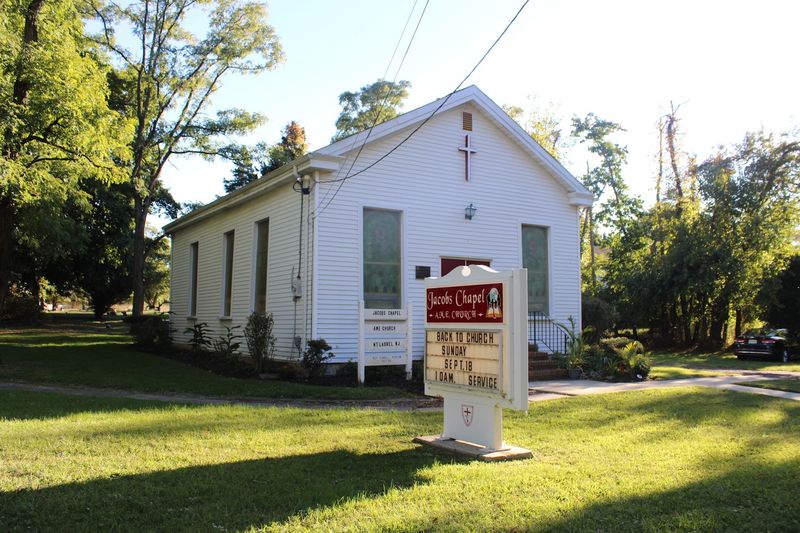
Jacob’s Chapel AME Church in Mount Laurel carries a history that goes far beyond its modest exterior.
This is a place deeply connected to the African American community’s long struggle for freedom and dignity in New Jersey, and that significance transforms how you experience the building.
Architecture here is inseparable from meaning.
The African Methodist Episcopal Church was founded as a denomination by and for Black Americans, and congregations like Jacob’s Chapel were often centers of community life, education, and resistance during some of the darkest chapters of American history.
Visiting with that context in mind changes everything about how you see the building and the ground it stands on.
Mount Laurel itself has a layered history, and Jacob’s Chapel represents an important thread within that larger story. The church has been maintained by a community that understands what it represents, which shows in the respect with which the space is kept.
The simplicity of the design is part of its power, a straightforward declaration of faith and community that needed no ornamental flourishes to make its point.
For anyone interested in New Jersey’s fuller, more complete historical narrative, Jacob’s Chapel AME Church is an essential and genuinely moving destination that deserves far more recognition than it typically receives.
Address: 318 Elbo Ln, Mount Laurel, NJ 08054
12. Old Swedes Trinity Episcopal Church
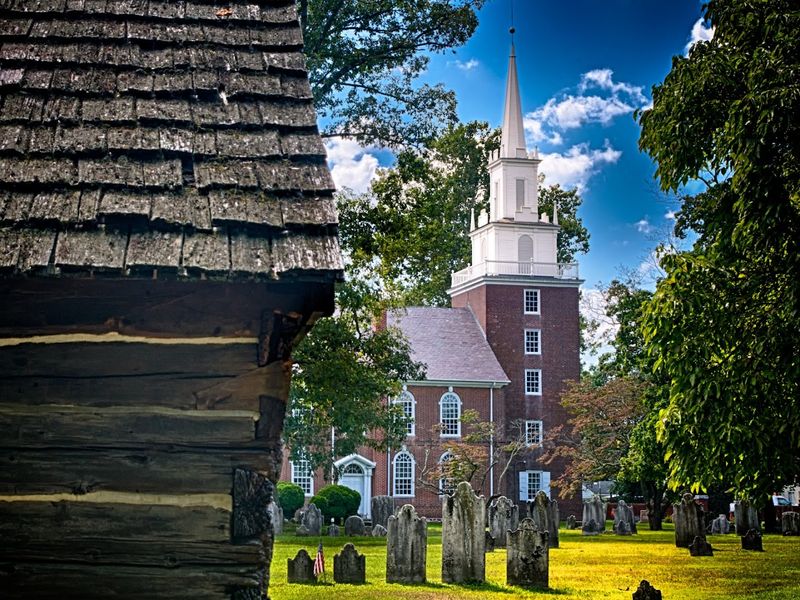
Finding Old Swedes Trinity Episcopal Church on Kings Highway in Swedesboro feels like uncovering a piece of American history that most people have completely forgotten.
The Swedish settlers who built here left a mark on southern New Jersey that persists in place names, family histories, and this remarkable little church.
It is older than the United States itself, which is a fact worth sitting with for a moment.
The building reflects the practical, sturdy aesthetic of early Scandinavian-American construction, with stone walls and a simplicity that speaks to the priorities of a frontier congregation.
The surrounding cemetery contains graves that date back centuries, making the grounds as historically rich as the building itself.
Walking among those markers is a quiet, thought-provoking experience.
Old Swedes Trinity is part of a small group of Swedish colonial churches that survive in the Delaware Valley region, and its preservation is a genuine gift to anyone interested in the full complexity of American settlement history.
The church is still an active Episcopal parish, connecting present-day worshippers to a lineage that stretches back to the 17th century.
Few places in New Jersey offer this particular combination of obscurity and significance. Discovering it feels like finding something genuinely rare, tucked away in a small town that time has treated with unexpected kindness.
Address: 1208 Kings Hwy, Swedesboro, NJ 08085
