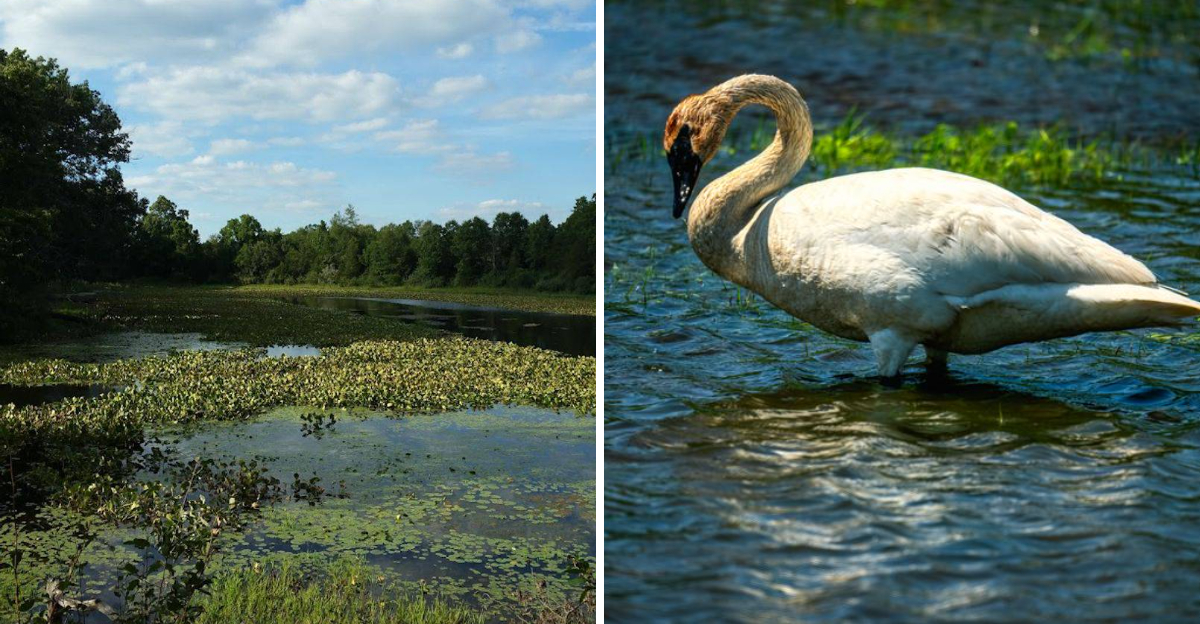
Hidden in the northern corner of Indiana, a quiet wetland preserve is one of those rare places most people pass by without ever realizing what they are missing.
Spread across hundreds of acres near the meeting point of three counties, this protected natural area is home to an impressive variety of wildlife, including hundreds of bird species, rare plants, and other sensitive ecosystems.
A simple boardwalk allows visitors to step directly into the landscape, offering close-up views of marsh life without disturbing it. The experience feels peaceful and unhurried, the kind of place where silence and nature take over almost immediately.
Whether you are into birdwatching, easy walks, or just escaping noise for a while, this spot offers a completely free and quietly unforgettable outdoor experience.
You Will Not Believe The Bird Count Here
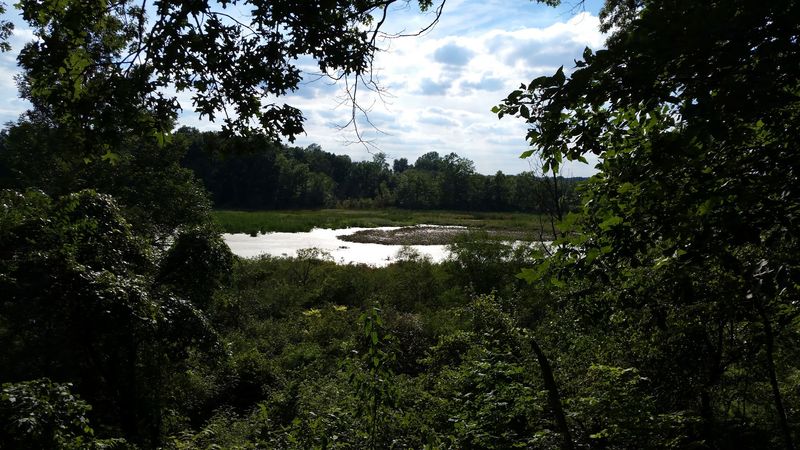
More than 290 bird species have been recorded at Pisgah Marsh, and that number alone is enough to make serious birders stop whatever they are doing and start planning a trip. This is not a curated zoo or a managed wildlife display.
Every bird you see here showed up on its own, drawn by one of Indiana’s most intact and ecologically rich wetland systems.
During spring and fall migrations, the variety explodes. You might spot a Trumpeter Swan gliding across Pisgah Lake one moment and then catch a Long-eared Owl perched silently in the upland forest edge the next.
Common Gallinules, Soras, and Virginia Rails move through the reeds, often heard before they are ever seen. Ring-necked Ducks and Lesser Scaup gather on open water, while Cackling Geese pass overhead in loose formations.
Year-round, Sandhill Cranes and Wild Turkeys are reliable sights. Black-capped Chickadees flit through the shrubs, and Purple Finches and Pine Siskins show up in cooler months.
Green Herons stalk the shallows with that slow, deliberate patience that makes them so fascinating to watch. If you have ever wanted to see a Black-billed Cuckoo in the wild, this marsh gives you a real shot at it.
Bring binoculars, wear quiet clothing, and move slowly. The marsh rewards patience more than speed.
Come Ready To Walk The Boardwalk
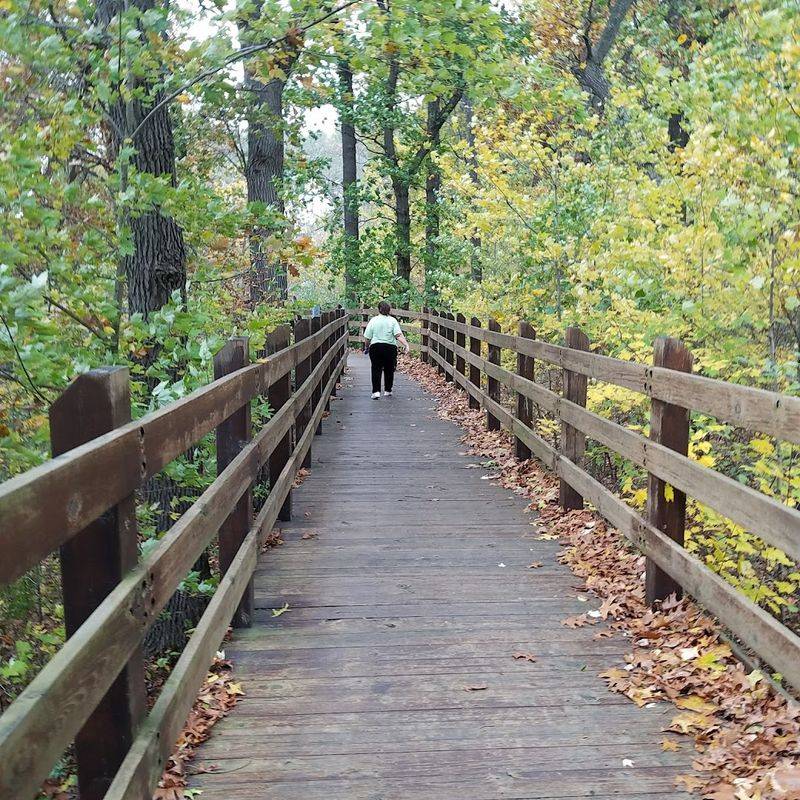
The boardwalk at Pisgah Marsh is one of those features that sounds simple on paper but completely changes how you experience a natural area.
At roughly half a mile long, it carries you directly over the water, placing you above the marsh grasses and right in the middle of the habitat rather than just beside it.
That difference matters more than you might expect.
Because the boardwalk is ADA-accessible, visitors of nearly all mobility levels can enjoy the full experience. Families with strollers, older adults, and anyone who finds uneven terrain difficult will find this path genuinely welcoming.
The surface is stable, and the route is straightforward, so you can focus your attention on what is happening around you rather than watching your footing.
Midway along the route, a Golden Eagle Viewing Deck extends the experience even further. From that elevated platform, sightlines open up across the wetland in ways that ground-level trails simply cannot offer.
Early morning visits tend to reward the most, when mist still sits on the water and wildlife activity peaks before the midday quiet sets in. The boardwalk also helps protect the sensitive marsh habitat beneath it by keeping foot traffic off the fragile fen surface.
Pisgah Marsh is located at 9939 E 350 N, North Webster, IN 46555, and the parking area is free with no reservation required. Portable restrooms are available on-site for visitor convenience.
Plan A Visit For Rare Habitat Types
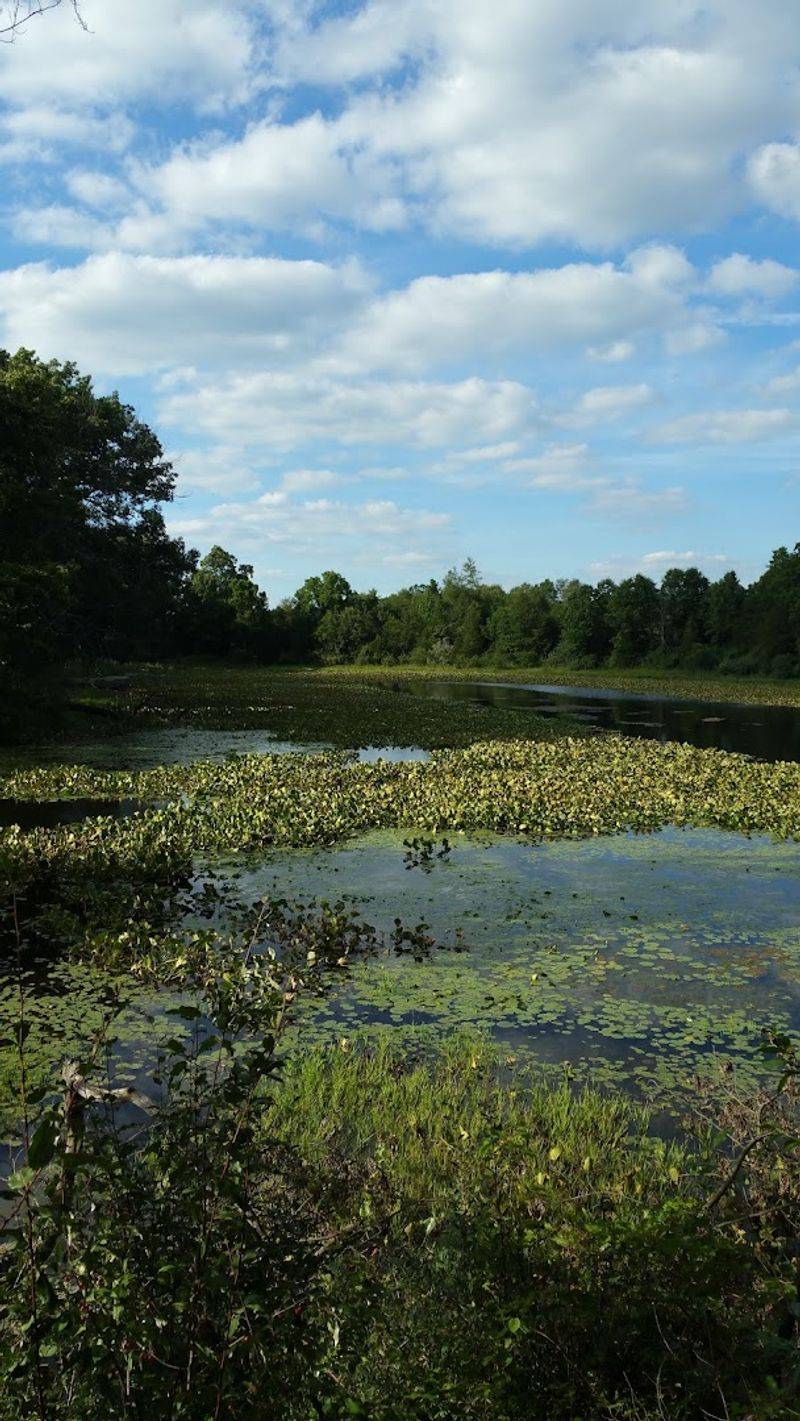
Most people think of a marsh as just water and mud, but Pisgah Marsh is something far more layered than that. The property contains a high-quality glacial fen, sedge meadows, grasslands, quiet lake edges, and upland forest corridors all within its 445 acres.
That combination is genuinely rare, and it is one of the main reasons ecologists and naturalists travel from across the Midwest to visit.
A glacial fen is not the same as a typical wetland. It forms where ancient groundwater seeps upward through glacial deposits, creating a consistently cool and mineral-rich environment that supports plants found almost nowhere else in the region.
The fen at Pisgah Marsh is considered one of Indiana’s last high-quality inland examples of this habitat type, making it a site of serious geological and ecological significance.
Pisgah Area 1 alone covers about 128 acres and includes the 6.67-acre Pisgah Lake, which adds open water habitat to the already impressive habitat mosaic.
Each zone within the marsh supports a different community of plants and animals, so moving through the area feels like passing through several distinct worlds in a single afternoon.
Grasslands attract ground-nesting birds. Forest edges shelter woodland species.
Sedge meadows hold moisture-loving plants that thrive nowhere drier. For anyone interested in ecology or natural history, the habitat variety here is genuinely hard to match anywhere else in Indiana.
Skip Nothing; Endangered Species Live Here
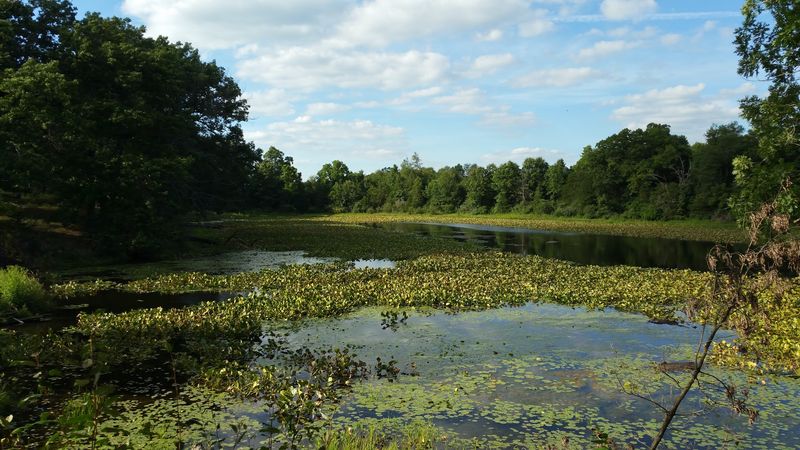
Not every natural area in Indiana can claim endangered species as permanent residents, but Pisgah Marsh can. The preserve serves as critical habitat for two of Indiana’s most vulnerable animals: the Massasauga rattlesnake and Blanding’s turtle.
Both species depend on exactly the kind of undisturbed wetland and grassland mosaic that Pisgah Marsh has managed to protect over time.
The Massasauga is a small, secretive rattlesnake that rarely grows longer than two feet. It is not aggressive and typically retreats rather than confronts.
Still, knowing it lives here adds a certain electric awareness to every step along the marsh edges. These snakes are so rare in Indiana that finding one is considered a significant wildlife sighting by herpetologists who study reptile populations across the state.
Blanding’s turtles are equally fascinating. They have a distinctively domed shell and a bright yellow chin that makes them easy to identify once you know what to look for.
They can live for several decades and depend heavily on clean, undisturbed wetlands for nesting and feeding. Spotting one basking on a log near the lake edge is the kind of moment that stays with you long after you leave.
Both species serve as indicators of ecosystem health, meaning their presence tells a larger story about how well this marsh has been preserved. That story, at Pisgah Marsh, is a genuinely hopeful one.
Try Spotting Wildlife Beyond The Birds
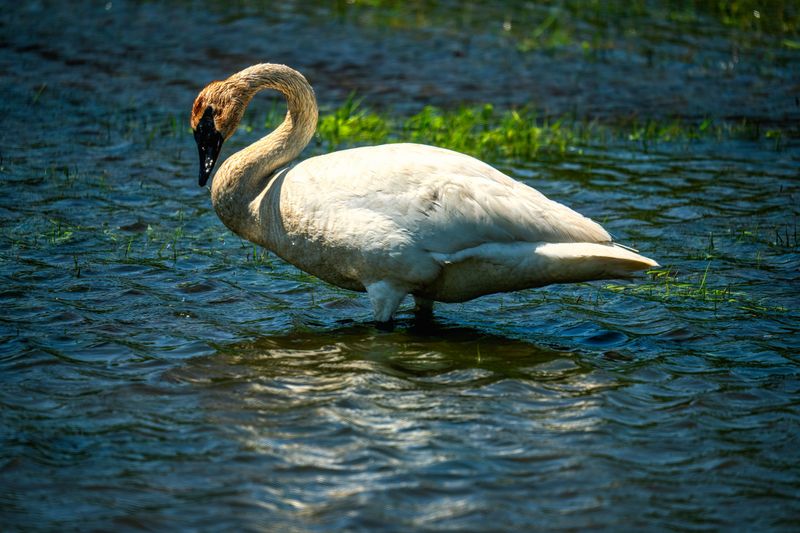
Pisgah Marsh is not just a bird destination, even though the birds tend to get most of the attention. The full wildlife picture here is much broader, and visitors who slow down and look carefully are often surprised by how much is moving just beneath the surface of things.
Beavers are among the most reliably spotted mammals, their lodges and dam work visible in several areas of the wetland.
Raccoons and white-tailed deer move through the upland forest corridors, especially around dawn and dusk when feeding activity peaks. Squirrels work through the canopy overhead while frogs call from every direction during warm months.
Salamanders hide under logs and leaf litter near the fen edges, and various fish species inhabit Pisgah Lake and the connected waterways. The aquatic life alone could keep a curious visitor busy for hours.
Perhaps most unexpected are the plants. The fen fringes host carnivorous plants and specialized orchids that grow in the mineral-rich seep conditions unique to glacial fen environments.
Seeing a pitcher plant or a native orchid growing wild in Indiana is not something most people expect, but Pisgah Marsh delivers exactly that kind of surprise. The biodiversity here operates on multiple levels simultaneously, from the canopy above to the soil below, and every layer holds something worth noticing.
Bring a field guide or download a nature ID app before your visit to help identify what you find.
Make Time For The Educational Programs
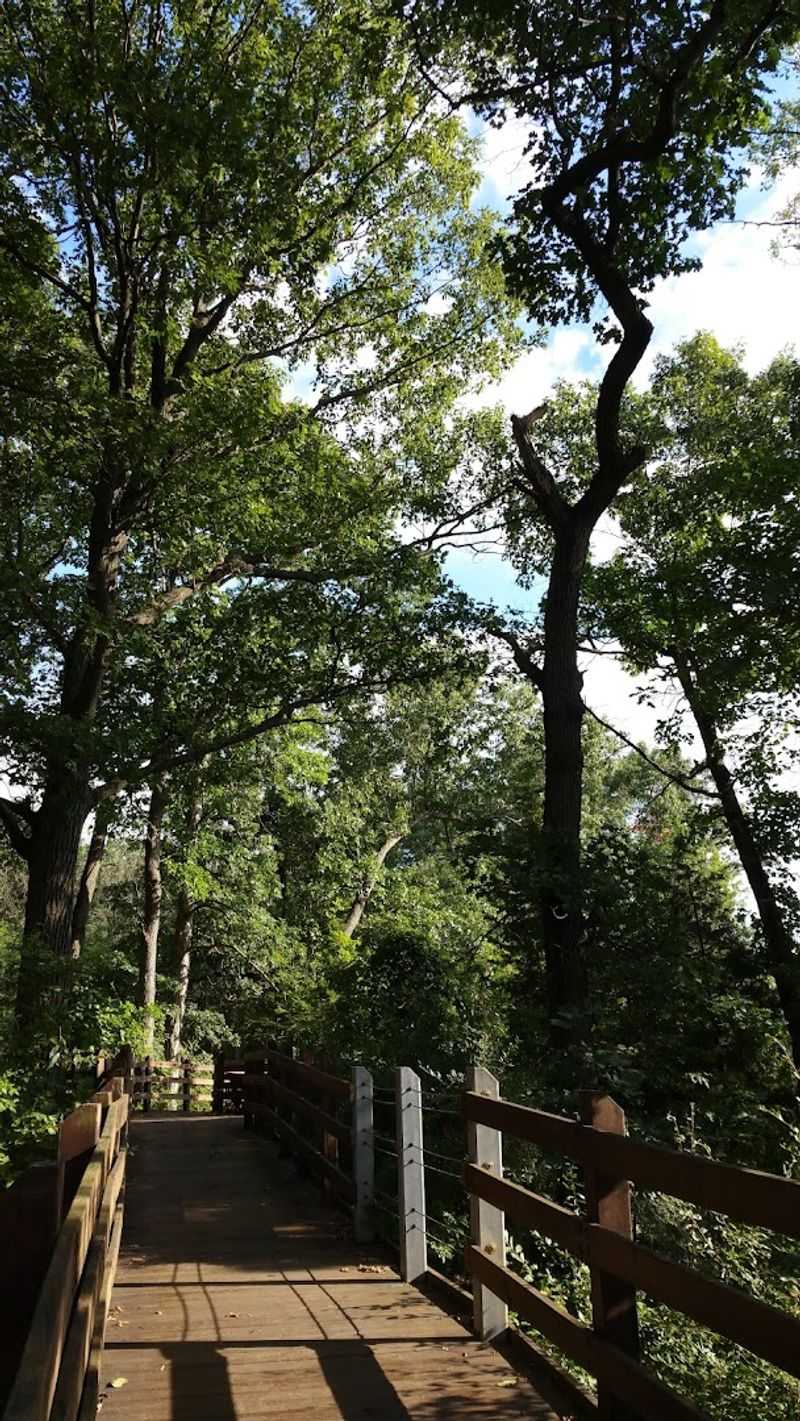
The Indiana Department of Natural Resources does not just manage Pisgah Marsh from a distance. They actively bring it to life through guided hikes and educational events offered throughout the year.
These programs are designed for all ages and experience levels, making the marsh accessible even to visitors who have never spent time in a wetland environment before.
Guided hikes are particularly valuable because they connect what you are seeing to the larger ecological story of the marsh. A naturalist can point out a fen seep that looks like an ordinary wet patch of ground and explain why it took thousands of years to form and why it cannot be replaced once disturbed.
That kind of context transforms a pleasant walk into something genuinely educational and memorable.
Events often focus on seasonal wildlife activity, so programming shifts with the calendar. Spring migration hikes focus on returning bird species, while fall events might highlight the movement of waterfowl or the late-season activity of reptiles preparing for winter.
Checking the Indiana DNR website before your visit is the best way to find upcoming programs and confirm scheduling. Because the marsh has no set hours and charges no admission, there is very little barrier to participation.
Whether you show up for a scheduled program or simply explore on your own, the experience costs nothing and offers far more than most paid attractions in the region. That accessibility is part of what makes Pisgah Marsh so worth knowing about.
Do Not Overlook The Free Access Advantage
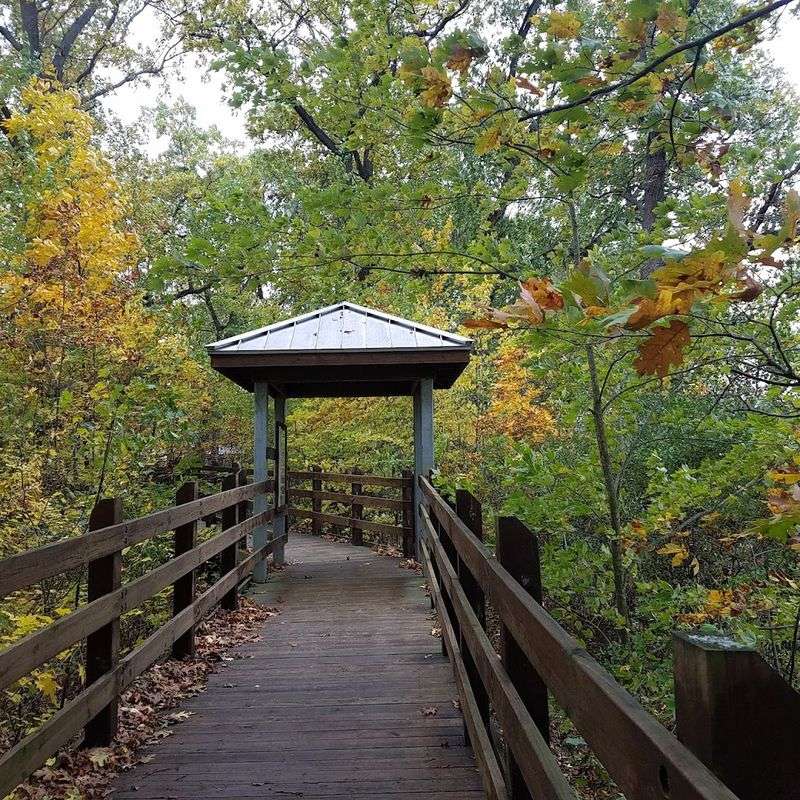
Free admission to a natural area this significant is not something you should take for granted. Pisgah Marsh has no entry fee, no parking charge, and no reservation system standing between you and one of Indiana’s most ecologically important landscapes.
That open-door approach reflects the Indiana DNR’s commitment to keeping public natural areas genuinely accessible to everyone.
The marsh operates without set hours, which means early morning arrivals are entirely possible. Birders who want to be on the boardwalk at first light, when marsh activity is highest and the light is best for photography, can do exactly that without working around a gate schedule.
The flexibility makes repeat visits easy, and this is the kind of place that rewards coming back in different seasons.
Portable restrooms are available on the property, which is a practical detail worth knowing before you plan a longer visit.
Fishing and hunting are permitted in designated areas, so during active hunting seasons, birdwatchers and wildlife observers should wear visible colors and stay aware of their surroundings.
The marsh sits near North Webster in Kosciusko County, approximately nine miles north of Larwill and west of State Road 5, making it reachable from several surrounding communities without a complicated drive.
What you find when you arrive, including rare birds, ancient habitats, and genuine quiet, is the kind of payoff that usually comes with a significant price tag somewhere else.
At Pisgah Marsh, it is simply there waiting for you.
