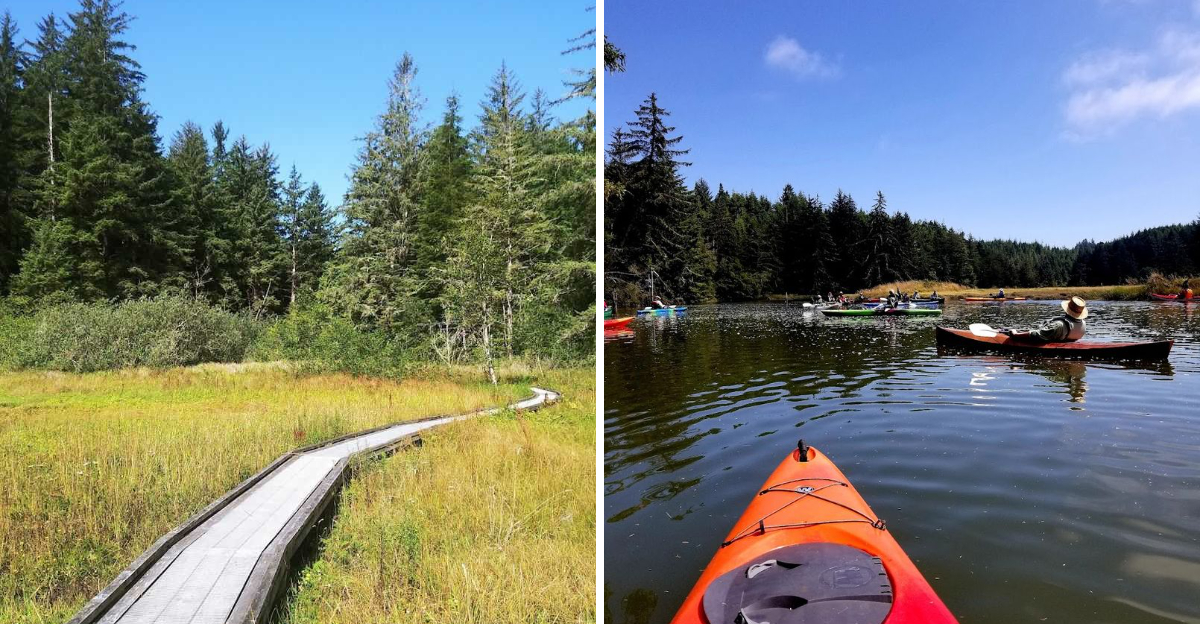
Most people zoom right past this hidden Oregon Coast reserve, and honestly, they’re missing out big time. I almost did the same – until I slowed down and discovered a world that feels completely untouched.
Peaceful trails wind through mossy forests, with the kind of quiet that makes your phone feel like a bad idea. Wildlife pops up everywhere: deer tiptoe by, birds flit overhead, and I may have spied a fox giving me the side-eye like, “You belong here?”.
Every bend in the trail feels like a tiny secret reveal, rewarding curious explorers with views that make you want to sigh out loud. Locals know, of course, but I felt like I’d stumbled into a secret club – and I wasn’t giving up my membership anytime soon.
By the end of my stroll, I was grinning, breathing deeply, and already plotting a stealthy return to this little coastal paradise.
A Reserve That Feels Like a Well-Kept Secret
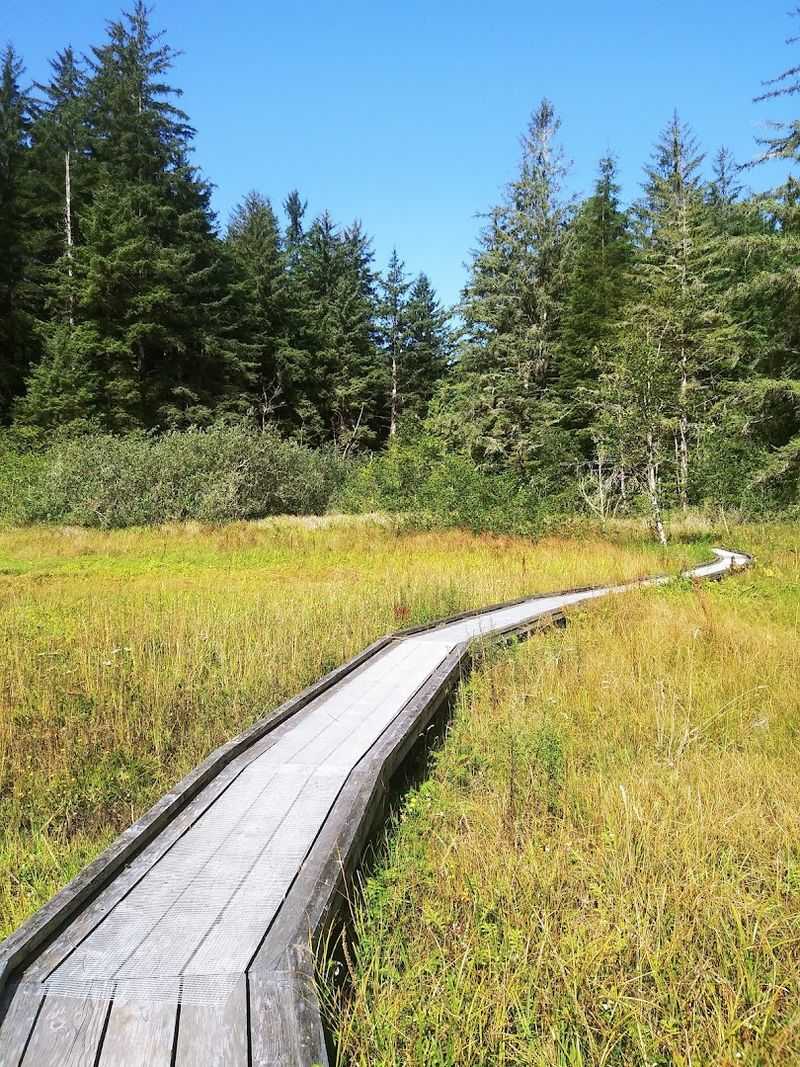
Most people have never even heard of South Slough, and somehow that makes it even better. Sitting just outside Charleston, Oregon, this reserve is the first national estuarine research reserve in the entire country.
That is a big deal, though you would never know it from the quiet entrance off Seven Devils Road.
The reserve covers 4,700 acres of tidal wetlands, open water, and dense coastal forest. It is managed jointly by Oregon and the National Oceanic and Atmospheric Administration.
Scientists actually study the ecosystem here, which means the land is protected and taken seriously.
Visitors get to walk right through an active research landscape. That alone makes the experience feel layered and meaningful.
You are not just hiking, you are moving through a place that matters to science and conservation. The reserve has been operating since 1974, and it shows in how carefully everything is maintained and preserved for future generations.
The Visitor Center Is Worth Your First Stop
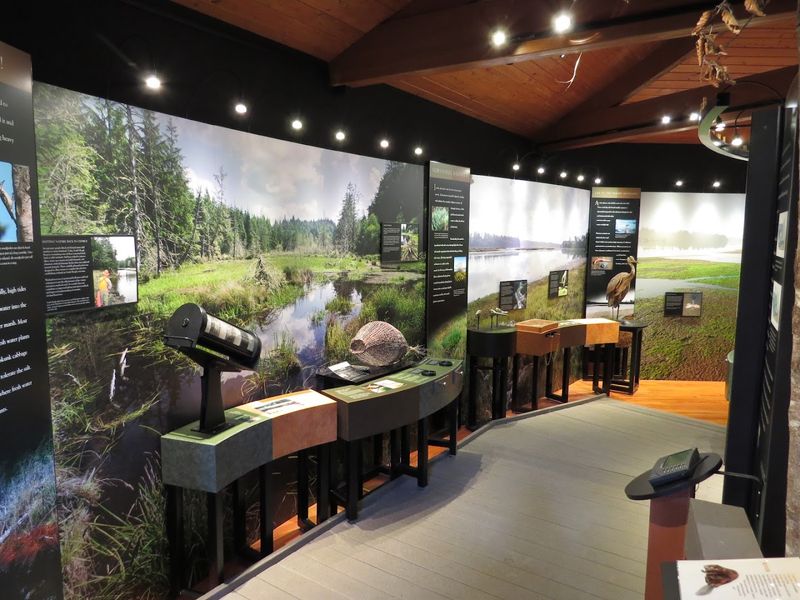
Walking into the interpretive center feels like getting a cheat code for the whole reserve. The staff is genuinely knowledgeable and happy to talk through trail options with you.
Free maps are available right at the front, and grabbing one makes a real difference once you are out on the trails.
The exhibits inside explain how estuaries work, what lives in the tidal zones, and why this particular slough is so ecologically valuable. It is educational without being dry or boring.
Kids seem to light up around the displays, especially anything involving the local birds and fish.
The center is open Tuesday through Saturday, from 10 AM to 4 PM. Plan your arrival accordingly, especially if you want to pick up a map or ask about current trail conditions.
Guided programs and occasional paddle tours are offered here too, making it a smart first stop before heading out into the reserve itself.
Trails That Change With Every Step
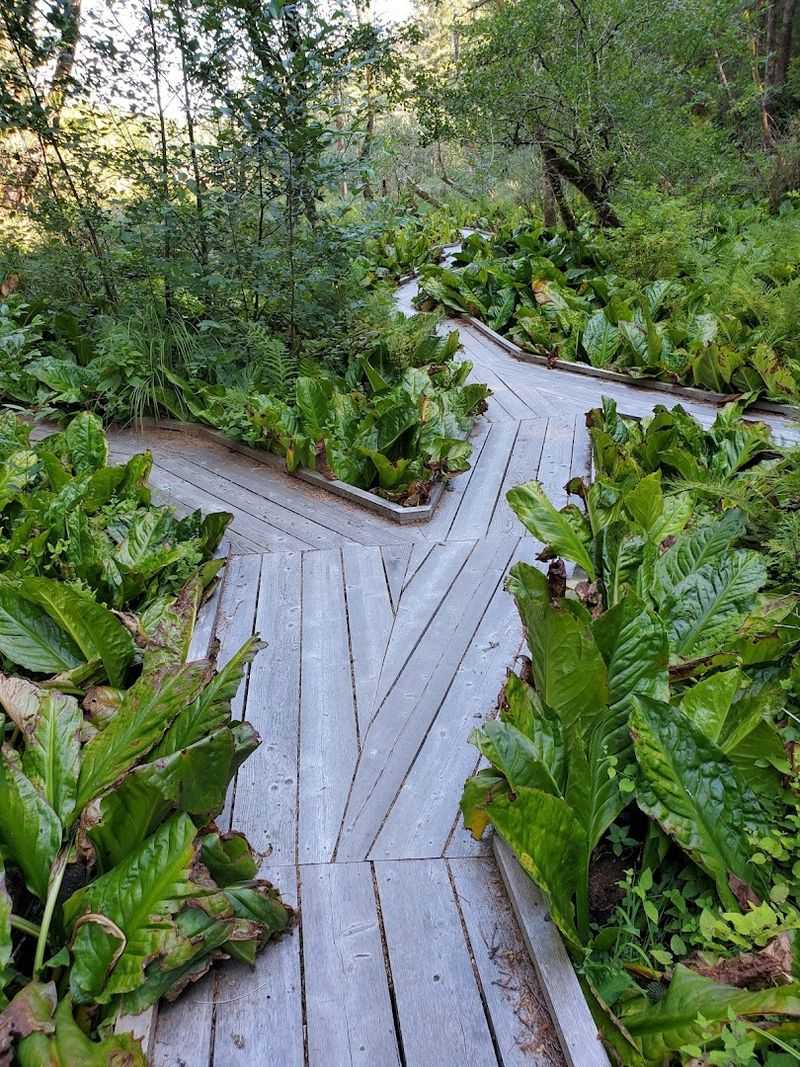
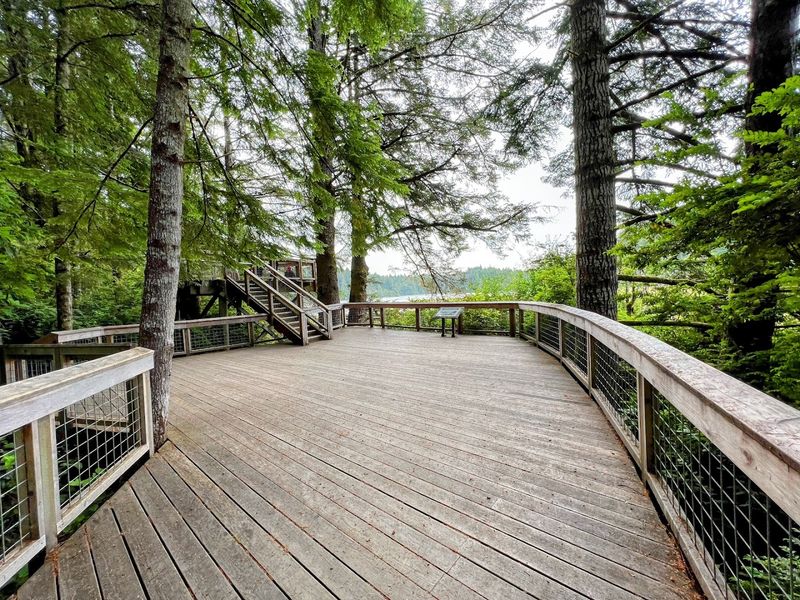
The trail system here is genuinely impressive. You move through old-growth forest one minute, then cross a wooden boardwalk over tidal marsh the next.
The landscape keeps shifting, and that variety makes even a short hike feel like a full experience.
Bridges are numbered along the routes, which makes navigation surprisingly easy. I kept checking my map at each bridge, feeling oddly proud of knowing exactly where I was.
The trails are well-marked and easy to follow, even for first-time visitors.
The surface changes too. Some sections are packed dirt, others are wooden planks installed over soggy ground.
Someone mentioned that the wooden walkways can get slippery in cold mist, so wearing shoes with solid grip is a smart call. The main loop runs about three miles and is manageable for most fitness levels.
A parent even completed it with a nine-year-old and reported no trouble at all, which says a lot about the trail design.
Wildlife That Actually Shows Up
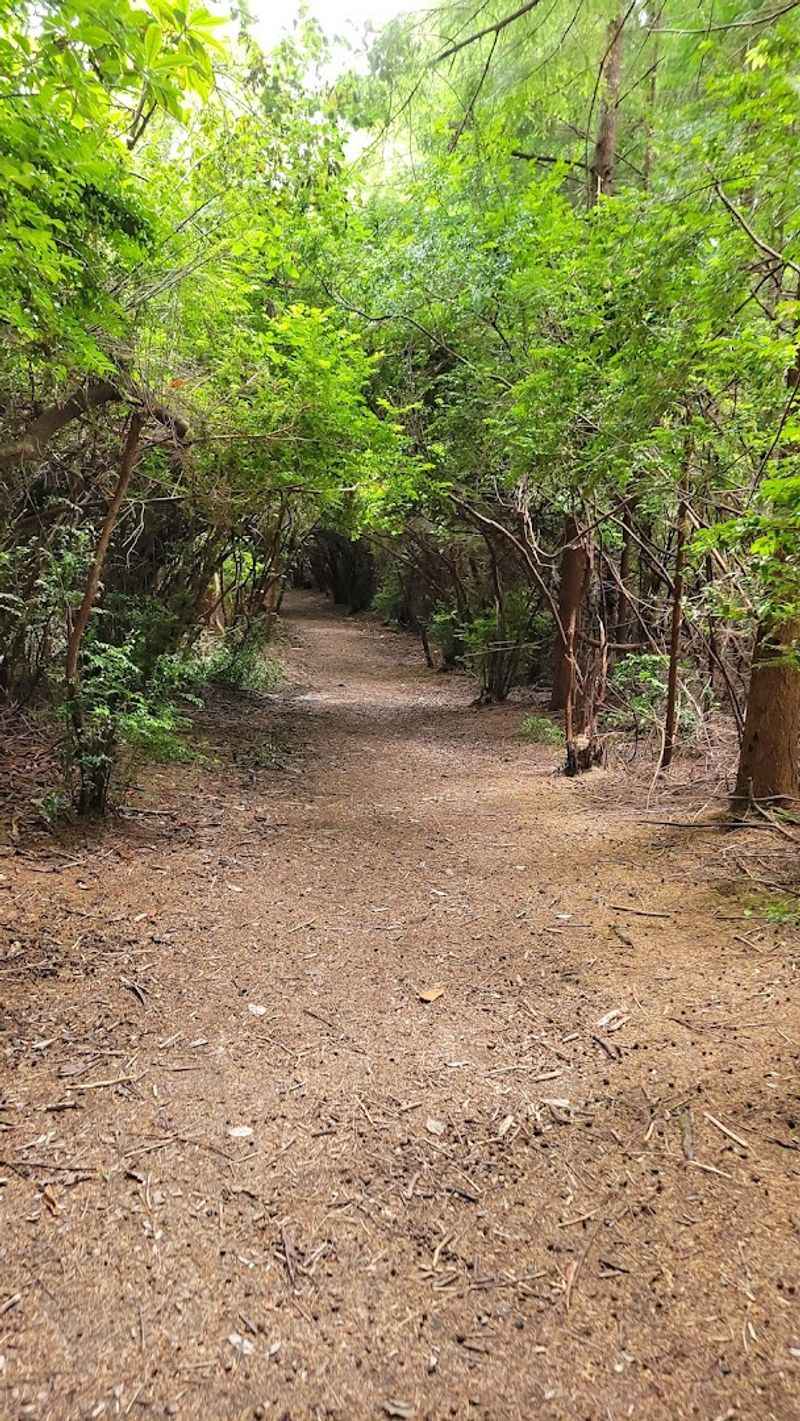
The wildlife here does not hide. Great blue herons stand in the shallows like they own the place.
Bald eagles pass overhead with a slow, deliberate confidence that makes you stop mid-step just to watch.
River otters have been spotted along the tidal channels, and harbor seals occasionally drift in with the tide. The estuary acts as a nursery for juvenile fish, which draws a whole food chain of predators into view.
Birding here is especially rewarding during migration seasons in spring and fall.
Interpretive signs along the trails name specific animals and plants found in each zone. That level of detail helps you actually notice things you might otherwise walk right past.
I spotted a great egret standing completely still in the reeds, and I only recognized it because of a nearby sign. The reserve has a way of teaching you to slow down and look more carefully at the world around you.
The Estuary Ecosystem Up Close
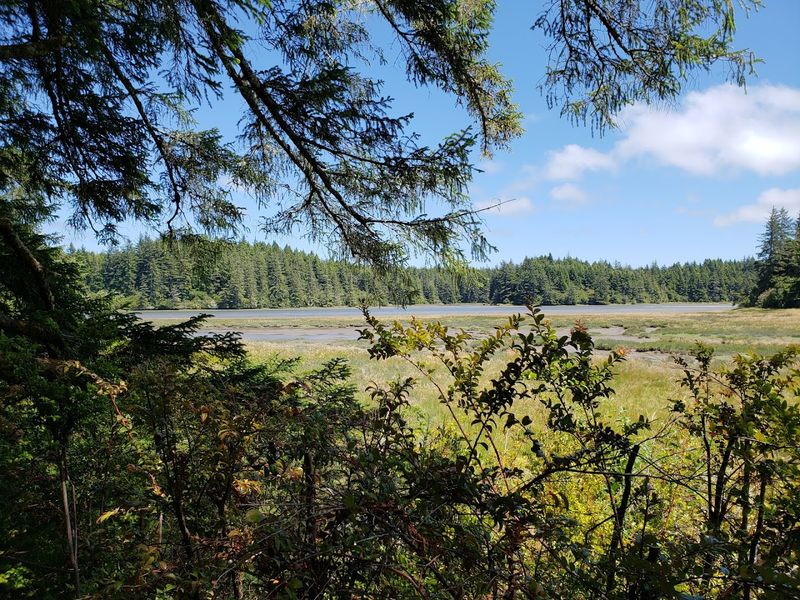
An estuary is where fresh water meets salt water, and South Slough does it beautifully. The tidal channels shift with every cycle, reshaping the mud flats and moving nutrients through the system.
It looks different at high tide than it does at low tide, almost like two separate places.
The mudflats might not sound exciting, but they are packed with life. Clams, crabs, worms, and tiny invertebrates live just beneath the surface.
Shorebirds probe the mud with their beaks, pulling out meals with practiced efficiency.
The reserve protects the full range of estuary habitat, from open water to salt marsh to upland forest. That completeness is rare.
Most coastal wetlands have been developed or degraded, so having a place like this intact is genuinely unusual. Walking the trails and watching the tide move in through the channels gives you a clear sense of how dynamic and alive an estuary really is.
It is one of those places that changes how you see coastlines forever.
Morning Mist and the Magic of Going Early
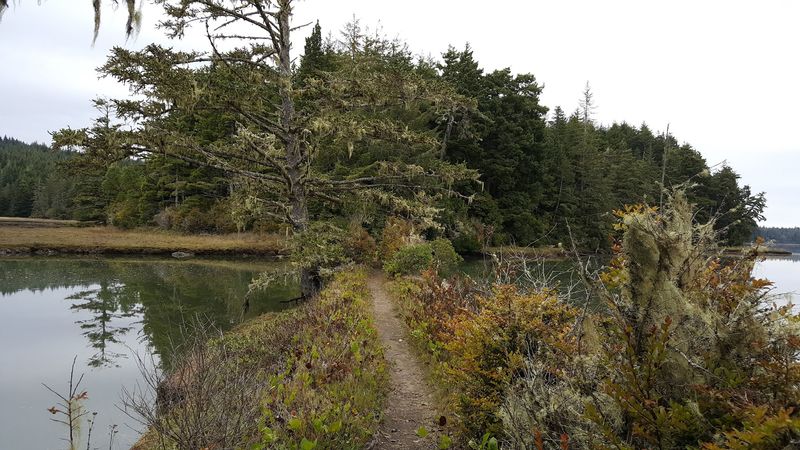
There is something completely different about this reserve in the early morning. The mist rises off the water and drifts into the tree line in slow, curling layers.
Everything feels quieter, softer, and a little bit mysterious.
One visitor mentioned that hiking here in the morning mist is one of the best ways to experience the reserve. The light filters through the canopy at low angles, landing on the water in bright, moving patches.
It is the kind of scene that makes you reach for a camera before you even realize you are doing it.
Morning visits also tend to mean fewer people on the trails. The reserve is peaceful by nature, but early hours push that quietness even further.
Wildlife is more active too, especially birds, which are loudest and most visible right after dawn. If you can manage an early start, the drive down Seven Devils Road at sunrise is a mood all on its own.
Go before the day gets busy.
Kayaking and Paddling the Slough
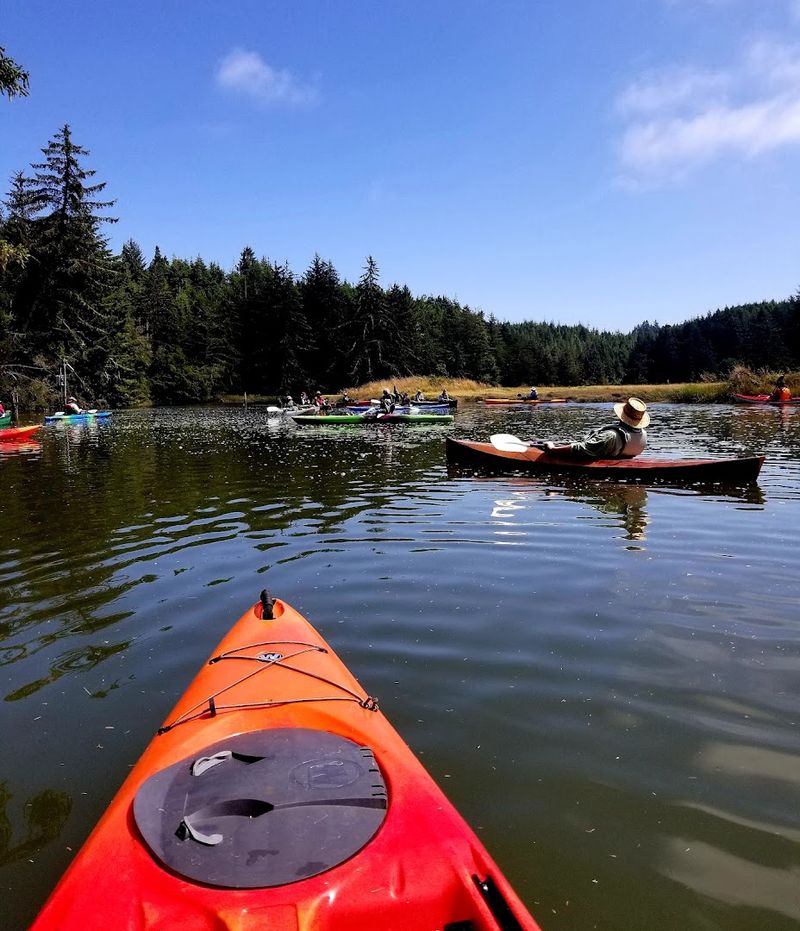
Seeing the reserve from the water is a completely different experience. The tidal channels open up in ways the trails cannot reach, and the perspective shifts entirely when you are sitting low in a kayak.
The water is calm in most conditions, making it accessible for paddlers of varying skill levels.
Guided paddle tours have been offered through the reserve’s education programs. These tours provide context that makes the paddle richer, since knowing what you are floating through changes how you experience it.
The estuary feels enormous from a kayak, with marsh grass rising on both sides and birds flushing ahead of you.
Timing matters with paddling here. Tidal cycles affect water depth in the channels, so checking conditions before you launch is important.
The interpretive center staff can point you toward the best launch windows. Bringing your own kayak or canoe is an option, and the scenery makes every bit of effort worthwhile.
Paddling through South Slough at high tide is one of those experiences that sticks with you for a long time after.
A Family-Friendly Destination With Real Depth
Bringing kids here is a genuinely good idea. The trails are wide enough for small legs, and the interpretive signs give children something to read and react to along the way.
One visitor carried an 18-month-old in a backpack carrier and completed the trail without any issues.
The combination of forest, water, and wildlife keeps younger visitors engaged in a way that a plain forest hike sometimes does not. There is always something to spot, something to point at, or a new sound to track down.
The wooden boardwalks feel adventurous to kids, especially when the water is visible below the planks.
The visitor center also has activities and educational materials aimed at younger audiences. Staff members are patient and welcoming with families.
Restrooms are available on-site, which matters more than it sounds when you are traveling with children. The reserve does not have a gift shop full of distractions, just a small, thoughtful selection of nature-related items that feel appropriate for the setting.
Programs, Classes, and Guided Learning
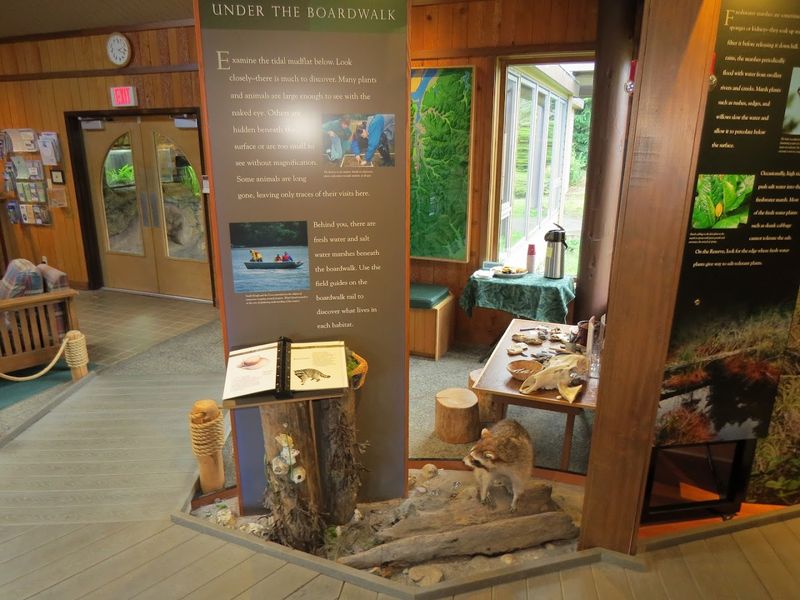
South Slough is not just a place to walk through. It runs actual educational programs that go deep into the ecology of the reserve.
Mushroom identification classes, guided paddles, and seasonal programs have all been offered here over the years.
These programs are run by knowledgeable staff who clearly care about the place. Participants come away with a much richer understanding of the estuary than they would get from a solo hike.
The guided paddle experience in particular gets consistently enthusiastic feedback from visitors who have taken part.
Checking the reserve’s website or calling ahead is the best way to find out what programs are currently available. The reserve website is listed through Oregon DSL, and the phone number is 541-888-5558.
Programs tend to book up during peak season, so planning ahead helps. Even if a guided program is not available during your visit, the interpretive center alone offers enough context to make any hike feel more intentional and connected to the landscape around you.
Getting There and Making the Most of Your Visit
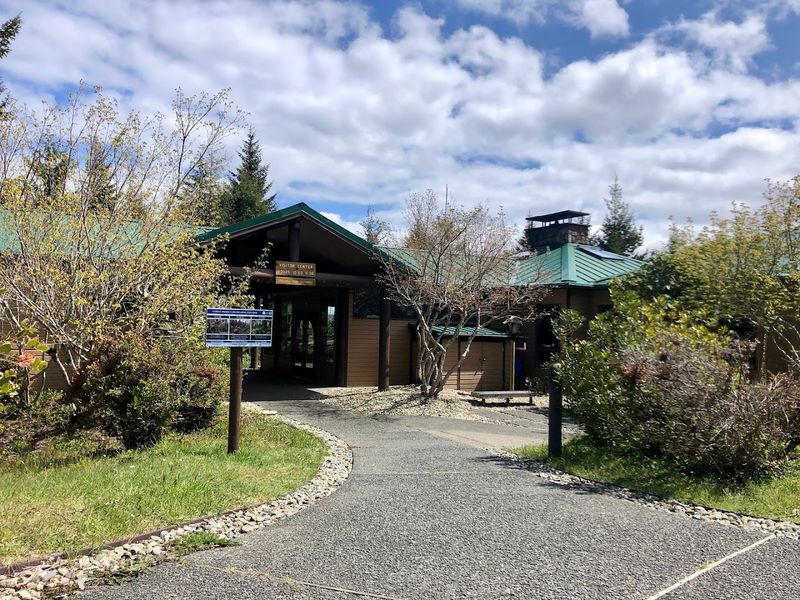
The reserve sits at 61907 Seven Devils Road in Charleston, Oregon. That address sounds remote, and it kind of is, but the drive is easy and the road is well-marked.
Charleston is a small fishing community just a few miles from Coos Bay, making it a natural base for exploring this part of the coast.
Parking is limited but generally manageable on weekdays. Construction near the entrance was noted recently by a visitor, but staff confirmed it will wrap up by late May with more parking available afterward.
Arriving mid-afternoon on a Friday was described as peaceful and uncrowded, which gives a sense of the overall vibe.
The reserve is closed on Sundays and Mondays, with hours running from 10 AM to 4 PM Tuesday through Saturday. Trails may be accessible outside of those hours, but the visitor center will not be staffed.
Bringing water, wearing layered clothing, and packing a light rain jacket are all smart moves on the Oregon coast. This place rewards a little preparation.
Address: 61907 Seven Devils Rd, Charleston, OR 97420
Dear Reader: This page may contain affiliate links which may earn a commission if you click through and make a purchase. Our independent journalism is not influenced by any advertiser or commercial initiative unless it is clearly marked as sponsored content. As travel products change, please be sure to reconfirm all details and stay up to date with current events to ensure a safe and successful trip.
