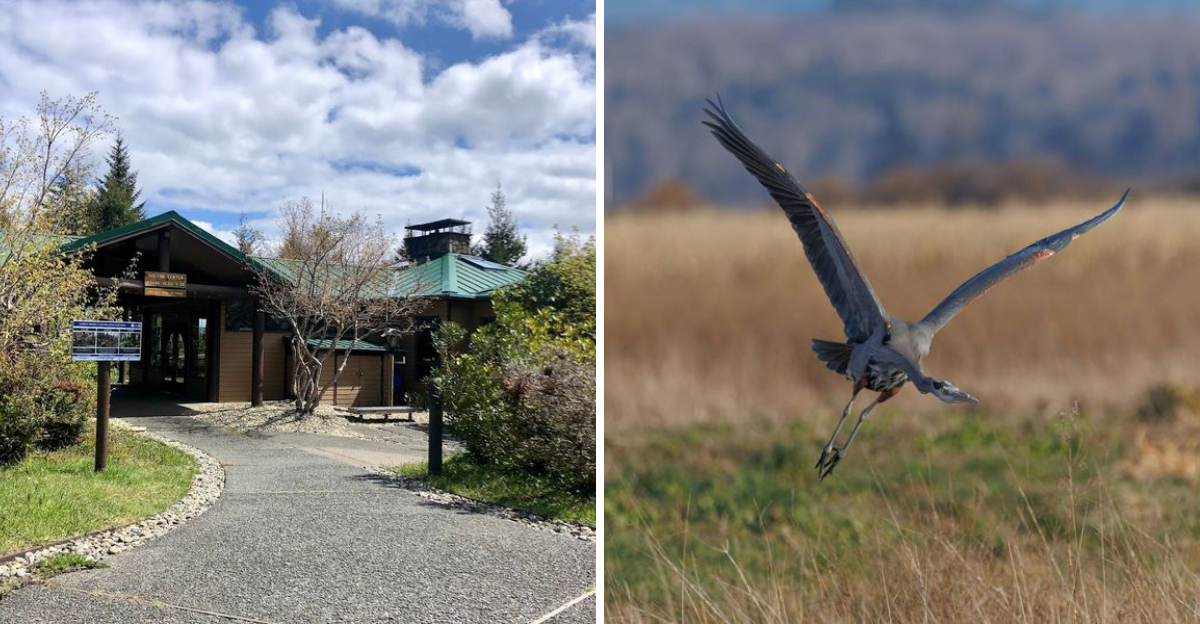
This Oregon coast reserve hides in plain sight, the kind of place you don’t notice until you’re already past it. I turn in and the road quickly drops the noise of everything behind me.
The landscape opens into quiet stretches of protected coastline where everything feels intentionally left alone. Trails weave through low vegetation and open views, shifting between forest edges and raw shoreline.
Nothing here feels staged or highlighted. It’s subtle, almost understated, but that’s exactly what makes it stand out once you slow down.
The longer you stay, the more it feels like you accidentally stepped into a part of the coast that never learned how to advertise itself.
What South Slough Reserve Actually Is
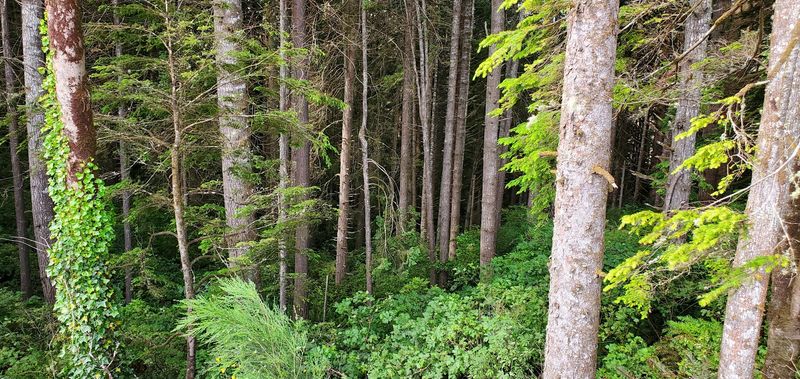
Most people assume it is just a lake or a nature walk. South Slough Reserve is actually the first designated National Estuarine Research Reserve in the United States.
That happened back in 1974. It covers nearly 6,000 acres of tidal wetlands, forests, and open water.
An estuary is where freshwater rivers meet the salty ocean. That mix creates one of the richest ecosystems on earth.
South Slough sits inside Coos Bay, Oregon’s largest estuary. The reserve protects a living, breathing system of habitats.
Researchers, students, and educators use it actively. It is not a museum or a preserved snapshot.
The land is working, changing, and studied year-round. Visiting feels less like sightseeing and more like stepping into an ongoing story.
The reserve is managed jointly by the state of Oregon and the National Oceanic and Atmospheric Administration. That partnership keeps the science and the public access running smoothly together.
It is a real place doing real work.
The Visitor Center Is Worth the Stop Alone
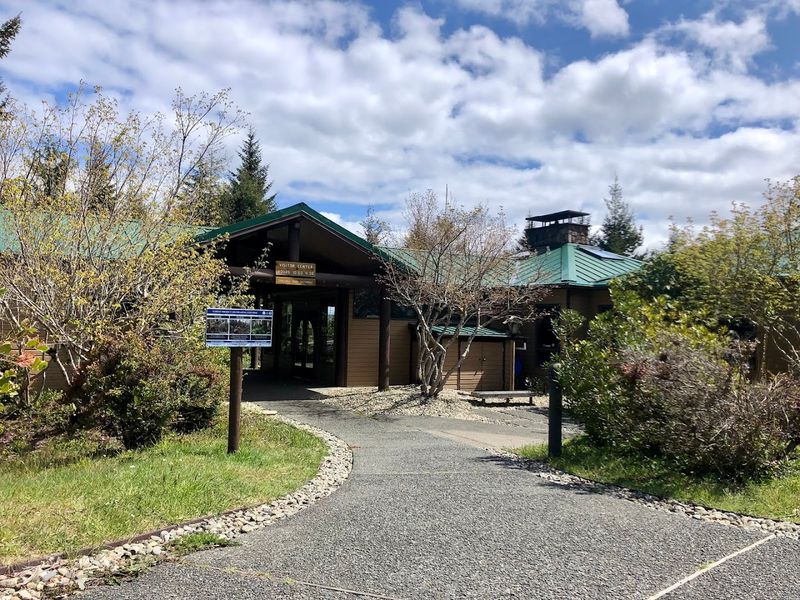
Pulling up to the visitor center, I expected a small room with a few laminated maps. What I found was something genuinely thoughtful.
The building is clean, calm, and full of well-designed exhibits about the estuary ecosystem.
Staff members are knowledgeable and actually seem glad you showed up. They can point you toward the right trail for your fitness level.
They also explain what you are likely to see on any given day. That kind of personal guidance matters in a place this layered.
The meeting room inside is available for community events. The center hosts educational programs for school groups regularly.
There are hands-on displays that make the science accessible and interesting. Even kids who are not naturally drawn to nature tend to get pulled in.
Picking up a trail map here before heading out makes a real difference. The exhibits give context that transforms a nice walk into something you actually understand.
Do not skip this stop.
Hiking the Trails Through Old Forest
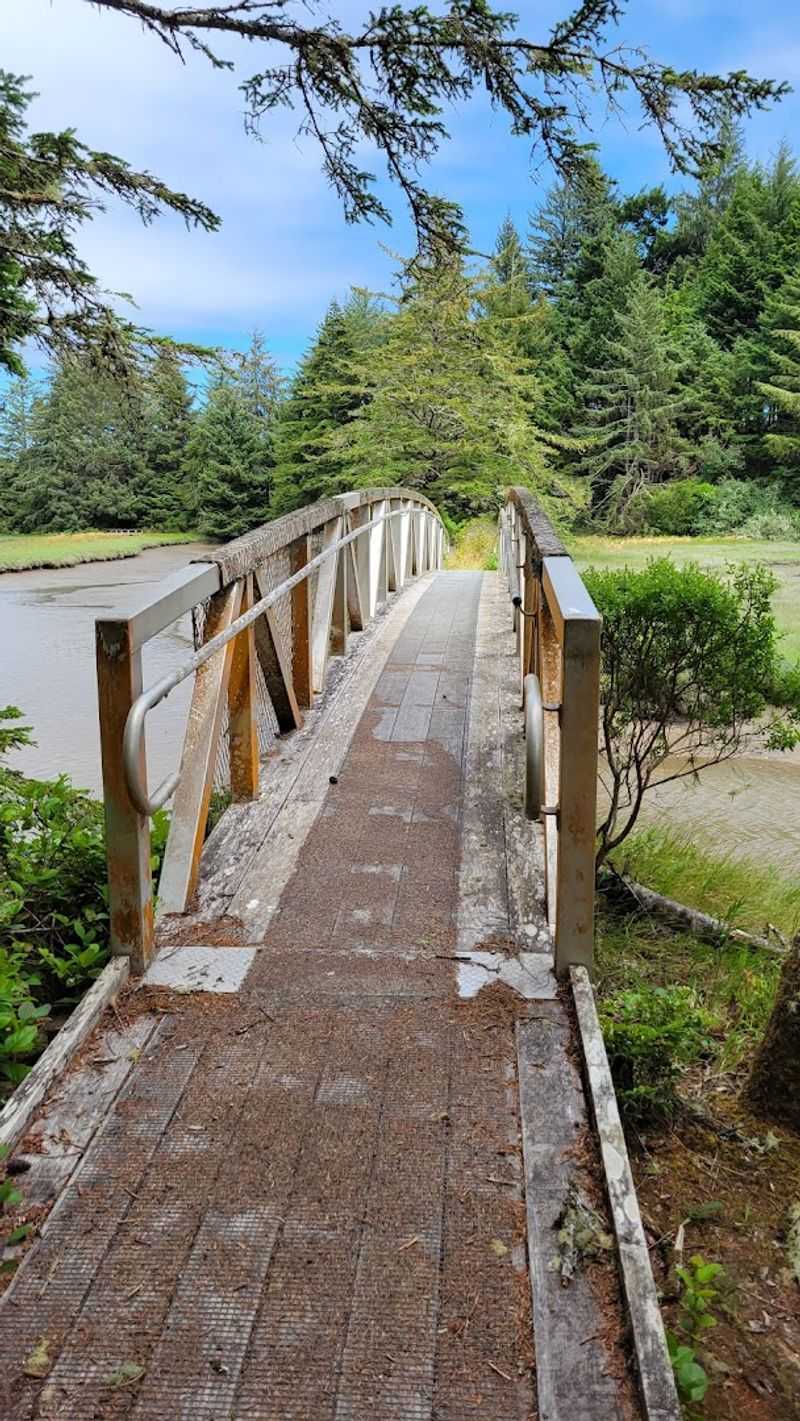
The trail system here covers miles of varied terrain. Some paths cut through dense, mossy old-growth forest where the light barely reaches the ground.
Others open onto elevated ridgelines with sweeping views of the slough below.
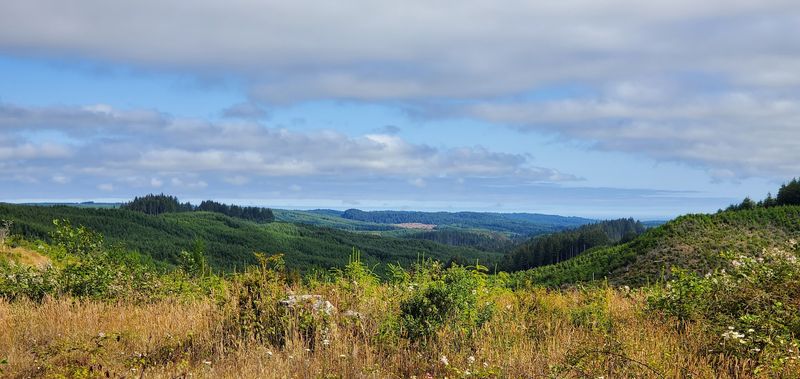
Taking Beaver Hill Road up to the reserve rewards you with views the whole way up. The elevation change is gradual but noticeable.
At the top, the landscape opens and the scale of the estuary becomes real. It is the kind of view that makes you stop walking and just look.
Trails range from easy flat walks to steeper forested climbs. Comfortable shoes with grip are a smart call.
The ground stays wet much of the year. Mud is not a rare surprise here.
Mornings tend to be quieter on the trails. Wildlife sightings increase when foot traffic is low.
Herons, osprey, and river otters have all been spotted along the water-adjacent paths. Going slow and staying quiet pays off more than rushing through.
The Tidal Channels Up Close
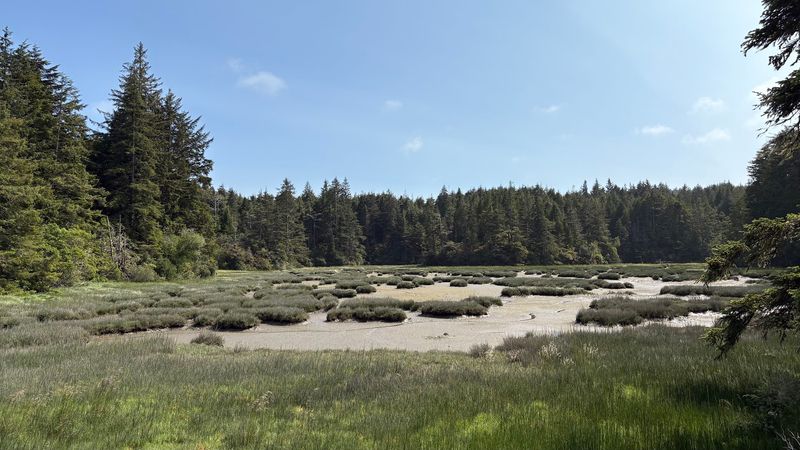
Standing at the edge of a tidal channel at South Slough feels oddly meditative. The water moves slowly but with purpose.
Mudflats stretch out at low tide, covered in the tracks of shorebirds and small mammals.
These channels are not just scenic. They are highways for juvenile salmon, Dungeness crab, and dozens of other species.
The mixing of fresh and salt water creates nutrient-rich conditions. That richness supports life at every level of the food chain.
Watching the tide come in is a genuinely absorbing experience. The water creeps across mud and grass in a way that seems almost gentle.
But within an hour, what was dry is fully submerged. Timing a visit around tidal shifts changes what you see completely.
Checking a tide chart before you go adds a whole new layer to the experience. Low tide reveals the most life.
High tide makes the channels look like quiet rivers. Both versions of the slough are worth seeing.
Birds That Call This Place Home
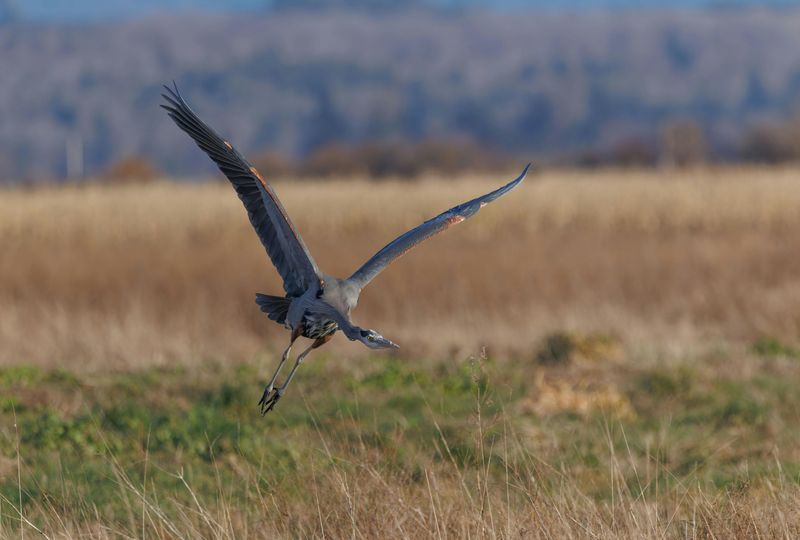
Birdwatching at South Slough is not a niche activity here. It is practically unavoidable.
The reserve sits along the Pacific Flyway, a major migration route for birds traveling up and down the West Coast. That means the sky and the water are almost always active.
Great blue herons are a constant presence. They stand motionless in the shallows like statues, then strike with startling speed.
Osprey circle overhead and dive into the channels with precision. Bald eagles have been spotted perched in the tallest trees along the ridgeline.
Shorebirds flood the mudflats during low tide. Sandpipers, dunlins, and yellowlegs pick through the exposed sediment methodically.
Migratory waterfowl appear in large numbers during fall and spring. Bringing binoculars transforms the experience from pleasant to spectacular.
The reserve does not require you to be an expert birder to enjoy it. Even casual visitors walk away amazed by how much activity unfolds in a single morning along the water.
Volunteering Opportunities That Go Beyond the Usual
South Slough is one of those rare places where showing up to help actually feels meaningful. The reserve runs active volunteer programs throughout the year.
Tasks include habitat restoration, native plant work, and trail maintenance.
Getting involved connects you to the land in a way that a single hike cannot. You learn why certain plants matter.
You understand which areas are recovering and which still need attention. That context makes every future visit richer.
The staff who lead volunteer events are experienced and genuinely welcoming. New volunteers are not thrown in without guidance.
There is always an explanation of what you are doing and why it matters. Groups and solo visitors both participate regularly.
Schools bring students for educational volunteer days. Families show up on weekends to contribute something real.
The reserve actively encourages community involvement as part of its mission. If you want a reason to return, signing up for a volunteer event is one of the best ones.
It turns a visit into a relationship with the place.
The Research Side of the Reserve
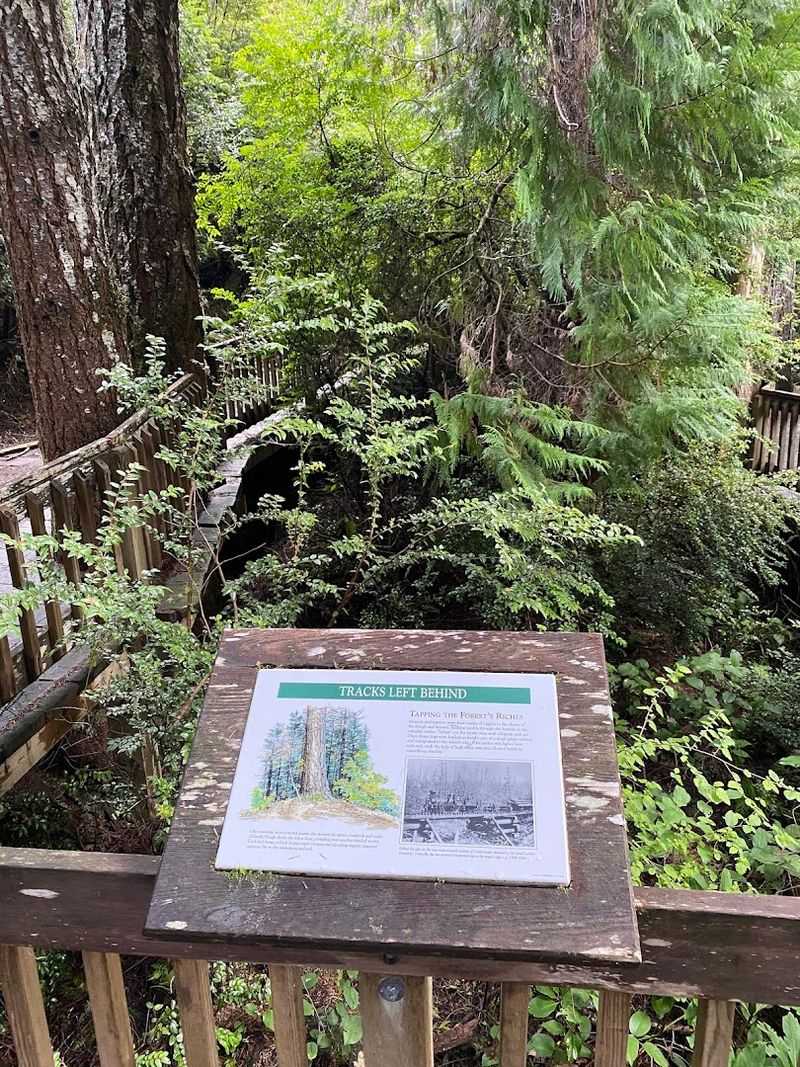
South Slough is not just a park. It functions as an active research station.
Scientists study water quality, species populations, climate impacts, and habitat recovery here on a regular basis. The reserve feeds data into national research networks.
Being the first designated National Estuarine Research Reserve in the country gave South Slough a head start. Decades of consistent data collection make it a valuable long-term study site.
Researchers can track changes over time in ways that shorter studies cannot.
Visitors occasionally see field researchers working along the water. Spotting someone in waders with sampling equipment is not unusual.
The reserve does not hide its scientific identity. That transparency makes the place feel alive with purpose.
Education programs connect the research to broader topics like ocean health and climate change. Even a short conversation with reserve staff reveals how much is being learned here.
South Slough is doing work that extends far beyond its 6,000 acres. The science happening here touches ecosystems up and down the Pacific coast.
What the Seasons Do to This Place
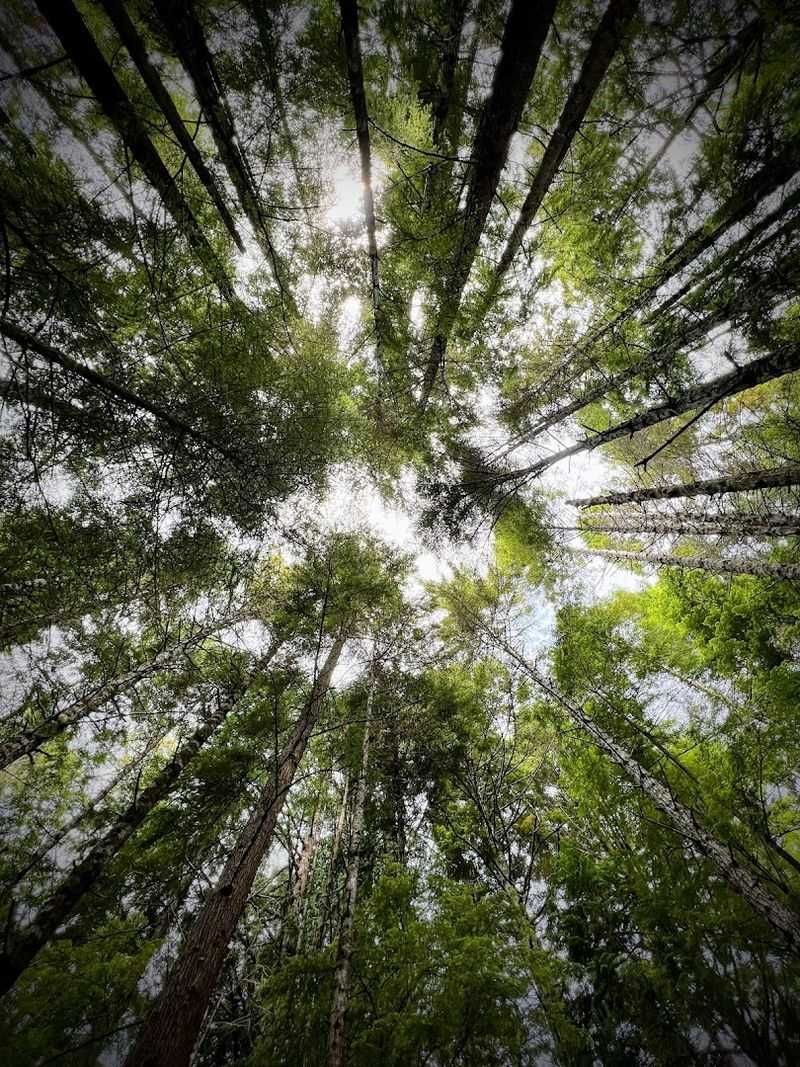
South Slough does not look the same twice. Each season reshapes the reserve in ways that are hard to predict without experiencing them yourself.
Fall brings migrating birds in large numbers. The marsh grasses shift from green to gold and rust.
Winter is quieter on the trails but dramatic in other ways. Storm light over the slough is something I did not expect to find beautiful.
The low clouds and mist give the landscape a moody, cinematic quality. Rain gear is essential but worth it.
Spring signals the return of nesting activity. Songbirds fill the forested sections with sound.
Wildflowers appear along trail edges and in open clearings. The whole reserve feels like it is waking up.
Summer brings longer daylight and calmer weather. Kayakers appear on the water.
Families spread out across the picnic areas near the visitor center. Each season gives a different reason to come back.
The reserve rewards repeat visits in a way that single-trip destinations rarely do.
Why This Reserve Deserves More Than a Glance
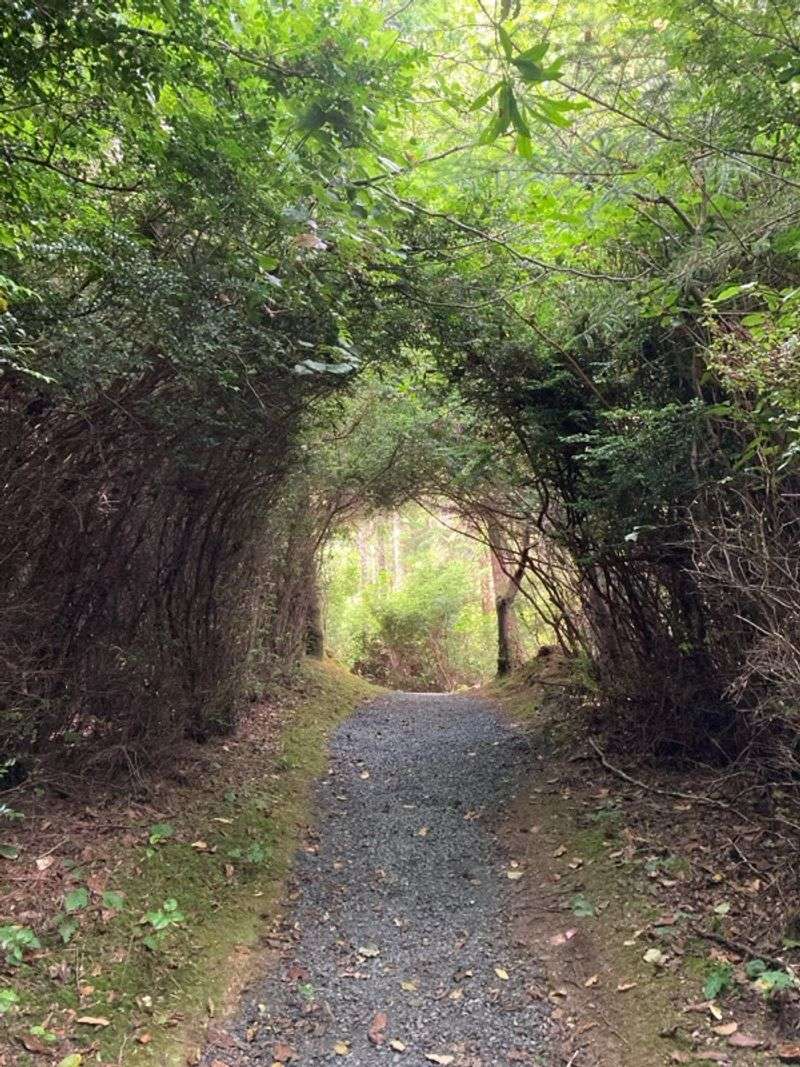
There is something powerful about a place that does not advertise itself loudly. South Slough has no gift shop selling branded mugs.
No crowded overlook with a line of people waiting for the same photo. It just exists, quietly and completely.
The combination of old forest, tidal water, active science, and genuine wildlife encounters is rare. Most places offer one or two of those things.
South Slough delivers all of them within a single visit. That depth is what keeps people coming back.
Visiting here reminded me that the best natural places are often the ones requiring a deliberate choice to stop. The highway runs right past it.
Most cars keep going. The ones that turn in find something genuinely worth the detour.
South Slough Reserve is the kind of place that changes how you see coastlines. It is not about the dramatic cliff or the crashing wave.
It is about the slow, layered, living system underneath all of that.
Dear Reader: This page may contain affiliate links which may earn a commission if you click through and make a purchase. Our independent journalism is not influenced by any advertiser or commercial initiative unless it is clearly marked as sponsored content. As travel products change, please be sure to reconfirm all details and stay up to date with current events to ensure a safe and successful trip.
