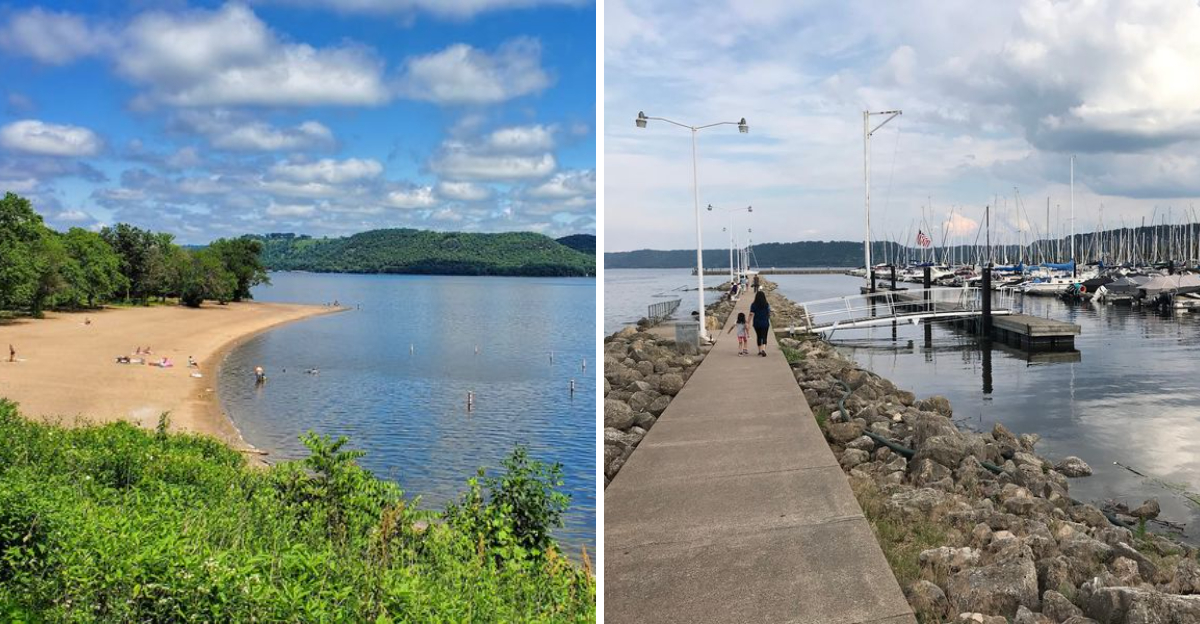
Blink and you might drive right past it. That’s the strange part. A village this charming should be impossible to miss, yet Minnesota somehow kept it off everyone’s radar for years.
Locals like it that way. They’ll tell you about the sunsets that turn the water into liquid gold, then quickly change the subject before giving away too much. There’s a hesitation in how they talk about it, like they’re protecting something fragile.
Walk along the shoreline and you’ll understand the secrecy instantly. Boats bob gently, cafes spill warm light onto the sidewalks, and nobody seems to be in a hurry. Minnesota has bigger, louder destinations, sure, but this one operates on its own quiet frequency.
Once you find it, you’ll understand why nobody wanted to share.
Lake Pepin, Where the Mississippi Stretches Out
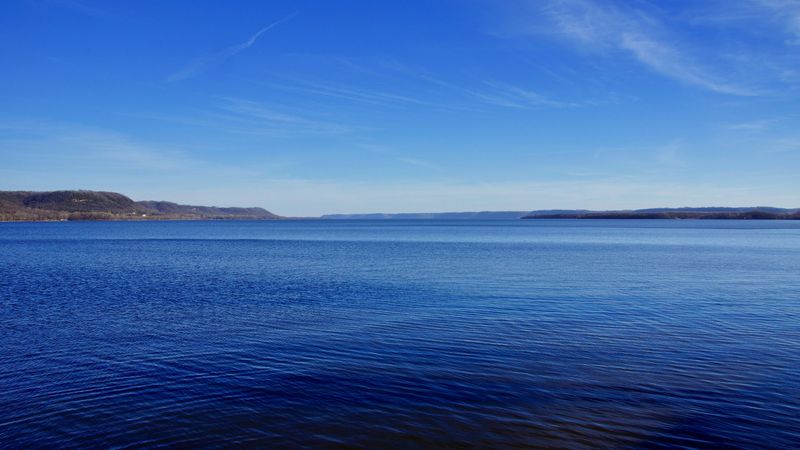
The first thing that caught me off guard was the sheer width of the water. Lake Pepin is not a separate lake at all, but a natural widening of the Mississippi River, and it stretches close to two miles across in spots.
Sand and silt carried in by the Chippewa River slowed the current long ago, and the Mississippi spread out into this long, glassy basin. Lake City sits right along its western shoulder.
On still mornings the surface turns the color of soft pewter, and the Wisconsin bluffs across the way look like they were cut with a knife. Boats drift instead of racing. Nobody seems in a hurry here.
Later in the day the light does something lovely, washing the water in copper while the shoreline slips into shadow. I stayed on a bench much longer than planned, watching pelicans loaf near the breakwater.
For a town of a bit over five thousand residents, the view feels almost oversized. Bring a jacket, because the breeze off Pepin has opinions even in July.
A Harbor Full of Masts and Slow Afternoons
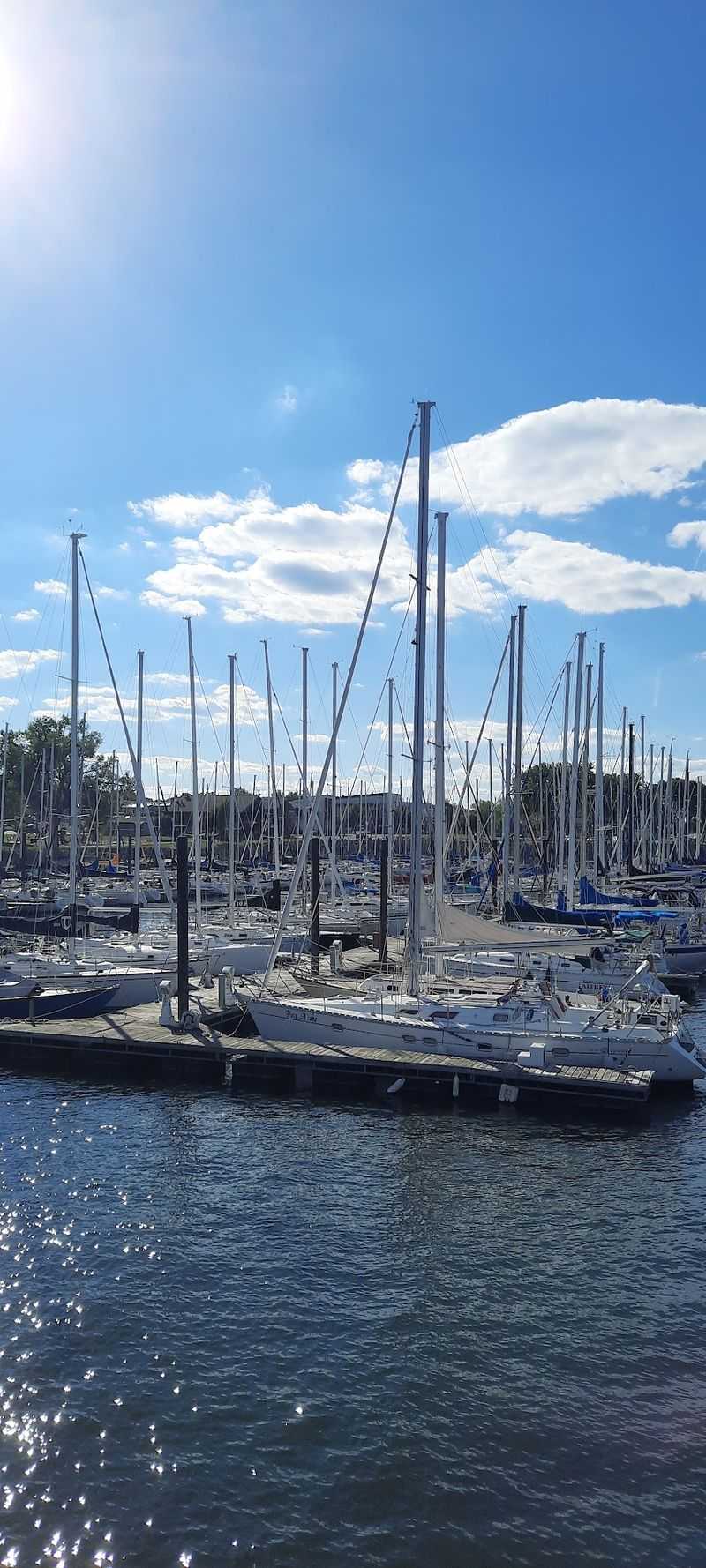
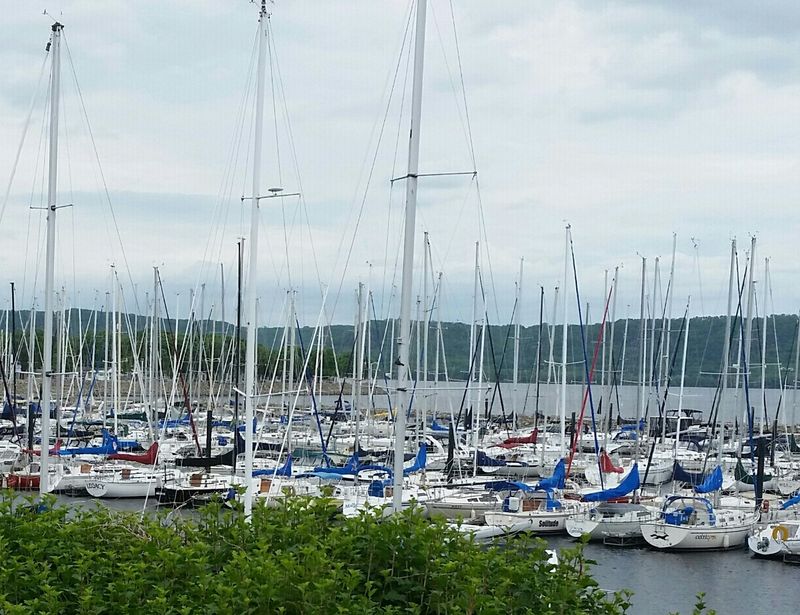
Masts. That was my first impression of the harbor, dozens and dozens of them ticking gently against a gray-blue sky.
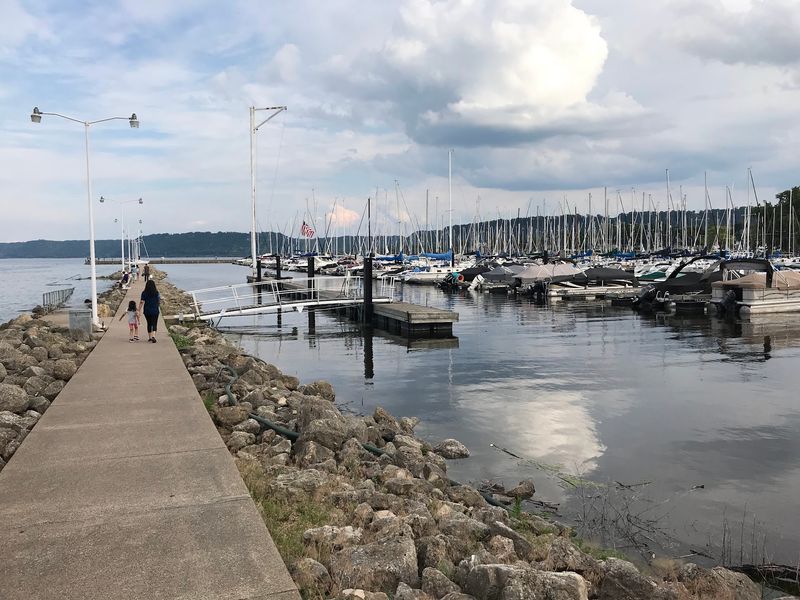
Lake City Marina ranks among the largest recreational marinas on the Mississippi River, with hundreds of slips tucked behind a long protective breakwater. Walking the docks is free entertainment.
Sailors rinse decks, kids dangle fishing lines off the edges, and gulls patrol like they hold the deed. The walkway along the water makes an easy stroll, maybe fifteen minutes end to end if you dawdle.
Because Pepin is wide, deep, and open to steady wind, sailing here is genuinely good, and boats arrive from across the Upper Midwest all summer. Charters and rentals operate out of the harbor area, so you do not need to own anything to get on the water.
Sunset from the marina point is the local ritual. Benches fill quietly, phones come out, and the sky handles the rest.
If you want the whole harbor at once, walk toward the spot where the seawall bends and look back at town.
Water Skiing Started on These Waves
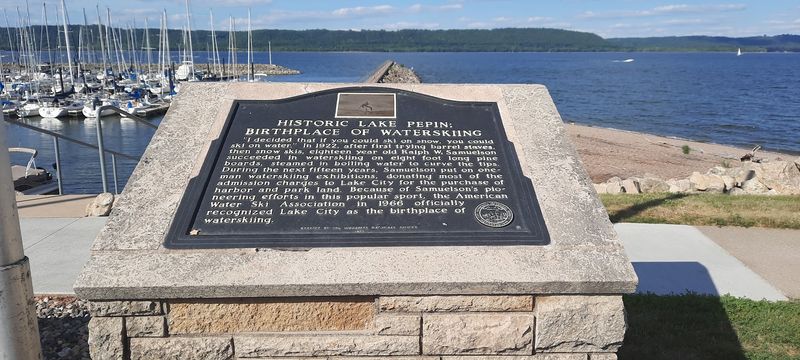
Here is a fact that made me grin: water skiing was invented on Lake Pepin. In the summer of 1922, an eighteen-year-old named Ralph Samuelson strapped on two pine boards and got himself pulled across the water off Lake City.
It took several days of soggy failures before he worked out leaning back and lifting the ski tips. Once he did, a whole sport existed.
Lake City has claimed the title Birthplace of Water Skiing ever since, and signage along the waterfront explains how it all happened near the marina area. What I like about the story is how ordinary it is. No lab, no funding, just a curious teenager, some lumber, and a very wide river.
On summer weekends skiers and wakeboarders still carve up the bay, which makes the history feel less like a plaque and more like something ongoing. If you have never tried it, this is arguably the most fitting water anywhere to fall in repeatedly. Ask around the harbor about lessons.
Hok-Si-La Park and Its Hushed Shoreline Woods
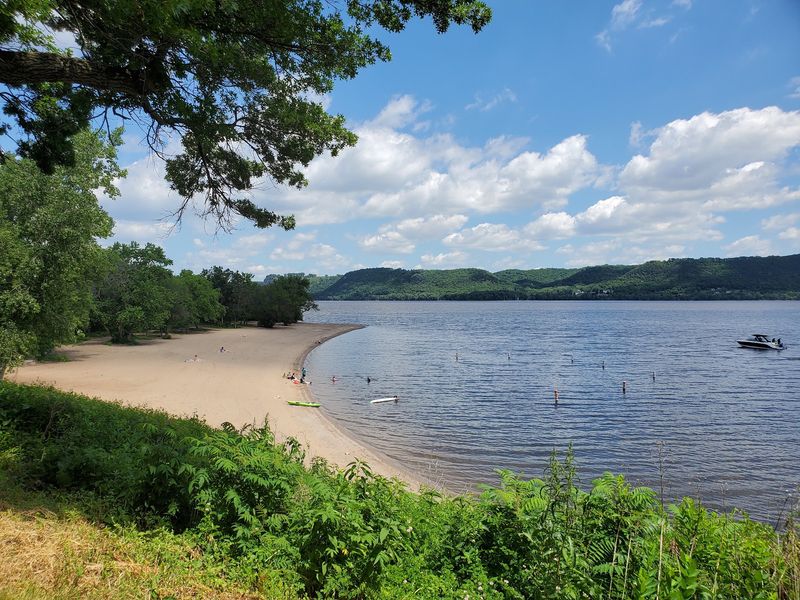
Shade, pine needles underfoot, and the sound of water filtering through trees. Hok-Si-La Park sits just north of downtown and feels a world removed from the highway.
Once a boys camp, the property kept its rustic bones, with old lodge buildings, a group hall, and campsites reachable only on foot. Cars stay near the entrance, so the campground remains remarkably quiet.
Trails wander through roughly two hundred and fifty acres of woods and shoreline, gentle enough for kids and grandparents alike. There is a swimming beach, a fishing pier, and picnic spots beneath tall trees.
I wandered down to the water late one afternoon and had the shore mostly to myself, aside from a heron that clearly disapproved. Driftwood stacks up along the sand, and the bluffs fade northward.
Tent campers love it here, especially anyone wanting river views without engine noise. Reserve ahead in peak summer, and pack layers for cool nights. The walk-in setup keeps things peaceful, which is precisely the point.
Sand, Swimming, and the Long Waterfront Path
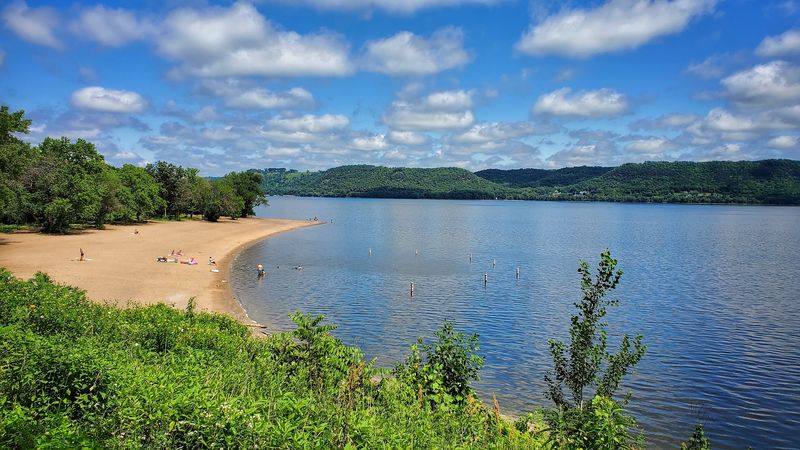
Sand on a Mississippi beach still strikes me as slightly improbable, yet there it is. Ohuta Beach curves along the town waterfront, a tidy crescent with shallow water that warms up nicely by midsummer.
Families spread towels, teenagers toss footballs, and the swimming area stays calm because the breakwater blocks bigger chop. Restrooms and picnic tables sit close by.
The whole shoreline strip is essentially one long park, linked by a paved path that passes playgrounds, ball fields, and open lawns. Patton Park anchors the middle with shade trees and room to sprawl.
Cycling that path is a pleasure, mostly flat, always with water on one side. Rent a bike or bring one.
What struck me was how used it all is. Locals walk dogs here at dawn, eat lunch here at noon, and return for sunset, which says more about a town waterfront than any brochure could.
Add a fishing rod and a whole day disappears within a few hundred yards of downtown. Shoes for hot sand, though.
Two Blocks of Storefronts That Swallow an Hour
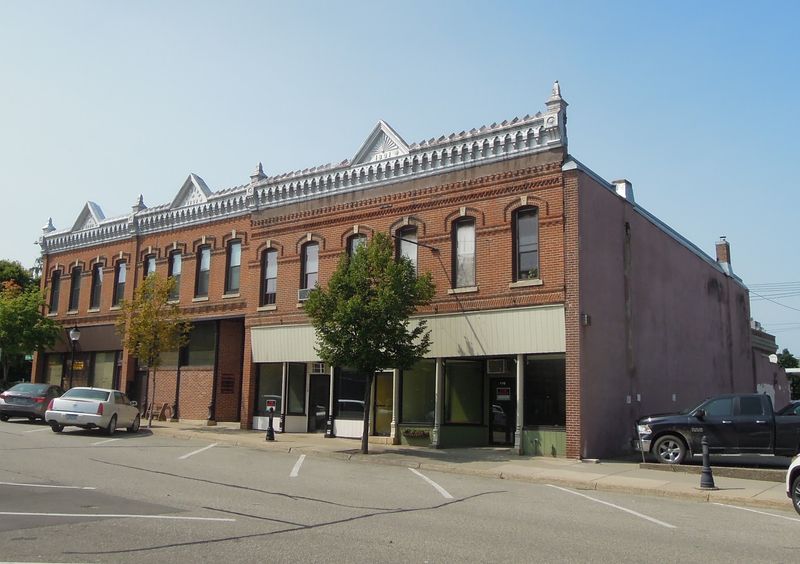
Two blocks of storefronts, and somehow I lost an hour. Lake City’s downtown runs along Washington Street and Lyon Avenue, close enough to the river that you can smell the water.
Brick buildings from the late 1800s hold antique shops, gift stores, bakeries, and coffee counters where the person at the register knows most customers by name. There are murals, a historic theater, and benches placed by people who actually sit on them. Nothing feels staged.
The pace is unhurried, which took me a beat to adjust to after months of city errands. Shopkeepers chat. Doors get propped open on warm days.
Local eateries serve pie, sandwiches, pizza, and hearty breakfasts, while summer Saturdays bring a market atmosphere with produce and baked goods from the surrounding bluff country.
For anyone who collects small souvenirs, the antique stores are genuinely fun to comb through, heavy on farmhouse pieces and river-town memorabilia. Wander the side streets too, where old homes with deep porches climb the hill away from the lake.
Bald Eagles Treated Like Ordinary Neighbors
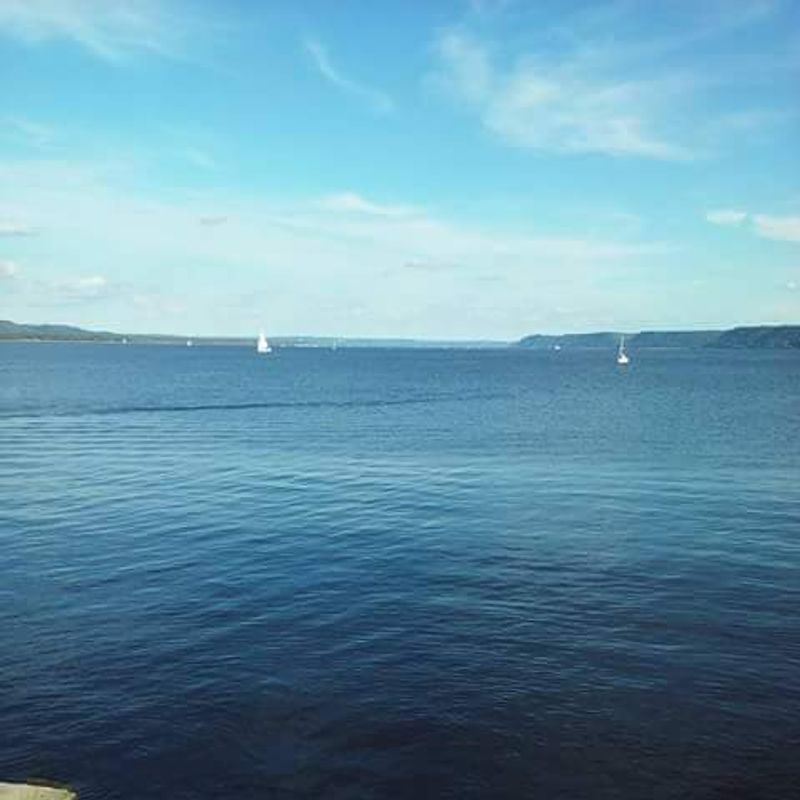
A shadow crossed the path in front of me, and I looked up into the underside of a bald eagle. That happens often around here.
Lake Pepin stays partly open in winter where current keeps ice from forming, and open water means fish, which means eagles gather along this stretch in impressive numbers. Late fall through early spring is prime viewing, though nesting pairs stay year-round. Bring binoculars.
Scan the tall cottonwoods near shore and the bluff ridges where the birds perch and watch. Tundra swans and pelicans also pass through on migration, filling the backwaters with racket.
The National Eagle Center in nearby Wabasha, roughly fifteen minutes down the Great River Road, rewards the short drive with resident birds up close.
What charmed me was how casual locals are about all this. Someone mentioned an eagle overhead the way you might mention the weather. Dress warmer than you expect for winter watching, since wind off open water cuts hard. An eagle at eye level from a bluff pullout is a fair trade.
Bluff Overlooks at Frontenac State Park
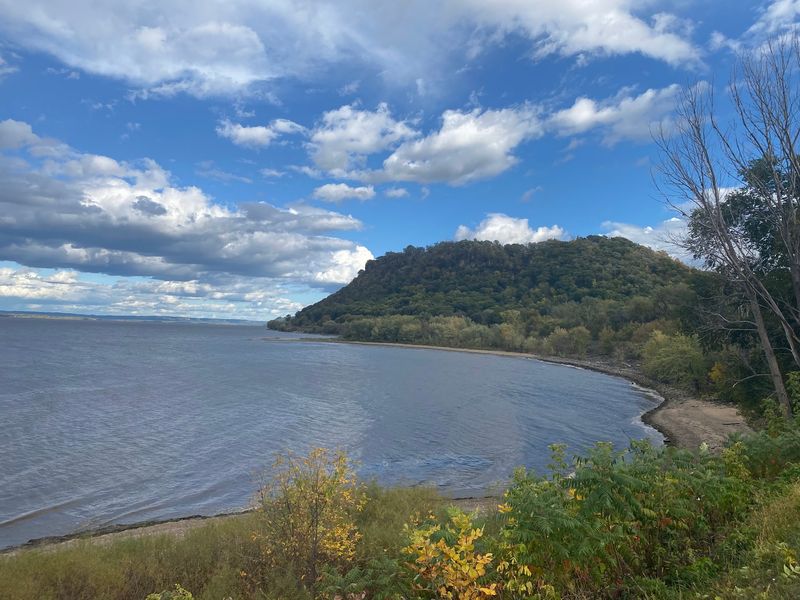
Bluff views are the reward for a bit of climbing, and Frontenac State Park delivers them about ten minutes northwest of town. From the overlooks the Mississippi valley unrolls in both directions, wide and green and slow.
Trails follow the ridge and drop toward the water, mixing prairie patches, hardwood forest, and limestone outcrops. In autumn the valley turns gold and rust.
Birders flock here during spring migration, since the bluff works like a highway marker for warblers. I counted more binoculars than backpacks. There is also In-Yan-Teopa, a striking rock formation with an opening near its base, tucked below the main overlook area and reachable by trail.
Camping, snowshoeing, and sledding keep the park busy through winter, and the silence up there in January is something else entirely. Wear real shoes, because some paths run steep and rocky. Then take the long way back into town along Highway 61 for water views.
Apple Country Along the Bluff Roads
Apples. That is the smell of Lake City in September, and it is not subtle.
The bluff country here enjoys a mild, lake-influenced climate that suits orchards, and the region ties closely to Minnesota apple growing, including the Honeycrisp variety developed through the state’s research programs.
Roadside markets along Highway 61 sell apples by the bag, plus fresh pressed cider, caramel apples, jams, and squash stacked in crates. I stopped at one farm market intending to buy a single apple. Reader, I did not buy a single apple.
Beyond fruit, the surrounding countryside offers rolling farm roads perfect for slow driving or serious cycling, past dairy barns, wooded coulees, and hand-painted signs advertising eggs and sweet corn.
Summer brings strawberries and vegetables, fall brings the apple rush, and both come with plenty of friendly small talk at the counter.
One practical note. Bring a cooler if you are traveling onward, and ask which varieties are picking that week, since the answer changes fast. The answers tend to be enthusiastic.
Water Ski Days and Quiet Small Town Evenings
Late June is when the town throws its biggest party. Water Ski Days celebrates that 1922 invention with a parade, live music, food stands, a carnival, fireworks over the lake, and ski shows on the bay. Streets fill, lawn chairs appear hours early, and the whole place hums.
I have a soft spot for festivals where the parade includes tractors and marching bands in equal measure. This one qualifies.
Outside festival weekend, summer evenings settle into a simple rhythm: ice cream downtown, a walk out to the marina point, then watching the last boats come in as the bluffs turn purple. Winter runs quieter, with fishing houses dotting the frozen edges and eagles wheeling above.
Fall might be the sweet spot, honestly. Cool air, glowing bluffs, apples everywhere, and hardly any competition for parking.
Short version: Lake City is a working river town with an oversized view, a real claim to fame, and enough shoreline to fill a weekend without ever feeling rushed.
