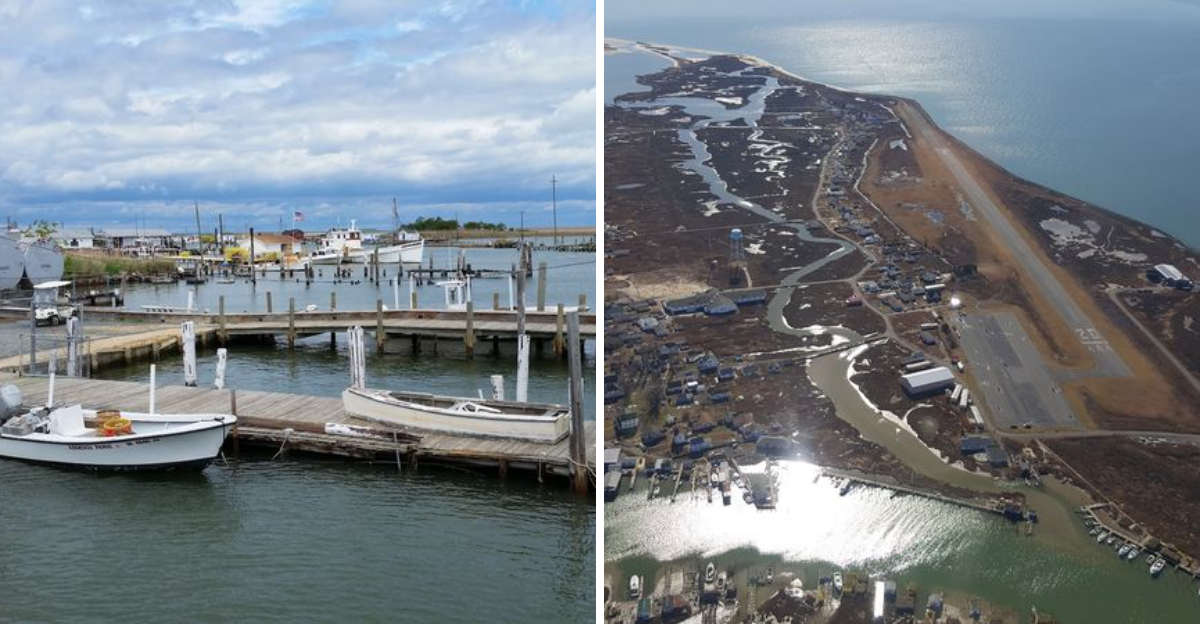
You cannot drive there. There are no chain stores.
And most people have never heard of it. This enchanting waterfront village in Virginia is a place that time forgot, a small island in the Chesapeake Bay where life moves at the pace of the tides.
I took the ferry over on a calm morning and stepped onto a dock where watermen were unloading crab pots. The streets are narrow, the houses are weathered, and the people wave as you pass.
There is one school, one church, and a few small restaurants. The sunsets are spectacular, the water is everywhere, and the peace is real.
Virginia has plenty of coastal towns, but this one is different. It is a world apart.
An Island You Can Only Reach By Boat
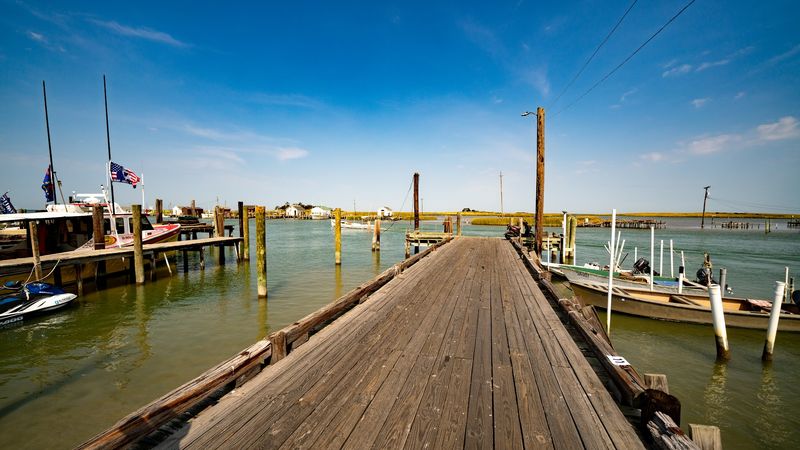
Getting somewhere has never felt this much like an adventure. Tangier Island sits roughly twelve miles off Virginia’s Eastern Shore, and the only way to reach it is by ferry, private boat, or small aircraft.
There is no bridge, no tunnel, and absolutely no driving yourself there from the mainland.
Ferries depart from Onancock and Reedville in Virginia, as well as Crisfield in Maryland. The ride itself is part of the experience, gliding across open Chesapeake water with seabirds wheeling overhead and the island slowly materializing on the horizon like something from a storybook.
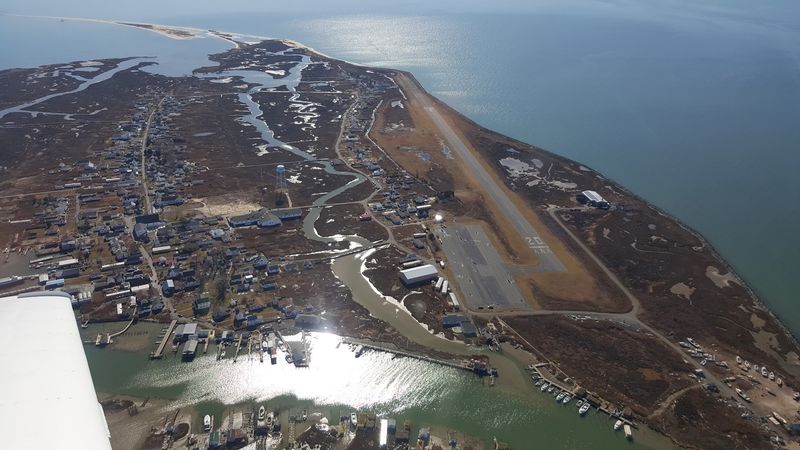
A daily mail boat also runs from Crisfield, which gives you a sense of just how isolated and self-contained life here really is. The island even has a small public airport on its western edge, built back in the late 1960s, for those who prefer arriving from above.
That sense of effort required to get here is actually what makes arrival feel so rewarding. Stepping off the ferry onto Tangier Island, you immediately understand you have crossed into somewhere genuinely different.
Virginia has plenty of beautiful destinations, but none quite require this kind of deliberate, purposeful journey to reach.
A Living Dialect Straight Out of Old England
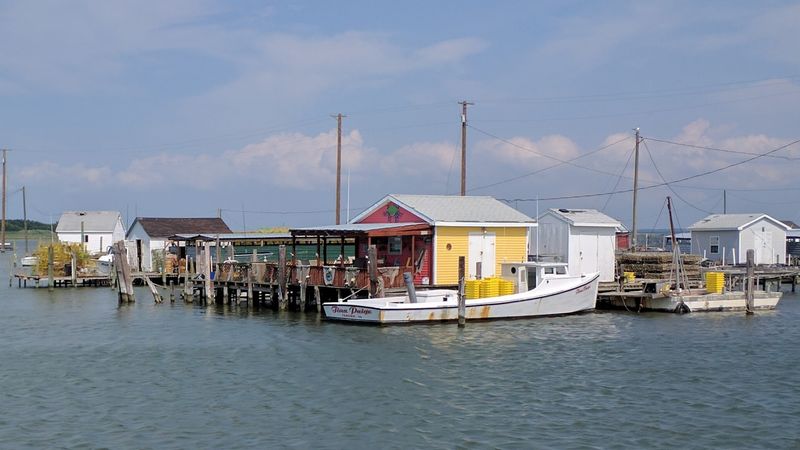
Linger long enough around the docks or the general store, and you will notice something that stops you mid-conversation. The residents of Tangier Island speak a dialect unlike anything else you will hear in modern America, a lilting, rhythmic form of English that linguists have linked to early Cornish settlers.
Often described as carrying echoes of Elizabethan English, the accent developed over centuries of geographic isolation. When your island has no bridge and limited outside contact for generations, language evolves on its own timeline entirely.
Common family surnames like Crockett, Pruitt, and Shores have populated this community for hundreds of years, and the culture that grew around them is equally distinct. Many locals go by colorful, generations-old nicknames that only insiders fully understand.
Honestly, just listening to a conversation between two longtime residents here is one of the most quietly remarkable things I have experienced anywhere in Virginia. It is not a performance or a tourist attraction.
It is simply how people talk, a living linguistic artifact that survived because the island itself stayed so beautifully, stubbornly separate from the outside world. Nowhere else sounds quite like Tangier Island.
The Soft-Shell Crab Capital of the Entire World
Bold claim? Not even slightly.
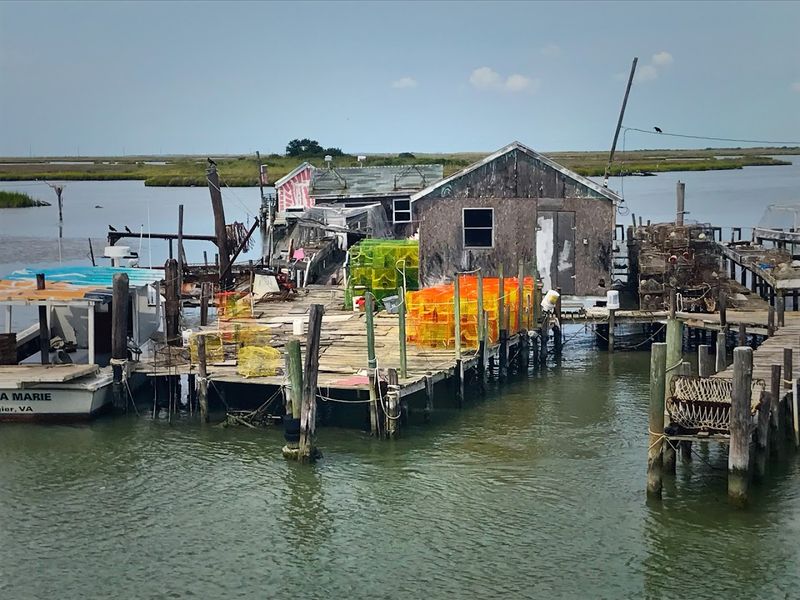
Tangier Island has earned its reputation as the soft-shell crab capital of the world, and the watermen here will back that up with decades of lived expertise. Crabbing is not just an industry on this island.
It is an identity, a legacy, and a daily ritual passed down through families for generations.
The island’s watermen head out before dawn in their workboats, checking crab pots across the Chesapeake with the kind of practiced efficiency that only comes from a lifetime on the water.
Soft-shell crabs, which are blue crabs caught right after molting their hard shells, are a delicacy that Tangier supplies to restaurants up and down the East Coast.
Crab shanty tours give curious visitors a close-up look at how the whole operation works, from the holding tanks where crabs await their molt to the careful sorting process that follows. It is genuinely fascinating, even if you thought you had zero interest in crustacean biology before arriving.
Tangier Island’s seafood restaurants serve these crabs fresh, and eating one here, this close to where it was caught, hits completely differently than ordering the same dish back on the mainland.
Golf Carts, Bicycles, and Blissful Car-Free Streets
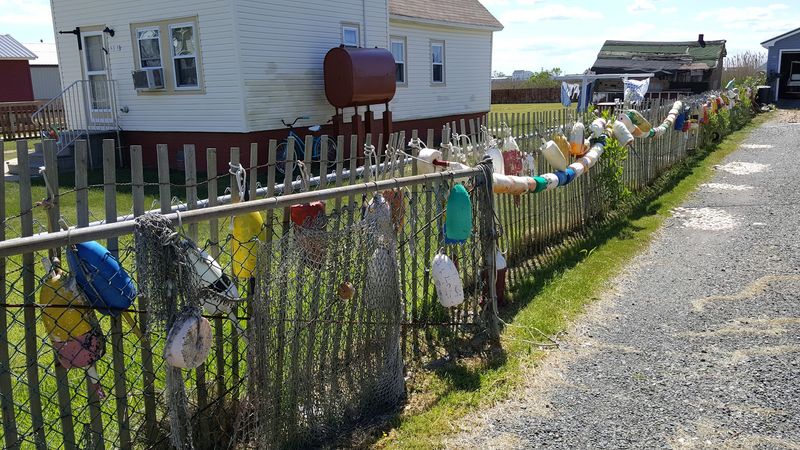
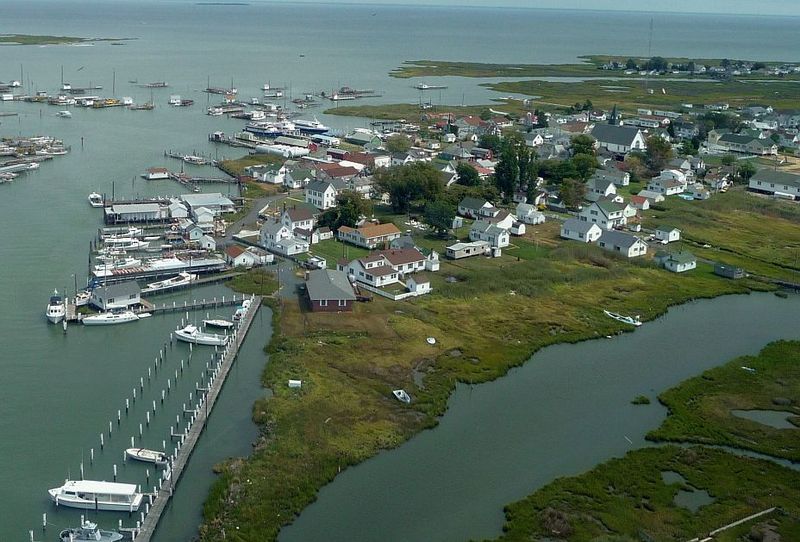
Forget parallel parking anxiety. On Tangier Island, the preferred modes of transport are golf carts, bicycles, and mopeds, which means the streets feel more like a slow, pleasant parade than a commute.
Almost no cars exist here, and the difference that makes to the entire atmosphere is staggering.
Narrow lanes wind between tightly packed homes, flower gardens spill over fences, and kids pedal past without a care in the world. The pace of movement here is calibrated entirely to human speed
After about twenty minutes, you realize your shoulders have dropped about three inches from stress you did not even know you were carrying.
Renting a bicycle or golf cart is easy once you arrive, and it is genuinely the best way to explore every corner of the island. You can cover the main ridge, loop past the docks, and cruise toward the quieter marshland edges all in a single afternoon without breaking a sweat.
Virginia has plenty of scenic drives, but Tangier Island flips the script entirely. Here, the absence of engine noise is itself the attraction.
Birdsong, bay breezes, and the occasional cheerful beep of a golf cart horn are the only soundtrack you need.
A History That Stretches Back to John Smith Himself
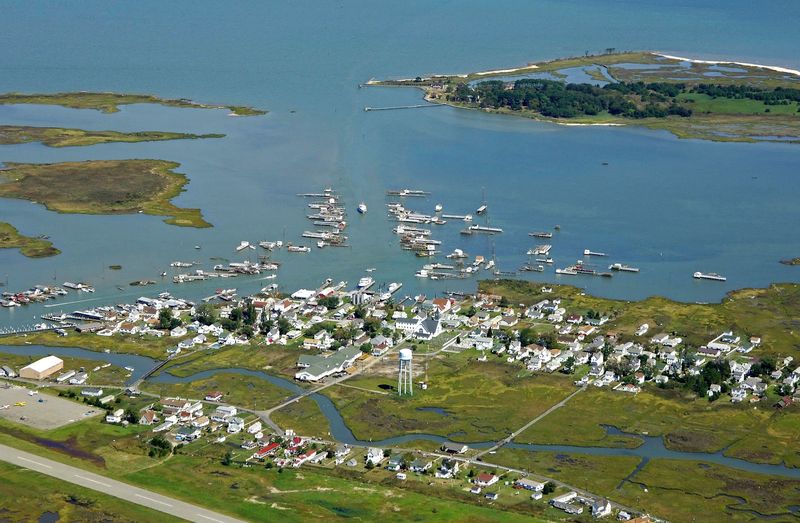
Long before it became famous for crabs and curious accents, Tangier Island had a history rich enough to fill several textbooks. Native Americans, believed to be the Pocomoke people, used the island as a seasonal retreat for hunting and fishing centuries before any European arrived.
English explorer John Smith sailed through in 1608 and named the cluster of islands the Russell Isles. Permanent European settlement followed in the late seventeenth century, with Cornish farmers and fishermen establishing the foundation of the community that still exists today.
Fast forward to the War of 1812, and Tangier Island suddenly became a significant military staging ground. British forces established Fort Albion here, using the island as a base of operations.
Remarkably, the island also served as a place where enslaved African Americans found freedom during that conflict, a sobering and important chapter often overlooked in broader histories of the war.
The Tangier Island History Museum preserves these layers of the past with genuine care and local pride. Walking through it, you get the sense that the people of this community know exactly where they come from, and they want you to know it too.
Marshes, Sandy Ridges, and Wildly Beautiful Scenery
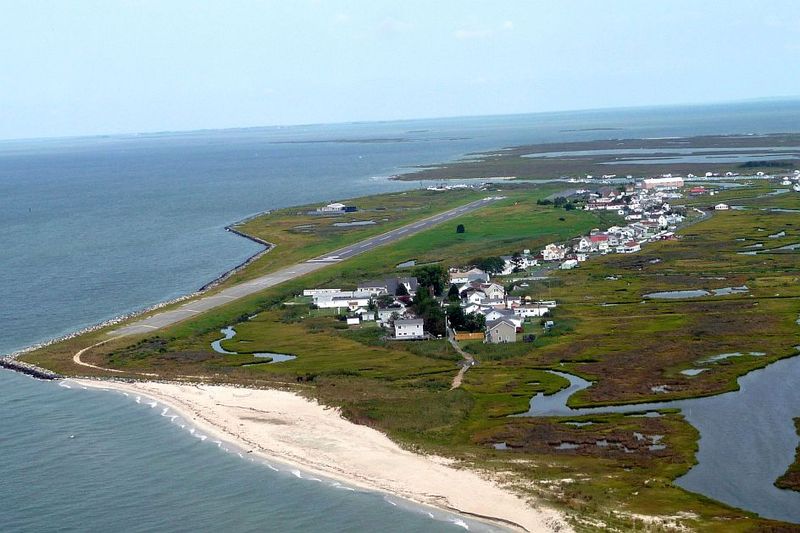
Tangier Island is not one solid landmass. It is actually three sandy ridges, known as West Ridge, Main Ridge, and Canton Ridge, separated by marshes and tidal streams that shimmer and shift with the tides.
The whole thing sits barely four feet above sea level at its highest point, which gives the landscape an almost surreal, floating quality.
Walking or cycling to the island’s edges, where the marsh grasses sway in the bay breeze and herons stalk through shallow water, feels like stepping into a nature documentary.
Bird-watchers show up here specifically for that reason, because the mix of wetland habitat and open water attracts an impressive range of coastal species throughout the year.
Kayaking through the tidal channels is another way to experience the landscape up close, paddling between grass-lined waterways with nothing but sky and water in every direction. It is meditative in the best possible way.
The unspoiled beaches along the island’s edges offer a different kind of quiet beauty, with none of the commercial noise that clutters most coastal destinations in Virginia. Just sand, shells, and the broad, glittering expanse of the Chesapeake stretching out toward the horizon like an open invitation.
A Community Running on Deep Faith and Tight Bonds
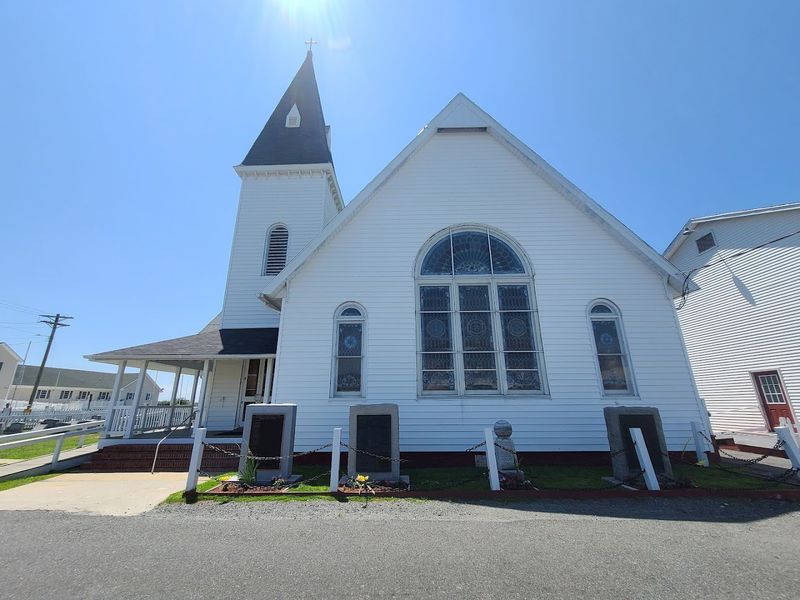
There is something quietly striking about a community this small and this cohesive. Life on Tangier Island has long been shaped by strong Methodist beliefs, and that influence runs through the rhythm of daily life in ways that feel genuine rather than performative.
The island remains dry, meaning no authorized alcohol sales exist anywhere on it.
Neighbors genuinely watch out for each other here in ways that feel almost foreign to anyone raised in a larger city. Trust is not a concept you have to earn slowly.
It is simply the default mode of operation on an island where everyone has known everyone for generations.
The population sits at around four to five hundred residents, a fraction of the peak population the island once supported. Yet that smallness creates an intensity of community connection that larger places rarely manage to replicate.
Shared surnames, shared histories, shared water, shared purpose.
Spending even a short time here recalibrates your sense of what community actually means. Virginia has many charming small towns, but Tangier Island operates on a level of mutual reliance and social trust that most places have simply forgotten how to maintain.
It is quietly, unexpectedly moving to witness.
An Island Racing Against the Rising Sea
Here is the part that puts everything else into sharper, more urgent focus. Tangier Island is disappearing.
Since 1850, the island’s landmass has shrunk by a staggering sixty-seven percent, lost to erosion and rising sea levels that show no sign of slowing down. Scientists have predicted that significant portions of the remaining land could be gone within decades.
Some projections suggest the island could become uninhabitable as early as 2037, while others estimate the land could convert to wetlands by mid-century. For a community that has existed here for hundreds of years, those timelines are not abstract statistics.
They are an existential reality that colors every conversation about the future.
Seawalls have been constructed in certain areas to slow the erosion, and residents continue to advocate loudly for more substantial federal intervention. The fight to save Tangier Island is ongoing, passionate, and deeply personal for everyone who calls it home.
Visiting now, with full awareness of what may be lost, adds a layer of meaning to every moment spent on the island. Tangier Island is not just a charming destination.
It is a place worth fighting for, and coming here feels like a small act of solidarity with the people who refuse to give up on it.
Where to Eat, Stay, and Soak It All In
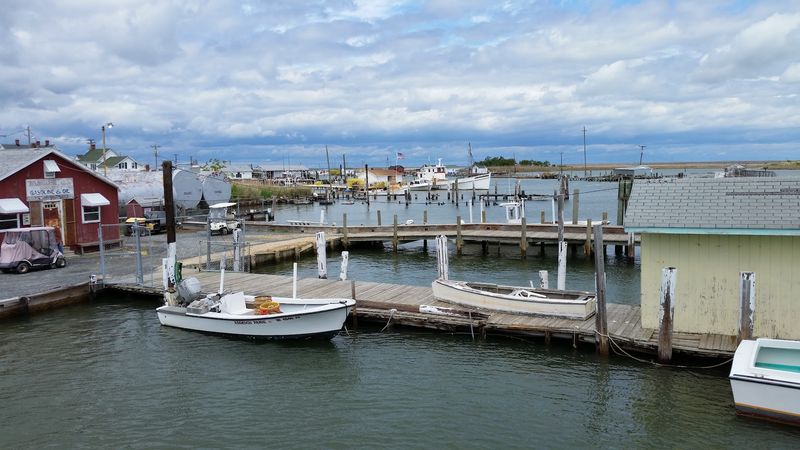
Tangier Island keeps its hospitality offerings simple, unpretentious, and deeply satisfying. Seafood restaurants on the island serve the kind of fresh, no-frills crab dishes that remind you why proximity to the source matters so enormously.
Sitting down for a meal here, with the bay visible from most windows, is a sensory experience all on its own.
Lodging options include small inns and bed and breakfasts that fit the island’s intimate scale perfectly. These are not luxury resorts with spa menus and infinity pools.
They are warm, welcoming places where the hospitality feels personal and the morning views of the Chesapeake are worth waking up early for.
Gift shops scattered around the main ridge offer locally made souvenirs, and picking something up here feels more meaningful than the usual tourist trinket because you know exactly where it comes from and who made it.
Beyond eating and sleeping, the island rewards slow, unscheduled exploration. Wander the lanes, chat with a waterman at the dock, sit on the beach and watch the pelicans cruise past.
Tangier Island does not rush you, and the best thing you can do in return is extend that same courtesy back to it. Take your time.
Really look around.
Plan Your Trip to Tangier Island, Virginia
Ready to make this happen? Getting your logistics sorted for Tangier Island is genuinely straightforward once you know the basics.
Ferries run seasonally from multiple departure points, so checking current schedules before you go is essential. The island is best visited during warmer months when the water is calm, the wildlife is active, and the crabbing season is in full swing.
Pack light, dress for wind and sun, and bring cash because card acceptance on the island can be limited. Comfortable walking shoes or sandals are all you need for footwear since the terrain is flat and the distances are short.
Leave the overstuffed suitcase at your mainland accommodation.
Tangier Island sits at Virginia 23440, in Accomack County, accessible via the Chesapeake Bay from multiple Virginia and Maryland departure points. The island’s remoteness is precisely its charm, so embrace the effort of getting there as part of the whole experience.
Virginia has no shortage of places to visit, but Tangier Island occupies a category entirely its own. Go now, while it is still there to be experienced.
Tell people about it. And when you step off that ferry and feel the bay breeze hit your face, remember that you are one of the lucky few who actually made it out here.
