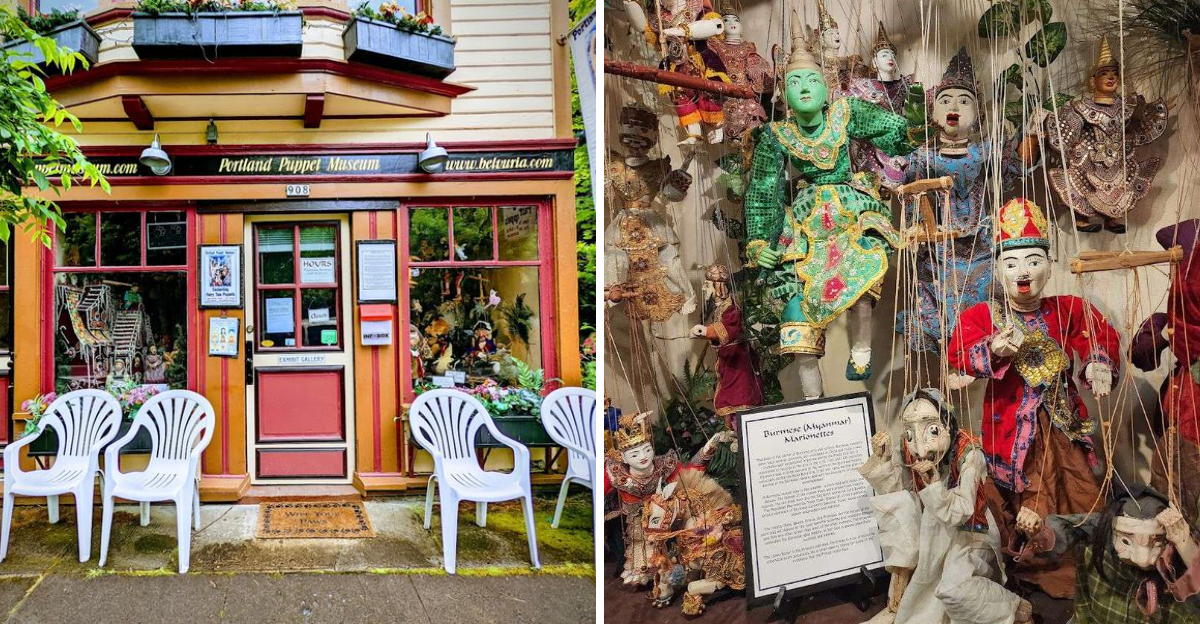
A museum dedicated to puppets hiding in plain sight where most people walk past without any idea of the magic inside. I stepped through the door and found myself surrounded by marionettes and hand puppets from every era and corner of the world.
Oregon has an enchanting spot that feels like a secret shared only among those who love the art of storytelling. The puppets range from whimsical to slightly eerie and each one has a personality that seems to come alive when you look closely.
I watched a volunteer demonstrate how strings control every tiny movement and suddenly the characters felt like old friends performing just for me. Oregon really tucked away a treasure where imagination takes center stage and visitors leave feeling like kids again.
The displays include puppets from old television shows and handmade creations from local artists who pour their hearts into every stitch. I spent an hour wandering through rooms full of felt and wood and fabric and felt completely transported to another world.
The gift shop sells adorable finger puppets that make perfect souvenirs for anyone who appreciates the strange and beautiful. You leave with a smile and a new appreciation for the art of making inanimate objects feel wonderfully alive.
A Hidden Gem Hiding in Plain Sight
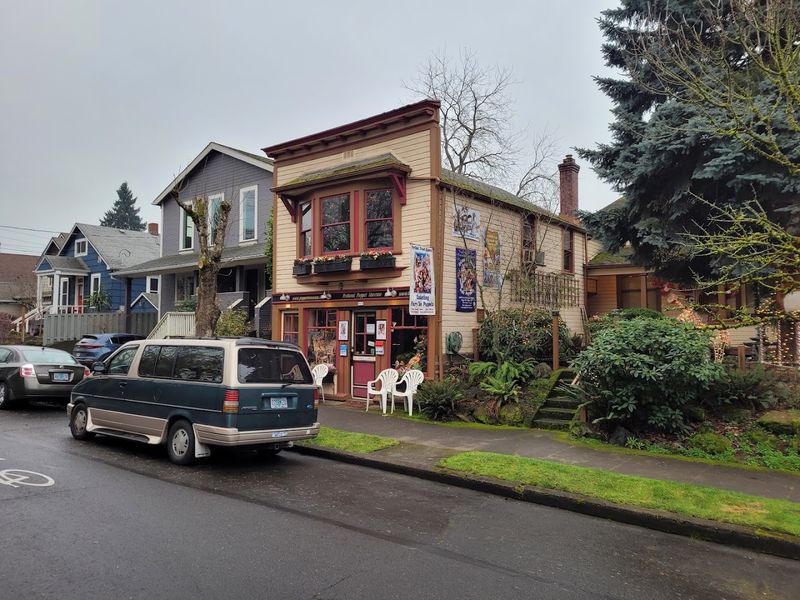
Most people drive past this street without a second glance. It blends into the block so naturally that you might miss it entirely on your first pass.
That quiet exterior is part of the charm. There are no flashy billboards or loud signs screaming for attention.
Just a humble building holding something truly extraordinary inside.
Portland has plenty of well-known attractions. But this one operates almost like a well-kept neighborhood secret.
Locals who discover it tend to become regulars, returning to see new rotating exhibits and catch live shows.
The museum is open Thursday through Sunday from 2 to 8 PM. It stays closed Monday through Wednesday.
Planning your visit around those hours makes all the difference.
Getting there early is smart. Shows can fill up quickly, and arriving with extra time lets you soak in the collection before things get busy.
This place rewards the curious.
The Collection That Will Leave You Speechless
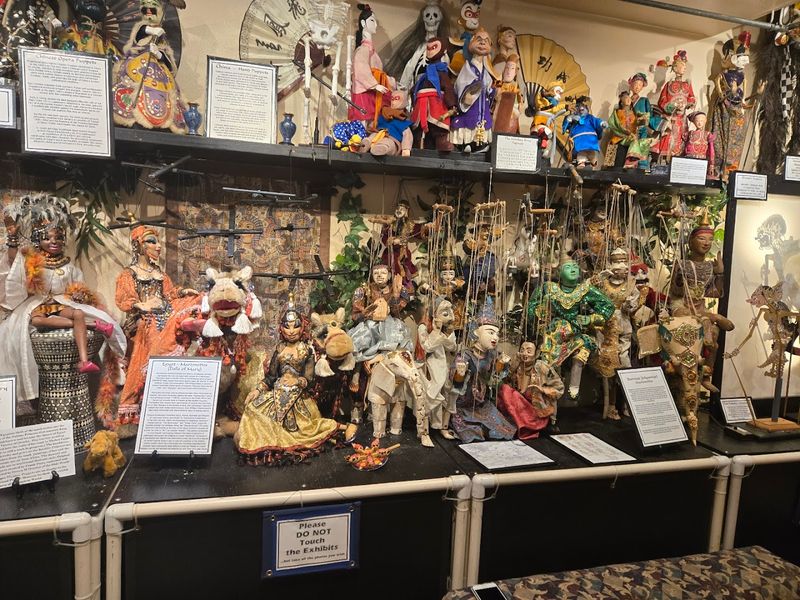
Walking inside feels like opening a treasure chest. Puppets of every shape, size, and origin crowd the walls, shelves, and display cases.
Some are ancient-looking. Others look freshly made, their paint still vivid and bright.
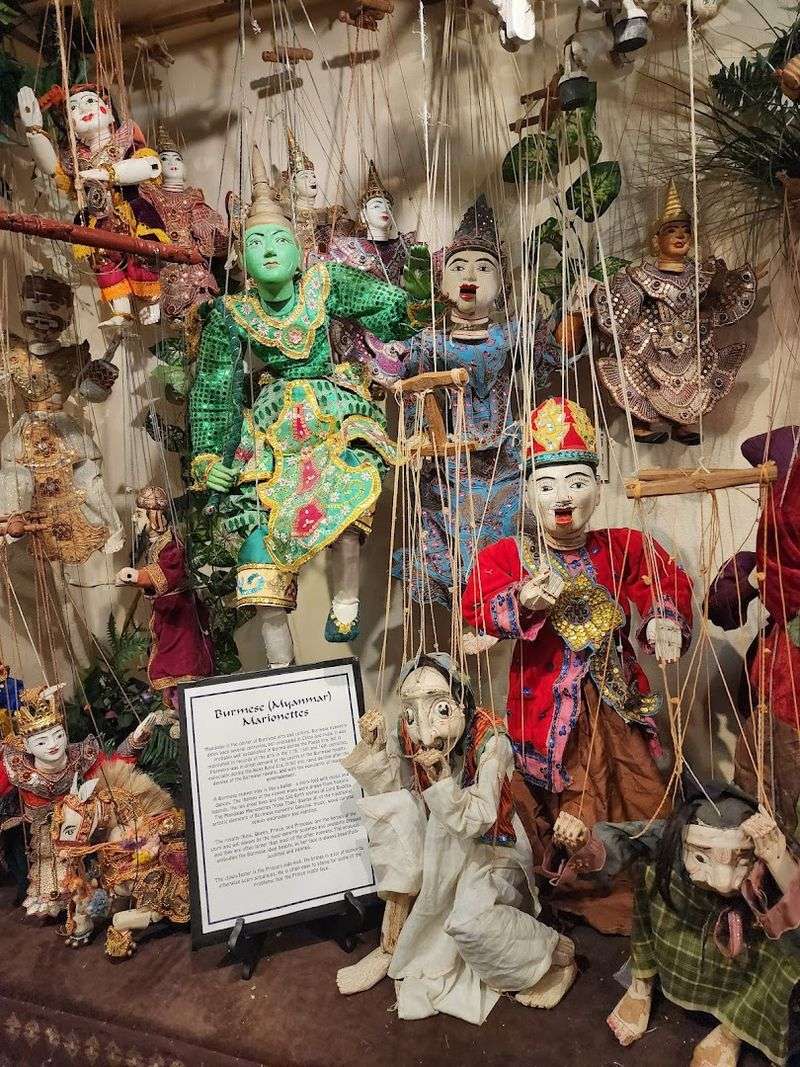
The range is genuinely surprising. There are shadow puppets, marionettes, hand puppets, and rod puppets from cultures all over the globe.
Each one carries a personality that seems to leap off its display hook.
Antique pieces sit alongside works in progress. Seeing a half-finished puppet next to a completed masterpiece gives you a real sense of the craft behind the art.
It makes the whole process feel alive.
Historical context is woven throughout the exhibits. Small signs and passionate staff members fill in the stories behind specific pieces.
You leave knowing far more about puppetry than you ever expected.
The collection rotates regularly. Returning visitors often find entirely new themes and displays waiting for them.
That freshness keeps the experience exciting no matter how many times you come back.
Steve Overton and the Heart Behind It All
Some places are defined by their collections. This one is defined by its people.
Co-founder Steve Overton has spent over five decades working in puppetry, and his knowledge runs incredibly deep.
Talking to Steve feels less like a museum tour and more like a conversation with a living encyclopedia of puppet history. He shares stories freely and answers every question with genuine enthusiasm.
His love for the craft is completely contagious.
He has built puppets, created shows, and helped grow a community around this art form. That background shows in every corner of the museum.
Nothing here feels accidental or thrown together.
Steve has guided countless visitors through the history of puppetry with patience and warmth. First-time guests often describe leaving the museum feeling genuinely moved by his passion and depth of knowledge.
Meeting someone who has dedicated their life to something so specific and beautiful is rare. That human connection makes the Portland Puppet Museum feel unlike any other cultural space in the city.
It stays with you.
Live Puppet Shows That Bring the Magic to Life
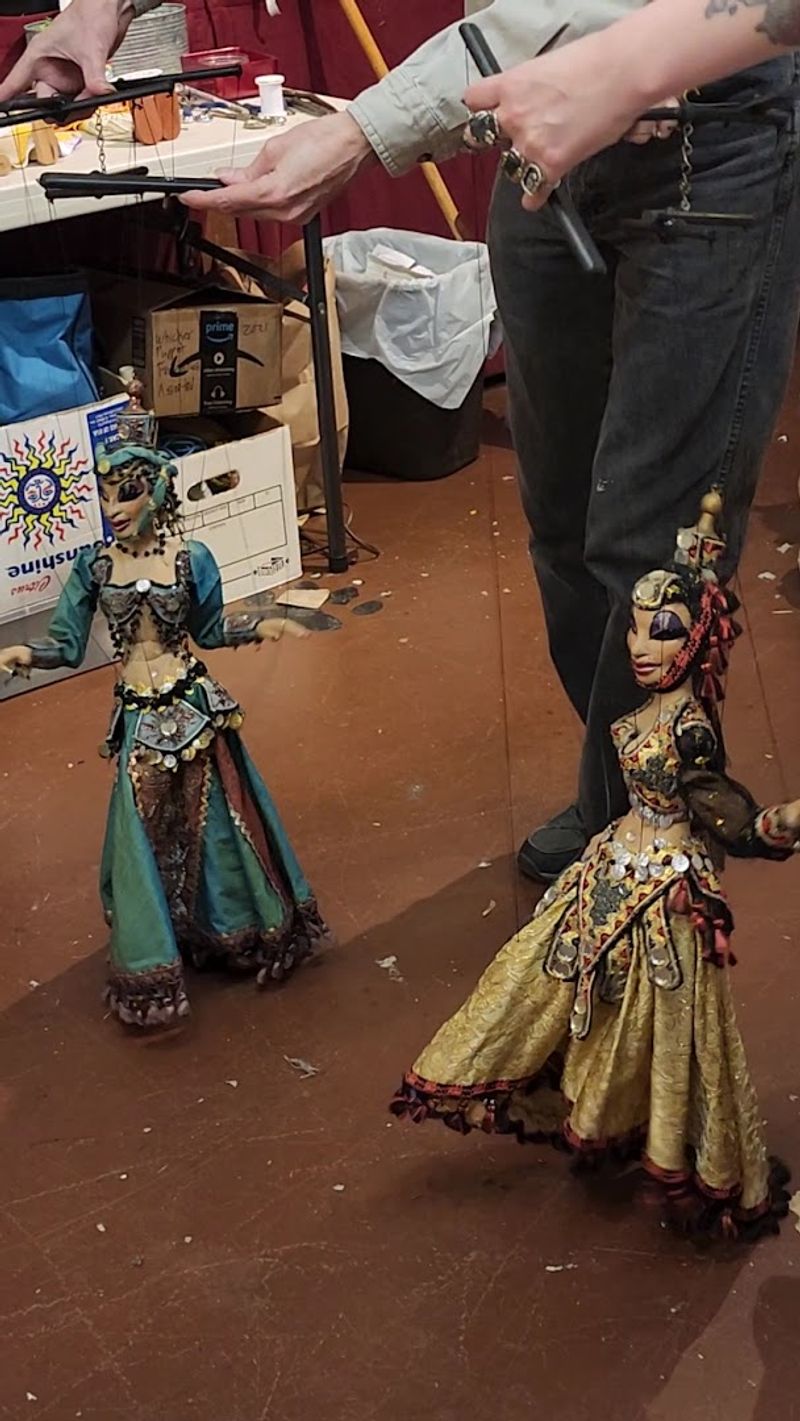
Seeing a puppet collection is one thing. Watching those puppets move, speak, and tell stories is something else entirely.
The live shows at Portland Puppet Museum are where the whole experience clicks into place.
Past performances have explored themes like Women of the Ancient World, with stunning puppets representing figures from mythology and history. The storytelling is rich and layered.
Kids and adults both find something to connect with.
Shows typically start at 2 PM on open days. Arriving by 1:30 PM is a good idea.
Seating fills up faster than you might expect, especially on weekends when families tend to come in groups.
Kid-sized chairs sit up front for younger visitors. That small detail makes a big difference.
Children get pulled right into the performance without struggling to see over adult heads.
The shows vary in theme and style depending on the season and exhibit. That variety means no two visits feel exactly the same.
Each performance adds a new layer to what the museum offers as a whole.
Make-Your-Own Puppet Workshops Worth Every Minute
Watching puppets is wonderful. Making one yourself is a completely different kind of joy.
The workshops at Portland Puppet Museum give visitors a hands-on experience that goes way beyond passive observation.
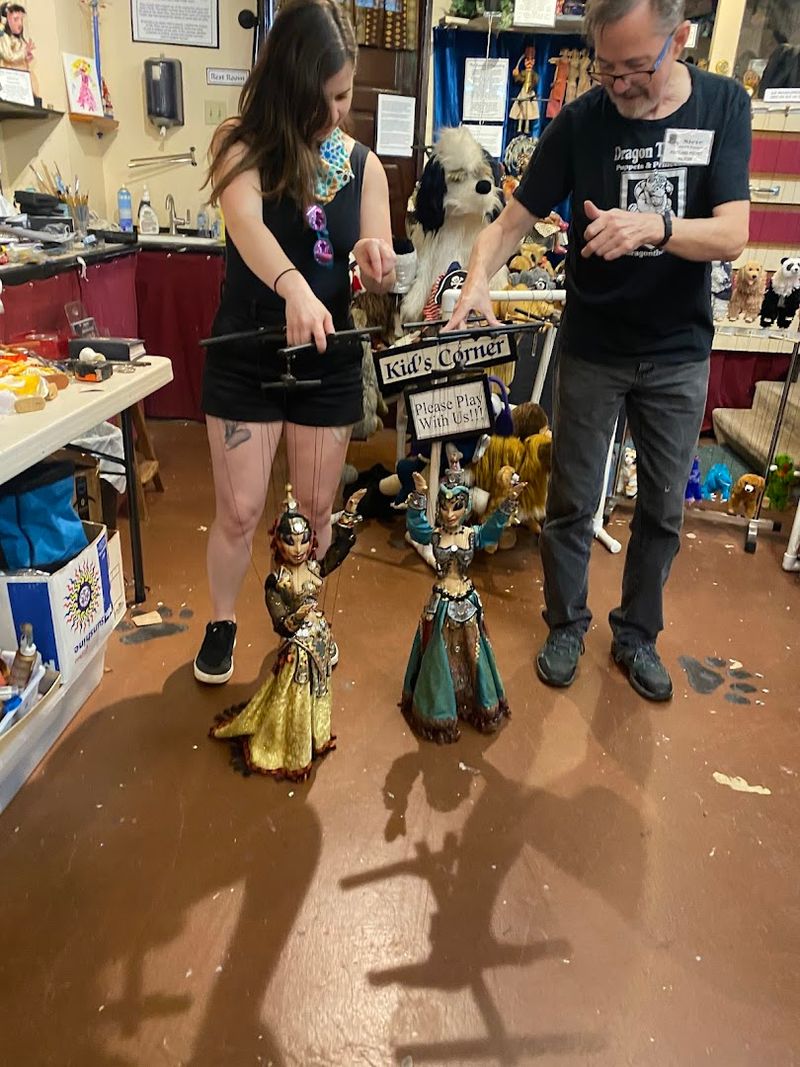
Master puppeteer Steve has led sessions where participants walk away with their own finished creations. One workshop resulted in a pair of Day of the Dead marionettes, fully crafted and ready to perform.
That kind of outcome is hard to forget.
The process teaches real skills. You learn about structure, movement, materials, and how small design choices affect the final puppet.
It is educational without ever feeling like a classroom.
Steve guides participants with patience and a clear teaching style. Beginners feel welcome immediately.
There is no pressure to be an artist before you walk in the door.
Workshops are a great option for families, couples, or solo visitors looking for something more interactive. Taking home something you made yourself adds a personal layer to the whole visit.
It turns a trip to the museum into a memory you can hold in your hands.
Puppetry as a Living, Breathing Art Form
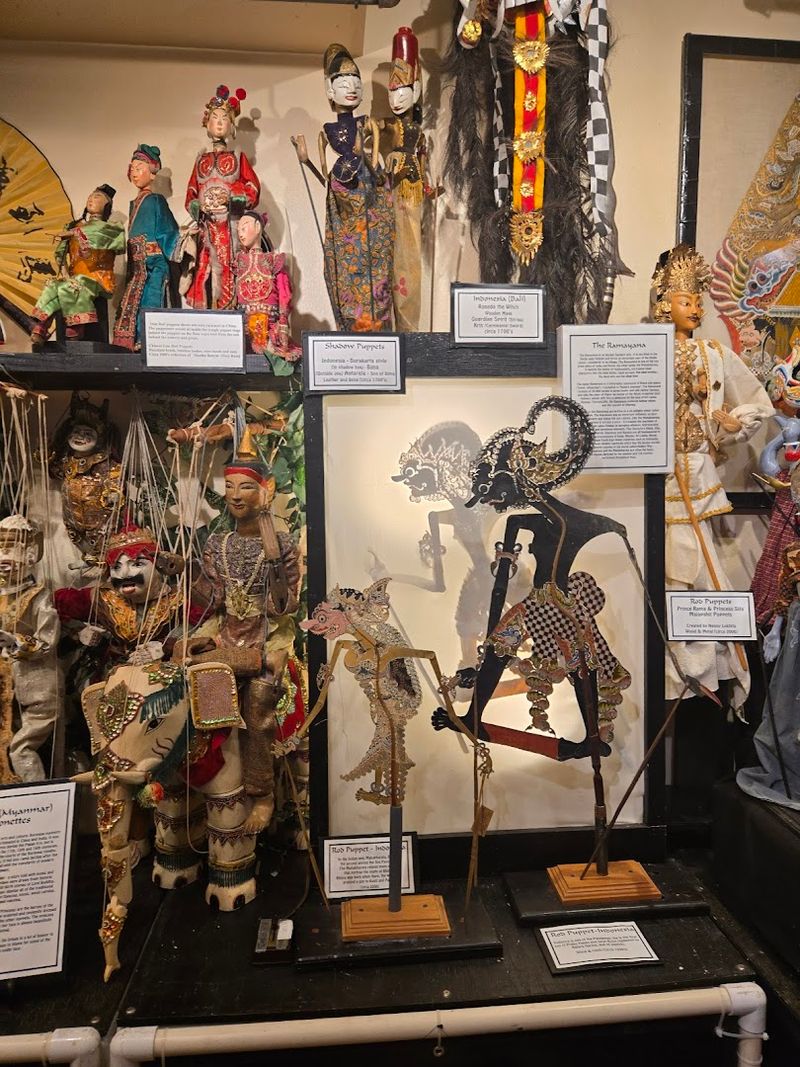
Puppetry is one of the oldest art forms on the planet. It predates cinema, television, and even printed books.
Yet most people today think of it as something reserved for children’s birthday parties or holiday specials.
The Portland Puppet Museum challenges that idea completely. The collection spans cultures and centuries, showing how puppetry has been used to tell sacred stories, explore politics, and celebrate human emotion across the globe.
Shadow puppetry from Southeast Asia sits near European marionette traditions. Japanese Bunraku-style figures share space with folk puppets from Latin America.
The breadth is staggering for such a compact space.
Each piece carries cultural weight. The museum presents puppetry not as nostalgia but as a living tradition that continues to evolve.
That perspective shifts how you see the entire collection.
Leaving the museum with a new respect for this art form is practically guaranteed. It reframes something familiar into something ancient, complex, and deeply meaningful.
That is a rare thing for any museum to accomplish.
The Rotating Exhibits That Keep Bringing People Back
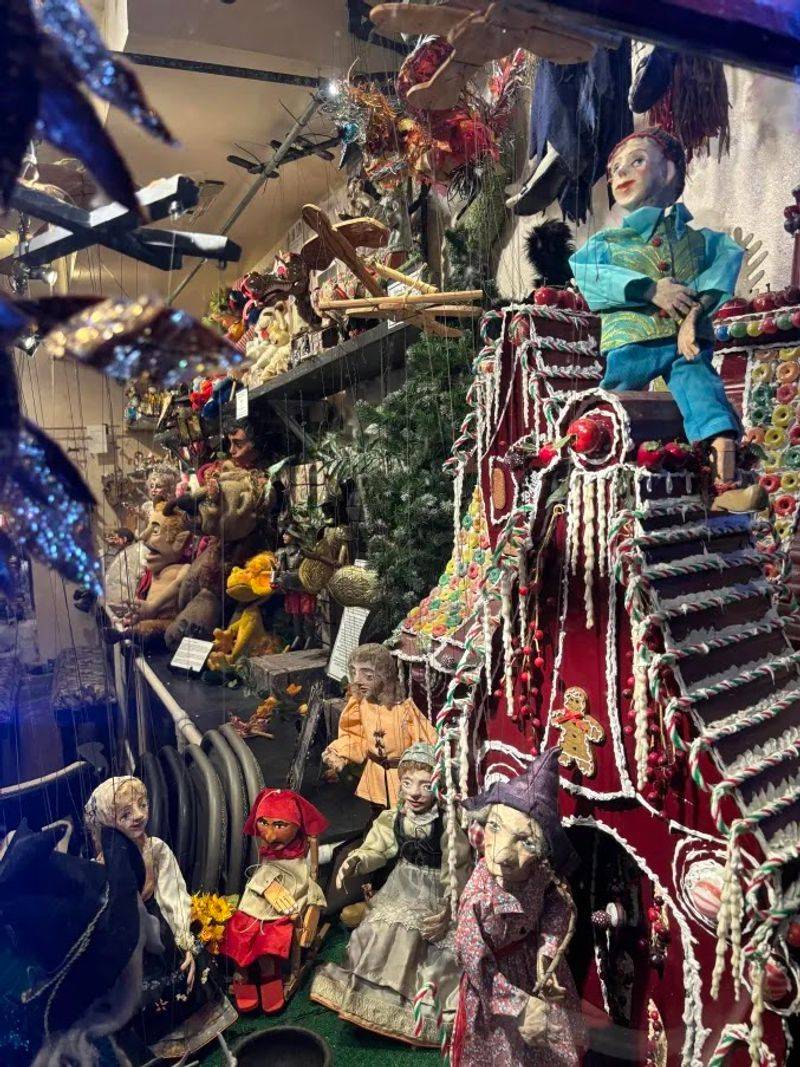
One visit to the Portland Puppet Museum is genuinely not enough. The exhibits rotate regularly, which means the experience changes depending on when you show up.
That alone makes return trips worthwhile.
Past themed exhibits have explored topics like the history of women in puppet form and puppets representing figures from ancient world mythology. Each theme brings a new set of pieces and new storytelling into the space.
The rotating format keeps the museum feeling current and alive. It is not a static archive.
It is an active, evolving showcase of puppetry as a creative practice that keeps growing and changing.
Staff members tailor their tours to match the current exhibit. That means the conversation shifts with the display.
Regular visitors get a fresh experience every time they walk through the door.
Checking the museum website before visiting is a smart move. Knowing what exhibit is currently on display helps you prepare and get more out of your time there.
A Community-Powered Space That Runs on Passion
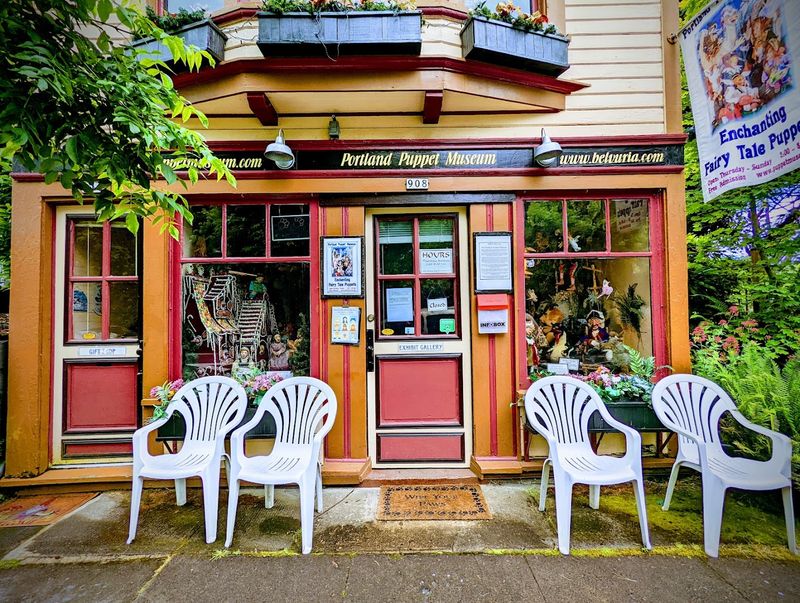
The Portland Puppet Museum operates with a deeply community-focused model. Entry is free of charge, which makes it accessible to everyone regardless of budget.
That open-door philosophy reflects the spirit of the whole place.
Donations keep the lights on and the collection growing. Visitors are encouraged to contribute what they can.
Most people who experience the museum feel genuinely motivated to give back after seeing what the staff has built.
Special events like holiday bazaars and fundraisers give the community a chance to support the museum while picking up unique handmade items. Past events have offered puppet-related crafts, art pieces, and one-of-a-kind treasures.
That grassroots energy runs through everything here. The museum does not feel corporate or curated by a distant institution.
It feels personal, scrappy in the best way, and full of genuine heart.
Supporting a place like this matters more than it might seem. Independent cultural spaces that champion niche art forms are rare and fragile.
Perfect for Rainy Portland Days and Curious Minds
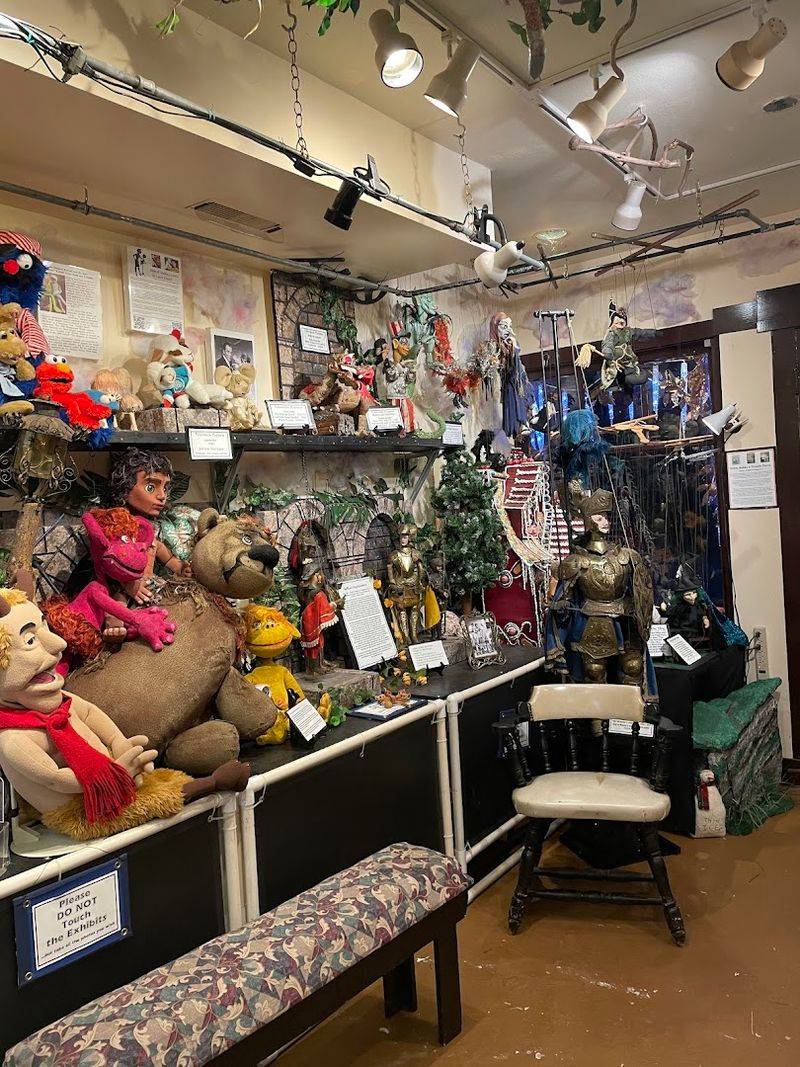
Portland is known for its rainy season, and finding the right indoor activity can feel like a challenge. The Portland Puppet Museum solves that problem with style.
It is compact, warm, and endlessly interesting.
The museum can be explored in about 20 minutes at a brisk pace. But most visitors end up staying much longer.
Conversations with staff, impromptu mini-demonstrations, and detailed exhibits all slow you down in the best possible way.
Kids love the interactive corner where puppets are available to touch and play with. That tactile element makes the visit memorable for younger guests.
It turns a museum trip into genuine playtime.
Adults find themselves just as absorbed. The historical depth and cultural breadth of the collection give grown-ups plenty to think about and discuss.
It sparks conversations that continue long after you leave.
Rainy day or sunny afternoon, the museum fits naturally into any Portland itinerary.
Why This Museum Deserves Way More Attention
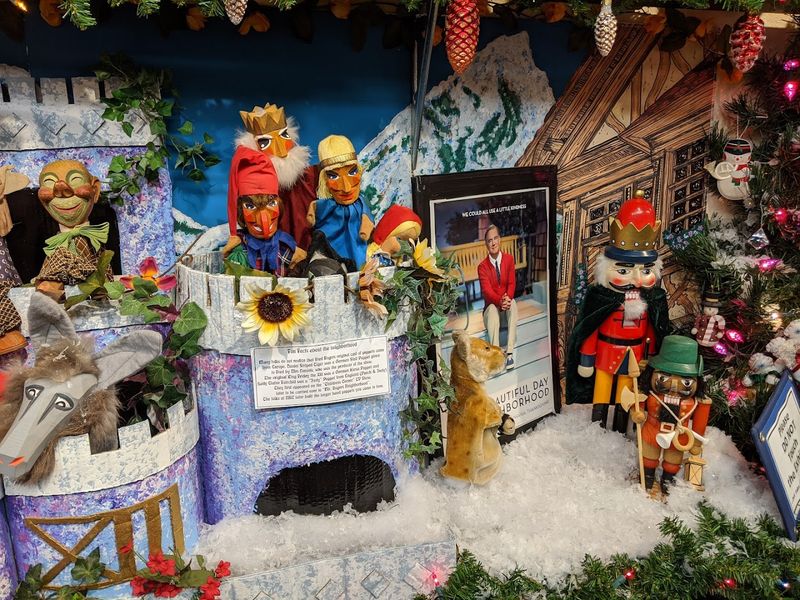
Places like the Portland Puppet Museum are exactly what makes a city worth exploring. It is not flashy or expensive.
It does not need to be. The experience it offers is deeply personal and genuinely memorable.
The staff here are not just employees doing a job. They are artists and storytellers who care deeply about what they do.
That passion transforms a simple museum visit into something that feels meaningful.
Word of mouth has been the museum’s greatest marketing tool. People visit, get surprised by how much they love it, and immediately tell friends.
That cycle of discovery and recommendation is how hidden gems survive.
The museum holds a rare quality that many larger institutions spend millions trying to manufacture. It feels real.
Every puppet, every story, and every conversation inside those walls carries genuine weight and warmth.
Address: Portland Puppet Museum, 906 SE Umatilla St, Portland, OR 97202.
