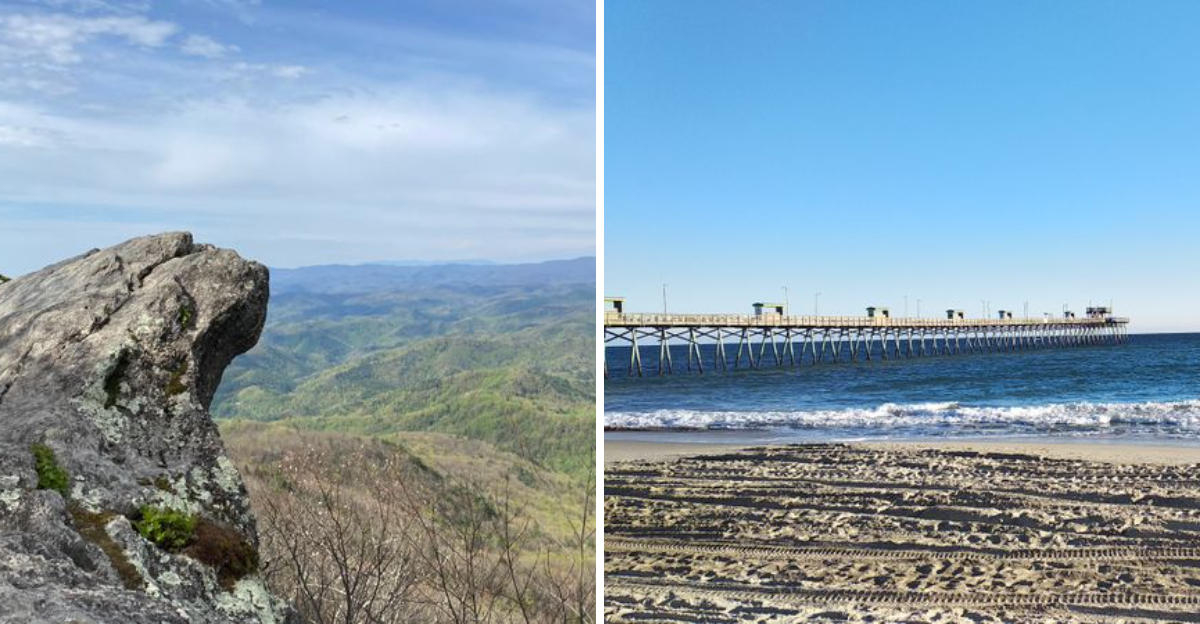
North Carolina offers something truly special for anyone who loves the outdoors.
This beautiful state stretches from the Atlantic Ocean all the way to the Appalachian Mountains, giving visitors a chance to explore two completely different landscapes without traveling too far.
You can wake up on a sandy beach watching dolphins play in the waves, then drive just a few hours to hike mountain trails surrounded by thick forests and rushing waterfalls.
Whether your family prefers building sandcastles, climbing rocky peaks, or just enjoying fresh air and stunning views, North Carolina has destinations that will make your vacation unforgettable.
From charming coastal towns with fresh seafood to mountain villages tucked away in the clouds, these seven spots showcase the very best of what the state has to offer.
Pack your bags and get ready to discover places where adventure meets relaxation, where history comes alive, and where natural beauty surrounds you at every turn.
Each destination brings its own flavor and excitement, making it easy to plan a trip that everyone in your group will remember for years to come.
1. Asheville and the Blue Ridge Parkway
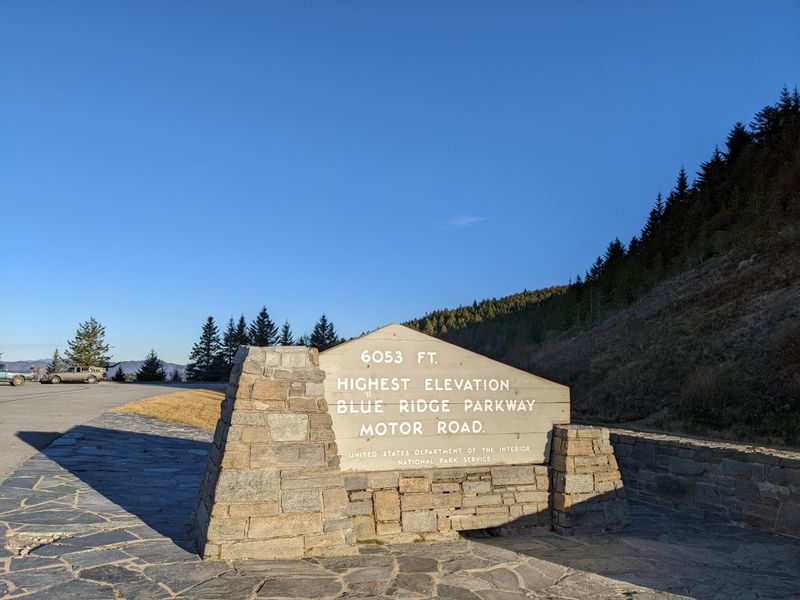
Asheville sits nestled in the heart of the Blue Ridge Mountains and serves as a gateway to some of the most breathtaking scenery in the entire eastern United States.
The city itself buzzes with energy, offering art galleries, craft breweries, and a downtown area filled with local shops and restaurants that serve everything from farm-to-table cuisine to classic Southern comfort food.
But the real magic happens when you venture just outside the city limits onto the Blue Ridge Parkway, a road that winds through the mountains for 469 miles and offers endless opportunities for hiking, picnicking, and photography.
Driving along the parkway feels like stepping into a painting, especially during fall when the leaves turn brilliant shades of red, orange, and gold.
Pullouts and overlooks appear every few miles, giving you chances to stop, stretch your legs, and take in views that stretch for miles across mountain ridges and valleys.
Many families enjoy hiking trails like the ones at Craggy Gardens, where rhododendrons bloom in June, or visiting the Folk Art Center to see traditional Appalachian crafts.
Asheville also boasts the famous Biltmore Estate at 1 Lodge Street, a massive mansion built by George Vanderbilt that features 250 rooms, beautiful gardens, and a winery.
Tours of the estate take several hours, and you can easily spend a full day exploring the grounds and learning about the Gilded Age.
The combination of mountain adventure and cultural attractions makes Asheville a destination where everyone finds something they love, whether that means hiking to a waterfall, tasting local honey at a farmers market, or simply sitting on a porch swing watching the sunset paint the mountains purple and pink.
2. Outer Banks Beaches
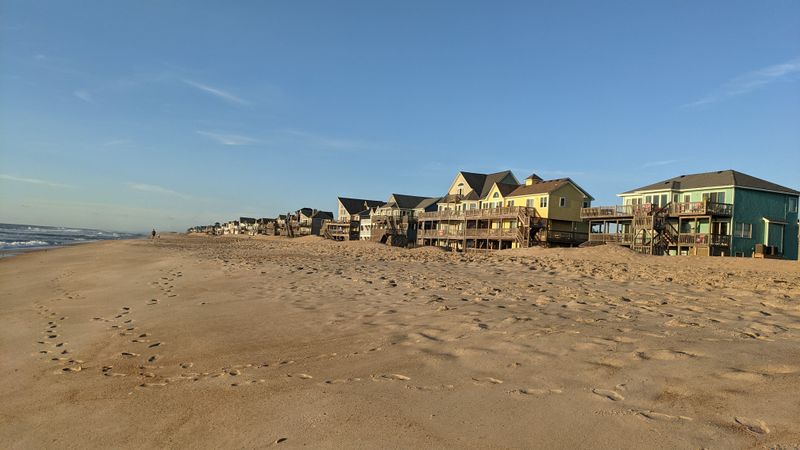
Imagine standing on a barrier island where the Atlantic Ocean crashes on one side and peaceful sounds lap against the other shore.
That experience awaits you on the Outer Banks, a string of narrow islands stretching more than 100 miles along North Carolina’s coast.
These islands offer some of the most pristine beaches on the East Coast, with soft sand perfect for building castles, collecting seashells, or just digging your toes in while the waves roll over your feet.
History runs deep here too, as the Outer Banks is where the Wright Brothers achieved the first powered flight at Kill Devil Hills in 1903.
You can visit the Wright Brothers National Memorial at 1000 North Croatan Highway in Kill Devil Hills to see replicas of their aircraft and stand on the exact spot where aviation history was made.
The islands also feature several historic lighthouses, including the famous black-and-white striped Cape Hatteras Lighthouse, the tallest brick lighthouse in North America, which you can climb for panoramic views of the coastline.
Water sports thrive in this area, with opportunities for surfing, kayaking, paddleboarding, and fishing from piers or charter boats.
The towns of Nags Head, Kitty Hawk, and Duck offer vacation rentals, fresh seafood restaurants, and shops selling everything from beach toys to local artwork.
Families often spend entire weeks here, falling into a relaxing rhythm of morning beach walks, afternoon swims, and evening dinners featuring shrimp, crab, and fish caught that very day.
Sunsets over the sound side are particularly spectacular, painting the sky in shades of pink and orange that reflect off the calm water like a mirror.
3. Great Smoky Mountains National Park
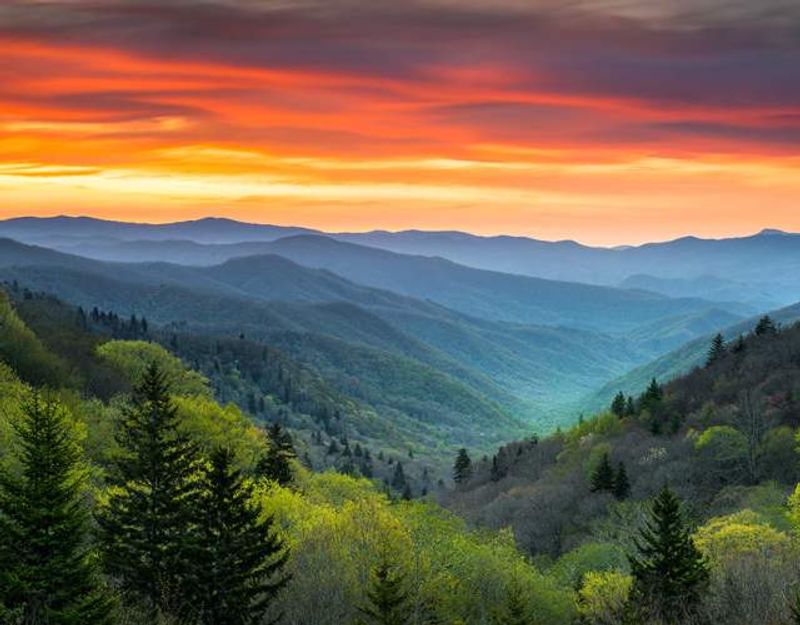
Straddling the border between North Carolina and Tennessee, Great Smoky Mountains National Park protects over 800 square miles of wilderness and welcomes more visitors each year than any other national park in America.
The name comes from the blue-gray mist that often hangs over the mountains, created by moisture released from the dense forests that blanket the slopes.
This park offers something rare and wonderful: completely free admission, making it accessible for families on any budget who want to experience nature at its finest.
More than 800 miles of trails crisscross the park, ranging from easy nature walks to challenging backcountry routes that take multiple days to complete.
Cades Cove, an 11-mile loop road on the Tennessee side accessible from North Carolina, takes you through a historic valley where you can see preserved cabins, churches, and mills from the 1800s, along with wildlife like deer, turkeys, and occasionally black bears.
The North Carolina side features entrance points near Cherokee and Bryson City, with popular trails leading to waterfalls, old-growth forests, and mountain balds covered in wildflowers during summer.
Springtime brings an explosion of color as wildflowers bloom across the forest floor, while fall transforms the mountains into a tapestry of reds, yellows, and oranges that draws photographers from around the world.
Winter offers its own quiet beauty, with fewer crowds and occasional snow dusting the highest peaks.
Ranger-led programs teach visitors about the park’s ecology, history, and the Cherokee people who called these mountains home for thousands of years.
Whether you spend a single afternoon or a full week camping under the stars, the Smokies create memories that stick with you long after you return home.
4. Wilmington and Wrightsville Beach
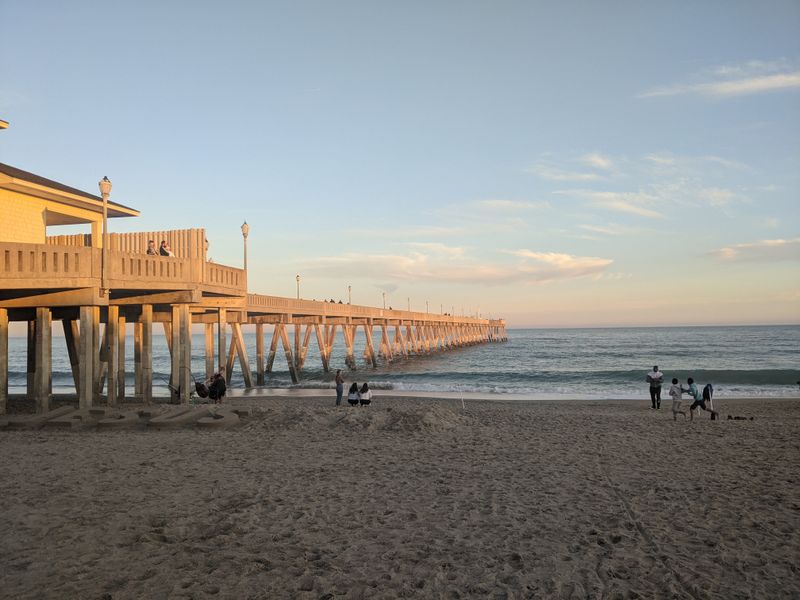
Wilmington combines Southern charm with coastal beauty, sitting along the Cape Fear River just minutes from some of North Carolina’s best beaches.
The historic downtown district features cobblestone streets, antebellum architecture, and a mile-long riverwalk that offers views of passing boats and the occasional pelican diving for fish.
Many movies and TV shows have been filmed here, earning Wilmington the nickname Hollywood East, and you might recognize locations from productions like Dawson’s Creek or One Tree Hill as you explore the city.
Just a short drive east, Wrightsville Beach provides a more laid-back atmosphere with five miles of sandy shoreline perfect for swimming, surfing, and sunbathing.
The beach attracts families who appreciate its gentle waves and lifeguards during summer months, as well as surfers who catch breaks near the Johnnie Mercer’s Pier at 23 East Salisbury Street.
Kayakers and paddleboarders love exploring the marsh creeks and islands of the Intracoastal Waterway, where you might spot herons, egrets, and maybe even a dolphin or two.
Back in Wilmington, the Battleship North Carolina sits permanently docked across the river at 1 Battleship Road, offering self-guided tours through this World War II vessel that saw action in every major Pacific battle.
The downtown area also features excellent restaurants serving fresh seafood, ice cream shops, and boutiques selling coastal-themed gifts and clothing.
Airlie Gardens at 300 Airlie Road showcases 67 acres of landscaped gardens with walking paths, sculptures, and the famous Airlie Oak, a tree estimated to be more than 400 years old.
Whether you prefer historical exploration, beach relaxation, or a mix of both, Wilmington and Wrightsville Beach deliver experiences that appeal to all ages and interests.
5. Banner Elk and Grandfather Mountain
High in the mountains of western North Carolina, the small town of Banner Elk offers a peaceful retreat surrounded by some of the highest peaks east of the Mississippi River.
This area transforms with the seasons, hosting skiers and snowboarders in winter at nearby Beech Mountain and Sugar Mountain resorts, then welcoming hikers and nature lovers during warmer months when wildflowers blanket the meadows and temperatures stay comfortable even in July.
The town itself maintains a cozy, village atmosphere with local shops, cafes, and the friendly feel of a place where everyone seems to know each other.
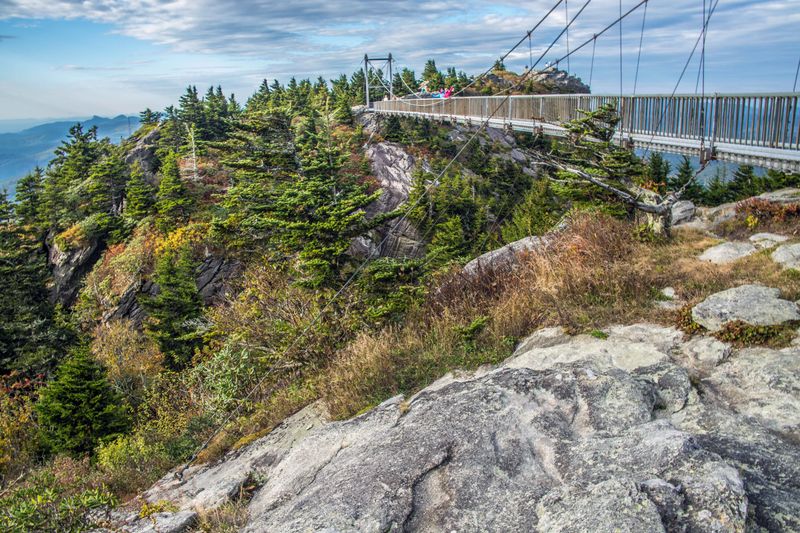
Just south of Banner Elk, Grandfather Mountain rises to 5,946 feet and features one of the most thrilling attractions in the state: the Mile High Swinging Bridge at 2050 Blowing Rock Highway.
This 228-foot suspension bridge spans an 80-foot chasm between two peaks, and walking across it on a windy day definitely gets your heart pumping.
The views from the bridge stretch for miles in every direction, showing you layer after layer of mountain ridges fading into the distance.
Grandfather Mountain is now a state park, but it also includes a nature museum with animal habitats where you can see native species like black bears, cougars, and river otters up close.
Hiking trails on Grandfather Mountain range from easy walks to challenging scrambles that require using cables and ladders to navigate steep rock faces.
The Grandfather Trail, part of the Mountains-to-Sea Trail system, offers experienced hikers a rugged adventure with incredible rewards at the summit.
Fall brings leaf-peepers from all over the country, as the mountain becomes a patchwork of brilliant colors that photographers dream about.
Nearby attractions include the charming town of Blowing Rock and the Linn Cove Viaduct, an engineering marvel where the Blue Ridge Parkway curves around the mountain on a bridge that seems to float in midair.
6. Beaufort and the Crystal Coast
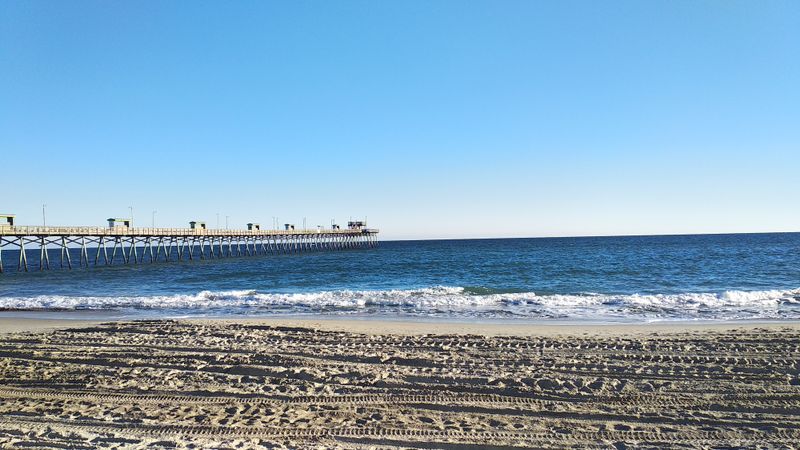
Beaufort (pronounced BOW-fort, not BEW-fort like the town in South Carolina) ranks as one of the oldest towns in North Carolina, founded in 1709, and it wears its history proudly in the form of beautifully preserved homes and buildings that line the waterfront.
Walking through the downtown area feels like stepping back in time, with tree-shaded streets, white picket fences, and the gentle sound of sailboat rigging clinking in the breeze.
The North Carolina Maritime Museum at 315 Front Street offers fascinating exhibits about the area’s connection to the sea, including artifacts from Blackbeard’s ship, the Queen Anne’s Revenge, which ran aground nearby in 1718.
The Crystal Coast gets its name from the exceptionally clear waters that lap against its shores, and it includes several barrier islands accessible by ferry or bridge.
Shackleford Banks, reachable only by passenger ferry or private boat, is home to a herd of wild horses that have lived on the island for hundreds of years, descendants of Spanish mustangs that either swam ashore from shipwrecks or were left behind by early explorers.
Watching these majestic animals roam freely along the beach creates an unforgettable experience, though visitors must remember to keep a safe distance and never feed or approach them.
Fort Macon State Park at 2303 East Fort Macon Road protects a Civil War-era fort that you can tour, along with a beautiful beach perfect for swimming and shell collecting.
The Rachel Carson Reserve, a series of small islands near Beaufort, offers opportunities for kayaking through salt marshes and observing shorebirds in their natural habitat.
Local restaurants serve incredibly fresh seafood, often caught that morning, and many offer outdoor seating where you can watch boats come and go while enjoying shrimp, scallops, or the catch of the day prepared in traditional coastal Carolina style.
7. Boone and Blowing Rock
Named after the famous frontiersman Daniel Boone, who explored these mountains in the late 1700s, the town of Boone sits at an elevation of more than 3,300 feet in the heart of the High Country.
Home to Appalachian State University, Boone maintains a lively college-town atmosphere with coffee shops, bookstores, music venues, and restaurants that serve everything from Appalachian comfort food to international cuisine.
The downtown area, particularly along King Street, invites visitors to stroll past murals, galleries, and shops selling mountain crafts, outdoor gear, and locally made goods.
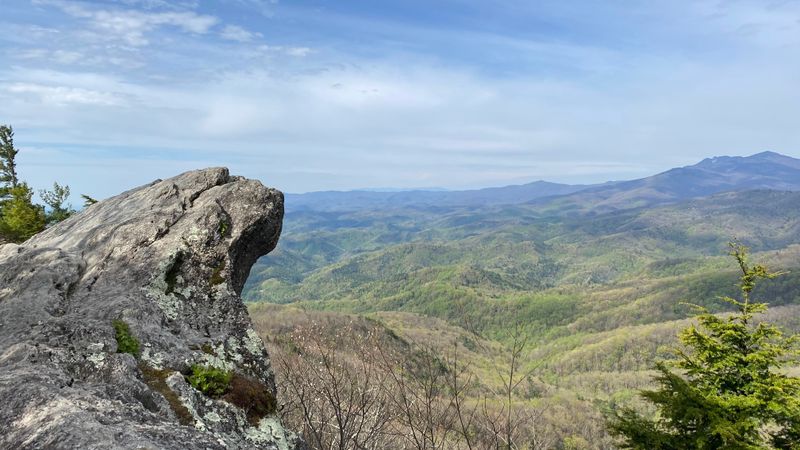
Just south of Boone, the village of Blowing Rock takes its name from a cliff where updrafts are so strong that light objects thrown over the edge sometimes blow back up.
The Blowing Rock attraction at 432 The Rock Road has been drawing visitors since the 1930s to experience this natural phenomenon and enjoy views that stretch across the Johns River Gorge to Grandfather Mountain and beyond.
The town itself charms visitors with its walkable main street lined with boutiques, art galleries, and restaurants, along with beautifully maintained gardens and parks that bloom throughout the warmer months.
Outdoor recreation defines this region, with opportunities for hiking, mountain biking, fly fishing, and rock climbing during spring, summer, and fall, then skiing and snowboarding when winter arrives.
The Tweetsie Railroad at 300 Tweetsie Railroad Lane in Blowing Rock offers family fun with a Wild West theme park built around a historic steam locomotive.
Summer brings outdoor drama to the area, including Horn in the West, a play about Daniel Boone and the Revolutionary War performed in an outdoor amphitheater.
Whether you visit during the vibrant colors of autumn, the wildflower displays of spring, or the snowy quiet of winter, Boone and Blowing Rock offer mountain experiences that feel authentic and welcoming.
Dear Reader: This page may contain affiliate links which may earn a commission if you click through and make a purchase. Our independent journalism is not influenced by any advertiser or commercial initiative unless it is clearly marked as sponsored content. As travel products change, please be sure to reconfirm all details and stay up to date with current events to ensure a safe and successful trip.
