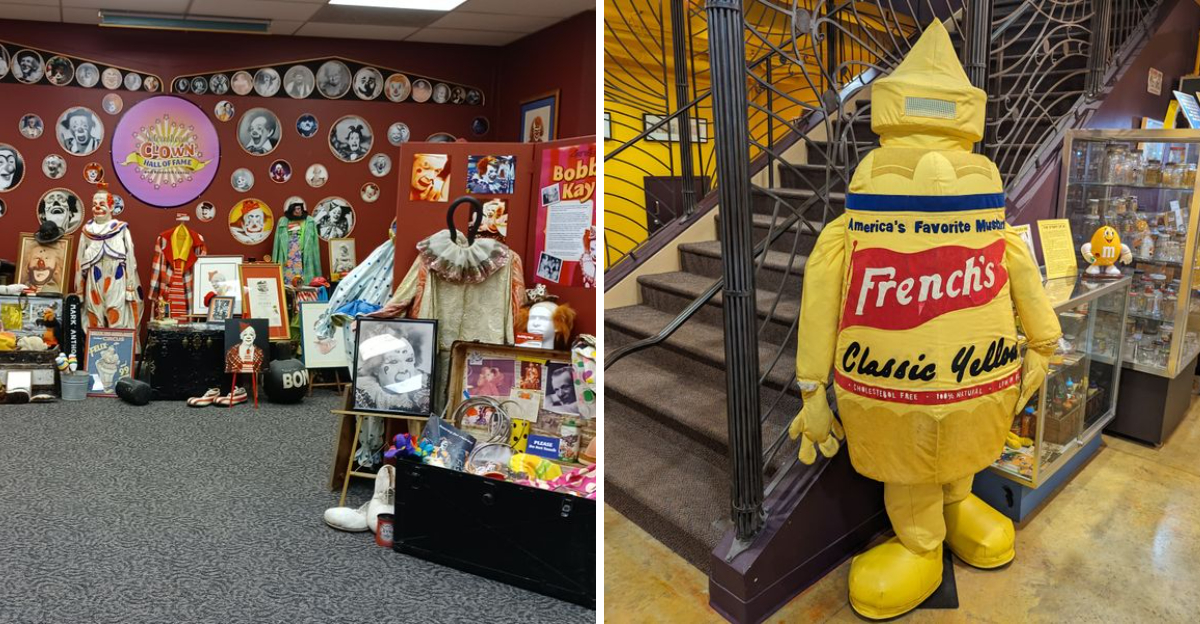
Wisconsin isn’t just about cheese curds and football, it’s also home to some wonderfully quirky museums.
Across the state, you’ll stumble upon collections that celebrate everything from mustard jars to circus wagons.
These spots mix history with humor, turning everyday objects into fascinating exhibits.
Families, road-trippers, and curious locals all find themselves surprised by the creativity tucked inside these galleries.
Get ready to explore ten museums in Wisconsin with collections you didn’t know existed!
1. National Mustard Museum, 7477 Hubbard Ave, Middleton, WI 53562
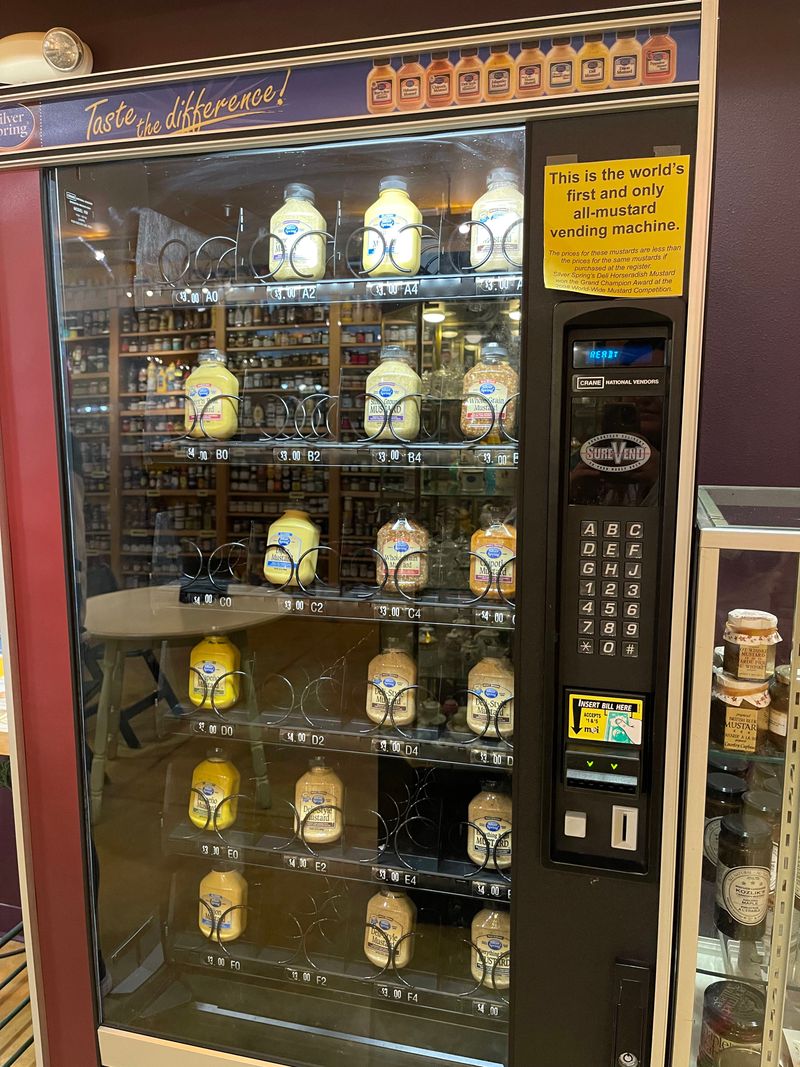
Quirk meets scholarship at the National Mustard Museum, where you can wander aisles of gleaming jars like a curator on a flavor quest.
The collection tops six thousand jars, bottles, and tubes gathered from all fifty states and over seventy countries, and the labels alone feel like miniature travel posters.
Displays explain styles from Dijon to Bavarian sweet, while playful placards keep the learning light and the pace easy.
You will find rare discontinued varieties, historic tins that document branding trends, and regional standouts that spark conversation about food culture.
Interactive exhibits invite you to compare textures, read ingredient lists, and trace mustard seeds from field to famous stadiums.
Staff members share lore about competitions, festivals, and mustard pairings, though you will not see food served, only the story behind it.
The Poupon U gift shop leans into the joke with collegiate sweatshirts and punny souvenirs that double as conversation starters back home.
Shelves stack high with themed merchandise, tasting kits, and encyclopedic posters that make organizing your pantry feel like curating.
It is fun to browse slowly, since every corner hides a label that breaks the mold or a jar with a wild origin story.
Middleton location makes it an easy stop from Madison, and parking nearby helps keep the visit simple.
Docents happily point out under the radar gems and explain how small makers keep mustard traditions alive across Wisconsin.
Photo spots abound, and the museum welcomes families, solo travelers, and tour groups who enjoy lighthearted history.
The tone stays friendly and informative, turning a humble condiment into a passport to global tastes without needing a passport stamp.
Plan thirty to ninety minutes, depending on how deep you dig into the archives and label lore.
You will leave with new trivia, a grin, and maybe a sweatshirt that says you graduated from Poupon U.
2. The House on the Rock, 5001 County Rd G, Spring Green, WI 53588
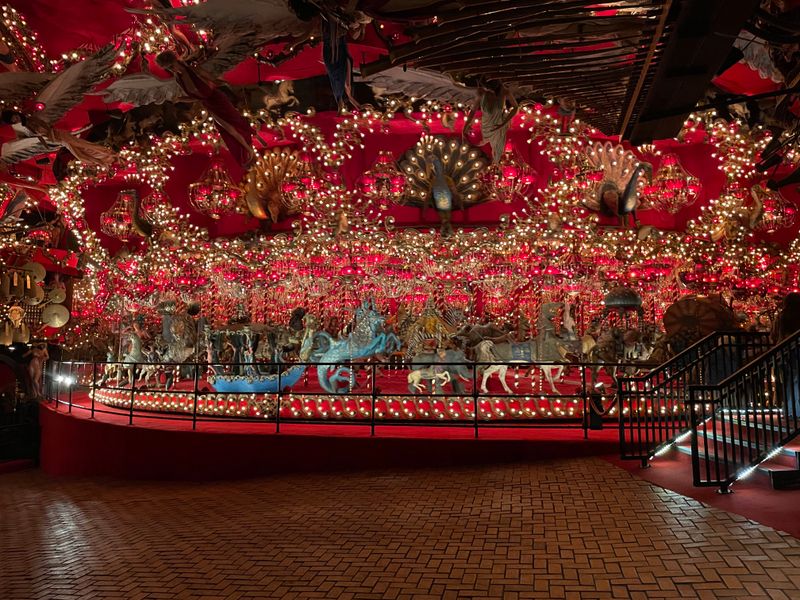
The House on the Rock takes wonder and turns the dial past eleven until reality feels playfully flexible.
The complex sprawls across themed sections, culminating in the world’s largest indoor carousel that ripples with lights and mythical creatures.
Every gallery reframes scale, from a two hundred foot sea creature to hallways that drift into dreamy perspectives.
Mechanical music rooms hum with orchestrions that perform without visible players, and the sound wraps around you like a curious fog.
Walkways lead to cabinets packed with figurines, nautical scenes, and room sized dioramas that suggest a collector chasing imagination itself.
The Infinity Room stretches over the forest canopy and delivers vertigo tinged views through angled glass and timber.
Interpretive signs give dates, context, and repair notes that reveal constant upkeep behind the showman sparkle.
You can pace yourself with rest stops, since the route is long and layered, and comfortable shoes matter here.
Photography rules apply in certain spots, so pause to confirm what is allowed before lining up shots.
Families enjoy the fantasy elements, while design fans focus on structure, lighting, and clever illusions that bend sightlines.
The carousel alone rewards several loops as patterns shift and details jump out with each slow spin.
Exhibits change subtly across seasons, and the staff keeps mechanical marvels tuned for steady performances.
Spring Green offers nearby arts attractions that pair well with a day here, making a full itinerary easy in Wisconsin.
Allow at least three hours to explore, though true collectors at heart might double that without noticing time pass.
There are benches, maps, and signage that corral the scale into digestible moments.
You leave with a head full of music, a pocket of ticket stubs, and a renewed appetite for whimsical design.
3. National Bobblehead Hall of Fame and Museum, 170 S 1st St, Milwaukee, WI 53204

The National Bobblehead Hall of Fame and Museum turns a familiar desk toy into a sprawling portrait of pop culture.
Glass cases line the galleries with more than ten thousand bobbleheads that nod gently as visitors pass.
Sports heroes share space with political figures, musicians, mascots, and limited runs made for local events.
Placards explain mold types, spring mechanics, licensing hurdles, and the difference between vintage ceramics and modern resin.
Some showcases trace a single franchise across decades, while others highlight regional favorites that only Wisconsin fans might instantly recognize.
Custom creations celebrate community icons, turning neighborhood stories into shelf sized tributes that keep memories moving.
Interactive corners let you match faces to names and test trivia that connects athletes to milestone games.
The museum store sells commemoratives that mirror special exhibitions, though the focus stays on curation rather than shopping.
Photography is welcomed in many areas, so you can frame clever shots with reflective cases and tidy sightlines.
Staff members enthusiastically share backstories about prototypes, misprints, and production runs that never reached retail.
Rotating displays keep repeat visits fresh, and seasonal themes align with big tournaments and playoffs.
The layout is walkable and bright, making it friendly for families and small groups who like to compare favorites.
Expect to spend an hour or two depending on how deep you dive into rosters and rare sets.
Milwaukee location puts you close to riverfront walks and nearby attractions that fill out a relaxed urban itinerary in Wisconsin.
Exhibit maps encourage an efficient loop if you are on a schedule, while benches offer pauses for detail spotting.
You leave amused and oddly inspired by how a simple nod can carry history, humor, and hometown pride.
4. Spinning Top and Yo-Yo Museum, 533 Milwaukee Ave, Burlington, WI 53105
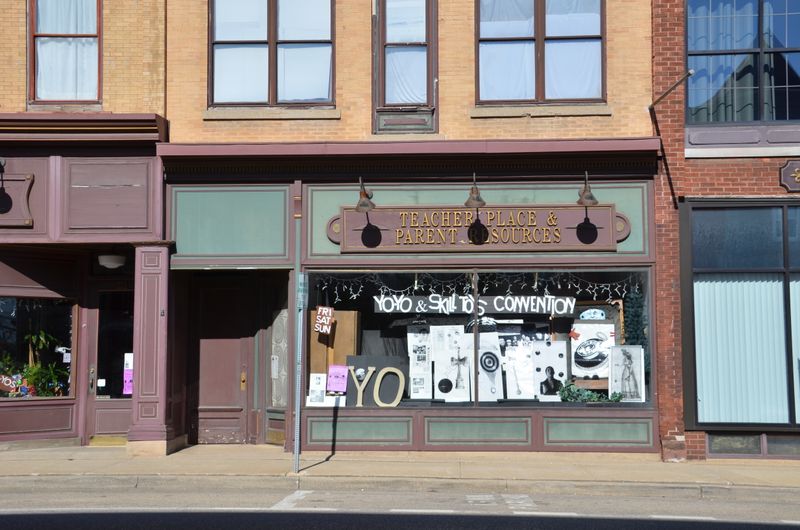
The Spinning Top and Yo-Yo Museum celebrates motion with a collection that turns physics into play.
Over two thousand antique and modern tops, yo-yos, and gyroscopes sit in neat cases that catch the light.
The variety spans tin windups, precision metal throws, novelty shapes, and championship grade models with colorful strings.
Guided programs explain precession, spin times, and axle types using simple demonstrations that feel like miniature science shows.
Tours run by appointment or at specific times, so checking Google Maps or the museum site helps avoid missed windows.
Hands on segments invite safe practice with loaner yo-yos, and staff offer tips that make tricky sleepers feel achievable.
Historical posters trace brand rivalries, contest circuits, and the golden eras that shaped toy culture in America.
Cases include autographed models from champions along with rare packaging that collectors will immediately recognize.
Displays stay compact and focused, which suits family visits and short attention spans while still rewarding detail hunters.
Photography policy is friendly, though flashes may be restricted to protect delicate finishes and vintage printwork.
The downtown Burlington setting adds small town charm and easy walking to nearby shops after your spin session.
Explanations keep jargon minimal and emphasize how simple design tweaks change balance and control.
You can comfortably see everything in an hour, or linger longer if you love mechanical ingenuity.
Seasonal workshops sometimes add extra demonstrations, and schedules appear online with straightforward updates.
It is a sweet detour on a Wisconsin road trip, especially if you cherish toy history and hands on learning.
You will leave with a new appreciation for smooth throws, tidy binds, and the joy of a perfect return.
5. International Clown Hall of Fame and Research Center, 102 4th Ave, Baraboo, WI 53913
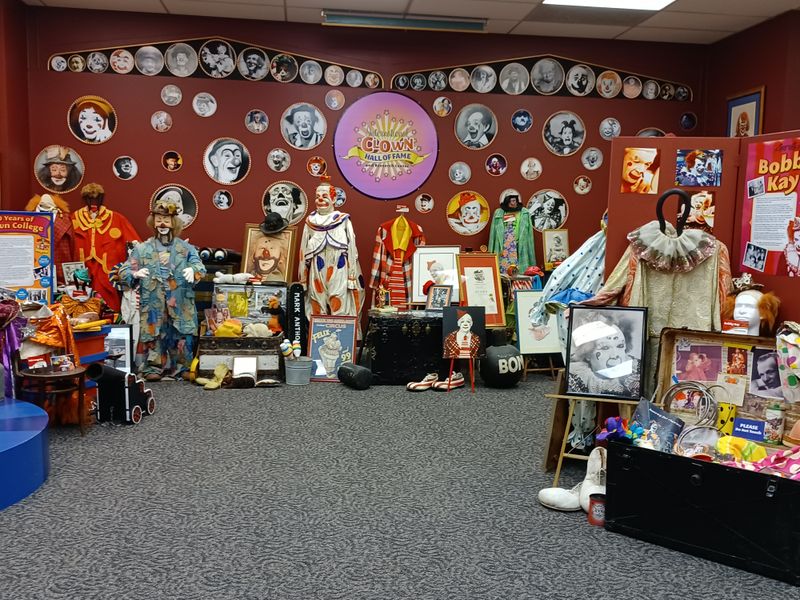
The International Clown Hall of Fame and Research Center treats clowning as a serious performing art with deep roots.
Costumes and makeup kits sit under careful lights, showing textures, patterns, and tools that define iconic looks.
Archival photos line the walls with images of arena dates, circus tents, and theater bills from a century of tours.
Baraboo history intersects with circus heritage, and the museum adds context about training, timing, and character building.
The Clown Gallery features portraits of legendary performers, each captioned with career milestones and signature routines.
Video stations play short clips that demonstrate slapstick beats, ensemble timing, and audience rapport without spilling secrets.
Workshops and Q and A sessions occasionally bring practitioners who explain gag construction and safety fundamentals.
Displays neither trivialize nor over romanticize, instead letting artifacts speak through craft, care, and performance memory.
Families find approachable storytelling, while theater students spot lessons about physical comedy and stage presence.
Quiet reading nooks hold research binders, clippings, and playbills for deeper study between gallery rooms.
Policies encourage respectful photography that keeps distance from fragile fabrics and face paint relics.
The tone stays warm and celebratory, reminding visitors that humor requires skill, rehearsal, and teamwork.
Staff members are generous with anecdotes, clearly labeled when they share local legends rather than recorded fact.
Baraboo location pairs well with nearby circus sites, making a themed day easy in Wisconsin.
Plan about ninety minutes, adding time if you watch several videos or read full biographies.
You exit with a new respect for craft, plus a grin that lingers longer than the red nose you tried on in the mirror.
6. A World of Accordions Museum, 1401 Belknap St, Superior, WI 54880

A World of Accordions Museum welcomes you inside a former historic church that now sings with rows of instruments.
More than thirteen hundred accordions, concertinas, and related bellows driven cousins stretch across galleries and choir lofts.
Placards trace origins from European workshops to immigrant communities that carried music into new towns and dance halls.
You can examine reeds, key layouts, and tonal ranges that make polkas, waltzes, and folk standards feel distinct.
Exhibits include maker marks, repair benches, and cutaway models that reveal internal mechanics with crisp clarity.
Listening stations play archival tracks that demonstrate styles from French musette to conjunto and beyond.
Docents share restoration insights and explain how climate control protects delicate woods and leathers through Superior winters.
Occasional recitals fill the nave with warm sound, though schedules vary and are posted seasonally.
Photography etiquette asks visitors to avoid flashes near vintage finishes and hand painted bellows.
The space feels contemplative, inviting slow steps and close looks at craftsmanship you might otherwise overlook.
Families find approachable explanations, and musicians appreciate technical depth that never talks down.
The museum positions Wisconsin within a wider musical map that links port cities, rail lines, and cultural festivals.
Expect to spend one to two hours, depending on how many tracks you sample and notes you read.
Accessibility features include clear aisles and seating spots that double as good listening points.
The gift area focuses on books, recordings, and educational materials that extend learning at home.
You leave with a new ear for reeds, a respect for patient craft, and maybe a playlist to soundtrack the drive.
7. History Museum at the Castle, Houdini Exhibit, 330 E College Ave, Appleton, WI 54911
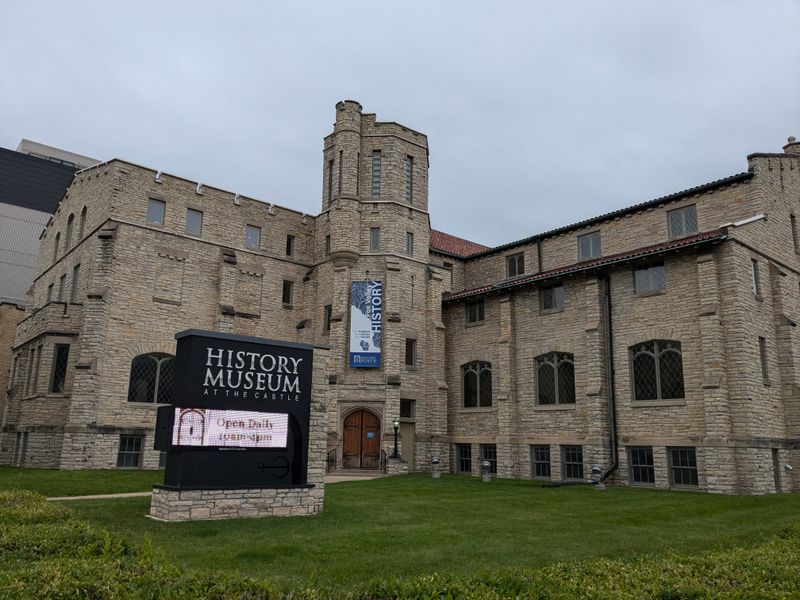
The History Museum at the Castle anchors Appleton heritage while drawing visitors with a focused Houdini collection.
Glass cases present handcuffs, lock picks, posters, and theater ephemera that frame a career built on daring craft.
Interpretive text pairs myth with documented timelines so you can separate legend from tested biography.
Hands on stations invite safe puzzles that echo escape themes without risking stuck fingers or stressed hinges.
Archival photographs show hometown connections, revealing how early experiences shaped touring grit and confidence.
Stage props illustrate misdirection principles alongside discussions of rehearsal discipline and legal disputes over illusions.
The wider museum covers regional history, but the Houdini rooms hold most visitors longest with crisp storytelling.
Rotating displays swap in fragile items to balance conservation with fresh reasons to return.
Staff share reading lists and gently flag rumors as unverified when questions bend toward folklore.
Audio clips offer lively context using performers, historians, and excerpts from contemporary news.
Plan ninety minutes to absorb details without rushing, especially if you like decoding mechanics.
Photography rules vary by artifact, and signs clearly mark restrictions to protect sensitive paper.
The downtown location fits a walkable itinerary near the Fox Cities Performing Arts Center in Wisconsin.
Gift selections lean toward books and puzzles that extend the theme into rainy afternoon fun.
Exhibit design favors clear sightlines and comfortable pacing so families and solo travelers both feel welcome.
You exit feeling informed and energized, with a sharper eye for illusion and a healthy respect for rehearsal.
8. National Freshwater Fishing Hall of Fame, 10360 Hall of Fame Dr, Hayward, WI 54843

The National Freshwater Fishing Hall of Fame marries roadside spectacle with serious angling history in a forested campus.
The star is a four story muskie that you can walk through, complete with a panoramic jaw platform for photos.
Inside the adjacent buildings, cases hold tens of thousands of lures, rods, reels, and tournament relics.
Exhibits cover regional species, conservation practices, and record keeping protocols that standardize world class catches.
Historical boats and outboards chart design leaps that shaped tactics from small lakes to great northern waters.
Maps highlight legendary fisheries and explain seasonal patterns that guide responsible trips across Wisconsin and beyond.
Interactive screens let you compare lure shapes, retrieve speeds, and water clarity strategies without touching fragile gear.
The tone is welcoming to beginners while still giving hardcore anglers data worth a notebook.
Families appreciate the outdoor space, which encourages short breaks between galleries and the big fish interior.
Docents share stories about famous anglers and clarify when a tale qualifies as local legend rather than confirmed fact.
Photo policies are easygoing around the giant muskie, making it a centerpiece stop for road trip albums.
Allow two hours if you want to read records and browse vintage lure art with care.
Weather can shape the experience, so bring layers in shoulder seasons and plan flexible timing.
The gift area emphasizes maps, patches, and educational materials over novelty items.
You leave with conservation tips, a sense of regional pride, and a renewed urge to organize your tackle box.
Hayward location turns the visit into a scenic detour that fits beautifully in a northern Wisconsin itinerary.
9. Museum of Woodcarving, 539 Museum Rd, Shell Lake, WI 54871
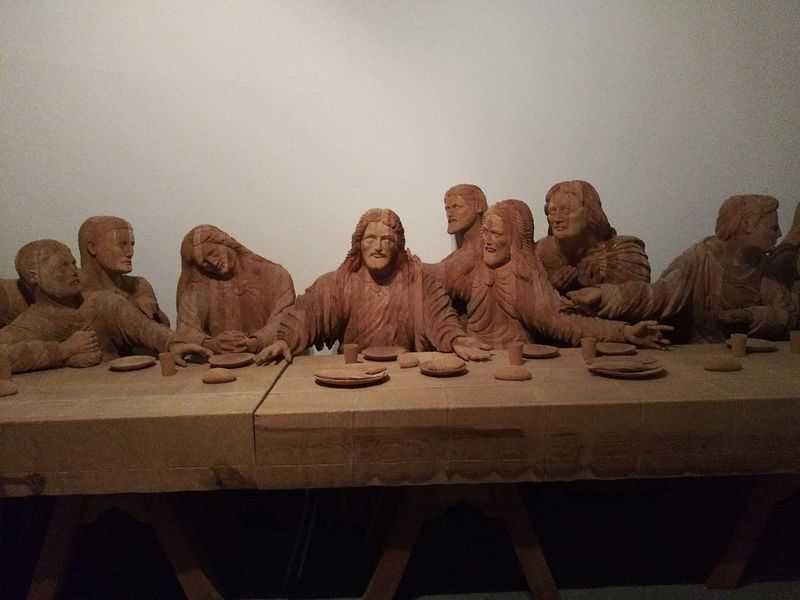
The Museum of Woodcarving showcases the life work of Joseph Barta in a serene gallery surrounded by pines.
One hundred life sized figures carved from pine stand in careful tableaus that read like freeze frames from stories.
The massive Last Supper replica anchors the space, drawing long gazes to faces and drapery cut with patience.
Carvings balance realism with stylized grain that keeps the wood present as both subject and medium.
Informational panels describe tools, woods, and finishing steps that produce consistent tones across large scenes.
Visitors move quietly, and the lighting favors warm highlights that reveal chisel paths and layered textures.
Docents share biographical notes and restoration efforts that keep aging pieces stable through seasonal swings.
Photography is often allowed without flash, which preserves color while giving room for thoughtful framing.
The collection invites slow looking, since gestures and expressions unfold with time rather than quick glances.
Families can discuss composition and storytelling while walking the main aisle at an easy pace.
Shell Lake setting adds restful vibes that pair well with nearby trails and lake views in Wisconsin.
Plan an hour to ninety minutes, stretching longer if you sketch or take notes on technique.
Gift offerings lean toward books and small carvings by regional artists who carry forward handcraft traditions.
The building design provides wide paths and seating that make the visit comfortable for varied ages.
It is a place that rewards respectful quiet and a willingness to notice small details in wood.
You depart feeling grounded, with a new appreciation for patience, tool care, and the narrative power of grain.
10. National Mustard Museum Travel Tips And Nearby Ambiance
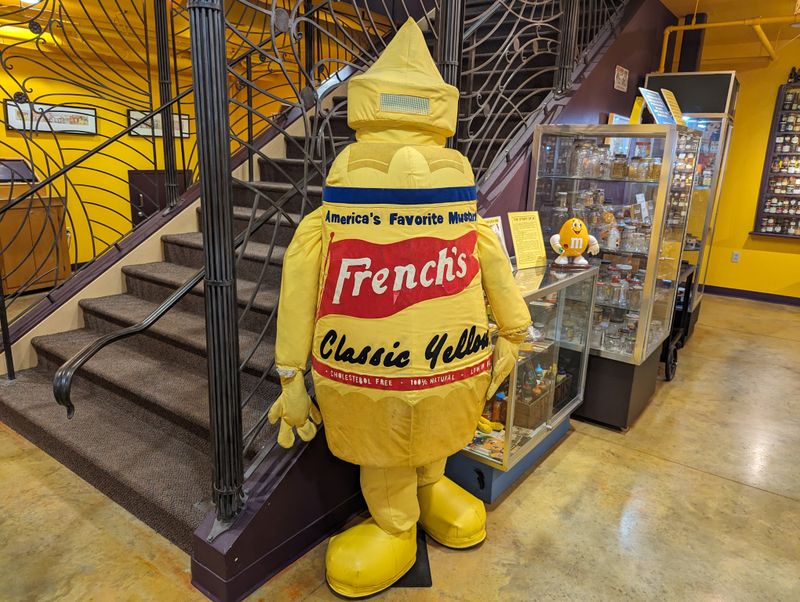
Before your visit, check the National Mustard Museum calendar for special tastings or trivia sessions that add extra fun.
Weekends can be lively, so early morning or late afternoon slots often translate to calmer browsing.
Parking options sit along Hubbard Avenue, and the compact footprint makes the stop easy during a Madison day.
Inside, start with the overview wall to anchor the global map of makers, then wander by region for context.
Scan labels for ingredient differences that shift heat and sweetness so your future shopping trips feel smarter.
The Poupon U corner is playful and worth a quick pass even if you are not focused on souvenirs.
Photos work best with a wider lens since the shelves are tall and tightly organized.
Plan a flexible schedule if you like reading every placard because the captions carry a lot of charm.
Pair the museum with a stroll through Middleton’s walkable center to keep the day balanced and easy.
Families should budget small breaks for kids to reset between denser displays and the funniest label finds.
If you rely on accessibility features, call ahead for current details about aisles and seating spots.
Winter visits feel cozy, while summer brings more foot traffic and brighter ambient light for photos.
As with all addresses in this guide, confirm hours on official sites since seasonal shifts happen in Wisconsin.
Use the visit to spark a tasting journal at home that tracks favorite styles by region and seed grind.
You will leave primed for pairings at future picnics without needing to carry anything beyond notes and a grin.
Save a final minute to peek back at the entrance and admire how a humble condiment built a destination.
Dear Reader: This page may contain affiliate links which may earn a commission if you click through and make a purchase. Our independent journalism is not influenced by any advertiser or commercial initiative unless it is clearly marked as sponsored content. As travel products change, please be sure to reconfirm all details and stay up to date with current events to ensure a safe and successful trip.
