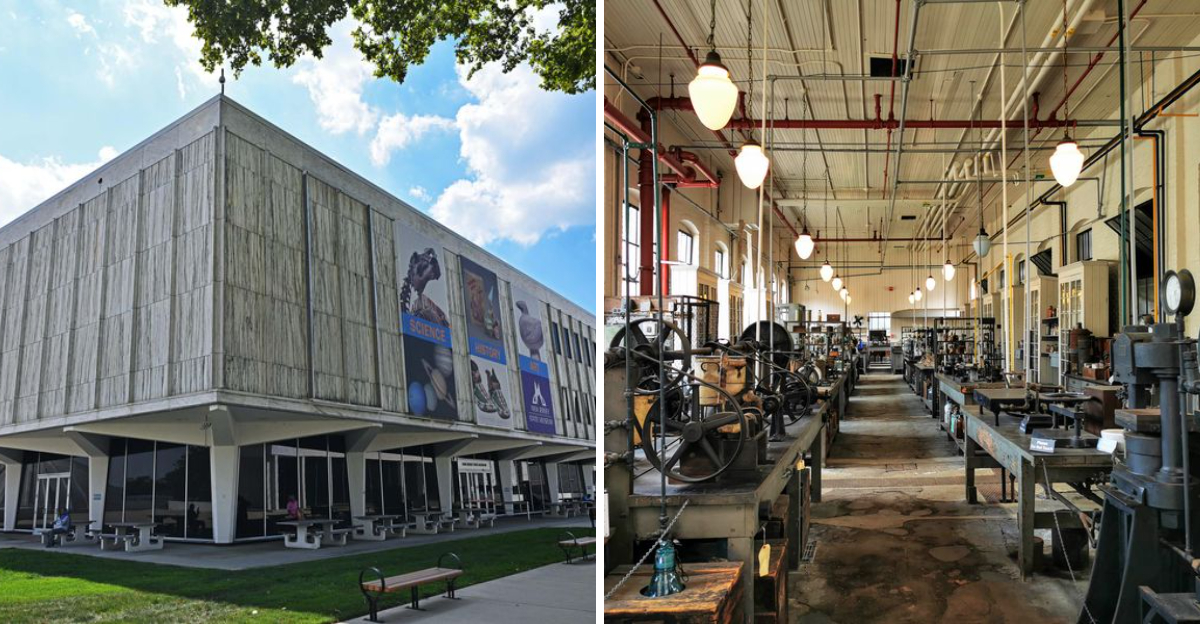
What if I told you New Jersey is secretly one of the best museum destinations in America?
I’m a total museum nerd, and New Jersey has me spoiled for choice. Every time I think I’ve seen it all, another quirky collection or jaw-dropping exhibit pops up to prove me wrong.
From science centers that make me feel like a kid again to art museums that convince me I’m cultured (at least for an afternoon), this state knows how to keep things interesting.
I’ve wandered through halls filled with dinosaur bones, marveled at sculptures that look like they belong in a dream, and even stumbled into places dedicated to things I didn’t know could have their own museum.
Honestly, who needs Broadway when you’ve got Jersey’s cultural playground right here? And let’s be real: half the fun is bragging to your friends that you found “the coolest museum ever” tucked away in a town they can’t even pronounce.
Sure, some people chase roller coasters or beach vibes, but I chase exhibits, and New Jersey delivers them in spades.
Think of this list as your cheat sheet to impress dates, entertain kids, or just look smarter at dinner parties.
1. The Newark Museum of Art
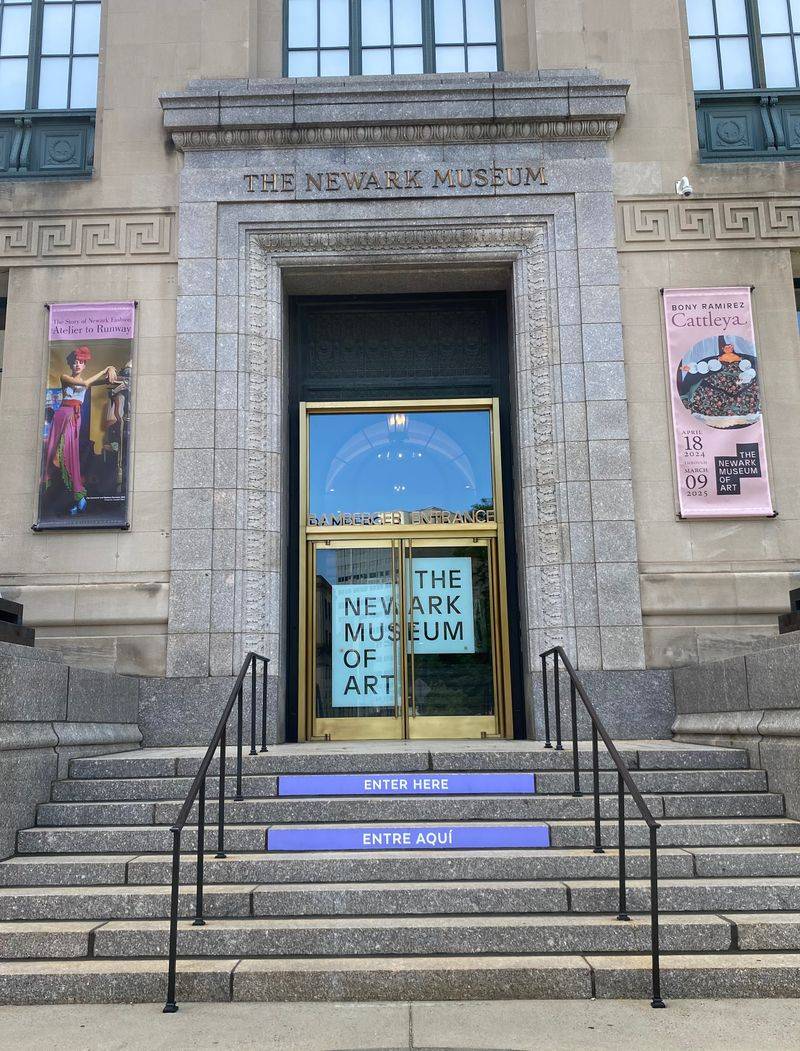
Standing outside The Newark Museum of Art for the first time, I noticed how the building itself tells a story of old meeting new. The original structure blends beautifully with modern glass additions, creating this welcoming space that doesn’t feel intimidating at all.
Inside, the collections span way more ground than I anticipated. American art fills multiple galleries, with pieces ranging from colonial times to contemporary works that were created just years ago.
I spent almost an hour in the Tibetan art section alone, which houses one of the most complete collections outside Asia.
The decorative arts galleries showcase furniture, glass, and ceramics that demonstrate incredible craftsmanship across centuries. Walking through these rooms feels like traveling through time, seeing how people lived and what they valued.
The museum doesn’t just display objects behind glass either.
Interactive elements throughout encourage visitors to engage with the art in meaningful ways. Kids especially love the hands-on activities scattered across different floors.
I watched families spend entire afternoons exploring without anyone getting bored.
The planetarium adds another dimension entirely, offering shows that explain our universe in ways anyone can understand. Science and art coexist here naturally.
The sculpture garden outside provides a peaceful spot to rest between galleries, with benches positioned perfectly for reflection.
Rotating exhibitions keep the experience fresh even for repeat visitors. I’ve returned three times now, and each visit revealed something I hadn’t noticed before.
The museum manages to feel both comprehensive and intimate, never overwhelming despite its size.
Address: 49 Washington St, Newark, NJ 07102
2. Liberty Science Center
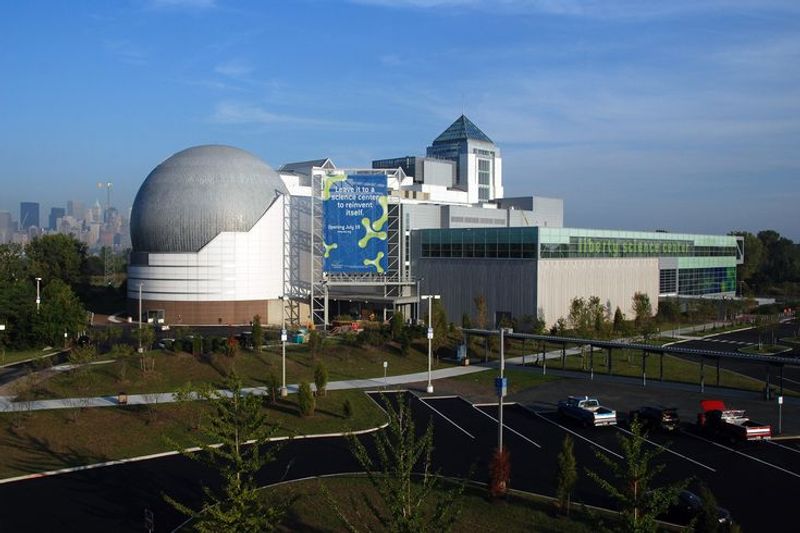
The massive glass structure of Liberty Science Center catches sunlight in ways that make it look almost futuristic. I arrived early one Saturday and still found families already lined up at the entrance, eager to get inside.
What strikes you immediately is how hands-on everything feels. Unlike traditional museums where you just look, this place wants you to touch, experiment, and play with nearly every exhibit.
I watched a kid launch a rocket using air pressure, then spent ten minutes trying it myself.
The Touch Tunnel presents a unique challenge that stays with you. Crawling through complete darkness using only touch to navigate sounds simple but becomes an unforgettable sensory experience.
My heart raced a bit even though I knew I was perfectly safe.
Live demonstrations happen throughout the day, with educators making complex science concepts surprisingly simple. A chemistry show had the entire audience laughing while actually learning about molecular reactions.
The presenters know how to entertain without dumbing anything down.
The IMAX theater shows nature documentaries and science films on a screen so large it fills your entire field of vision. Sitting there feels like you’ve stepped into another world entirely.
I saw a film about ocean life that made me feel like I was swimming alongside whales.
Skyscraper exhibits let you experience what it’s like building tall structures, complete with challenges engineers face daily. Energy exhibits show where power comes from and how we use it.
Every corner offers something new to discover and understand better.
Address: 222 Jersey City Blvd, Jersey City, NJ 07305
3. Grounds For Sculpture
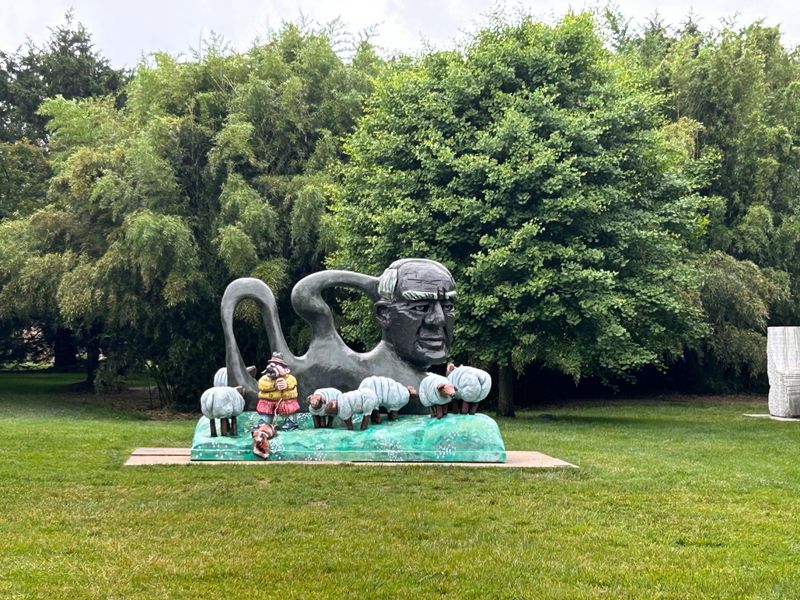
Calling Grounds For Sculpture just a museum feels wrong because it’s really an outdoor wonderland. Forty-two acres of sculptures blend with gardens so carefully planned that nature and art become one experience.
I got lost here in the best possible way. Paths wind around every corner, revealing new sculptures that range from realistic to completely abstract.
Some pieces made me laugh, others left me standing still just thinking. The variety means everyone finds something that speaks to them personally.
Seward Johnson’s realistic bronze figures appear throughout the grounds, often catching visitors off guard. I nearly apologized to one sculpture thinking it was an actual person sitting on a bench.
These lifelike works create playful moments that break down barriers between art and everyday life.
The landscaping deserves as much attention as the sculptures themselves. Someone clearly spent years planning which plants would frame each artwork perfectly.
Spring brings explosions of color with flowering trees and bulbs, while fall transforms the grounds into a canvas of reds and golds.
Indoor galleries provide climate-controlled spaces featuring rotating exhibitions from contemporary artists. I appreciated having these spaces during my summer visit when the heat became intense.
The buildings themselves showcase interesting architecture that complements rather than competes with outdoor installations.
Peacocks roam freely across the property, adding unexpected wildlife encounters to your art experience. Watching one strut past a modern sculpture created this surreal moment I still remember clearly.
Small cafes scattered throughout offer spots to rest and reflect on what you’ve seen.
Address: 80 Sculptors Way, Hamilton Township, NJ 08619
4. Princeton University Art Museum
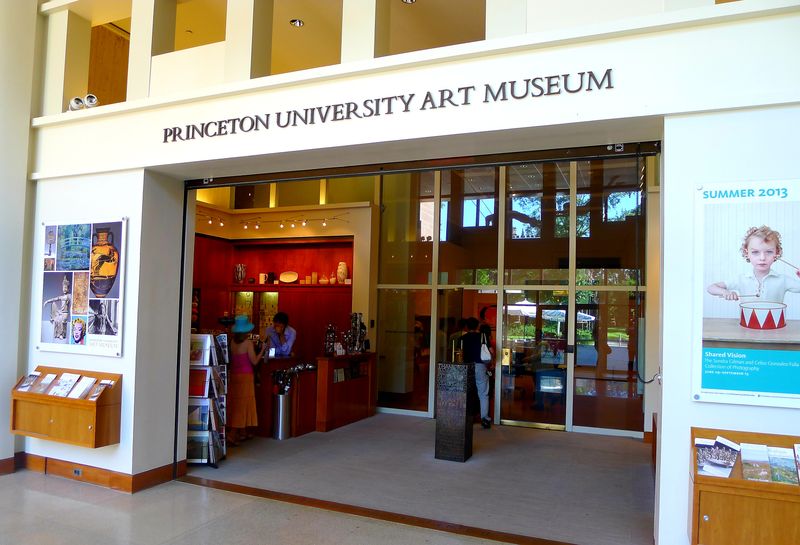
Walking onto Princeton’s campus already feels like stepping into history, and the art museum continues that sensation beautifully. The building’s architecture reflects the university’s gothic style while creating gallery spaces filled with natural light.
Collections here span the entire globe and thousands of years. Ancient Mediterranean artifacts share space with Asian art, European paintings, and contemporary photography.
I found myself drawn to the Chinese galleries, where jade carvings and bronze vessels demonstrated skill levels that seem impossible even today.
The museum takes education seriously without making it feel like school. Labels provide enough context to understand what you’re seeing without overwhelming you with academic language.
I learned about artistic techniques and historical contexts naturally while simply enjoying the beauty around me.
European painting galleries feature works by masters whose names you’d recognize immediately. Standing inches away from a Monet or Van Gogh creates connections that reproductions never achieve.
The brushstrokes become visible, revealing the human hand behind famous images.
African art collections challenge typical museum presentations by focusing on artistic achievement rather than anthropological curiosity. Masks, sculptures, and textiles demonstrate sophisticated aesthetic traditions that deserve appreciation as fine art.
The museum’s approach respects these cultures while making their artistic contributions accessible.
Photography exhibitions rotate regularly, showcasing both historical and contemporary work. I saw an exhibition of civil rights era photographs that carried tremendous emotional weight.
The medium’s ability to document and interpret reality simultaneously becomes clear in these carefully curated shows.
Student presence adds energy you don’t find in many museums. Young people sketching in galleries or discussing pieces with professors reminds you that art remains living and relevant.
Address: 11 Elm Dr, Princeton, NJ 08544
5. Thomas Edison National Historical Park
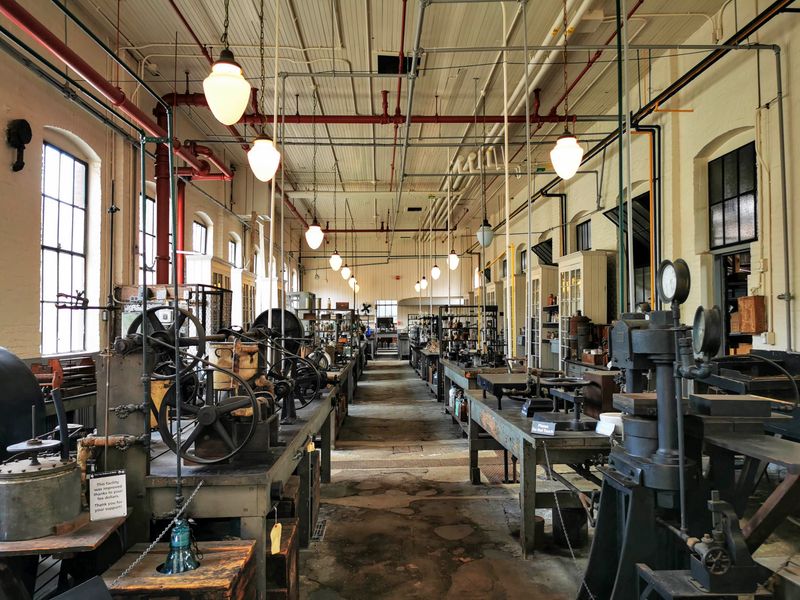
Few places let you walk through actual spaces where world-changing inventions happened. Thomas Edison’s laboratory complex in West Orange preserves the rooms where he and his team created technologies we still use daily.
The main laboratory building feels frozen in time, with workbenches still holding tools and materials as if Edison just stepped out for lunch. I touched surfaces he touched, stood where he stood while thinking through problems.
That tangible connection to history creates goosebumps.
What surprised me most was learning how Edison ran his operation like a modern startup. He employed dozens of skilled workers, each specializing in different aspects of invention and production.
The teamwork aspect contradicts the lone genius myth we often hear about famous inventors.
The chemistry lab still contains thousands of bottles and jars, many with original contents and Edison’s handwritten labels. Seeing his actual handwriting on everyday objects makes him feel less like a distant historical figure and more like a real person who worked methodically toward goals.
His library upstairs shows the breadth of his interests beyond invention. Books on every subject imaginable line the shelves, revealing a curious mind that never stopped learning.
I spent time just reading titles, imagining him pulling volumes down while researching new ideas.
The phonograph collection demonstrates how Edison’s invention evolved from a curiosity into a entertainment revolution. Early cylinders sit alongside later disc players, showing rapid technological progress.
Hearing recordings from over a century ago still sounds magical.
Glenmont, Edison’s nearby home, can be toured separately and shows his personal life. The contrast between his work environment and home life adds depth to understanding him as a complete person.
Address: 211 Main St, West Orange, NJ 07052
6. Battleship New Jersey Museum and Memorial

Nothing prepares you for the sheer size of Battleship New Jersey until you’re standing beside it. The grey hull rises like a floating building, stretching longer than three football fields.
I felt tiny walking up the gangway.
Once aboard, you’re free to explore almost the entire ship from the bridge down to engine rooms deep below the waterline. Unlike many museum ships that restrict access, this one lets you climb ladders, squeeze through hatches, and really experience what sailors faced daily.
The main gun turrets hold massive sixteen-inch guns that could fire shells weighing as much as a small car over twenty miles. Standing inside these turrets while imagining the noise and chaos of battle creates perspective on what crews endured.
The mechanical systems that loaded and aimed these weapons demonstrate impressive engineering.
Crew quarters show how hundreds of sailors lived in cramped spaces for months at a time. Bunks stack three high with barely enough room to roll over.
Personal items and photos scattered throughout help humanize the experience beyond just military hardware.
The bridge offers panoramic views across the Delaware River while letting you stand where commanders made critical decisions. All the original equipment remains in place, from navigation tools to communication systems.
I tried imagining the pressure of commanding such a powerful vessel during wartime.
Engine rooms deep in the ship’s belly contain massive turbines and boilers that pushed this enormous vessel to speeds over thirty knots. The heat and noise down there must have been incredible when everything ran at full power.
Guides explain complex systems in understandable terms.
Special overnight programs let groups sleep aboard in actual crew quarters, eating Navy-style meals and experiencing shipboard life more completely.
Address: 62 Battleship Pl, Camden, NJ 08103
7. Montclair Art Museum
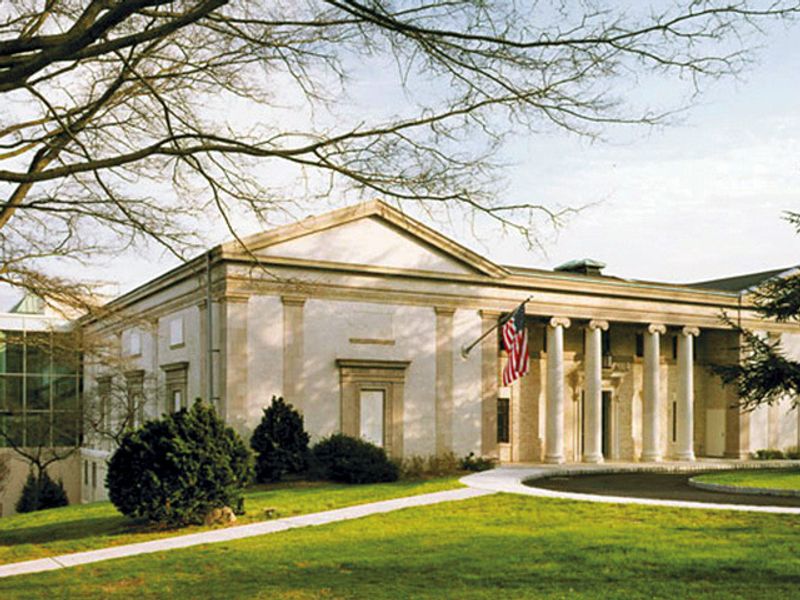
Montclair Art Museum punches way above its weight for a regional institution. The collection focuses on American and Native American art, creating connections between cultures that often get separated in larger museums.
Native American galleries present artwork as fine art rather than ethnographic curiosities, a distinction that matters tremendously. Beadwork, pottery, and textiles demonstrate sophisticated artistic traditions that evolved over centuries.
I learned to see these objects with fresh eyes, appreciating aesthetic choices and technical mastery.
The museum’s commitment to showing how Native American art influenced and connected with American art movements creates fascinating dialogues. Seeing these traditions side by side reveals exchanges and influences that standard art history often overlooks.
My understanding of American art expanded significantly after this visit.
Contemporary galleries feature works by living artists addressing current issues and experimenting with new forms. The museum doesn’t just preserve the past but actively engages with art being created right now.
I saw pieces that challenged my assumptions and made me think differently about familiar subjects.
Family programs and workshops happen regularly, filling galleries with creative energy. I visited during a weekend workshop and watched kids making art inspired by gallery pieces.
Their enthusiasm reminded me that museums serve as spaces for creating as well as viewing.
The building’s scale feels intimate rather than overwhelming, making it possible to see everything without exhausting yourself. You can actually spend time with individual pieces instead of rushing past hundreds of works.
This focused approach enhances rather than limits the experience.
Changing exhibitions bring fresh perspectives several times yearly, giving locals reasons to return regularly. The museum has become a genuine community gathering place rather than just a tourist destination.
Address: 3 S Mountain Ave, Montclair, NJ 07042
8. New Jersey State Museum
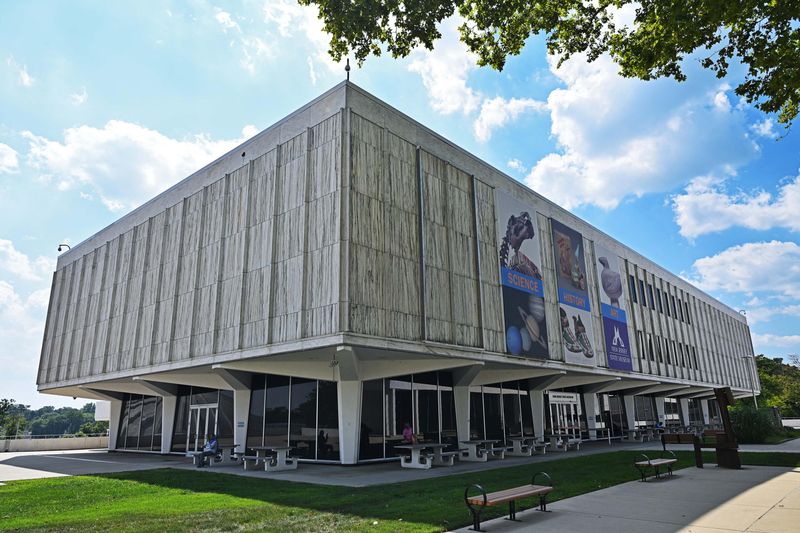
Located right in Trenton’s government complex, the State Museum tells New Jersey’s story from prehistoric times through today. I expected dry historical displays but found engaging exhibitions that brought the state’s past to life.
Natural history galleries showcase fossils found right here in New Jersey, including dinosaur remains that roamed these lands millions of years ago. A complete mastodon skeleton dominates one gallery, reminding visitors that this urban landscape once looked completely different.
Kids especially love these prehistoric exhibits.
Cultural history sections trace how diverse populations shaped New Jersey’s development. From Lenape peoples through waves of immigration, the museum acknowledges complex histories honestly.
I appreciated how exhibits didn’t shy away from difficult topics while remaining accessible to all ages.
The decorative arts collection highlights craftsmanship from New Jersey artisans across centuries. Furniture, ceramics, and textiles demonstrate that practical objects can also be beautiful.
Seeing items made locally rather than imported from famous centers reveals artistic traditions that developed right here.
A planetarium offers shows that explain astronomy and space science using current technology. The dome surrounds you completely, creating immersive experiences that make abstract concepts concrete.
I left understanding our solar system better than any textbook ever taught me.
Fine art galleries feature paintings and sculptures by New Jersey artists or depicting state subjects. Regional art often gets overlooked in favor of international names, but these works demonstrate that significant artistic activity happened everywhere.
The museum preserves and celebrates this local creativity.
Temporary exhibitions rotate regularly, covering topics from photography to industrial history. Each visit offers something new beyond the permanent collections.
The museum serves as a comprehensive introduction to everything that makes New Jersey unique.
Address: 205 W State St, Trenton, NJ 08608
9. Morris Museum
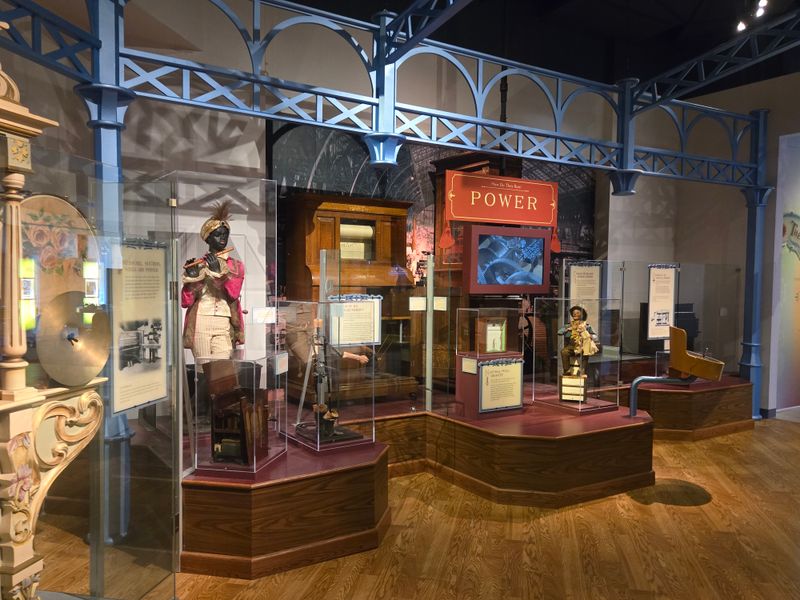
Morris Museum surprised me with its breadth despite being located in a mid-sized town. The building combines historic and modern elements, creating spaces that feel both welcoming and professional.
The Murtogh D. Guinness Collection of mechanical musical instruments and automata forms the museum’s crown jewel.
Hundreds of music boxes, player pianos, and automated figures fill multiple galleries. I watched demonstrations where century-old machines sprang to life, playing music and performing movements their creators programmed decades ago.
Automata shows happen several times daily, featuring elaborate mechanical figures that tell stories through movement and music. A miniature circus performs complete with acrobats and animals, all powered by clockwork mechanisms.
The craftsmanship required to create these marvels becomes obvious when you see them operating.
Beyond mechanical wonders, the museum maintains strong fine art and decorative arts collections. American paintings span colonial times through contemporary periods, showing how artistic styles evolved.
Furniture and ceramics demonstrate changing tastes and technologies across generations.
Natural history displays focus on New Jersey’s geology and wildlife, helping visitors understand the local environment better. Mineral specimens and mounted animals teach ecology and earth science through hands-on exhibits.
Kids can touch many items rather than just looking through glass.
Temporary exhibitions bring diverse topics to Morristown regularly. During my visit, a photography show explored changing American landscapes over decades.
These rotating shows keep the museum fresh and give locals reasons to visit repeatedly.
Educational programs for all ages happen throughout the week, from toddler activities to adult lectures. The museum functions as a genuine community resource rather than just a tourist attraction.
Theater performances and concerts add cultural programming beyond traditional museum offerings.
Address: 6 Normandy Heights Rd, Morristown, NJ 07960
10. Zimmerli Art Museum
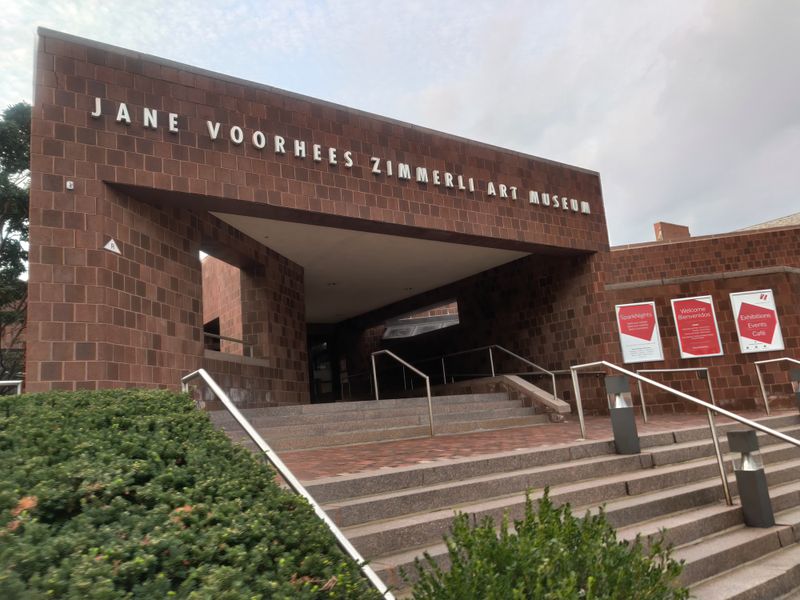
Rutgers University’s Zimmerli Art Museum holds collections that rival many major city institutions. Walking in, I immediately noticed the spacious galleries and thoughtful lighting that makes viewing art genuinely pleasurable.
Russian and Soviet nonconformist art forms one of the largest collections outside Russia itself. These works by artists who defied official state guidelines demonstrate tremendous courage and creativity.
I spent over an hour in these galleries, learning about artistic movements I knew nothing about previously.
American art from colonial times through today fills multiple wings, showing how styles and subjects evolved across centuries. Early portraits hang near abstract expressionist canvases, creating visual dialogues across time.
The museum doesn’t segregate periods but instead shows connections and influences.
European prints and drawings demonstrate technical mastery from Renaissance masters through modern experimenters. Seeing original Rembrandt etchings up close reveals details that reproductions never capture.
The delicate lines and careful shading showcase skills developed over lifetimes of practice.
Contemporary galleries feature challenging works that push boundaries and question assumptions. Not every piece will appeal to everyone, but they all make you think and see differently.
I appreciate museums willing to show difficult or uncomfortable art alongside more traditional pieces.
Photography collections span the medium’s entire history, from early daguerreotypes through digital innovations. The evolution of photographic technology and artistic approaches becomes clear when viewing such comprehensive holdings.
Each era brought new possibilities that artists explored thoroughly.
The museum building itself provides a calm, focused environment perfect for contemplation. Large windows bring in natural light without damaging artworks.
Benches positioned throughout let you sit and really spend time with pieces that interest you most.
Address: 71 Hamilton St, New Brunswick, NJ 08901
Dear Reader: This page may contain affiliate links which may earn a commission if you click through and make a purchase. Our independent journalism is not influenced by any advertiser or commercial initiative unless it is clearly marked as sponsored content. As travel products change, please be sure to reconfirm all details and stay up to date with current events to ensure a safe and successful trip.
