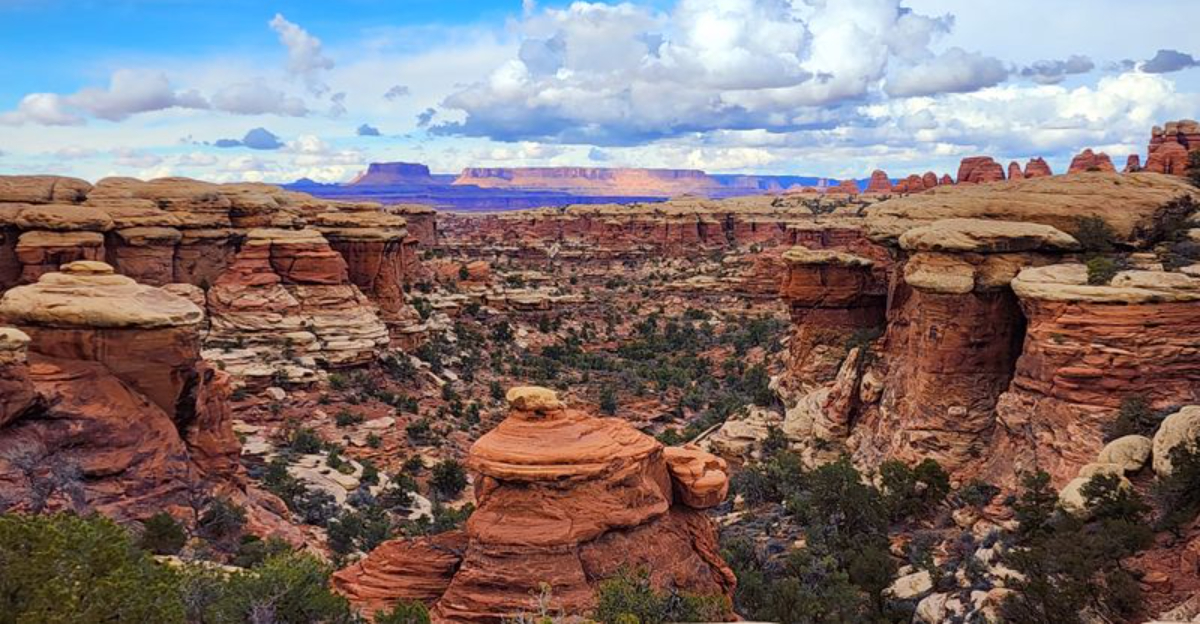
Utah stands as one of America’s most spectacular outdoor destinations, packed with jaw-dropping landscapes that look like they belong on another planet.
From towering red rock formations to delicate stone arches carved by wind and water over millions of years, this state offers scenery that photographers and adventurers dream about.
Whether you’re planning your first visit or returning to explore more hidden gems, Utah’s natural wonders provide experiences that stay with you long after you’ve returned home.
These incredible spots showcase the very best of what Utah’s wild landscapes have to offer, each one unique and unforgettable in its own special way.
Many of these locations sit within protected national parks and monuments, ensuring that future generations will also get to witness these geological masterpieces.
The diversity ranges from slot canyons so narrow you can touch both walls to vast amphitheaters filled with countless stone spires.
Getting to these natural wonders often involves scenic drives through stunning desert landscapes, making the journey just as memorable as the destinations themselves.
Pack your camera, lace up your hiking boots, and prepare to witness some of the most extraordinary natural beauty anywhere on Earth.
1. Delicate Arch
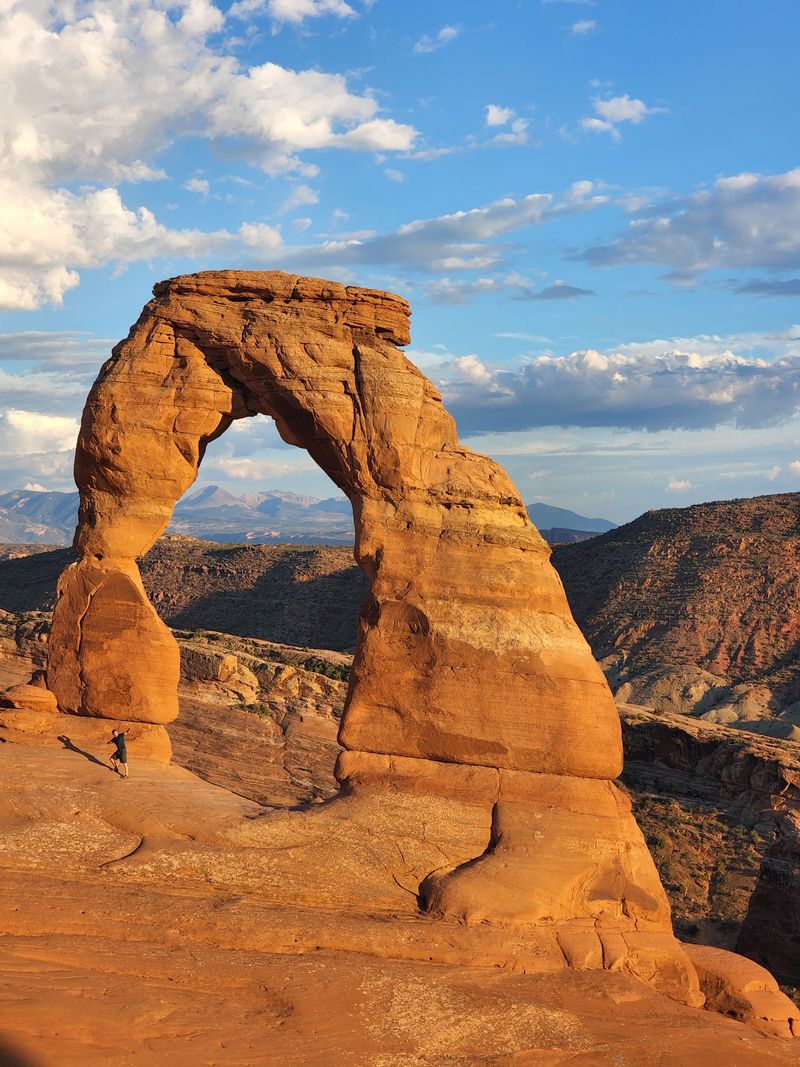
Standing 52 feet tall on the edge of a sandstone bowl, Delicate Arch has become Utah’s most recognizable landmark and appears on the state’s license plates.
This freestanding natural arch looks impossibly balanced, as if a strong gust of wind might topple it at any moment.
Yet it has stood for thousands of years, weathering countless storms and temperature swings.
Reaching this iconic formation requires a moderately challenging three-mile round-trip hike that gains about 500 feet in elevation.
The trail crosses slickrock surfaces with little shade, so starting early in the morning or late afternoon helps you avoid the intense midday heat.
Bring plenty of water because the exposed landscape offers no relief from the sun’s rays.
Many visitors time their arrival for sunset when the arch glows brilliant orange and red against the darkening sky.
The La Sal Mountains provide a stunning backdrop, especially when they’re dusted with snow during spring and fall months.
Photographers from around the world make pilgrimages here to capture this perfect combination of elements.
The arch sits within Arches National Park near Moab, where you’ll find over 2,000 natural stone arches scattered across the landscape.
Park rangers recommend making reservations during peak season because visitor numbers have grown tremendously in recent years.
Respecting the fragile desert environment means staying on marked trails and never climbing on the arches themselves.
Local geologists estimate that Delicate Arch formed through erosion of Entrada Sandstone, a rock layer deposited during the Jurassic Period roughly 150 million years ago.
The same forces continue shaping the landscape today, meaning this wonder won’t last forever in geological terms.
Witnessing it now connects you to both ancient history and an ever-changing Earth.
2. The Narrows of Zion Canyon
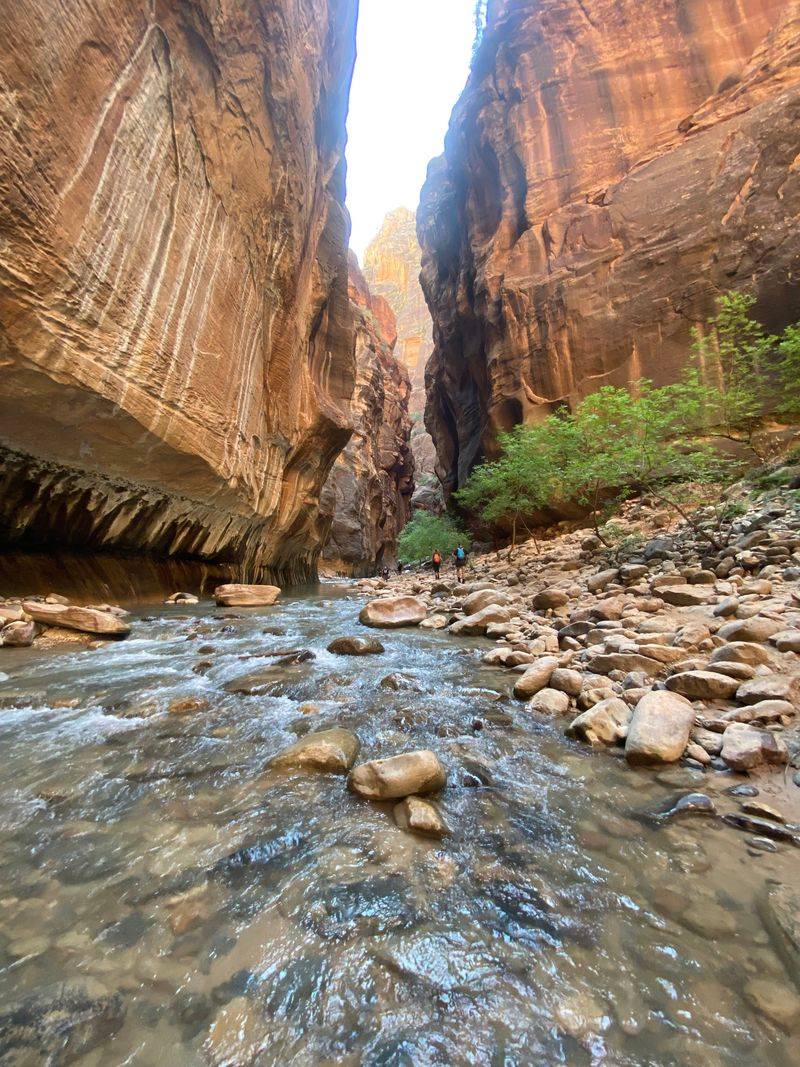
Picture yourself wading through a river between canyon walls so tall and narrow that sunlight barely reaches the water below.
The Narrows offers exactly this experience, creating one of the most unique hikes anywhere in the American Southwest.
At some points, the Virgin River flows between walls only 20 feet apart that soar over 1,000 feet straight up.
Unlike typical trails, this adventure requires you to walk directly in the river for most of the journey, sometimes in water reaching waist-deep levels.
Special footwear and walking sticks help maintain balance on slippery river rocks hidden beneath the flowing current.
Many outfitters in Springdale rent the necessary gear, including neoprene socks and waterproof pants for colder months.
The most popular route starts at the Temple of Sinawava and follows the river upstream into progressively narrower sections.
You can turn around whenever you choose, making this hike suitable for various fitness levels and time commitments.
Serious adventurers tackle the full 16-mile top-down route, which requires permits and often an overnight stay.
Flash flood danger means checking weather forecasts becomes absolutely critical before entering the canyon.
Park officials close The Narrows whenever storms threaten the area, even if skies look clear overhead.
Rainfall miles away can send walls of water rushing through these confined spaces within minutes.
Spring runoff from snowmelt typically makes the river too dangerous between March and May, while late summer and fall offer the most reliable conditions.
The sculptured walls display beautiful patterns where water has carved smooth curves and pockets into the Navajo Sandstone.
Every bend reveals new formations, hanging gardens clinging to seeps, and ever-changing plays of light and shadow.
3. Bryce Canyon Amphitheater
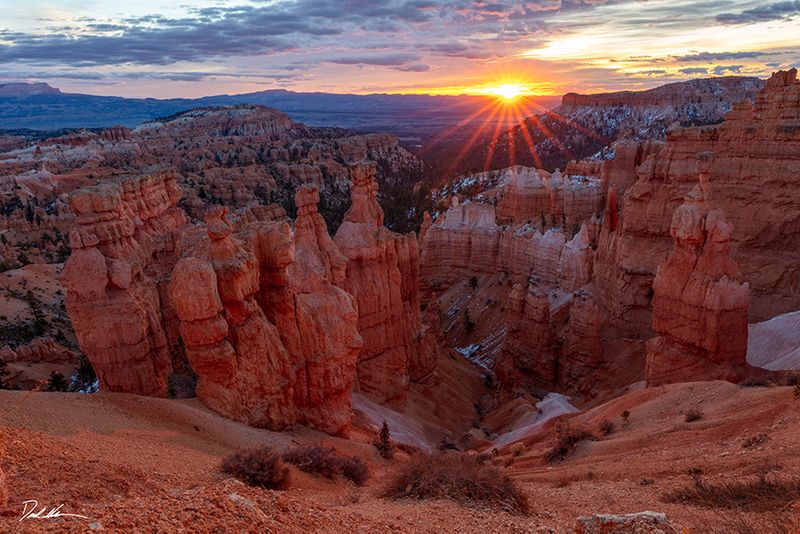
Imagine an enormous natural stadium filled not with seats but with thousands of towering stone spires in shades of orange, red, pink, and cream.
Bryce Canyon’s main amphitheater creates exactly this surreal landscape, stretching across several miles of high-elevation plateau.
These formations called hoodoos stand like a frozen army of stone soldiers, each one uniquely shaped by erosion.
What makes Bryce Canyon truly special isn’t actually a canyon at all but rather a series of natural amphitheaters carved into the edge of the Paunsaugunt Plateau.
Frost wedging drives the primary erosion process here, where water seeps into cracks, freezes overnight, and expands to break off pieces of rock.
This cycle repeats over 200 times each year at this 8,000-foot elevation, constantly reshaping the landscape.
Sunrise Point and Sunset Point offer the most spectacular viewpoints, and their names tell you exactly when to visit each one.
The morning light sets the eastern-facing hoodoos ablaze with warm colors, while evening illuminates the western formations.
Many visitors experience both, spending a full day exploring the various overlooks connected by a paved rim trail.
Descending into the amphitheater on trails like Queens Garden or Navajo Loop puts you right among the towering spires.
Walking between hoodoos that rise hundreds of feet overhead creates a completely different perspective than viewing from above.
The relatively short trails make these adventures accessible even for families with younger children.
Winter transforms Bryce into a wonderland where snow caps each hoodoo and creates stunning contrast against the red rock.
Fewer crowds during colder months mean more peaceful experiences, though icy trails require extra caution.
The thin air at this elevation can leave you breathing hard, so take your time and enjoy the otherworldly scenery.
4. Goblin Valley State Park
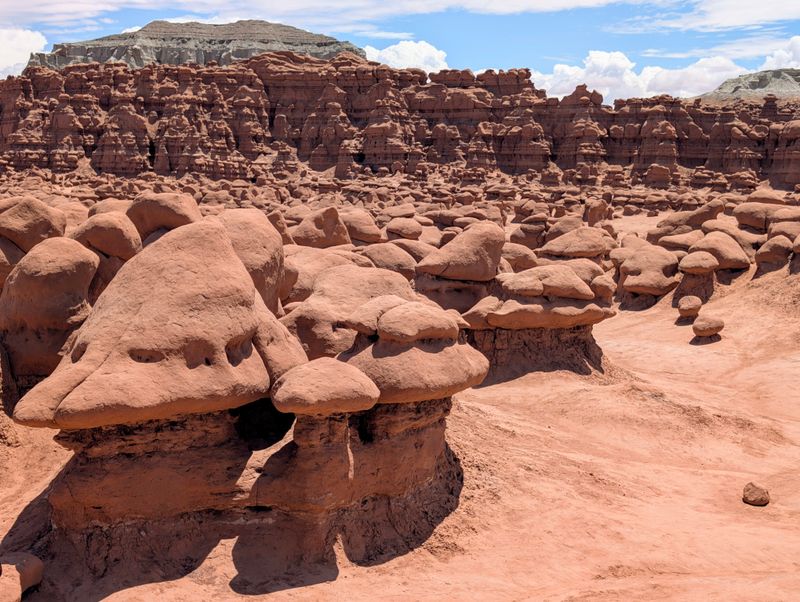
Thousands of mushroom-shaped rock formations crowd together in a valley that looks like the setting for a science fiction movie.
Goblin Valley earned its playful name from these whimsical hoodoos that really do resemble goblins, trolls, and other fantastical creatures frozen in stone.
Unlike many Utah parks with strict stay-on-trail rules, this place encourages visitors to wander freely among the formations.
Children absolutely love exploring here because they can climb on the rocks, duck through passages, and let their imaginations run wild.
The valley floor covers about a square mile, giving families plenty of space to roam without feeling crowded.
Parents appreciate that the entire area remains visible from the observation point, making it easier to keep track of adventurous kids.
Geologists explain that these goblins formed from Entrada Sandstone, the same rock type that created many of Utah’s famous arches.
Softer layers eroded faster than harder cap rocks on top, leaving these distinctive mushroom profiles.
Some formations stand only a few feet tall while others tower 15 feet or more, creating a varied landscape perfect for exploration.
The valley sits in a remote area between Capitol Reef and Canyonlands National Parks, making it an excellent stop on a broader Utah road trip.
Summer temperatures can soar above 100 degrees with zero shade available, so spring and fall offer the most comfortable visiting conditions.
Bringing plenty of water and sun protection becomes essential for any visit during warmer months.
Photographers find endless compositions here, especially during the golden hours when low-angle sunlight emphasizes the textures and curves of each goblin.
The park also offers camping facilities for those who want to experience the star-filled desert sky after dark.
Nearby slot canyons provide additional adventures for visitors with extra time to explore this fascinating corner of Utah’s red rock country.
5. Canyonlands Needles District
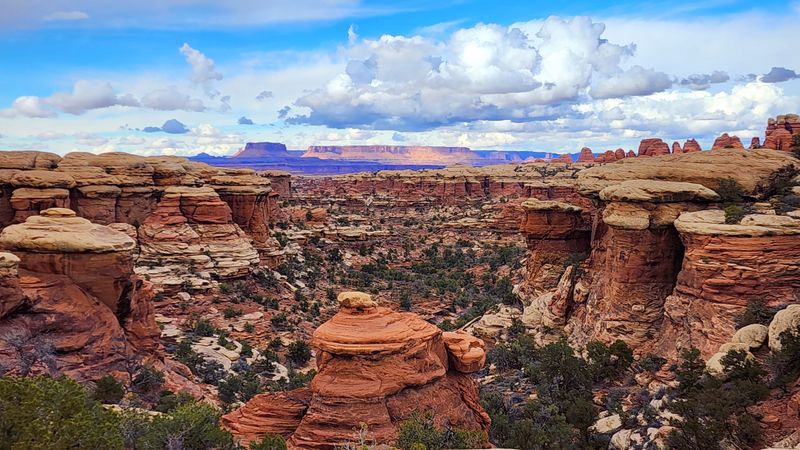
Countless striped spires rise from the desert floor like a forest of stone needles, creating one of Utah’s most distinctive landscapes.
The Needles District of Canyonlands National Park showcases spectacular erosion patterns where alternating layers of red and white sandstone form candy-striped pillars.
This remote section of the park sees far fewer visitors than nearby Arches, offering a more solitary wilderness experience.
Getting here requires commitment since the entrance sits about 75 miles from Moab via paved roads that wind through stunning scenery.
Once inside the park, dirt roads lead to various trailheads where adventures ranging from easy walks to challenging backcountry routes begin.
The isolation means bringing all necessary supplies because no services exist within the park boundaries.
Chester Park Trail ranks among the most rewarding hikes, leading through a natural corridor between towering needles into a hidden grassy meadow.
The six-mile loop takes most hikers about four hours, passing joints and fractures that divide the rock into geometric patterns.
Spring wildflowers add splashes of color to the red rock backdrop, while fall brings cooler temperatures perfect for longer explorations.
Four-wheel-drive enthusiasts tackle the challenging backcountry roads that penetrate deeper into this maze of canyons and spires.
The famous White Rim Road offers multi-day adventures for those equipped with proper vehicles and camping permits.
Even experienced off-roaders find these routes demanding, with steep grades, loose sand, and exposed ledges testing both skill and nerve.
Ancient Puebloan people left their mark here too, with pictographs and granaries tucked into alcoves throughout the district.
Respecting these archaeological treasures means observing from a distance and never touching the fragile remnants.
The combination of geological wonders and human history creates layers of interest that reward careful observation and patient exploration throughout this extraordinary landscape.
6. Antelope Canyon
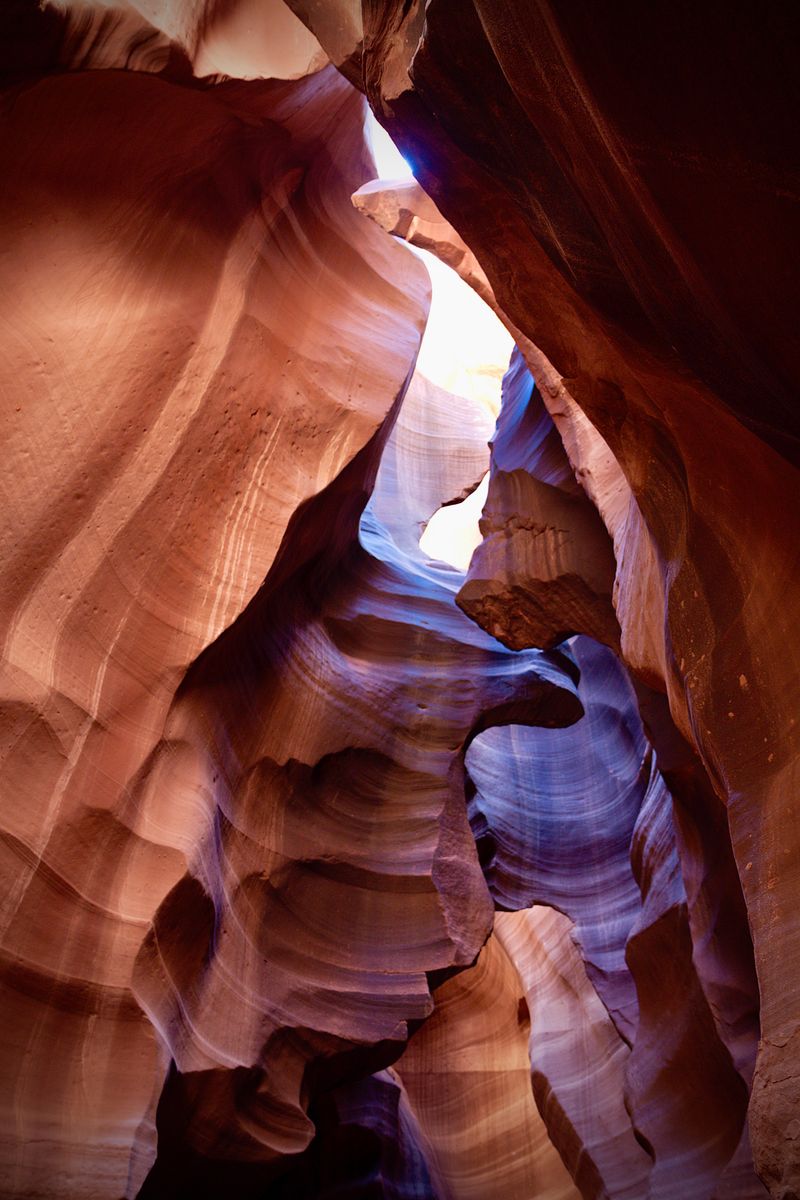
Smooth, flowing walls of sandstone curve overhead in waves of orange, red, and purple, creating nature’s most photogenic slot canyon.
Antelope Canyon actually sits just across the Utah border in Arizona, but its proximity to Page makes it an essential stop for anyone exploring southern Utah’s wonders.
Light beams that shine down through narrow openings during midday hours have made this canyon world-famous among photographers.
Two separate sections offer different experiences, with Upper Antelope Canyon being wider and easier to navigate at ground level.
Lower Antelope Canyon requires climbing several ladders and squeezing through tighter spaces, but rewards visitors with equally stunning beauty.
Both sections exist on Navajo Nation land, meaning all visits must happen with authorized tour guides.
Flash floods carved these narrow passages through Navajo Sandstone, polishing the walls to smooth, flowing shapes that resemble frozen waves.
Water continues shaping the canyon during summer monsoon season when sudden storms can fill these channels within minutes.
Tour companies carefully monitor weather conditions and won’t enter the canyons when any threat of rain exists in the area.
Those famous light beams only appear during specific times of year when the sun reaches the right angle to shine directly down into the canyon.
March through October offers the best chances, with peak beam season running from late March through early October.
Booking tours months in advance becomes necessary for prime midday time slots during peak season.
Even without dramatic light beams, the sculptured walls provide endless visual interest with their flowing curves and rich colors.
The narrow passages create an intimate experience quite different from Utah’s vast canyon overlooks.
Bringing a camera feels essential, though simply experiencing this natural wonder with your own eyes creates memories no photograph can fully capture in this magical underground world.
7. Dead Horse Point
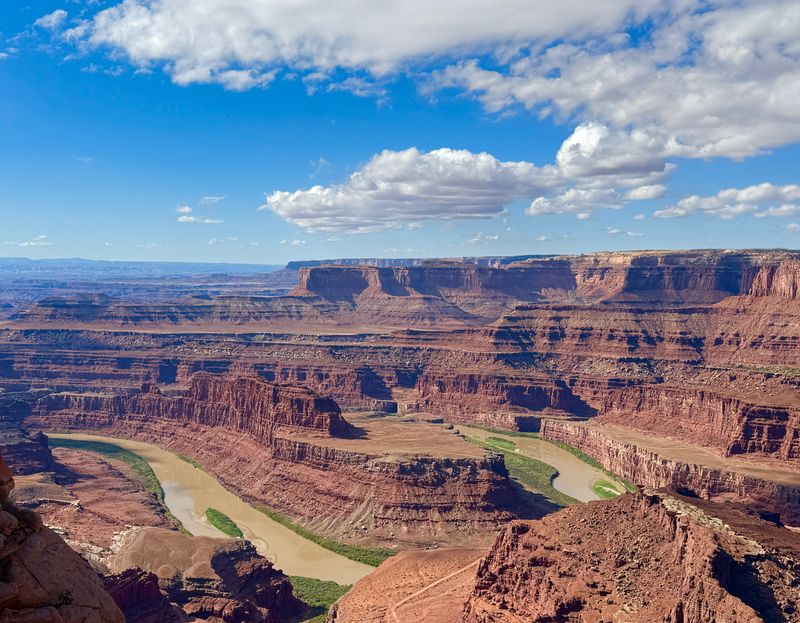
A narrow neck of land juts out 2,000 feet above the Colorado River, creating one of the most dramatic overlooks in the entire Southwest.
Dead Horse Point offers a panoramic view that rivals the Grand Canyon, with the river carving a deep goose-neck bend through layers of colorful rock.
The viewpoint sits at the end of a small peninsula connected to the mainland by a strip of land only 30 yards wide.
Legend says the point earned its name when cowboys used this natural corral to hold wild mustangs, with the narrow entrance easily fenced off.
According to the story, one group of horses was accidentally left behind and died of thirst despite water flowing in the river far below.
Whether true or not, the tale adds a haunting quality to this already dramatic landscape.
Unlike many Utah viewpoints requiring strenuous hikes, you can drive right up to Dead Horse Point and walk just a few steps to the overlook.
Paved paths and viewing platforms make the vista accessible for visitors of all ages and mobility levels.
This convenience makes it perfect for families, seniors, or anyone wanting spectacular scenery without physical challenges.
The state park surrounding the point offers additional trails that explore the plateau and provide different perspectives of the canyon country.
Camping facilities let you wake up to sunrise views over the canyons, with the early morning light painting the rocks in soft pastels.
Night skies here rank among Utah’s darkest, revealing the Milky Way in stunning detail to stargazers.
Film fans might recognize this location from the final scene in Thelma and Louise, though the actual filming happened elsewhere.
The viewpoint sits just 30 minutes from Moab, making it an easy addition to any Arches or Canyonlands itinerary.
Sunset transforms the scene into a masterpiece of color as shadows deepen and the Colorado River reflects the glowing sky above.
Dear Reader: This page may contain affiliate links which may earn a commission if you click through and make a purchase. Our independent journalism is not influenced by any advertiser or commercial initiative unless it is clearly marked as sponsored content. As travel products change, please be sure to reconfirm all details and stay up to date with current events to ensure a safe and successful trip.
