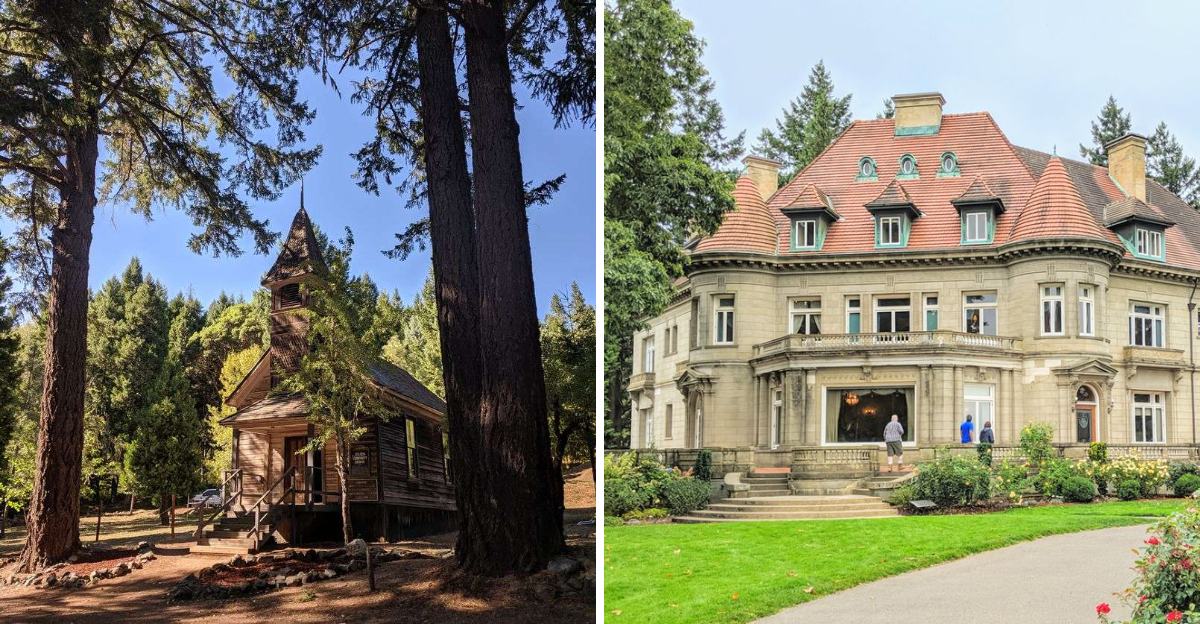
Oregon hides its strangest stories in plain sight, tucked behind museum doors, beneath sidewalks, and along windswept beaches.
You can trace verifiable history at every stop, then feel the hairs rise when the facts meet whispers that never settled.
This guide follows confirmed records, preserved sites, and tours that document what really happened, while leaving space for the uncanny you might feel for yourself.
Step into Oregon’s shadowed corners, where archives speak clearly and the atmosphere still complicates the ending.
1. Oregon Vortex and House of Mystery, Gold Hill
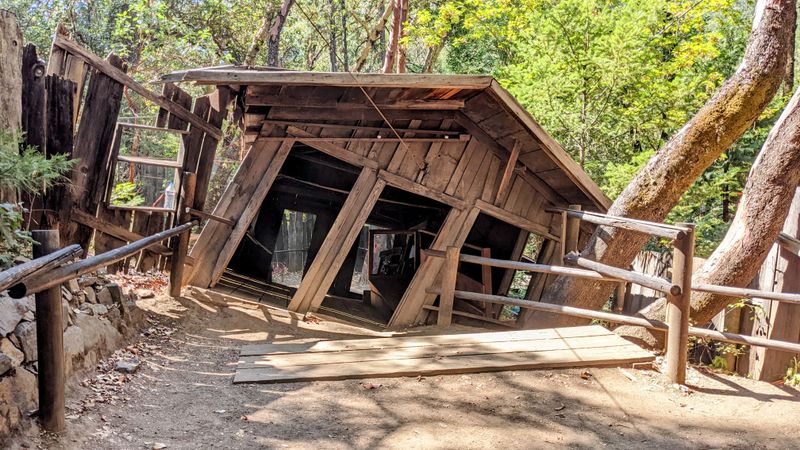
The Oregon Vortex sits at 4303 Sardine Creek L Fork Road, Gold Hill, in a wooded pocket that seems to bend perspective as much as light.
Guides show measured lines, tilted rooms, and carefully marked boards, letting you watch heights flip depending on where you stand.
Photographs do not quite capture the effect, yet the posts, the slope, and the angles work together to scramble your sense of balance.
Local tradition says Native communities avoided the spot, a detail the staff frames as part of the place’s long record and careful storytelling.
John Litster studied the site, collected demonstrations, and opened it for public viewing, making the anomalies repeatable under watchful eyes.
Whether you decide it is a precise illusion or something stranger, the consistency of the effects keeps you comparing each viewpoint.
The attraction keeps logs, survey stakes, and clear boundaries, so visitors can test ideas without wandering off into the surrounding brush.
In Oregon, roadside lore often leans tall, but this stop leans verifiable, with staff focusing on controlled demonstrations and measured results.
The building itself is a curiosity, settled into the hillside, boards skewed yet sturdy, a stage for experiments that feel hands on.
Stand where lines cross, then step sideways, and the entire frame of reference shifts like a scene change without a curtain.
You leave with a camera roll of straight edges that look crooked, plus a map that pinpoints exactly where you stood while wondering.
It is mystery by appointment, open to daylight scrutiny, and all the stranger for how ordinary the trees and gravel appear around you.
2. Shanghai Tunnels, Old Portland Underground, Portland
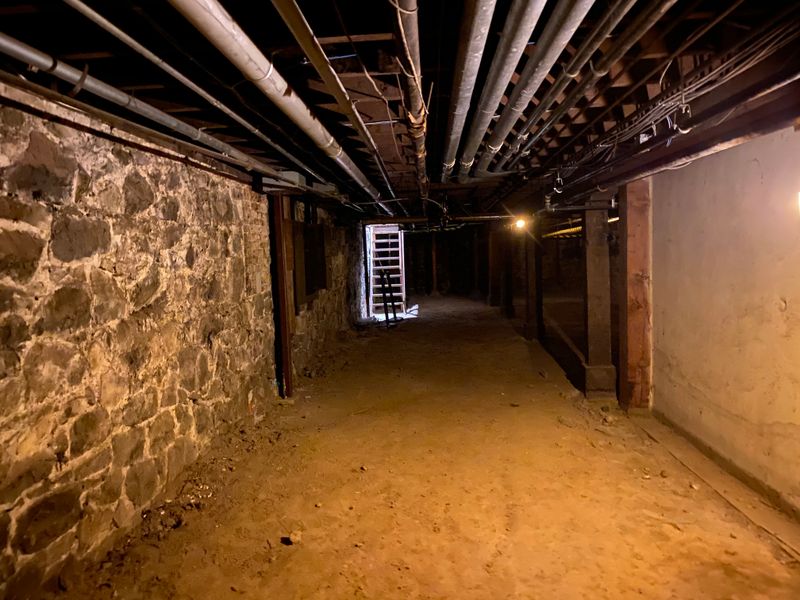
The Shanghai Tunnels sit beneath Old Town, with tours meeting near 120 NW Third Avenue, Portland, where the street grid hides a second map.
Brick corridors, timber braces, and hatch doors outline a network tied to documented smuggling and hard labor schemes along the waterfront.
Museum style exhibits present verified names, shipping records, and police reports, separating myth from what the archives actually confirm.
Guides walk you past storage alcoves and chutes, pausing where original timbers still hold, and where stairs seem to vanish into earth.
The city’s maritime past is not a rumor here, it is embedded in iron rings, traplike steps, and soot that never fully lifts.
Stories of kidnappings persist, and the tours clearly label what is sourced, what is disputed, and what remains an unanswered gap.
Down below, the air cools, sound dulls, and your sense of direction blurs as lantern lights pull color from the brick.
Portland history sharpens in the dark, because dates, names, and shipping lanes sit a few feet from the path under your shoes.
You can trace the route from riverfront doors to hidden rooms, reading placards that cite newspapers and ledgers with careful phrasing.
This is Oregon telling a hard story plainly, in a setting that makes the past feel both close and unsteady.
When you climb back up, traffic and murals look brighter, and the grid above seems less certain than it did before.
The tunnels remain, documentary and eerie, a preserved reminder that verified history sometimes lives under the busiest blocks.
3. Hot Lake Hotel, Hot Lake Springs
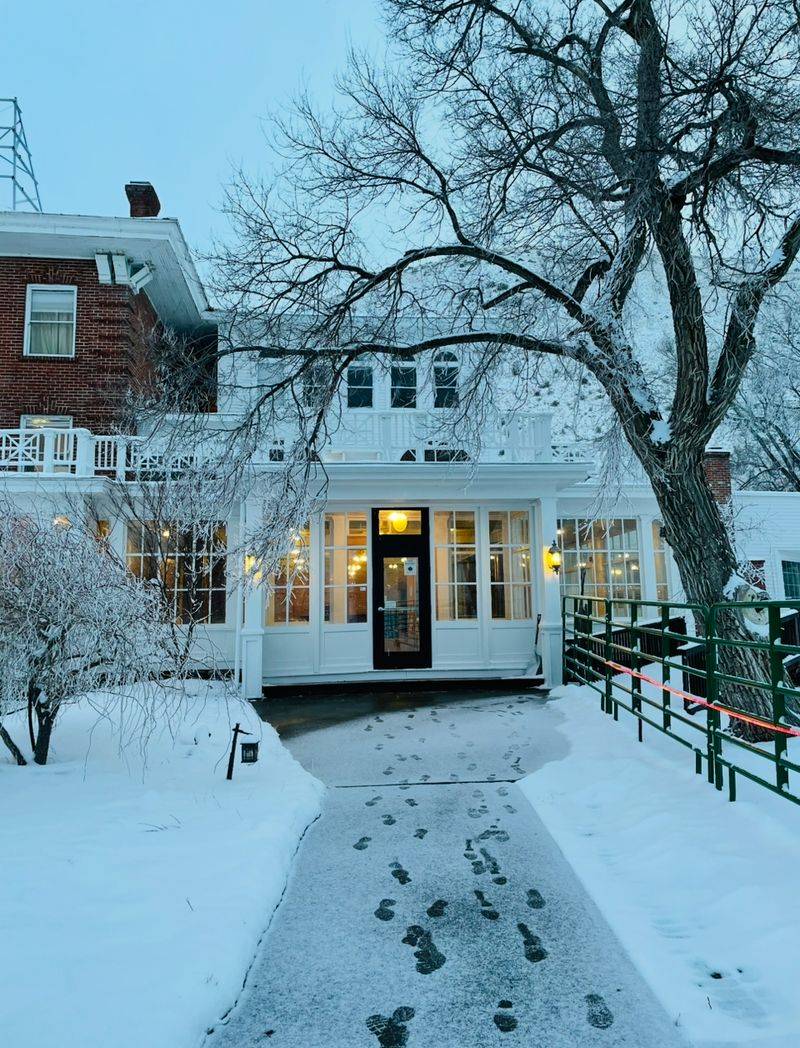
Hot Lake Hotel stands at 66172 OR 203, Hot Lake Springs, outside La Grande, facing a steaming basin that anchors the property’s long record.
Historic photographs, preserved wings, and interpretive displays document hospital years, recoveries, and the rebuilding that followed major damage.
The location’s geothermal setting still sets the mood, with vapor drifting across fences and the building reflecting off quiet water.
Archives and regional histories verify its medical chapters, which explain why so many personal stories converge on the same hallways.
Visitors describe footsteps on empty floors, yet the interesting part is how names, ledgers, and articles align with the layout.
Rooms feel transitional, part museum, part lodging, with corridors that run long and turn unexpectedly toward windows and stairwells.
Staff share sourced anecdotes, sorting rumors from documents, and pointing out where walls mark older foundations under later repairs.
Oregon’s high country surrounds the site, and the wide sky amplifies the building’s scale, making its corners look farther apart.
Even without a tour, the exterior conveys a timeline, with mismatched brick and wood telling which years pressed hardest.
At dusk the lake calms, the wind lowers, and the structure takes on a reflective stillness to match the water.
Every verified detail deepens the atmosphere, not by exaggeration, but by the ordinary persistence of records and place.
You walk away feeling the temperature difference in your shoulders, and the coolness in shaded corridors that keep their own time.
4. McMenamins Edgefield, Former Multnomah County Poor Farm, Troutdale
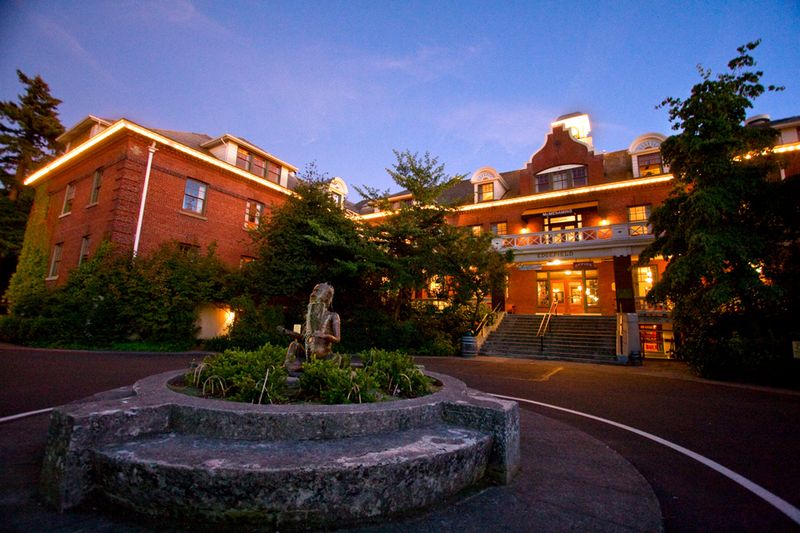
Edgefield sits at 2126 SW Halsey Street, Troutdale, on the former Multnomah County Poor Farm, where the grounds still map out the original plan.
Historic plaques point to work buildings, gardens, and a cemetery area, preserving a layered story of county care and daily labor.
The main lodge anchors the campus, with long porches, tall windows, and halls lined with art that references verified residents and staff.
Walking paths connect courtyards and outbuildings, and you can trace utility routes that once moved supplies across the property.
Staff recount reports of voices and figures, though the firmest details come from county records and archived photographs on display.
Oregon history is present in the architecture, which shows how public institutions adapted over decades without losing their original footprint.
Guests explore at an easy pace, reading dates on the walls, and standing under trees that outlived the first chapter here.
Music venues and gathering rooms bring a new kind of bustle, while the bones of the place hold steady under it all.
Seating areas face lawns and trellises, so you can pause and picture the earlier farm operations outlined on the maps.
Evening light softens the brick, and corridors feel longer, a sensation that fits the personal accounts collected by employees.
The contrast between hospitality and former hardship gives the campus its distinctive mood, neither heavy nor simple.
What lingers most is the continuity, a verified timeline that lets the present coexist with the site’s carefully preserved past.
5. Pittock Mansion, Portland
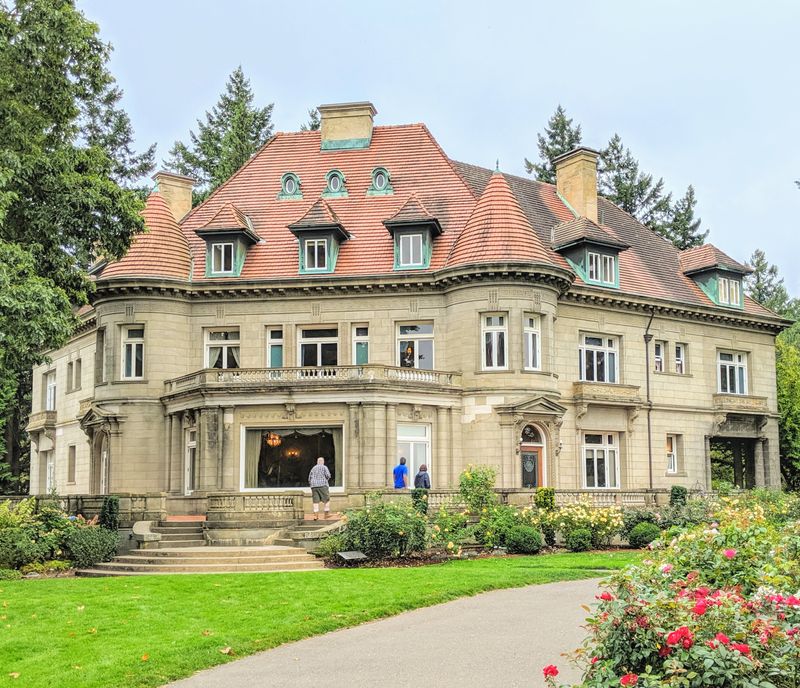
Pittock Mansion rises at 3229 NW Pittock Drive, Portland, with city views that frame the home’s carefully maintained stone and glass.
The museum route takes you through bedrooms, stairways, and galleries where documented family history meets an occasional odd report.
Staff share verified details about Henry and Georgiana Pittock, the publishing legacy, and the preservation effort that saved the house.
Floorboards creak in a way that suits the build, and sometimes a door moves lightly as visitors circulate between rooms.
What gives the place its allure is the match between records and setting, a full domestic world held in one hilltop.
Exhibits explain design choices, tradespeople, and the evolution of the surrounding neighborhood as Portland spread outward.
Oregon shows up in the view itself, with forested slopes rising behind the lawns and weather shifting across the skyline.
You move slowly, noticing small fixtures and woodwork, then step onto the terrace where the air brings in a clean hush.
The house does not feel theatrical, it feels precise, a legitimate record of taste, work, and the rhythms of a particular household.
Reports of footsteps or music fit the acoustics of generous rooms, a point docents make while keeping timelines clear.
If you linger in the stair hall, the light angles change, and the rail seems to ripple with motion from other floors.
The mansion remains Oregon’s best example of verified domestic grandeur that still invites quiet speculation after the tour ends.
6. Neskowin Ghost Forest, Neskowin
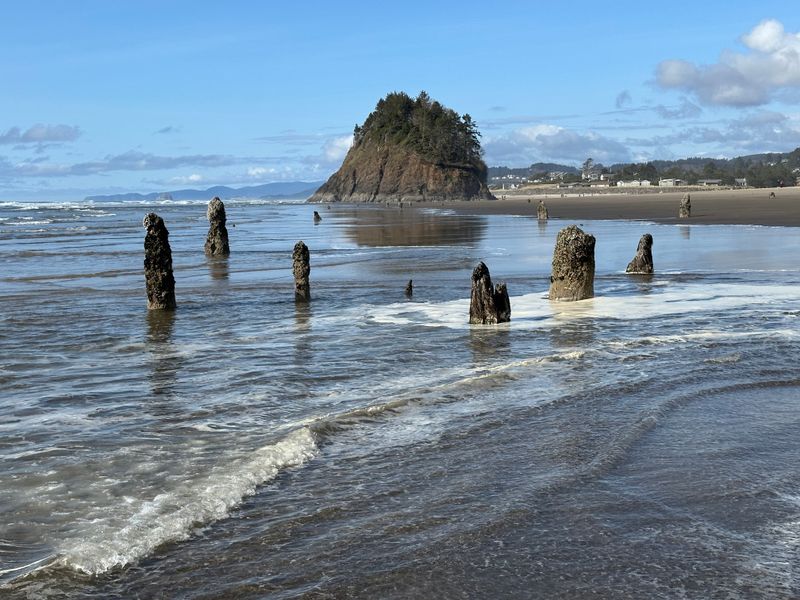
The Neskowin Ghost Forest sits along Neskowin Beach State Recreation Site near 48880 US 101, Neskowin, where low tide reveals preserved stumps.
Dozens of Sitka spruce remnants ring Proposal Rock, their tops long gone, their bases locked in sediment that protected the wood.
Geologists cite sudden subsidence and storms as likely causes, with evidence tied to regional seismic activity along the coast.
When the ocean pulls back, the field appears in neat irregular rows, like a timberline paused mid stride across the sand.
This is Oregon as open air exhibit, a place where verified natural history comes up each day to meet your steps.
The quiet is deep, broken by gulls and the soft hiss of receding waves that leave mirrors around the stumps.
You can circle individual roots and see growth rings, then glance up to the headland where trails watch over the beach.
Interpretive signs explain dating methods and storm events, and local organizations keep records of how many stumps show each season.
The scene changes with weather, from silver fog to bright blue, always giving the shapes a new contour against the shore.
No tour script is needed, only patience, because the tide dictates access and sets the exact boundaries of what you see.
It is a calm kind of mystery, married to data, yet it still feels like a reveal every time the water thins.
Walk back along the sand and the forest fades behind you, hidden again under the ordinary motion of the Pacific.
7. Oregon State Hospital and Museum of Mental Health, Salem
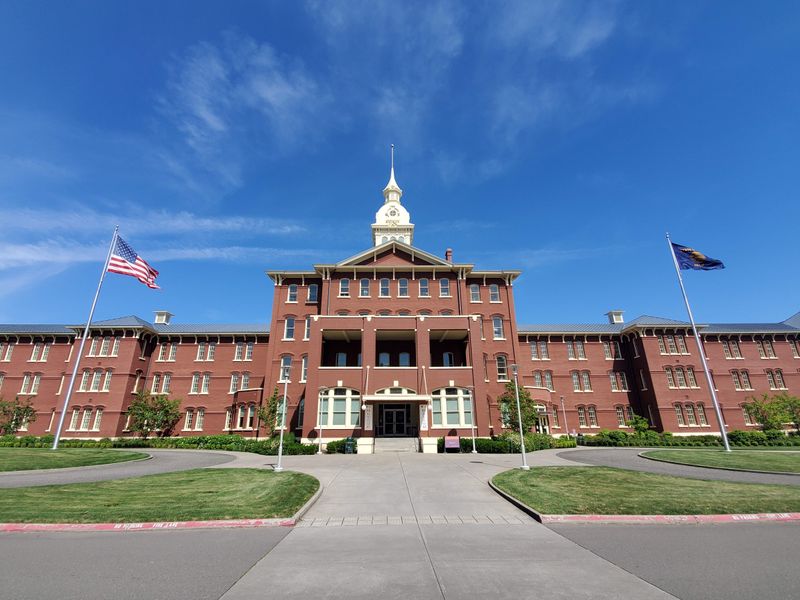
The Oregon State Hospital stands at 2600 Center Street NE, Salem, a sprawling campus where preserved wings now hold a museum and memorial.
Exhibits in the Oregon State Hospital Museum of Mental Health cite treatment records, policy shifts, and personal accounts from former patients and staff.
The memorial displays reclaimed cremains with names and numbers where available, a careful act of acknowledgement grounded in verified archives.
Walking the grounds, you notice symmetry, long corridors, and green space, a design that reflects a particular era of public medicine.
Film history lives here too, and interpretive panels separate production facts from institutional reality with unusual clarity.
The atmosphere can feel heavy, though it rests on documentation rather than rumor, which keeps the story honest and direct.
Oregon’s civic history threads through every wing, in budget lines, board minutes, and renovations that tried to balance care and safety.
Staff and volunteers emphasize respectful language, offering context while guiding visitors through rooms that still hold clinical fixtures.
The museum uses photographs, case studies, and artifacts to map daily life, not just headlines, which gives the place dimension.
Quiet seating areas outside invite reflection, and you can hear campus sounds soften as traffic recedes along Center Street.
Any sense of haunting comes second to the documented past, which is the institution’s most persuasive and lasting presence.
You leave with a fuller picture of Oregon and a clearer understanding of how records can humanize even the starkest spaces.
8. Fort Stevens State Park and the Peter Iredale, Warrenton
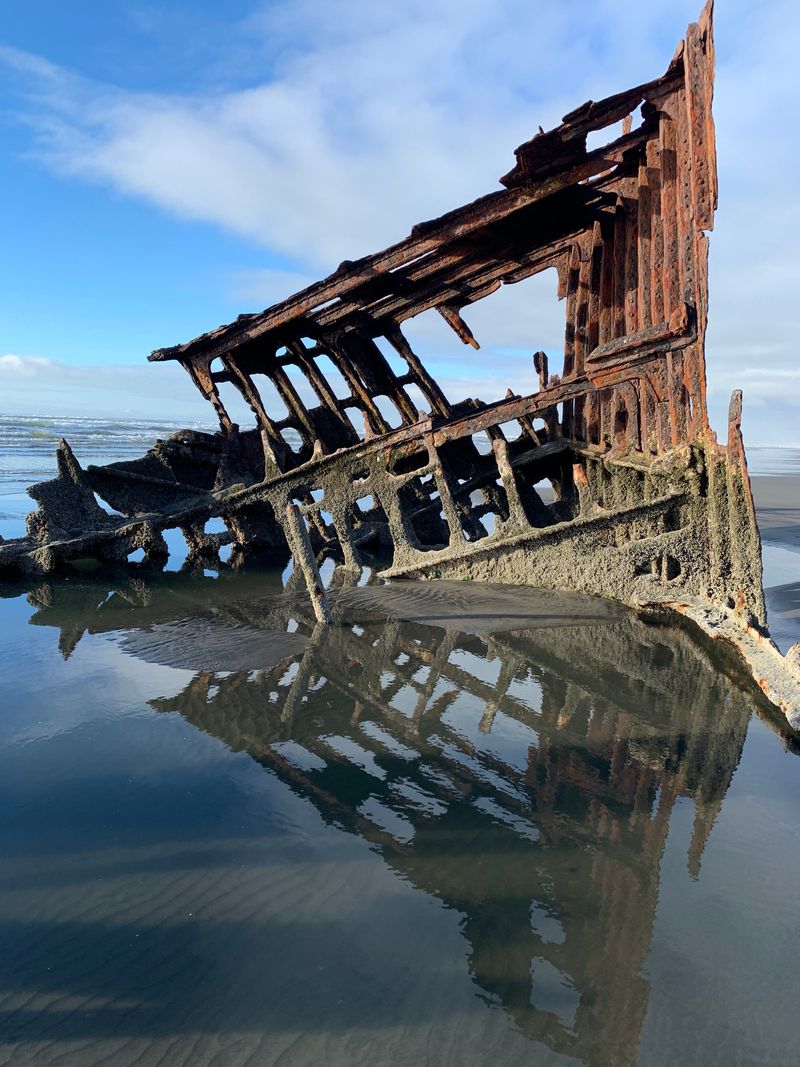
Fort Stevens State Park stretches from 1675 Peter Iredale Road, Warrenton, across batteries, dunes, and a beach where a famous wreck rests.
Battery structures are open for daylight exploration, and placards detail military routines, construction, and the region’s changing coastal defenses.
Concrete corridors echo, and the turf on top hides narrow stairwells that drop into cool gray rooms with steel doors.
The shipwreck Peter Iredale sits upright in the sand, a skeletal frame that aligns with newspaper reports and maritime logs.
Rangers present verified accounts of alerts, training, and watch stations, grounding local lore in operational documents and photos.
Oregon’s coastal weather sets the mood, shifting from bright haze to salt heavy wind in a few steady minutes.
Trails loop through Sitka spruce and shore pine, with benches facing the river mouth where freighters trace clean lines.
In the batteries, you can hear seabirds filter through embrasures, and see surfaces textured by time and salt.
The scale invites a slower pace, letting you recognize how tightly the plan aligned with shoreline contours and tides.
History here is tactile, metal hinges, numbered rooms, and maps that still make sense when you overlay your steps.
Sunset at the wreck gives the ribs a copper glow, while waves curl in patterns that repeat like practiced drill.
Night falls and the park feels watchful, a sensation matched by archives that preserve routines built for patient vigilance.
9. Wolf Creek Inn, Wolf Creek
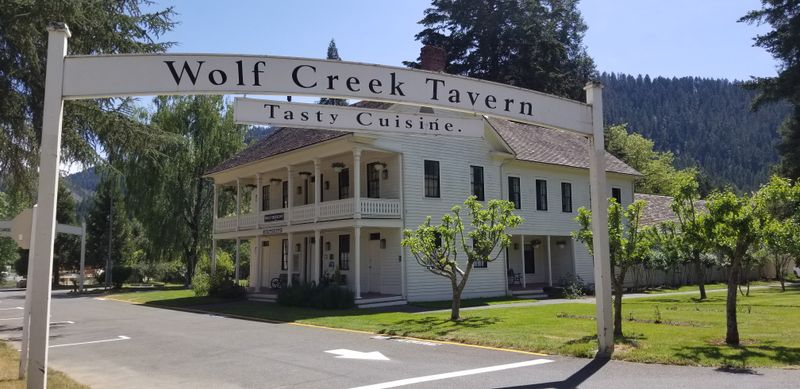
Wolf Creek Inn stands at 100 Front Street, Wolf Creek, a preserved roadside stop where stage era travel still shapes the floorplan.
Period rooms contain documented furnishings and photographs of former owners and guests, tying rumor to a well kept registry.
Staff recount verified visits by notable figures, then carefully separate confirmed events from favorite local ghost stories.
The porch offers quiet seating, and the wood creaks underfoot with that unmistakable cadence of seasoned planks.
Inside, hallways run narrow, turning sharply near bedrooms, which makes footsteps sound closer than they actually are.
Lighting remains low and warm, a choice that respects both the building and the time it represents.
Oregon’s travel culture threads through the site, from wagon routes to highway maps, all documented in display cases.
The inn’s charm is grounded in records, contracts, and photos that line the walls in clean frames.
Guests often describe waking to soft movement, though staff emphasize maintenance schedules and drafts that explain much.
What cannot be explained adds a light tension, a feeling that attention stretches a bit farther than eyesight.
The setting, a quiet town cut by the old road, amplifies every small sound at night.
You leave with verifiable history in hand, and a memory of corridors that seem to watch as you close the door.
10. Golden Ghost Town, Josephine County
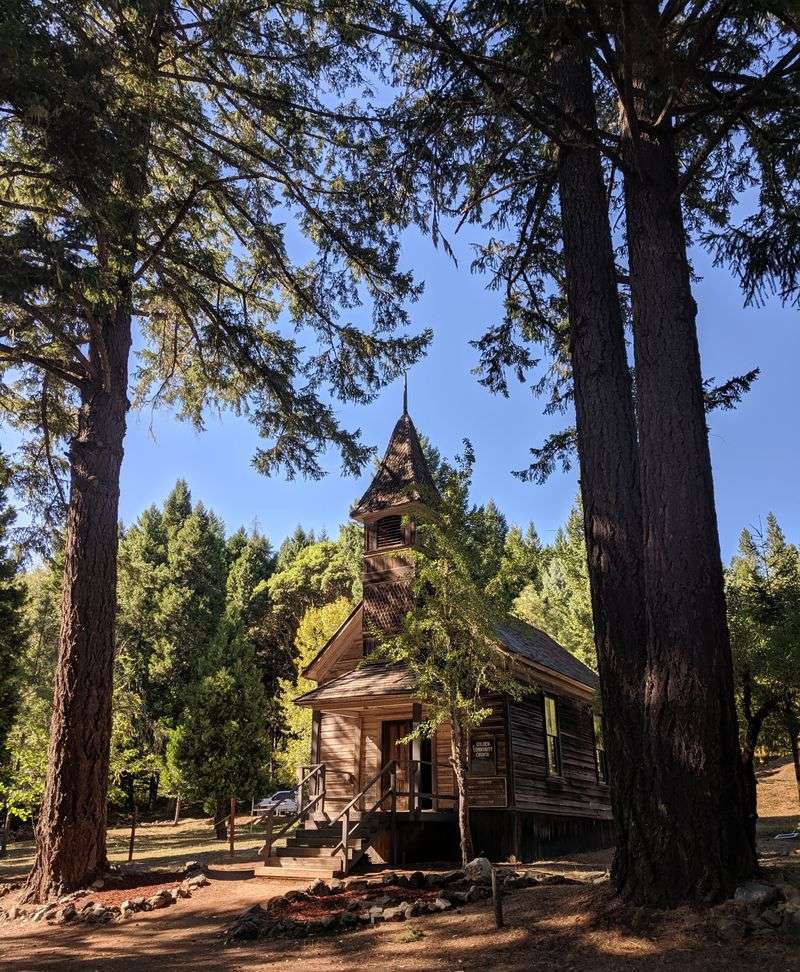
Golden Ghost Town rests along Coyote Creek Road near 3700 Wolf Creek Road, Josephine County, where preserved buildings sit in a quiet clearing.
Interpretive signs outline verified mining era history, including community organization and the unusual absence of certain commercial storefronts.
The church and school stand with plain dignity, offering a straightforward look at daily structure during the peak years.
Foundations and post holes mark vanished homes, while the path between buildings guides you through a compact footprint.
Oregon State Parks maintains the site with a light touch, keeping sightlines open and repairs unobtrusive.
There is stillness here, a measured hush that fits a town that chose order over spectacle.
Rangers and volunteers emphasize documents, maps, and photographs that verify who lived where and how the community operated.
Walk slowly and the details gather, from square nails to weathered siding that holds patterns of repeated hands.
In late light the buildings take on a warm tone, and shadows stretch along the old roadbed.
The setting invites respect, not because of dramatic ruins, but due to the careful preservation of ordinary structures.
It feels like a chapter you can read at ground level, sentence by sentence, building by building.
You depart with a clearer sense of southern Oregon, and a map that makes the past feel quiet and reachable.
Dear Reader: This page may contain affiliate links which may earn a commission if you click through and make a purchase. Our independent journalism is not influenced by any advertiser or commercial initiative unless it is clearly marked as sponsored content. As travel products change, please be sure to reconfirm all details and stay up to date with current events to ensure a safe and successful trip.
