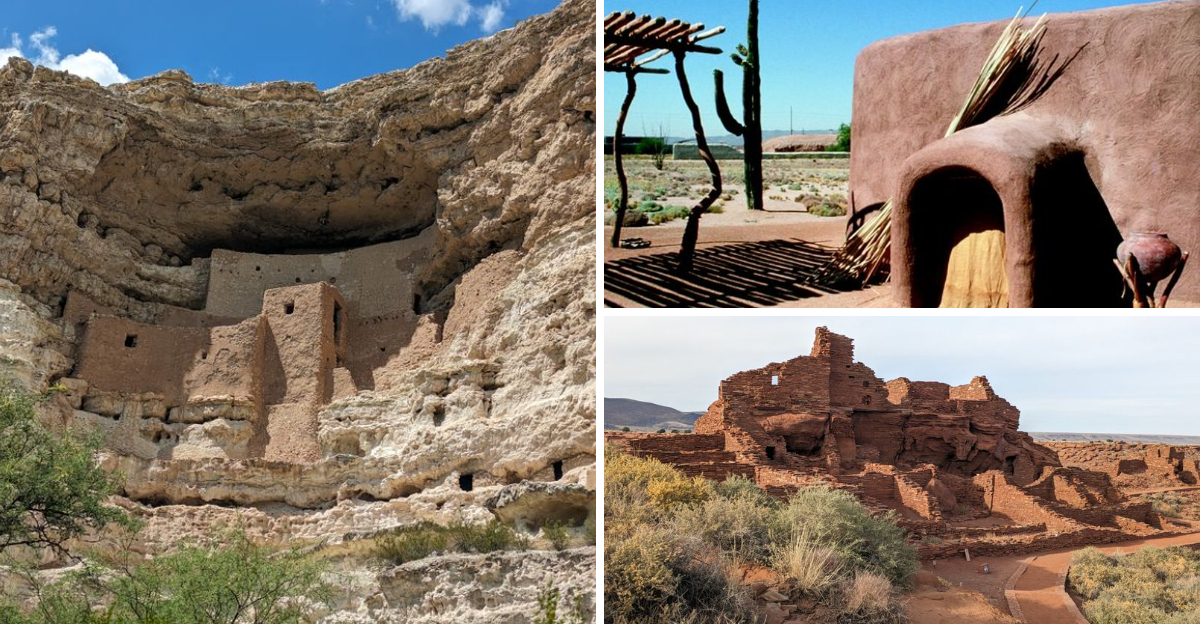
Arizona holds some of the most remarkable Native American cultural sites in the entire United States, where ancient civilizations left behind breathtaking cliff dwellings, sacred petroglyphs, and architectural wonders that still stand today.
From the towering sandstone walls of Canyon de Chelly to the mysterious Great House at Casa Grande, these locations offer visitors a chance to step back in time and connect with the rich heritage of indigenous peoples who have called this desert landscape home for thousands of years.
Whether you’re drawn to the spiritual significance of these places, the stunning natural beauty that surrounds them, or simply the opportunity to learn about cultures that have thrived in this challenging environment, Arizona’s Native American sites provide unforgettable experiences for travelers of all ages.
Each destination tells its own unique story, inviting you to explore the traditions, artistry, and resilience of the Navajo, Hopi, Sinagua, Hohokam, and other tribes whose legacies continue to shape the region today.
1. Canyon de Chelly National Monument
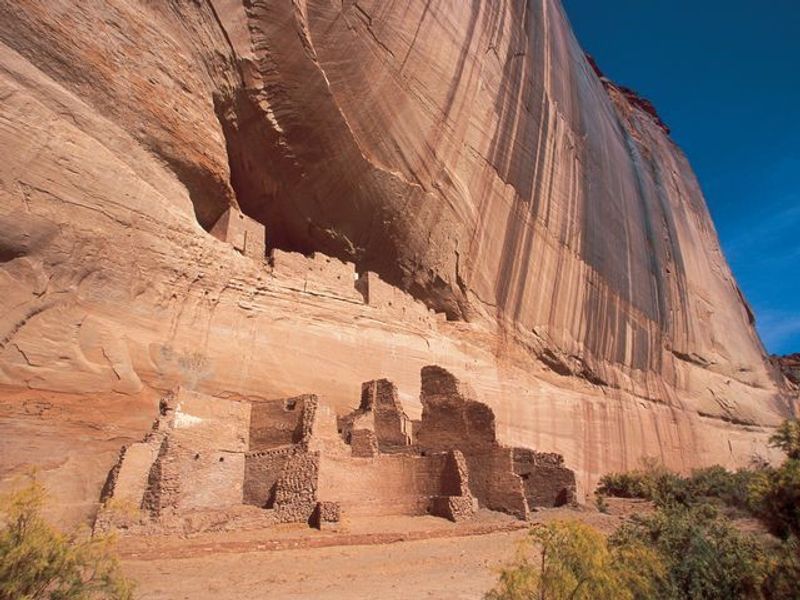
Towering red sandstone cliffs rise dramatically from the canyon floor, creating one of the most spectacular landscapes in all of Arizona.
Canyon de Chelly National Monument in northeastern Arizona preserves not only ancient ruins but also a living community where Navajo families continue their traditional way of life.
The Ancestral Puebloans carved their homes into these massive cliff faces more than 700 years ago, leaving behind structures like the famous White House Ruins that still cling to the canyon walls today.
What makes this place truly special is that it remains home to Navajo families who farm the fertile canyon bottom, tend their sheep, and maintain deep spiritual connections to this sacred land.
Visitors can explore the canyon rim on their own, enjoying breathtaking overlooks that reveal ancient dwellings tucked into alcoves high above the valley floor.
For a deeper experience, guided tours led by Navajo guides take you down into the canyon itself, where you can walk among peach orchards, see petroglyphs etched into stone, and hear stories passed down through generations.
Spider Rock, an 800-foot sandstone spire rising from the canyon floor, holds particular significance in Navajo mythology as the home of Spider Woman, who taught the Navajo people the art of weaving.
The changing seasons bring different beauty to Canyon de Chelly, from spring wildflowers to autumn cottonwoods glowing gold against red rock walls.
Photography enthusiasts will find endless inspiration here, especially during the golden hours when sunlight illuminates the ancient dwellings and creates dramatic shadows across the canyon.
Respect for the Navajo families who live here is essential, as most of the canyon floor is private property accessible only with authorized guides.
2. Montezuma Castle National Monument
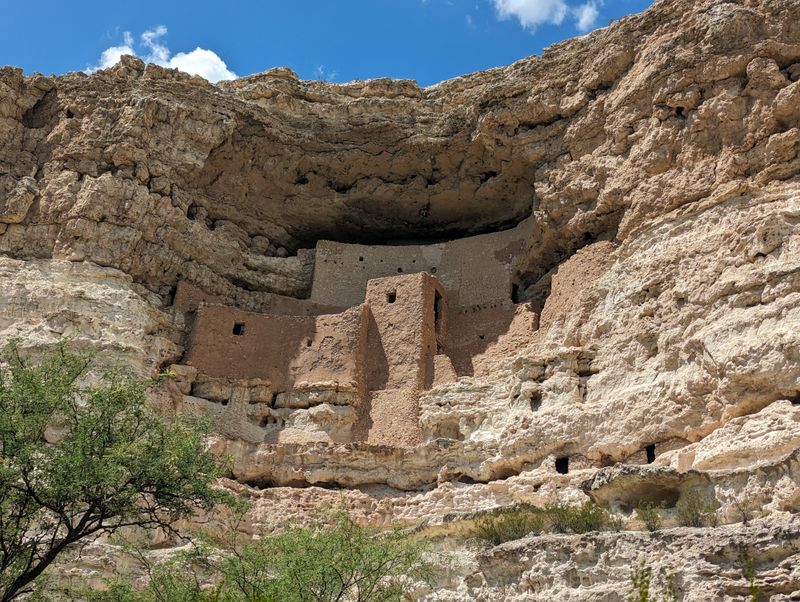
Nestled high in a limestone cliff above Beaver Creek, Montezuma Castle stands as one of the best-preserved cliff dwellings in North America, defying centuries of weather and time.
The Sinagua people constructed this remarkable 20-room structure around 800 years ago, choosing a natural alcove that provided shelter from rain and the harsh Arizona sun.
Despite its name, the dwelling has no connection to the Aztec emperor Montezuma, as early European-American settlers mistakenly believed such sophisticated architecture must have been built by the Aztecs.
The five-story structure rises nearly 100 feet above the valley floor, accessible originally only by ladders that could be pulled up for protection from potential threats.
Archaeologists estimate that approximately 35 people lived in this cliff dwelling at its peak, creating a thriving community within the protective embrace of the limestone cliff.
The Sinagua people were skilled farmers who irrigated crops along Beaver Creek and crafted beautiful pottery and jewelry, evidence of which has been found throughout the area.
Visitors today can walk a paved trail that offers excellent views of the castle from below, though climbing into the dwelling itself is no longer permitted to preserve its fragile structure.
A nearby visitor center provides fascinating exhibits about Sinagua culture, including artifacts, tools, and information about their daily lives and eventual mysterious departure from the region around 1425.
The monument also includes Montezuma Well, a limestone sink filled with spring water that was sacred to the Sinagua and used for irrigation through an ingenious system of ditches.
Address: 2800 Montezuma Castle Rd, Camp Verde, Arizona
3. Tuzigoot National Monument
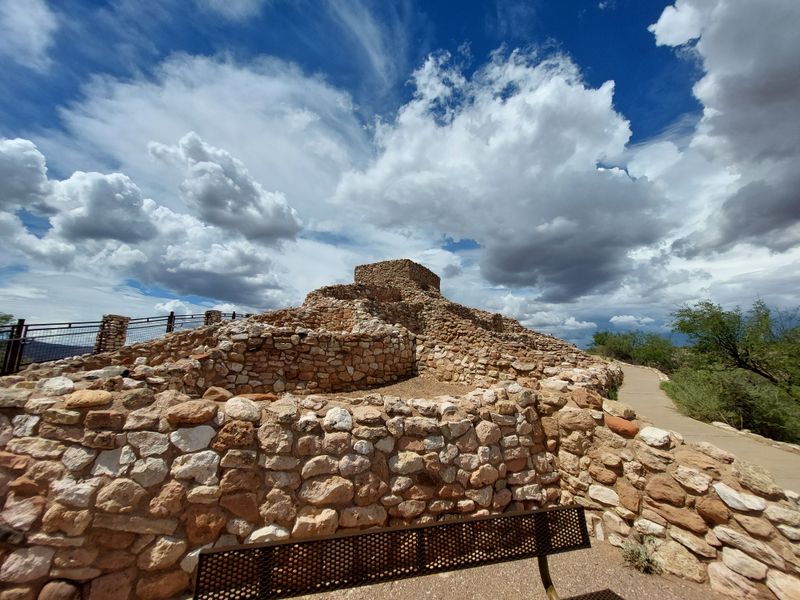
Perched on a desert hilltop overlooking the Verde Valley, Tuzigoot National Monument preserves a sprawling pueblo village that once housed over 200 Sinagua people.
The name Tuzigoot comes from an Apache word meaning crooked water, referring to the nearby Verde River that winds through the valley below.
This massive stone structure contains more than 110 rooms that were built and expanded over several centuries, with the pueblo eventually growing into a two-story complex that dominated the hilltop.
Walking through the reconstructed portions of Tuzigoot gives visitors a real sense of how families lived in these compact spaces, with rooms connected by doorways and shared walls providing both structural support and community bonds.
The Sinagua people chose this elevated location strategically, as it offered defensive advantages, cooling breezes, and spectacular views of the surrounding farmlands where they grew corn, beans, and squash.
Archaeological evidence shows that Tuzigoot was a thriving trade center, with artifacts discovered from as far away as the Pacific Coast and Central Mexico, including shells, macaw feathers, and copper bells.
The pueblo was occupied from roughly 1000 to 1400 CE, after which the Sinagua mysteriously abandoned their settlements throughout the Verde Valley.
A self-guided trail winds through the ruins, allowing visitors to explore different rooms and imagine the daily activities that once filled this bustling community.
The visitor center displays pottery, tools, jewelry, and other artifacts that reveal the artistic talents and practical skills of the Sinagua people.
Panoramic views from the pueblo extend across the Verde Valley to distant mountains, offering photographers and nature lovers stunning vistas, especially at sunset.
Address: 25 Tuzigoot Rd, Clarkdale, Arizona
4. Navajo National Monument
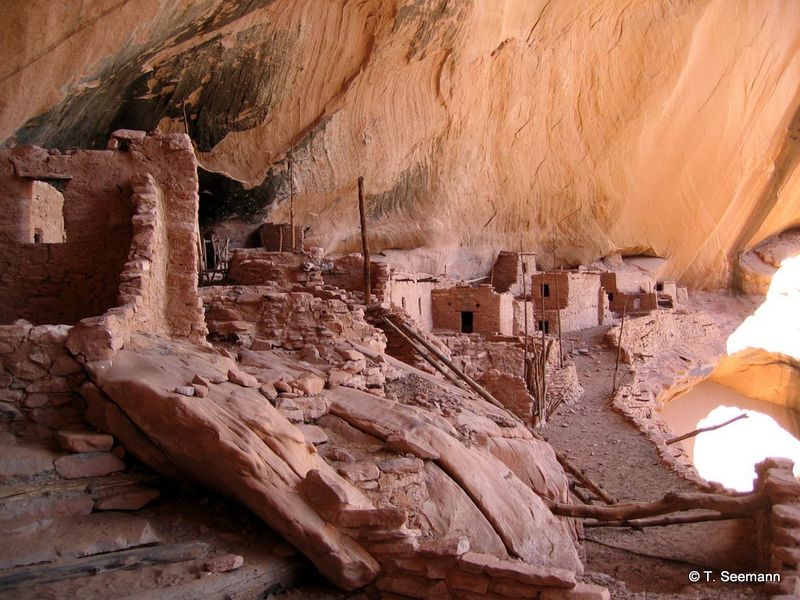
Hidden within massive sandstone alcoves in northeastern Arizona, Navajo National Monument protects three of the most spectacular cliff dwellings left by the Ancestral Puebloan people.
Betatakin, meaning ledge house in Navajo, contains approximately 135 rooms tucked into a huge natural alcove that stretches 452 feet high and 370 feet across.
The dwelling was occupied for only about 50 years during the late 1200s before its residents departed, leaving behind remarkably well-preserved structures that still retain original wooden beams and plaster.
Keet Seel, one of the largest and best-preserved cliff dwellings in the Southwest, requires a challenging 17-mile round-trip hike but rewards adventurous visitors with an intimate look at 160 rooms that seem frozen in time.
Rangers lead guided tours to Betatakin, sharing insights about the architecture, daily life, and the sophisticated water management systems that allowed people to thrive in this arid environment.
The third dwelling, Inscription House, remains closed to the public to protect its fragile structures and the sacred significance it holds for contemporary Native peoples.
Visitors who cannot make the strenuous hikes can enjoy the Sandal Trail, a one-mile round-trip walk to an overlook offering distant views of Betatakin nestled in its protective alcove.
The monument sits at 7,300 feet elevation, surrounded by pinyon pine and juniper forests that provide a cooler climate than much of Arizona.
A small but informative visitor center features exhibits about Ancestral Puebloan culture and the Navajo people who now call this region home.
The monument offers a unique opportunity to understand how ancient peoples adapted to challenging environments and created thriving communities in seemingly impossible locations.
5. Arizona State Museum
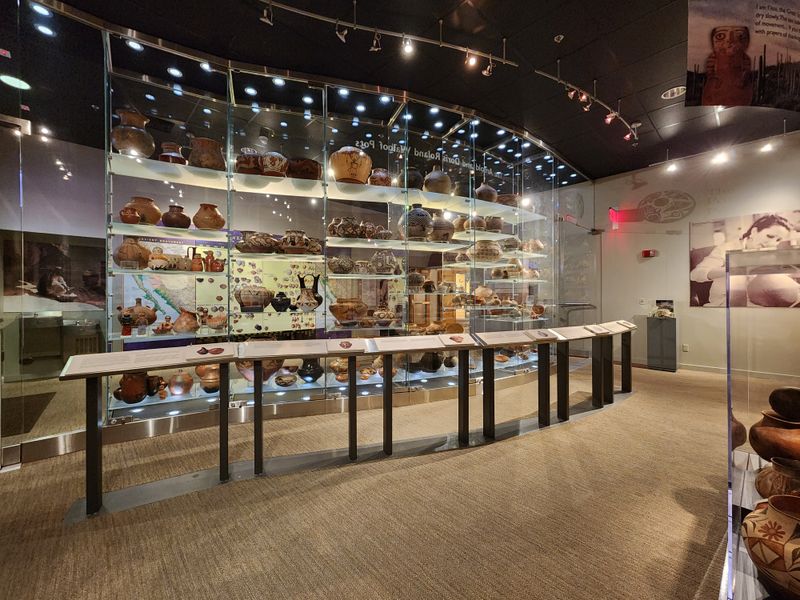
Founded in 1893, the Arizona State Museum in Tucson houses the largest collection of Southwest Native American pottery in the world, with over 20,000 whole and reconstructed vessels representing centuries of artistic tradition.
Walking through the exhibits feels like traveling through time, as displays trace the development of indigenous cultures from ancient times through the present day.
The Paths of Life exhibition explores the cultural heritage of 10 contemporary Native American communities in the Southwest, featuring authentic voices through video interviews, traditional objects, and contemporary artwork.
Visitors can marvel at intricate baskets woven so tightly they can hold water, demonstrating skills passed down through countless generations of Native artisans.
The museum’s textile collection includes stunning examples of Navajo weaving, with rugs and blankets displaying geometric patterns that carry cultural meanings and family histories.
One particularly moving exhibit features pottery created by women from different tribes, each piece telling stories about daily life, ceremonies, and connections to the land.
The museum takes seriously its responsibility to work with Native communities, ensuring that sacred objects are handled respectfully and that contemporary voices shape how their cultures are presented.
Rotating exhibitions bring fresh perspectives on Native American art, history, and contemporary issues, making each visit offer something new to discover.
Educational programs and workshops provide opportunities to learn directly from Native artists and culture bearers who share their knowledge and traditions with visitors.
The museum store offers authentic Native American artwork and crafts, with purchases directly supporting indigenous artists and their communities.
Located on the University of Arizona campus, the museum provides an air-conditioned respite from Tucson’s heat while offering deep insights into the region’s rich cultural heritage.
Address: 1013 E University Blvd, Tucson, Arizona
6. Museum of Northern Arizona
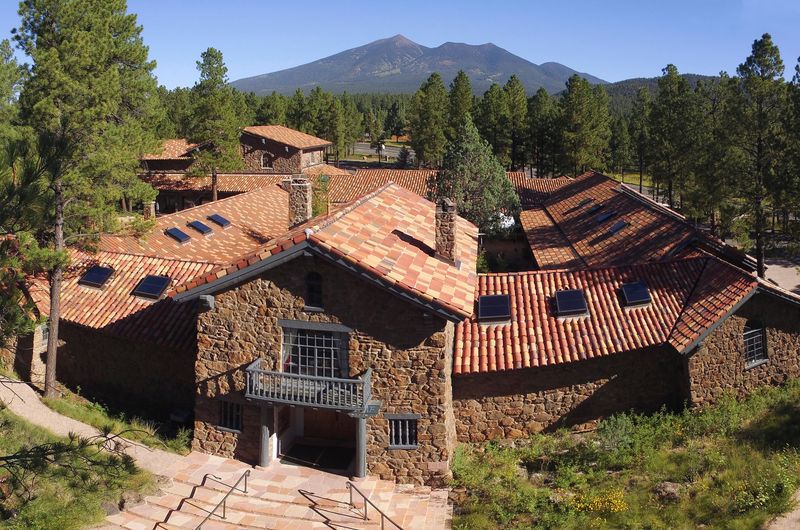
Since 1928, the Museum of Northern Arizona has served as a cultural bridge between past and present, honoring the sacred homelands and living traditions of the Navajo, Hopi, Zuni, Apache, and Havasupai peoples.
The museum building itself, constructed from native stone and timber, sits on a beautiful wooded property along the Rio de Flag, creating a peaceful setting that enhances the visitor experience.
Permanent exhibits showcase extraordinary examples of Native American artistry, from ancient pottery shards to contemporary paintings, demonstrating how artistic traditions evolve while maintaining cultural connections.
The Hopi kachina doll collection is particularly impressive, featuring both historical examples and modern interpretations of these spiritual figures that play important roles in Hopi ceremonies and teachings.
Navajo textiles on display range from early chief’s blankets to contemporary weavings, illustrating how this art form has adapted to changing times while preserving traditional techniques and meanings.
Each summer, the museum hosts heritage festivals that bring Native artists to Flagstaff to demonstrate their crafts, sell their work, and share cultural knowledge with visitors in a festive, educational atmosphere.
The museum’s commitment to collaboration with tribal communities ensures that exhibits present accurate, respectful representations of cultures and incorporate indigenous perspectives in all aspects of interpretation.
Natural history exhibits complement the cultural displays, showing how the Colorado Plateau’s unique environment shaped the lifeways of peoples who have inhabited this region for thousands of years.
A beautiful outdoor courtyard features native plants used traditionally for food, medicine, and ceremony, connecting visitors to the practical knowledge that sustained communities in this high-desert environment.
The museum store offers an exceptional selection of authentic Native American jewelry, pottery, and textiles, with staff knowledgeable about the artists and their techniques.
Address: 3101 N Fort Valley Rd, Flagstaff, Arizona
7. Pueblo Grande Museum
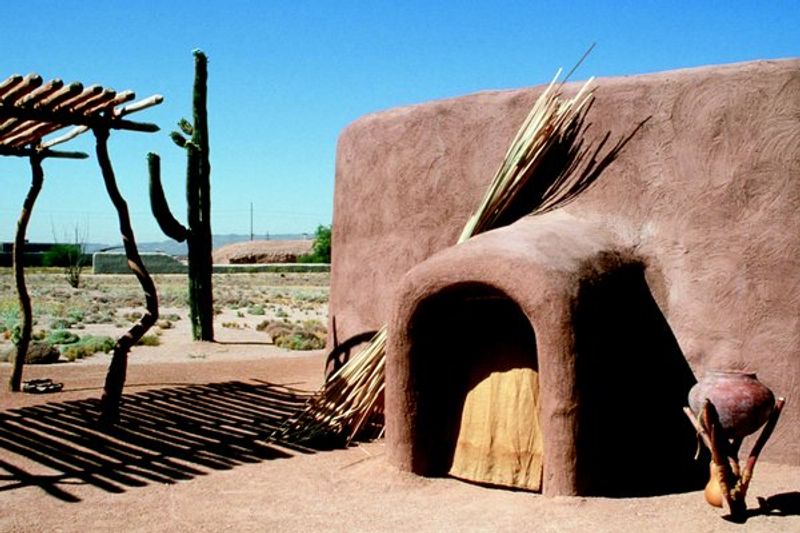
Right in the heart of modern Phoenix lies Pueblo Grande, an ancient Hohokam village that thrived for over 1,000 years before being mysteriously abandoned around 1450 CE.
The Hohokam people were master engineers who created one of the most extensive irrigation systems in prehistoric North America, channeling water from the Salt River to transform the Sonoran Desert into productive farmland.
Visitors can walk among the actual ruins of this ancestral village, following interpretive trails that wind past platform mounds, ball courts, and the remains of irrigation canals that once carried life-giving water to crops.
A reconstructed Hohokam dwelling gives insight into how families lived in these compact structures, with thick adobe walls providing insulation from the intense desert heat.
The platform mound at Pueblo Grande rises prominently above the surrounding landscape, and archaeologists believe it served as a ceremonial and administrative center where community leaders conducted important rituals and made decisions.
Inside the museum, exhibits display thousands of artifacts recovered from the site, including beautifully decorated pottery, shell jewelry traded from the Gulf of California, and stone tools used in daily life.
Interactive displays help visitors understand Hohokam innovations in agriculture, architecture, and art, revealing a sophisticated culture that adapted brilliantly to the challenges of desert living.
The contrast between ancient ruins and the modern city surrounding them creates a powerful reminder that Phoenix sits atop a landscape inhabited by thriving communities for millennia.
Educational programs and special events throughout the year offer hands-on experiences like pottery making and traditional games, making history come alive for visitors of all ages.
The museum’s commitment to archaeological preservation extends beyond its boundaries, as it works to protect other Hohokam sites throughout the Phoenix area from urban development.
Address: 4619 E Washington St, Phoenix, Arizona
8. Mission Garden
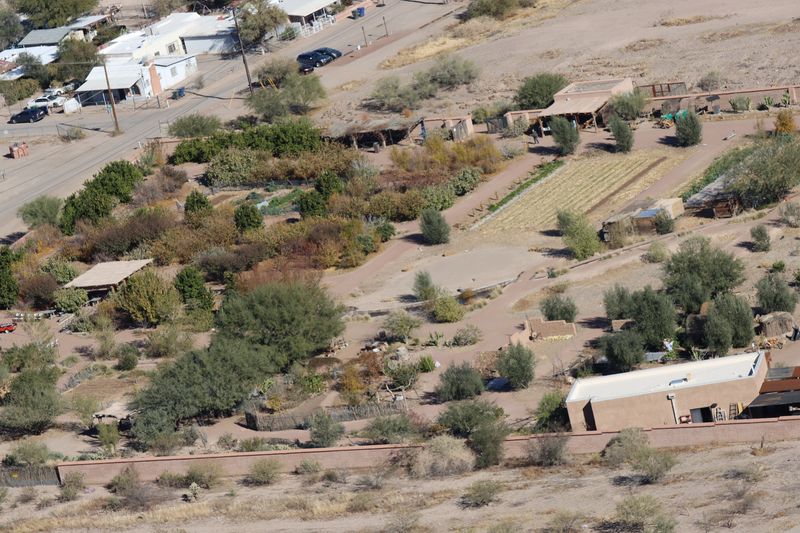
At the base of Sentinel Peak in Tucson, Mission Garden recreates 4,000 years of agricultural heritage, growing the same crops that sustained Native peoples, Spanish missionaries, Mexican settlers, and Anglo pioneers in the Sonoran Desert.
This living museum spans four acres of terraced gardens where heritage varieties of corn, beans, squash, and chili peppers grow alongside heirloom fruit trees including pomegranates, figs, and quinces brought by Spanish colonists.
The Tohono O’odham people cultivated this area long before European contact, developing drought-resistant crops and sophisticated water management techniques perfectly suited to the desert environment.
Walking through the different garden sections reveals how agricultural practices evolved over millennia, with each culture adding new plants and techniques while adapting to the challenges of limited water and intense heat.
Volunteers maintain the gardens using traditional methods whenever possible, demonstrating how people worked the land before modern machinery and chemical fertilizers transformed agriculture.
Ancient crop varieties grown here include Tohono O’odham white tepary beans, which thrive in hot, dry conditions and have sustained desert communities for thousands of years.
The garden sits at the original location of the San Agustin Mission, established in 1692, where Franciscan missionaries introduced Old World crops to complement native plants already cultivated by indigenous farmers.
Interpretive signs throughout the garden explain the cultural significance of different plants, sharing stories about how they were used for food, medicine, ceremony, and trade.
Seasonal festivals celebrate harvest times and cultural traditions, featuring demonstrations of traditional cooking methods, bread baking in outdoor ovens, and the preparation of heritage foods.
The garden offers a peaceful retreat from urban Tucson, where visitors can connect with the land and understand how human communities have sustainably fed themselves in this challenging environment for millennia.
Address: 946 W Mission Ln, Tucson, Arizona
9. Hopi Cultural Center
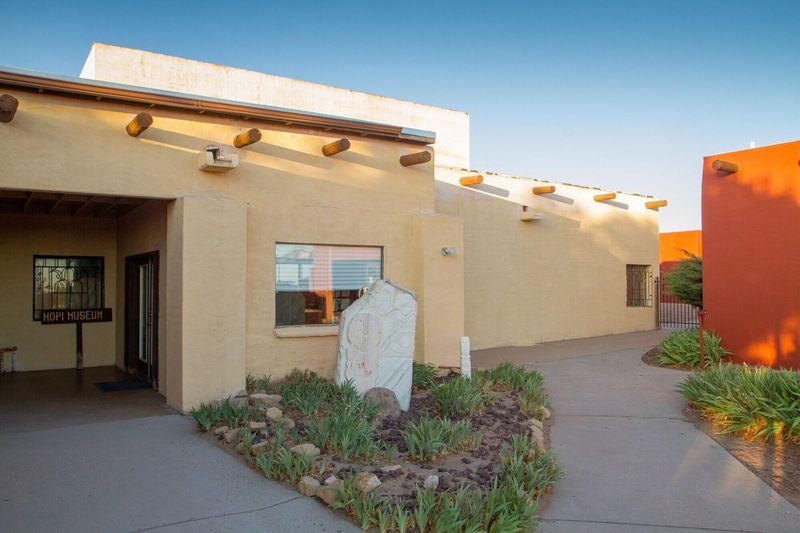
Situated on Second Mesa in the heart of the Hopi Reservation, the Hopi Cultural Center provides visitors with an authentic introduction to one of North America’s oldest continuously inhabited communities.
The Hopi people have lived on these three mesas for over 1,000 years, maintaining cultural traditions, religious practices, and agricultural lifeways that connect them to their ancestors and the land.
The center’s museum displays artifacts, photographs, and interpretive materials that tell the story of Hopi history, from ancient times through the present day, always from a Hopi perspective.
Traditional Hopi crafts are showcased throughout the center, including intricately woven baskets, hand-carved kachina dolls, silver overlay jewelry, and pottery painted with distinctive designs passed down through generations.
A gift shop offers authentic Hopi artwork directly from local artisans, ensuring that purchases support the artists and their families while providing visitors with genuine cultural treasures.
The center’s restaurant serves traditional Hopi foods alongside American fare, giving visitors a chance to taste dishes like piki bread, a paper-thin blue corn bread that requires specialized preparation techniques.
Guided tours of nearby Hopi villages can be arranged through the center, offering respectful opportunities to visit ancient mesa-top communities where families still live in stone houses built by their ancestors.
The Hopi people are known for their deep spirituality and ceremonial calendar, though many ceremonies remain private to protect their sacred nature and ensure their proper transmission to future generations.
Visitors should approach Hopi lands with respect, understanding that this is a living community where people maintain traditional ways while also navigating the modern world.
The center provides important context for understanding Hopi culture, helping visitors appreciate the significance of what they see and the importance of honoring Hopi wishes regarding photography, recording, and access to certain areas.
10. Navajo Nation Museum
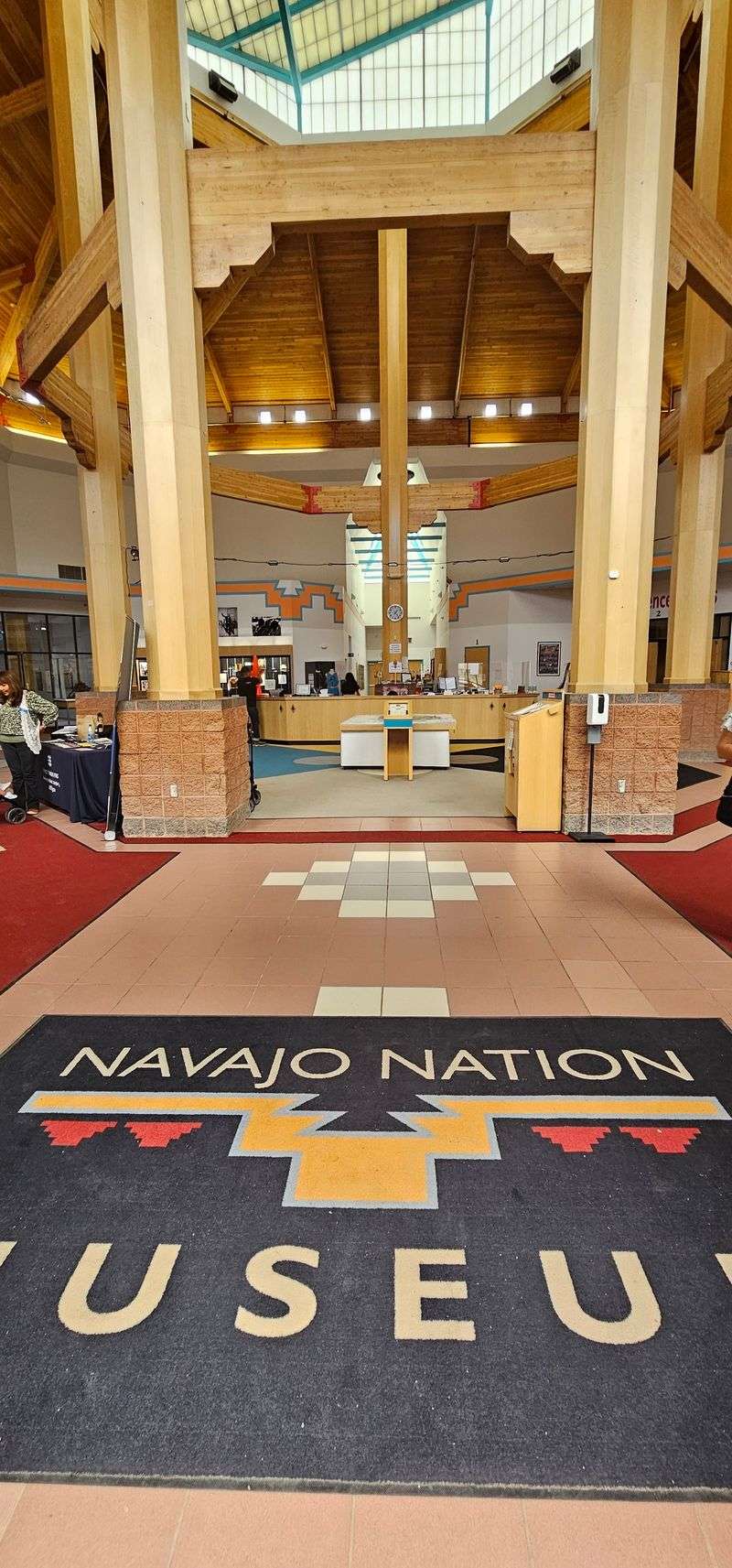
Located in Window Rock, the capital of the Navajo Nation, this museum serves as the cultural heart of the largest Native American reservation in the United States.
The Navajo Nation Museum preserves and presents both ancient and contemporary Navajo history through carefully curated exhibits that honor traditional knowledge while addressing modern realities.
Permanent exhibits trace Navajo history from the people’s origins through the traumatic Long Walk of 1864, when the U.S. government forcibly relocated thousands of Navajos to Bosque Redondo, and their eventual return to their homeland.
Historic photographs document Navajo life during the late 19th and early 20th centuries, showing traditional dress, hogans, livestock, and family groups, preserving visual memories of earlier generations.
The museum’s art collection features both historical and contemporary works by Navajo artists, demonstrating how creative expression evolves while maintaining connections to cultural identity and traditional aesthetics.
Rotating exhibits address current issues facing the Navajo Nation, from language preservation to economic development, showing how the community works to maintain cultural integrity while adapting to contemporary challenges.
Educational programs bring Navajo elders into the museum to share traditional stories, teach the Navajo language, and demonstrate crafts like weaving and silversmithing to younger generations.
The museum building itself sits near Window Rock, the natural stone formation that gives the capital its name and holds spiritual significance for the Navajo people.
A research library and archives provide resources for scholars, tribal members, and anyone interested in learning more about Navajo history and culture from authentic sources.
The gift shop offers beautiful Navajo-made jewelry, rugs, pottery, and other crafts, with proceeds supporting the museum’s mission and benefiting local artists.
Address: Highway 264 and Loop Road, Window Rock, Arizona
11. Casa Grande Ruins National Monument
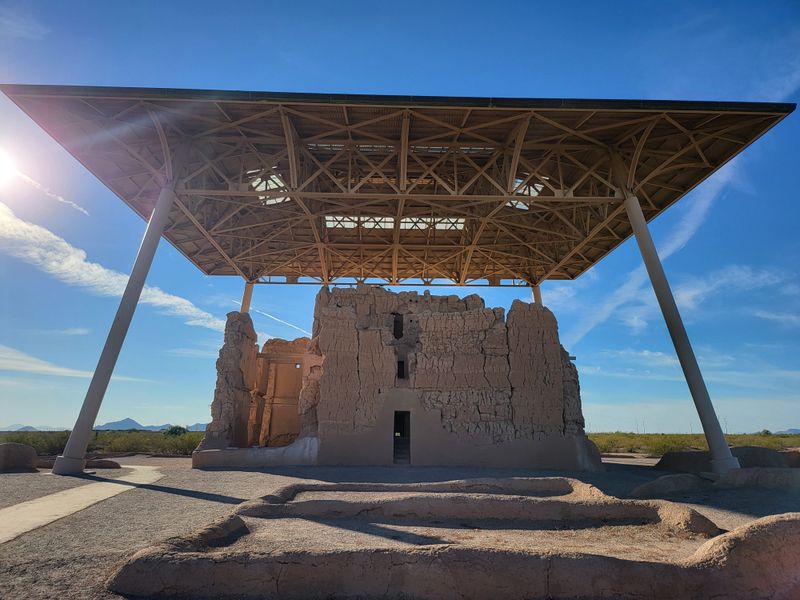
Rising four stories above the Sonoran Desert floor, the Great House at Casa Grande stands as a mysterious testament to the architectural and astronomical knowledge of the Hohokam people who built it over 650 years ago.
This massive structure, constructed from caliche clay dug from the surrounding desert and formed into thick walls, has survived centuries of weathering thanks to the protective roof installed over it in modern times.
Archaeologists continue to debate the building’s original purpose, with theories ranging from an astronomical observatory to a ceremonial center or administrative headquarters for the surrounding community.
The walls of the Great House align with the positions of the sun and moon at specific times of the year, suggesting that Hohokam builders possessed sophisticated understanding of celestial movements and their relationship to agricultural cycles.
A circular hole in the upper wall aligns perfectly with the setting sun during the summer solstice, allowing a beam of light to penetrate deep into the structure’s interior.
The Hohokam people who built Casa Grande were part of a larger cultural network that included villages, irrigation systems, and trade routes stretching across the desert Southwest.
Surrounding the Great House are the remains of other structures, including residential compounds where families lived and worked, grinding corn, making pottery, and weaving cotton cloth.
The monument preserves one of the first archaeological sites protected by the U.S. government, designated in 1892 when concerned citizens recognized the importance of preserving these ancient ruins for future generations.
A visitor center provides context about Hohokam culture, displaying artifacts found at the site and explaining the sophisticated agricultural society that flourished here for over a thousand years.
Self-guided trails allow visitors to walk around the Great House and explore other ruins, with interpretive signs explaining what archaeologists have learned about the people who created this remarkable structure.
Address: 1100 W Ruins Dr, Coolidge, Arizona
12. Wupatki National Monument
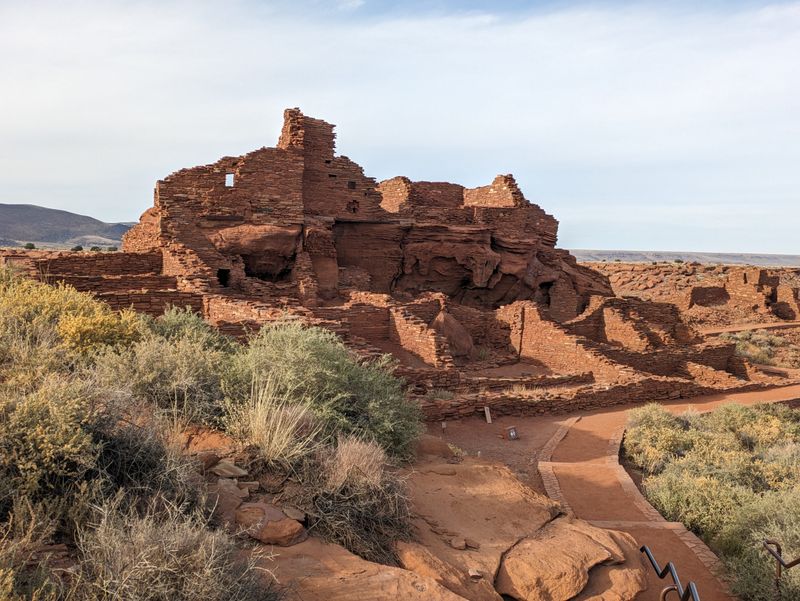
Scattered across a volcanic landscape northeast of Flagstaff, Wupatki National Monument preserves several ancient pueblos built by ancestors of contemporary Hopi people during the 1100s and 1200s.
The largest structure, Wupatki Pueblo, contained over 100 rooms and rose three stories high, making it the tallest building for at least 50 miles in any direction during its time.
What drew people to this harsh, windswept landscape was the eruption of Sunset Crater volcano around 1085, which blanketed the area with volcanic ash that helped the soil retain precious moisture.
For roughly 200 years, this region became a cultural crossroads where different groups came together, traded goods and ideas, and created a diverse community reflected in the variety of architectural styles and artifacts found here.
A remarkable feature at Wupatki is a masonry ball court similar to those found in Mesoamerica, suggesting cultural connections and trade networks that stretched far beyond the Southwest.
Near the main pueblo, a natural blowhole in the earth exhales cool air during hot weather and draws air in during cooler periods, a geological phenomenon that ancient residents surely noticed and perhaps considered sacred.
The red sandstone walls of the pueblos blend beautifully with the surrounding landscape, creating structures that seem to grow organically from the earth itself.
A loop road connects several major sites within the monument, allowing visitors to explore different pueblos and experience the variety of architectural styles and community sizes.
Interpretive trails at each site provide information about the people who lived here, their daily activities, and the environmental changes that eventually led them to abandon these settlements and migrate to other areas.
The monument’s remote location and striking volcanic landscape create an otherworldly atmosphere, especially during sunrise and sunset when light plays across the ancient walls and painted desert beyond.
Dear Reader: This page may contain affiliate links which may earn a commission if you click through and make a purchase. Our independent journalism is not influenced by any advertiser or commercial initiative unless it is clearly marked as sponsored content. As travel products change, please be sure to reconfirm all details and stay up to date with current events to ensure a safe and successful trip.
