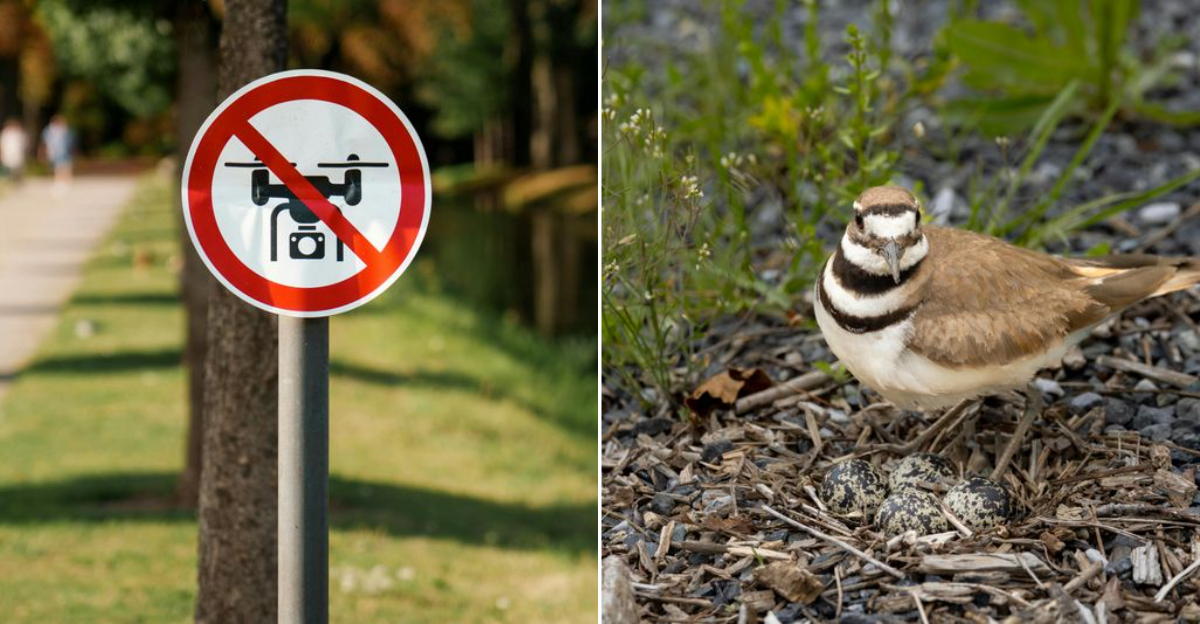
Ever thought flying a drone over wide-open farmland would be harmless fun? In Nebraska, tourists are finding out it’s not that simple. Those endless fields might look like the perfect backdrop for aerial shots, but drones can quickly turn into a headache for both visitors and locals.
Farmers here rely on their land for their livelihood, and drones buzzing overhead can feel intrusive. Some tourists accidentally cross property lines, spook livestock, or even interfere with farm equipment. What feels like a cool video opportunity to outsiders can come across as disrespectful, or worse, dangerous to the people who live and work there.
Locals often say it’s not about hating drones, it’s about boundaries. Tourists don’t always realize that Nebraska has rules about where and how drones can be flown, and breaking them can lead to fines or awkward encounters. So if you’re planning to bring a drone on your trip, think twice.
Respect the farms, follow the rules, and you’ll avoid turning your vacation into a problem.
Open Fields Are Still Private Property
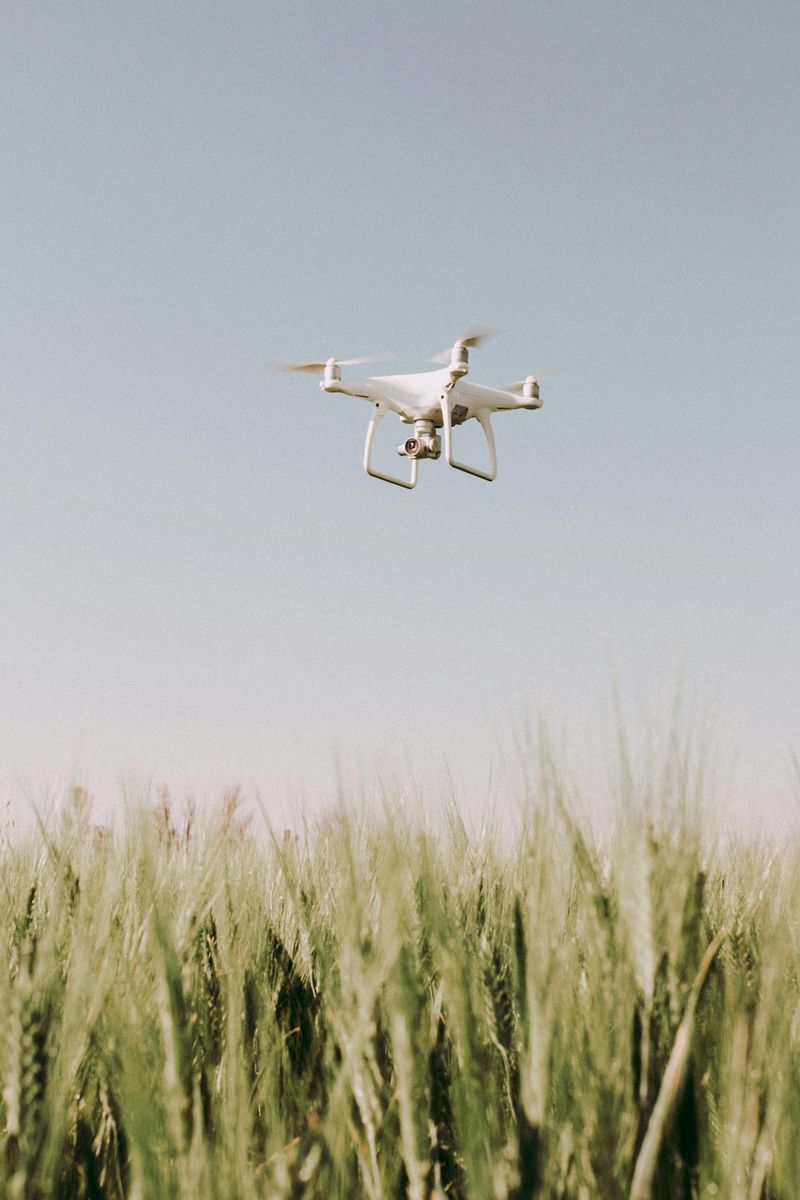
You see a huge field and it feels open to you. It is not public land, though, and that changes everything about how you fly that drone.
Private property means permission first, always, even if the dirt road is quiet.
Think about how you would feel if a camera hovered over your backyard without a heads up. That is how farmers read a drone that slides over their crops or equipment.
It can feel intrusive, and sometimes it is, even if you only wanted a pretty shot.
Here is the part people miss when they are rushing to catch the light.
Trespassing does not need a fence or a big sign to be real, and harassment can include a buzzing drone that lingers too long. Farmers will call it in because they protect their space.
You can avoid all that by doing the simplest thing. Ask first, be clear about your plan, and offer to share the footage if they are curious.
If the answer is no, take it as your cue to fly over public spaces instead.
That small step saves you a tense conversation and a ruined day. It also shows respect for people who work those acres every day, not just when the sky looks good.
Nebraska feels open, but it is not a free zone, so treat it like someone’s home.
Federal Airspace Rules Still Apply Over Cropland
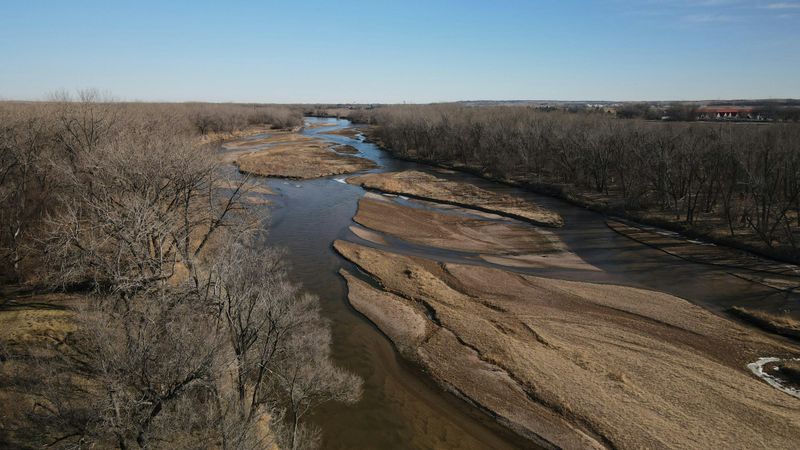
The middle of nowhere can trick you, trust me. You stand there with a controller and think nobody will mind, and no rule cares.
That feeling does not match how airspace works, because federal rules do not fade as the towns thin out.
The basics still live in your checklist. Keep visual line of sight, watch altitude, and stay clear of other aircraft, no matter how quiet the county road feels.
That is the same standard you would hold near a park or a small town.
Registration trips up a lot of travelers. If your drone requires it, skipping that step is still a violation, even if you only fly for a few minutes.
People sometimes mix up open sky with open season, and that misread gets expensive fast.
I like to set a quick preflight routine. Check maps, watch the weather, and confirm you are not near controlled airspace that needs extra approval.
Five minutes now beats a follow up call you never wanted.
You can still get the shot, and you can still keep it relaxed. Just remember the rules travel with you, even across fields that look all yours.
This state feels big, but the sky you are using is the same system everyone else shares today.
Livestock Can Panic From Drone Noise
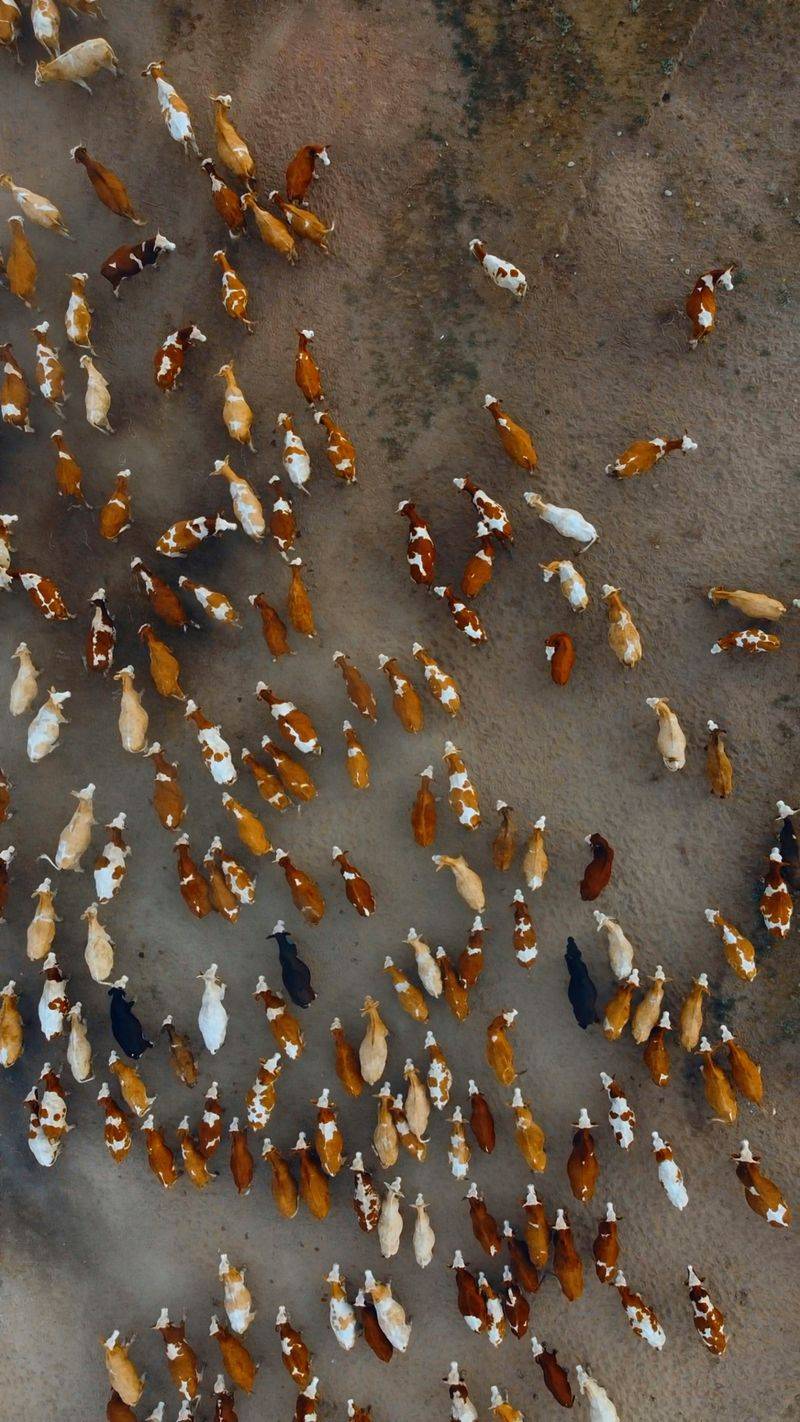
Ever watched cattle react when something new buzzes overhead? It happens fast and not in a fun way.
A quick rise, a shuffle, then a bolt that can turn a calm scene into damage across a fence line.
Horses can spook with even less warning. A sudden tilt of the head, a spin, and you have a risk you never planned to create.
That risk lands on the farmer, not you, and that is why tempers flare.
I have stood by a gate and seen how a simple hum changes the herd. Animals read the sky as a threat and do not care that your plan was cinematic.
This is why farmers speak up when they hear that sound near the pasture.
If you want to fly near animals, keep a heavy buffer. Better yet, skip it and aim for fields without livestock in sight or earshot.
Your footage will look good, and nobody will have to chase a loose animal.
Bring a long lens for ground shots if you want a closer feel. That gives you options without stirring up a herd that did not ask for your flight.
Nebraska is proud of its ranching life, so treat those animals like neighbors.
Crop Dusting Makes Airspace Dangerous
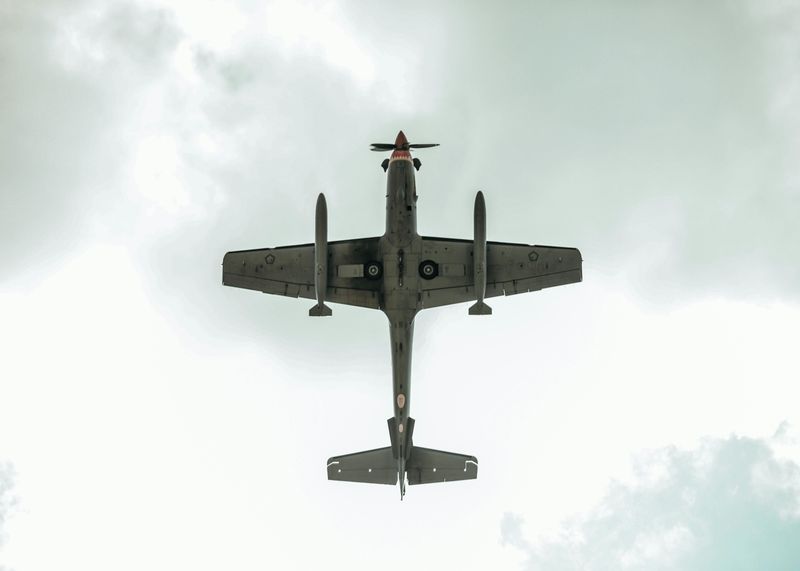
Low flying planes change the math very quickly. You might not hear them until they are already close, especially with wind and tall crops.
A drone in that path is a problem nobody can correct in time.
Crewed aircraft move faster than you expect at that height. Pilots focus on tight lines, equipment, and wind, not on hunting for a small object that blends into the sky.
You cannot rely on last second dodges to save the day.
I keep an ear out for engine noise and watch for spray patterns on the horizon. If anything hints at a pass, I land and wait, no questions asked.
Better a pause than a headline you never wanted to cause.
Planning helps a lot here. Look up local farm operations during the season and avoid times when planes are likely to run those routes.
It is simple caution that protects both your gear and the people in the cockpit.
This is one area where folks in this state are extra alert. They live with those flights as part of normal work, and they expect visitors to give space.
The sky feels big, but it shrinks fast when an aircraft sweeps low over that field.
Surveillance Fears Are Taken Seriously
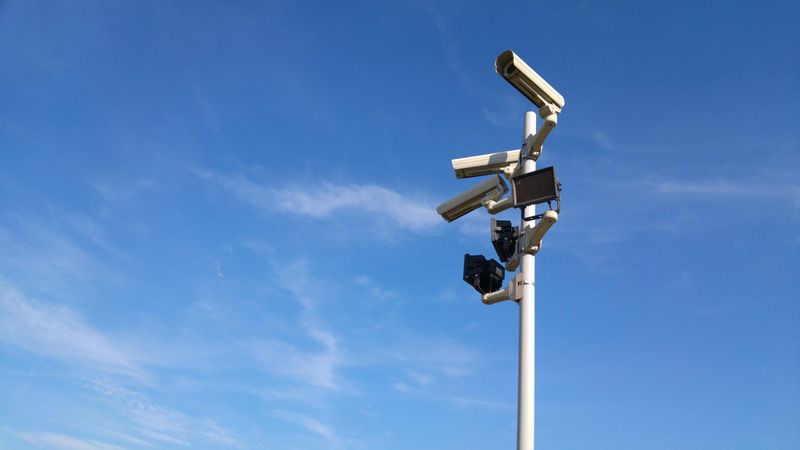
A drone near a barn sets off alarms in a different way. People think about theft, scouting, and privacy, and they do not assume friendly intentions.
That is not drama, it is lived experience from break ins and losses.
Hovering too long over a driveway or equipment yard reads like snooping. Even a slow pass can look like mapping a route or checking schedules.
Farmers call in those moments because the pattern feels familiar.
When you want a farm scene, frame it from the road with a respectful distance. Keep your flight short and obvious so nobody wonders what you are doing.
If someone steps out to ask, land and talk like a neighbor.
I carry a simple card with my name and a quick line about the project. It helps shift the vibe from mystery to clarity.
People relax when they know what is up and how long it will take.
Nebraska communities look out for each other, and you are a guest in that network. Calm, open communication goes further than any setting on your drone.
Show respect and your trip stays easy, with no hard turns into trouble.
You Can Accidentally Violate Critical Infrastructure Rules
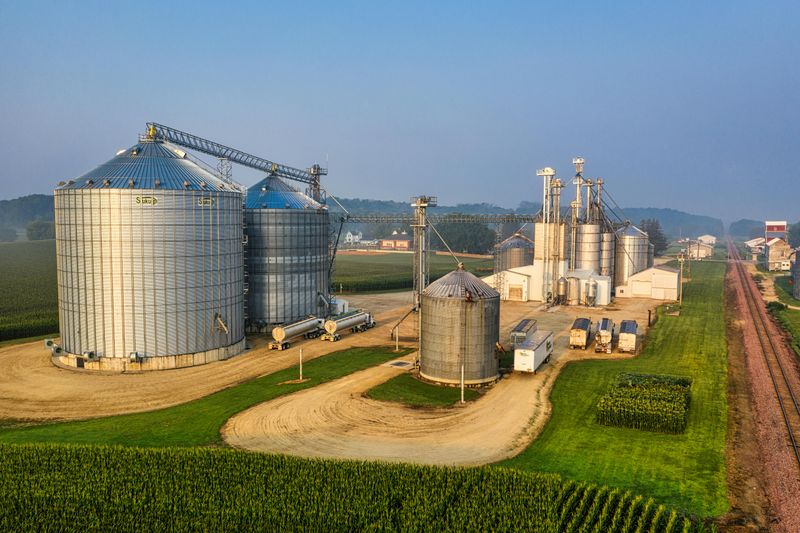
Some spots are not obvious until you pull them up on a map. Grain elevators, rail lines, wind farms, and utility corridors can fall under special rules.
A casual flight near them can start a chain you do not want.
Signs help, but you cannot count on them in every rural stretch. The safer move is to check airspace apps and local notices before you launch.
That quick look can save a long conversation later.
I like to mark no fly zones for the day’s route. Then I do a second pass at the actual spot to confirm nothing changed.
It is a simple habit that keeps the stress level near zero.
Tourists miss these zones because the landscape feels plain at first glance. Look again and you will see the tall towers, the lines, and the steady hum of a working system.
Respecting those features shows you understand how the place runs.
This state has plenty of open views that sit far from restricted areas. Choose those fields and shoot wide without worry.
You will come home with clean footage, and no one will be tracking down your username later.
Wildlife Protections Still Apply On Farmland
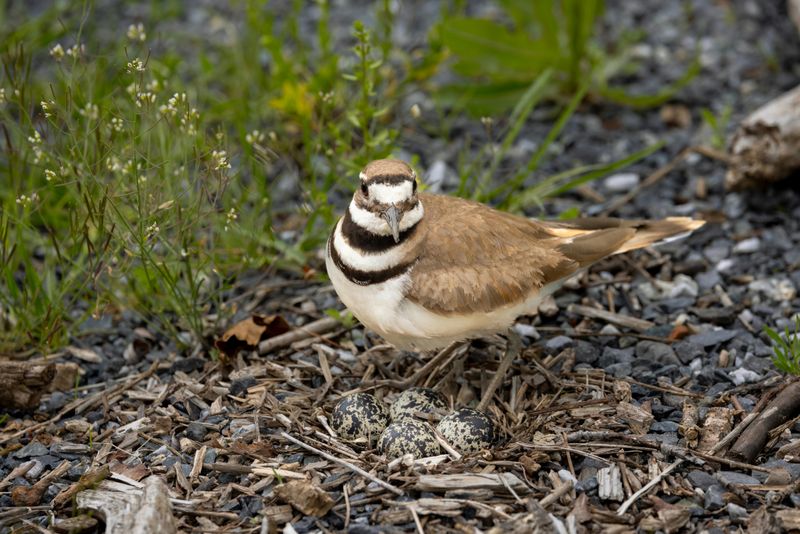
Edges of fields can be full of life. Shelterbelts, creek draws, and wetlands hold nesting birds and other protected species.
A drone buzzing those areas can trigger problems you never intended.
Harassment is not only about touching or chasing. Repeated passes or hovering near a nest counts, even if you never land.
Laws protect those areas because small stresses add up fast during a season.
I like to keep a map layer for refuges and known habitats. If I am unsure, I back off and switch to ground photos from a respectful distance.
It is not about fear, just awareness and care for the place you came to enjoy.
Make sure to watch for behavior cues. If birds flush as you approach or circle repeatedly, you are too close, and it is time to move.
The best shots often come from patience and a longer lens anyway.
The state’s mix of farms and wild pockets is part of its charm. You can keep your trip easy by reading the land like locals do.
Give wildlife breathing room and your footage stays honest, calm, and welcome.
Drone Registration Is Commonly Overlooked
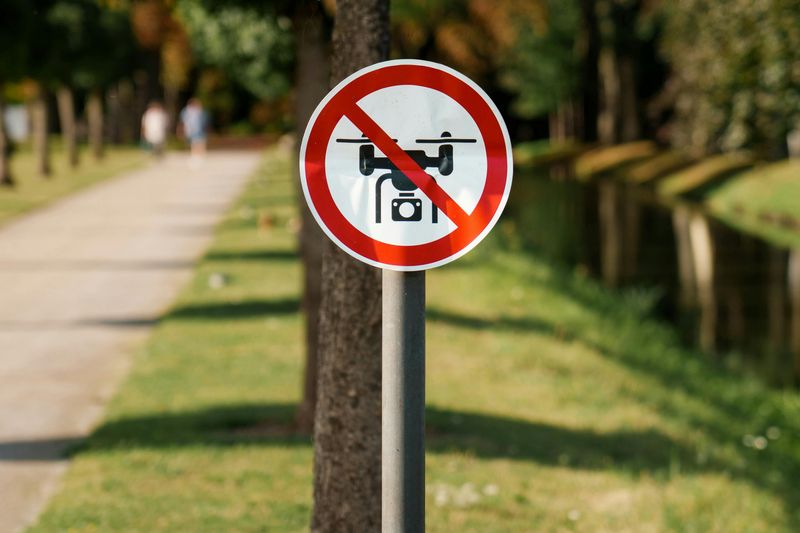
Let’s be honest, the paperwork step is easy to skip. You charge the batteries, pack the case, and hit the road, and the number never gets added.
That small miss can turn into a headache in a hurry.
Most recreational drones need registration and a label. It is quick, and it proves you are flying with the basics in order.
When a deputy asks, you have something simple to show instead of a long explanation.
I keep a photo of the label and the confirmation on my phone. That way I am covered even if the sticker peels or the case is in the car.
It is a tiny habit that saves time when someone checks.
The bigger win is mindset. Doing the small steps right helps you think clearly about the bigger rules in the sky.
You will notice airspace and weather sooner because you are already in a careful mode.
Nebraska skies are generous, and it is fun to fly out there. Bring the same care you would use in a busy area, and you will keep it simple.
Registration is not just a box, it is your quick way to show you respect the system.
Posting Footage Online Can Make It Worse

Sharing the clip can feel like the victory lap. Then the messages start, and someone tags the farm owner or a local group.
What seemed harmless turns into a thread that does not go your way.
If you flew without permission or crossed a line, the upload becomes a receipt. People can pull details you forgot you included, like landmarks and angles.
That makes it easy to connect dots you would rather leave apart.
I try to treat posting as a final step, not a reflex. Ask yourself if the landowner would be fine with it or if you got a clear yes.
If not, save it, or cut the shot and move forward.
There is a better way to share: reach out, offer a look, and get a thumbs up first. The extra minute turns strangers into collaborators and keeps your account out of trouble.
Nebraska folks talk, and they notice what goes online from their backyard. Keep that in mind, and you will stay in good shape.
The story you want to tell is easier to enjoy when nobody feels burned by how you told it.
Farmers Are Already Dealing With Real Risks
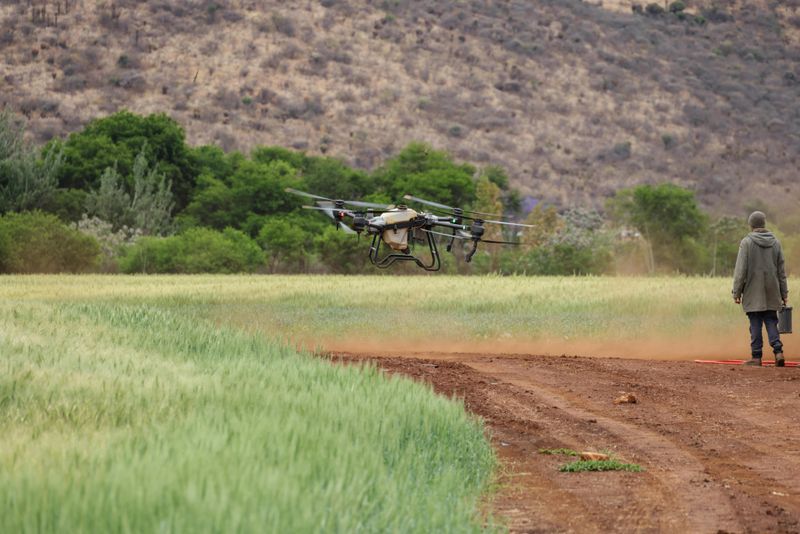
When you step onto a farm’s edge, remember the daily load already in motion. Weather shifts, equipment upkeep, and biosecurity all stack up.
A drone is one more variable they did not invite.
You and I might see a postcard sky and a quiet lane. A farmer sees a work plan, timing, and margins that can slip if things go sideways.
That is why patience is thin when a buzzing visitor shows up unannounced.
I like to start with humility. If I cannot get permission, I let it go and find another view down the road.
There is always another angle that does not add stress to someone else’s day.
When a farmer says yes, I keep it short and clear: launch, capture, land, then say thanks before you roll out. It leaves a good feeling and a future chance to return.
This state teaches that kind of courtesy fast. It keeps trips smooth, keeps neighbors friendly, and keeps the sky open for your next plan.
Bring that mindset and you will come home with stories that feel good to tell.
Dear Reader: This page may contain affiliate links which may earn a commission if you click through and make a purchase. Our independent journalism is not influenced by any advertiser or commercial initiative unless it is clearly marked as sponsored content. As travel products change, please be sure to reconfirm all details and stay up to date with current events to ensure a safe and successful trip.
