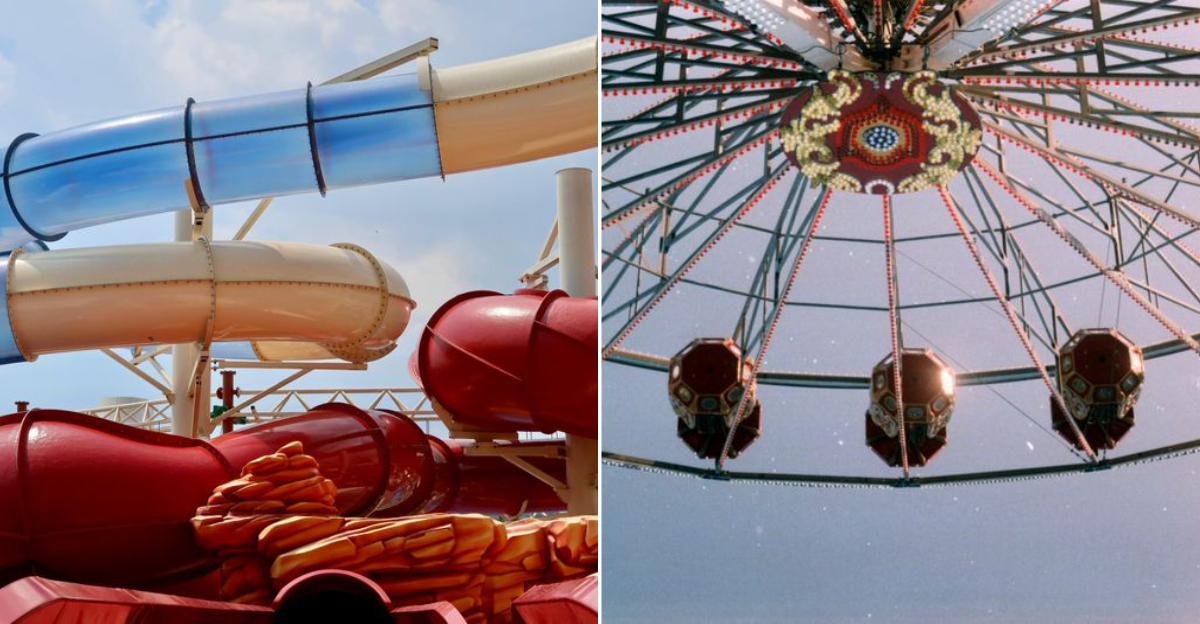
Have you ever driven past a place and wondered what stories it used to hold? That’s the feeling you get at Peony Park, once a thriving amusement spot at 7910 Cass St, Omaha, NE 68114. For decades, it was the go?to destination for rides, concerts, dances, and summer fun. Families spent weekends there, and locals still remember it as a centerpiece of Omaha’s social life.
But time caught up with Peony Park. The rides were taken down, the crowds moved on, and eventually the park faded into memory. What’s left today is more subtle, a shadow of what once was, tucked into the city’s landscape. It’s not polished or preserved like other historic attractions, but that’s part of what makes it intriguing.
You can almost picture the laughter and music that used to fill the space. I’ve always thought places like this are worth noticing because they carry echoes of the past in everyday surroundings.
If you’re in Omaha, Peony Park’s forgotten grounds still whisper their history.
Nebraska’s Biggest Park, Gone Quiet
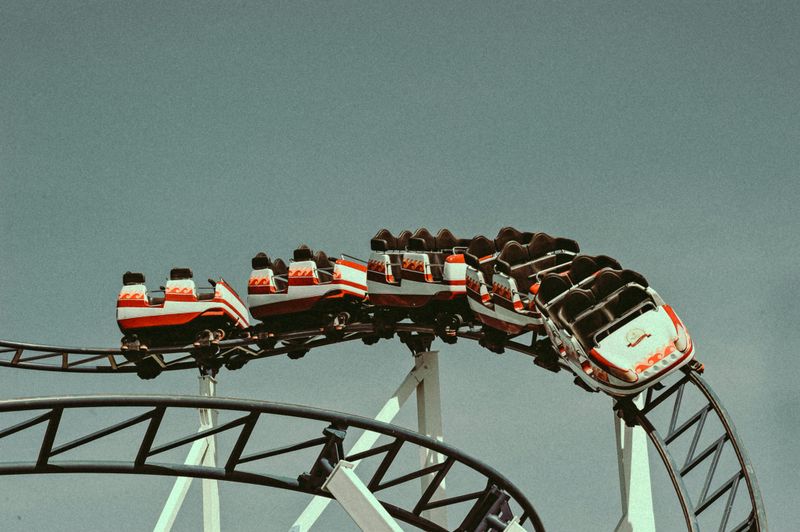
You know how some places get quiet in a way that makes your ears buzz?
That is the feeling standing near 7910 Cass St, Omaha, NE 68114 where Peony Park once stretched across a summer world. It was Nebraska scale and then some.
People did not just show up for rides, because the park lived like a full season under the sun with water, music, and crowds.
Picture laughter carrying across the block and drifting over the neighborhood like a radio left on.
Even now, the ground seems to hold breath as if waiting for another opening day.
Most of the footprint shifted into new buildings, wide lots, and practical errands.
That is why it feels forgotten, not because memory failed, but because the map changed and kept moving.
If you look long enough, tiny clues start to align and you can almost see the boardwalk lines.
Nebraska weather still sweeps through here and it works as a kind of memory broom.
I like pausing by the curb and letting the old story meet the present traffic. It is casual time travel, the kind you do between stoplights.
You can park nearby and take a short loop around the block. There is no ticket booth to guide you, only your own curiosity and a few anchored details.
The place is quiet, but the quiet is not empty. It is layered and steady, like a song you almost remember, coming back note by note.
The Last Piece Still Standing
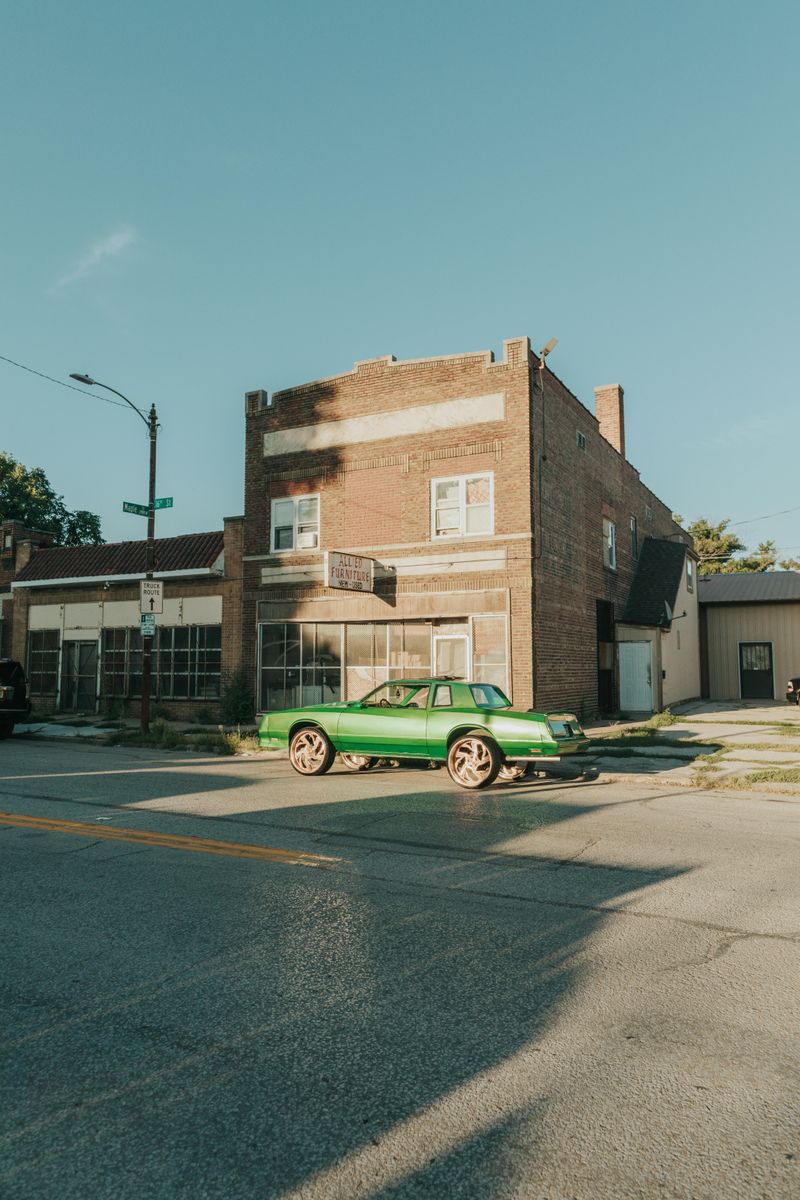
Here is the part that makes the story feel tangible.
A single building tied to Peony Park still stands, wearing today’s uses while holding yesterday’s framing.
Locals point at it like a friend you have not seen in ages.
It is not a grand ruin, just a sturdy survivor that kept its place as the neighborhood shifted around it. That is the whole shadows thing, really.
One structure can carry a lot when everything else has been reorganized and paved. You can walk past and miss it if you are not tuned to the older story.
Look for angles that feel slightly out of era, trim that hints at a different crowd. This is where modern Omaha nods back to a loud summer past and keeps walking.
I like tracing the lines with my eyes and imagining turnstiles clicking somewhere out of frame.
The state has a way of hanging onto pieces like this with quiet pride. No big sign is required when memory does the introducing.
If you stop for a minute, you can hear the city moving and the past answering softly. That conversation makes the visit worth it for me.
It is a small hello from the old park in a new block.
A Park Built Around Water

Think about how many summers were defined by a single stretch of water. Peony Park built its heart around a huge pool and beach that turned regular days into rituals.
People still swap stories about sand between toes on ordinary afternoons. It is strange, because the water is gone, but the layout still echoes in the open sightlines.
Cars move where waves once lapped a concrete edge.
I always picture towels draped over shoulders and the squeak of wet sandals. There was a rhythm here that felt like a metronome for city summers.
The size of it made the whole park feel like a beach town tucked inside Omaha. That is why people talk about it like a rite of passage rather than a simple attraction.
Even if you missed that era, your senses try to fill in the details; warm sun, splashing sounds, and that heavier air you get around water all come back.
Standing here becomes a little movie in your head that runs on loop. You watch a wave roll in over pavement and fade into traffic noise.
The past tugs once, then tucks itself behind a cloud. It feels oddly comforting to me.
Three Water Slides, One Infamous Stunt
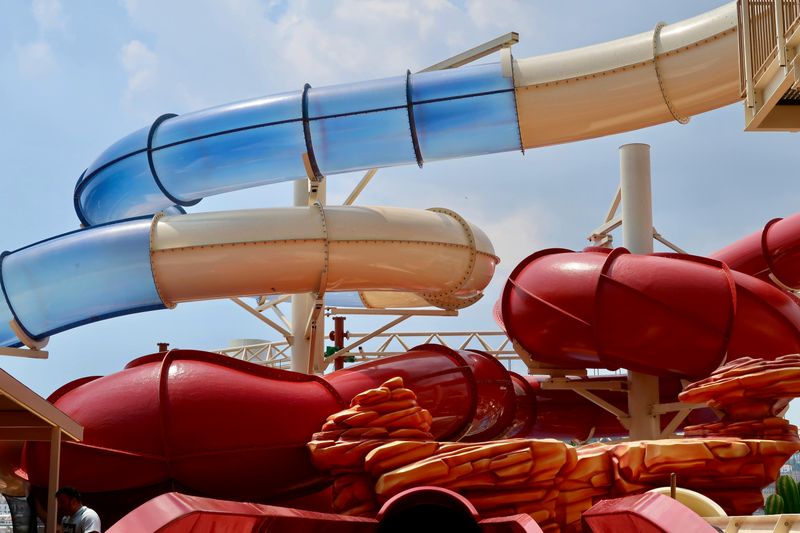
You know that dare energy that shows up every summer?
Peony Park had it dialed in with tall slides and a steady stream of “watch this” moments. Stories grew from that vibe and stuck around like sand in shoes.
I picture those slides stacking over the block and carving bright lines in the sky. The noise must have bounced between buildings and made every squeal feel louder.
There is joy in silly records and goofy challenges. They turn a place into a legend you retell at cookouts and in car rides.
The park leaned into that spirit without needing big speeches. It was pure summer theater, half splash and half bragging rights.
Now the stage is gone, but the punchlines still do laps in local memory.
When I drive by, I think about the people who counted runs and kept cheering. It is funny how simple things become landmarks in your brain.
The slides were lines of color against the sky, and that image never fades all the way. Maybe that is why this corner still buzzes a little for me.
It is like someone just yelled your turn from the top platform. You can almost feel your feet lift.
“One Acre Under One Roof”
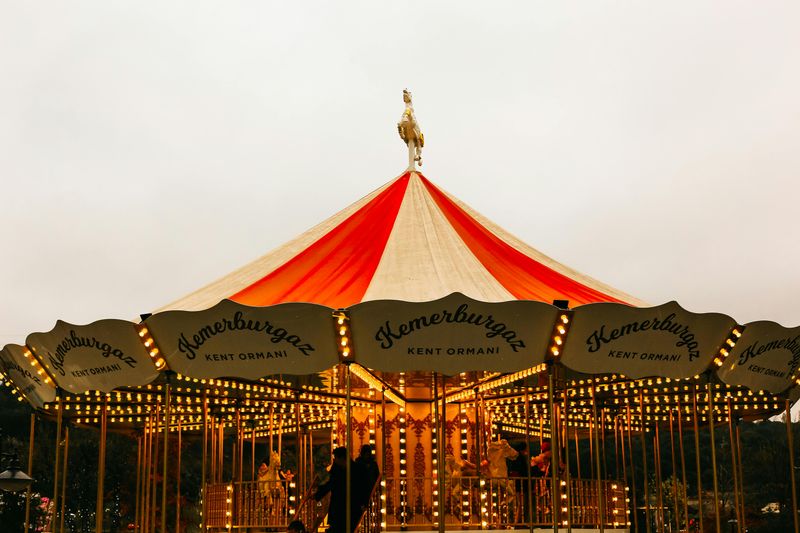
Here is the line everyone remembers because it sounds huge and a little braggy.
One acre under one roof, the ballroom said, and the city showed up to see if it felt true. It did, at least by the sound of those dance nights.
Standing around the location, I think about the roofline that once floated over this scene. Music can make a room feel bigger than it measures.
That was part of the magic, turning a building into a neighborhood heartbeat. The ballroom carried both formal moments and regular hangouts without flinching.
Bands came through, and the floor did the rest. People talk about the shine, the shoes, and the way conversation lifted over the brass.
You do not need relics to feel that, just a still minute and a little imagination. It is wild how architecture lingers even after it moves on.
Your mind keeps the corners and the sweep of the ceiling.
I like to point to a stretch of air and say that is where the chorus kicked in. It feels silly and also exactly right for this place.
Nights here run long when the music is good. This spot knows that as well as any room.
The Lawrence Welk Connection
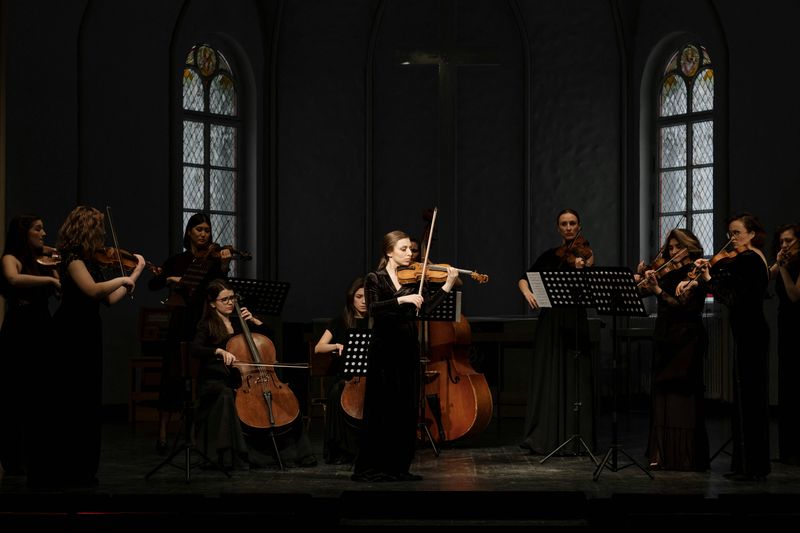
This corner of Omaha still hums if you know what to listen for.
Back when big band energy set the pace, a famous orchestra helped stamp identity onto these blocks.
People dressed up and moved like they owned the night.
When I stand by the place, I try to match footsteps to the old tempo. The beat slides in as a ghost rhythm and suddenly the street walks with you.
Music threads through Nebraska stories more than outsiders realize. It shapes how places feel even after the speakers are gone.
I imagine brass lines spiraling over parked cars and landing on front porches. Neighbors would have recognized the set list by the second chorus.
That is how close the park sat to everyday life. It was not a bubble, it was a neighborhood engine that happened to swing.
Now the engine idles quietly, but it still turns over in memory.
Give it a beat and the old glamour steps out like it never left. You do not need a marquee to know when a song starts.
A nod from a passing local is enough to set the tone, then the street keeps the time for you.
A Dance Floor Built For Crowds
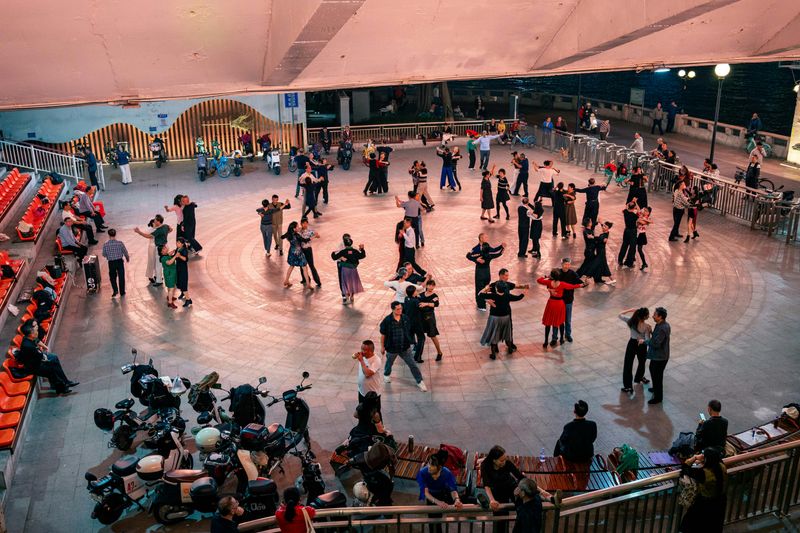
Imagine a dance floor so wide your steps felt small and brave at the same time.
The Royal Grove held a crowd like a lake holds wind and sent it out in waves. That scale pulls your shoulders back even in memory.
There is a thrill in realizing how much space people once gave to dancing. Not sports or errands, just moving together on open ground.
The floor let shyness fall off like a coat at the door. Big nights got bigger when the band locked in and the crowd answered.
I think you can still feel the lift even though the boards are gone. The air holds that bounce, like a room remembering laughter.
Nebraska nights can be calm, but they carry far. That helped the music travel from the park to the sidewalks and homes.
I love that a single space can collect so many separate evenings. It turns a map dot into a chapter people reread out loud.
If you listen, you might catch a final chord rolling across the block. It lands soft and then disappears.
The Park Changed With The Times
Places that last tend to shapeshift a little every season. Peony Park rolled with tastes, adding pieces as the crowd wanted more.
It grew from simple leisure to louder thrills. An early garden vibe, then bigger draws, then the headliners of rides and noise.
The ground learned new tricks without losing the old heartbeat.
I like thinking of it like a mixtape that keeps getting remixed. Some tracks were for afternoons, some for late nights, all for summer moods.
The city kept pace and the neighborhood absorbed the changes. That is why people from different eras claim the same spot as theirs.
Nebraska families built rituals around this place that looked different over time. But the ritual of showing up stayed strong.
When you stand here now, the quiet feels earned rather than empty. It is the pause after a long run of busy seasons.
The park changed until it could not keep changing anymore.
The Money Problem That Ended It

Every hometown legend has a real world backstory sitting underneath the sparkle.
For Peony Park, the math got tight and the seasons felt shorter in practice than in memory. It is not romantic, but it is true.
Keeping a big operation humming takes more than love and habit.
When the numbers stop singing, the music winds down.
I try not to frame it as a sad ending so much as a natural closing chapter. The city did not stop caring, life just moved in a different rhythm.
There is a softness in accepting that kind of shift. Nebraska knows how to roll with seasons, in weather and in stories.
You can see the new uses as an answer rather than a replacement. People still gather on these blocks, they just gather differently.
That is not a failure of memory, it is a sign of continuity. The trick is holding the old song while you learn the new chorus.
This corner hums both if you give it time, and that is enough for me.
Redevelopment Erased Almost Everything
When you arrive today, the first impression is everyday life getting things done.
Stores, services, and steady traffic tell you this ground found a new job. The old park outline takes effort to picture.
Most of the landmarks are gone or folded into new structures.
It is normal, and also a little eerie if you know what used to be here.
You are not walking through ruins, you are walking through replacements. That changes the mood, but it does not erase the story.
It just moves the clues into smaller corners and small gestures.
Your job is to notice them without trying too hard. The state does quiet transitions well, and this is one.
The block works, the city moves, and the past stays tucked but available. After a loop, you begin to enjoy the hunt rather than wish for a museum.
The memory feels active, like something you participate in by paying attention. That turns a regular errand run into a gentle history walk.
It is simple and kind of lovely in my opinion.
The Fence That Still Whispers This Was A Park
This is the part I want to show you like a secret in plain sight.
A short fence section remains from the park era, and it does more storytelling than you expect.
It draws a line between then and now with simple metal and memory. It is not dramatic or tall, just unmistakably older than its neighbors.
I feel like that mismatch is the charm.
I like how the fence does not try to explain itself, it just stands and lets you fill in the picture. It is a small anchor for a large story.
You can run a hand along the rail and understand more than any paragraph could tell you.
The weather here has softened the look without erasing the shape. The fence feels like a friendly witness, patient and a little proud.
You leave it feeling oddly encouraged rather than wistful. Maybe that is because someone chose to keep it, which is a quiet promise.
The promise says memory belongs here as much as commerce does. That balance makes the block feel warmer to me.
It is a tiny thing with a big echo.
Dear Reader: This page may contain affiliate links which may earn a commission if you click through and make a purchase. Our independent journalism is not influenced by any advertiser or commercial initiative unless it is clearly marked as sponsored content. As travel products change, please be sure to reconfirm all details and stay up to date with current events to ensure a safe and successful trip.
