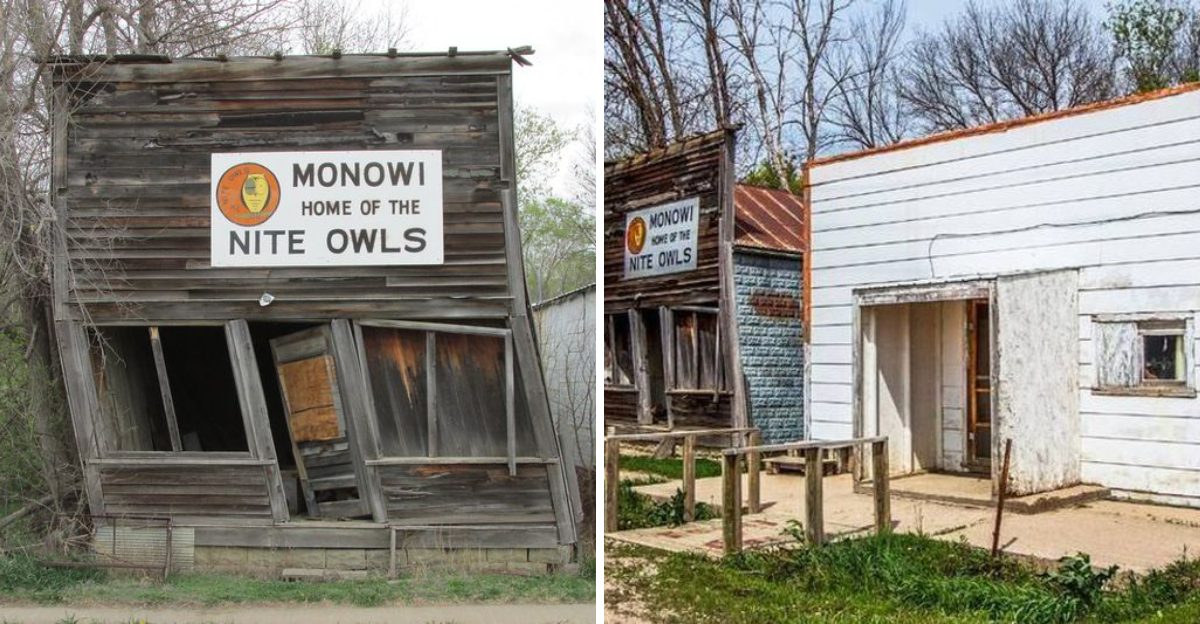
You hear about quiet places, but Monowi in Nebraska takes quiet to an art form.
This tiny incorporated village has a population of one, which turns daily life into a singular story worth the trip.
Travelers find a gentle rhythm here, with prairie light and simple landmarks guiding slow walks.
Curiosity turns into connection once you learn the routines that keep the town running.
By the time you leave, you will carry a new respect for small places that still matter.
A village of one, officially incorporated
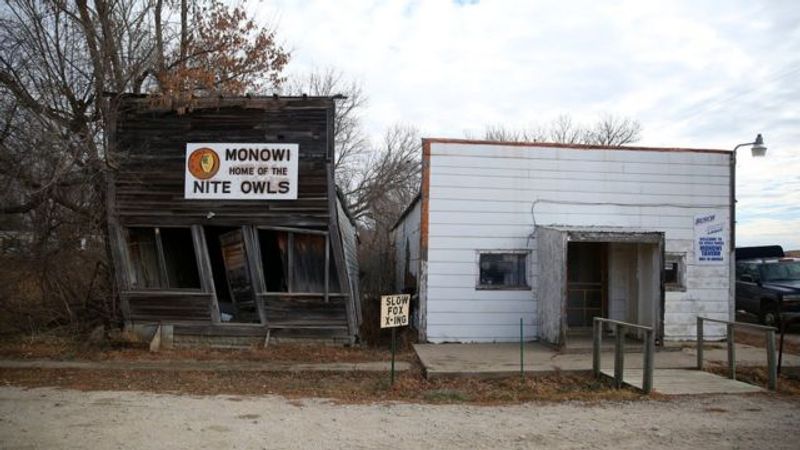
Monowi holds the title of the least populous incorporated village in the United States, and the number is one.
That single resident handles duties that would normally be spread among several people, which keeps the town’s legal status intact.
The setting sits in northern Nebraska where rolling fields and big skies outline a calm horizon.
The village was once larger, with a railroad era pulse that faded as routes shifted and families moved away.
You can still notice traces of that earlier period in foundations, posts, and a few weathered structures that stand as quiet markers.
Today the footprint is small, but the charter and boundaries remain in place.
It is not a museum or a staged exhibit, but a working municipality that prepares budgets, pays bills, and files reports.
The resident serves as mayor and clerk, which ensures that permits and civic paperwork happen on schedule.
That commitment preserves continuity for a community that lives in memory and in law.
Visitors often come for the novelty and leave talking about the dignity of ordinary tasks done with care. Nebraska travelers appreciate that this place is more than a headline statistic.
It is an ongoing story about keeping a dot on the map alive.
The road to Monowi is straightforward, so navigation is easy with basic regional maps or a GPS pin for the village center.
There is no formal visitor center, so plan a short stroll and a respectful look around.
You will likely find daylight, quiet, and a sense that small places can still teach patience.
Monowi’s claim will not change quickly, because the census recognizes its special case each cycle.
That certainty gives the village a stable identity in the wider county records.
It remains a rare example of legal incorporation meeting personal stewardship.
How city government works with one person

Running a town alone sounds quirky until you see how processes line up in calm order.
The resident issues permits, prepares budgets, and publishes public notices so the village meets Nebraska statutes.
It is a routine that turns government into a series of patient clerical steps.
There is a yearly budget that accounts for light bills, street upkeep, and basic municipal costs.
Taxes and fees are minimal, but they still move through bank deposits and ledger entries.
Reports are filed with the county and the state to keep the books current and the charter active.
The mayor, clerk, and treasurer roles are handled by the same person, which compresses meetings into posted notices.
When action is required, it is recorded and archived to satisfy transparency rules.
The village thus remains compliant without a formal council chamber or a roster of officers.
There is a small set of public records that visitors sometimes ask about for curiosity or study.
These include minutes, correspondence, and budget lines that show the rhythms of a tiny place.
The files are simple but complete, which reflects steady effort rather than spectacle.
Nebraska agencies recognize that Monowi is unique, yet they treat filings like any other town.
That parity gives the village predictability in audits and annual cycles. It also keeps the responsibilities clear so nothing drifts off the schedule.
Travelers do not need to plan around council dates, since actions are infrequent and mostly administrative.
You can appreciate the structure by looking for posted notices and by asking polite questions if someone is available.
It is government at its smallest scale, but it is still government that operates with care.
Seeing that order can shift how you think about civic duty and persistence.
A single person can carry public trust when systems are sized to reality.
Monowi proves it daily in quiet, careful steps.
Finding Monowi on the map without getting lost
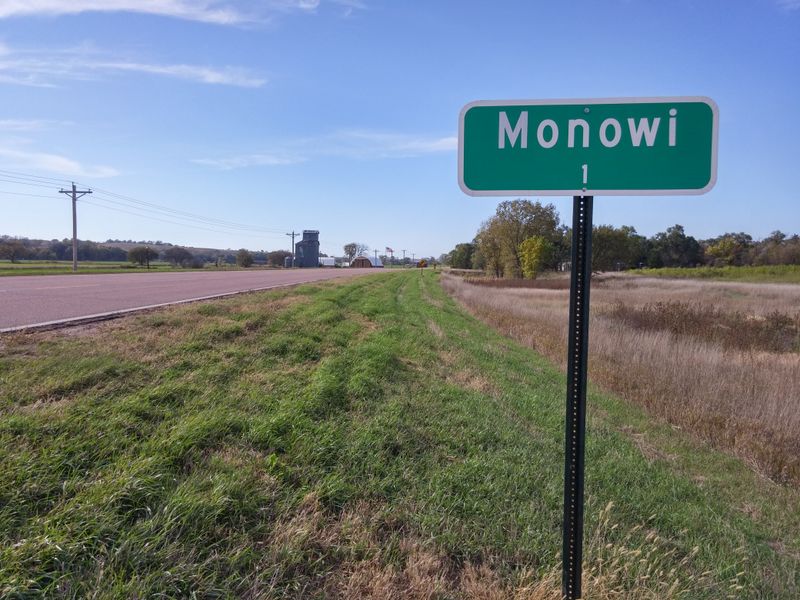
Monowi rests in the northeastern quadrant of Nebraska where the prairies roll gently toward the Missouri River.
The nearest larger services sit in towns that require a short drive along county roads.
Signs are modest, so a pinned location helps more than a broad search term.
Most travelers approach from state highways and finish on well-maintained gravel.
The final miles feel slow and scenic, which gives time to notice the land’s texture.
Cellular coverage is generally usable, though screenshots are wise in case a signal dips.
There is no official visitor center and no ticket booth, so arrival is simply a matter of pulling off safely.
Parking is informal, with room along wide shoulders where dust settles quickly.
Walk with care and respect private property lines, since homes and lots blend into open spaces.
Use a current map app and search for Monowi, Nebraska to avoid confusion with nearby unincorporated dots.
The coordinates posted on public sources match a small cluster of structures and the village sign.
That sign often appears in traveler photos because it confirms you reached the right spot.
Weather can change fast on the plains, so check forecasts before setting out.
Summer heat and winter wind both reward good planning and extra water.
Spring and fall offer cooler air and softer light for photos of exteriors and streets.
The experience is quiet, which sets a calm tone for a short visit.
Bring patience for gravel dust and time for a short walk through the center.
You will likely see broad sky, a few buildings, and long views that feel surprisingly peaceful.
Nebraska road trips often pass here as a curiosity stop between larger parks and river towns. Monowi rewards unhurried pacing and a light footprint. Leave the place as you found it and carry the story forward.
Everyday routines that keep the lights on
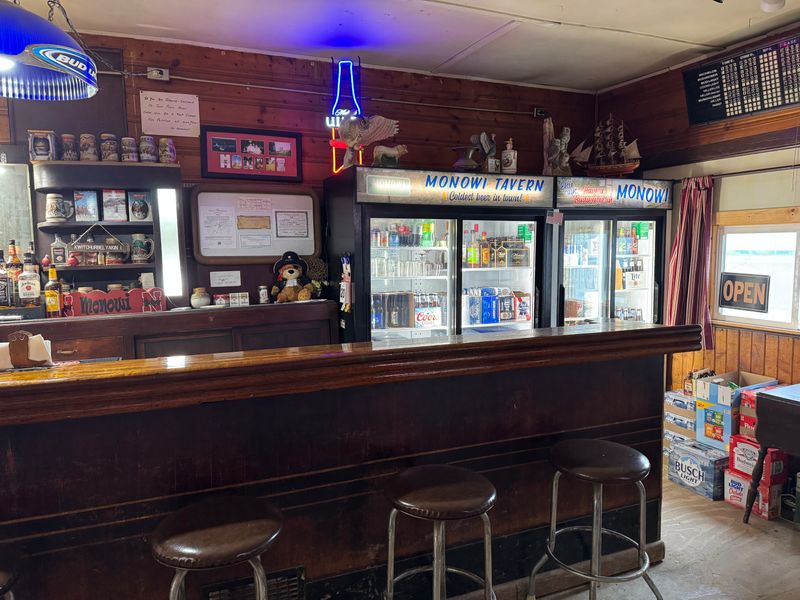
Small towns thrive on habits, and in Monowi those habits are the infrastructure.
Light bills are paid, street lights glow, and roads get attention when gravel washboards appear.
These practical chores make the difference between a dot on a map and a living place.
The lone resident handles notices, maintenance calls, and seasonal tasks that arise with heat or cold.
Snow can drift across lanes in winter and needs clearing to keep access steady.
Summer demands grass trimming near signs and edges where visibility matters.
Vendors and county crews provide support when specialized equipment is required.
Contracts and requests are documented so services match timing and cost.
That coordination ensures the village gets help without overpromising resources.
Water and power rely on regional systems and local hookups that must be monitored.
Meter readings, payments, and occasional checks keep everything in balance.
If something fails, a call list guides next steps with predictable contacts.
These routines are normal yet impressive because they happen without fanfare.
Travelers who ask respectful questions may learn how ordinary steps stack into resilience.
The lesson is that continuity comes from consistency more than grand gestures.
Nebraska weather shapes many choices, from when to mow to when to call for gravel.
The pace follows the seasons, which keeps work from piling up into crisis.
That rhythm helps the village feel steady even when the skies shift quickly.
Visitors do not need to pitch in, but they can appreciate the quiet labor behind the scenes.
You might notice a fresh blade on a lane or a newly replaced bulb.
Those little signs reveal care that most townspeople never see up close.
Monowi’s story is not nostalgia alone, but practice and planning that keep simple services reliable.
The calm glow at dusk tells you the checklist got done.
That reliability is the heart of this place.
Traces of the railroad era and what remains

The railroad once gave Monowi its pulse, with grain, passengers, and goods moving through on a dependable schedule.
As lines shifted and demand faded, the village lost its strongest reason to expand.
What remains are fragments that sketch a timeline in wood, stone, and memory.
You can see foundations near open lots and a few aging structures that speak to a busier past.
Old utility poles and alignments hint at former traffic patterns through the center.
These markers are not curated exhibits, but they add context to a slow walk.
Locals in the region remember when stops along these tracks tied farm towns together.
Freight runs and seasonal flows once set the tone for harvest and hardware deliveries.
When routes consolidated, some towns adjusted while others moved into quiet.
Monowi settled into that quiet without giving up its legal form.
The continuity shows up in records and in the care taken with simple assets.
A visitor senses both loss and resilience in the clear air and open streets.
Nebraska has many towns with similar arcs, but each carries unique details in layout and surviving pieces. Here, the distances feel longer and the silence feels honest.
The emptiness is not empty when you know what used to stand there.
If you take photos, focus on exteriors and textures rather than interiors or private spaces.
Weathered boards, railside grasses, and long shadows create thoughtful compositions.
Respect fences and stay on public ways so your visit remains welcome.
Ask before you explore any structure, since safety and ownership matter.
A friendly wave goes far in small places where everyone notices everything.
That courtesy helps maintain access for the next traveler who stops with curiosity.
The railroad story frames Monowi’s present by explaining its scale.
The past lingers in outlines that guide the eye along calm lines.
You leave with a sense of time layered softly across the prairie.
Seasonal beauty and the rhythm of prairie weather
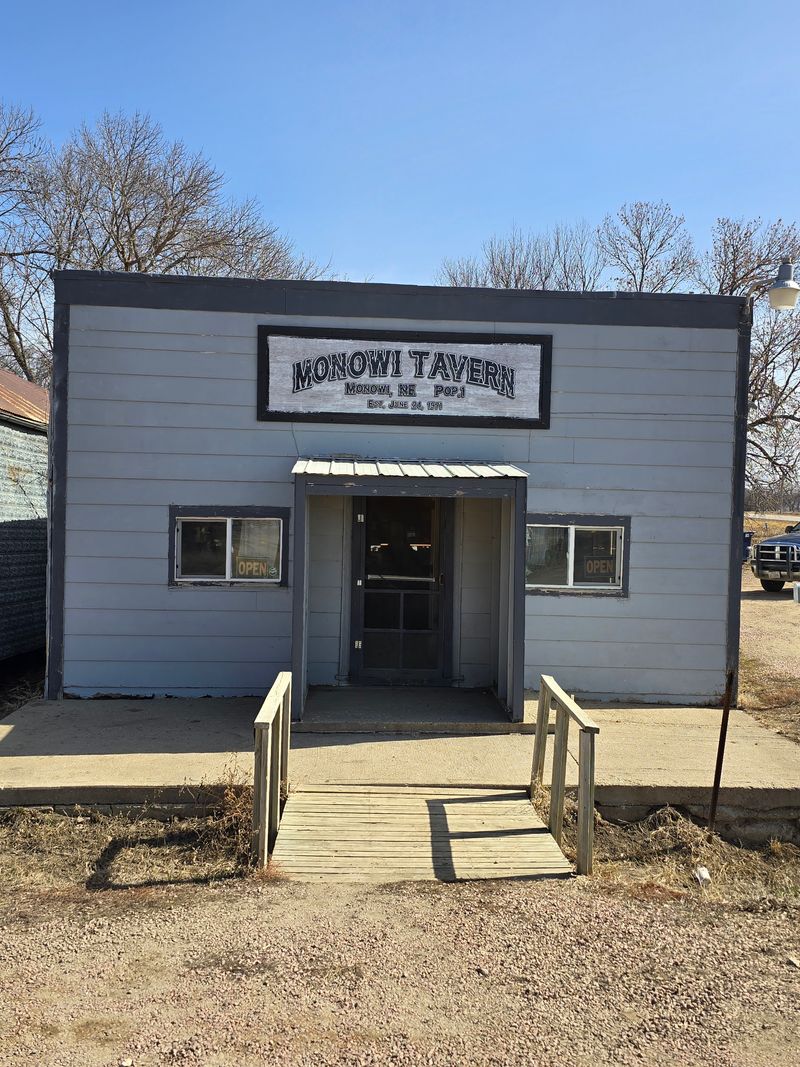
Prairie seasons define the look and feel of a visit, and Monowi lets you watch that show up close.
Spring greens arrive quickly after late snows retreat, with meadowlarks calling from fence lines.
The air feels bright and everything seems to breathe again.
Summer stretches long with big sun and warm evenings that settle into quiet.
You will want water, a hat, and patience for slow heat that builds through the day.
Light lasts late, which makes twilight walks around the village sign especially gentle.
Autumn brings gold and rust to grasses and trees along nearby lanes.
The wind can sharpen while the sky turns impossibly clear and blue.
It is a fine time for photos of buildings and horizons in balanced light.
Winter writes the stark chapter with low sun and sharp cold that drifts snow across open ground.
Travel plans should watch forecasts and choose windows when roads are dry.
Silence deepens, and footprints become the map of your own visit.
Nebraska weather can rearrange a day in minutes, so flexibility serves you well.
Carry layers even in summer and keep an eye on radar when thunderheads build.
A simple plan becomes a great plan when it includes room for change.
Each season teaches a different pace that suits the place.
Spring encourages short strolls while autumn invites longer views from the roadside.
Winter rewards a quick look and a warm car waiting nearby.
Composed images should feature exteriors, seating spots, and open areas rather than anything private. Skies, fences, and paths make strong frames that reflect the mood of the moment.
You will find beauty in textures that most travelers speed past on highways.
Monowi’s calendar does not include festivals, but the land itself is the event.
Your timing shapes your experience more than any schedule.
Choose a season and let the light set the tone.
Respectful visiting, etiquette, and photography tips
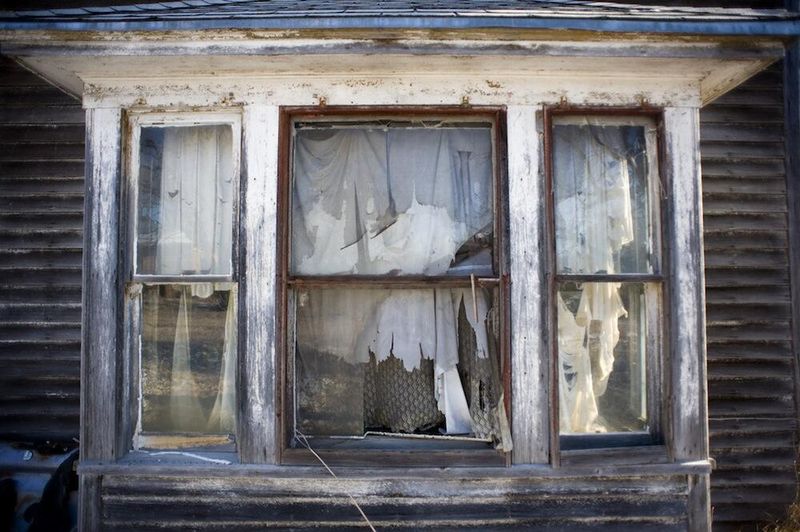
Polite travel is essential in a village of one because privacy and welcome sit close together.
Keep a respectful distance from homes and lots, and ask before approaching any building.
A friendly greeting goes a long way in setting a warm tone.
Park in obvious pull-offs rather than blocking access points or driveways.
Idling engines kick up dust on gravel, so shut off the car when you can.
Short visits are appreciated because they avoid crowding a very small space.
Photography works best with exteriors and wider scenes that celebrate place rather than personal details.
Focus on signs, streets, seating areas, and textures while leaving private interiors alone.
Avoid shooting through windows or over fences out of respect for boundaries.
Sound carries far on the prairie, so keep voices and music low to maintain calm.
If you meet someone, ask simple questions and accept quick answers without pressing.
Kindness makes room for conversation, while patience opens the door to stories.
Pack out everything you bring, since there is no local cleanup crew.
Dust off your shoes before you drive away so gravel stays near the lanes.
The goal is to leave no trace other than your footsteps.
Nebraska laws and local customs expect safe driving and careful parking on rural roads.
Use hazard lights if you make a short stop along a shoulder.
Signs are few, so good judgment is more important than formal rules.
If you share images online, label them accurately so future visitors can set good expectations.
Emphasize the quiet and scale rather than building a fantasy.
Honest storytelling keeps places from being overwhelmed by trends.
Monowi welcomes curiosity that comes with care and humility.
You will remember how small courtesies shape big impressions.
The village shines brightest when respect leads the way.
Where to stay and nearby base camps
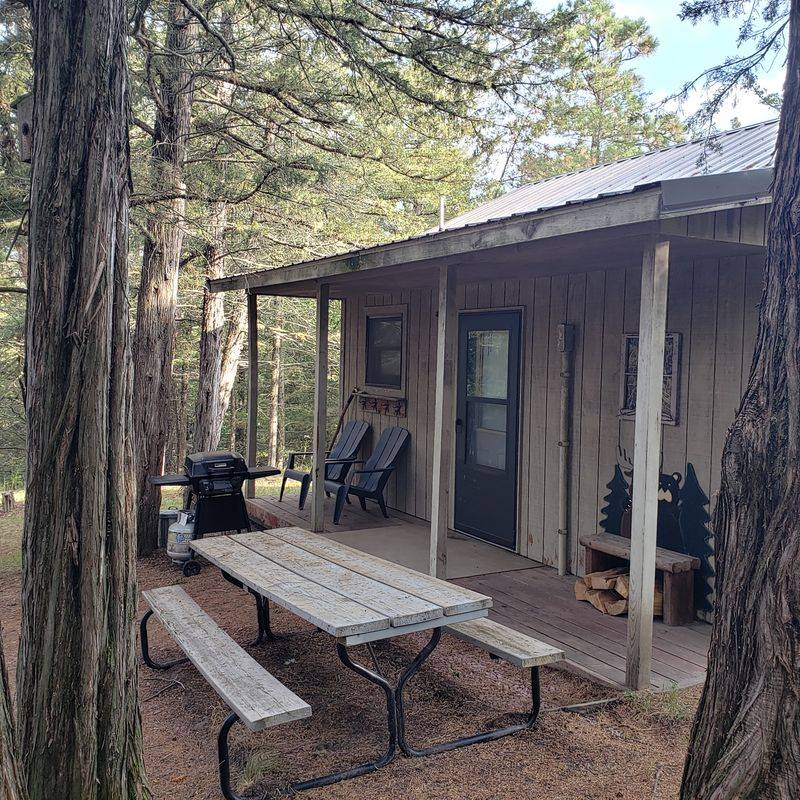
Monowi does not have hotels or campgrounds, so plan to base in nearby towns with dependable lodging.
Small motels and chain properties within a reasonable drive make day trips easy.
Booking ahead helps during harvest or regional events when rooms fill quickly.
Pick a base that fits your route rather than one exact spot, since options vary by season.
Aim for places with early check-in and late checkout so you can time your visit for the best light.
Many travelers choose simple accommodations that provide quiet evenings after rural drives.
Services like fuel, groceries, and mobile coverage are better in nearby hubs.
Stock up before you turn onto gravel so you can focus on the experience.
Carry water, snacks, and a printed map as backup.
If you enjoy parks, look for regional recreation areas that offer trails and river views.
Use confirmed addresses from official park websites when you plan, and verify hours before driving.
Public lands often post seasonal notices that affect access and parking.
Nebraska distances can seem short on a map yet stretch on the ground.
Factor two-lane speeds and agricultural traffic into your timeline.
Sunset creeps up quickly on open roads, so build cushion into the return leg.
Even without a room in Monowi, you can craft a comfortable itinerary. Arrive midmorning, explore the village, and pause for photos in afternoon light.
Head back to your base with time to spare for an unhurried evening.
Travelers who prefer quiet will find that nearby towns offer what they need without bustle.
Look for clean rooms, friendly front desks, and safe lots under good lighting.
Those small comforts make rural trips smoother and more relaxed.
Monowi becomes the highlight of a wider loop through the prairie.
A thoughtful base lets you enjoy the visit without stress.
The calm carries with you long after the road dust settles.
Local stories, tall tales, and careful facts

Stories surround Monowi because a village of one invites imagination.
Visitors sometimes share rumors about secret tunnels or hidden treasure under old buildings.
Those are legends and should be enjoyed as folklore, not presented as fact.
The confirmed details are straightforward and well-documented in public records.
The village is incorporated, has one resident, and maintains filings with Nebraska authorities.
Photos of the sign and a handful of structures match current maps and satellite views.
People often ask how daily life feels when you are both neighbor and official.
The answer is usually practical, with lists, reminders, and a steady routine.
The charm comes from simplicity rather than mystery or drama.
Travelers love to swap tales about highway wanderings that led to an unexpected stop here.
Memory tends to embellish, but the heart of the story is always the same.
Quiet places can be powerful because they hold attention without noise.
If you collect anecdotes, label them clearly so readers know what is sourced and what is hearsay.
Offer dates, references, and links when you share anything that sounds extraordinary.
Careful attribution keeps the narrative honest and useful.
Nebraska road culture values straight talk and light humor that never strays into mockery.
Respect helps preserve fragile places that do not have staff or barriers.
That approach also opens doors to conversations you would otherwise miss.
When you leave, you will likely carry one or two gentle stories of your own.
Maybe it was a cloud shape that matched the sign’s outline in the afternoon.
Maybe it was the sound of wind telling you to slow down and listen.
Monowi thrives in the overlap between fact and feeling.
Believe the records, enjoy the legends, and hold both lightly.
The village needs no exaggeration to make an impression.
What to photograph and how to frame it well
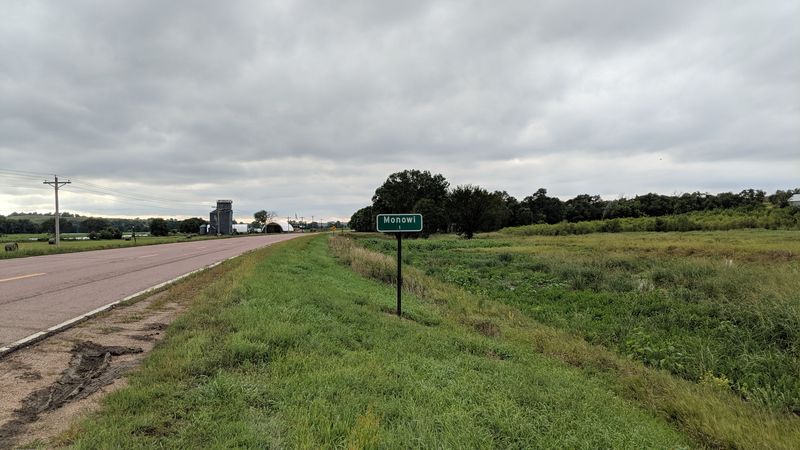
Photographers enjoy Monowi because space and light do most of the work.
Aim for clean compositions that balance the village sign, road lines, and sky.
Use leading edges of gravel or fence rails to guide the eye gently.
Start with a wide frame that sets context before moving to details.
Texture shots of boards, bolts, and posts add depth to a simple scene.
Avoid interiors or private angles so the story stays respectful and open.
Golden hour softens the plain structures and lifts color in grasses and clouds.
Midday works as well if you lean into shadows that create graphic shapes.
Overcast days give even tones that help surfaces read clearly.
Keep subjects simple so the emptiness becomes part of the design.
One sign, one building, and one long horizon can carry a frame.
Negative space here is not empty but expressive.
Stabilize your camera on a fence post or use a modest tripod on firm ground.
Wind can push gear and dust, so keep straps tidy and lenses capped.
A quick microfiber cloth saves many shots after a gust.
Nebraska vistas reward patience because light shifts faster than you expect.
Wait a few minutes and the scene often gains contrast and clarity.
Practice small adjustments rather than big moves to stay in tune with changes.
Share images with accurate captions that place Monowi within the county and the state.
Mention that you photographed exteriors and public areas only.
That clarity sets a positive example for future visitors.
Your best frame will likely be the simplest one you shoot.
Trust the lines and the sky to carry the mood.
Let the village speak softly through careful choices.
Why a short visit can still feel meaningful
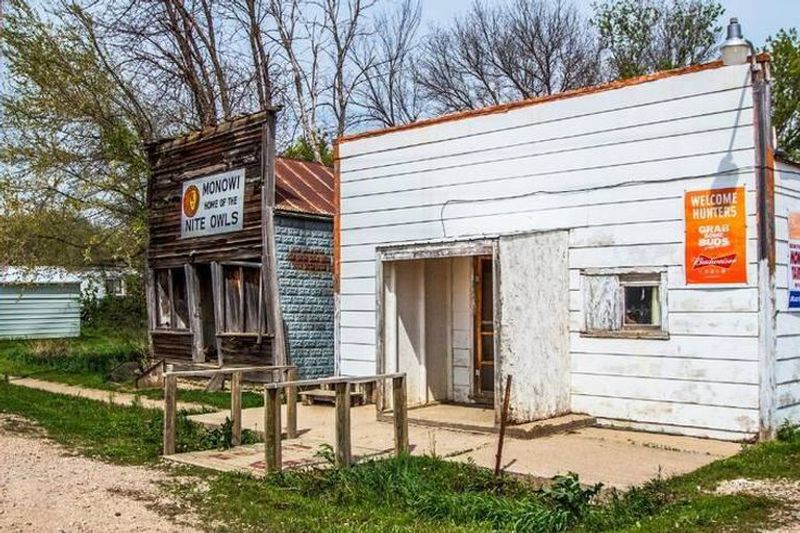
Short visits work here because the experience is concentrated into a few thoughtful moments.
You arrive, step out, and feel the quiet settle like a soft coat.
The first deep breath often becomes the most vivid memory.
Spend a few minutes reading the sign and tracing outlines of foundations with your eyes.
Notice how the road curves and how the light reaches across open lots.
Let your pace drop until time feels slightly wider.
Many travelers compare notes and realize they all felt the same calm.
The shared conclusion is that small places can hold big meaning without spectacle.
You leave with fewer words and clearer thoughts than you expected.
This is not a long checklist destination with timed entries and lines.
It is a human-scale stop that invites care and restraint.
You will remember the mood more than any specific landmark.
Nebraska has other quiet towns, yet Monowi stands alone in its peculiar distinction.
That uniqueness is not a gimmick but a fact that shapes every visit.
The minimalism becomes the point rather than a gap to fill.
Carry the lesson into your next stops and your daily routines.
Look for the steady work that keeps lights on and roads passable.
Honor the effort even when it hides behind simple scenes.
Plan your route so you can arrive unhurried and depart before dusk turns into dark.
Safe margins reduce stress on rural roads with few signs.
Good planning lets the meaning rise without distraction.
You may find that the quiet follows you long after you drive away.
It becomes a reminder to slow your steps and listen more.
Monowi proves that small can be complete in its own way.
Dear Reader: This page may contain affiliate links which may earn a commission if you click through and make a purchase. Our independent journalism is not influenced by any advertiser or commercial initiative unless it is clearly marked as sponsored content. As travel products change, please be sure to reconfirm all details and stay up to date with current events to ensure a safe and successful trip.
