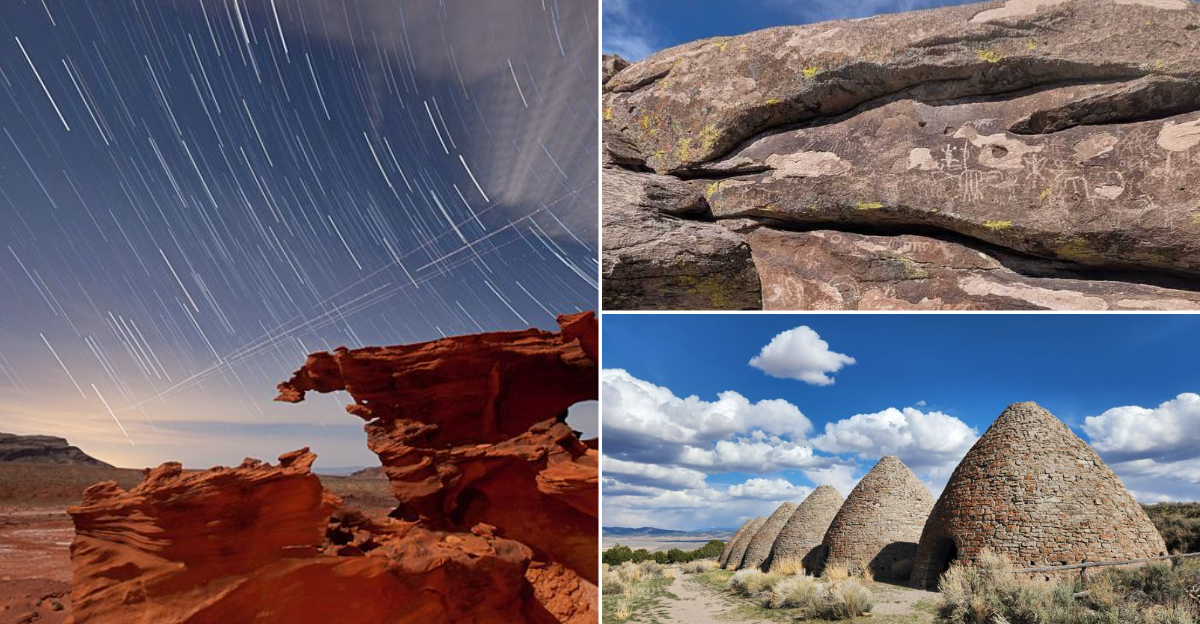
You know how the desert used to feel like a secret you had to earn? Well, lately it feels like we are sharing that secret with every map pin and viral post, and the mood has changed.
Nevada is still huge and wild, but the quiet pockets are thinner, and locals feel it in the small things like dust on plants near pullouts and chatter carrying across dry basins.
If we are going to road trip through, we should talk about how to do it without adding to the mess. That means choosing fewer stops, lingering longer, and resisting the urge to document every mile.
It also means understanding how quickly sound and footprints spread out here, even when the land looks endless. When you move with more intention, the desert still offers that old feeling, just quieter and harder earned.
1. Why Nevada’s Desert Feels Less Empty Than It Used To
I keep hearing locals say the silence has a new hum to it, like a soft engine that never turns off.
Out on the flats east of Reno, around Pyramid Lake Paiute Reservation, the number of parked cars along the shorelines tells the story.
Drive near Sloan Canyon National Conservation Area, Nawghaw Poa Road, Henderson, and you will notice social trails spidering away from proper paths. The rock panels do not change, but the way sound bounces off the canyon walls does when voices carry nonstop.
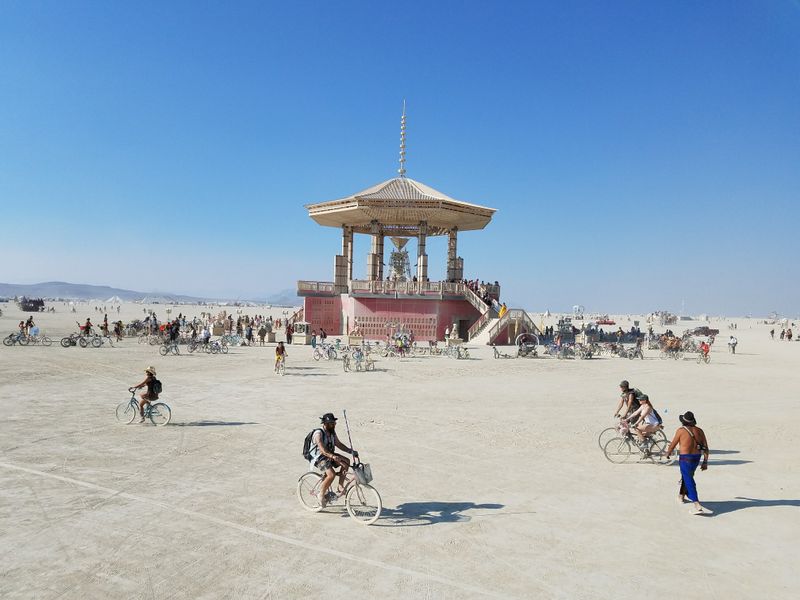
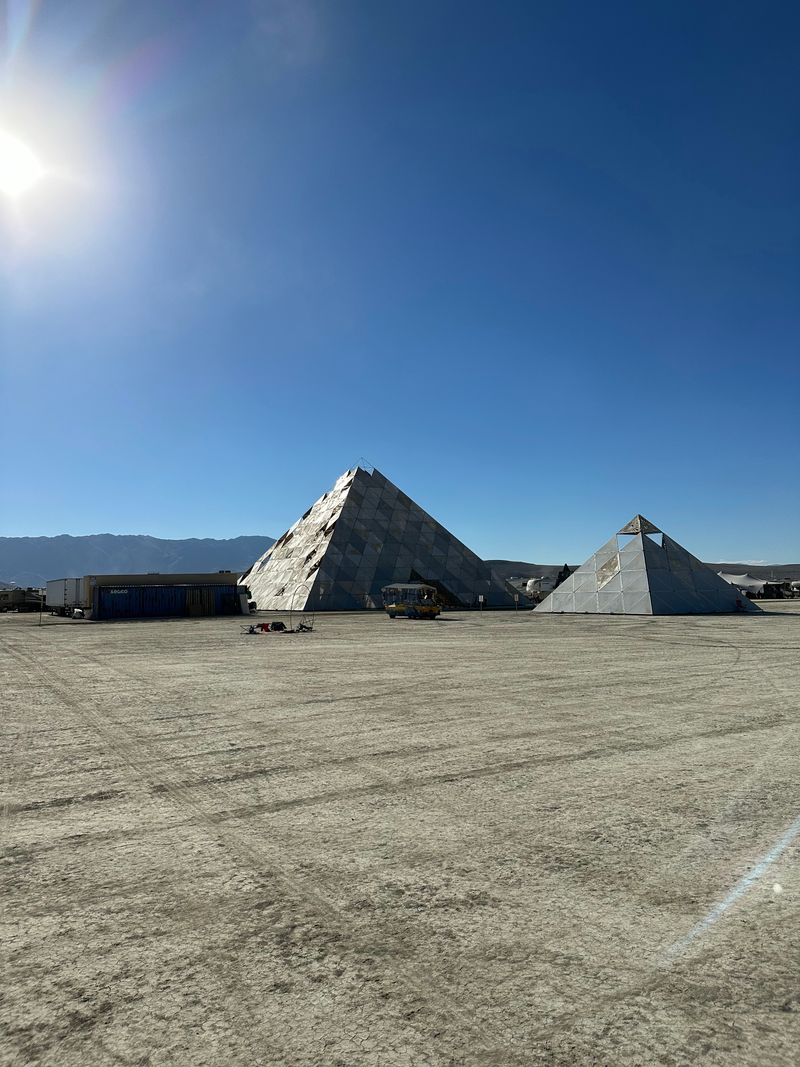
Even by the Black Rock Desert, County Road 34, Gerlach, there are more tire tracks curling into playa edges than the season used to show.
Locals talk about sunsets that used to drop like a curtain, now interrupted by drone buzz and headlights arriving late.
This is not nostalgia for emptiness just to keep people out. It is about how the desert works best as a quiet system where wind and light do the heavy lifting, not exhaust and playlists.
Nevada did not get smaller. It just feels tighter when fragile places get more traffic than they can absorb without recovery time.
2. When Isolation Became A Selling Point
Somewhere between Beatty and the long run toward Goldfield, US Highway 95, Goldfield, isolation turned into marketing. People started chasing the feeling of being alone like a collectible.
Places like Delamar Ghost Town, Delamar Road off US 93, Alamo, went from stories you heard at a diner to pins you follow step by step.
Suddenly the road washboard is not a filter, it is a badge.
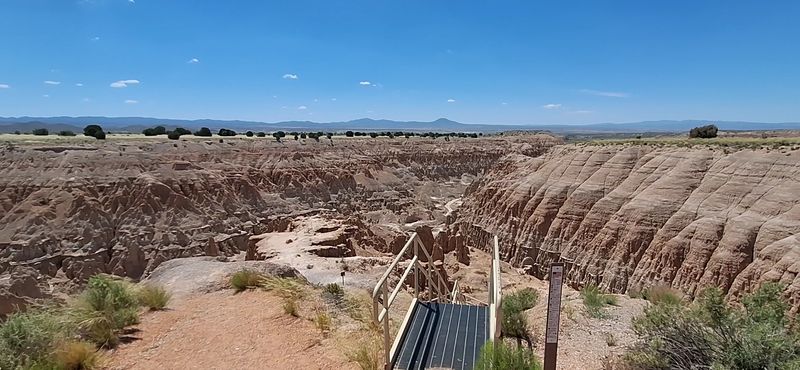
At Cathedral Gorge State Park, 111 Cathedral Gorge State Park Road, Panaca, the slot spires pull in sunrise photographers who want that solitary shot.
The twist is that “solitary” now means waiting your turn in a narrow cut.
Isolation sells because it promises a reset you can feel in your lungs. But when the promise gets popular, the edges fray and the little courtesies are what keep it together.
Nevada is full of space, yet the spots with dramatic shapes and easy access get concentrated love. That is when the selling point becomes a pressure point.
3. Social Media Turning Quiet Places Into Checklists
Have you noticed how trip plans sound like checklists now?
Fly Ranch Geyser is on private land near County Road 34, Gerlach, yet its colorful steam keeps showing up as a must-see tile.
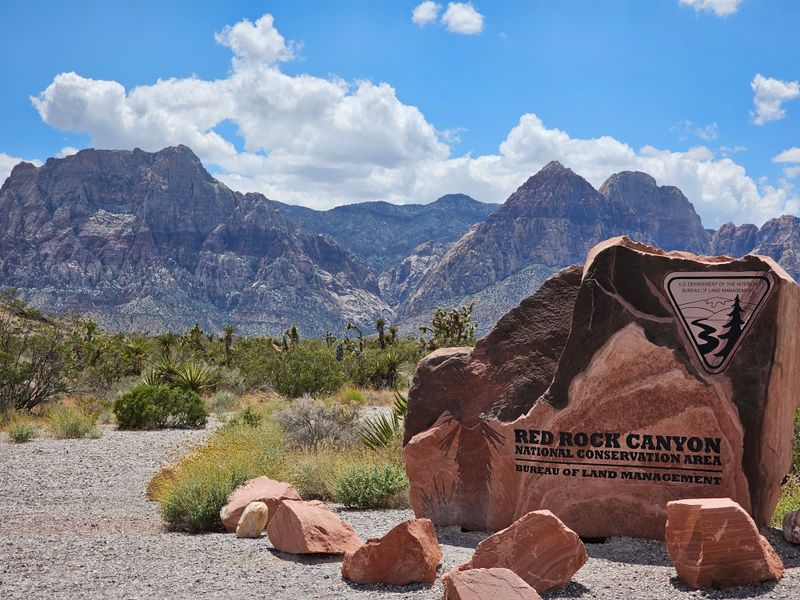
Down by Red Rock Canyon National Conservation Area, 1000 Scenic Loop Drive, Las Vegas, posts create a rhythm that is hard to ignore.
People slide through pullouts to chase the same angle, like they are collecting stamps.
The problem is not sharing joy. It is when sharing becomes directing without context, and the fragile crust near Lake Mead National Recreation Area, 10 Lakeshore Road, Boulder City takes the hit.
Locals say they used to send friends to lesser known ridges with a quick sketch on a napkin. Now those notes turn into public guides and the small spaces cannot breathe.
Nevada has room for wonder, but wonder does not scale well on a grid.
The desert prefers slow discovery over swipes.
4. Overcrowding In Places Built For Solitude
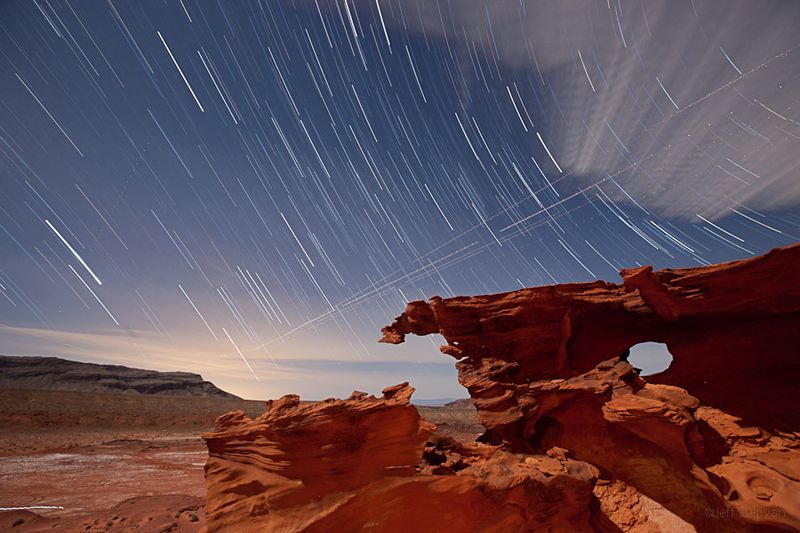
Some spots were made for small moments. Take Little Finland in Gold Butte National Monument, Gold Butte Road, Mesquite, where thin sandstone fins feel like glass.
When too many feet move through at once, the air gets busy and the rock begins to look tired.
Even Valley of Fire State Park, 29450 Valley of Fire Highway, Overton, feels jammed in the narrow corridors.
At Ash Meadows National Wildlife Refuge, 610 Spring Meadows Road, Amargosa Valley, boardwalks concentrate footsteps which is good.
The problem comes when people lean over railings for shots and stray into crusted edges.
Solitude is not a fancy word. It is the space you leave between yourself and the next person so the place can breathe.
Nevada is known for big skies, but many beloved sites are small rooms. Treat them like you would a quiet gallery.
5. Disrespect That Isn’t Always Intentional
Most of the trouble is small stuff that stacks up. One candy wrapper at Spring Mountain Ranch State Park, 6375 Nevada State Route 159, Blue Diamond, becomes a signal that other trash belongs.
Off-trail steps near Sloan Canyon, Nawghaw Poa Road, Henderson, look harmless in the moment. But the dark soil crust is slow to heal and the pattern spreads.
Noise can be a kind of litter too.
Echoes in Fire Wave areas at Valley of Fire State Park, 29450 Valley of Fire Highway, Overton, push wildlife away from their usual routes.
None of this comes from bad intentions most days. It comes from rushing and thinking the desert is tough enough to shake it off.
Nevada’s desert is sturdy and delicate at once.
The best fix is slowing down and noticing the small signs that say stay here, not there.
6. Damage That Lingers Long After Visitors Leave
You can walk through a place in minutes and leave a mark that hangs around for seasons.
The cryptobiotic soil near Gold Butte National Monument, Gold Butte Road, Mesquite, is like living armor that rebuilds on its own time.
Same goes for playas out by Black Rock Desert, County Road 34, Gerlach, where a single rut can hold water and carve out salty scars. Wind will not always smooth that story by the next trip.
Petroglyph oils from fingers do not just vanish either.
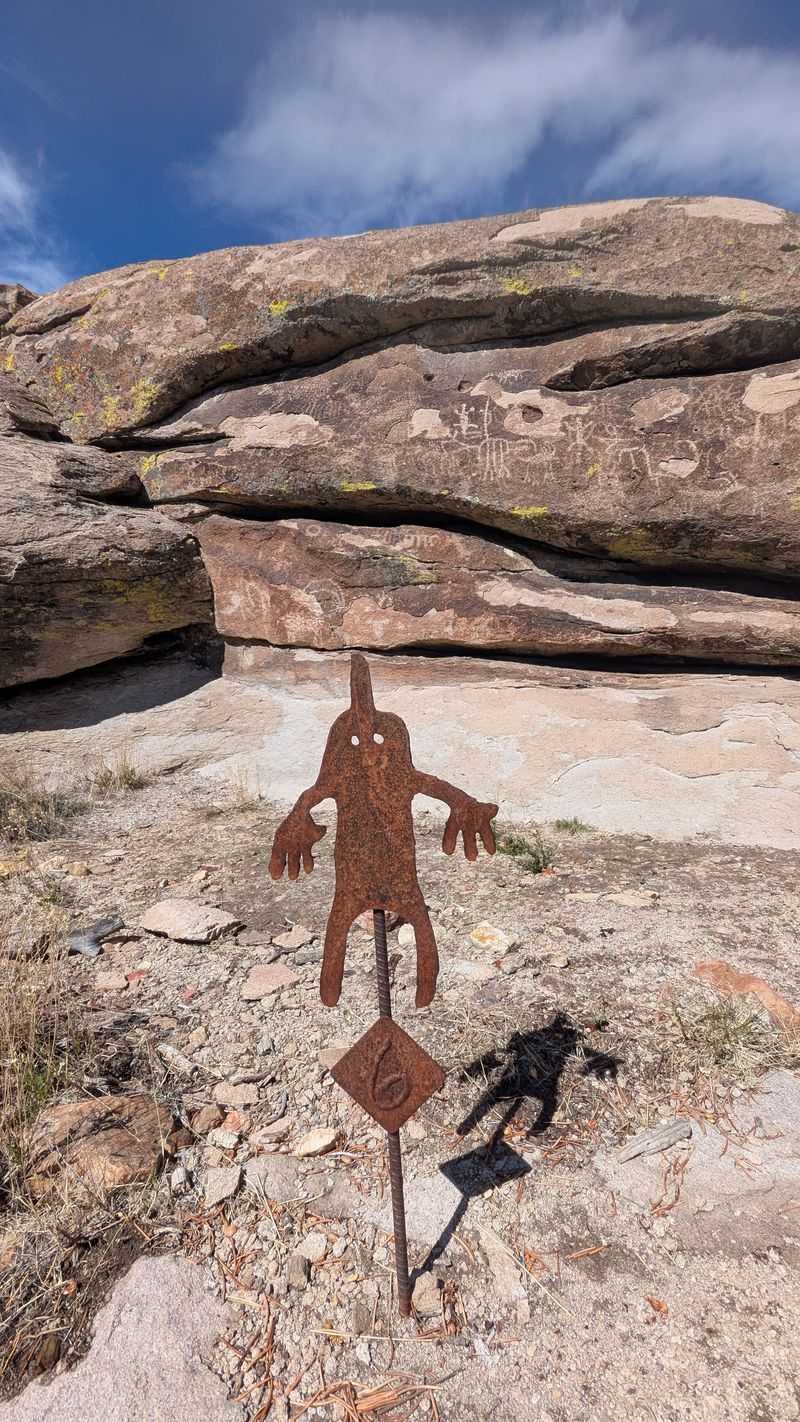
Sloan Canyon’s panels along Nawghaw Poa Road, Henderson, are ancient narratives that darken and smear when touched.
It is wild how the slow parts of Nevada tell the truth about pace.
You cannot rush healing out here the way you rush a road day.
If we want these places to look like themselves when we come back, we have to leave less than a whisper. That means patience and a light step.
7. Why Locals Avoid Places They Once Loved
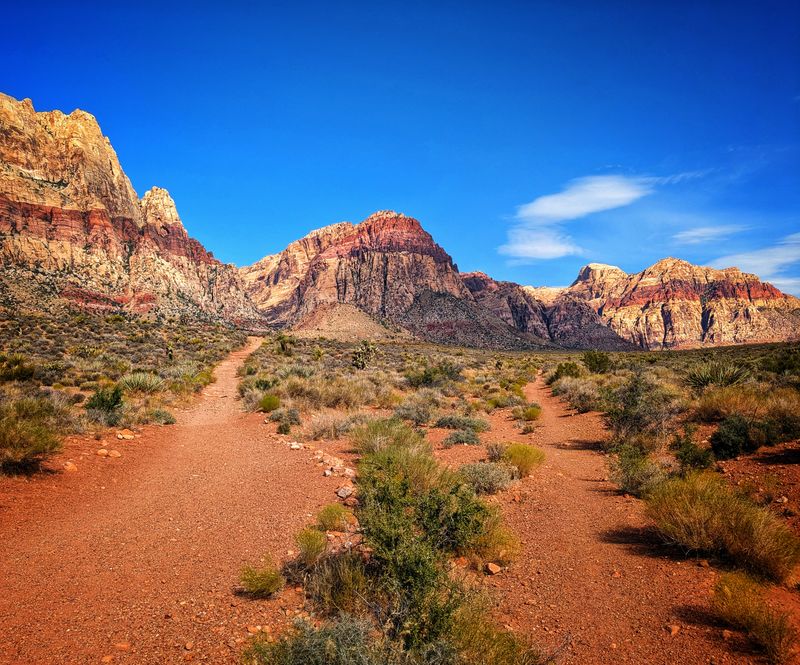
A friend in Henderson told me she skips Red Rock on weekends now. She takes side roads past 1000 Scenic Loop Drive, Las Vegas, and keeps going to quieter foothills.
Another neighbor near Overton used to bring relatives to Valley of Fire, 29450 Valley of Fire Highway, Overton, for every visit. Now he times it to late light or not at all.
People are not mad so much as tired. They know the small turnouts, and they see the shoulders getting wider from improvised parking.
In Nevada, locals learn to spread out because the desert rewards patience.
When crowds cluster, they just slide to the next basin.
It is not gatekeeping to want the place to feel like itself. It is self-preservation mixed with love.
8. Access Roads And Parking Becoming A Problem
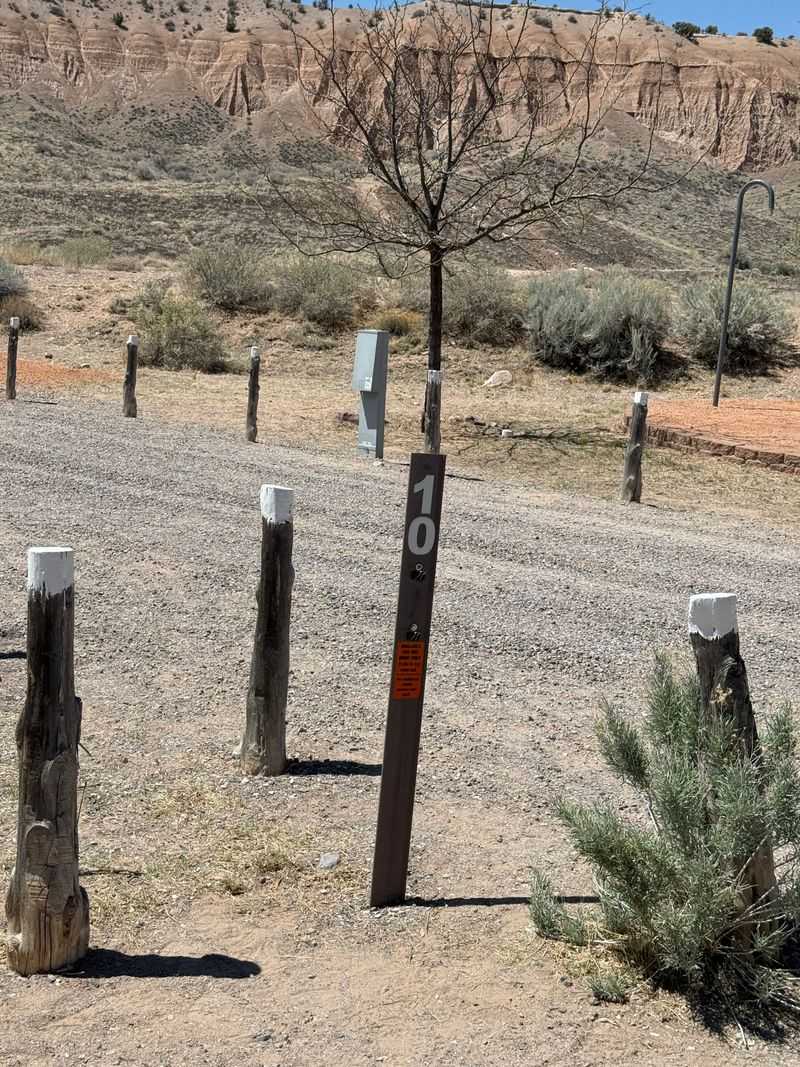
Honestly the roads tell the whole story. On the approach to Fire Cave near Lake Mead NRA, Northshore Road mile markers, Overton, pull-offs keep multiplying like breadcrumbs.
Down toward Alamo Road in Desert National Wildlife Refuge, Corn Creek Field Station, 16001 Corn Creek Road, Las Vegas, you can see where soft shoulders gave up.
Ruts hold water and widen with every pass.
Small parking lots at Cathedral Gorge, 111 Cathedral Gorge State Park Road, Panaca, overflow into the margins. Then people start walking the shortest line, not the signed line.
Nevada’s openness makes it feel like one big okay zone. But shoulders are not official spots and plants near the edge are doing quiet work.
Better plan. Park where it is built to take it, even if it means a longer walk.
9. The Difference Between Exploration And Consumption
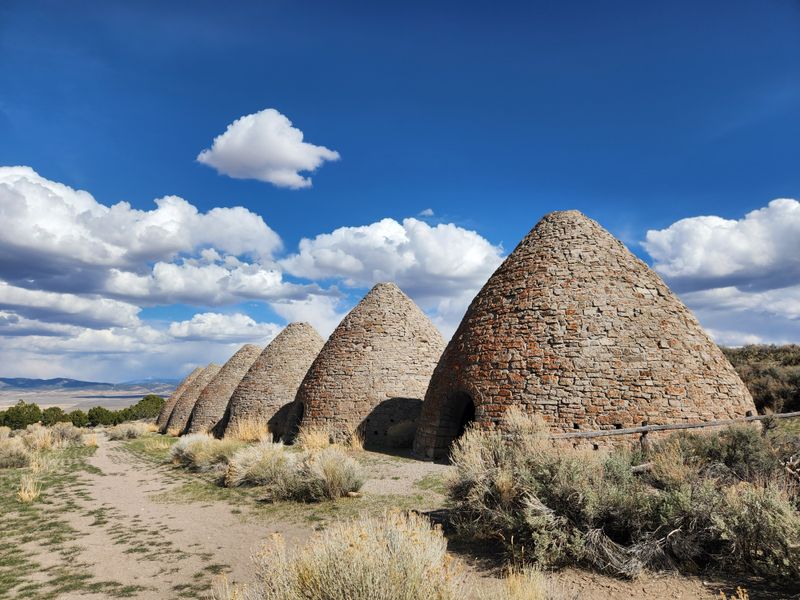
Exploration feels like listening while you move. Consumption feels like cutting straight to the view and leaving a groove behind.
At Ward Charcoal Ovens State Historic Park, 15 Miles South of Ely via US 50 and State Route 844, Ely, you can tell who is exploring.
They speak low, notice lizards, and stay on the crust-free path.
Same contrast shows up near Ruby Lake National Wildlife Refuge, 1995 Ruby Lake Road, Ruby Valley.
Explorers move like guests, not owners, even when nobody is around.
Nevada rewards the patient kind with details you cannot plan. Shadow lines on stone, a faint breeze through sage, tracks that vanish as you watch.
If we treat the desert like a place to use, it will start feeling used.
If we treat it like a teacher, it will keep teaching.
10. How Land Managers Are Trying To Regain Control
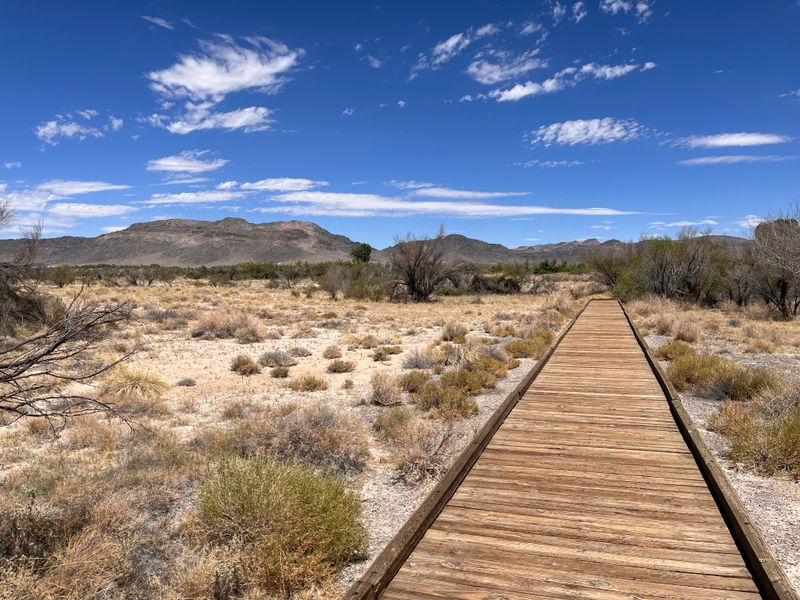
You will notice more gates and signs in certain spots.
Sloan Canyon, Nawghaw Poa Road, Henderson, now leans on limited access to protect rock art.
At Ash Meadows, 610 Spring Meadows Road, Amargosa Valley, boardwalks keep feet where water rules. The signs are short, plain, and easy to follow.
Lake Mead units, 10 Lakeshore Road, Boulder City, use temporary closures when shoulders turn into unsafe lots.
Rangers are trying to reset habits one season at a time.
This is not about shutting people out of Nevada. It is about keeping fragile places intact so they can handle the next generation of road trips.
If we meet them halfway, those measures can relax where it makes sense. It works best when visitors back the plan with their footsteps.
11. What Respect Looks Like In The Nevada Desert
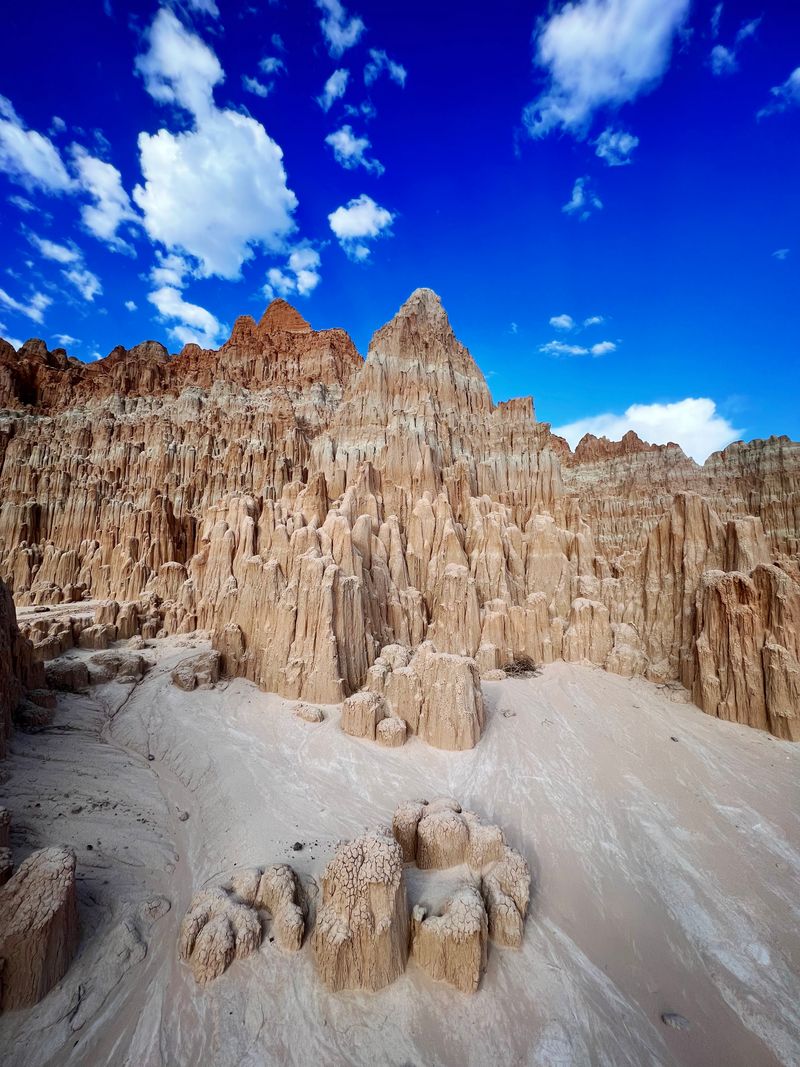
Respect is quiet and specific out here. Stay on the crust-safe paths, wave to the next car, and keep the volume low enough that the wind wins.
Pack out tiny trash you did not bring because it resets the tone.
At Valley of Fire, 29450 Valley of Fire Highway, Overton, NV 89040, and Sloan Canyon, Nawghaw Poa Road, Henderson, that one small habit travels far.
Park only where the ground is built for it. If the lot at Cathedral Gorge, 111 Cathedral Gorge State Park Road, Panaca is full, try a different trail or a different time.
Ask yourself a simple question before stepping off trail. Will this leave a line someone else will follow in Nevada’s living soil?
Leave the place a little quieter than you found it.
Then the desert keeps being the kind of friend who does not ask for much back.
Dear Reader: This page may contain affiliate links which may earn a commission if you click through and make a purchase. Our independent journalism is not influenced by any advertiser or commercial initiative unless it is clearly marked as sponsored content. As travel products change, please be sure to reconfirm all details and stay up to date with current events to ensure a safe and successful trip.
