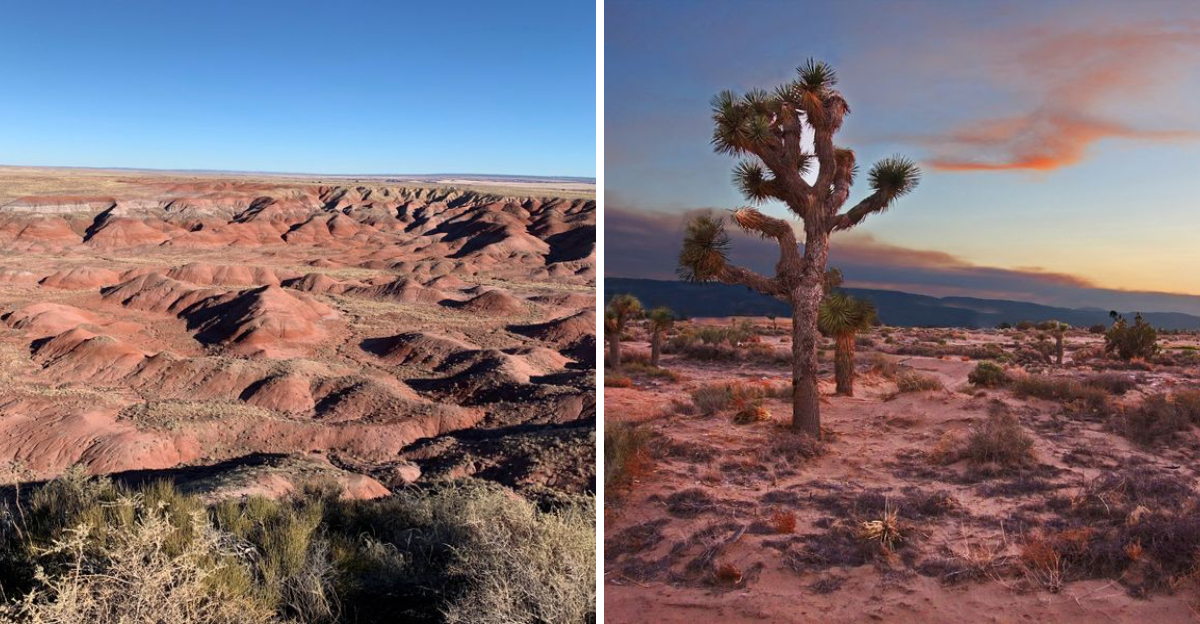
Nevada stretches across vast expanses of arid terrain, but its deserts hold far more than just sand and sagebrush.
Each desert region reveals stunning geological formations, vibrant colors, and landscapes that defy expectations.
From ancient volcanic rocks to glowing sand dunes, these desert areas showcase nature’s creativity in unexpected ways.
Whether you’re an adventurer seeking remote trails or a photographer hunting for dramatic scenery, Nevada’s deserts offer experiences that will leave you amazed.
Many visitors pass through Nevada without realizing the hidden beauty waiting just off the main highways.
These seven desert destinations prove that barren landscapes can be anything but boring.
Get ready to discover towering red rocks, mysterious playas, and geological wonders that have been millions of years in the making.
Nevada’s deserts invite you to explore their surprising diversity and find beauty in places you never expected.
1. Black Rock Desert
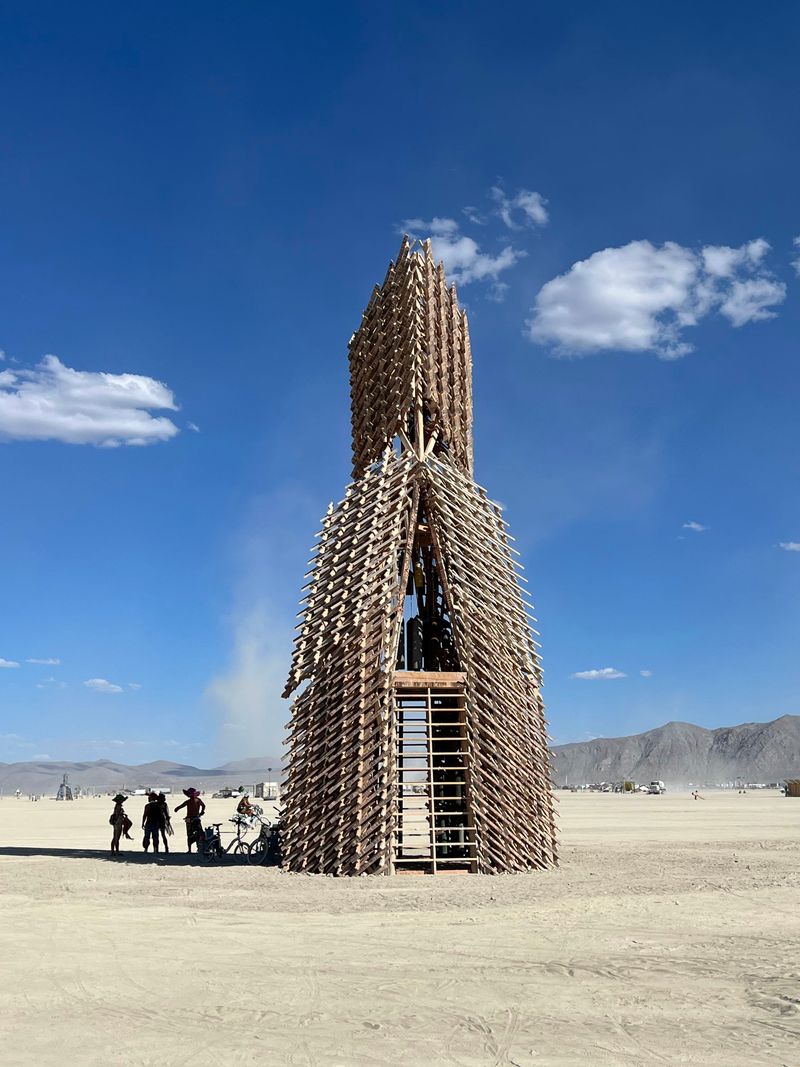
Imagine standing on a surface so flat and white that it looks like you’ve landed on another planet.
Black Rock Desert covers over 1,000 square miles of northwestern Nevada, featuring one of the largest playas in North America.
This ancient lakebed stretches endlessly in every direction, creating an otherworldly landscape that photographers and adventurers absolutely love.
The playa becomes completely dry during summer months, transforming into a cracked white canvas that reflects the intense desert sun.
You might recognize this location as the home of Burning Man, the famous annual gathering that brings thousands of creative souls to this remote wilderness.
But even without the festival, Black Rock Desert offers incredible solitude and natural beauty year-round.
Hot springs bubble up around the desert’s edges, providing warm soaking spots after a day of exploration.
The surrounding mountains create dramatic backdrops, especially during sunrise and golden hour when the light paints everything in warm hues.
Visitors can drive right onto the playa when conditions are dry, experiencing the strange sensation of traveling across perfectly flat earth.
Wildlife adapts remarkably well here despite harsh conditions.
You’ll spot pronghorn antelope, wild horses, and various bird species that have learned to thrive in this extreme environment.
The silence here is profound, broken only by wind whistling across the open expanse.
Winter transforms the playa into a shallow lake, reflecting clouds and mountains like a giant mirror.
This seasonal change demonstrates the desert’s dynamic nature, proving that even seemingly barren places pulse with life and transformation throughout the year.
2. Valley of Fire State Park Desert
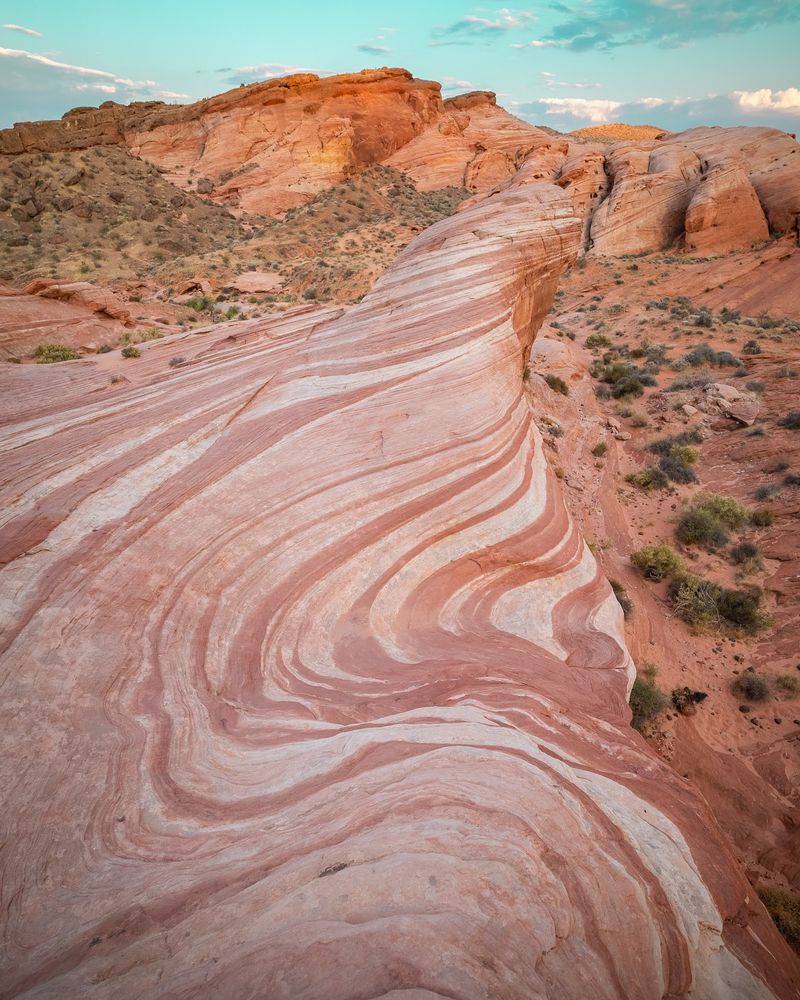
Blazing red rocks rise from the desert floor like frozen flames, giving this park its perfect name.
Valley of Fire State Park, located about 50 miles northeast of Las Vegas, showcases some of Nevada’s most vibrant and photogenic desert landscapes.
Aztec sandstone formations here glow in shades of crimson, orange, and pink, especially when sunlight hits them at just the right angles.
Ancient petroglyphs carved by Native Americans thousands of years ago decorate many rock walls throughout the park.
These mysterious symbols and figures connect visitors to people who walked these same desert paths long before modern times.
Atlatl Rock features some of the most accessible and impressive petroglyphs, reached by climbing a metal staircase built into the stone.
Hiking trails wind through narrow canyons and past balanced rocks that seem to defy gravity.
Fire Wave stands out as a must-see destination, where swirling patterns in the sandstone create natural artwork that looks almost painted.
The park covers over 40,000 acres, providing plenty of space for exploration and discovery.
Desert wildlife thrives here despite scorching summer temperatures that regularly exceed 100 degrees.
Bighorn sheep navigate the rocky terrain with impressive agility, while desert tortoises slowly make their way across sandy washes.
Spring brings wildflower blooms that add splashes of purple, yellow, and white to the red landscape.
The visitor center at Valley of Fire State Park is located at 29450 Valley of Fire Highway, Overton, NV 89040, offering exhibits about geology and history.
Camping facilities let you experience the desert after dark when stars fill the sky in countless numbers, unobscured by city lights.
3. Amargosa Desert
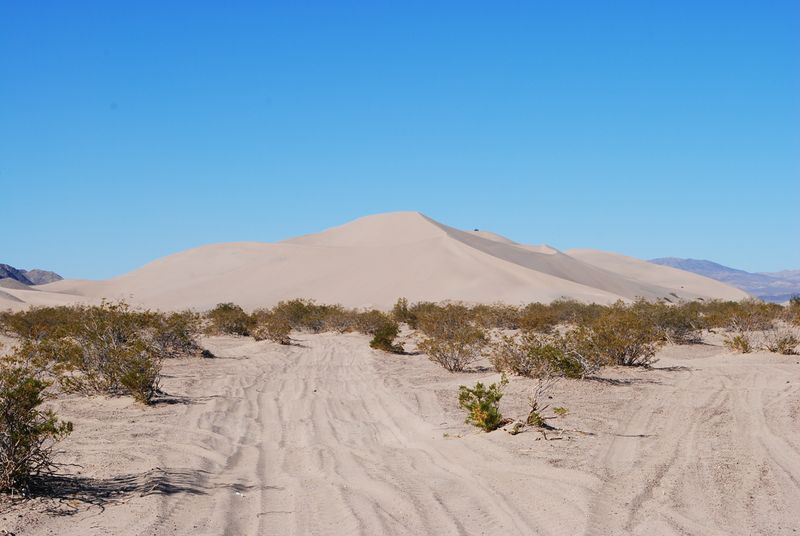
Few people realize that one of Earth’s rarest fish lives in a tiny pool within this vast desert expanse.
Amargosa Desert spreads across southern Nevada near the California border, encompassing diverse terrain that ranges from flat valleys to rugged mountains.
This region connects to Death Valley, sharing similar extreme conditions and surprising ecological diversity.
Devil’s Hole, a limestone cavern filled with warm water, houses the endangered Devil’s Hole pupfish found nowhere else on the planet.
Scientists estimate only around 100 of these tiny fish survive, making them one of the world’s rarest vertebrates.
The pool’s constant 92-degree temperature has remained stable for thousands of years, creating a unique habitat.
Ash Meadows National Wildlife Refuge protects 24,000 acres of the Amargosa Desert, featuring spring-fed wetlands that seem impossible in such arid surroundings.
Crystal-clear pools and streams support at least 26 plants and animals found nowhere else on Earth.
Boardwalk trails let visitors explore these oases without disturbing fragile ecosystems.
The Amargosa River flows underground for most of its length, occasionally surfacing to create temporary wetlands.
During rare rainy periods, the river actually flows above ground, transforming the landscape briefly before disappearing again beneath the sand.
This ephemeral nature makes every surface flow a special event worth witnessing.
Ghost towns dot the desert, remnants of mining operations that once brought thousands of hopeful prospectors to this harsh environment.
Abandoned buildings slowly crumble under relentless sun and wind, creating haunting reminders of human ambition.
The desert reclaims everything eventually, demonstrating nature’s patient persistence over time.
4. Mojave Desert in Nevada
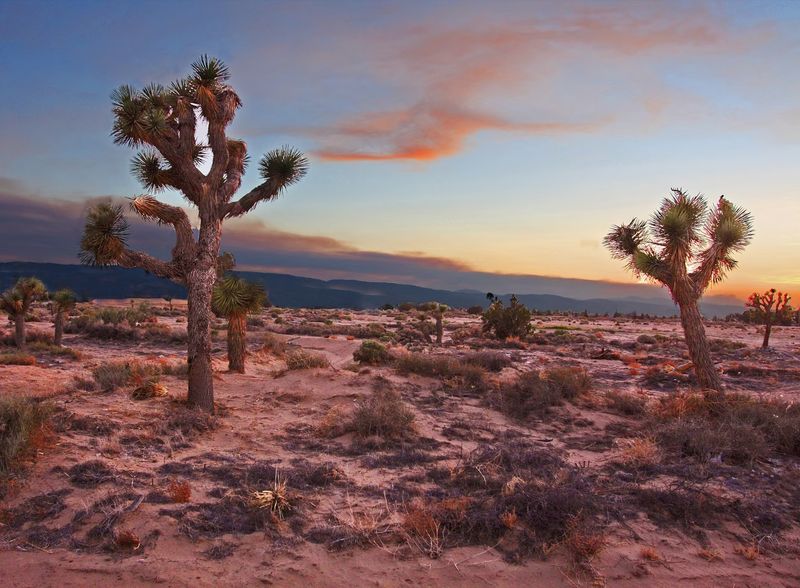
Spiky Joshua trees reach toward the sky like ancient sentinels guarding secrets of the desert.
The Mojave Desert extends into southern Nevada, creating landscapes that feel both familiar and alien at the same time.
This high desert sits at elevations between 2,000 and 5,000 feet, making it cooler than lower deserts but still intensely hot during summer months.
Red Rock Canyon National Conservation Area showcases the Mojave’s stunning variety, located just 17 miles west of Las Vegas.
A 13-mile scenic drive loops through towering sandstone cliffs that rise 3,000 feet above the desert floor.
Rock climbers from around the world come here to tackle challenging routes on the colorful stone faces.
Creosote bushes dominate much of the landscape, filling the air with their distinctive smell after rare rainstorms.
These hardy plants can live for thousands of years, with some specimens estimated to be over 11,000 years old.
Their evenly-spaced distribution across the desert creates natural patterns that look almost intentional.
Desert tortoises burrow underground during extreme temperatures, emerging during milder weather to feed on wildflowers and grasses.
These ancient reptiles can live over 80 years, spending up to 95 percent of their lives in underground burrows.
Spotting one slowly crossing a desert trail counts as a special moment for any visitor.
Spring transforms the Mojave into a carpet of colorful blooms when winter rains have been adequate.
Desert marigolds, brittlebush, and Indian paintbrush create stunning displays that contrast beautifully with red rocks and blue skies.
These brief flowering periods remind us that even harsh deserts pulse with life when conditions align perfectly for growth and reproduction.
5. Great Basin Desert
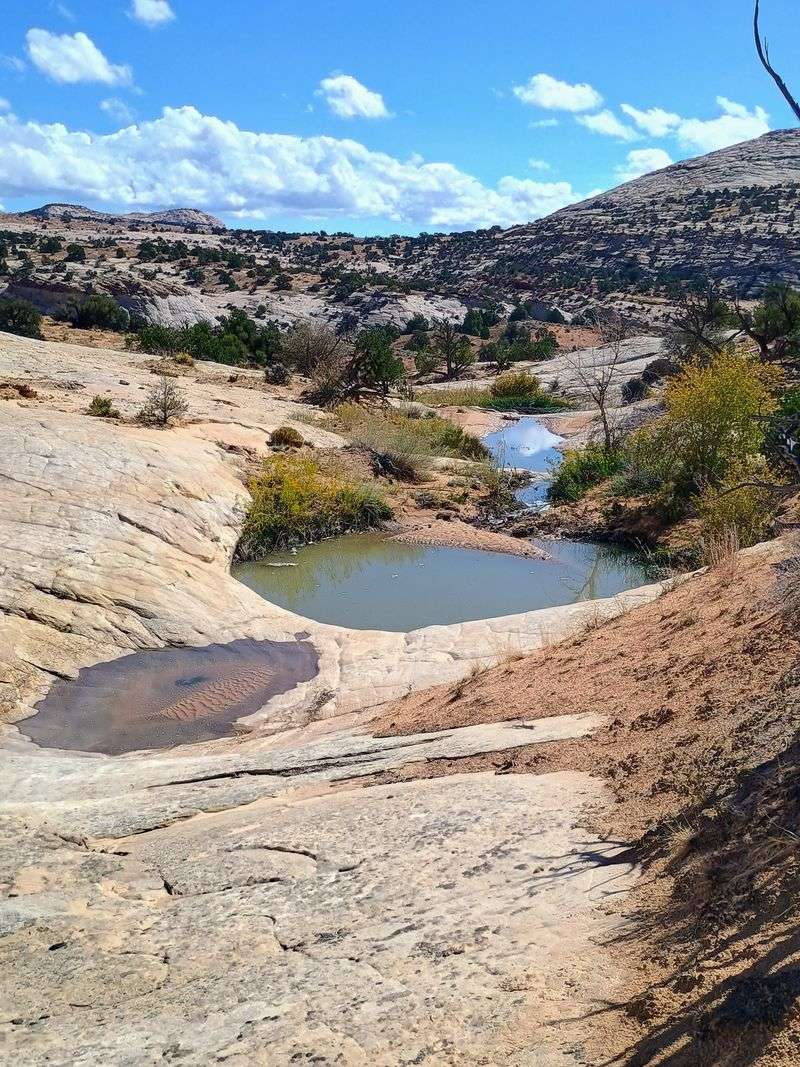
Sagebrush stretches to the horizon, filling the air with its sharp, clean scent that defines the American West.
Great Basin Desert covers most of Nevada, making it the state’s most extensive desert region and the largest cold desert in North America.
Unlike hot deserts, this high-elevation landscape experiences freezing winters and even receives occasional snow, creating unique ecological conditions.
Ancient bristlecone pines grow on mountain slopes above the desert valleys, with some trees over 5,000 years old.
These gnarled survivors rank among Earth’s oldest living organisms, having witnessed the entire span of recorded human history.
Great Basin National Park protects these remarkable trees along with limestone caves and a permanent ice field.
The desert’s name comes from its internal drainage system where water never reaches the ocean.
Rivers and streams flow into valleys, forming seasonal lakes that evaporate under intense sun rather than draining to the sea.
This creates salt flats and alkali playas that shimmer white across the landscape.
Mountain ranges rise like islands from the desert floor, creating a basin-and-range topography that repeats across hundreds of miles.
Each mountain range supports different plant and animal communities, functioning as ecological islands separated by seas of sagebrush.
This pattern creates incredible biodiversity within what might seem like monotonous terrain.
Night skies here rival anywhere on Earth for darkness and star visibility.
Great Basin National Park has been designated an International Dark Sky Park, protecting the view of the Milky Way from light pollution.
Thousands of stars become visible to the naked eye, along with planets, satellites, and occasional meteor showers that streak across the darkness in brilliant flashes of light.
6. Painted Desert Region of Nevada
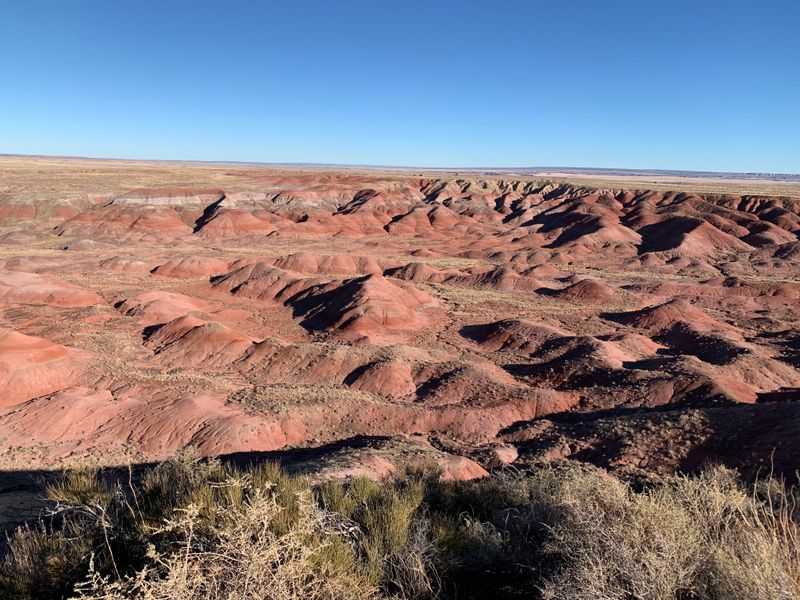
Layers of color stack like a geological rainbow, telling stories of ancient seas, volcanic eruptions, and millions of years of change.
Nevada’s painted desert regions, particularly around Virgin River Valley and Gold Butte National Monument, display sedimentary rocks in stunning color bands.
Each hue represents a different time period and environmental condition, creating natural artwork that geologists study and photographers capture endlessly.
Red and orange layers indicate iron-rich sediments deposited when the region was much wetter.
Purple and gray bands often contain volcanic ash from eruptions that occurred millions of years ago.
White and cream sections typically consist of limestone formed in ancient shallow seas that once covered this area.
Gold Butte National Monument protects nearly 300,000 acres of this colorful desert landscape in southeastern Nevada.
Fallen Arch, Little Finland, and other geological wonders wait for adventurous visitors willing to travel on rough dirt roads.
The remote location means you’ll likely have these incredible formations almost entirely to yourself.
Petroglyphs and pictographs decorate many rock walls throughout the painted desert areas.
Ancient peoples left these marks thousands of years ago, documenting their lives and beliefs in permanent stone galleries.
Seeing these human touches amid timeless geological formations creates powerful connections across vast spans of time.
Erosion constantly reshapes the painted hills, carving new features while wearing away old ones.
Rainstorms create temporary waterfalls that cascade down colorful slopes, accelerating the sculpting process.
What you see today will look slightly different in future years, making each visit unique and each photograph a moment frozen in the desert’s continuous transformation.
7. Tonopah Desert Basin
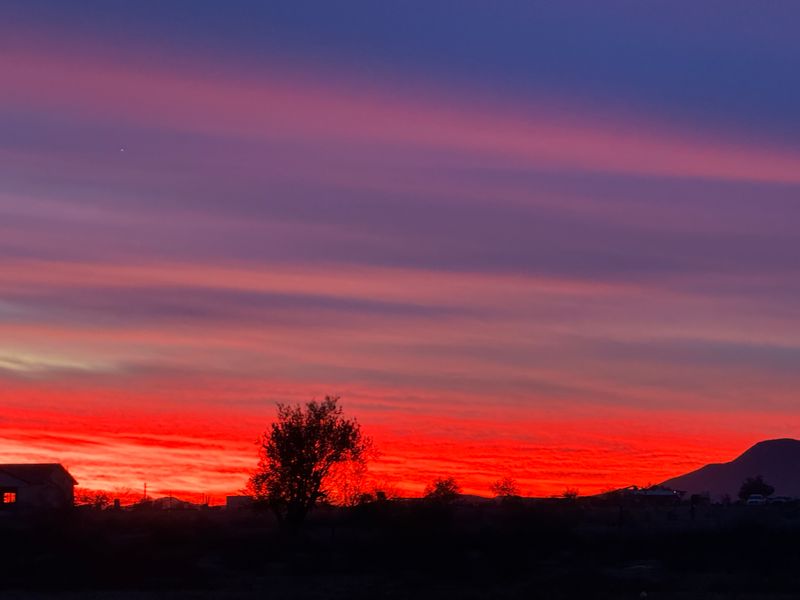
Silence wraps around you like a blanket in this remote central Nevada desert where human presence feels temporary and nature eternal.
Tonopah Desert Basin surrounds the historic mining town of Tonopah, offering some of Nevada’s most isolated and hauntingly beautiful desert landscapes.
The basin sits at the crossroads of several mountain ranges, creating a natural amphitheater of geological diversity.
Mining history permeates this region, with abandoned structures and equipment scattered across the landscape like industrial sculptures.
Tonopah once boomed as a silver mining center in the early 1900s, producing millions of dollars in precious metals.
Today, these remnants create fascinating contrasts against the timeless desert backdrop.
The Tonopah Historic Mining Park at 110 Burro Avenue, Tonopah, NV 89049, preserves this heritage with exhibits and original mining equipment.
Visitors can explore tunnels and learn about the dangerous work that drew thousands to this remote location.
The park sits on the original mining claim that started the silver rush.
Dark skies make this region exceptional for stargazing and astronomy.
Tonopah has minimal light pollution, allowing clear views of celestial objects that remain hidden in more populated areas.
The Tonopah Test Range nearby has contributed to aerospace research, adding layers of modern history to ancient desert landscapes.
Wildlife adapted to extreme isolation thrives here, including kit foxes, kangaroo rats, and golden eagles.
These creatures survive on minimal water and sparse vegetation, demonstrating remarkable evolutionary adaptations.
Driving through the basin, you might spot wild burros descended from animals used by early miners, now living free across the desert they once helped explore and exploit for human purposes.
Dear Reader: This page may contain affiliate links which may earn a commission if you click through and make a purchase. Our independent journalism is not influenced by any advertiser or commercial initiative unless it is clearly marked as sponsored content. As travel products change, please be sure to reconfirm all details and stay up to date with current events to ensure a safe and successful trip.
