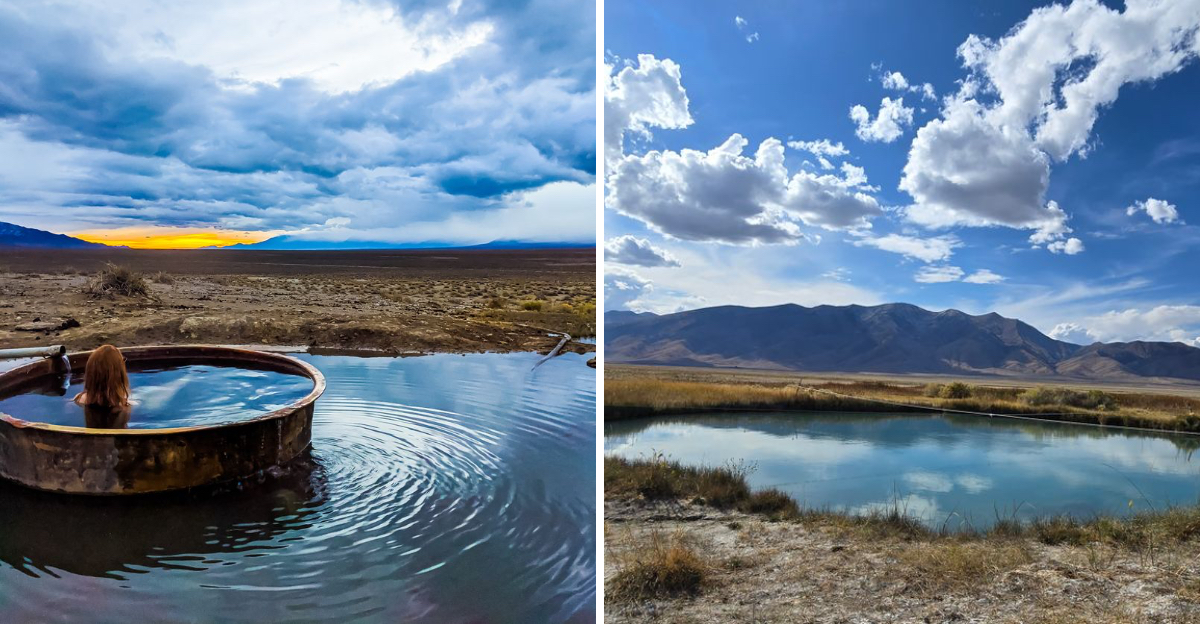
Nevada’s desert landscape hides dozens of natural hot springs that once offered peaceful escapes for those who knew where to look.
Some are developed with facilities, while others remain rugged and remote, but many locals say the experience has shifted dramatically as more travelers discovered these hidden gems.
Increased traffic often brings crowded pools, litter scattered across pristine landscapes, and even temporary closures to protect fragile ecosystems.
These thermal springs still hold their geological wonder and soothing waters, yet they now carry the weight of heavy tourism that changes how people interact with them.
1. Fish Lake Valley Hot Springs (Esmeralda County)
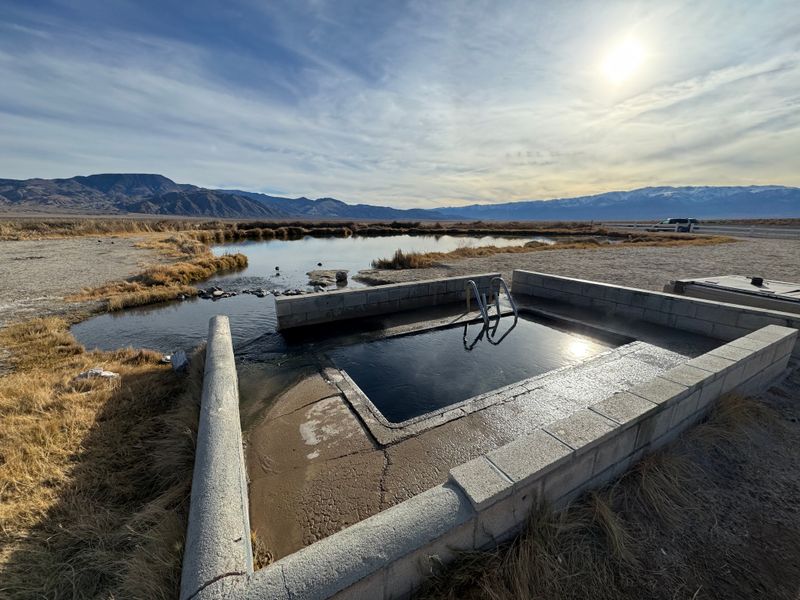
Wide horizons and big skies made Fish Lake Valley Hot Springs a place where city life melted away under the desert sun.
The spring sits at the edge of the valley, with rugged mountains rising in the distance like ancient sentinels watching over the land.
You could arrive midweek and claim the whole area as your own, listening only to water bubbling up from deep within the earth.
Locals used to bring just a towel and maybe a trusted friend, treating the spring as a spot for quiet conversation or silent reflection that modern life rarely allows.
At night, stars filled the sky without competition from artificial light, creating a canopy so thick it felt like you could reach up and touch the Milky Way.
Sometimes, it genuinely felt like time slowed down in this corner of Nevada’s vast desert.
That sense of solitude has become increasingly rare as the years pass.
Word spread through social media and travel blogs, and the valley started filling with RVs, campers, and larger groups seeking the same escape.
The noise level rose noticeably, and people sometimes left behind trash that marred the landscape’s untouched feel.
Seeing several cars parked along the dirt road even on weekdays is no longer unusual.
The vastness of Nevada’s desert remains unchanged, and the mineral-rich water still soothes tired muscles and weary minds.
For those who remember the old days, though, the spring’s peacefulness feels harder to capture.
Going now means sharing the experience with many more people, which brings both community energy and lost tranquility.
The geothermal wonder persists, but the intimate connection to wilderness requires more effort to find among the crowds.
2. Goldstrike Hot Springs (near Boulder City)
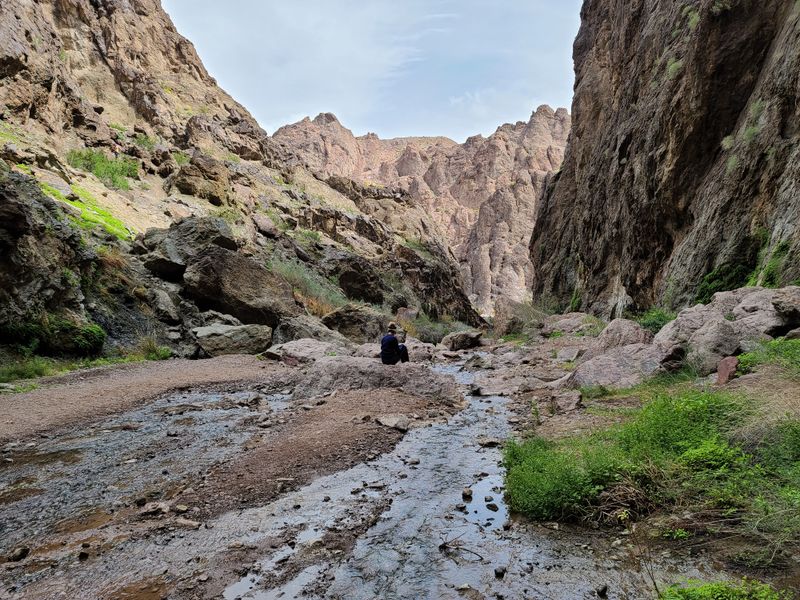
Something bittersweet lingers around Goldstrike Hot Springs if you’ve spent enough years around Boulder City to remember how it used to be.
Hiking down the canyon with just a couple friends once felt like stumbling upon a private treasure hidden from the modern world.
The silence along the trail and the way sunlight bounced off canyon walls made the place feel ancient and undisturbed by human hands.
Back then, most people who visited understood the unspoken rule to tread lightly and leave nothing behind.
The pools near the Colorado River were small, a series of warm eddies tucked perfectly into the rock formations.
You could soak for hours without seeing another soul, except perhaps a bighorn sheep observing you from across the river with curious eyes.
Everything started changing as word got out through online forums and Instagram posts showcasing the stunning scenery.
With more visitors came more trash, and some people tried carving their own paths to the water, causing serious erosion problems.
The National Park Service eventually closed most pools for both safety concerns and conservation efforts to protect the fragile ecosystem.
These days, the remaining accessible areas tend to get crowded, especially during weekends when day-trippers flood in from Las Vegas.
The hike remains beautiful and the water still steams invitingly, but the sense of true wilderness has faded into memory.
If you go now, recognize the fragile state this canyon exists in after years of increased use.
The hot springs haven’t disappeared entirely, but the way people interact with them has been forever altered by regulations and crowds.
Most soaking pools remain closed by the National Park Service due to ongoing hazards and overuse, though hiking access continues with swimming restrictions firmly in place.
3. Spencer Hot Springs (near Austin)
Ask anyone from central Nevada about their favorite getaway, and Spencer Hot Springs often tops the list without hesitation.
Not long ago, this place was the kind of secret only a handful of locals and cross-country bikers knew about through word of mouth.
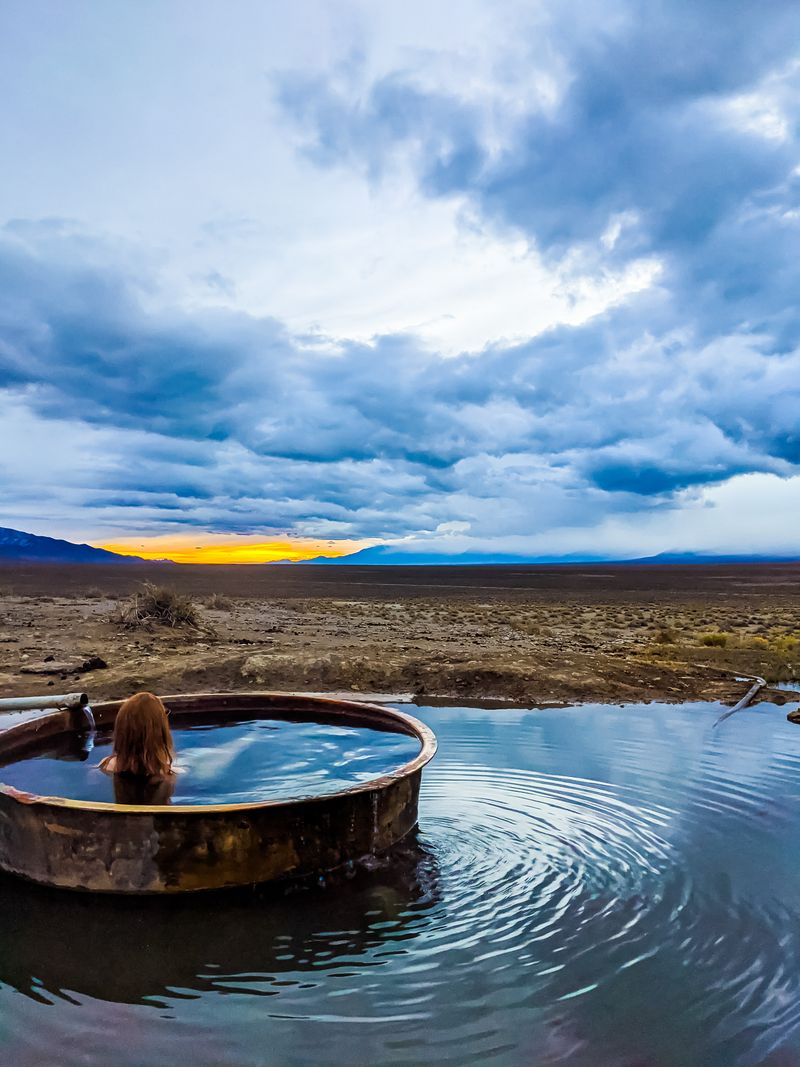
The springs bubble up through old steel tubs scattered across the sagebrush landscape like rustic sculptures placed by nature itself.
Wild burros sometimes wander through as curious onlookers, adding to the surreal charm of the setting.
When people first visited years ago, the air was filled with the sharp scent of sage and the only noise came from wind or the occasional coyote calling across the valley.
Watching sunlight fade over the Toiyabe Range while completely alone with your thoughts was a common experience that felt almost spiritual.
The charm came from its honest simplicity and the genuine quiet of the Nevada range stretching endlessly in all directions.
Now, the tubs are rarely empty, even during off-peak seasons when you’d expect solitude.
Directions are easy to find online with detailed GPS coordinates, leading to more visitors arriving year-round from across the country.
You’ll hear laughter and music more than you hear silence, and the presence of vehicles is steady throughout daylight hours.
The views still stretch for miles across untouched desert, and the water remains inviting at perfect soaking temperatures.
Those long stretches of silence that once defined the experience are harder to come by now.
Spencer’s wild character stays mostly intact with its remote location, but the sense of hidden discovery has mostly faded into memory for longtime Nevada residents.
The geothermal features continue working as they have for thousands of years, indifferent to the changing human presence above.
4. Soldier Meadows Hot Springs (north of Gerlach)
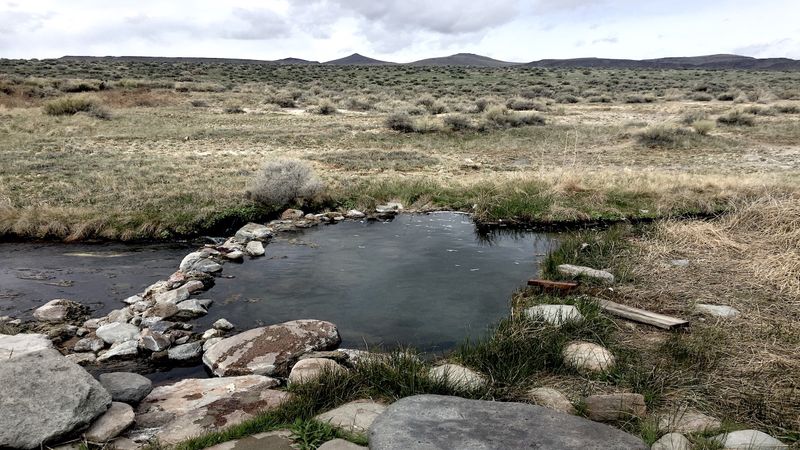
Getting to Soldier Meadows Hot Springs always felt like embarking on a genuine adventure into Nevada’s most remote corners.
The drive is rough over washboard roads, and the last stretch bumps over wild, isolated land that tests both vehicle and determination.
Years ago, mostly locals and a handful of adventurous travelers made the effort, and the wetlands there seemed completely untouched by modern civilization.
The pools sit near fragile marshes and native grasses, with water so clear you could see every detail of the bottom.
Soaking at sunrise or late in the evening brought a profound sense of connection to the land that’s difficult to describe in words.
People respected the space instinctively, keeping noise low and campfires minimal, knowing the ecosystem was delicate and irreplaceable.
As word spread through travel websites and guidebooks, more visitors arrived, sometimes in large groups with multiple vehicles.
Vehicles wandered off designated paths, causing damage to sensitive areas that may take decades to recover naturally.
Campfires left permanent scars on the landscape, and trash occasionally accumulated despite the remote location making it harder to excuse.
The pools still captivate with their natural beauty and perfect temperatures, but the area now bears visible marks of heavier use.
Locals mourn the changes quietly, remembering a time when the meadows felt genuinely untouched by heavy human impact.
Nevada’s remote hot springs remain stunning geological features, yet the responsibility to protect them grows more urgent every year.
The fragile wetland ecosystem surrounding the springs makes this location particularly vulnerable to increased traffic and careless behavior.
What once felt like discovering a hidden oasis now requires navigating both crowds and the visible evidence of overuse that mars the natural setting.
5. Ruby Valley Hot Springs (Elko County)
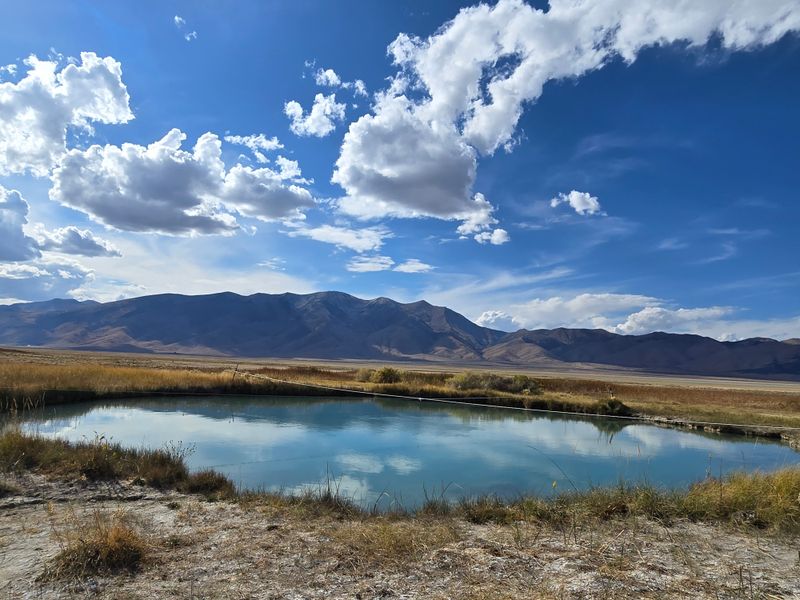
Ruby Valley Hot Springs gave many people one of their most peaceful mornings anywhere in Nevada’s vast landscape.
Arriving before dawn to see steam rising from the pools while the Ruby Mountains painted pink by early light created memories that lasted for years.
For a long time, it was a place that felt genuinely tucked away, with just a few footprints in the mud to show anyone else had discovered this hidden gem.
During the week, the road was often empty except for an occasional rancher’s truck rumbling past on daily rounds.
The pools are surprisingly deep and shockingly clear, surrounded by soft marsh grasses that sway gently in the breeze.
A quiet majesty exists in the way the valley stretches out, interrupted only by the splash of a kingfisher or the gentle movement of water over smooth stones.
Now, weekends bring significantly more visitors than the area was designed to handle comfortably.
Cars sometimes line the narrow road, and groups gather for long afternoons that stretch into evening.
Trash left behind has become an ongoing issue that locals address through volunteer cleanup efforts, but the problem persists.
The old sense of undisturbed wilderness is harder to find amid the increased human presence and its inevitable impact.
Locals often suggest coming on weekdays if you want to experience what made Ruby Valley special in the first place.
The scenery and mineral-rich water still draw people in from across the state and beyond, but the rhythm of the place has shifted noticeably.
The deep pools maintain their emerald clarity and perfect temperature, yet the experience of solitude that once defined this location requires more planning and luck to achieve now.
Early mornings or late evenings offer the best chance of recapturing some of that original magic.
6. Trego Hot Springs (near Black Rock Desert)
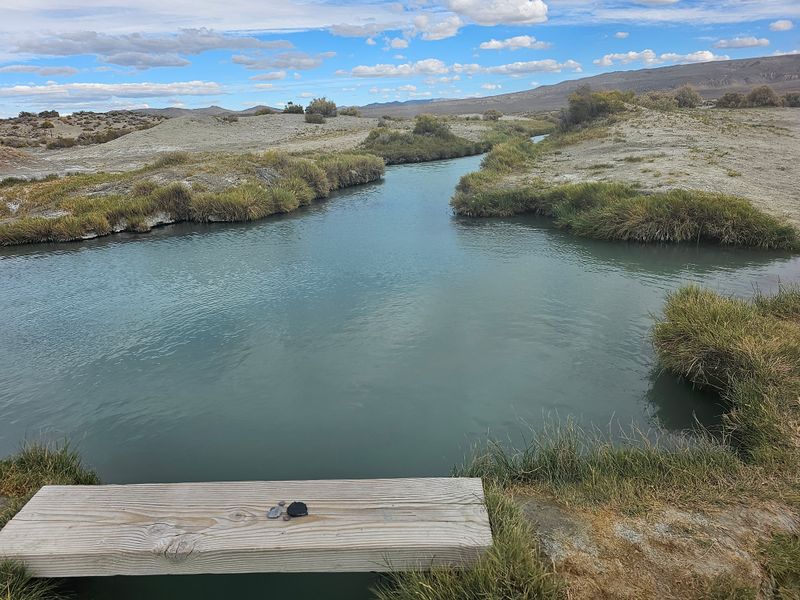
Trego Hot Springs carries a unique energy, shaped as much by its geography as by the dramatically changing crowds over recent years.
Before Black Rock Desert’s fame exploded through cultural events, it was mostly local ranchers and a few hardy travelers who stopped by this remote location.
The spring itself is a long, shallow trench, steaming dramatically in the early mornings and evenings when temperature differences are most pronounced.
For a long time, the surrounding playa was a quiet place, used mainly by those who respected the land and understood desert ethics.
You could camp out under stars so bright they cast shadows, soak under the Milky Way, and wake to a view that felt endless in every direction.
The water has always been mineral-rich and warm, offering comfort after dusty days exploring Nevada’s backcountry.
That all changed as Burning Man grew in popularity and put Black Rock Desert on the international map.
Now, Trego draws festival-goers and off-roaders, leaving behind traces of their visits that accumulate over time.
The hot spring remains a geological sight worth seeing, but the signs of frequent use are impossible to miss now.
Tire tracks crisscross the delicate playa surface, trash appears despite cleanup efforts, and crowded camps spring up regularly during peak seasons.
Those who found Trego in quieter times recall it fondly as a place of genuine solitude and connection to wilderness.
For new visitors, the experience is shaped by the ebb and flow of Nevada’s changing desert culture and increased accessibility.
The spring still offers warm water and expansive desert views, but the context has shifted dramatically from hidden gem to well-known destination.
Understanding this history helps visitors appreciate both what remains and what has been lost to increased tourism pressure over the past decade.
7. Carson Hot Springs (Carson City)
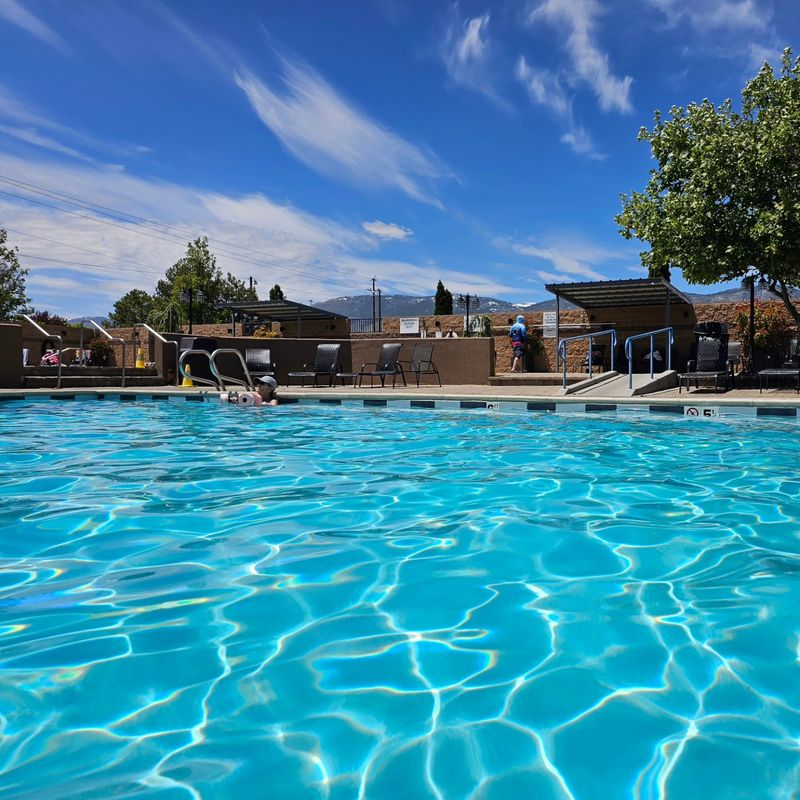
Carson Hot Springs has been part of Nevada’s landscape for more than a century, drawing visitors with mineral-rich water that bubbles up from deep underground through ancient geological channels.
Once a rustic bathhouse where locals soaked in wooden tubs after long workdays, the springs eventually became a commercial resort with indoor pools, outdoor soaking areas, and private baths.
Old photographs show its long history as a stop for travelers passing through Carson City on their way to other destinations.
The weathered images capture a simpler time when the springs served primarily local residents seeking relief from aches and pains.
Locals often say the atmosphere shifted noticeably as the springs gained popularity through travel guides and online reviews.
What once felt like a quiet community spot is now a busier destination that attracts tourists from across the state and beyond its borders.
The water still carries the same soothing properties that made it famous originally, with high mineral content that many believe has therapeutic benefits.
The addition of modern facilities and steady crowds has changed the pace from relaxed to bustling during peak hours.
Weekends see the parking lot fill quickly with out-of-state license plates, and reservations for private baths often book weeks in advance.
The historic character remains visible in the older buildings and vintage signage, but the experience has become more commercial.
Today, Carson Hot Springs remains a fixture in the city’s wellness scene, blending historic character with a more commercial identity shaped by steady tourism.
The century-old tradition continues, though the intimate, local atmosphere has given way to a broader appeal.
Long-time residents remember when you could walk in anytime and find space without waiting, a luxury that rarely exists now during popular visiting times.
The springs still serve their purpose, but the community gathering spot has transformed into a tourist attraction.
Dear Reader: This page may contain affiliate links which may earn a commission if you click through and make a purchase. Our independent journalism is not influenced by any advertiser or commercial initiative unless it is clearly marked as sponsored content. As travel products change, please be sure to reconfirm all details and stay up to date with current events to ensure a safe and successful trip.
