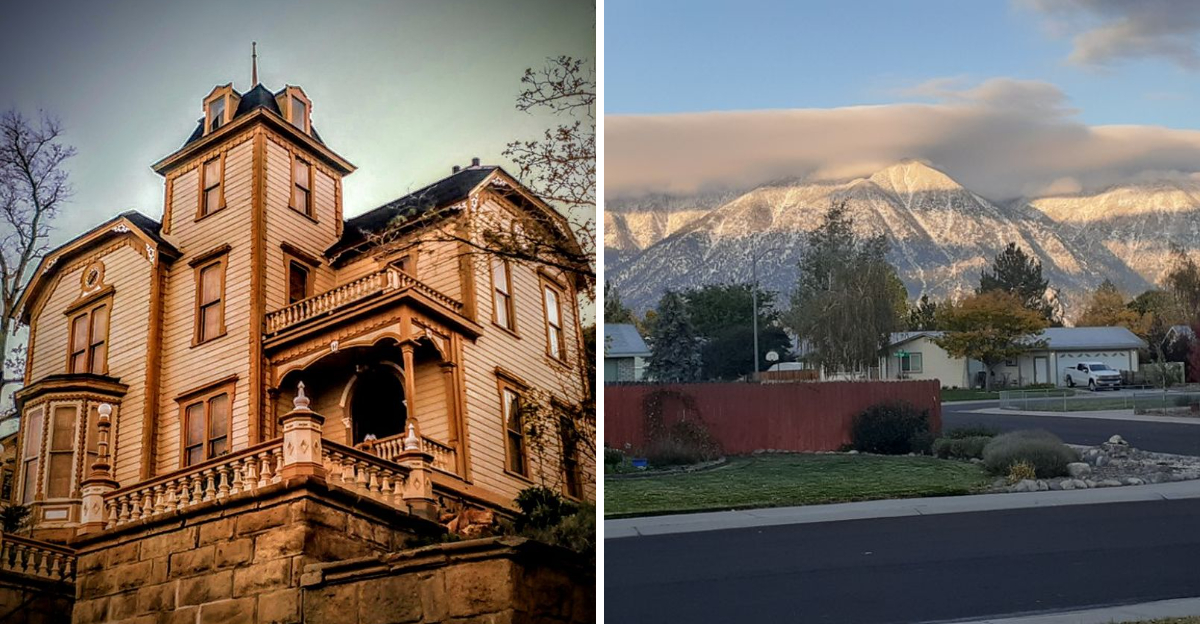
Nevada stretches far beyond the glittering lights of Las Vegas and the bustling casinos of Reno.
Tucked into valleys, perched along mountain ranges, and scattered across high desert plains, dozens of small towns preserve stories of mining booms, railroad heritage, and pioneer grit.
These communities offer starlit skies, historic architecture, natural hot springs, and a slower pace that invites genuine connection with the landscape and its people.
Whether you crave Wild West history, outdoor adventure, or simply a break from the ordinary, these ten overlooked Nevada towns promise memorable weekends filled with discovery.
1. Tonopah
Halfway between Nevada’s two largest cities lies a town where the night sky becomes the main attraction.
Tonopah earned its reputation as one of the darkest spots in the United States, drawing astronomers and casual stargazers alike to witness the Milky Way in stunning clarity.
The town’s mining past comes alive at the Tonopah Historic Mining Park, where visitors wander among preserved shafts, rusting machinery, and tunnels that once yielded millions in silver ore.
Walking through these remnants feels like stepping onto a film set, except every artifact tells a genuine story of boom-town ambition and hardscrabble labor.
Accommodations here lean into quirky charm.
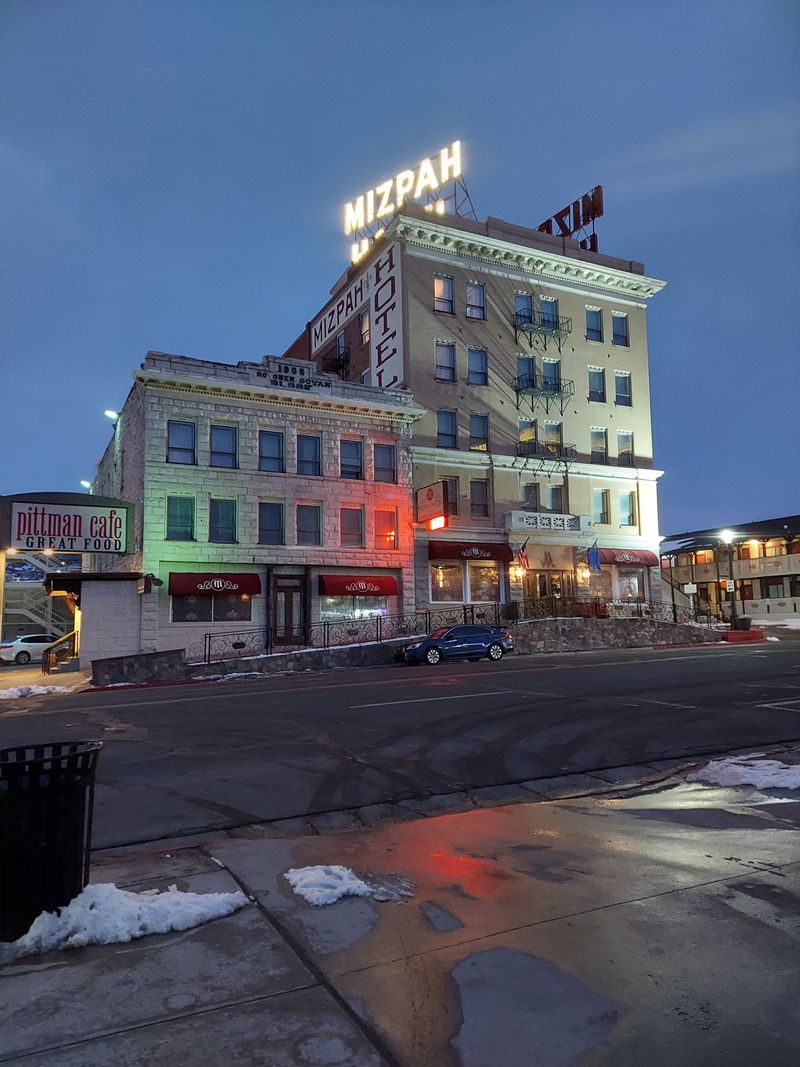
The Mizpah Hotel, a beautifully restored 1907 landmark, offers Victorian elegance alongside tales of resident ghosts.
Just down the road, the Clown Motel lives up to its name with hundreds of clown figurines greeting guests in the lobby.
Some find it delightfully eccentric, others slightly unsettling, but everyone agrees it makes for unforgettable photos.
Beyond the novelty, Tonopah provides a genuine sense of isolation and tranquility.
Main Street retains its frontier character with original storefronts and locally owned diners serving hearty breakfasts.
After sunset, the real magic unfolds.
Bring a blanket, lie back on the desert floor, and watch meteor showers streak across an unobstructed canvas of stars.
The absence of light pollution transforms the ordinary act of looking up into something profound.
For anyone seeking solitude, cosmic wonder, and a taste of Nevada’s mining legacy, Tonopah delivers an experience that feels both timeless and otherworldly.
2. Caliente
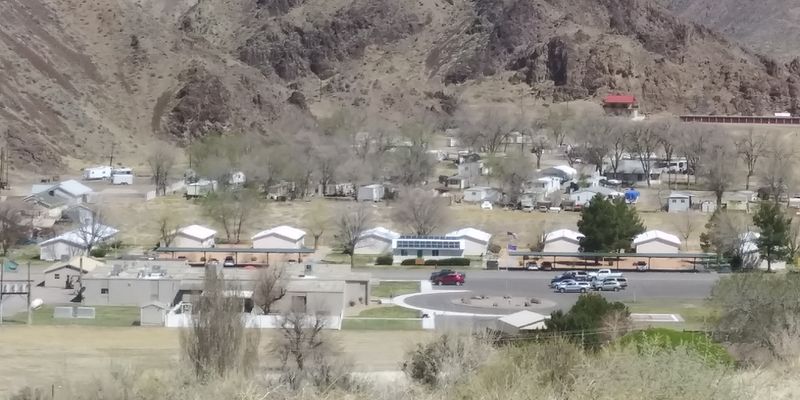
Nestled in a narrow valley where the desert meets dramatic rock formations, Caliente charms visitors with its unexpected architectural beauty.
The Spanish mission-style train depot stands as the town’s centerpiece, a stately reminder of the railroad era when this remote outpost bustled with travelers and freight.
Today, the depot houses city offices, but its arched windows and red-tile roof remain a photographer’s dream.
Natural hot springs bubble up nearby, offering a soothing soak after a day of exploration.
These geothermal pools have attracted visitors for generations, providing a simple yet deeply satisfying way to unwind beneath open skies.
Cathedral Gorge State Park lies just a short drive away, and it ranks among Nevada’s most photogenic landscapes.
Erosion has carved the soft bentonite clay into towering spires, narrow slot canyons, and cathedral-like chambers that glow golden in afternoon light.
Hiking trails wind through these formations, ranging from easy strolls to more challenging scrambles.
Photographers arrive at dawn and dusk to capture the interplay of shadow and light on the sculpted walls.
Caliente itself moves at a gentle pace.
Local diners serve homestyle meals, and friendly residents often strike up conversations with visitors.
The town’s compact size makes it easy to explore on foot, and the surrounding desert landscape invites longer excursions.
Whether you come for the hot springs, the geological wonders, or simply the quiet charm of a small Nevada community, Caliente offers a refreshing alternative to crowded tourist destinations.
The combination of history, natural beauty, and genuine hospitality creates a weekend escape that feels restorative and memorable.
3. Eureka

Driving along Highway 50, often called the Loneliest Road in America, travelers discover a town that defies its remote location with warmth and character.
Eureka proudly bills itself as the friendliest town on that loneliest road, and locals back up the claim with genuine smiles and helpful directions.
Grand stone buildings line the main street, their sturdy construction a testament to the wealth generated during the silver boom of the late 1800s.
These structures have weathered more than a century of desert sun and winter snows, standing as proud monuments to frontier ambition.
The Eureka Opera House anchors the cultural life of the town.
Restored to its Victorian splendor, the venue hosts live performances ranging from local theater productions to touring musicians.
Attending a show here feels like time travel, with ornate balconies and period details transporting audiences to an era when opera houses served as the heart of community entertainment.
History enthusiasts will appreciate the Eureka Sentinel Museum, housed in the former newspaper office.
Exhibits showcase mining equipment, pioneer artifacts, and copies of old newspapers that chronicle the town’s colorful past.
Reading accounts of boom-and-bust cycles, feuds, and triumphs brings the past into vivid focus.
Modern Eureka maintains a quiet dignity.
A handful of restaurants serve satisfying meals, and a small selection of shops offer local crafts and necessities.
The surrounding landscape provides opportunities for hiking, rockhounding, and wildlife watching.
Visitors often remark on the sense of stepping away from the rush of contemporary life.
Here, conversation flows easily, strangers become friends, and the simple pleasure of walking down a historic street feels like a meaningful experience.
4. Pioche
Few towns can claim a reputation as rough and rowdy as Pioche once held.
In its heyday, this mining camp witnessed so many gunfights and brawls that undertakers stayed busier than preachers.
Legend says the first 75 men buried in the local cemetery all died violently, none from natural causes.
Today, the wildness has faded, but the fascinating history remains.
The Million Dollar Courthouse stands as the town’s most famous landmark.
Built in 1872, this Italianate structure earned its nickname not from lavish materials but from decades of cost overruns, corruption, and refinancing that eventually pushed expenses to astronomical levels.
The building itself is modest, yet its story captures the chaotic spirit of frontier Nevada.
Visitors can tour the courthouse and imagine the trials, deals, and dramas that unfolded within its walls.
The Lincoln County Historical Museum offers deeper insights into the area’s mining industry and the diverse immigrants who sought fortune in these rugged hills.
Exhibits display tools, photographs, and personal belongings that humanize the statistics and legends.
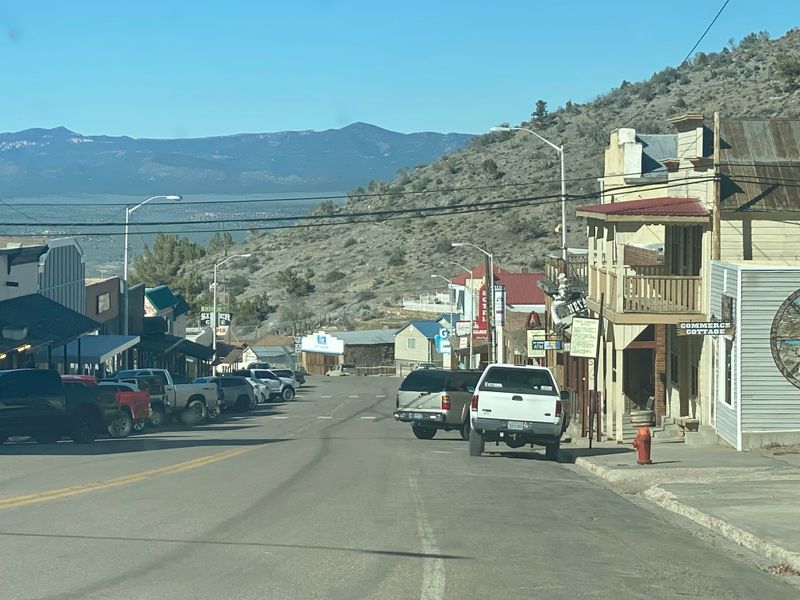
Walking through Pioche feels like exploring an open-air museum.
Old mine shafts dot the hillsides, weathered cabins cling to steep slopes, and the main street retains a frontier atmosphere.
The town sits at a high elevation, so even summer days can turn cool in the evening.
Local residents take pride in their heritage and often share stories passed down through generations.
For anyone fascinated by the Wild West beyond Hollywood mythology, Pioche provides an authentic glimpse into a time when fortunes rose and fell overnight, and survival required equal parts luck and grit.
5. Yerington

Mason Valley cradles this agricultural community where farm-town hospitality feels as abundant as the crops growing in surrounding fields.
Yerington offers a different flavor of Nevada, one where ranching and farming take center stage instead of mining or gambling.
The landscape here shifts from arid desert to irrigated green, with cottonwoods lining the Walker River and alfalfa fields stretching toward distant mountains.
This softer scenery provides a refreshing contrast to Nevada’s more typical stark beauty.
The town hosts annual events that draw visitors from across the region.
The Night in the Country Music Festival brings live performances, dancing, and a festive atmosphere that transforms the quiet community into a lively celebration.
Locals and visitors mingle freely, sharing food, laughter, and stories under the stars.
These gatherings showcase the strong sense of community that defines small-town Nevada.
Main Street features locally owned shops where proprietors know customers by name.
Browsing these stores reveals handmade crafts, Western wear, and everyday goods sold with personal service that feels increasingly rare.
Conversations flow naturally, and recommendations come from genuine experience rather than scripted sales pitches.
Outdoor recreation opportunities abound in the surrounding area.
The Walker River offers fishing and birdwatching, while nearby trails provide hiking and horseback riding through varied terrain.
Photographers appreciate the pastoral scenes, especially during golden hour when light bathes the valley in warm tones.
Yerington might not boast dramatic historic landmarks or tourist attractions, but its appeal lies in authenticity.
This is a working town where agriculture still matters, where neighbors help each other, and where visitors receive a warm welcome simply because friendliness comes naturally.
6. Austin
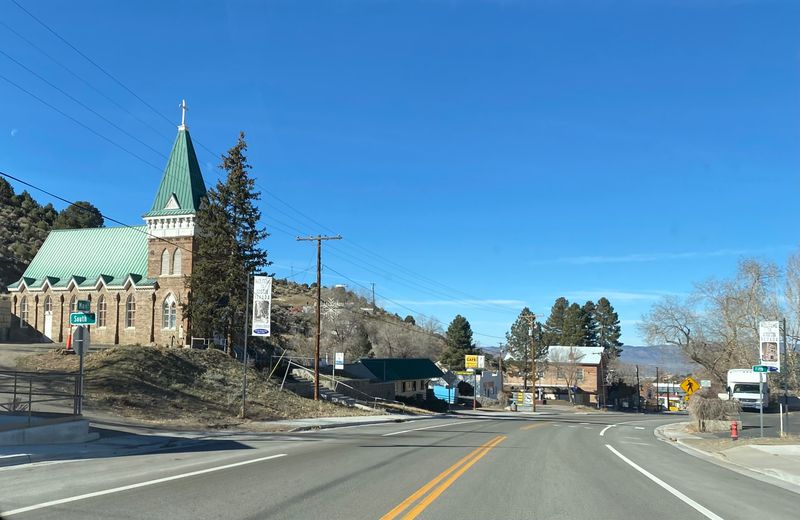
Perched on the slopes of the Toiyabe Range, Austin clings to its mountainside location with the determination of the pioneers who founded it.
Highway 50 passes directly through town, making this a natural stopping point for travelers tackling the Loneliest Road in America.
What begins as a quick rest stop often extends into hours of exploration once visitors discover the town’s surprising depth of history and character.
Nineteenth-century churches dominate the skyline, their steeples reaching toward impossibly blue skies.
These structures were built during Austin’s silver boom when the town swelled with miners, merchants, and dreamers.
Several churches remain active, their congregations small but devoted, while others stand as preserved monuments to frontier faith.
The architecture alone justifies a visit, with Gothic Revival details and hand-hewn stonework that modern construction rarely matches.
Turquoise mining continues in the area, maintaining a link to the region’s extractive heritage.
Local shops sell stones in various stages of processing, from rough specimens to polished jewelry.
Rockhounds can arrange tours of active claims or try their luck searching public areas for their own finds.
Pioneer architecture lines the main street, with false-fronted buildings housing cafes, antique shops, and the occasional quirky museum.
The friendly community welcomes questions and shares stories freely.
Many residents chose Austin specifically for its isolation and tranquility, seeking an alternative to urban sprawl.
Their pride in the town shows in well-maintained buildings and community events that bring everyone together.
The surrounding mountains offer hiking, wildlife viewing, and spectacular vistas that reward those who venture beyond the pavement.
7. Virginia City

Wooden boardwalks echo with footsteps as visitors stroll past saloons, museums, and shops that look much as they did during the Comstock Lode silver rush.
Virginia City embraces its mining heritage with enthusiasm, offering one of the best-preserved examples of a 19th-century boomtown anywhere in the American West.
Unlike some historic sites that feel sterile or overly curated, this town pulses with life and character.
Wild West reenactments erupt on the streets, with actors portraying gunfighters, saloon girls, and sheriffs in period-accurate costumes.
These performances blend education with entertainment, helping visitors understand the rough-and-tumble reality of frontier life.
Children especially enjoy the staged shootouts and the chance to pan for gold at several locations around town.
Piper’s Opera House stands as a cultural treasure.
This venue hosted everyone from Mark Twain to touring theatrical troupes during its heyday, and it continues to present live music and performances today.
The acoustics remain excellent, and sitting in the vintage seats creates a tangible connection to audiences of the past.
The Mackay Mansion offers tours showcasing the opulent lifestyle enjoyed by successful mine owners.
Ornate furnishings, imported wallpapers, and fine art demonstrate how quickly wealth transformed rough mining camps into sophisticated communities.
The contrast between miner’s cabins and mansion parlors illustrates the extreme inequality of the era.
Beyond the main attractions, Virginia City rewards wandering.
Side streets reveal hidden courtyards, overlooks with sweeping valley views, and quirky shops selling everything from antiques to handmade fudge.
The town’s elevation means cooler temperatures than the valley floor, making summer visits particularly pleasant.
Whether you’re a history buff, a family seeking adventure, or simply someone who appreciates authentic Western atmosphere, Virginia City delivers an immersive experience that feels genuine rather than manufactured.
8. Boulder City
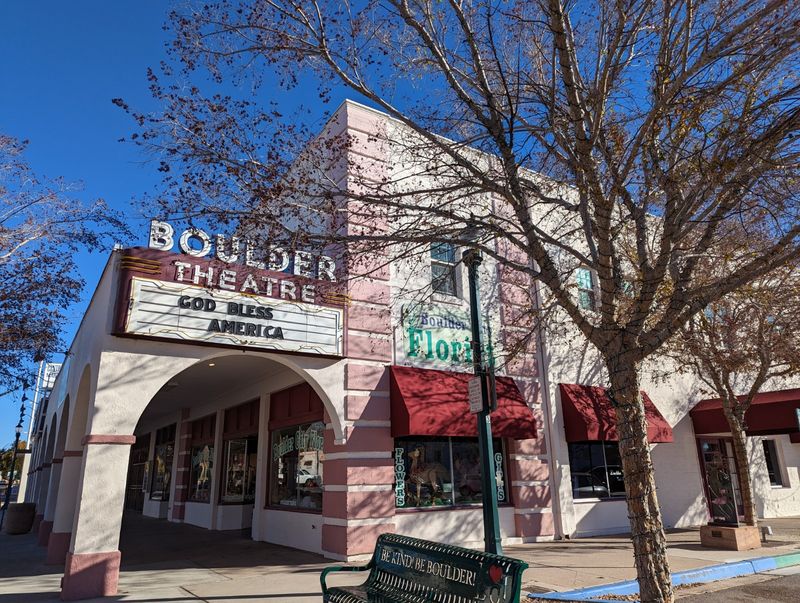
Created specifically to house workers building Hoover Dam, Boulder City stands apart from typical Nevada towns in one significant way.
Gambling has never been legal within city limits, a prohibition that dates to the town’s founding and continues today.
This quirk gives the community a distinctly different character from casino-dominated neighbors, fostering a family-friendly atmosphere focused on outdoor recreation and historical appreciation.
The proximity to Hoover Dam makes Boulder City an ideal base for exploring one of America’s greatest engineering achievements.
Tours of the dam provide fascinating insights into Depression-era construction techniques and the massive scale of the project.
Standing atop the dam, looking down at the Colorado River far below, inspires awe at human capability and ambition.
Lake Mead stretches behind the dam, offering boating, fishing, and water sports against a backdrop of desert mountains.
Adventure seekers find plenty to do in the surrounding area.
Mountain biking trails wind through rocky terrain with views of the lake and dam.
Ziplining operations send thrill-seekers soaring over desert canyons, while rock climbing routes challenge various skill levels.
The landscape here feels more dramatic than typical desert, with colorful rock formations and steep elevation changes.
The Boulder Dam Hotel anchors the historic downtown district.
This Dutch Colonial Revival building has been beautifully restored, offering modern comfort within vintage walls.
Exhibits in the lobby showcase photographs and artifacts from the dam construction era.
Local restaurants serve diverse cuisines, from classic American fare to international options.
The downtown area remains walkable and pleasant, with tree-lined streets that provide welcome shade.
Boulder City succeeds in balancing tourism with residential life, maintaining a genuine community feel while welcoming visitors to explore its unique heritage and spectacular natural surroundings.
9. Elko
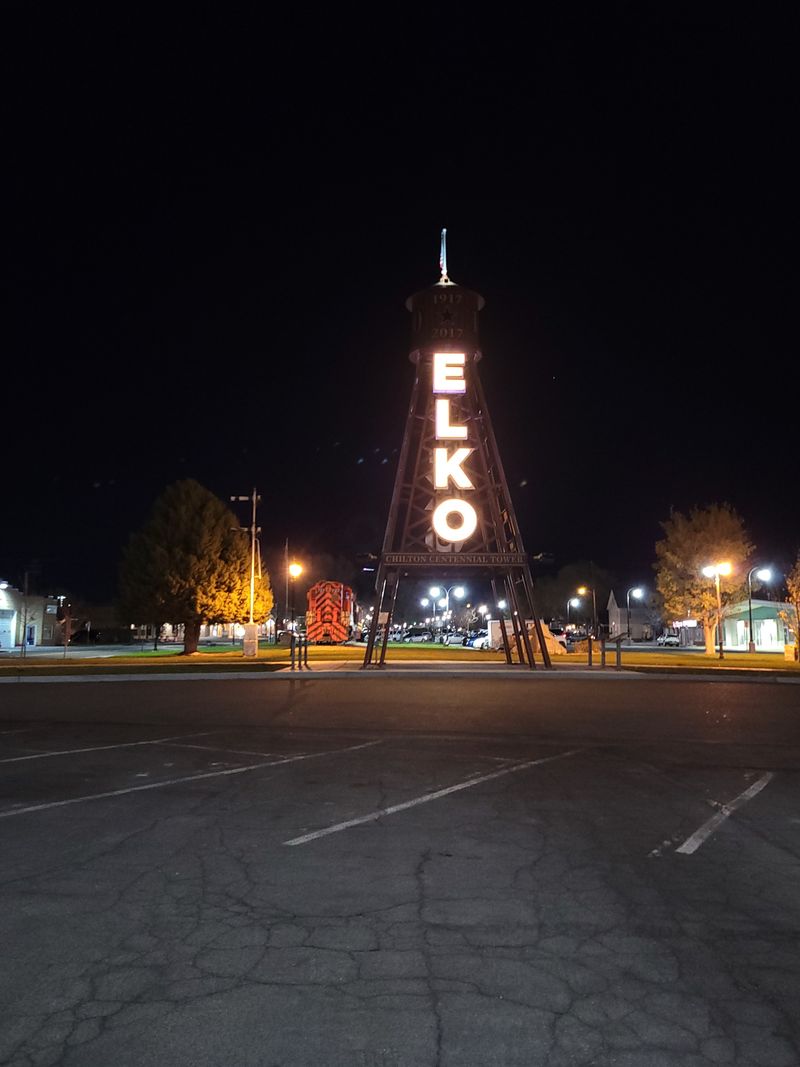
Where the high desert meets the Ruby Mountains, Elko preserves authentic cowboy culture in a way few places still manage.
This is working ranch country, where livestock outnumber people and the Western lifestyle remains more than a tourist attraction.
The town has managed to grow while maintaining its Old West character, with historic buildings standing alongside modern amenities.
Each January, the National Cowboy Poetry Gathering transforms Elko into the cultural capital of the American West.
Cowboys, poets, musicians, and artists converge from across the region to share stories, songs, and traditions passed down through generations.
Performances range from humorous tales of ranch mishaps to haunting ballads about lonesome nights on the range.
Even visitors with no ranching background find themselves drawn into this celebration of a distinctive way of life.
The Ruby Mountains rise dramatically just outside town, offering year-round recreation.
Summer brings hikers to alpine lakes and wildflower meadows accessible via scenic trails.
Winter transforms the Rubies into a backcountry skiing paradise, with deep powder and stunning terrain that rivals better-known resorts.
Helicopter skiing operations provide access to remote bowls and couloirs for advanced skiers.
Downtown Elko features a thriving art scene that might surprise first-time visitors.
Galleries showcase Western art ranging from traditional bronze sculptures to contemporary paintings.
The Western Folklife Center maintains exhibits and archives documenting regional culture.
Basque restaurants serve hearty family-style meals, reflecting the significant Basque immigration to the area during the sheepherding era.
Elko provides a genuine taste of Nevada beyond the stereotypes, where ranching heritage meets mountain adventure and authentic Western hospitality makes everyone feel welcome.
10. Gardnerville

Carson Valley cradles this community where Basque culture thrives far from the Pyrenees Mountains of Europe.
Gardnerville’s Basque heritage runs deep, visible in restaurant menus, annual festivals, and the cultural pride residents express.
Immigrants from the Basque region came to Nevada as sheepherders in the late 1800s, and their descendants maintain traditions that enrich the town’s character.
The Carson Valley Museum and Cultural Center preserves this diverse heritage.
Exhibits explore Basque immigration, Native American history, pioneer settlement, and agricultural development.
Artifacts range from sheepherding equipment to Victorian-era household items, each telling part of the valley’s story.
The museum hosts events throughout the year, including lectures, craft demonstrations, and cultural celebrations.
Lampe Park provides a green oasis perfect for picnics, playground visits, and casual recreation.
Mature trees offer shade, and the park’s central location makes it a natural gathering spot for community events.
Farmers markets set up here during growing season, offering locally grown produce and handmade goods.
The surrounding Carson Valley presents stunning scenery, with the Sierra Nevada rising to the west and the Pine Nut Mountains to the east.
This geographic setting creates excellent conditions for outdoor activities.
Hiking, mountain biking, and horseback riding trails crisscross the nearby foothills.
Hot air balloon rides offer a unique perspective on the valley’s patchwork of farms and ranches.
Gardnerville moves at a comfortable pace, neither rushed nor stagnant.
The downtown area features local businesses, family-owned restaurants, and shops that reflect genuine community needs rather than tourist trends.
Visitors appreciate the authentic atmosphere and the chance to experience a Nevada town where cultural heritage remains a living tradition rather than a historical footnote.
Dear Reader: This page may contain affiliate links which may earn a commission if you click through and make a purchase. Our independent journalism is not influenced by any advertiser or commercial initiative unless it is clearly marked as sponsored content. As travel products change, please be sure to reconfirm all details and stay up to date with current events to ensure a safe and successful trip.
