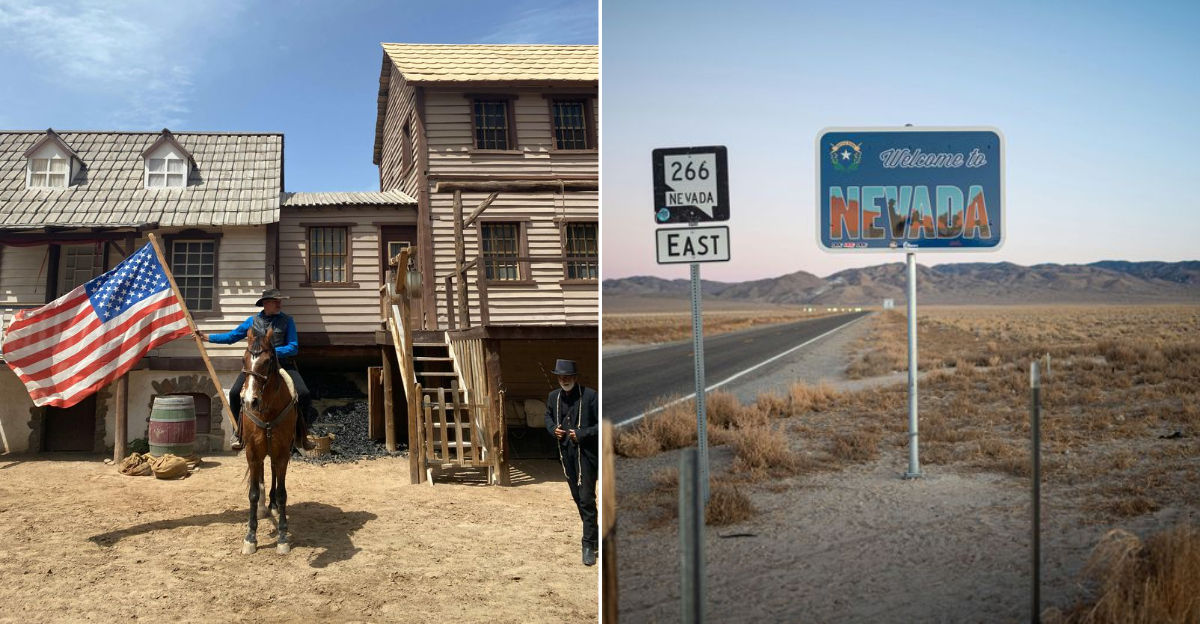
You expect old laws to be a little strange, but this Nevada one really commits to the bit. The state still has a law about sending a challenge to fight, which makes the whole thing sound less like modern life and more like a leftover scene from 1890 that somehow never fully packed up and left.
That is exactly why it grabs attention so fast. The wording alone feels like a time warp, the kind of rule that instantly makes you picture hot tempers, formal insults, and a dramatically bad idea unfolding with way too much confidence.
It also says a lot about how legal history can hang around long after the world that created it has changed. For anyone who loves odd state laws and the weird little details that make local history more fun, Nevada delivers a rule that feels equal parts serious, outdated, and almost impossible not to read twice.
The Old Nevada Law That Sounds Like A Saloon Leftover

Here is the wild part you will love hearing about on a road trip through Nevada. The state still treats the idea of sending a challenge to fight as a real legal problem, even if the setting sounds like a scene with dusty boots and a creaking floorboard.
You do not need a balcony showdown to land in that conversation, because the rule cares about planning and provocation more than theatrics.
Think about how people hype conflicts online or toss out tough talk to feel big, and you will see where this lives. The law watches the moment someone stops venting and starts arranging, like giving a green light for a planned brawl or authorizing a friend to drop the gauntlet.
That shift from impulse to intention is what makes Nevada step in, and it is why the words can matter as much as any shove.
If you want a visual, imagine the Nevada State Capitol in Carson City with its tidy grounds and calm rooms, and picture how different that feels from a heated dare behind a shop. The space reminds you that the line between order and chaos can be pretty thin, and the statute sits right on that line.
It is not nostalgia, and it is not theater, because the whole point is keeping challenges from turning into real injuries that ripple through real communities.
What The State Actually Means By A Challenge To Fight

When Nevada says challenge, it is not picturing fancy outfits or a formal card being delivered by a messenger with a flourish. The state is talking about any plan, request, or goading that sets a fight in motion, whether it happens on a sidewalk, in a parking lot, or in a quiet living room.
If there is intent and agreement to throw down, the box starts to check itself, and the law pays attention.
Even more interesting, a challenge can be pretty simple. Telling someone to meet after work and settle it can count, and asking a buddy to pass that message along can count too.
The heart of it is the invitation to violence and the conscious step toward making it real, which is why Nevada treats the words like loaded switches that can light the wrong fuse.
Want a place to anchor that thought while you are in the state? Step into the Nevada Supreme Court building in Carson City, and let the quiet hallways reset your sense of scale.
You feel how rules are built to keep heat from becoming harm, and this one fits right there with its focus on nudging people away from avoidable pain. It is not fancy drama, but it is concrete, and that is the whole idea.
Why This Rule Covers More Than Formal Duels
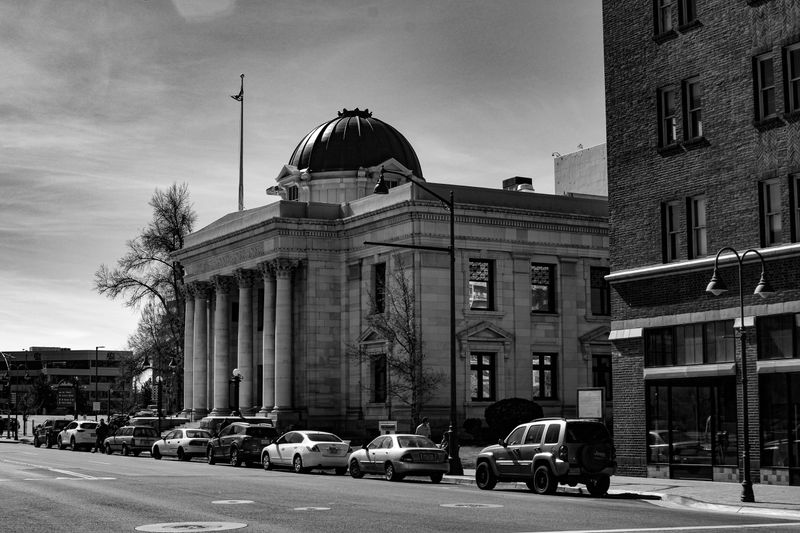
You might be picturing ribbons and rituals, but Nevada is way more practical than that. The state cares about the messy, everyday moments where anger turns organized, and it does not wait for a costume change to call it a challenge.
If two people line up a fight with even a little planning, the law is already in the scene, saying not here, not like that.
That is why backyard showdowns and parking lot rematches count, because the risk is in the preparation, not the pageantry. The more a confrontation looks like an appointment, the more likely the statute clicks in, and that is by design.
Nevada wants to break the chain before bodies break, and it uses the invitation itself as the first link.
Take a quiet minute outside the Washoe County Courthouse in Reno, and think about how many small sparks never become fires because the rules set boundaries. The building stands there with a kind of steady patience, like a reminder that prevention often beats cleanup.
You can feel how this law is less about punishing old habits and more about rerouting energy before it hardens into harm, which is why it reaches beyond anything theatrical and grabs hold of ordinary, planned trouble.
The Verbal Or Written Detail That Makes It Stranger

Here is the twist that trips people up. A challenge can be spoken, scribbled, or tapped out on a phone, because the medium does not matter nearly as much as the message and the intent behind it.
If the words create a plan to fight, Nevada treats them like action, and suddenly a sentence is carrying way more weight than it looks like it should.
It feels strange, right? We are used to thinking that talk is just talk, but the law draws a line when talk starts choreographing punches, and that is a smart line.
Whether it is a note, a post, a text, or a whispered plan after a game, the form is just a wrapper, and the wrapper does not shield the core.
Walk through the Nevada State Library and Archives in Carson City, and you can almost feel the paper stories of old challenges breathing next to modern screens. The building has that steady hush that makes you read a little slower and think a little longer.
It is a good place to remember that words can move bodies, which is exactly why the rule treats words as steps, and steps as decisions that matter.
How A Frontier-Era Idea Stayed In Modern Statute Books
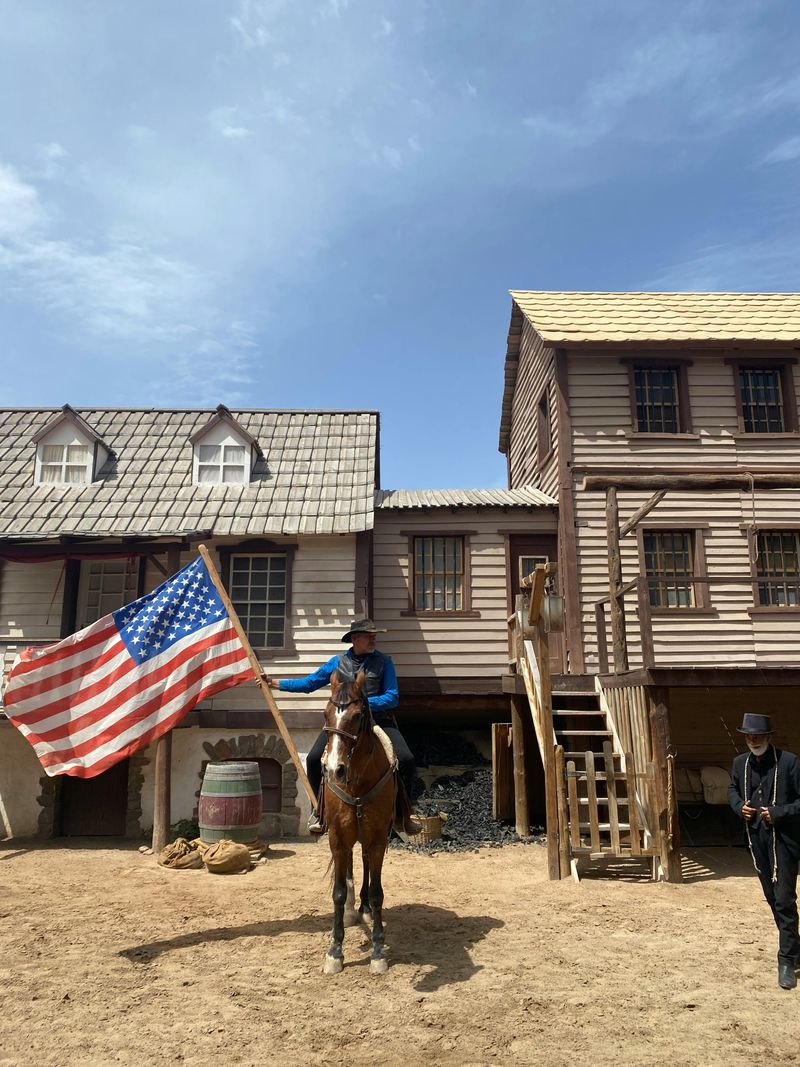
It is easy to joke that this is a relic, but the bones of the idea have held up because they deal with human behavior that never really left. People still get mad, still try to save face, and still turn heat into a plan when they feel cornered.
Nevada kept the core principle because it still stops a predictable slide from chest pounding to actual harm.
When you see it that way, the continuity starts to feel practical instead of quaint. The language has been polished over time, but the aim is steady, and it lands in the same place every time.
Stop the invitation to violence, and you shrink the odds of the real thing, which is the kind of quiet math a community relies on, even if nobody quotes it out loud.
Stand on the Capitol lawn and listen to the breeze through the trees, and it hits differently. The building represents roll-up-your-sleeves problem solving, not a museum piece pretending to be tough.
Nevada does tradition with purpose, and this is one of those spots where history helps the present stand up a little straighter and walk away from pointless pain.
The Kind Of Law That Makes Nevada’s Past Feel Close
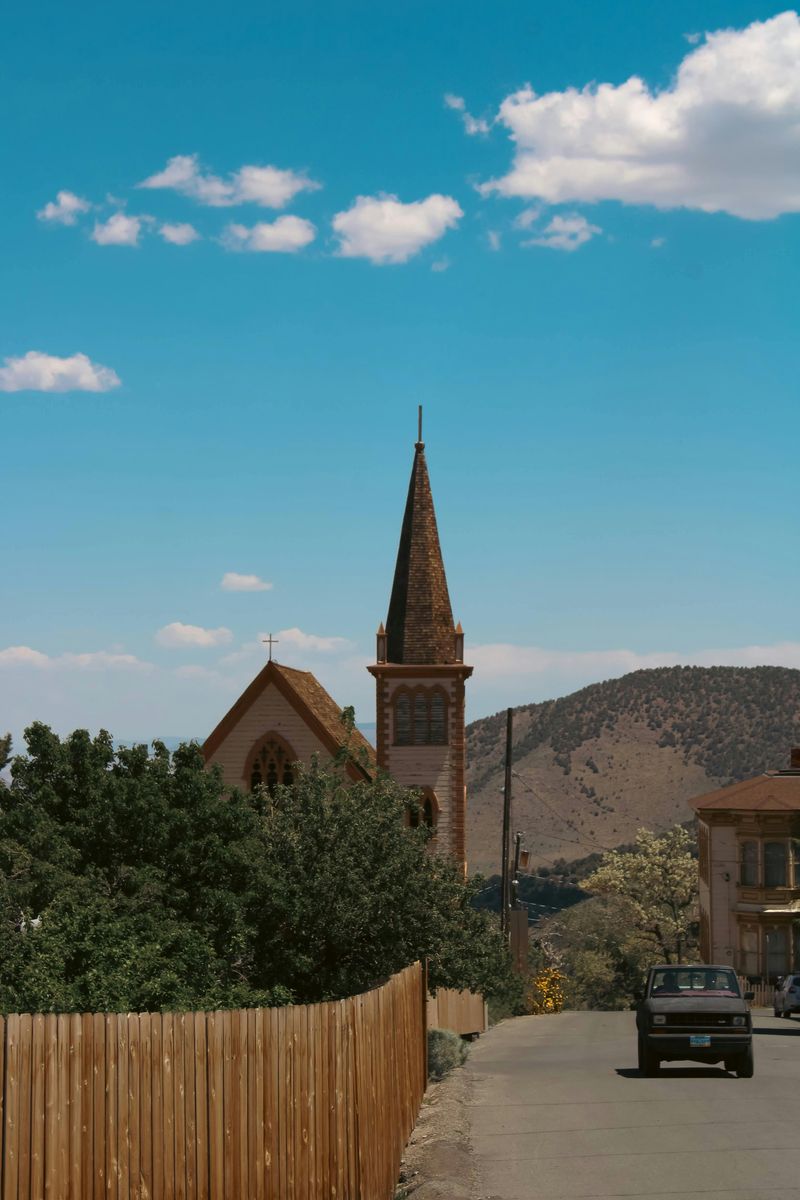
Some rules carry ghosts, and this one definitely does. You read the lines and hear echoes of dusty streets and quick tempers, even while you are standing under bright lights with a phone in your pocket.
Nevada is full of living history like that, where an old concern steps into the present and reminds you that people have not changed as much as we like to think.
It is not just the words, it is the motive they aim at. Pride, pressure, and heat can push anybody into bad decisions, and the statute tries to catch the slide at the moment it is easiest to interrupt.
That is the humane part, and it is why the whole thing feels closer to coaching than scolding when you read it carefully.
Spend time in the Nevada State Museum in Carson City and let the exhibits reset your sense of time. You realize that the distance between a frontier argument and a modern group chat is not as wide as it looks.
The places change, the tools change, but the temptation to challenge someone still shows up, and the law answers with a calm hand on the shoulder that says pause, then walk.
How Dueling History Still Lingers Around This Rule
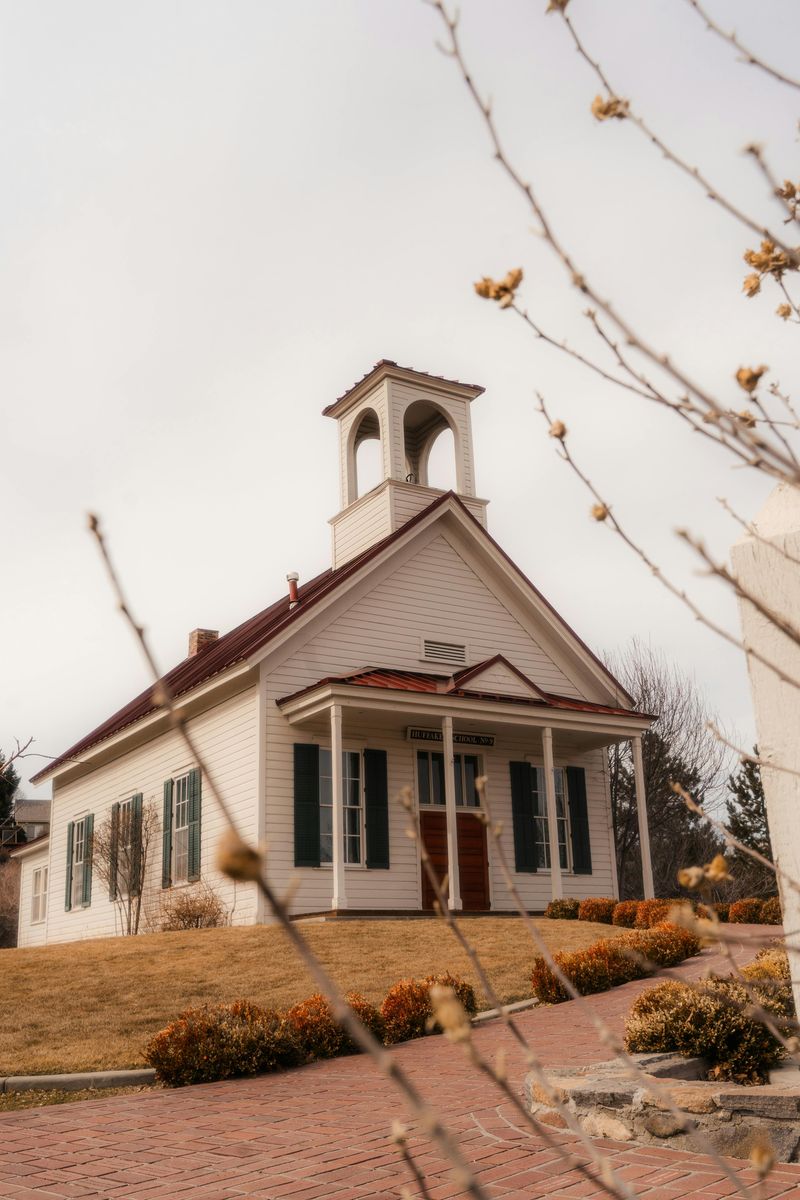
The word duel hangs over this topic like a stage prop, even though the statute is aimed at planned fights of all kinds. The history is in the background, a reminder that formal challenges once had scripts and rituals, and that communities learned the hard way how easily ritual becomes injury.
Nevada absorbed that lesson and shifted focus from costumes to consequences.
So yes, the lore is part of the story, but the rule is modern in how it works. It looks for signs that someone is nudging a heated moment into a scheduled collision, and then it draws a bright boundary.
You can almost feel generations of neighbors saying not again, because a single preventable moment can echo through families and streets for a long time.
Next time you are in Reno, step through the plaza near the Pioneer Center and notice how public spaces invite calm routines. People gather, wander, and head home without drama, and that quiet rhythm is exactly what laws like this are trying to protect.
Nevada keeps the memory of dueling as a cautionary tale, not a blueprint, and that is the difference that matters when tempers flare.
Why This Statute Feels So Out Of Step With Modern Life
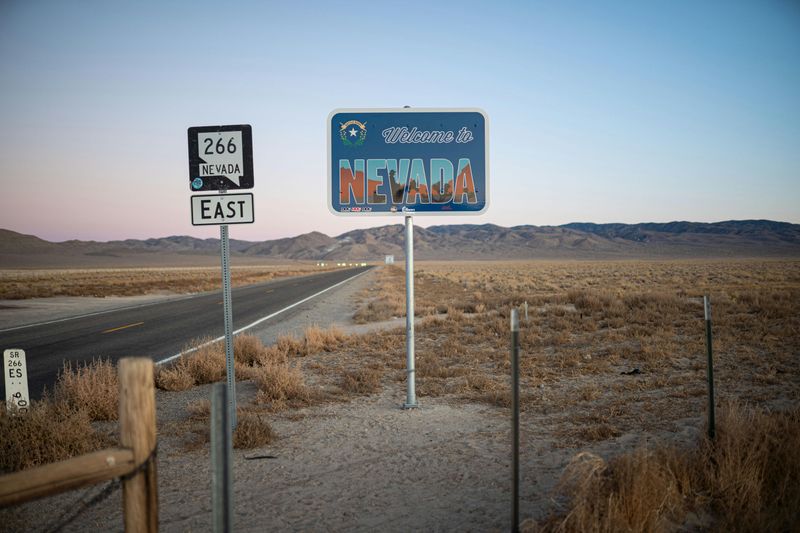
On paper, it can sound old fashioned, because who is mailing fancy notes or bowing before a showdown anymore? In practice, the dynamics look familiar in every office, parking structure, and group chat where someone tries to turn a grudge into a plan.
Nevada just translates the drama into the present tense and says the planning itself is where a community draws the line.
That is why the language might feel out of place and right on time at the same moment. We live with instant messages and quick tempers, and a plan can snowball before anyone takes a breath, so the rule grabs the brakes early.
It is not about punishing speech for existing, it is about stepping in when speech becomes choreography for harm.
Picture a bright coworking lounge in Las Vegas where conversations buzz but mostly stay kind. The space works because people share rooms without tipping into threats, and that balance is worth guarding with clear, slightly old sounding words.
Nevada manages to be both practical and a little poetic here, and that mix is why the statute still fits, even if it reads like it arrived by stagecoach.
The Nevada Law That Makes 1890 Sound Weirdly Current

Here is the kicker that sticks with you after the drive. A rule that sounds like it belongs in a sepia photograph still plugs into arguments that happen outside stadiums, in driveways, and inside group threads that heat up after midnight.
Nevada bridges those worlds by treating a dare with logistics like a real risk instead of a colorful story.
The reason it feels current is simple once you say it out loud. A scheduled clash is a hazard, and an invitation to that clash is the root of the hazard, so the law trims the root.
That is the kind of clean thinking that does not go out of style, even if the phrasing takes you back a few chapters.
Walk by the Nevada State Peace Officers Memorial in Carson City, and let the quiet settle in. You remember that the point is safety and dignity, not nostalgia, and that communities are always choosing steadiness over show.
That choice shows up in small decisions, like stepping away from a dare, and in big decisions, like keeping a statute that nudges everyone away from unnecessary pain when tempers tangle.
Dear Reader: This page may contain affiliate links which may earn a commission if you click through and make a purchase. Our independent journalism is not influenced by any advertiser or commercial initiative unless it is clearly marked as sponsored content. As travel products change, please be sure to reconfirm all details and stay up to date with current events to ensure a safe and successful trip.
