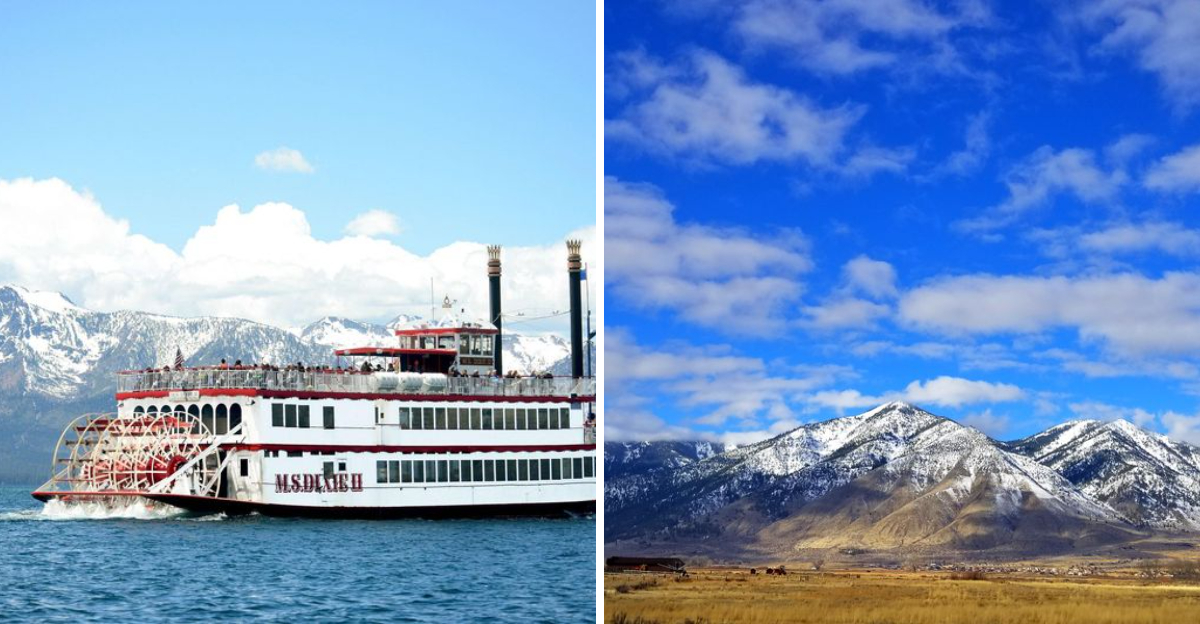
Nevada might be famous for its sprawling deserts and bright casino lights, but when winter arrives, something magical happens in the Silver State.
Tucked away in mountain valleys and perched along snowy lakeshores, charming villages transform into alpine wonderlands that rival any European ski town.
These hidden gems offer visitors a chance to experience cozy mountain culture, historic architecture, and snowy adventures without ever leaving the desert state.
From Victorian mining towns dusted with fresh powder to lakeside retreats surrounded by towering pines, Nevada’s winter villages prove that desert landscapes and alpine charm can exist beautifully side by side.
1. Incline Village
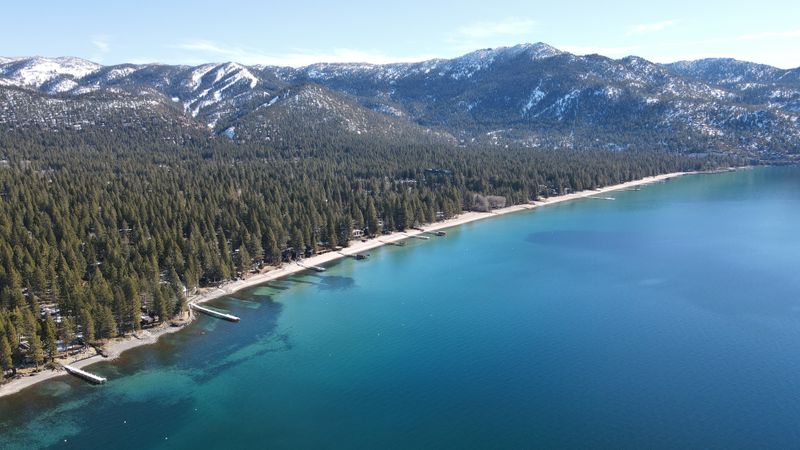
Nestled along Lake Tahoe’s pristine north shore, this mountain community becomes a picture-perfect winter escape when snow blankets the surrounding Sierra Nevada peaks.
The village atmosphere combines upscale mountain living with accessible outdoor recreation that welcomes visitors of all skill levels.
Diamond Peak Ski Resort stands as the crown jewel of winter activities here, offering runs with unobstructed lake views that make every descent feel like gliding through a postcard.
Families appreciate the resort’s relaxed vibe compared to busier Tahoe destinations, where lift lines stay manageable even during holiday weeks.
Beyond downhill skiing, miles of groomed snowshoe trails wind through fragrant pine forests where the only sounds are crunching snow and chirping mountain chickadees.
The village center maintains a welcoming small-town feel with locally owned cafes serving hot cocoa and hearty breakfasts that fuel adventure-filled days.
December brings the Northern Lights Festival, transforming the community into a celebration of winter with twinkling decorations and festive gatherings.
Ice skating at the outdoor rink becomes a beloved evening activity as the sun sets behind snowy peaks, painting the sky in shades of pink and orange.
Cross-country skiing enthusiasts find excellent terrain at nearby trails that meander through meadows where summer wildflowers sleep beneath winter’s blanket.
The combination of lake views, mountain access, and village charm creates an alpine experience that feels worlds away from Nevada’s desert reputation.
Sunset walks along the lakeshore reveal a different kind of beauty as waves lap against icy shores under a canopy of stars.
This north shore gem proves that Nevada can deliver authentic mountain village character without compromising on natural splendor.
2. Genoa
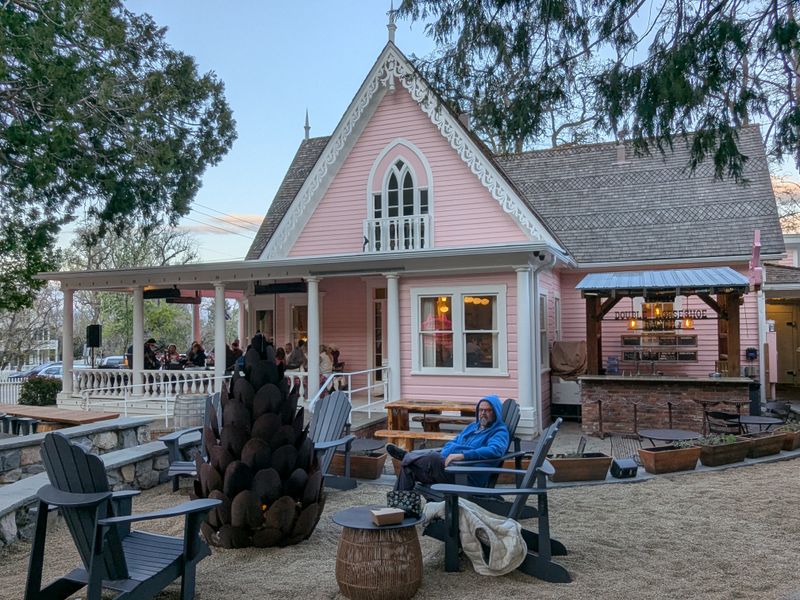
Founded in 1851, Nevada’s oldest permanent settlement radiates historic charm from every weathered timber and stone foundation that has witnessed over 170 years of Western history.
Winter wraps this tiny town in peaceful quiet, when the summer crowds disappear and snowflakes drift past century-old buildings like whispers from the past.
Main Street looks like a scene from a vintage Christmas card, with historic structures wearing caps of white and smoke curling from chimneys into crisp mountain air.
The annual Christmas in Genoa celebration brings the community together for tree lighting ceremonies that illuminate the town square with warm golden light.
Local musicians perform holiday concerts in intimate venues where wooden beams overhead have sheltered generations of Nevada residents through countless winters.
Access to the Tahoe Rim Trail system begins just outside town, where winter hikers discover solitude on snowy paths that summer backpackers crowd during warmer months.
Mormon Station State Historic Park takes on special beauty under snow, its replica stockade and museum offering glimpses into frontier life when pioneers first carved civilization from wilderness.
The surrounding Carson Valley spreads out below, creating dramatic views where high desert meets mountain foothills in a landscape unique to this corner of Nevada.
Antique shops and small galleries stay open through winter, inviting visitors to browse collections of Western artifacts and local artwork while warming by wood stoves.
Evening walks reveal stars in astonishing numbers, unobscured by city lights, hanging over a town that has watched the same constellations for generations.
Genoa’s population barely reaches 200 residents, creating an intimate atmosphere where visitors feel transported to simpler times.
This living museum of Nevada history offers winter travelers something increasingly rare in modern America.
3. Elko
Rugged individualism defines this northeastern Nevada hub where cowboy culture meets serious mountain recreation in the shadow of the spectacular Ruby Mountains.
Local ranchers still wear working spurs into coffee shops, and genuine Western heritage isn’t a tourist attraction but simply the way life continues in this high desert country.
The Ruby Mountains rise dramatically just outside town, their jagged peaks earning the nickname Swiss Alps of Nevada from climbers and skiers who recognize world-class terrain.
Lamoille Canyon cuts a stunning glacial path into these mountains, its steep walls holding snow well into spring and creating a winter playground accessible by scenic byway.
Snowmobilers find endless backcountry routes through alpine basins where powder stays fresh for days after storms sweep across the Great Basin.
Backcountry skiing attracts adventurous souls willing to earn their turns, hiking up steep couloirs to ski untouched slopes with views stretching across three states.
The annual Festival of Trees brings holiday cheer to downtown, where decorated evergreens fill public spaces and local businesses compete for the most creative displays.
Basque culture runs deep here, reflected in family-style restaurants serving massive portions of lamb, beans, and crusty bread in dining rooms where strangers become friends.
The Western Folklife Center celebrates cowboy poetry and music year-round, but winter events take on special intimacy when smaller crowds gather around performances.
Elko’s downtown historic district maintains authentic character with neon signs, vintage storefronts, and bars where working folks unwind after long days.
Snowshoeing through aspen groves in the nearby mountains reveals wildlife tracks telling stories of foxes, deer, and occasional mountain lions navigating winter landscapes.
This town offers alpine adventure wrapped in genuine Western hospitality that money cannot manufacture.
4. Ely
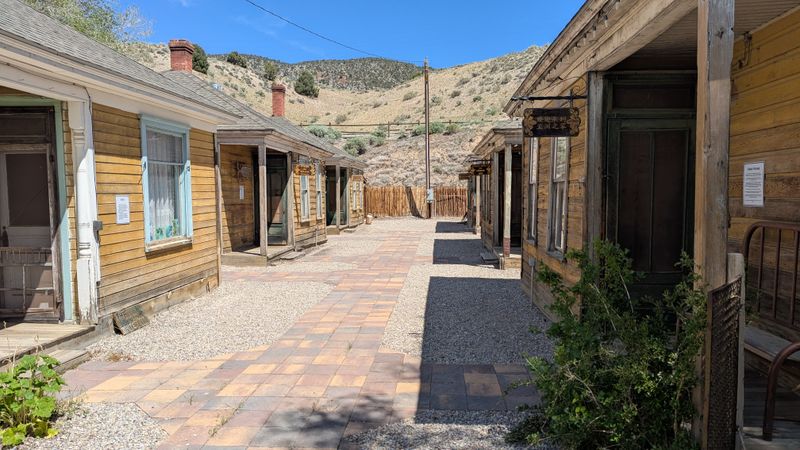
Isolation becomes an asset in this remote Great Basin town where vast open spaces and genuine small-town friendliness create an atmosphere increasingly rare in modern America.
The historic downtown district preserves copper mining heritage through beautifully maintained buildings that once served miners who extracted wealth from surrounding mountains.
Winter’s Fire and Ice Festival showcases the community’s creative spirit through elaborate snow sculptures that transform downtown into an outdoor art gallery.
The highlight arrives when the historic Nevada Northern Railway steam train chugs through snowy landscapes shooting fireworks into the night sky, creating a spectacle visible for miles.
This working railroad museum operates year-round, but winter rides hold special magic as coal smoke mingles with cold air and passengers bundle in vintage coaches.
Great Basin National Park sits less than an hour away, offering winter access to one of America’s least-visited national parks where solitude comes guaranteed.
Lehman Caves remain open through winter, their constant temperature providing warm refuge while visitors explore limestone formations that took millennia to create.
Wheeler Peak towers over the park, its 13,000-foot summit challenging experienced winter mountaineers seeking serious alpine objectives in unexpected Nevada terrain.
Downtown Ely supports surprising cultural amenities including art galleries, a historic theater showing current films, and restaurants serving everything from Basque cuisine to American comfort food.
The local hot springs provide natural soaking opportunities where winter visitors can relax in steaming mineral water while snowflakes dissolve on contact with the surface.
Stargazing reaches extraordinary levels here, where dark skies reveal the Milky Way as a bright river of light arching overhead.
Ely proves that remote locations can offer rich experiences for travelers willing to venture off well-worn tourist paths.
5. Virginia City
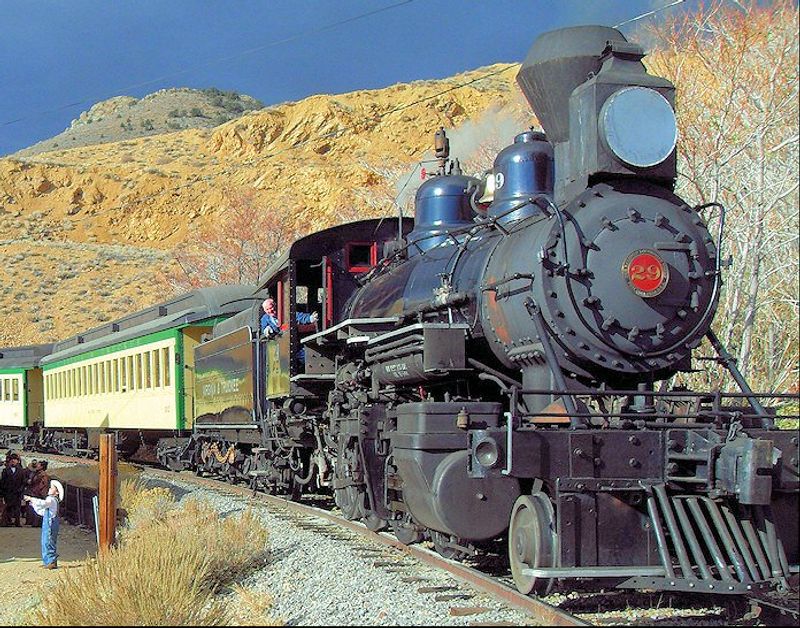
Perched on the slopes of Mount Davidson, this legendary mining town froze in time when the Comstock Lode silver boom ended, preserving an authentic slice of 1860s frontier life.
Wooden boardwalks creak underfoot along C Street, where Victorian storefronts house saloons, shops, and museums that keep Wild West history alive and accessible.
Snow transforms the already atmospheric town into something from a Western film, dusting false-front buildings and historic mining equipment with pristine white powder.
The Virginia and Truckee Railroad operates special holiday trains decorated with thousands of twinkling lights, carrying passengers through snowy canyons while carolers perform seasonal music.
This Train Holiday O’Lights event has become a beloved tradition, booking weeks in advance as families return year after year for the magical experience.
Miracle on C Street brings the entire historic district to life with costumed characters, horse-drawn carriage rides, and merchants offering hot cider to bundled visitors.
The town’s elevation at 6,200 feet ensures reliable snow cover through winter, creating picture-perfect conditions for photographers capturing frontier architecture against white landscapes.
Underground mine tours continue through cold months, taking visitors deep into tunnels where miners once toiled by candlelight extracting the silver that built San Francisco.
Historic saloons maintain their original character with pressed tin ceilings, mahogany bars, and pot-bellied stoves radiating warmth while bartenders pour drinks using century-old recipes.
Ghost tours take on extra atmosphere during winter nights when fewer visitors mean darker streets and guides can really set spooky moods.
The surrounding hills offer snowshoeing opportunities where winter explorers can discover abandoned mine shafts and rusting equipment slowly being reclaimed by nature.
Virginia City delivers time travel wrapped in genuine history and winter beauty that enhances rather than diminishes its considerable charms.
6. Mount Charleston
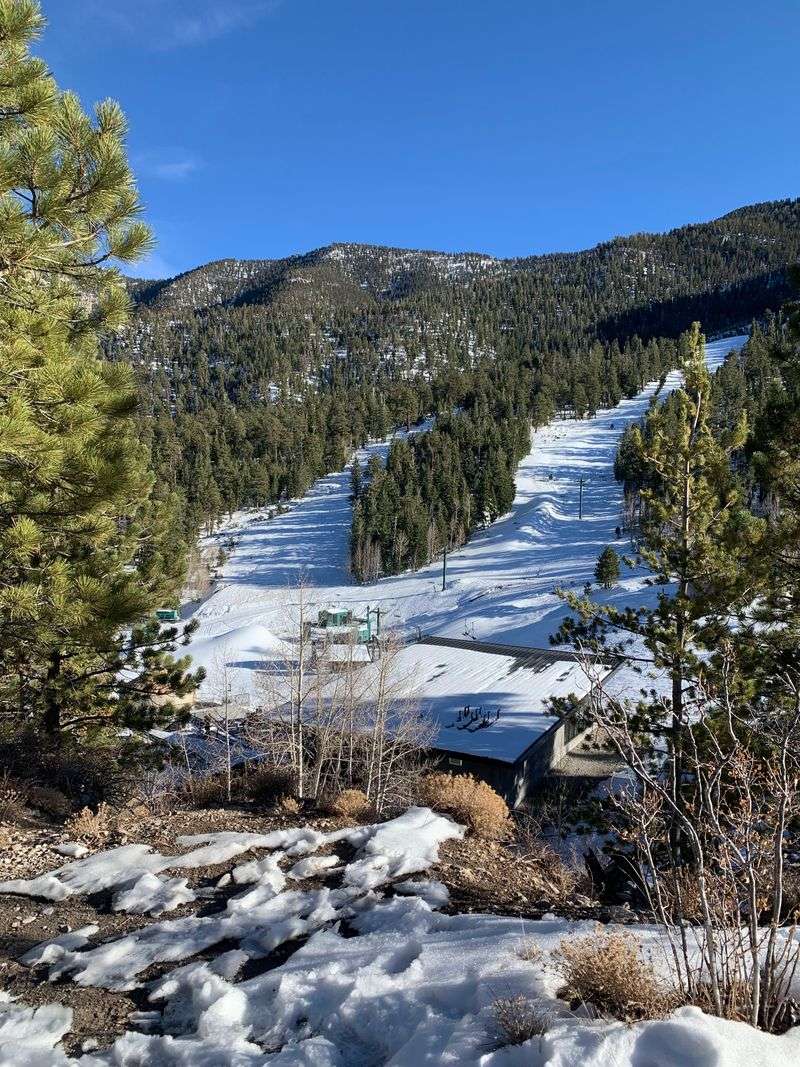
Just 35 miles from the Las Vegas Strip, this mountain retreat exists in a completely different climate zone where temperatures can be 30 degrees cooler than the desert floor below.
The dramatic elevation change creates an alpine environment that seems impossible given its proximity to one of America’s hottest cities.
Towering ponderosa pines and white fir forests blanket the mountainsides, their branches heavy with snow while cacti bake in sunshine just miles away.
Lee Canyon Ski Resort provides the closest downhill skiing to Las Vegas, drawing locals and tourists seeking mountain recreation without lengthy travel.
The small scale keeps things friendly and approachable, perfect for families introducing children to winter sports or beginners building confidence on gentle slopes.
Several rustic lodges and cabin communities dot the mountainside, offering cozy accommodations where fireplaces crackle and windows frame views of snow-laden branches.
The Mount Charleston Lodge restaurant serves hearty mountain fare in a stone-and-timber building that has welcomed visitors since the 1960s.
Miles of marked trails become winter wonderlands after snowfall, popular with snowshoers and cross-country skiers escaping desert heat.
Cathedral Rock Trail offers a moderate winter hike through stunning rock formations and forest groves where silence feels profound.
Wildlife sightings increase during winter when animals venture closer to developed areas searching for food, with mule deer commonly spotted near roads and trails.
The Spring Mountains National Recreation Area encompasses this alpine environment, protecting diverse ecosystems found nowhere else in southern Nevada.
Evening returns to Las Vegas take mere minutes, allowing visitors to experience two completely different worlds in a single day.
This mountain escape proves that alpine charm can exist even in America’s desert playground.
7. Minden and Gardnerville
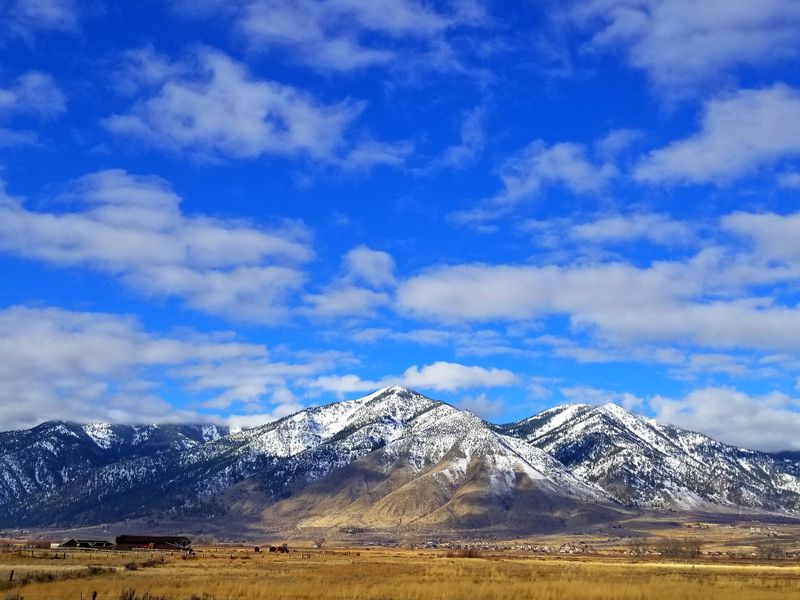
These twin towns blend together in the Carson Valley, creating a charming community where agricultural heritage meets mountain access beneath the dramatic eastern Sierra Nevada escarpment.
Wide streets lined with mature trees give both towns a settled, prosperous feel that reflects over a century of successful ranching and farming.
The valley floor stays relatively snow-free while surrounding mountains collect deep powder, creating a perfect base camp for winter mountain adventures.
Historic downtown Minden centers around a beautiful county courthouse with distinctive architecture that anchors the community’s civic pride.
Gardnerville’s Main Street supports locally owned businesses including Basque restaurants, western wear shops, and family bakeries that have served the valley for generations.
The Carson Valley Museum and Cultural Center explores regional history through exhibits covering Native American heritage, pioneer settlement, and ranching culture.
Winter brings the Carson Valley Christmas Faire, where local artisans sell handcrafted goods in a festive atmosphere with hot cider and live music.
Nearby Kingsbury Grade climbs dramatically toward Lake Tahoe, its switchbacks offering stunning winter views across the entire valley toward distant mountain ranges.
Cross-country skiing opportunities abound in the surrounding mountains, with trails ranging from beginner-friendly loops to challenging backcountry routes.
The valley’s ranching heritage remains visible in working cattle operations where winter means feeding livestock and maintaining fences despite cold temperatures.
Several hot air balloon companies operate from the valley floor, offering winter sunrise flights that reveal the landscape’s true scale and beauty.
These communities provide authentic small-town Nevada life where neighbors know each other and visitors receive genuine welcomes.
The combination of valley comfort and mountain access creates an ideal winter destination for those seeking both adventure and relaxation.
8. Reno
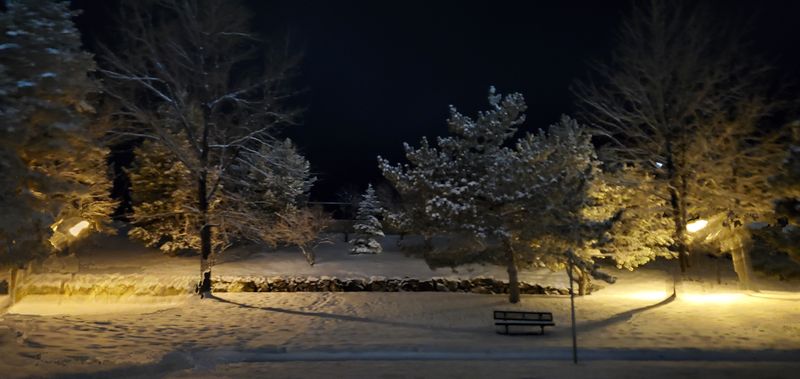
The Biggest Little City in the World transforms into a legitimate winter sports hub when snow falls on the surrounding Sierra Nevada peaks visible from downtown streets.
Urban amenities combine with mountain access in ways few American cities can match, with world-class ski resorts reachable in under an hour.
The revitalized downtown Riverwalk follows the Truckee River through the city center, its paths decorated with lights during winter months creating magical evening strolls.
Midtown’s collection of locally owned restaurants, coffee shops, and breweries gives Reno a creative energy that surprises first-time visitors expecting only casinos.
The National Automobile Museum houses an extraordinary collection of historic vehicles that provides perfect indoor entertainment during occasional stormy days.
Mount Rose Ski Resort sits just 25 minutes away, offering the highest base elevation in the Tahoe area and consequently some of the driest, lightest powder.
Ponderosa Ranch provided filming locations for the television show Bonanza, and while the theme park closed, the surrounding area offers excellent winter recreation.
The Nevada Museum of Art presents rotating exhibitions in a distinctive building that serves as architectural landmark and cultural anchor.
Reno’s food scene has exploded in recent years, with chef-driven restaurants serving everything from innovative farm-to-table cuisine to authentic international flavors.
The city hosts numerous winter festivals including a popular wine walk where participants sample wines while strolling through downtown galleries and shops.
Proximity to multiple ski resorts means visitors can sample different mountains throughout a single trip, experiencing varied terrain and atmospheres.
Evening entertainment ranges from casino shows to intimate live music venues showcasing regional and touring performers.
Reno proves that cities can serve as excellent winter destinations when they combine urban culture with easy mountain access.
9. Zephyr Cove
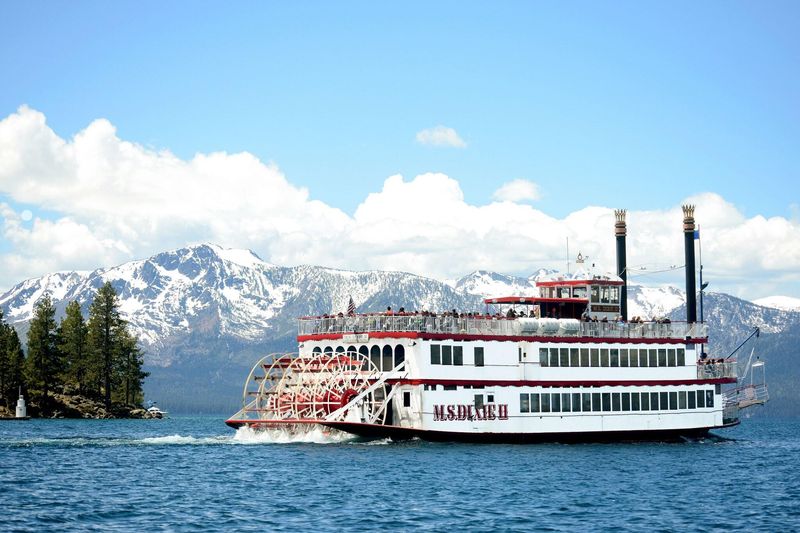
Situated on Lake Tahoe’s Nevada shore, this small community offers stunning alpine lake access without the crowds that pack California’s western shoreline.
The famous Zephyr Cove Beach takes on ethereal beauty during winter when snow meets sand and the impossibly blue water steams in cold morning air.
The MS Dixie II paddlewheel boat operates winter cruises that showcase Tahoe’s legendary clarity and surrounding peaks from a unique perspective on the water.
Heated cabins keep passengers comfortable while panoramic windows frame ever-changing views of snowy shorelines and granite cliffs.
Snowmobile tours depart from the cove area, taking riders into high country meadows and forests where winter silence feels absolute.
The Zephyr Cove Lodge maintains rustic mountain character with a restaurant serving comfort food and a bar where locals and visitors mingle easily.
Cabins scattered through the surrounding forest offer cozy accommodations where morning coffee on private decks reveals glimpses of blue water through pine branches.
Cross-country skiing along the lakeshore provides accessible winter exercise with constantly changing scenery as the trail winds past rocky points and sheltered coves.
Winter brings remarkable clarity to the lake, with visibility often exceeding 70 feet into the depths where ancient trees lie preserved in cold water.
The Nevada side of Tahoe generally receives less snow than the California side, making road access more reliable during major winter storms.
Sunset views from the cove rank among Tahoe’s finest, with alpenglow painting distant peaks pink and gold while the water reflects the spectacular show.
This lakeside village offers the perfect blend of alpine beauty and relaxed atmosphere for winter visitors seeking natural splendor.
10. Lamoille
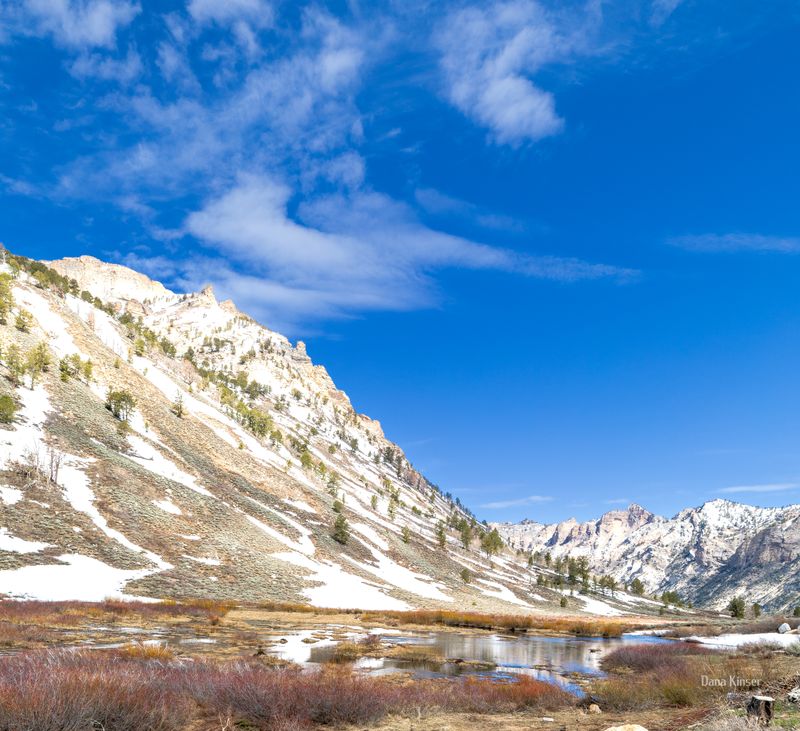
This tiny settlement sits at the gateway to Lamoille Canyon, one of Nevada’s most spectacular glacially carved valleys that rivals anything found in more famous mountain ranges.
The community consists of scattered ranches, a historic church, and a handful of homes where residents embrace isolation and natural beauty over urban convenience.
Lamoille Canyon Scenic Byway climbs 12 miles into the Ruby Mountains, its switchbacks revealing increasingly dramatic views of sheer granite walls rising thousands of feet.
Winter transforms the canyon into a Nordic skier’s paradise, with the snow-covered road becoming a popular route for those seeking sustained climbs through stunning scenery.
The road typically closes to vehicles around November, creating a peaceful corridor where only human-powered travel disturbs the winter quiet.
Snowshoers find endless exploration opportunities on summer hiking trails now buried under deep snow, creating an entirely different landscape to discover.
The Ruby Crest Trail begins near here, challenging experienced winter backpackers with a high-elevation route through true wilderness where self-sufficiency becomes essential.
Helicopter skiing operations access remote Ruby Mountain terrain, dropping experienced skiers onto untouched slopes for descents through powder that can measure waist-deep.
The small Lamoille community embraces its agricultural heritage, with working ranches continuing operations that date back to the 1800s when Basque sheepherders first settled the area.
A historic one-room schoolhouse stands as a reminder of frontier education when children rode horses through snow to reach their lessons.
Wildlife thrives in the surrounding mountains, with mountain goats, bighorn sheep, and mountain lions all inhabiting the rugged terrain.
Lamoille represents Nevada’s remote beauty at its finest, where winter visitors can experience true alpine wilderness just minutes from their vehicle.
Dear Reader: This page may contain affiliate links which may earn a commission if you click through and make a purchase. Our independent journalism is not influenced by any advertiser or commercial initiative unless it is clearly marked as sponsored content. As travel products change, please be sure to reconfirm all details and stay up to date with current events to ensure a safe and successful trip.
