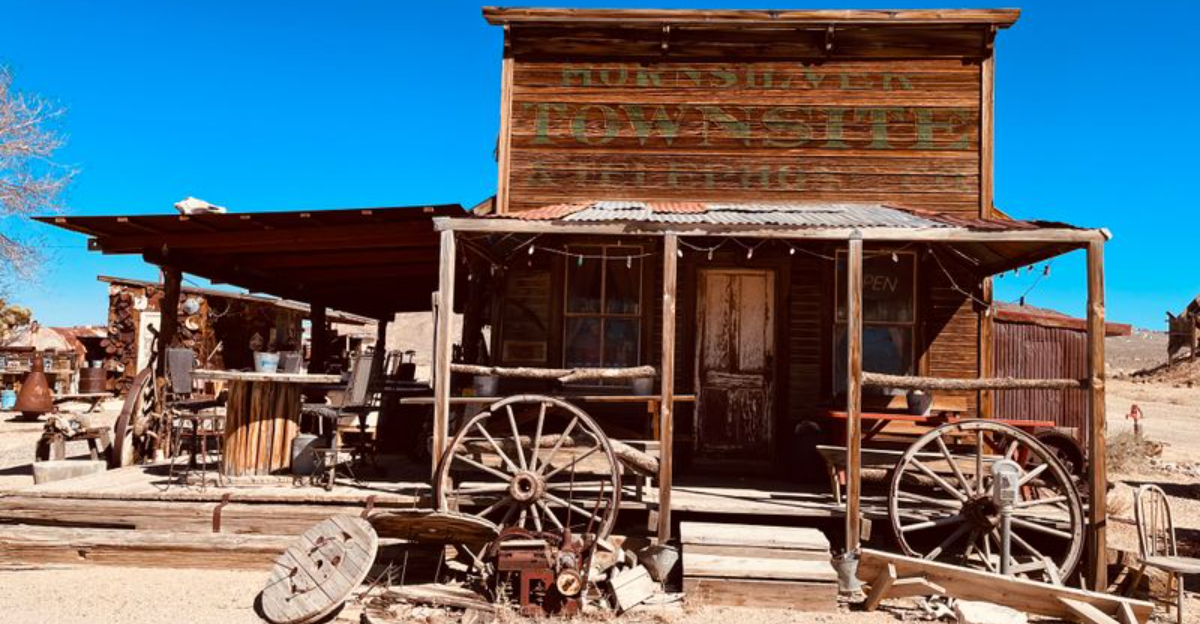
Goldfield, Nevada sits in the heart of Esmeralda County, a place where the desert wind carries whispers of a bygone era and the streets tell stories of boom and bust.
This remote census-designated place along U.S. Route 95, located 247 miles southeast of Carson City, was once a thriving gold mining metropolis that drew thousands seeking fortune in the early 1900s.
Today, with a population that has dwindled to just a few hundred souls, Goldfield stands as one of Nevada’s most hauntingly beautiful ghost towns, where visitors report hearing phantom footsteps echoing through empty buildings and feeling the presence of a past that refuses to fade away.
The abandoned structures, crumbling yet defiant against the harsh desert climate, create an atmosphere that draws adventurers, history enthusiasts, and paranormal investigators from across the country who want to experience a place where time seems to have stopped and the veil between past and present feels remarkably thin.
The Goldfield Hotel’s Haunting Presence
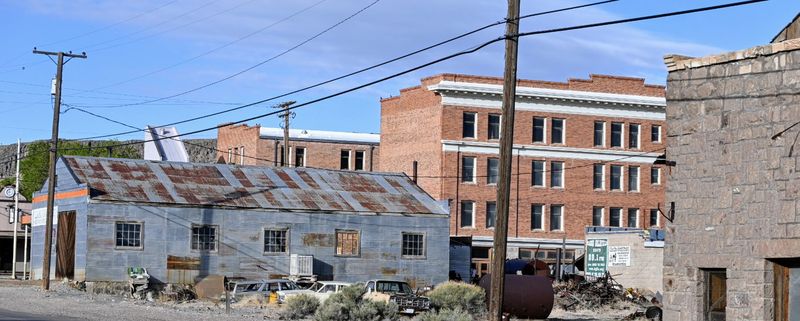
Standing tall against the Nevada sky, the Goldfield Hotel remains one of the most recognizable landmarks in this desert ghost town.
Built in 1908 during the height of the gold rush, this four-story structure was once considered the finest accommodation between Salt Lake City and San Francisco. Wealthy miners and businessmen would gather in its elegant lobby, conducting deals worth millions while enjoying luxuries rare in the Nevada desert.
The building’s grand architecture still hints at its former glory, though decay has claimed much of its interior.
Visitors who approach the hotel often report an unsettling feeling, as though invisible eyes watch from the dark windows above. The structure has been closed to the public for decades, yet stories persist of unexplained phenomena occurring within its walls.
Locals share tales of Elizabeth, a pregnant woman allegedly murdered in Room 109, whose spirit is said to wander the hallways.
Paranormal investigators have recorded strange voices and temperature drops inside the building. The hotel’s exterior alone provides a striking photo opportunity, with its weathered facade contrasting sharply against the bright desert sky.
Even from the street, the building emanates an atmosphere of melancholy and mystery.
The Goldfield Hotel represents the rise and fall of this mining camp perfectly. What was once a symbol of wealth and sophistication now stands as a monument to abandonment, where some believe the spirits of the past continue their eternal routines, creating those mysterious footsteps that echo through empty rooms.
Historic Downtown’s Crumbling Architecture
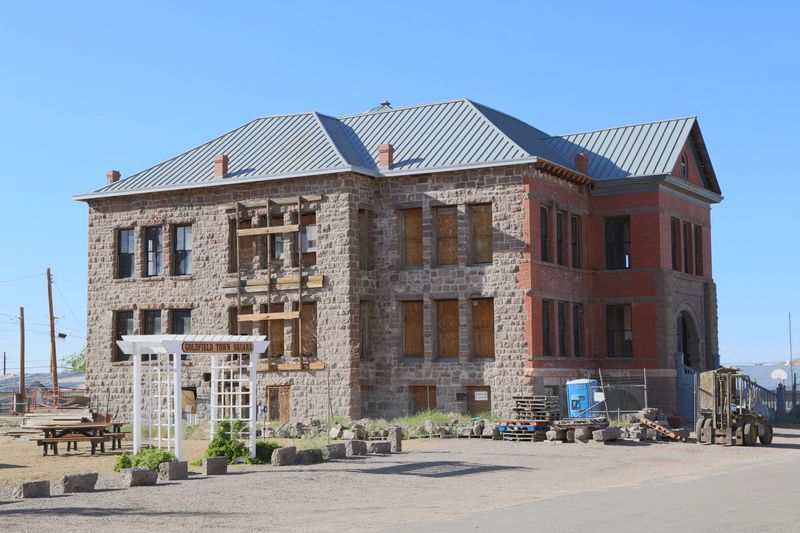
Walking along Goldfield’s main street feels like stepping onto an old western movie set, except everything here is authentically aged by time and desert elements.
The downtown area stretches along what was once a bustling commercial district where over 20,000 people conducted daily business during the town’s peak years between 1906 and 1910.
Wooden sidewalks, now rotted and dangerous, line streets where Model T Fords once kicked up dust.
False-front buildings, a hallmark of early 20th-century western architecture, lean at precarious angles, their paint long since stripped away by sandstorms and relentless sun. Some structures have partially collapsed, creating haunting silhouettes against the horizon.
Old storefronts with empty windows stare out like hollow eyes, their interiors exposed to the elements.
Signs, faded beyond recognition, still cling to some buildings, offering tantalizing hints about the businesses that once thrived here. General stores, saloons, assay offices, and boarding houses all contributed to a vibrant economy that vanished almost as quickly as it appeared.
Photographers find endless inspiration in the textures and compositions these ruins provide.
The contrast between the weathered wood, rusted metal, and the stark desert landscape creates visually stunning scenes. Morning and evening light transforms the buildings, casting long shadows that enhance their eerie beauty.
Exploring this area requires caution, as many structures are unstable and entering them is both dangerous and often prohibited. Yet even from the safety of the street, visitors can sense the energy that once animated this place and perhaps understand why some claim to hear phantom conversations and footsteps from an era long past.
The Esmeralda County Courthouse Legacy
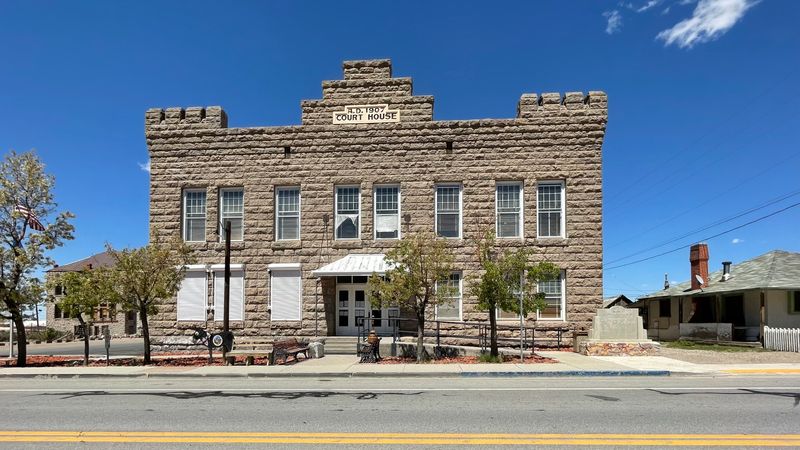
Goldfield serves as the county seat of Esmeralda County, and its courthouse stands as a testament to the town’s former importance in Nevada’s political and legal landscape.
Constructed during the boom years when Goldfield was the largest city in Nevada, the courthouse was designed with neoclassical elements that conveyed authority and permanence. Unlike many buildings in town, the courthouse has been maintained to some degree, as it still serves official county functions.
The building’s solid construction contrasts sharply with the more fragile wooden structures surrounding it.
Stone and brick materials have weathered the harsh desert conditions better than wood, allowing this structure to retain more of its original appearance. The courthouse represents the civic pride that characterized Goldfield during its golden age, when residents believed their town would become Nevada’s permanent capital.
Visitors can observe the building from outside and appreciate its architectural details, which seem almost too grand for such a small community today.
The contrast between the courthouse’s dignity and the surrounding decay creates a poignant reminder of how quickly fortunes can change. During Goldfield’s peak, important legal cases involving mining claims worth millions were decided within these walls.
Disputes over property, contracts, and mineral rights made the courthouse a center of activity and tension.
Today, the building operates quietly, serving a county with one of the smallest populations in Nevada. The surrounding landscape has reclaimed much of what was once developed land, leaving the courthouse standing somewhat isolated.
Some visitors report feeling watched when photographing the building, as though the judges, lawyers, and defendants who once filled its rooms still take an interest in those who pass by, their invisible presence contributing to the sense that Goldfield’s past remains very much alive.
Abandoned Mine Shafts and Tailings
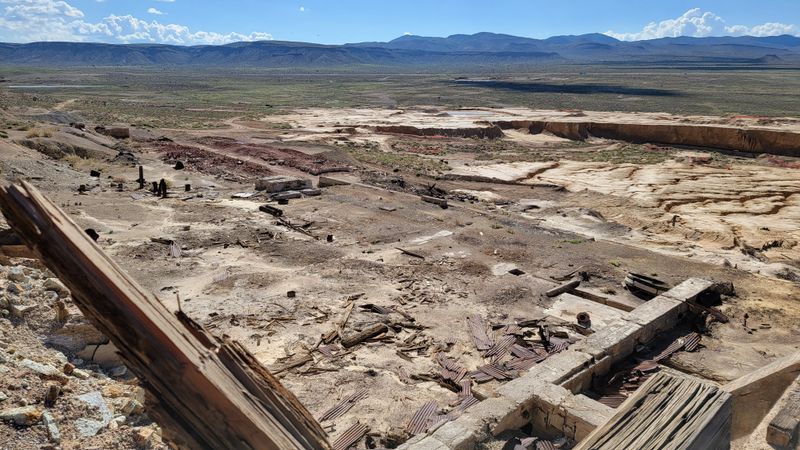
The landscape surrounding Goldfield is punctuated by countless reminders of the mining activity that gave the town its name and purpose.
Mine shafts, some marked and many not, dot the hillsides and valleys around the community. Massive tailings piles, the waste rock removed during ore processing, create artificial hills that contrast with the natural terrain.
These earthen monuments to human ambition and labor stretch across the desert, visible for miles.
During Goldfield’s boom, mines like the Mohawk, the Jumbo, and the Florence produced millions of dollars in gold ore. The extraction process required extensive infrastructure including headframes, processing mills, and transportation systems.
Much of this equipment still remains, rusting slowly under the Nevada sun.
Wooden headframes, once towering over active mine entrances, now lean dangerously or lie collapsed on the ground. Metal cables, wheels, and unidentifiable machinery parts scatter across the landscape like the bones of extinct mechanical creatures.
Exploring these mining sites requires extreme caution, as unmarked shafts pose serious dangers.
Many openings drop hundreds of feet straight down into darkness, and old timber supports have rotted away, making the ground unstable. Visitors should never approach or enter mine shafts, as collapses and toxic gases make them potentially lethal.
Even from safe distances, however, the scale of mining operations becomes apparent.
The sheer volume of earth moved and processed demonstrates the determination and hard work of those who sought fortune here. Some believe the spirits of miners who died in accidents still inhabit these areas, their phantom footsteps echoing in the tunnels below ground.
The mines represent both Goldfield’s greatest glory and the source of its eventual abandonment when the easily accessible ore ran out.
The High Desert Climate Experience
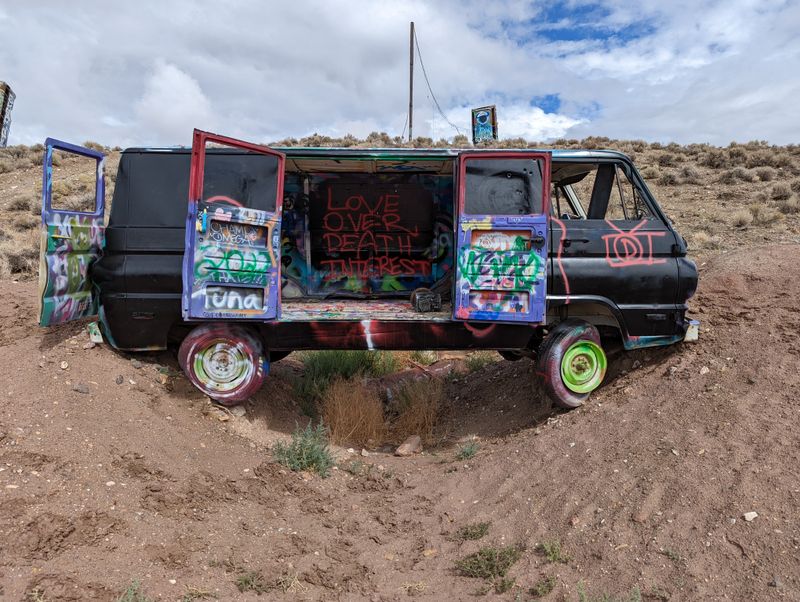
Goldfield sits at approximately 5,690 feet elevation in Nevada’s high desert, creating a climate that dramatically shapes both the landscape and the visitor experience.
Summer temperatures regularly exceed 90 degrees Fahrenheit, with the sun beating down relentlessly from cloudless skies. The dry air offers little humidity, causing sweat to evaporate almost instantly and making hydration critically important for anyone exploring the area.
The heat intensifies the sense of isolation and abandonment that characterizes this ghost town.
Winter brings a completely different character to Goldfield, with temperatures often dropping below freezing at night.
Snow occasionally dusts the surrounding mountains and even the town itself, creating stark and beautiful contrasts against the desert browns and tans. The cold season offers more comfortable conditions for exploration, though visitors must prepare for significant temperature swings between day and night.
Spring and fall represent the most pleasant times to visit, with moderate temperatures and occasional wildflower blooms adding color to the typically monochrome landscape.
The wind is a constant companion in Goldfield, sometimes gentle and other times fierce enough to create sandstorms that reduce visibility and sting exposed skin. This wind contributes to the eerie atmosphere, as it causes loose boards to creak, doors to bang, and metal to clang against metal.
Many reported phantom sounds might actually be the wind interacting with abandoned structures, though locals insist some noises have no natural explanation.
The clear desert air provides exceptional visibility on calm days, allowing views that stretch for dozens of miles across the basin and range landscape. At night, the absence of light pollution creates spectacular stargazing opportunities, with the Milky Way visible as a bright band across the sky.
This climate shaped the experiences of original residents and continues to impact modern visitors.
Route 95’s Lonely Highway Through Town
U.S. Route 95 serves as Goldfield’s main street and lifeline, connecting this isolated community to the rest of Nevada and the world beyond.
This highway stretches from the Canadian border in Idaho all the way to the Mexican border in Arizona, passing through some of the most remote and desolate terrain in the American West. The section running through Goldfield sees relatively light traffic, with long gaps between vehicles creating an atmosphere of profound solitude.
Travelers heading north toward Reno or south toward Las Vegas often stop in Goldfield out of curiosity or necessity.
The town offers one of the few places to refuel and rest along this stretch of highway, making it a practical stop as well as a historical attraction. Driving into town, visitors immediately notice the contrast between the modern paved highway and the deteriorating buildings that line it.
The road literally divides the community, with abandoned structures on both sides creating an informal corridor through ghost town territory.
Route 95’s presence ensures Goldfield never becomes completely isolated or forgotten.
The steady, if sparse, flow of traffic brings curious travelers who might not otherwise venture off major interstates. This highway connection also supports the small remaining population, allowing supplies and services to reach this remote location.
Many visitors report an uncanny feeling when driving through Goldfield, particularly during early morning or late evening hours when shadows are long and the light creates dramatic effects.
The empty streets branching off from Route 95 invite exploration, leading to more abandoned buildings and forgotten corners of the town. Some drivers claim to see figures in old-fashioned clothing standing near buildings, only to find no one there upon closer inspection.
The highway’s lonely passage through Goldfield reinforces the sense that this is a place caught between past and present, where the modern world briefly intersects with history before continuing onward.
The International Car Forest Art Installation
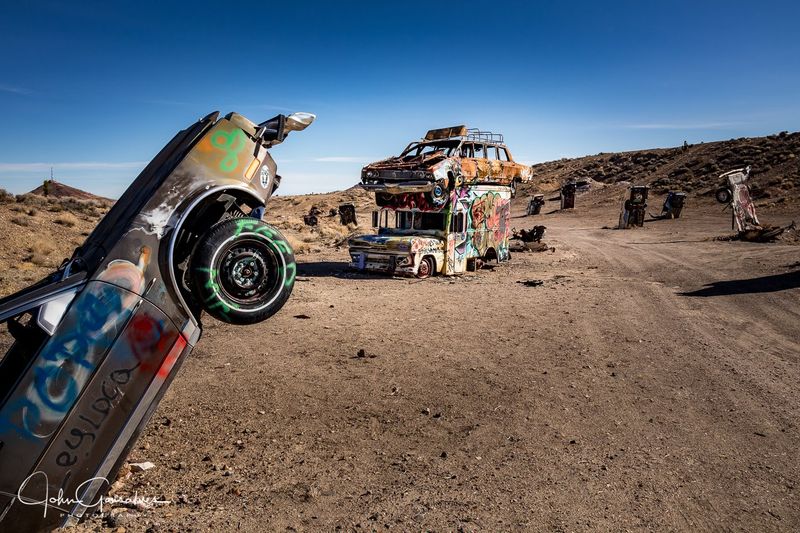
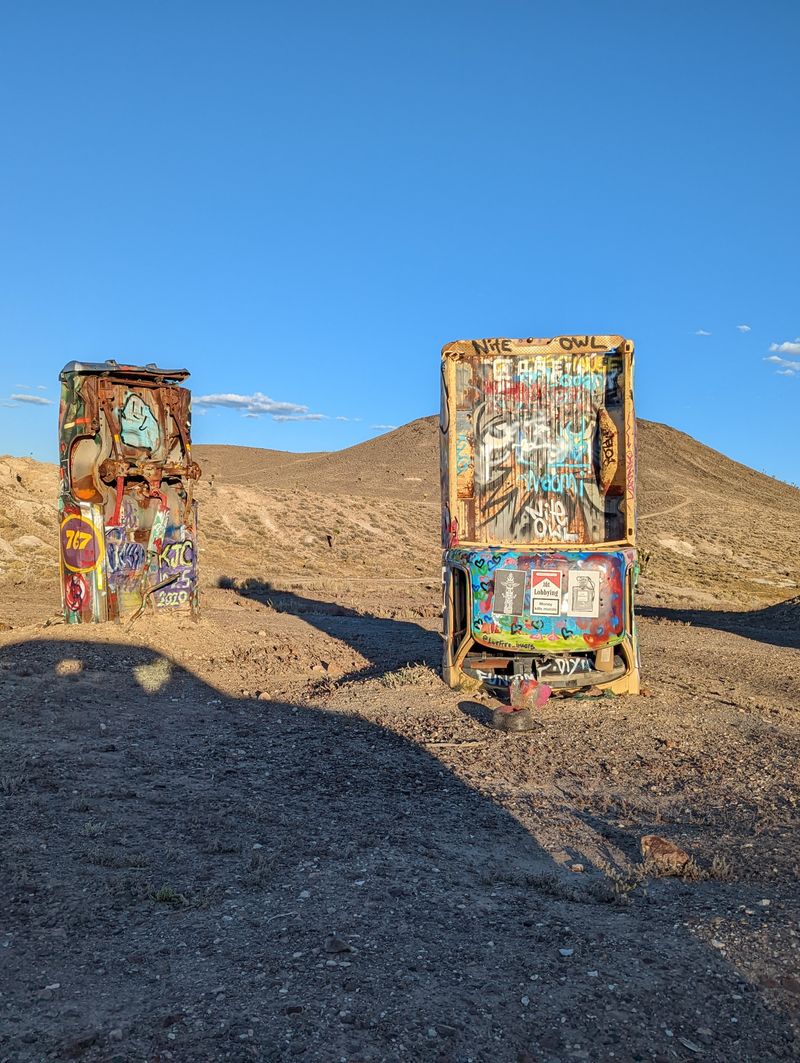
Just outside Goldfield proper, an unexpected burst of color and creativity contrasts sharply with the ghost town’s decay.
The International Car Forest of the Last Church is an outdoor art installation featuring approximately 40 vehicles planted nose-down in the desert soil at various angles, creating a surreal automotive graveyard turned gallery. Artists have painted these cars with vibrant murals, political statements, abstract designs, and personal messages, transforming automotive refuse into expressive art.
This unusual attraction was created by artists Mark Rippie and Chad Sorg beginning in 2002.
The installation has grown over the years as more vehicles were added and different artists contributed their visions to the metal canvases. The contrast between the bright, intentional art and the unintentional decay of Goldfield’s historic buildings creates an interesting dialogue about abandonment, creativity, and transformation.
Visitors can walk freely among the cars, examining the artwork up close and adding their own contributions if they wish.
The site has become a popular photography location, with the unusual compositions and desert backdrop providing memorable images. Some vehicles stand nearly vertical, their tires pointing skyward, while others lean at angles that seem to defy physics.
The art installation adds a contemporary layer to Goldfield’s identity as a place of abandonment and reinvention.
While the ghost town represents unintentional decay, the Car Forest shows deliberate transformation of discarded objects into something meaningful. Both sites explore themes of obsolescence and the marks humans leave on landscapes.
The location’s isolation enhances its impact, as visitors must make a deliberate journey to experience it rather than stumbling upon it accidentally.
This remoteness mirrors Goldfield’s own isolation and contributes to the sense that this entire area exists outside normal space and time, a place where conventional rules don’t quite apply and unexpected encounters with art, history, and perhaps the supernatural should be anticipated.
Seasonal Desert Wildflower Transformations
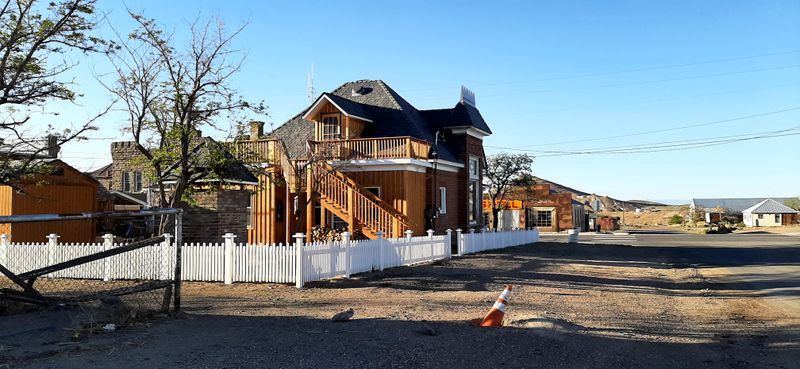
Most of the year, Goldfield’s landscape appears in shades of brown, tan, and gray, with sparse vegetation struggling against the harsh conditions.
However, spring occasionally brings a dramatic transformation when winter rains have been sufficient to trigger wildflower blooms across the desert. During these special years, the ground around abandoned buildings and between sagebrush erupts in carpets of color, with species adapted to desert conditions making the most of brief favorable conditions.
Desert marigolds, lupines, paintbrush, and various other wildflowers can blanket the area, creating stunning contrasts with the weathered buildings and rusty mining equipment.
These blooms typically peak in April or May, though timing varies depending on rainfall and temperature patterns.
The flowers transform Goldfield from a monochrome ghost town into a more complex landscape where decay and renewal coexist. Photographers particularly prize these periods, as the juxtaposition of colorful life against abandoned structures creates powerful visual metaphors.
The wildflower phenomenon reminds visitors that the desert, despite appearing dead or dormant, contains abundant life waiting for the right conditions to flourish.
This cycle of dormancy and bloom mirrors Goldfield’s own history of boom and bust, though unlike the town’s human population, the desert vegetation reliably returns when conditions permit. The flowers attract pollinators, including various bee species and occasional butterflies, adding movement and sound to normally still and quiet scenes.
Experiencing Goldfield during a bloom year offers a different perspective than visiting during the typical dry months.
The softening effect of flowers makes the abandonment seem less harsh and more melancholic, as though nature offers beauty as consolation for human departure. Some visitors report that the ghost town feels less haunted during bloom periods, as though the living plants somehow balance or dilute the presence of the past.
Whether this reflects actual supernatural dynamics or simply human psychological responses to color and life remains a matter of personal interpretation.
The Remaining Population’s Quiet Existence
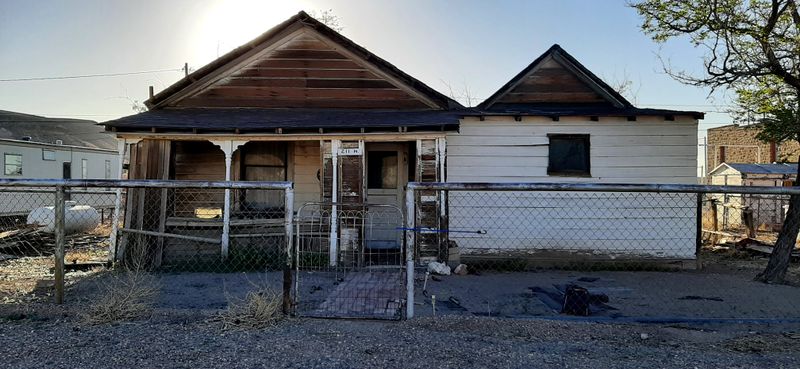
Despite its ghost town reputation, Goldfield maintains a small but persistent population of approximately 268 residents according to recent census data.
These individuals have chosen to make their homes in one of Nevada’s most remote and historically significant communities, creating a unique lifestyle that blends modern conveniences with frontier-like isolation. The occupied homes and trailers scattered among abandoned buildings create an unusual patchwork where past and present coexist in close proximity.
Current residents include county employees who work at the courthouse, business owners operating the few commercial establishments, retirees seeking solitude and low living costs, and individuals drawn to the area’s unique character.
Life in Goldfield requires self-sufficiency and tolerance for limited services.
The nearest major shopping and medical facilities are hours away, meaning residents must plan carefully and handle many situations independently. This isolation appeals to those seeking escape from urban crowding and complexity.
The small population creates a tight-knit community where everyone knows their neighbors and cooperation becomes necessary for practical reasons.
Residents often share resources, information, and assistance in ways that have become rare in larger communities. This social dynamic resembles earlier American small-town life more than contemporary suburban or urban existence.
Visitors should respect that Goldfield is home to real people, not just a tourist attraction or abandoned movie set.
While many buildings are abandoned and publicly accessible, some properties remain private residences where trespassing is both illegal and disrespectful. The residents generally welcome respectful visitors interested in their town’s history, but they understandably object to intrusions on their privacy or property damage.
These modern inhabitants add another layer to Goldfield’s story, demonstrating that places written off as dead can maintain life and community, however small.
Their presence also contributes to the town’s mysterious atmosphere, as lights in windows and occasional sounds of activity can surprise visitors expecting complete abandonment.
Paranormal Investigation Destination Status
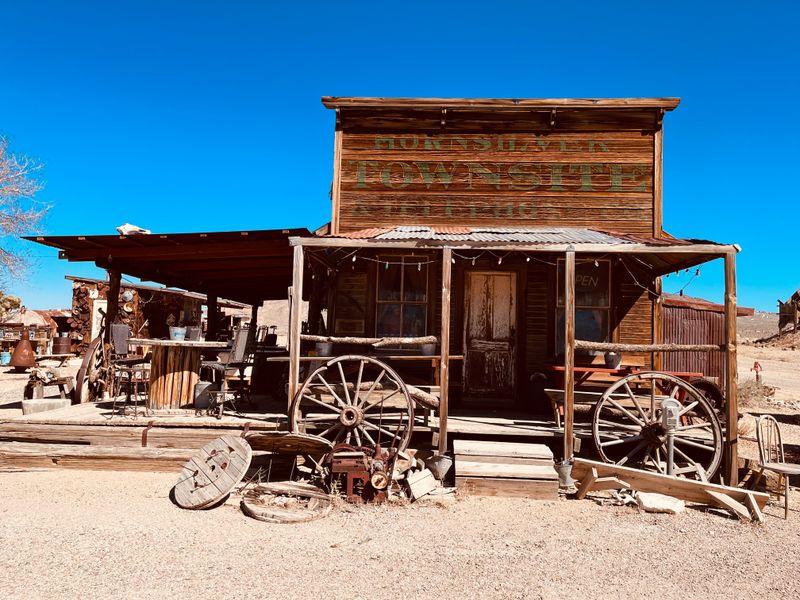
Goldfield has gained significant attention from paranormal investigators and ghost hunting enthusiasts, with several television shows featuring the town in episodes about haunted locations.
The combination of tragic history, abandoned buildings, and numerous reported experiences has established Goldfield as one of Nevada’s most reputedly haunted destinations. Stories of unexplained phenomena have circulated for decades, drawing those hoping to experience something beyond ordinary reality.
The Goldfield Hotel receives particular attention from paranormal investigators, with Room 109 and Elizabeth’s alleged spirit becoming focal points for investigations.
Visitors and investigators have reported hearing voices, seeing shadow figures, experiencing sudden temperature changes, and feeling unseen presences throughout various buildings. Some claim to have captured electronic voice phenomena during recordings, hearing responses to questions when no living person spoke.
Skeptics attribute these experiences to natural explanations including wind, settling structures, wildlife, psychological suggestion, and the human tendency to find patterns in random phenomena.
The power of expectation cannot be discounted when people visit locations with haunted reputations, as anticipation can heighten awareness and interpretation of normal occurrences as paranormal. Creaking buildings, shifting shadows, and desert wind create plenty of ambiguous stimuli that minds primed for supernatural experiences might interpret as ghostly activity.
Regardless of whether genuine paranormal activity occurs in Goldfield, the town’s atmosphere undeniably creates unease and heightened awareness in many visitors.
The isolation, decay, and historical knowledge of deaths and hardships that occurred here combine to create psychological conditions conducive to eerie feelings. Walking through abandoned buildings where people once lived, worked, loved, and died naturally prompts reflection on mortality and the persistence of the past.
Whether the footsteps echoing through Goldfield’s empty spaces belong to actual spirits or represent metaphorical resonances of history depends on individual belief, but the town’s ability to evoke powerful responses in visitors remains undeniable and continues drawing curious travelers to this remote Nevada location.
Dear Reader: This page may contain affiliate links which may earn a commission if you click through and make a purchase. Our independent journalism is not influenced by any advertiser or commercial initiative unless it is clearly marked as sponsored content. As travel products change, please be sure to reconfirm all details and stay up to date with current events to ensure a safe and successful trip.
