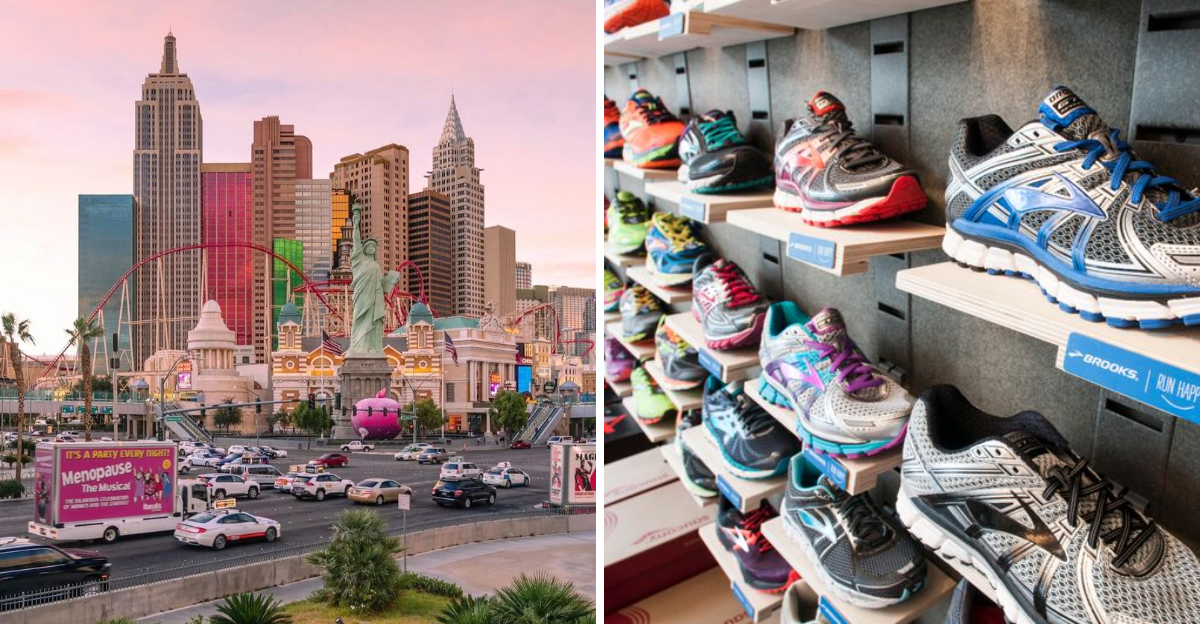
Nevada loves big lights, bigger skies, and surprisingly specific rules that might catch you off guard.
You can wander from glittering casinos to red rock canyons and still stumble onto a quirky ordinance that shapes how the day unfolds.
These laws range from historic leftovers to modern crowd control tools that keep popular streets moving.
You will learn what to do, what to skip, and why it all exists.
Read on so your next Nevada trip stays smooth, smart, and fun.
1. No Camels on the Highway
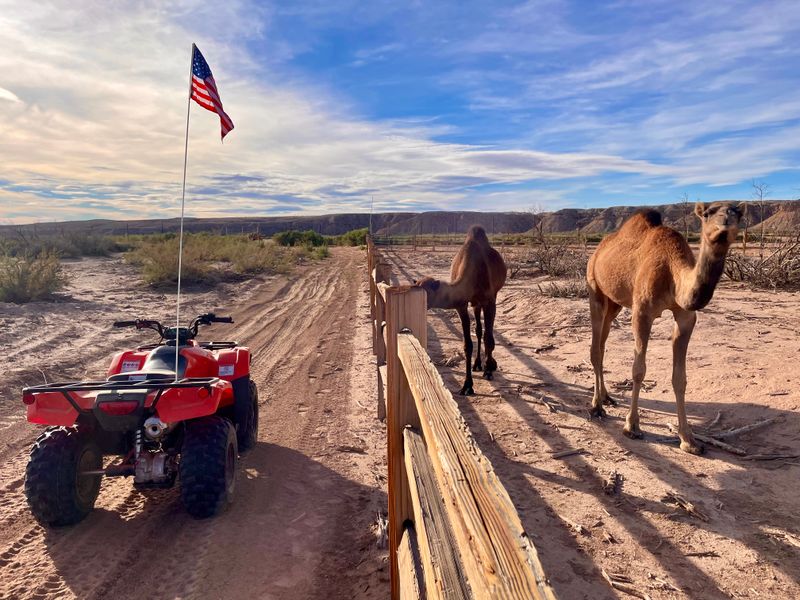
Nevada once experimented with camels as rugged freight haulers across mining corridors, and the animals were strong enough to carry heavy loads over dry basins and rocky passes.
That history left a legal trace in an 1875 act that prohibited camels and dromedaries from running at large on public highways, and the rule targeted safety because horses were spooking at the sight and smell of the tall ungulates.
Today you are unlikely to meet a camel on US 95 or US 50, but the law is often cited as a colorful reminder that Nevada evolved quickly from frontier logistics to modern travel culture.
The statute is referenced in historical summaries and local museum notes that describe how mining supply chains adapted once rail lines and reliable wagons rendered camels unnecessary for ore and water transport.
It reads odd at first glance, yet it sits alongside many traffic rules that protect people and property from unpredictable hazards on open roads.
If you plan a desert photo shoot with novelty animals, keep the creatures off public highways and arrange a permitted private location, since a citation can still land even if the encounter feels whimsical.
Ranch roads and private land operate under different circumstances, so confirm permissions and insurance before any animal handling or performance work near traffic.
The broader lesson is simple, and it helps travelers who roam beyond Las Vegas into quieter valleys where livestock and wildlife sometimes cross lanes without warning.
Look for roadside animal signs, slow down at dusk, and give extra space when passing horse trailers or ranch trucks that may transport sensitive animals.
Nevada law protects motorists, handlers, and animals from risky surprises, and the camel ban endures as a vivid symbol of how the state balances romance with real safety.
2. No Pawning Dentures in Las Vegas
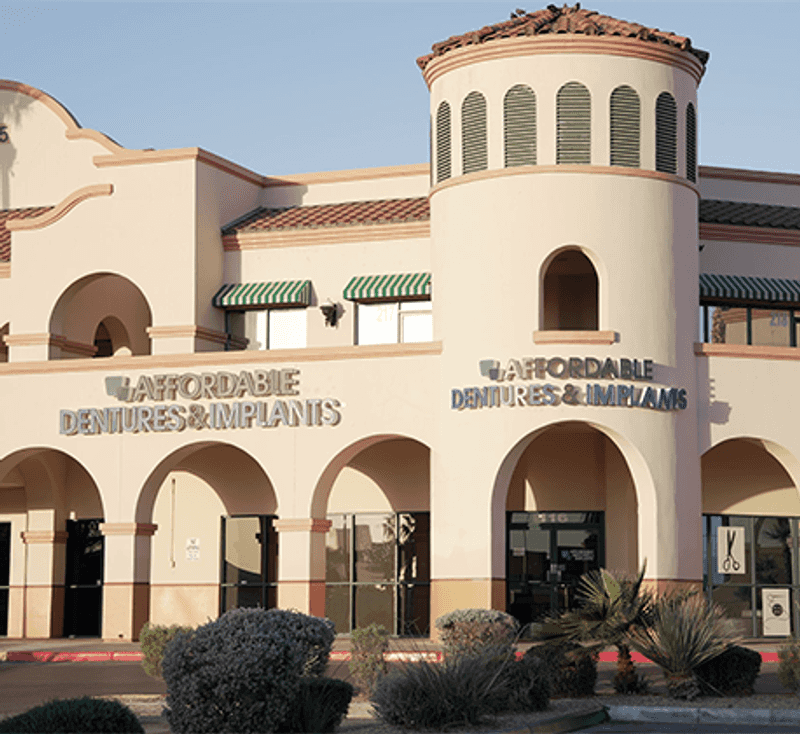
Las Vegas regulates pawn transactions closely, and one quirky rule pops up in conversations with visitors who love browsing neon signed shops off the Strip.
Pawnbrokers in the city are not allowed to accept dentures as collateral, because dentures count as prescribed medical devices that cannot be resold or auctioned legally.
The practical effect is that a shop will turn away dental plates even if the person insists on a short term loan during a tight travel moment.
You will see many categories that pawn shops can accept, like certain tools or electronics, yet medical devices sit behind a firm barrier to protect health and consumer safety.
The policy prevents a resale market for items tailored to individual mouths, and it avoids hygiene issues tied to secondhand medical gear.
If a friend jokes about handing over a smile for quick cash, tell them the ordinance blocks that route and suggests more conventional collateral instead.
Shops also record identification and follow strict tracking systems that reduce theft risks and support recovery when police search for stolen property.
When you browse a location near the Arts District or Downtown, expect posted notices that summarize categories the store cannot touch under city rules.
Nevada loves creative commerce but places clear lines where public health could be compromised or where fit and prescription matters simply cannot transfer.
Keep your dental items in your travel kit, look for alternative options if you need money, and enjoy the spectacle of Las Vegas pawn culture without stepping over the legal line.
3. Hula Hoop Restrictions on Fremont Street
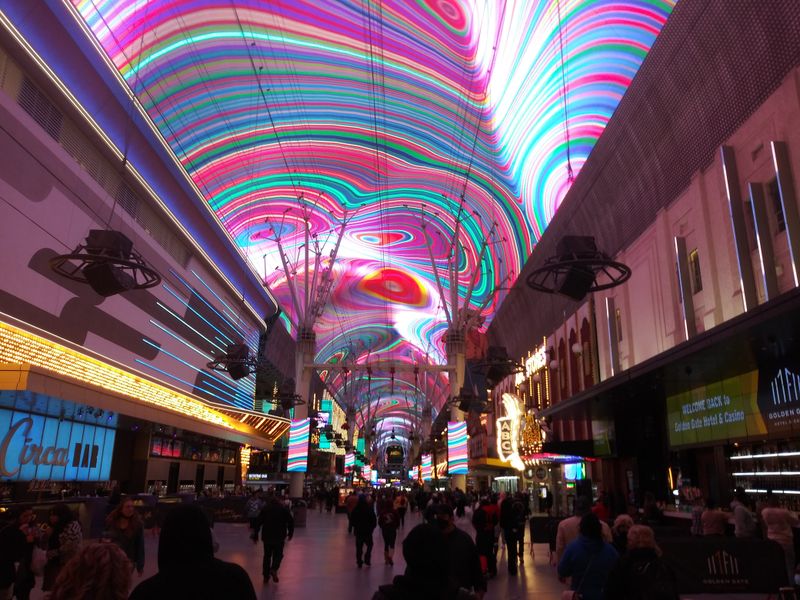
Fremont Street feels like a glowing river of music and neon, and the city keeps it flowing with rules that trim bulky props from crowd space.
Las Vegas Municipal Code section 11.68.100 limits the use of hula hoops larger than four feet in diameter on the Fremont Street Pedestrian Mall to prevent obstruction.
The canopy draws tight clusters of visitors, and a giant hoop can sweep wide arcs that bump shoulders or trip walkers who are watching the light show above.
If you like to perform, choose a smaller hoop or move to a designated performance zone that can handle a safe circle around your routine.
Street safety policies also coordinate with event staff and security teams who direct performers toward clear margins where visibility and foot traffic remain balanced.
You will notice posted rules, taped boxes, and time slots during busy nights, and those tools keep spontaneity alive without turning the walkway into a hazard.
Make sure your gear fits within the diameter rule, and pack a measuring tape so you can prove compliance if a marshal asks for details.
Fremont Street is a shared stage, and the ordinance helps everyone see the canopy shows while strollers and mobility devices move without sudden blockages.
Las Vegas thrives on spectacle, yet it treats pedestrian flow like a lifeline that protects families and keeps emergency lanes open during peak hours.
Bring smaller props, keep your spins tight, smile for photos only when clear space opens around you, and enjoy a lively night under the famous lights.
4. No Swearing in Public in Las Vegas
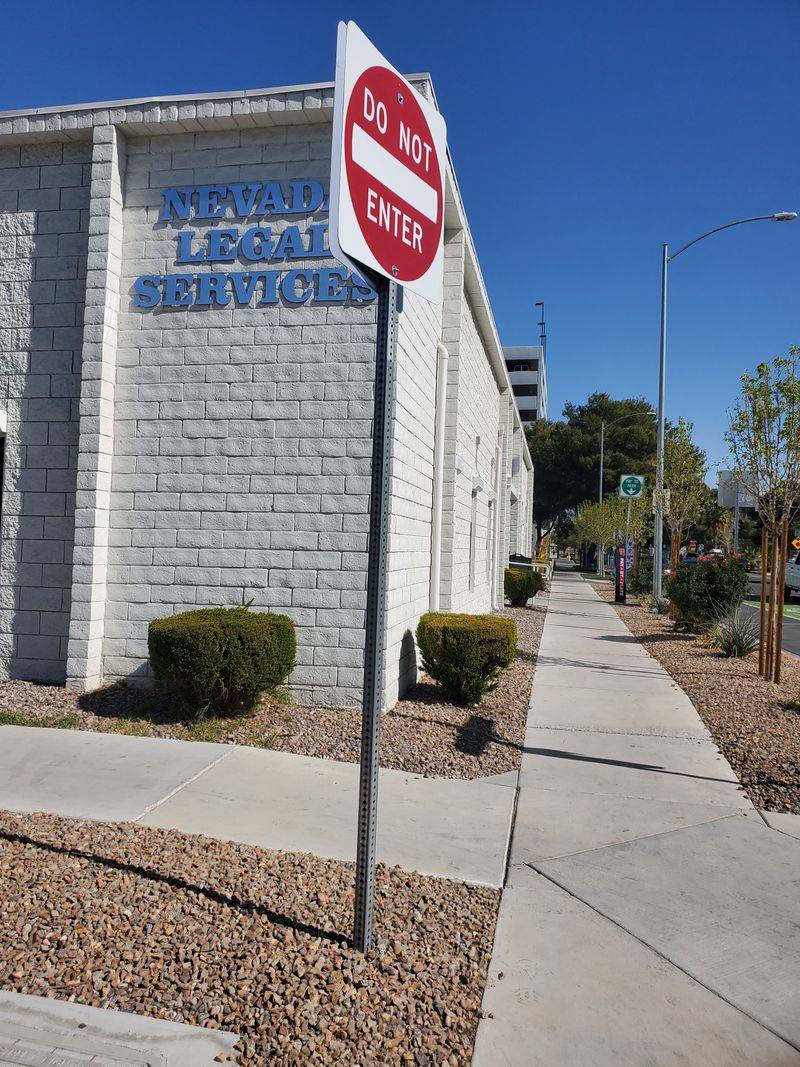
Visitors are often surprised to learn that Las Vegas still carries an ordinance against profane or obscene language in public streets, alleys, and highways.
Las Vegas Municipal Code section 10.40.030 spells out the prohibition and remains on the books even if enforcement is infrequent during normal tourism.
The rule sits within a broader set of public order measures that aim to de escalate conflicts before they ripple through busy sidewalks.
Security staff and officers usually focus on behavior that threatens safety rather than quick heated words, but they can cite language when situations escalate.
You will be fine if you keep conversations respectful and steer clear of loud confrontations, especially near family areas and transit stops.
Local guides suggest moving away from crowds to cool off if tensions rise, and that simple step often avoids misunderstandings with nearby patrols.
The ordinance reflects an older approach to street civility that many cities once used to temper flashpoint moments in dense districts.
In practice, it works as a tool alongside noise and obstruction rules that give authorities options when a dispute disrupts public flow.
Remember that tourists share space with workers and residents, and considerate speech helps everyone enjoy Nevada nights without unnecessary drama.
Keep it light, pivot when tempers flare, and save strong language for private spaces where the city rules no longer apply in the same way.
5. Illegal to Lie Down on Reno Sidewalks
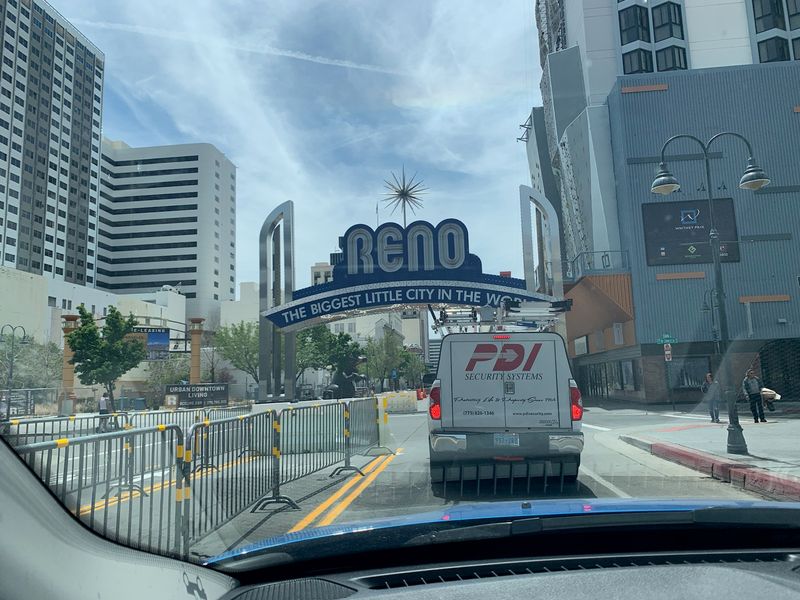
Reno manages busy pedestrian corridors through a sidewalk sitting and lying ordinance that targets the Downtown Reno Regional Center.
Reno Municipal Code section 8.12.012 makes it unlawful to sit or lie down on public sidewalks in that zone, and the aim is to keep footpaths open.
The Truckee River Walk and nearby blocks funnel event crowds during summer festivals, and clear lanes help emergency responders move quickly when needed.
You can still use benches, plazas, and park seating that the city provides, so rest breaks remain possible without spilling into walkway space.
Signs and outreach teams direct people toward services and legal resting spots, and they educate visitors about hours and boundary maps.
Travelers who stop for photos should step aside to building edges where stopping briefly does not block steady movement along storefronts.
The ordinance pairs with litter and obstruction rules that reduce tripping hazards created by bags, scooters, or carts left across narrow stretches.
Enforcement often starts with a warning, and compliance usually solves the issue before a citation enters the picture.
Reno promotes walkability and public art, and the rule supports that mission by thinning bottlenecks around bridges and festival entrances.
Plan short rests at parks along the river, keep gear tidy near your feet, and you will navigate Nevada streets without a hiccup.
6. No Feeding Pigeons in Clark County
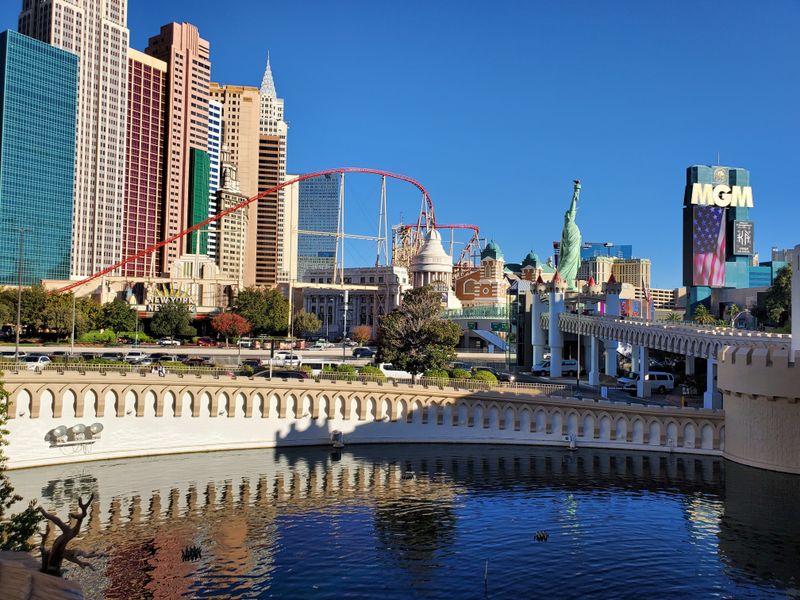
Clark County restricts feeding pigeons in designated areas to keep flocks from booming and overwhelming plazas and building ledges.
The policy aims to cut property damage and reduce sanitation issues that appear when birds gather in large numbers around easy food sources.
Local notices warn that violators may face fines up to one thousand dollars or even short jail terms in extreme repeat cases.
You will see signs in parks and on downtown blocks that say do not feed wildlife, and those instructions include pigeons even when the wording looks broad.
Public health agencies link leftover food to droppings and mites that move from perches into vents and roof equipment.
Travel smiles go farther when bags stay closed and crumbs get cleaned, and that helps maintenance crews keep Nevada venues pleasant.
Photographers can still capture flocks in motion by waiting near natural gathering points where people are not tossing food into the air.
If a child asks to scatter bread, explain that the rule protects the birds as well, because dependency on handouts weakens foraging behavior.
Clark County balances animal appreciation with urban needs by giving parks regular cleanup and steering feeding toward supervised programs if offered.
Pack snacks for yourself, keep them sealed, and leave the pigeons to their own menu while you explore the Strip and nearby neighborhoods.
7. Unicycles Banned on Fremont Street
The Fremont Street Experience enforces a clear list of prohibited devices to prevent collisions in dense walking zones.
Unicycles appear on that list alongside skateboards and roller skates, because narrow wheels and sudden balance shifts can sweep through shoulder height crowds.
You will notice security teams guiding riders to dismount before they enter the pedestrian mall and pointing toward alternative routes on adjacent streets.
This policy fits with performance space rules that separate fast motion from packed tourist corridors filled with families and live stages.
Riders who arrive from bike friendly paths should plan to walk their gear under the canopy and remount only once they exit the controlled zone.
The idea is not anti sport, and it simply keeps injuries down during peak hours when light shows draw thousands into a few city blocks.
Signs and audio announcements provide reminders, and crews respond quickly to near misses so the mall remains pleasant and predictable.
If you want action shots, consider a plaza or side street with room for safe turns, and bring protective gear to model responsible use.
Las Vegas loves kinetic energy, yet the rules keep Fremont Street navigable for strollers, mobility devices, and tour groups moving between stages.
Pack patience, roll gently on the outskirts, and let the heart of the mall stay a walk only zone that everyone can enjoy without worry.
8. Pawn Shops Cannot Deal with the Intoxicated
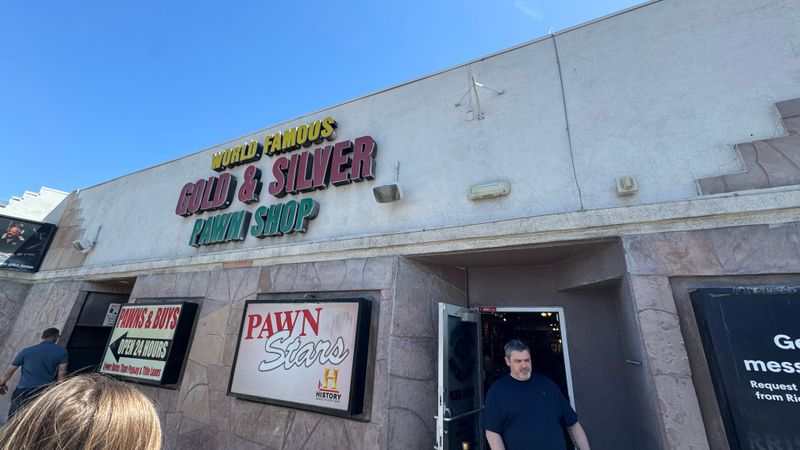
Nevada Revised Statute 646.060 bars pawnbrokers from accepting property from anyone who appears intoxicated or under the influence of controlled substances.
The rule supports fair transactions by requiring clear judgment during valuation and pledging, and it helps prevent exploitation during vulnerable moments.
Shops train staff to watch for slurred speech, unsteady movement, or other impairment cues, and they can refuse service if doubts arise.
Documentation practices add another layer, with identification checks and recorded descriptions that tie items to specific owners for later redemption.
Travelers who have a rough day should wait until fully alert before attempting a pledge, because a refused deal can feel frustrating during a tight schedule.
The statute aligns with consumer protection goals that keep Nevada commerce transparent and traceable even in busy urban districts.
It also discourages fencing by blocking quick sales that rely on hurried clerks and foggy decision making under bright lights.
If a companion looks unwell, ask staff for a pause and step outside to regroup, which usually solves misunderstandings without conflict.
Shops want repeat customers who trust the process, so clear head transactions help both sides leave with accurate tickets and expectations.
Plan ahead, bring valid identification, and approach any pawn counter ready to think calmly about value, timeframes, and retrieval.
9. Funeral Processions May Disobey Traffic Lights
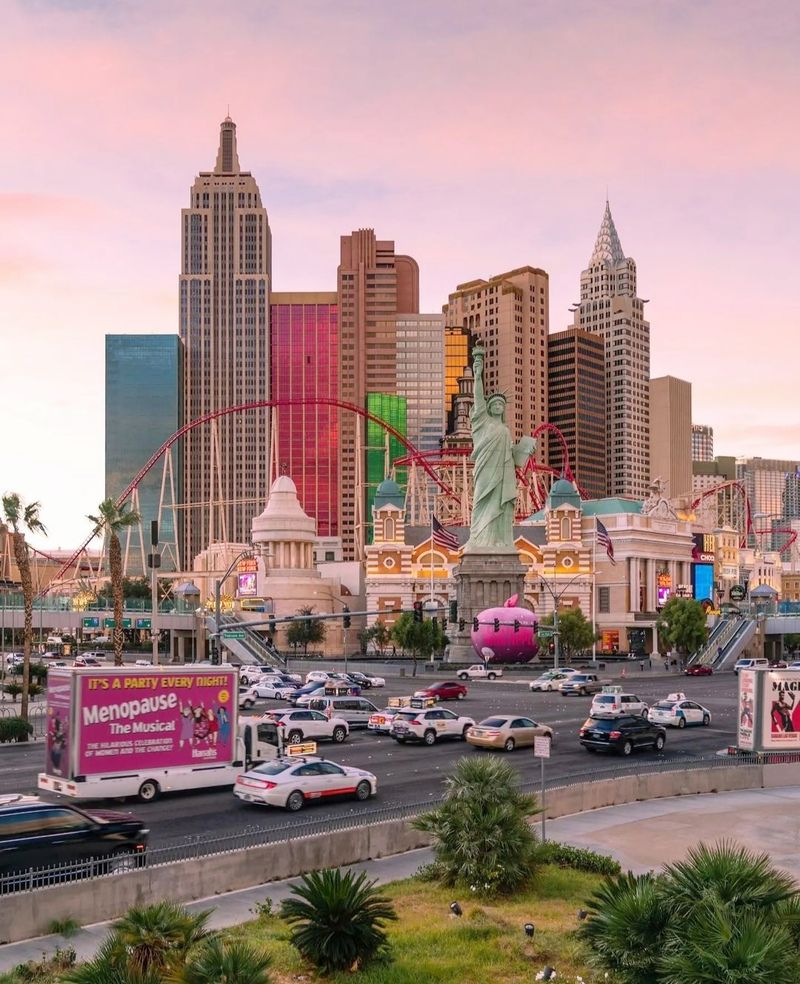
Nevada allows funeral escorts to manage intersections with special authority that keeps processions together during sensitive moments.
Nevada Revised Statute 484B.700 permits vehicles that direct the procession to proceed through red lights or stop signs after slowing and ensuring safety.
The same law lets escorts exceed the speed limit by up to fifteen miles per hour to reach the next intersection and control traffic with signals.
Other drivers should yield to the procession, remain patient, and avoid cutting between vehicles that display headlights or flags indicating participation.
The goal is to prevent separations that add stress for families and create confusion in mixed traffic along urban corridors.
You may see motorcycle units or marked cars block cross streets briefly while the line passes, and their movements follow training and protocol.
Travelers should watch for hand signals and temporary lane holds, then continue normally once the road opens and officers wave traffic through.
This exception exists for coordination and respect, not for general drivers to mimic, so do not follow escorts unless you are part of the group.
The law highlights how Nevada balances safety with community rituals that deserve continuity during city driving.
Slow down, observe directions, and let the procession move as one, and your detour will be short and courteous.
10. No Shoe Fitting X Rays
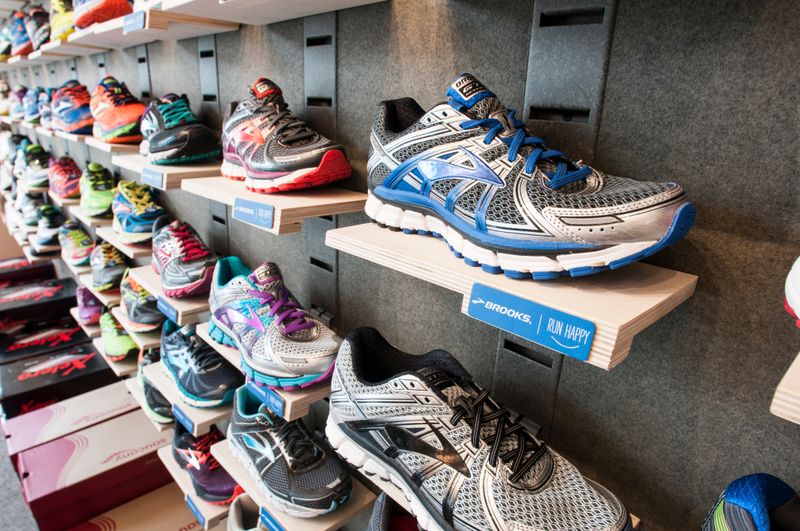
Nevada bans the use of x ray or fluoroscopic machines for fitting or selling shoes, which reflects mid century concerns about radiation exposure.
Nevada Revised Statute 459.201 captures the policy and places shoe fitting fluoroscopes squarely in the do not use category for retail environments.
Decades ago stores marketed glowing foot viewers as futuristic tools, yet medical research eventually linked unnecessary exposure to health risks.
Modern shops rely on measuring devices and careful fitting techniques that do not involve ionizing radiation in the sales process.
You might spot a retired fluoroscope in a museum exhibit or a private collection where signage explains the history and the safety shift.
If a novelty display appears in a themed store, staff should present it as decor only with no operation permitted under current law.
Travelers curious about retail history can look for museum notes that describe how states phased out the machines during the late twentieth century.
The statute serves as a reminder that technology can be exciting and still demand firm limits once risks become clear through data.
Nevada leans into innovation while guarding public health, and this rule shows how practical guardrails can keep shopping safe and simple.
Expect standard measuring boards and friendly fit checks, and leave the vintage glowing boxes as photo worthy artifacts of another era.
Dear Reader: This page may contain affiliate links which may earn a commission if you click through and make a purchase. Our independent journalism is not influenced by any advertiser or commercial initiative unless it is clearly marked as sponsored content. As travel products change, please be sure to reconfirm all details and stay up to date with current events to ensure a safe and successful trip.
