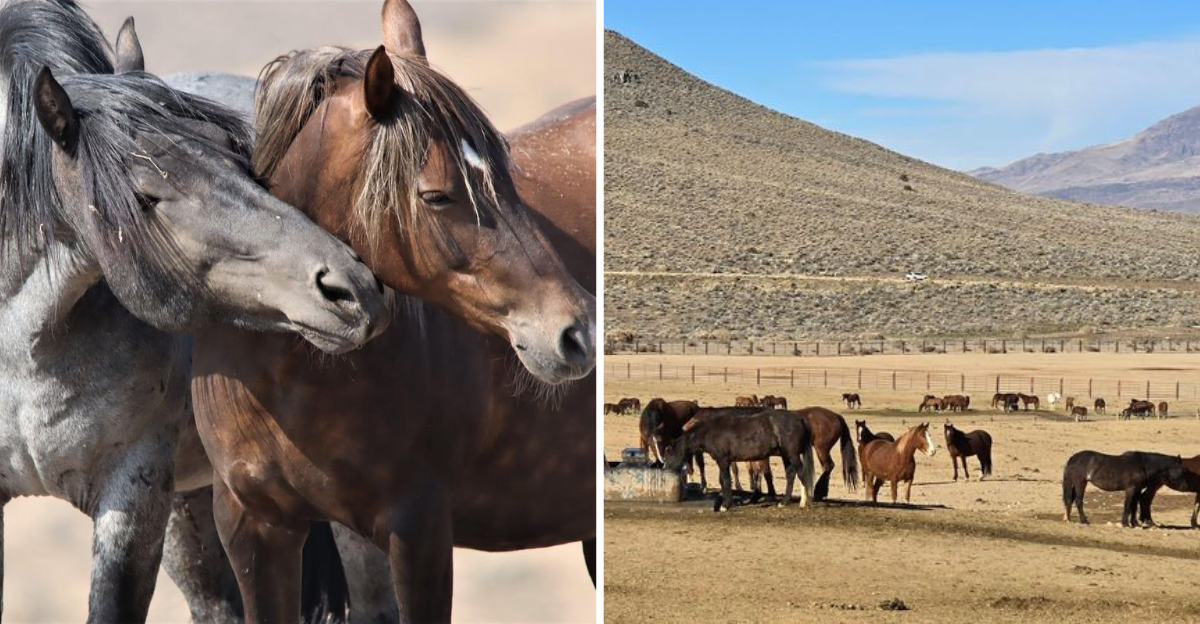
There is something that stops everything the moment wild mustangs appear across a Nevada hillside. Dust lifts into the air, hooves thunder through open desert, and for a brief stretch of time the landscape feels entirely theirs.
A road trip through Nevada can shift instantly from quiet highway miles to an unplanned front-row view of the American West in motion. Nevada holds more wild horses than any other state, and a few key regions offer the strongest chances to witness them roaming free. Each area carries a different character, from wide basins to rugged mountain edges where herds move like shifting silhouettes against endless sky.
The experience feels less like sightseeing and more like stepping into something ancient and untamed. Long stretches of silence only deepen the moment when movement breaks across the horizon. Sunlight, wind, and open distance shape every encounter in a way that feels unforgettable.
For anyone drawn to raw landscapes and unfiltered nature, this journey delivers a rare glimpse of the West still running wild, where every passing herd feels like a reminder of freedom itself.
Virginia Range: Where Mustangs Meet the High Desert Highway
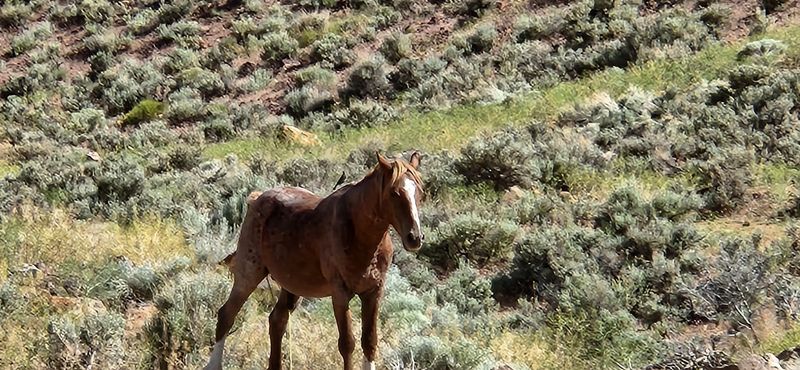
The Virginia Range has a way of surprising you when you least expect it. You could be driving along the stretch between Reno and Virginia City, half-focused on the road, when suddenly a cluster of mustangs appears just beyond the guardrail.
They graze calmly, completely unbothered by passing cars, as if the highway were simply part of their territory.
This area is home to one of Nevada’s largest non-BLM wild horse populations. Unlike horses managed by the Bureau of Land Management, the Virginia Range mustangs fall under the oversight of the Nevada Department of Agriculture.
That distinction matters because it shapes how the herd is monitored and protected.
The rolling terrain here is dry and dramatic, covered in sagebrush and scattered juniper. Early morning is the best time to spot horses, when the light turns golden and the animals move toward lower ground to graze.
Pull over safely, keep your engine quiet, and just watch. These horses have lived here for generations, and their comfort with the landscape shows in every unhurried step they take across the rocky hillside.
Pine Nut Mountains: Hiking Into Mustang Territory Southeast of Carson City
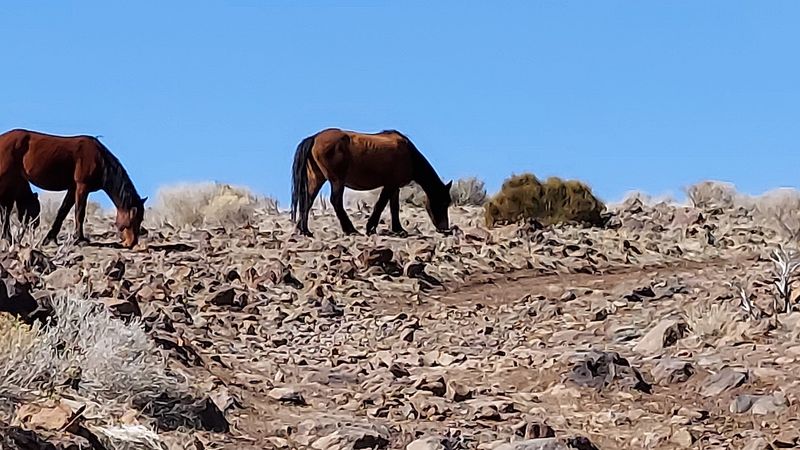
Southeast of Carson City, the Pine Nut Mountains rise up from the high desert floor in a way that feels almost secretive. The roads narrow, the cell signal fades, and the landscape opens into something quieter and older.
That shift in atmosphere is exactly what makes this spot so worth the drive.
Wild horse herds have roamed these mountains for decades, and spotting them here feels genuinely earned. Hiking trails wind through the scrubland, and if you move slowly and stay downwind, there is a real chance of coming across a small band of mustangs resting in the shade of a rocky outcrop.
Bring binoculars, because the horses often keep their distance from unfamiliar visitors.
The terrain itself rewards patience. Wildflowers push through cracked soil in spring, and the mountain views stretch far enough to make you feel genuinely small.
I found myself sitting on a boulder for nearly an hour just watching a group of mares and foals move slowly across a ridge. There are no visitor centers or marked viewing platforms here.
That simplicity is the whole point, and it makes every sighting feel personal and unscripted.
Fish Springs: Remote Solitude and Mustangs in Western Nevada
Fish Springs sits in the kind of place that maps make look simple but roads make feel far. Getting there requires commitment, and that commitment pays off in the form of some of the most undisturbed mustang viewing in the entire state.
The remoteness here is not a drawback. It is the whole appeal.
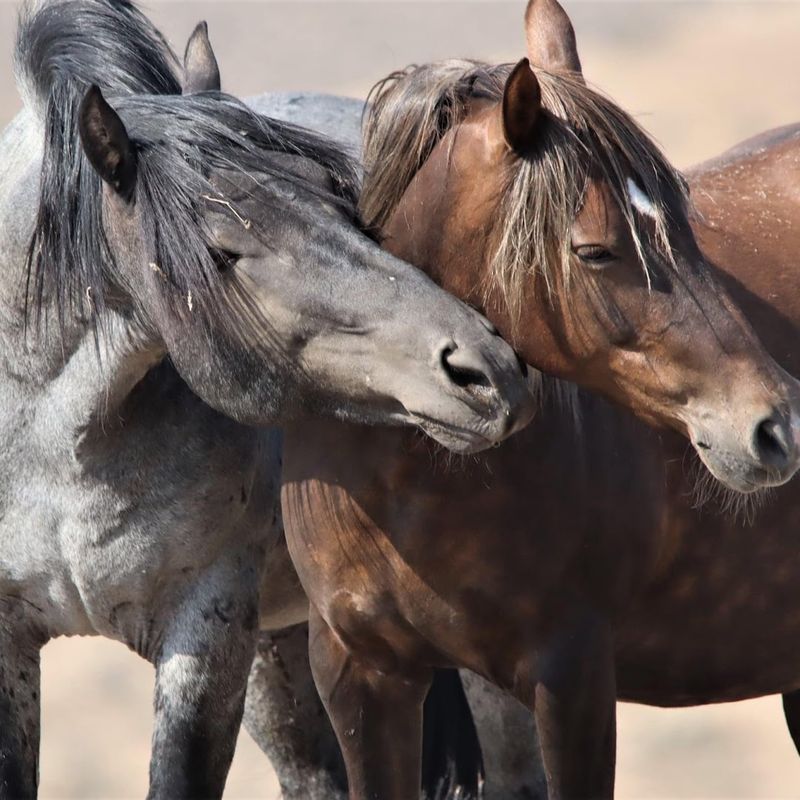
The terrain is rugged and open, with very little between you and the horizon except dry grass, scattered rock, and sky. Mustangs in this area tend to move in tight family groups, and watching how they interact with each other is genuinely fascinating.
There is a clear social order within each herd, and if you stay still long enough, the dynamics become obvious.
Because few people make the trek out here, the horses have not developed the same comfort with humans that the Virginia Range mustangs have. That means more patience is required, but also that what you witness feels more honest.
I sat with the engine off for a long stretch, windows down, just listening. The wind, the distant snort of a horse, and the sound of hooves on dry earth filled the cab of the truck.
It was one of the quietest and most memorable moments of the whole trip.
How to Watch Wild Mustangs Safely and Respectfully
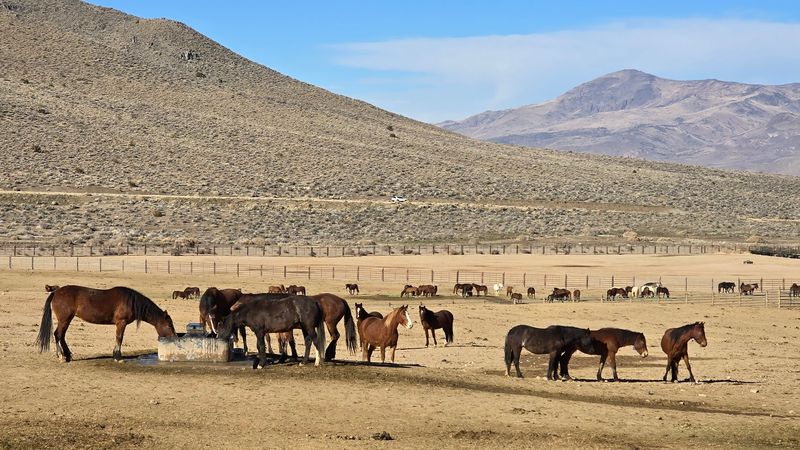
Watching wild horses is one of those experiences that feels completely different from watching animals in a zoo or a sanctuary. These mustangs are not performing for anyone.
They are simply living, and that reality comes with a responsibility for every visitor who shows up in their territory.
The most important rule is distance. Experts recommend staying at least 100 feet away from any wild horse, and farther if the herd shows signs of stress, like raised heads, pinned ears, or movement away from you.
Never approach a foal, even if it appears to be alone. The mother is almost certainly nearby.
Feeding wild mustangs is strongly discouraged and can actually harm them. Human food disrupts their natural diet and can create dangerous dependency behaviors.
Keeping food sealed in your vehicle also prevents attracting other desert wildlife unexpectedly. Wear neutral colors when possible, move slowly, and speak quietly if you need to talk.
Loud noises and sudden movements spook horses quickly. The best viewing happens when you become part of the background rather than a disruption in it.
Treat the experience the way you would treat any wild place, with quiet respect and a willingness to let the animals lead.
Best Times of Year to Visit Nevada’s Wild Horse Country
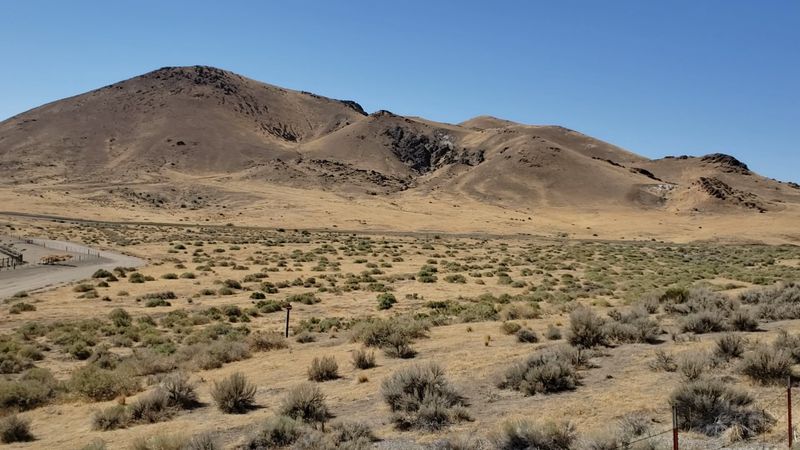
Nevada’s seasons shape the mustang experience more than most people expect before their first visit. The time of year you choose affects not just the weather but also where the horses are, how active they are, and how accessible the terrain is.
Planning around the seasons makes a real difference.
Spring is widely considered the best season for wild horse watching across all three locations. Foals are born between March and June, which means herds are more active and visually dynamic during those months.
The landscape also softens in spring, with patches of green pushing through the desert floor and temperatures staying comfortable for long hours outside.
Summer brings intense heat to the lower elevations, pushing horses to higher ground and making midday viewing uncomfortable for both animals and visitors. If you visit in summer, plan for early morning outings before 9 a.m. and late afternoon sessions after 5 p.m.
Fall is another strong option, with cooler temperatures and softer light that makes photography especially rewarding. Winter visits are possible but require preparation for cold nights and occasionally rough road conditions in the Pine Nut Mountains and Fish Springs areas.
Each season offers something genuinely different, so the best time really depends on what kind of experience you are chasing.
What to Pack and How to Prepare for a Nevada Mustang Road Trip
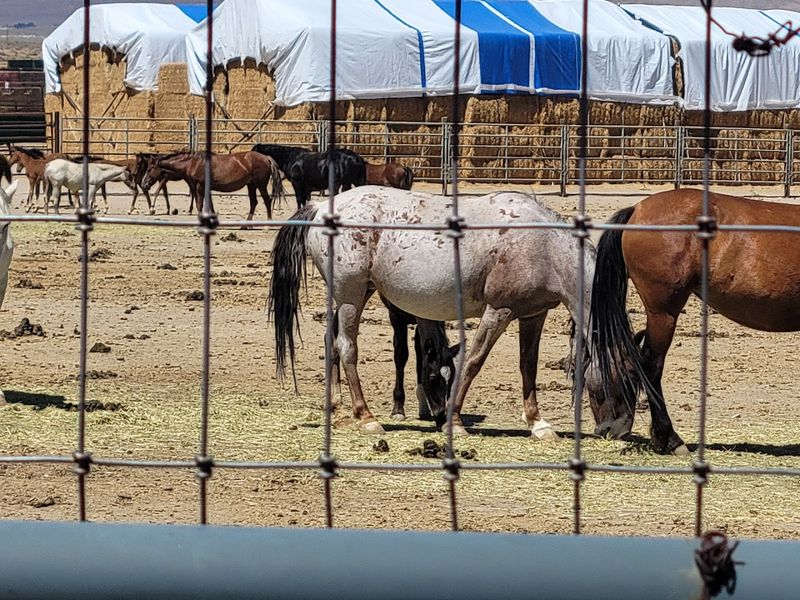
A Nevada mustang road trip sounds simple until you are standing on a dirt road in 90-degree heat with a dead phone battery and no water left in the car. Preparation is what separates a great experience from a miserable one, and the good news is that it does not take much to get ready properly.
Water is non-negotiable. Bring more than you think you need, especially for visits to remote areas like Fish Springs and the Pine Nut Mountains.
A general rule for desert travel is one liter per person per hour of active time outdoors. Sunscreen, a wide-brimmed hat, and layers for cooler mornings round out the basics for comfort.
A good pair of binoculars dramatically improves any wildlife viewing experience, letting you observe horses from a respectful distance without missing any detail. A camera with a zoom lens is worth the extra bag space if photography is part of your plan.
Download offline maps before you leave cell range, because GPS signal can disappear quickly in rural Nevada. Let someone know your general itinerary, especially for the more remote stops.
The landscape out here is beautiful and vast, and a little preparation means you spend all your energy enjoying it rather than managing unexpected problems on the road.
