
Beneath the surface of a quiet New Hampshire lake, there is a secret. A settlement that once flourished on the lakeside, now submerged and forgotten.
The foundations of homes and businesses still rest at the bottom, waiting for someone to remember them. I had heard rumors about this place for years, but I never really believed it until I saw the old photographs.
A whole community, thriving in the 1800s, eventually flooded when the water levels rose. Now the remains sit in the dark, silent and still.
I stood at the edge of the water and tried to imagine what it looked like before the flood. Houses lined the shore.
Children played on the beach. Boats came and went from the dock.
All of it is gone now, replaced by the gentle lapping of waves. There are no markers or signs explaining what happened.
You have to know where to look. That is the thing about hidden history in New Hampshire.
You have to be willing to do a little digging. Or in this case, a little diving.
The Native Roots Beneath the Water

Long before European boots ever touched this soil, the people of the Pennacook nation knew this place intimately. They called it “Massabesic,” a name that roughly translates to “the place of much water” or “to the great pond.” That name alone tells you everything about how central this lake was to their daily lives.
The Sunken Foundations of Lake Massabesic, Auburn sit in a landscape that carries thousands of years of human memory. Native communities fished these waters, followed seasonal trails through the surrounding forests, and understood the rhythms of this New Hampshire environment in ways that settlers would spend generations trying to learn.
What makes this history so striking is how little visible trace remains above the waterline. The lake keeps its secrets well.
Standing on the shoreline today, surrounded by protected conservation land and birdsong, it takes real imagination to picture the vibrant Indigenous life that once animated every corner of this now-quiet watershed. New Hampshire rarely celebrates this layer of its past loudly enough.
British Settlers and a Lakeside Community Taking Shape
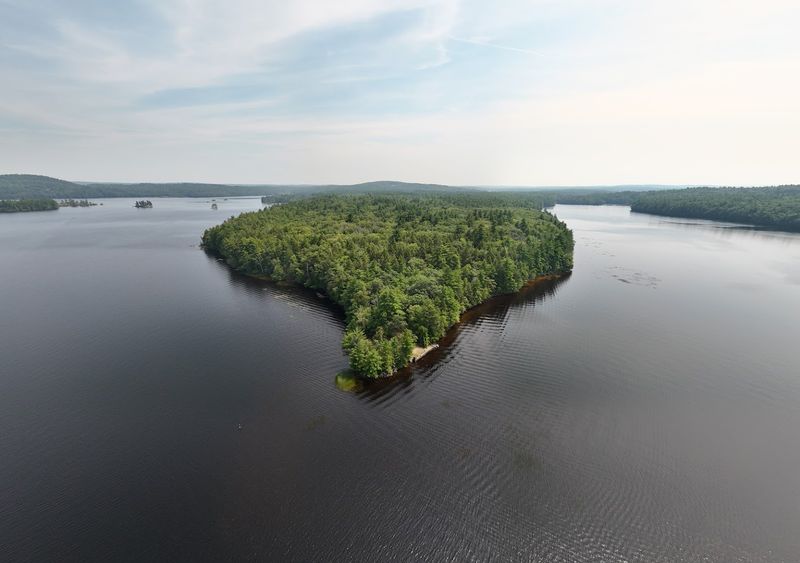
Around the early 1700s, British colonists arrived and began establishing a foothold near the lake. At first, relations with the Native inhabitants were relatively peaceful, and a small but growing community started taking shape along the shoreline.
Fields were cleared, simple structures were built, and the foundations of a real lakeside settlement were laid, literally.
New Hampshire was still a raw, demanding frontier at that point, and the settlers who chose this spot were not timid people. They picked a location with fresh water, reasonable land for farming, and natural protection from the surrounding forest.
The area went by different names over the years, including “Chester Woods” and “Long Meadow,” reflecting how the land changed hands and identities as the colonial period progressed.
Those early structures, the homes, barns, and community buildings, would eventually disappear beneath the rising waters of the lake. The Sunken Foundations of Lake Massabesic, Auburn are a direct physical echo of that brave, difficult, and ultimately short-lived colonial experiment on the New Hampshire lakeside.
Knowing that history makes every ripple on the water feel a little more significant.
The French and Indian War Changes Everything

Everything the early settlers built near Lake Massabesic came crashing down during the turbulent years of the French and Indian War. The original Massabesic settlement was destroyed during this conflict, scattering the community that had worked so hard to establish itself on the New Hampshire lakeside.
It was a brutal and decisive end to the first chapter of European settlement in this particular corner of the region.
Wars have a way of erasing not just lives but entire communities from the map. The destruction of the Massabesic settlement left behind empty land, abandoned foundations, and a silence that the forest quickly moved to fill.
The nearby town of Chester eventually claimed the surrounding territory, and the area drifted through decades of relative obscurity before Auburn emerged as its own independent town.
That violent interruption in the settlement timeline makes the submerged history of this lake all the more poignant. The Sunken Foundations of Lake Massabesic, Auburn are not just an architectural curiosity.
They are the physical remains of a community that war destroyed and water eventually claimed. New Hampshire carries that kind of layered, complicated history in more places than most people realize.
Auburn Becomes Its Own Town and the Lake Gets a New Purpose
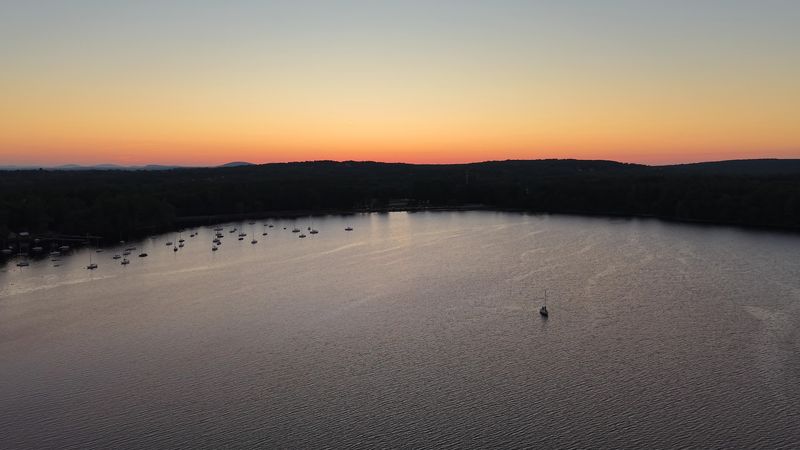
Auburn officially became its own independent town in 1845, separating from the surrounding territory and establishing a distinct local identity. By this point, the old lakeside settlement was long gone, its foundations quietly resting beneath the soil and eventually beneath the water itself.
The town was finding its footing in a changing New England landscape.
Just a few decades later, a decision was made that would permanently define the lake’s future. Lake Massabesic was designated as a public water supply, and by the 1870s it had become the primary drinking water source for Manchester and the surrounding communities.
That single decision transformed the entire character of the shoreline and the lake forever.
Development was restricted, swimming and water skiing were banned to protect water quality, and thousands of acres of surrounding land were placed under conservation protection. The old settlement sites, already mostly forgotten, became even more inaccessible.
The Sunken Foundations of Lake Massabesic, Auburn quietly disappeared from public consciousness as the lake took on its new, vital role in sustaining the growing population of New Hampshire. The history went underground, quite literally.
What Submerged Foundations Actually Tell Us
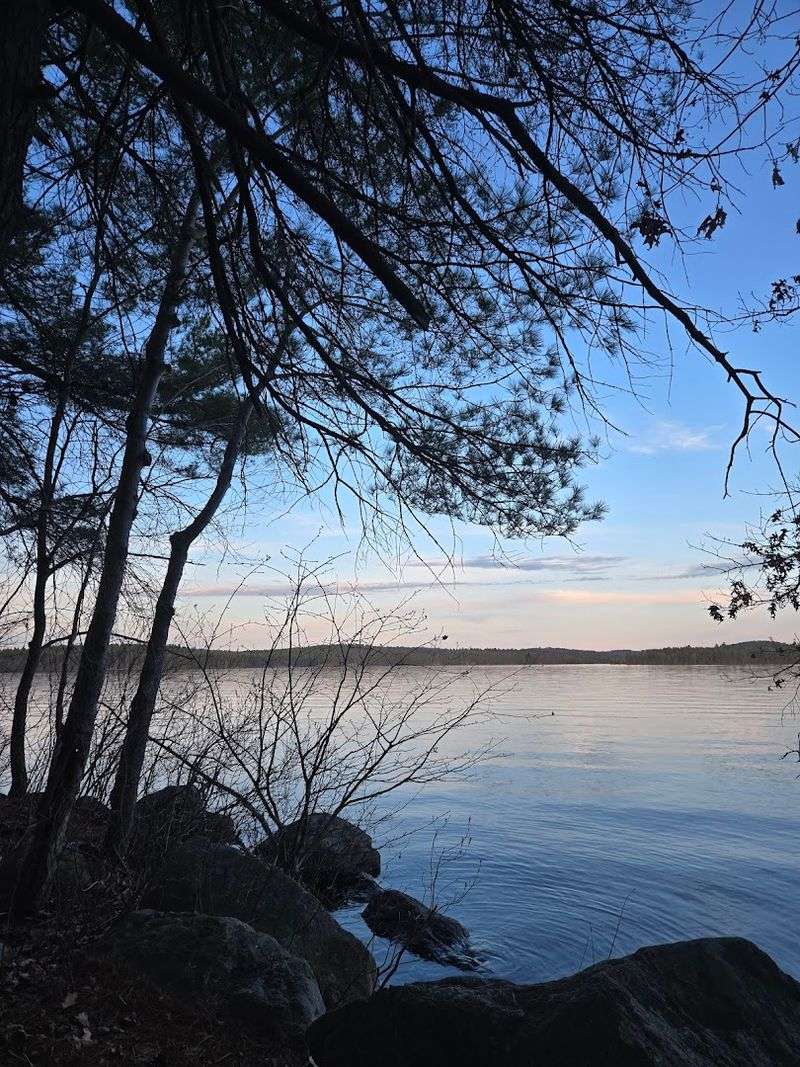
Submerged foundations are more than just romantic ruins lurking beneath a lake surface. They are time capsules made of stone and mortar, preserving the footprint of human ambition in ways that above-ground structures rarely manage.
Water, while destructive in some ways, can also protect and preserve the basic outlines of what once stood on dry land.
The foundations associated with the early Massabesic settlement tell a story about how people organized their living spaces, how large or modest their homes were, and how they positioned their buildings relative to the water and the land. Each stone placed by a settler’s hand represents a decision, a hope, and a plan for the future that ultimately did not survive.
Archaeologists and historians find these kinds of submerged sites genuinely valuable for piecing together the daily realities of early New Hampshire life. The Sunken Foundations of Lake Massabesic, Auburn may not be a famous archaeological landmark with signage and guided tours, but they carry real historical weight.
Every stone beneath that water was once part of someone’s everyday world, and that connection across centuries is what makes this place quietly extraordinary.
The NH Audubon Massabesic Center and the Living Shoreline
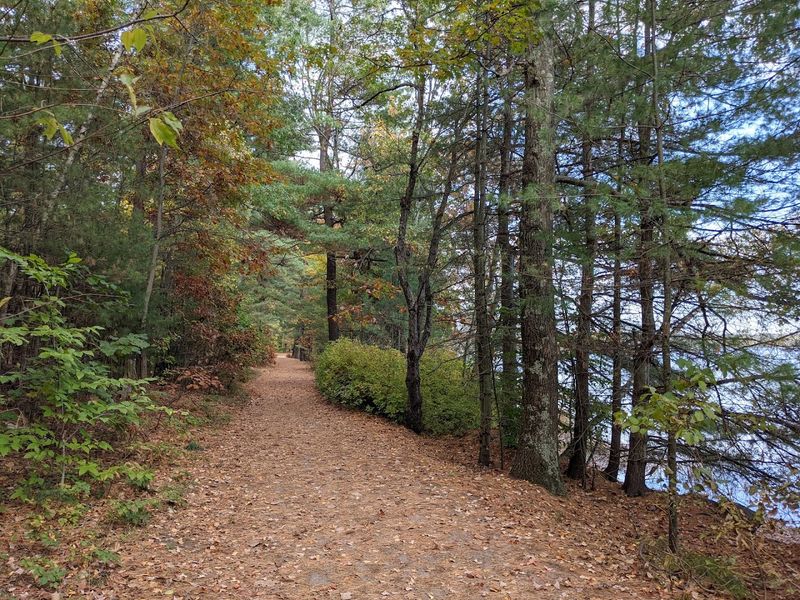
Today, one of the best ways to experience the landscape surrounding this historically rich lake is through the NH Audubon Massabesic Center, located at 26 Audubon Way in Auburn, New Hampshire. The center sits right at the edge of the conservation land that protects the lake’s watershed, making it a perfect base for exploring the shoreline on foot.
The center features native pollinator gardens, a reptile education lab, and a network of well-marked hiking trails that wind through woodland and open meadow before delivering you to stunning lakefront views. Battery Point and Blueberry Point are two of the most rewarding destinations along the trail system, offering wide-open sightlines across the water that feel genuinely dramatic on a clear New Hampshire morning.
Standing at Battery Point and looking out across the lake, it is impossible not to think about what lies beneath the surface. The Sunken Foundations of Lake Massabesic, Auburn are out there somewhere, invisible but present.
The Audubon center is open Wednesday through Saturday, and the trails are accessible year-round. It is the kind of place that rewards curiosity and patience in equal measure.
Hiking to Battery Point for a Lakeside Perspective
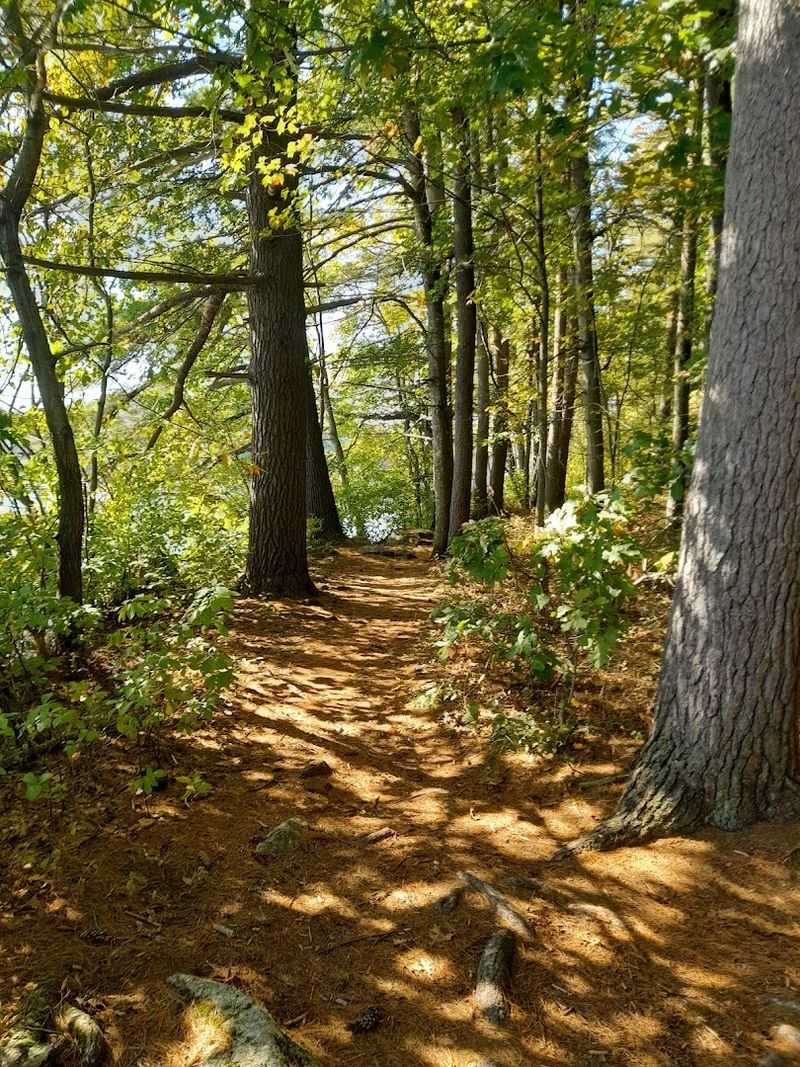
Battery Point is the kind of place that earns its reputation the moment you arrive. The trail from the Audubon center winds through a lovely mix of woodland and open field, passing through a meadow dotted with bluebird houses before entering the trees.
The walk is mostly flat and genuinely accessible for hikers of all fitness levels, including families with young kids.
Once you reach the point itself, the lake opens up in front of you in a way that feels almost theatrical. The water stretches wide and calm, the forested far shore reflecting perfectly on clear days.
It is easy to stand there for a long time, just taking it all in and thinking about the layers of history that the landscape holds.
The full out-and-back trail to Battery Point runs to roughly five miles depending on which detours you take along the way, making it a satisfying half-day adventure. New Hampshire outdoor enthusiasts consistently rank this trail among the most scenic easy walks in the southern part of the state.
For anyone curious about the Sunken Foundations of Lake Massabesic, Auburn, this is the closest you can realistically get to the history while staying dry.
Conservation Land That Protects the Past and Present
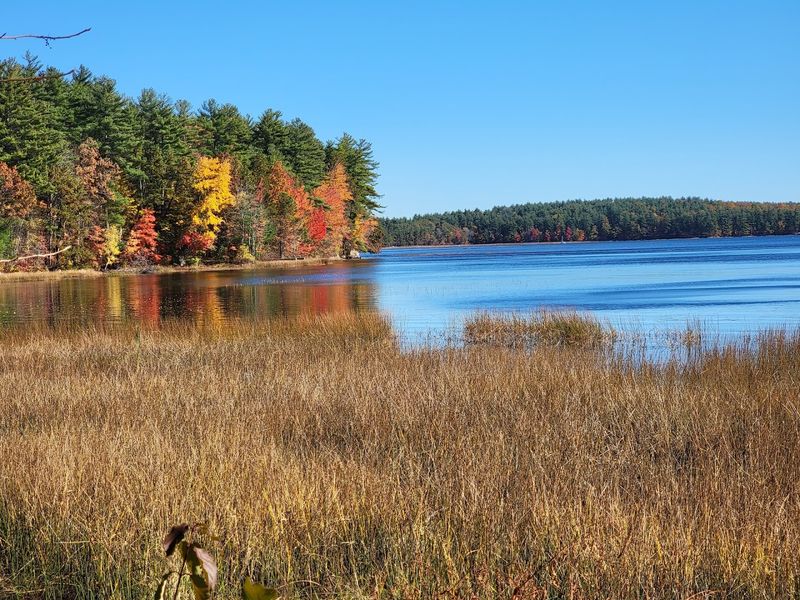
Thousands of acres surrounding Lake Massabesic are permanently protected from development, creating one of the most significant conservation zones in southern New Hampshire. That protection exists primarily to safeguard the drinking water quality for Manchester and nearby communities, but it has a fascinating side effect.
It also preserves the landscape in a state that is far closer to its historical condition than most developed New England lakeshores.
Walking through the conservation land around the lake, you encounter a forest that feels old and undisturbed. There are no condos crowding the shoreline, no boat launches every quarter mile, and no commercial development eating away at the natural buffer.
The silence is real and the wildlife is abundant, with birds in particular thriving in the protected habitat.
That conservation commitment means the Sunken Foundations of Lake Massabesic, Auburn remain undisturbed by the kind of shoreline development that has destroyed similar historical sites elsewhere in New England. The land protects its own history, even if unintentionally.
New Hampshire made a smart choice when it committed to keeping this watershed clean and intact, and the benefits ripple far beyond just water quality into the realm of cultural and ecological preservation.
Sailing, Fishing, and Kayaking on a Lake With a Secret
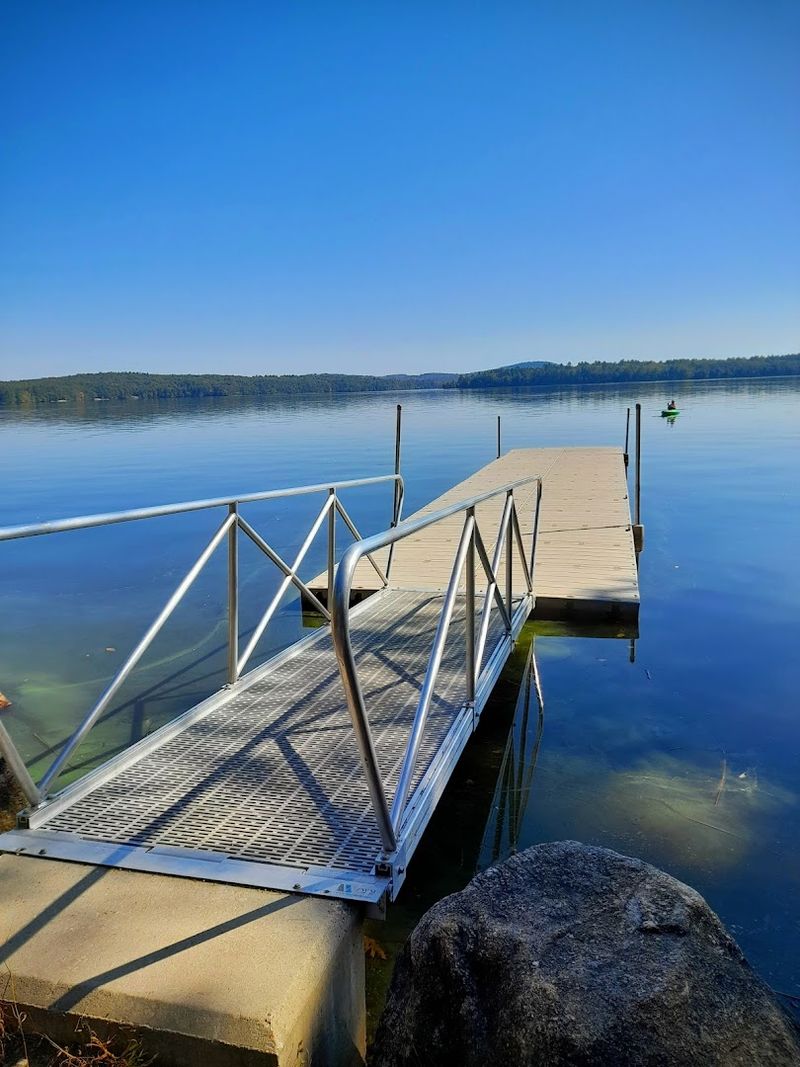
Not everything about Lake Massabesic is buried in the past. Today, the lake is a lively spot for sailing, fishing, and kayaking, drawing outdoor enthusiasts from across the region who appreciate both the natural beauty and the relatively uncrowded conditions.
Swimming and motorized water sports are prohibited because of the drinking water restrictions, which actually keeps the lake remarkably peaceful.
Kayaking on Massabesic is a particular joy. Paddling along the forested shoreline in the early morning, with mist still sitting on the water and no engine noise breaking the quiet, feels like moving through a landscape that time forgot.
The lake covers a generous stretch of water across Manchester and Auburn, giving paddlers plenty of room to explore without retracing the same route.
Fishing is another popular draw, with the lake supporting a healthy population of game fish. Anglers set up along the shoreline and in small watercraft throughout the warmer months, enjoying a sport that connects them to the same waters where the earliest settlers once fished for survival.
The Sunken Foundations of Lake Massabesic, Auburn rest somewhere beneath those fishing lines, a quiet reminder that this lake has been feeding and sustaining people for a very long time.
Plan Your Visit and Feel the History Underfoot

Getting to Lake Massabesic and the surrounding conservation land is straightforward. The NH Audubon Massabesic Center at 26 Audubon Way, Auburn, NH 03032 serves as the ideal starting point for any visit.
Parking is available on site, the staff are genuinely welcoming, and trail maps are provided so you can plan your route before heading out into the woods.
The center is open Wednesday through Saturday, so plan your timing accordingly. The trails themselves are accessible beyond those hours, but having the center open adds a layer of context and comfort to the experience.
Inside, the reptile education lab is a surprisingly engaging stop, especially if you are bringing curious kids along for the adventure.
New Hampshire rewards the kind of traveler who looks past the obvious attractions and seeks out the quieter, more layered stories the landscape holds. The Sunken Foundations of Lake Massabesic, Auburn are exactly that kind of story.
You cannot see the foundations from the shore, but knowing they are there changes how you experience every moment at the lake. Pack comfortable shoes, bring a water bottle, and give yourself a full morning to soak in a place where history, nature, and silence meet in the most satisfying way possible.
