New Hampshire is one of the most beautiful states in the country, but living there comes with a serious price tag. With no statewide income or sales tax, local governments rely almost entirely on property taxes to keep the lights on, and those bills have been climbing fast.
Some towns have seen their tax rates shoot so high that longtime residents are packing up and heading elsewhere. If you’ve ever wondered which communities are feeling the squeeze the hardest, this list is going to open your eyes.
Charlestown, New Hampshire

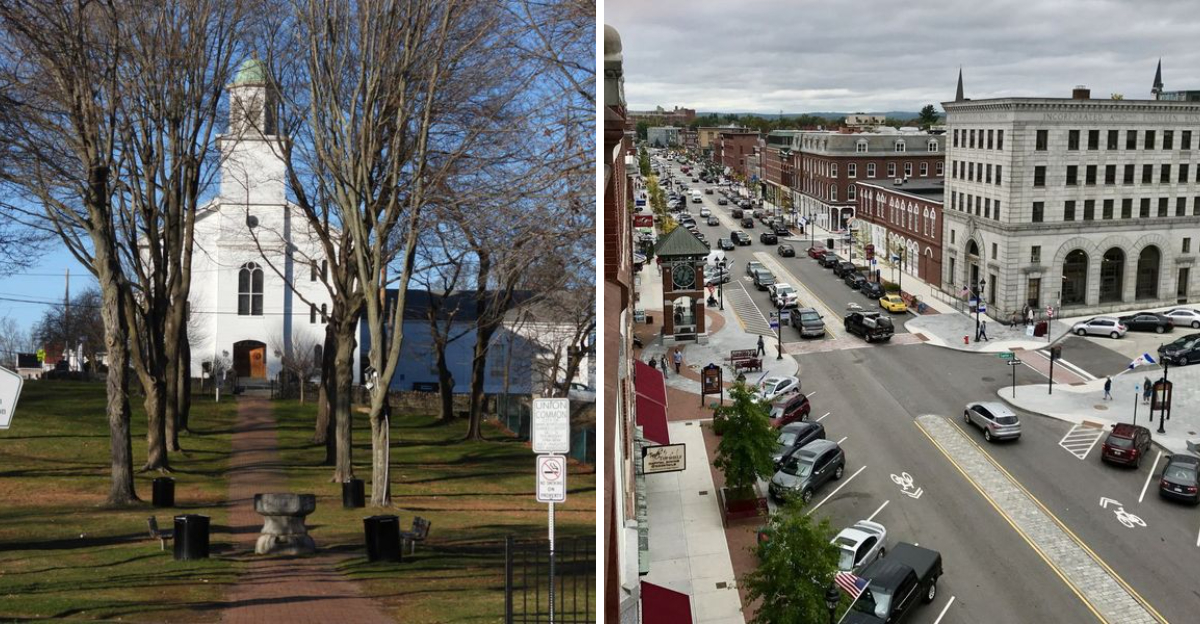
Charlestown holds a record most residents wish it didn’t. Sitting at the very top of New Hampshire’s property tax rate list in 2025, this small Sullivan County town charges $36.54 per $1,000 of assessed value, meaning a $500,000 home comes with a jaw-dropping annual bill of $18,270.
That’s not a typo.
For a town that sits along the Connecticut River and has a genuinely charming historic main street, the financial pressure feels especially unfair. Charlestown’s Main Street Historic District is one of the longest in the state, lined with Federal and Greek Revival architecture that tells the story of a once-thriving community.
Sadly, many of those beautiful homes are becoming harder and harder to hold onto.
Long-term residents, especially older adults on fixed incomes, are facing impossible choices between paying their tax bills and covering everyday living costs. Younger families who might otherwise fall in love with the town’s character and quiet pace simply can’t justify the expense.
The ripple effect hits local businesses, schools, and community organizations as the population slowly shrinks.
Charlestown sits at 233 Main Street, Charlestown, NH 03603, and is absolutely worth a visit for its history alone. The architecture is stunning, the Connecticut River views are peaceful, and the community spirit is still alive.
But until the tax burden eases up, residents will keep weighing whether staying is truly worth it. It’s a tough spot for a town with so much to offer.
Keene, New Hampshire
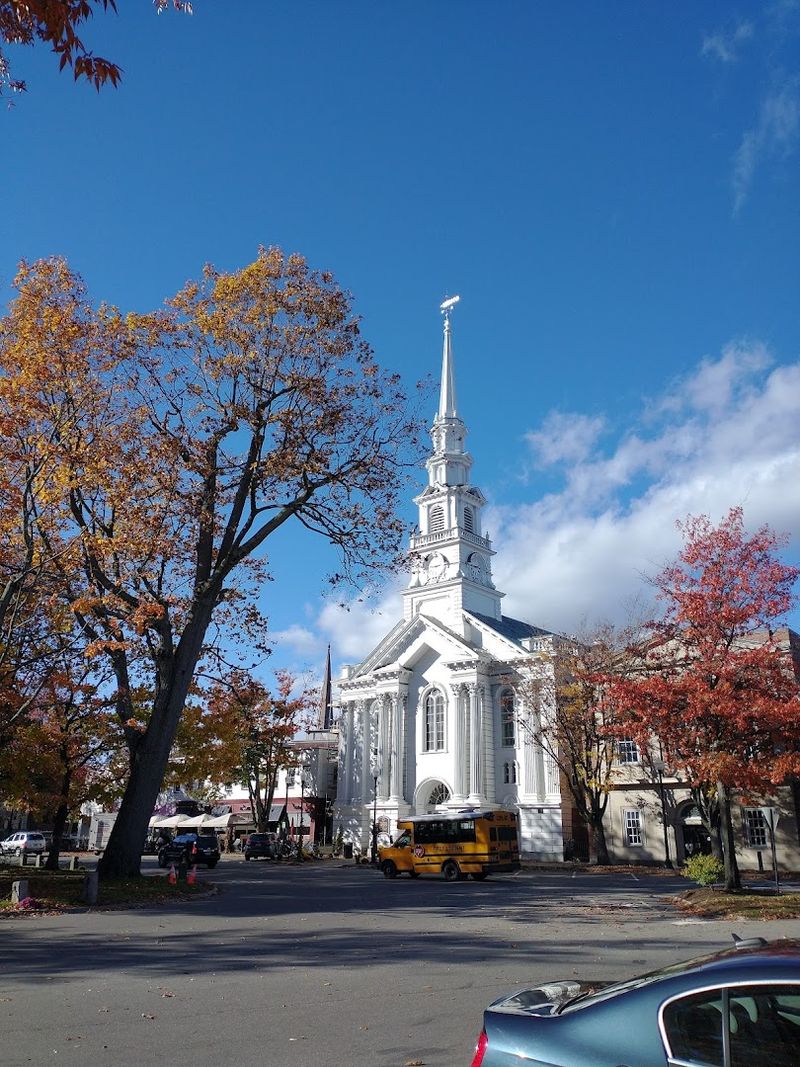
Keene is one of those cities that looks like it has everything figured out. Central Square is genuinely gorgeous, the arts scene punches above its weight, and the surrounding Monadnock Region is outdoor paradise.
Yet Keene experienced a population decline between 2020 and 2024, and rising property tax pressure is part of that story.
As the largest city in Cheshire County, Keene carries a lot of the county’s financial weight. Property taxes here have climbed steadily, making it harder for working families and young professionals to plant roots.
When nearby towns offer lower rates, the math becomes hard to ignore. People who love Keene often leave Keene, not because they want to, but because the bills pile up faster than the paychecks do.
The city’s historic downtown draws shoppers, artists, and students from Keene State College, giving it an energy that many rural towns would envy. The famous Keene Pumpkin Festival, once a world-record-holding event, still draws crowds and captures the city’s playful community pride.
But good vibes don’t pay property taxes.
Older residents who’ve owned their homes for decades are watching their assessments climb while their incomes stay flat. That squeeze is real, and it’s pushing people out of a city they genuinely love.
Located in the heart of southwestern New Hampshire at 3 Washington Street, Keene, NH 03431, this city deserves a visit and deserves better financial solutions for the people who call it home.
Berlin, New Hampshire
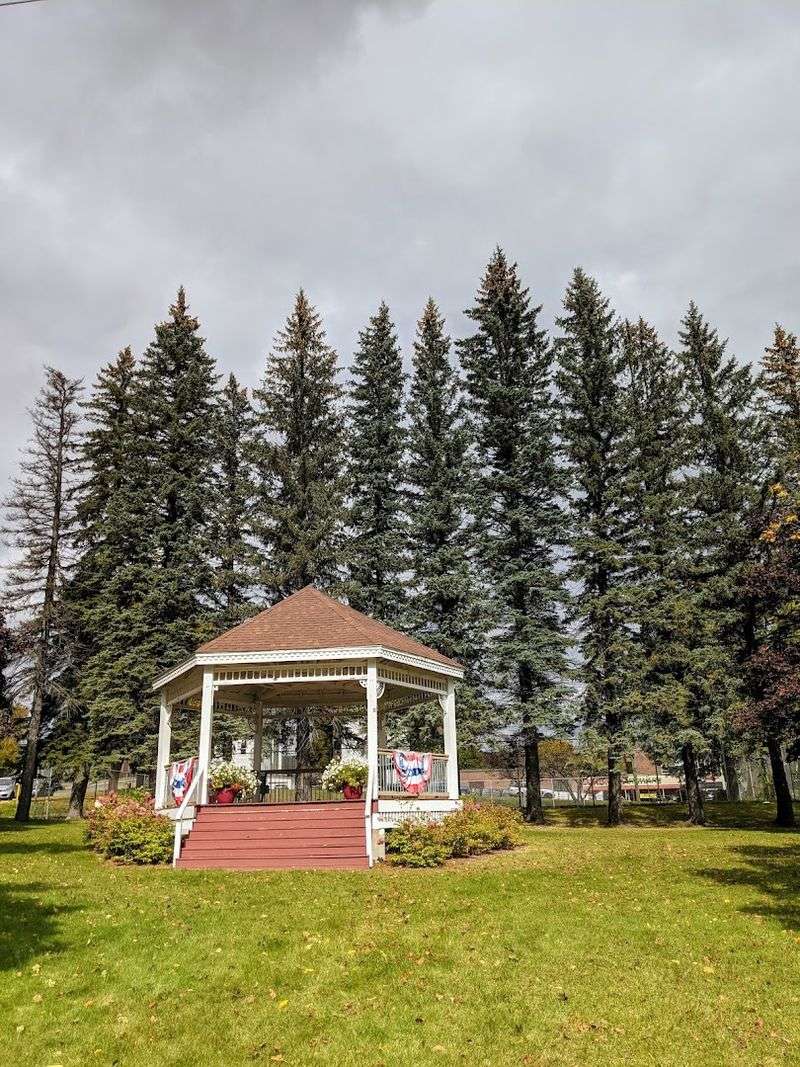
Berlin is a city that has fought hard to reinvent itself. Once a booming paper mill town in northern New Hampshire, Berlin has been navigating economic decline for decades.
Between 2020 and 2024, the city lost 158 residents, a drop of 1.7%, making it one of the steeper population declines in the state during that period.
Property taxes in Coos County, where Berlin sits, have become a significant burden for residents who are already dealing with limited job opportunities and an aging housing stock. The county itself lost 115 residents between 2024 and 2025 alone.
For a region that’s already economically fragile, that kind of outflow is a serious warning sign. When housing costs rise and paychecks don’t follow, people vote with their moving trucks.
Berlin’s natural surroundings are genuinely spectacular. The Androscoggin River runs right through town, and the White Mountains are practically in the backyard.
Outdoor enthusiasts who discover Berlin often fall hard for its rugged, no-frills personality. The city has a gritty authenticity that’s rare in an era of over-polished tourist towns.
But authenticity doesn’t offset a crushing tax bill for families trying to make ends meet. Longtime homeowners, many of whom are retired or working blue-collar jobs, are feeling the financial walls closing in.
Berlin is located at City Hall, 168 Main Street, Berlin, NH 03570. This northern gem deserves investment and relief, not a slow exodus of the very people who give it its soul.
Marlborough, New Hampshire
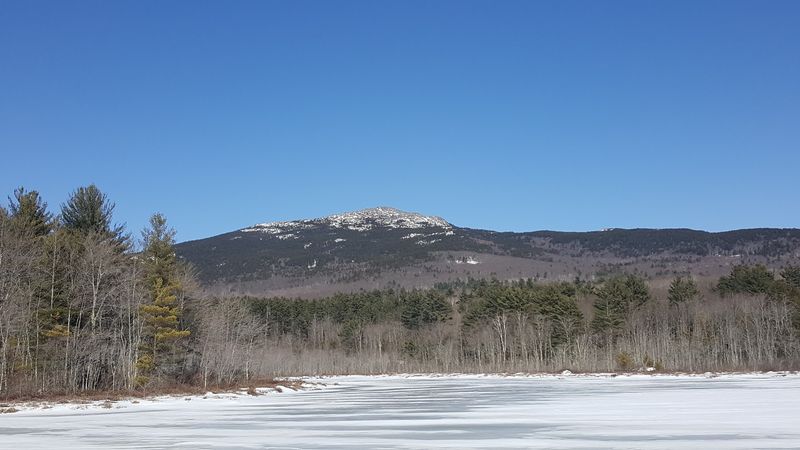
Marlborough is the kind of small New Hampshire town that doesn’t make a lot of noise. Tucked into Cheshire County with a population of just a few thousand, it flies under the radar in most conversations about the state’s economy.
But under that quiet surface, residents are dealing with property tax rates that are anything but small.
Towns like Marlborough rely almost entirely on property taxes to fund local services, from schools to roads to emergency response. With no diversified tax base to draw from, every budget increase gets passed directly to homeowners.
When school funding needs rise or infrastructure repairs can’t wait, it’s the property owners who get the bill. For a modest rural town, that cycle gets exhausting fast.
What makes Marlborough genuinely worth knowing about is its creative spirit. The town has quietly developed a reputation as a haven for artists and craftspeople who appreciate affordable rural living.
That appeal, however, erodes quickly when tax bills start climbing. The very residents who brought energy and investment to the community find themselves priced out.
Younger families who were drawn to Marlborough’s low-key charm and open space are increasingly reconsidering. When the annual tax bill eats a significant chunk of household income, the romance of rural New England fades fast.
Marlborough Town Hall is located at 1 Library Street, Marlborough, NH 03455. The town has real character and real community, but it needs real tax reform to keep its residents from looking for the exit.
Canaan, New Hampshire
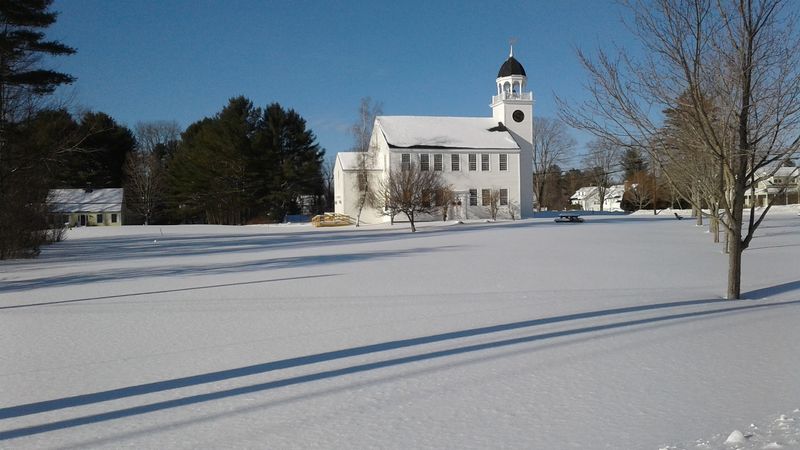
Canaan sits in Grafton County, surrounded by the kind of scenery that makes people fall in love with New England. Mascoma Lake shimmers nearby, and the hills roll in every direction with the sort of quiet beauty that used to feel like a reward for choosing small-town life.
These days, that reward comes with an increasingly steep price tag attached.
Property taxes in Canaan have put real pressure on homeowners who moved there precisely because it felt affordable and peaceful. Rural towns like Canaan often struggle with a shrinking tax base, meaning fewer homeowners are being asked to cover more of the community’s costs.
That math is brutal, especially for retirees and working families who bought modest homes and expected modest bills.
Canaan also faces the challenge of limited local employment options. When residents have to drive long distances to work while also paying high property taxes on their homes, the financial squeeze becomes a lifestyle squeeze too.
The calculation starts to tip toward leaving, even for people who genuinely love the place.
Mascoma Community Health Center and local volunteer organizations show how much community spirit still lives in Canaan. Neighbors look out for each other, and that bond is real.
But community spirit can’t cover a property tax bill. Canaan Town Hall is located at 1169 US Route 4, Canaan, NH 03741.
This is a town worth saving, and saving it starts with addressing the financial burden that’s quietly pushing its people away one household at a time.
Hinsdale, New Hampshire
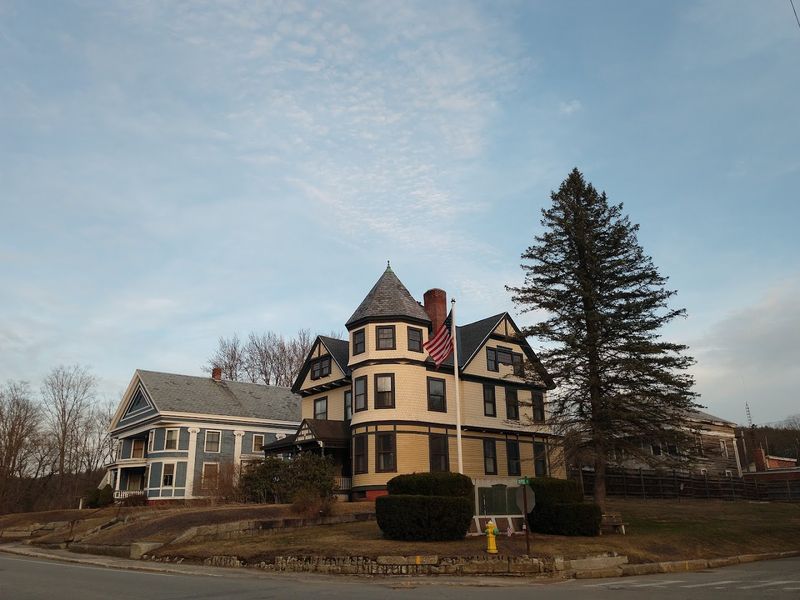
Hinsdale occupies a narrow strip of southwestern New Hampshire along the Connecticut River, right on the Massachusetts border. It’s one of those towns that feels like it should be thriving, given its location and natural setting.
Instead, it’s a community quietly struggling under the weight of property tax rates that residents describe as punishing.
As one of the smaller towns in Cheshire County, Hinsdale has a limited commercial base, which means residential property owners carry an outsized share of the local tax burden. Every dollar that doesn’t come from business revenue has to come from homeowners.
In a town where many residents are working-class or retired, that imbalance creates serious hardship.
The Connecticut River views from Hinsdale are genuinely beautiful, and the town has a rugged, unpretentious character that longtime residents deeply value. There’s a strong sense of local identity here, built over generations of families who’ve worked hard and stayed put.
Watching that identity slowly dissolve as people leave for lower-tax towns across the river in Vermont or further south in Massachusetts is a gut punch for the community.
New Hampshire’s reliance on property taxes hits towns like Hinsdale especially hard because there’s simply no other revenue cushion to fall back on. The state’s tax structure, while avoiding income and sales taxes, places an enormous and unequal burden on small, low-income communities.
Hinsdale Town Hall is at 11 Main Street, Hinsdale, NH 03451. Real solutions require rethinking how this state funds its smallest and most vulnerable communities.
Claremont, New Hampshire
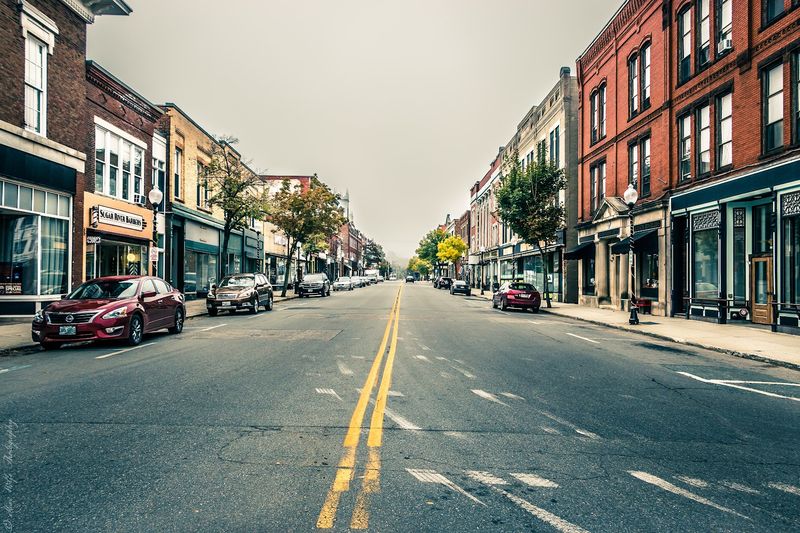
Claremont is Sullivan County’s largest city, and it carries a complicated legacy. Once a thriving industrial center powered by textile and paper mills, the city has been working through economic challenges for decades.
Property tax rates here have become a flashpoint, with homeowners facing bills that feel out of step with local wages and property values.
One of the most striking things about Claremont is the disconnect between assessed home values and tax rates. Homes in Claremont are not expensive by New Hampshire standards, but the tax rates applied to those modest values can produce bills that eat deeply into household budgets.
A family in a mid-range home can find themselves paying thousands of dollars annually in property taxes while earning wages that haven’t kept pace with rising costs.
The city has genuine assets. Sugar River flows through town, historic mill buildings create dramatic architectural backdrops, and Moody Park offers green space that families actually use.
The arts community here is scrappy and creative, and local organizations work hard to keep civic life alive. That resilience is admirable and real.
But resilience has limits when the financial pressure never lets up. Younger residents are increasingly choosing to start their lives elsewhere, and older homeowners are downsizing or relocating to lower-tax communities.
Claremont City Hall is located at 58 Opera House Square, Claremont, NH 03743. Fixing Claremont’s trajectory requires more than goodwill.
It requires structural changes to how New Hampshire funds its cities and towns, especially those that have already been through so much.
Concord, New Hampshire
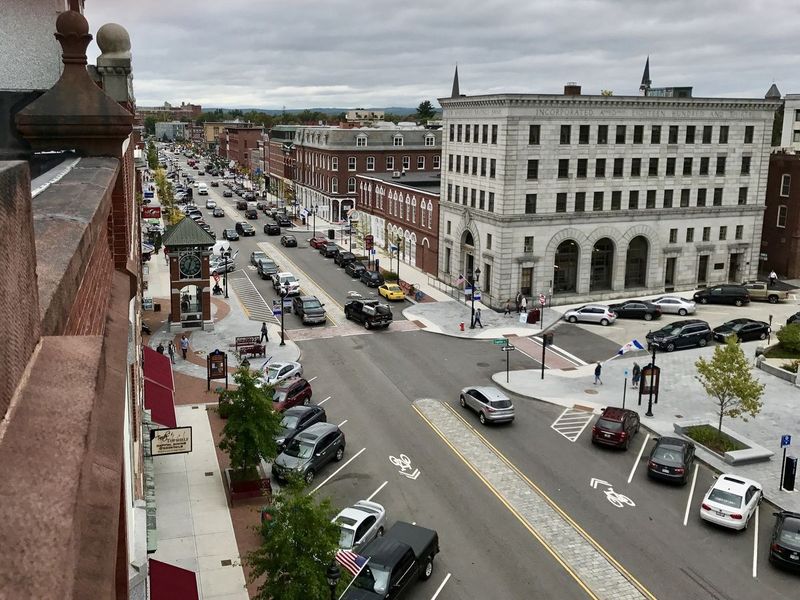
Concord surprises people. As the state capital of New Hampshire, it has the polish and infrastructure you’d expect from a seat of government, but it also has some of the most vocal conversations happening right now about property tax burdens.
Even in a city with more economic activity than most, residents are feeling the squeeze.
Property taxes in Concord have been climbing, and the impact is felt most sharply by homeowners in older neighborhoods who’ve watched their assessments rise significantly. For people on fixed incomes or working in public service jobs, those increases can be destabilizing.
The irony of living in the city where tax policy is debated while being crushed by that same tax policy is not lost on Concord residents.
The city has a lot going for it. The New Hampshire State House is a stunning piece of American civic architecture, and Main Street has developed a genuinely lively restaurant and arts scene.
Concord’s farmers market, walking trails along the Merrimack River, and strong school system make it a legitimately attractive place to live.
Yet the population math tells a complicated story. Rising housing costs, driven in part by high property taxes that get passed along to renters through higher rents, are pushing working-class residents out of the capital.
New Hampshire’s tax structure means that even its most prominent city isn’t immune to these pressures. Concord City Hall is at 41 Green Street, Concord, NH 03301.
The capital city deserves tax solutions as bold as its political history.
Wentworth, New Hampshire
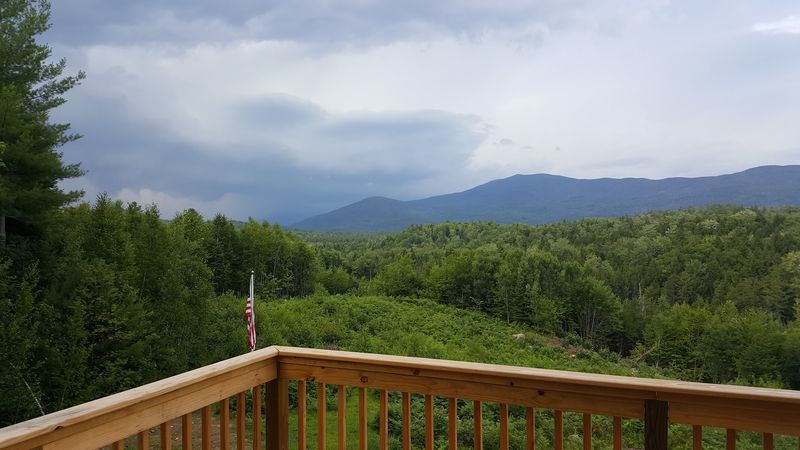
Wentworth is so small it barely shows up on most radar screens, but what’s happening there is a perfect illustration of the property tax trap facing rural New Hampshire. This tiny Grafton County village has a population that could fit comfortably in a large school gymnasium, and every person who leaves makes the burden heavier for those who stay behind.
Rural towns like Wentworth operate on razor-thin budgets, and when the population shrinks, the per-household cost of maintaining roads, schools, and services goes up. That drives tax rates higher, which pushes more residents away, which raises rates further.
It’s a cycle that’s genuinely difficult to break without significant state-level intervention or an influx of new residents and businesses.
What Wentworth has in abundance is natural beauty. The Baker River runs nearby, the forests are dense and gorgeous, and the sense of space and quiet is something city dwellers pay premium prices to visit on vacation.
For the people who live there year-round, that beauty is a daily privilege. But a privilege that costs too much eventually stops feeling like one.
Many of Wentworth’s remaining residents are older adults who’ve lived there most of their lives. Asking them to absorb annual tax increases on retirement incomes is a hardship that doesn’t make headlines but absolutely shapes lives.
Wentworth Town Hall is located at 542 NH Route 25, Wentworth, NH 03282. Small towns like this one deserve to be part of the state’s tax reform conversation, not just its footnotes.
Langdon, New Hampshire
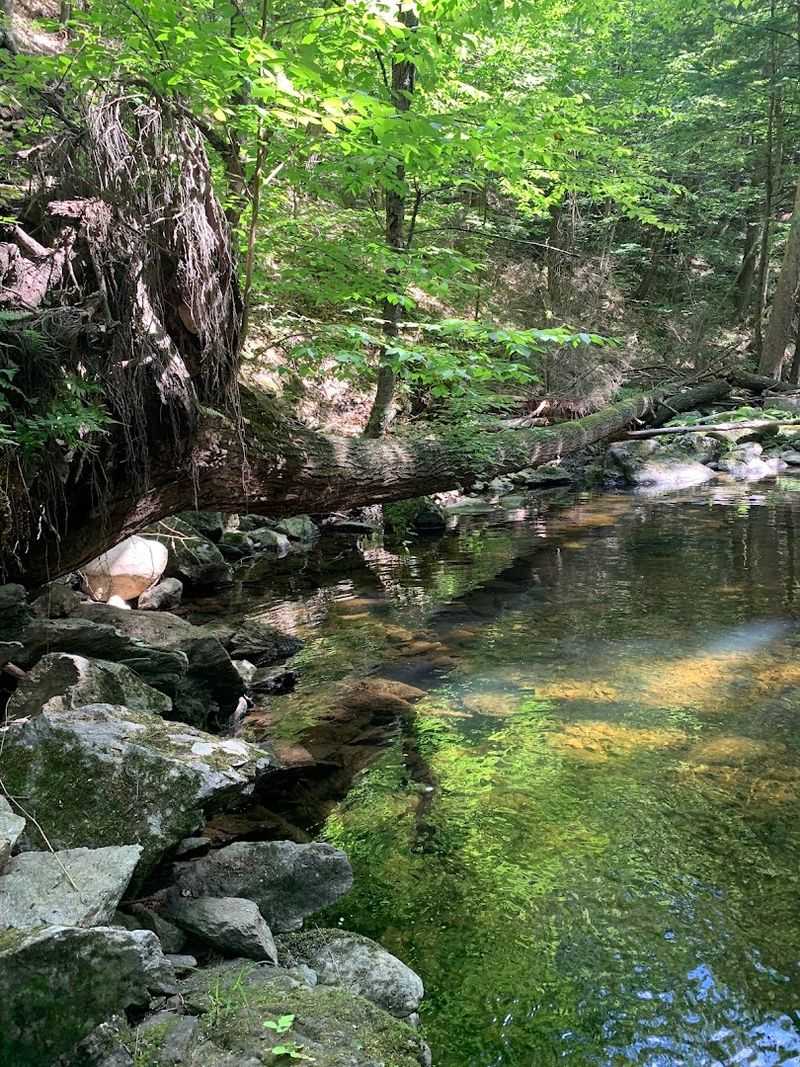
Langdon is one of those tiny New Hampshire towns that most people drive through without realizing they’ve been anywhere. Tucked into Sullivan County near the Connecticut River, it’s a blink-and-you’ll-miss-it kind of place with a population that hovers well under a thousand.
But what Langdon lacks in size, it more than makes up for in the intensity of its property tax challenge.
When a town is this small, there are almost no commercial properties to help spread the tax burden. Every dollar of local government expense falls almost entirely on residential property owners.
And because assessed values in rural towns can be disproportionately high relative to actual market conditions, homeowners sometimes pay rates that feel completely disconnected from reality. That mismatch drives frustration and, eventually, relocation.
Langdon’s landscape is genuinely lovely. Quiet country roads, stone walls, old farmhouses, and the kind of sky full of stars that city people travel hours to see.
There’s a simplicity to life here that still attracts people looking to escape the noise of more populated areas. The problem is that escaping to Langdon doesn’t mean escaping the financial pressure of New Hampshire’s tax structure.
For the families and retirees who call Langdon home, the annual tax bill is a recurring source of stress that colors everything else. New Hampshire’s system leaves towns like this with almost no tools to ease the burden.
Langdon Town Hall is located at 318 NH Route 12A, Langdon, NH 03602. This quiet corner of New England deserves solutions that are as serious as the problem it faces.
