I have spent a lot of time driving through the small towns of New Hampshire, and I have learned that some villages are more charming than others. The ones that have preserved their colonial era character are the ones that stop me in my tracks.
I have found a collection of village centers across the state that feel like they have been frozen in time. The buildings are old and beautiful, with clapboard siding and tall chimneys.
The streets are lined with mature trees that have been there for generations. The commons are still the heart of the town, just as they were two hundred years ago.
I walked through one village on a quiet afternoon and felt like I had stepped back into the 1700s. Another town had a meetinghouse that was still used for community gatherings, and the people I met there were proud of their history.
That is the thing about these New Hampshire village centers. They are not just pretty.
They are living pieces of history.
1. Hancock Village

Hancock is the kind of village that makes you want to slow your car to a crawl, roll down the window, and just breathe it all in. Sitting quietly in the Monadnock region of New Hampshire, this tiny community packs an enormous amount of colonial charm into a very small footprint.
Many of its buildings date back to the late 1700s, and the overall effect is less “historic town” and more “living museum you actually want to live in.”
The centerpiece of the village is the stunning meetinghouse, a classic white-painted structure with bold black shutters that has anchored the community since the post-Revolutionary era.
Surrounding it, you will find the historic Hancock Inn, which has been welcoming guests since the late 18th century, making it one of the oldest continuously operating inns in the entire country.
That kind of longevity is not an accident; it is a testament to how well this community preserves its identity.
Strolling the village takes maybe twenty minutes, but you will want to linger far longer. Each building offers a new architectural detail to admire, from wide-plank clapboard siding to hand-laid stone walls that border the road.
The Hancock Historical Society, located in the village center, adds another layer of depth to the experience with its rich collection of local artifacts.
Autumn transforms Hancock into something almost surreal, with blazing foliage framing every colonial roofline. The village is located along Main Street, Hancock, NH 03449.
Genuinely unforgettable.
2. Exeter Town Center

Exeter punches well above its weight when it comes to colonial credentials. Settled in 1638 by Puritan colonists, this spirited little town served as the state capital during the Revolutionary War, which alone earns it a spot on every history lover’s bucket list.
Walking through the town center feels like flipping through a well-illustrated chapter of early American history, with timber-frame buildings and elegant brick facades lining streets that once hosted some very heated political conversations.
The American Independence Museum is the crown jewel of Exeter’s heritage scene. Located at 1 Governors Lane, Exeter, NH 03833, this remarkable institution preserves documents, artifacts, and stories from the Revolutionary period in a setting that is both educational and deeply moving.
Original drafts of the Constitution and other rare documents have been displayed here, connecting visitors directly to the founding moments of the nation.
Phillips Exeter Academy adds another architectural dimension to the town center, its campus featuring a blend of historic and thoughtfully modern buildings that create a fascinating visual dialogue. The Squamscott River runs through town, adding a scenic backdrop that colonial-era residents would still recognize today.
Local shops, cafes, and cultural venues now fill many of the historic storefronts, giving the town center a lively, community-driven energy that balances perfectly with its serious historical weight. Exeter is not just a place to visit; it is a place to feel something genuine about the origins of American democracy.
The entire downtown area rewards slow, attentive exploration on foot.
3. Market Square and South End in Portsmouth
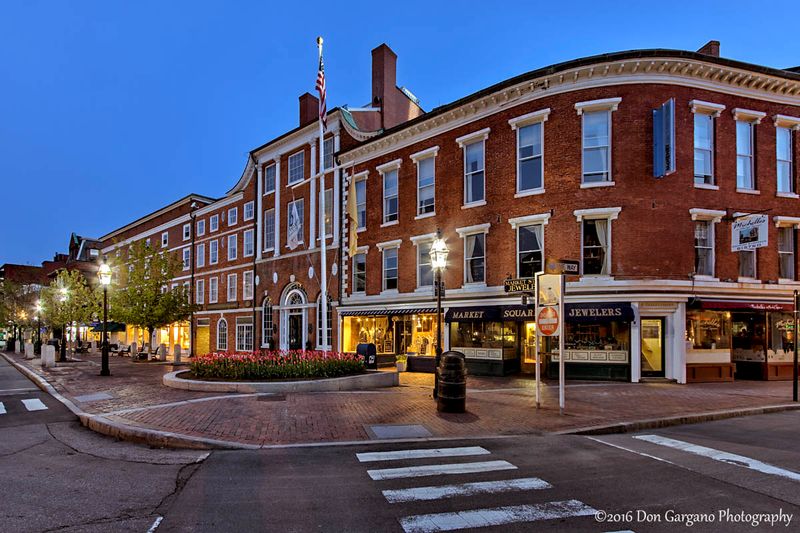
Portsmouth is New Hampshire’s coastal crown jewel, and Market Square is where all that jewel-worthy energy concentrates into one irresistible block. Founded in 1653, this city wears its age beautifully, with 17th and 18th-century buildings lining streets that curve and wind like they were designed for wandering.
The North Church steeple rises above the square with the quiet authority of something that has seen everything and survived all of it.
The South End neighborhood deepens the colonial experience considerably. Strawbery Banke Museum, located at 14 Hancock Street, Portsmouth, NH 03801, is an outdoor living history museum that showcases more than 300 years of American life.
Within its grounds stand structures that predate the Revolution, including the Sherburne House from 1703, Stoodley’s Tavern from 1761, and the Pitt Tavern from 1766. Walking through Strawbery Banke feels less like visiting a museum and more like accidentally stepping through a time portal.
The Warner House nearby holds the distinction of being the oldest surviving brick house in northern New England, and the Wentworth-Gardner House is a National Historic Landmark that showcases Georgian architecture at its most refined. Every corner of Portsmouth’s historic core delivers a new architectural reward.
Market Square itself buzzes with year-round energy, hosting farmers markets, outdoor concerts, and community gatherings that keep the colonial streetscape alive and relevant. Portsmouth manages the rare trick of feeling both deeply historical and vibrantly contemporary.
It is the kind of place you visit for a weekend and spend years thinking about afterward.
4. Canterbury Shaker Village
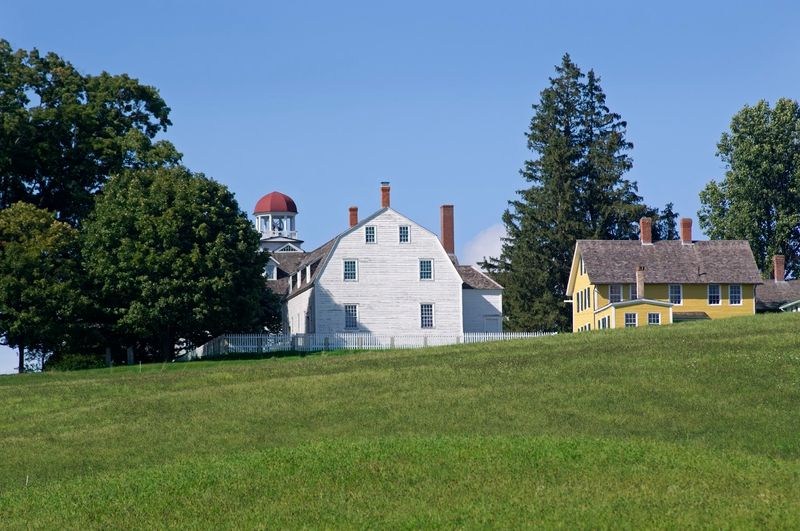
Canterbury Shaker Village operates on a completely different frequency from your typical colonial settlement.
Located at 288 Shaker Road, Canterbury, NH 03224, this extraordinary historic site preserves the legacy of the Shaker religious community that built and inhabited these grounds beginning in the late 18th century.
The result is one of the most architecturally cohesive and spiritually serene historic sites in all of New England, and possibly the entire country.
The Shakers were obsessive about craftsmanship, simplicity, and functionality, and every building on this hilltop campus reflects those values with quiet intensity.
Clean white wooden structures with perfectly proportioned windows and minimalist detailing stand in sharp contrast to the elaborate ornamentation found elsewhere in colonial New England.
The effect is stunning precisely because of its restraint.
More than two dozen original Shaker buildings survive on the property, each one meticulously preserved and open for exploration. The Dwelling House, the Creamery, the Meetinghouse, and the Laundry all tell distinct chapters of a fascinating communal story.
Guided tours bring the history to life with depth and warmth that goes well beyond the typical museum experience.
The surrounding landscape of meadows, stone walls, and mature trees adds a pastoral beauty that feels almost cinematic in autumn. Canterbury Shaker Village has been recognized as a National Historic Landmark, and it earns that designation every single day.
For anyone interested in early American communal living, craftsmanship, or simply extraordinary preservation, this place is an absolute must. Plan for at least half a day; you will not want to rush a single moment.
5. Hampstead Village
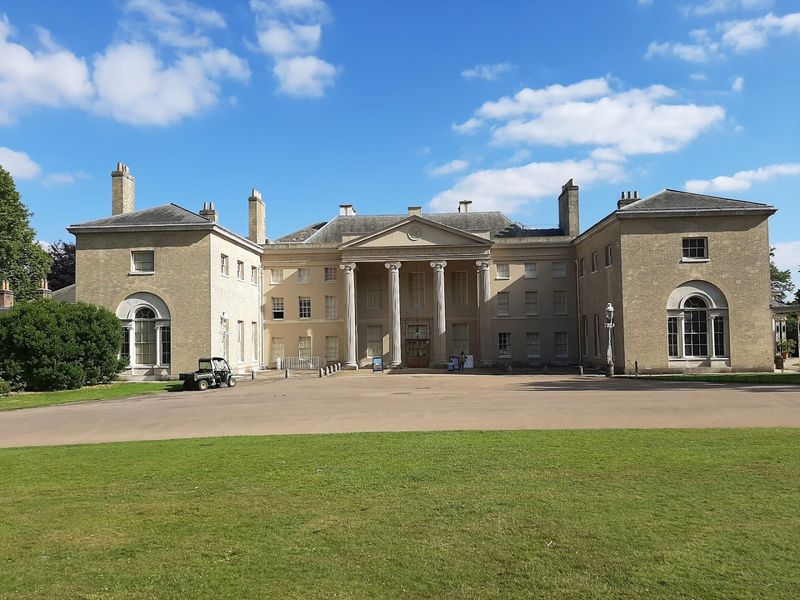
Hampstead Village is the kind of place that earns the phrase “quietly spectacular” without any irony whatsoever. Tucked into the southeastern corner of New Hampshire, this small community has maintained its colonial character with a dedication that would impress even the most seasoned historic preservationists.
The village center clusters around a classic New England common, framed by white clapboard buildings and mature trees that have been shading the same streets for generations.
The Old Meeting House is the architectural heart of the village and a landmark that draws admirers from well beyond the town limits. Its simple, elegant form embodies everything that made colonial New England architecture so enduring: honest materials, careful proportions, and a complete absence of unnecessary decoration.
Standing in front of it, you feel the full weight of American history in the most pleasant way imaginable.
Hampstead’s residential streets extend the colonial aesthetic beautifully, with well-preserved homes featuring wide front porches, symmetrical window arrangements, and the occasional stone foundation that hints at just how long some of these structures have been standing.
The town has resisted the kind of commercial development that erases character, which makes every visit feel like a genuine discovery.
Local community life remains vibrant here, with seasonal events and town traditions keeping the village green active and welcoming throughout the year. Hampstead Village is centered along Main Street, Hampstead, NH 03841.
For travelers who want colonial charm without the crowds of more famous destinations, Hampstead delivers something rare: authentic atmosphere with plenty of breathing room to actually enjoy it.
6. Orford Street Historic District
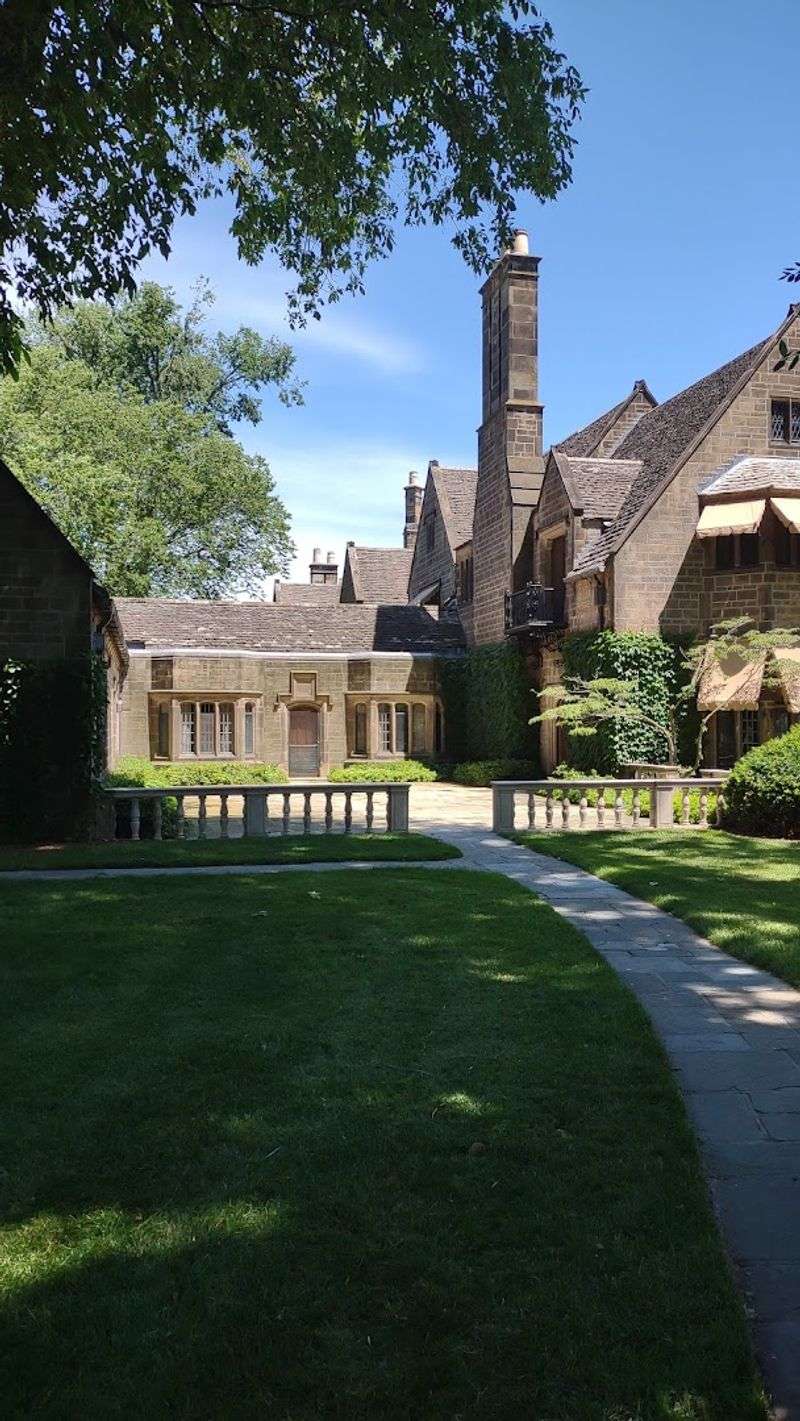
Orford Street is arguably the most architecturally dramatic single street in all of New Hampshire, and that is not an overstatement by even a small margin.
Located in the village of Orford along NH Route 10, Orford, NH 03777, this remarkable stretch of road is lined with seven Federal-style mansions built between the late 18th and early 19th centuries, each one more impressive than the last.
The effect of seeing them all together, set back from the road on a gentle rise, is genuinely breathtaking.
The houses are collectively known as the Ridge Houses, and they represent some of the finest examples of Federal architecture in the entire country.
They’re designed with the elegance and restraint that defined the post-Revolutionary period. These homes feature fanlights, Palladian windows, and refined proportions that feel almost impossibly sophisticated for a small rural village.
Architectural historians make pilgrimages here specifically to study them.
What makes Orford especially compelling is how naturally the historic district sits within its landscape. The Connecticut River rolls along nearby, and the surrounding hills frame the street in a way that feels like deliberate composition.
Every season brings a new version of the scene, from snow-dusted rooflines in winter to the blazing foliage backdrop of October.
The village itself is small and peaceful, with very little commercial activity to distract from the architectural experience. Visiting Orford Street feels like having a private audience with some of the most beautiful buildings in early American history.
Come with a camera, comfortable shoes, and absolutely no time pressure whatsoever.
7. Walpole Village Center
Walpole Village Center is what happens when a community decides to take its colonial architecture seriously and never stops. Main Street here is a genuine showstopper, lined with some of the most well-preserved colonial and Federal-style homes in the Connecticut River Valley.
Elegant timber-frame structures and brick buildings stand shoulder to shoulder, creating a streetscape that rewards slow walking and careful looking in equal measure.
The village green and surrounding historic core have an easy, unhurried quality that immediately puts visitors at ease.
Walpole has attracted artists, writers, and creative types for generations, drawn by the same combination of architectural beauty and peaceful atmosphere that makes the village so appealing to travelers.
Ken Burns, the celebrated documentary filmmaker, is among the notable figures who have called this area home, which tells you something about the quality of inspiration the place provides.
Local shops and small businesses occupy many of the historic storefronts along Main Street, giving the village center a lived-in energy that prevents it from feeling like a museum piece.
The surrounding landscape of hills and farmland extends the visual appeal of the village considerably, particularly in autumn when the foliage season transforms everything into a riot of warm color.
Walpole Village Center is located along Main Street, Walpole, NH 03608. The Walpole Village School and historic churches exemplify the kind of timber-frame craftsmanship that defined colonial New England construction at its most skilled.
For travelers who appreciate the intersection of history, beauty, and genuine community character, Walpole belongs at the very top of the itinerary.
8. Hopkinton Village
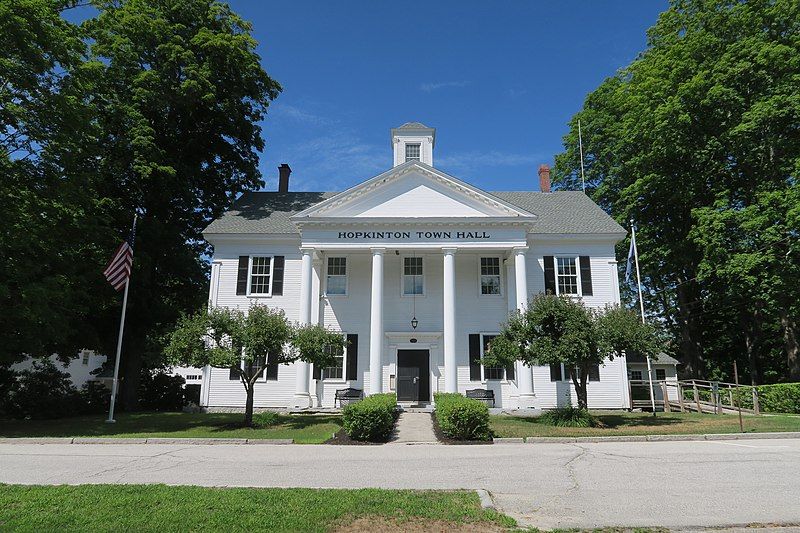
Hopkinton Village occupies a sweet spot between well-known and wonderfully undiscovered that makes it one of the most rewarding colonial destinations in the entire state.
The village center clusters around a classic New Hampshire common, with a white meetinghouse providing the visual anchor that every proper New England village deserves.
Federal-style homes and historic commercial buildings fill in the surrounding blocks, creating a cohesive architectural ensemble that feels entirely authentic.
What sets Hopkinton apart from more heavily trafficked historic towns is the quality of its everyday atmosphere. This is a working community with deep roots, not a heritage theme park, and that distinction matters enormously to the quality of the experience.
Local residents go about their daily lives against a backdrop of genuinely historic architecture, and the whole village hums with a quiet, purposeful energy that is deeply appealing.
The Hopkinton Historical Society maintains a rich collection of local history that illuminates the village’s past with impressive detail. The surrounding countryside adds considerable charm, with stone walls, old farmsteads, and country roads extending the colonial landscape well beyond the village center itself.
Seasonal events and town traditions keep the common active throughout the year, from summer gatherings to the kind of crisp autumn afternoons that make New England famous worldwide. Hopkinton Village is located along Main Street, Hopkinton, NH 03229.
For travelers who want a genuine taste of colonial New Hampshire without navigating tour buses or souvenir shops, Hopkinton delivers exactly that experience with warmth, character, and more than a little quiet pride.
