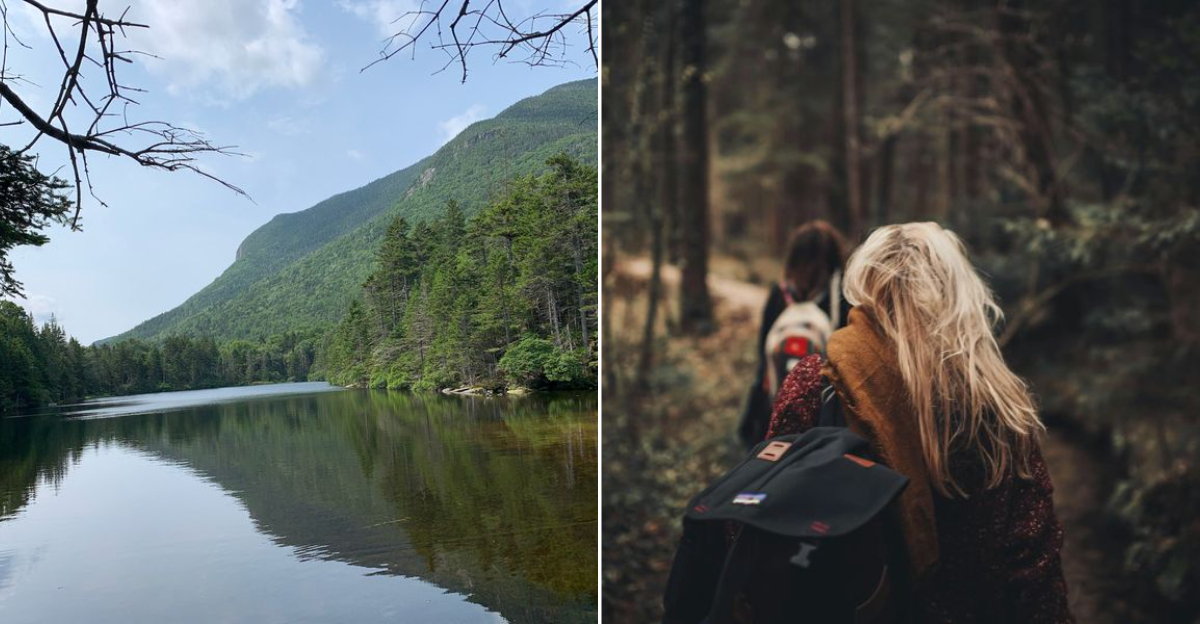
Have you ever walked through a place that feels like everyone left in a hurry? That’s the vibe at Livermore Ghost Town in New Hampshire.
Once a small logging community tucked into the White Mountains, it’s now nothing more than scattered ruins and eerie silence. Tourists who stumble across it often say the atmosphere is unsettling, almost like the town doesn’t want visitors hanging around.
Back in the late 1800s, Livermore was built with big hopes: families, schools, and businesses all tied to the logging industry. But when the industry collapsed, so did the town. Today, only traces remain: old foundations, broken structures, and paths that lead nowhere.
It’s not polished or preserved like other historic sites; instead, it feels raw, abandoned, and a little spooky. I’ve always thought places like this are fascinating because they remind you how quickly communities can vanish.
If you’re curious about New Hampshire’s past, Livermore Ghost Town is a haunting reminder best seen from a distance.
Once A Bustling Logging Town
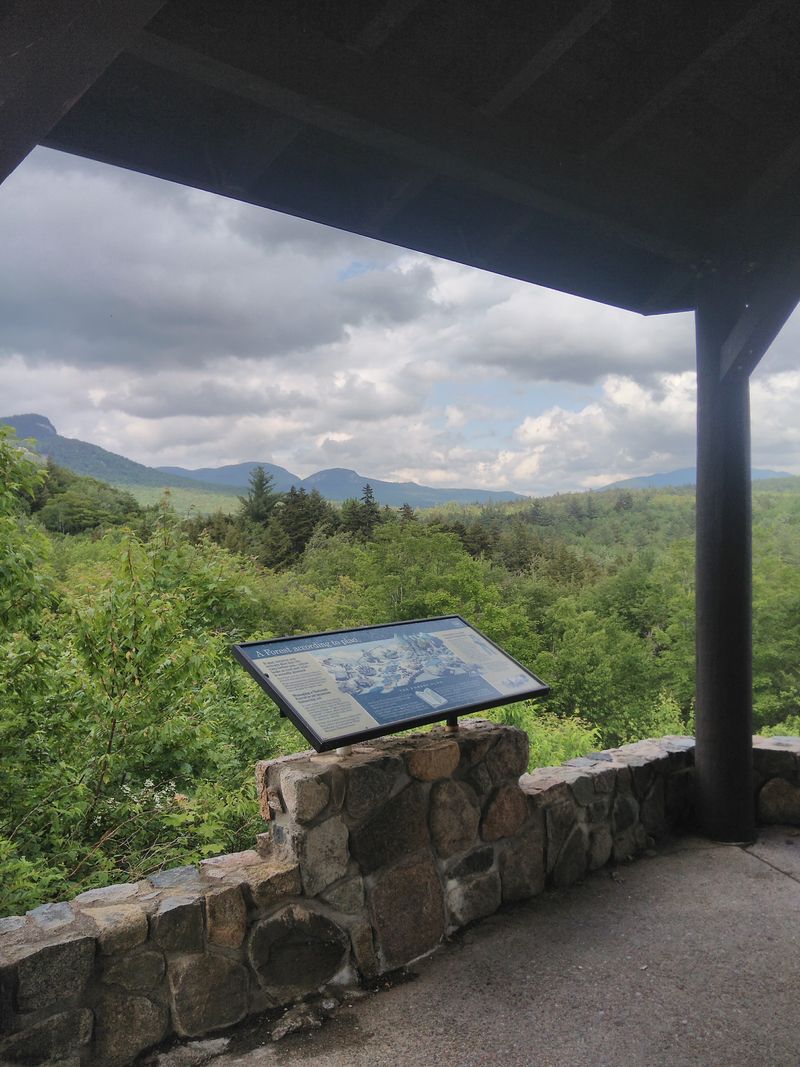
I feel like it is wild to imagine noise here where the woods now hush everything down.
Livermore grew up along Sawyer River near Sawyer River Road, Bartlett, NH 03812.
You stand on needles and think of wagons, stacked boards, and boots on wet planks. The old layout still peeks through if you are patient with your eyes.
Low walls mark edges, and there is the shape of a street if you trace it. You can almost hear a bell or a whistle that once kept time.
New Hampshire built towns like this wherever the forest could be worked. Things felt practical here and probably a little tough, judging by the terrain.
Walking now, you can sense the rhythm that would have held the place together. The river is the anchor, even when you can barely see it through trees.
I like to stand still and think about hands setting stone on stone for a home. You do not need signs when the land itself still holds the map.
Named For A U.S. Senator’s Family
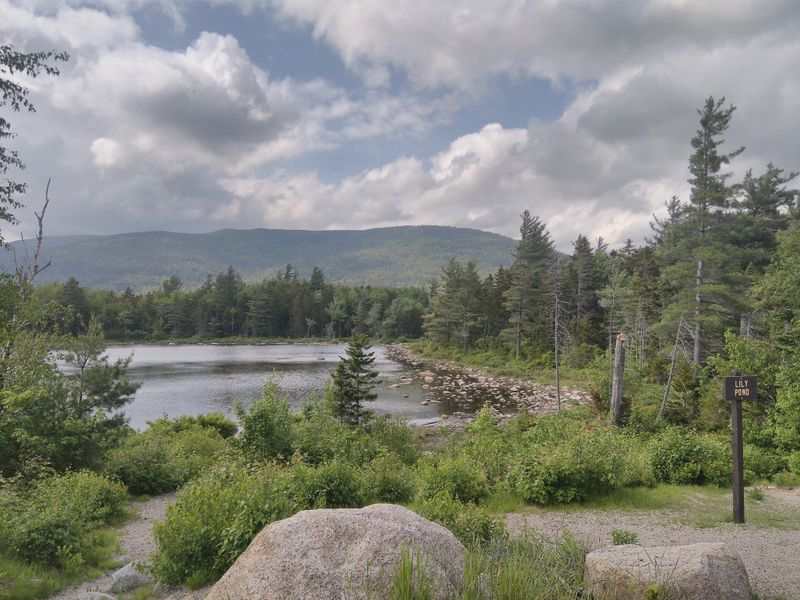
The name carries more weight once you say it out loud under the pines.
Livermore took its name from Senator Samuel Livermore through the Saunders family ties in Bartlett, NH. That thread connects national history to one quiet corner of the White Mountains.
Out here, big stories shrink down until they fit in your pocket.
You picture a family deciding, planning, and putting machinery near the river. The land holds on to names the way stone keeps a chill.
The state’s history sneaks up in places like this because it feels uncurated. A last name becomes a place, and then the place gets folded into the woods.
I like how simple that is when you stand beside a mossy wall. The forest does not care about titles, and that makes the story feel honest.
When you walk through, you carry the name forward just by saying it. I think that is enough for a town that no longer speaks for itself.
Floods And Fires Started Its Decline

The story bends when water and flame get their turn.
Down by the Sawyer River, the mill site felt the worst of it. Once the work center faltered, everything else slowed like footsteps in mud.
I like how you can still see where things might have stood before the trouble. It is more feeling than detail, and that is okay out here.
The woods prefer hints anyway.
New Hampshire weather has a way of deciding what stays and what goes. Walk a little and you will notice scoured banks and odd mounds.
Those shifts tell the quiet part of the history without a single plaque.
I try not to force a neat lesson when the land is doing the talking. The past sits in the open, so make sure you just pass through politely.
I’m sure you will leave with a softer step and a slower voice.
Officially Disincorporated In Mid-Century
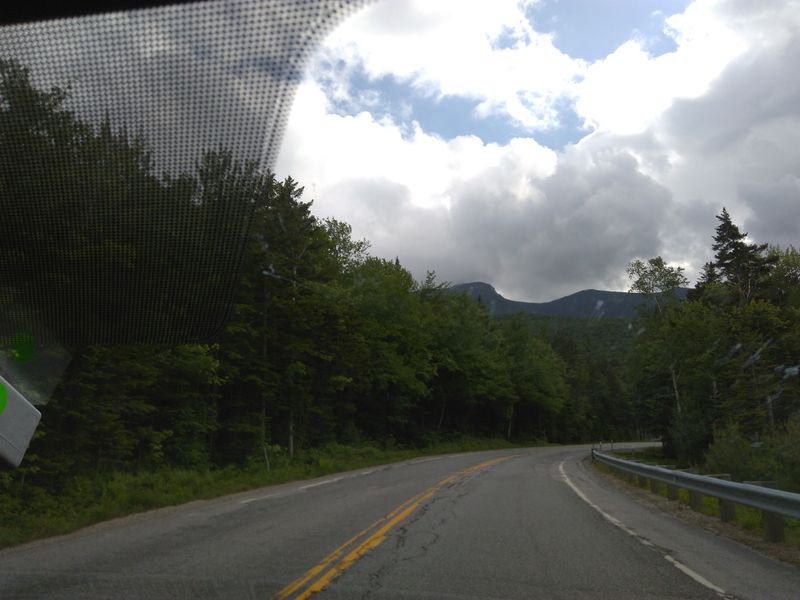
There is a moment when a place slips off the ledger and into memory.
Livermore, reached from Sawyer River Road off U.S. Route 302, crossed that line.
Walking the route now, you feel how paper boundaries do not hold in the woods.
Maps flatten stories, but I feel like this place rises in texture and smell. Pine, wet rock, and a cool hush make their own kind of record.
You will not find a town green or signs that welcome you in.
The state kept the land, and the forest kept the rest. I would say it is a different kind of presence, softer but steady.
I think that is why people call it spooky and not just historic. The quiet feels active, like a room listening while you tiptoe through.
It is still a destination, but the invitation comes from the trail. You step carefully and let the trees do the hosting.
What’s Left Is Just Ruins
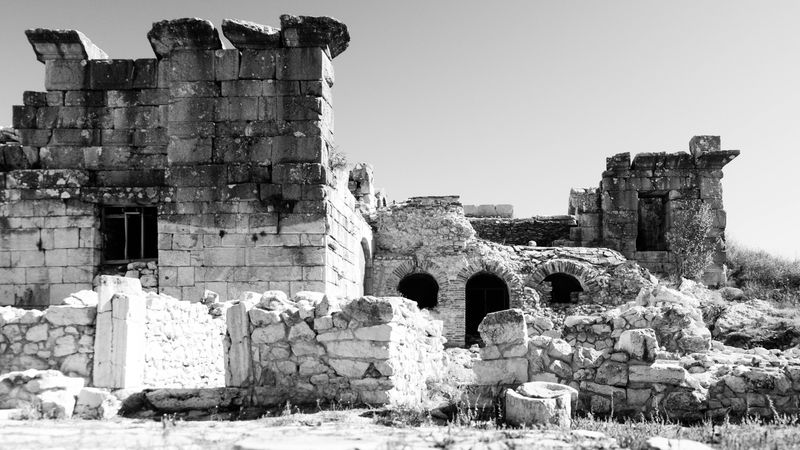
If you are looking for big ruins, adjust the dial to subtle.
The remains sit off Sawyer River Road, and they hide in plain sight. Foundations are low and slick with moss, and the brick shards rest quiet.
Every step asks for patience because the details are small and honest. I like how nothing jumps at you, and nothing tries to sell a feeling.
The woods do that better than any sign.
New Hampshire stone ages into a kind of soft gray that photographs well. Give your eyes a minute and the lines of an old room come forward.
You will notice corners, doorways, and maybe a step that goes nowhere.
I like how that invites a small story rather than a big one. You can trace the edges together and fill in what we can.
Then let the rest fade back into the trees with a nod.
Creeping Forest Reclaims The Site
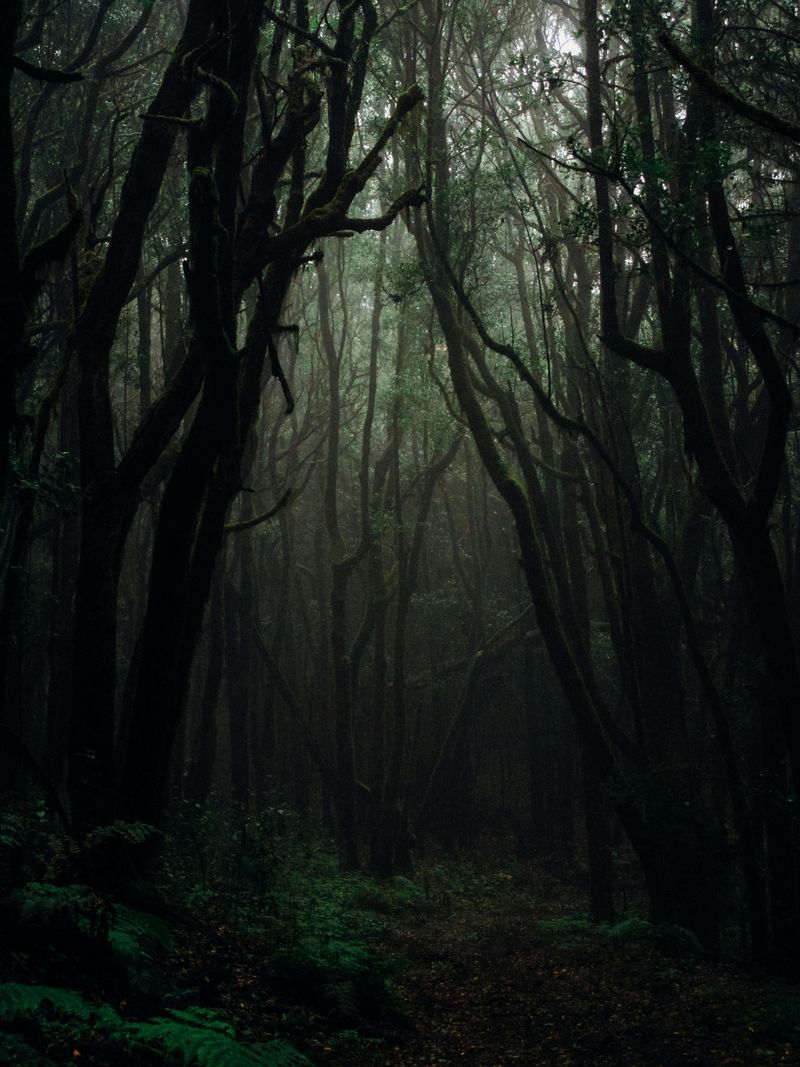
The forest has patience that people do not.
On the old roads by Sawyer River Road, the trees knit over everything. You notice roots sliding between slate like careful fingers.
The trail twists as if it remembers wagons but prefers feet now. It feels kind and a little stubborn at the same time.
Nature likes a slow victory here, and I really like that about it.
Woods in this state make a blanket that never fully lifts.
Look up and the canopy breaks the light into small coins. That glow lands on stones that used to mark kitchens and halls.
I like to touch the rock and feel the cool come through. It tells you who is in charge without a single word.
Make sure to just walk along and try to be good guests in Livermore.
Remote Location Adds To The Chill
The getting there sets the mood before the woods even begin.
Turn onto Sawyer River Road from U.S. Route 302, and ease into the trees.
The surface goes quiet, and your voice does too. It is not far, but it feels removed in a good way.
The road narrows just enough to slow you down.
I think that pace actually helps you notice more once you stop.
New Hampshire backroads have that patient kind of gravity. You park, step out, and the forest takes the sound right away.
The trail is simple, and the details stack up with each turn.
I like that the vibe is calm rather than loud about being spooky. It lets the place meet you where you are that day.
Walk in with curiosity and leave with your shoulders dropped.
Sometimes Called The Creepiest Ghost Town
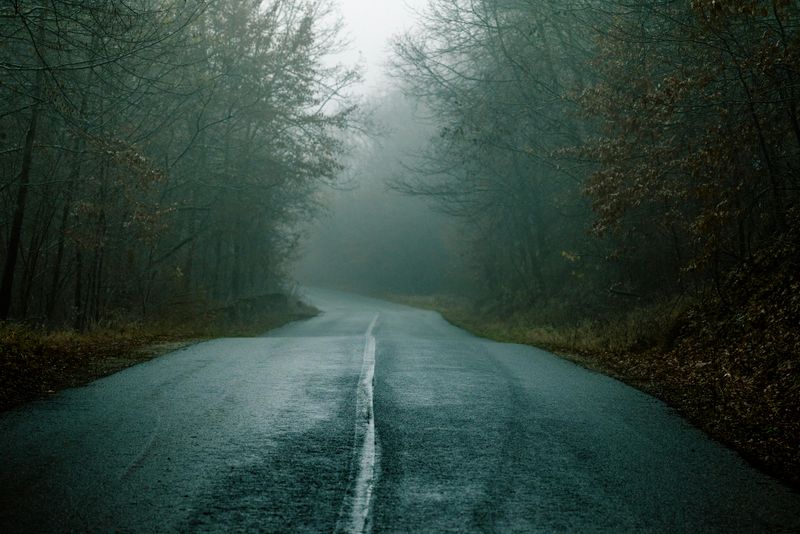
People love to put big labels on quiet places. Out here, the label sticks because the silence lingers.
There are no tour lines or kiosks to set a script. The path feels personal, and you choose your own pace.
The creepiness is more about hush than jump scares. I feel like it is the kind that makes you listen harder.
Forests here are good at that soft kind of theater. Fog helps sometimes, but sunlight can make it feel strange too.
Shadows stretch differently over stones than over dirt.
I like places that do not rush to explain themselves. You get to hold the questions without needing neat answers.
That is a rare kind of fun on any road trip, and Livermore delivers, trust me.
Few Visitors, Lots Of Stories
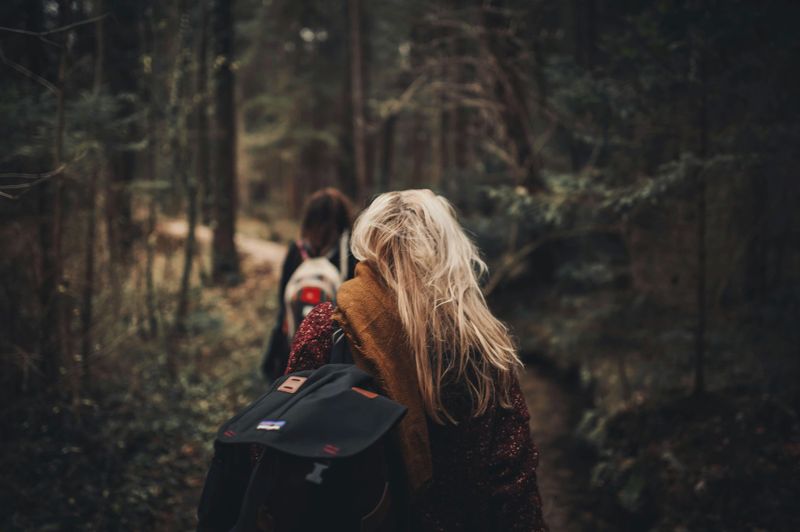
You will not find crowds arguing over the best angle here.
The path off Sawyer River Road stays roomy and calm. That space leaves room for the stories people carry in.
Some folks talk about whispers, and others just nod a lot. Neither version needs to be right for the walk to work.
The place holds both without fuss, and I like that.
New Hampshire has other ghosts, but this one keeps its voice low. You might swap a detail with another hiker and then drift apart.
That is the right amount of company for a spot like this.
I like how the day lingers after you are back in the car. Your head stays on the trail, even as the miles roll by.
That is when you realize the story has you now.
Bones Of A Lost Infrastructure

Look closer and the grid starts to appear under the leaves.
Old roadbeds in Livermore draw faint lines through the trees. Stone culverts and tidy mounds hint at careful, everyday work.
The forest does not erase as much as it blends and softens, which I really like.
You can follow a straight line, then watch it fade into brush. That vanishing act says a lot about time out here.
Towns in this state left sturdy bones when they moved on. Even a small wall can hold a whole afternoon of wondering.
I like to trace with a boot toe and imagine carts rolling by. You feel a pulse of order under all this green.
It is gentle, but it is there if you listen. The woods speak slowly, and you match their pace without trying.
Legends Blend With Landscape
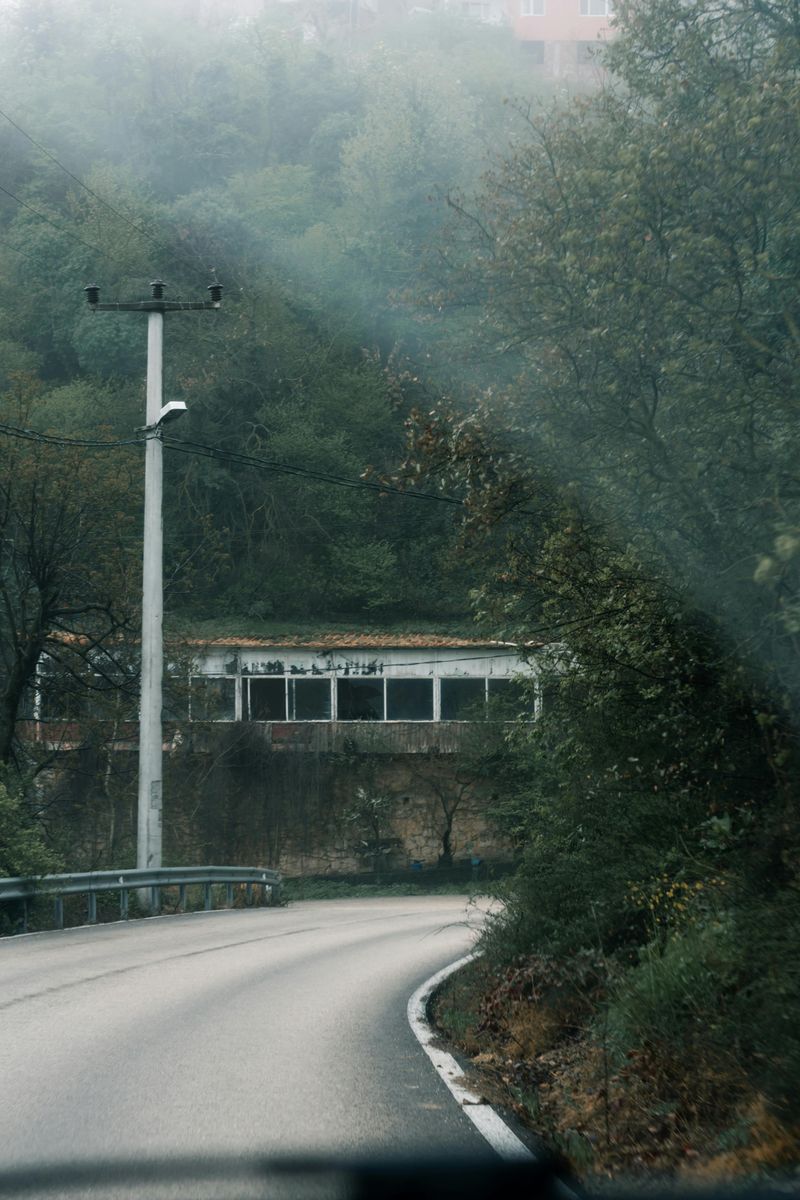
Stories float here like low fog and then slip into the trees.
In Livermore, the mood does most of the talking: no haunted-house props, just stones and weather and quiet light.
That is enough to nudge your senses a little sideways.
You might feel watched, but it is probably just the wind in needles. Either way, it makes for a memorable walk.
New Hampshire folklore fits perfectly with places that keep their secrets.
Let the legends ride along without needing proof or polish. They add color without taking over the view.
I like to leave with more questions than I brought. It keeps the road trip humming long after we exit the forest.
The mystery here is friendly if you let it be.
A Window Into New Hampshire’s Logging Past
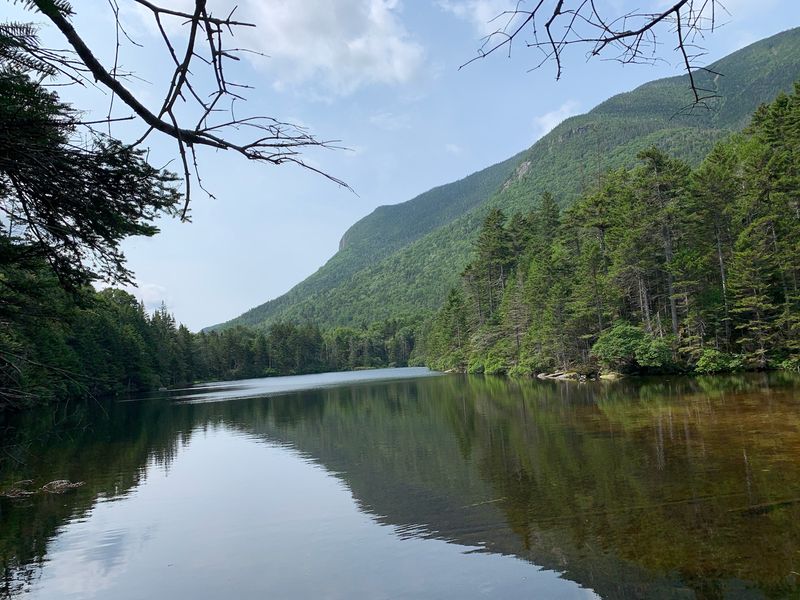
This spot ties the present to the working woods that built a lot of New Hampshire.
Down by Sawyer River, the past sits within reach. You can feel how a day used to run by the water.
I like how the pieces do not shout, but they line up if you give them time. Foundations, paths, and the river make a simple frame for the story.
That is plenty for a curious pair on a slow afternoon. The state shows its history best when it lets the forest lead.
We are just guests here, stepping lightly and reading the ground. Leave no trace and take only a few careful photos.
I like that this kind of visit sticks without souvenirs. It feels steady, thoughtful, and kind to the place.
When you drive away, the woods close up and keep on breathing.
Dear Reader: This page may contain affiliate links which may earn a commission if you click through and make a purchase. Our independent journalism is not influenced by any advertiser or commercial initiative unless it is clearly marked as sponsored content. As travel products change, please be sure to reconfirm all details and stay up to date with current events to ensure a safe and successful trip.
