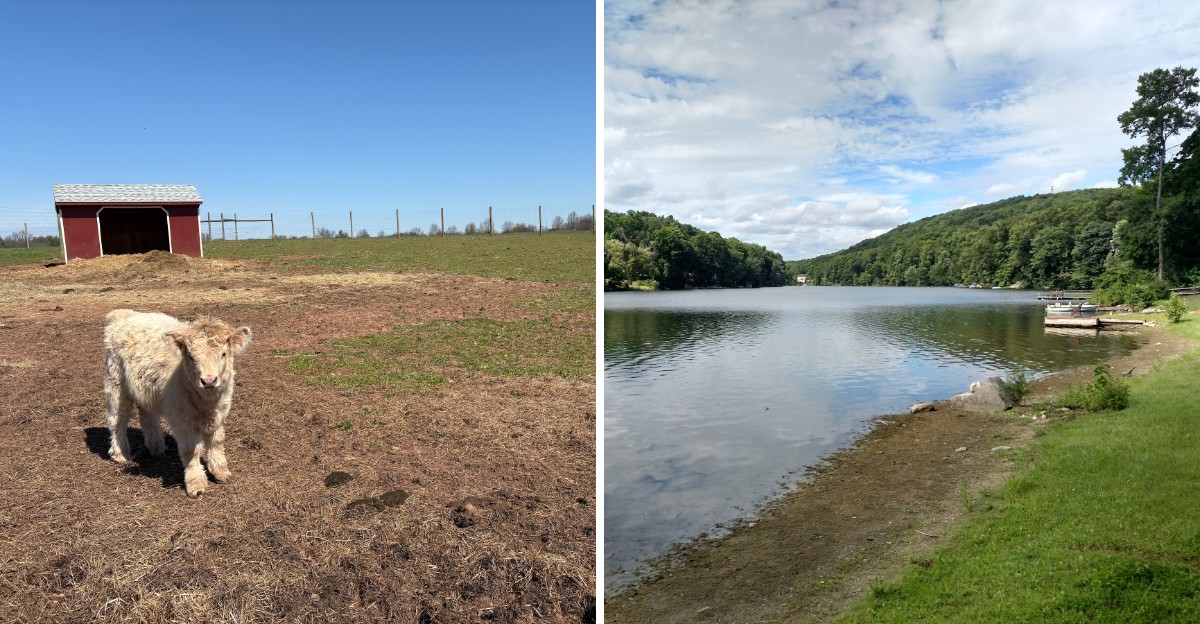
The dry weather is no longer just something you notice when the lawn starts looking tired.
A federal drought designation is now affecting farmers across New Jersey, with 11 counties eligible for USDA disaster assistance tied to the ongoing drought that began June 9.
Four counties were designated primary disaster areas, while seven neighboring counties also qualify for assistance.
That distinction matters. This is an agricultural disaster designation, not a blanket emergency declaration telling residents or travelers to stay away.
Instead, it opens the door for eligible producers dealing with drought-related losses to apply for USDA emergency loans. The application deadline is April 26, 2027.
For anyone who enjoys farm stands, orchards, pick-your-own fields, and locally grown food, it is also a reminder that a long stretch of dry weather can reach much farther than the backyard.
1. Hunterdon County, Where Rolling Farmland Tells The Story First
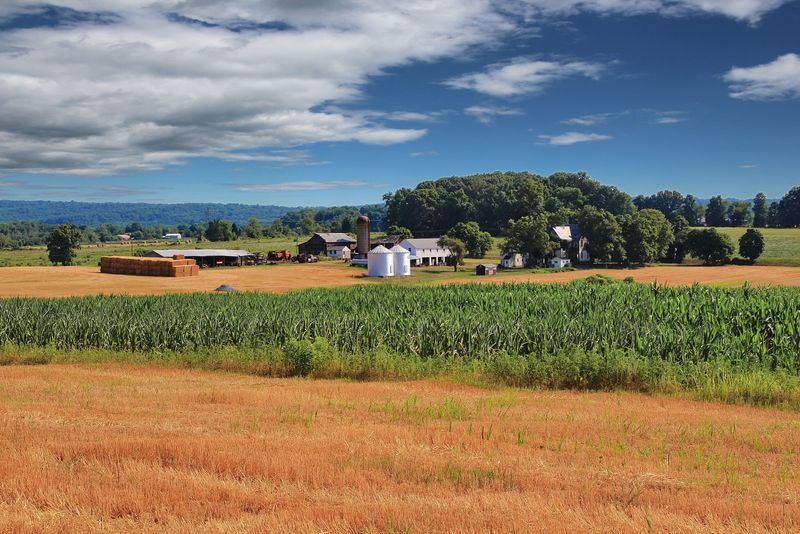
Drive the back roads here and the drought is impossible to miss. Corn leaves curl inward, hay fields look thin, and the soil in places has gone chalky and light.
Hunterdon County sits in the western part of the state, and farming is woven into daily life in a way that feels almost old-fashioned. Roadside stands, dairy operations, horse pastures, and small orchards all share the same water worries when rainfall falls behind.
According to the USDA Farm Service Agency designation, Hunterdon is one of the eleven counties named because of drought conditions that began on June 9, 2026. That listing matters in a practical way, because eligible producers can apply for emergency loans that help replace essential equipment or livestock, reorganize an operation, or refinance certain debts.
Applications are open through April 26, 2027, and the FSA reviews each one based on the extent of losses, available security, and a producer’s ability to repay.
For visitors, the kindest thing is simple. Buy from the farm stands, ask what is doing well this season, and be patient when a favorite crop is in short supply.
Address: Hunterdon County, New Jersey, United States
2. Morris County Feels The Squeeze In Its Green Spaces
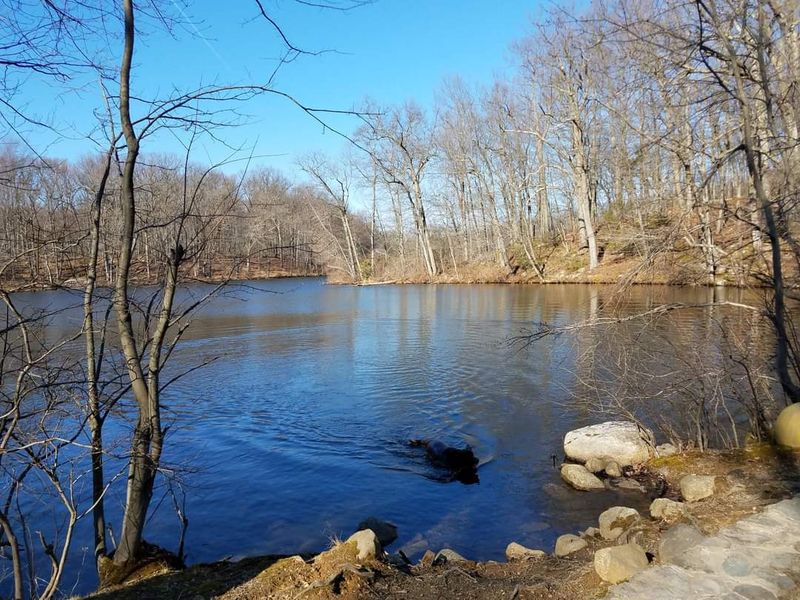
Reservoirs and wetlands usually define the look of this county, which is exactly why a dry season shows up so clearly. Shorelines pull back, and mud flats appear where water normally laps at the grass.
Morris County blends suburban neighborhoods with working farmland and a generous amount of protected open space. Nurseries, sod growers, and small produce farms all operate here, and each one depends on steady summer rainfall that simply did not arrive.
The USDA Farm Service Agency included Morris in the September 03, 2026 disaster designation, which means local producers now have access to the same emergency loan program available across all eleven named counties.
Those loans are not a windfall. They are a bridge, meant to keep an operation running through a bad year rather than erase the loss entirely.
What struck me while reading through the details is how long the window stays open. Producers have until April 26, 2027, which gives families time to assess damage after harvest instead of scrambling in the middle of it.
If you hike here this season, stick to marked trails. Dry ground is fragile ground.
Address: Morris County, New Jersey, United States
3. Somerset County And Its Patchwork Of Working Farms
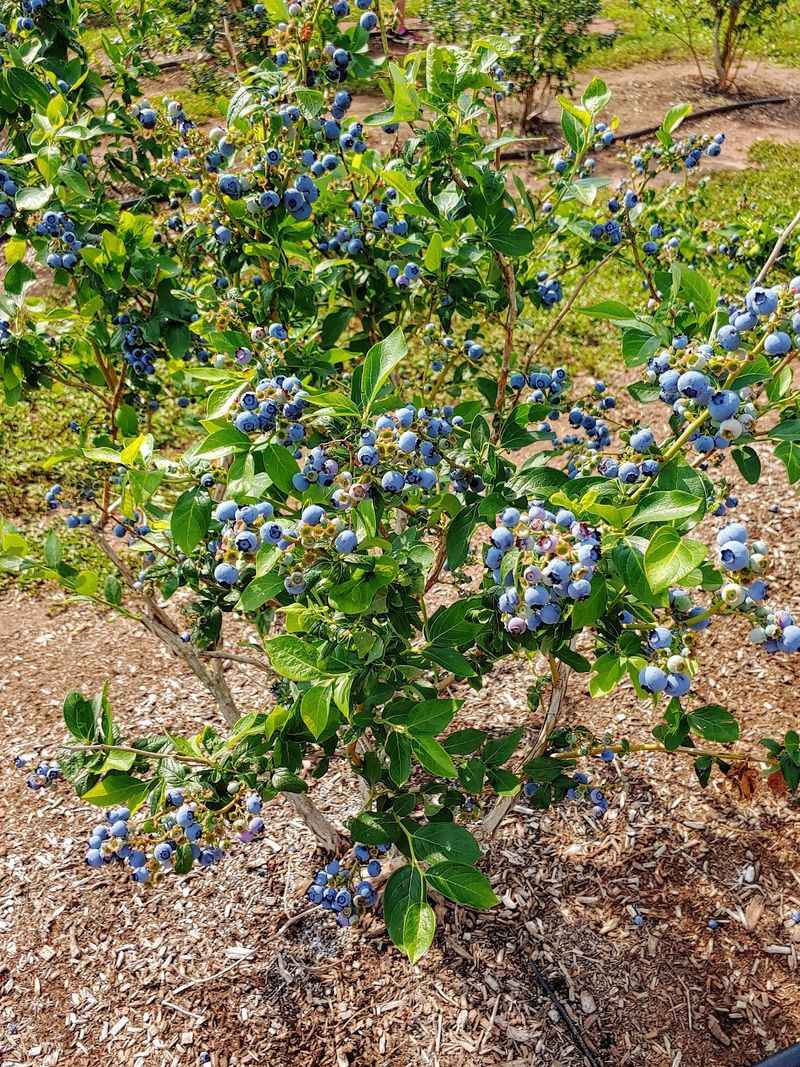
Somerset has a habit of surprising people. Between the office parks and busy highways sit real farms with real harvests, and this year those harvests came in under pressure.
Soybeans, field corn, hay, and vegetable crops make up much of the local growing season, and all of them need consistent moisture during their peak weeks. When the rain skipped town in mid-June, the timing could hardly have been worse.
The Farm Service Agency named Somerset County among the eleven areas affected by drought conditions that started on June 9, 2026 and remain ongoing. Emergency loan applications are being accepted through April 26, 2027.
One detail worth remembering is that the FSA weighs several factors before approving anything, including how severe the losses were and what security a producer can offer.
Honestly, the human side of that paperwork is what sticks with me. Behind every application is a family deciding whether to plant the same acreage again next spring.
Travelers can help in small ways by shopping at community farm markets and choosing seasonal produce, even when the selection looks a little different than usual.
Address: Somerset County, New Jersey, United States
4. Union County Shows That Drought Is Not Only A Rural Problem
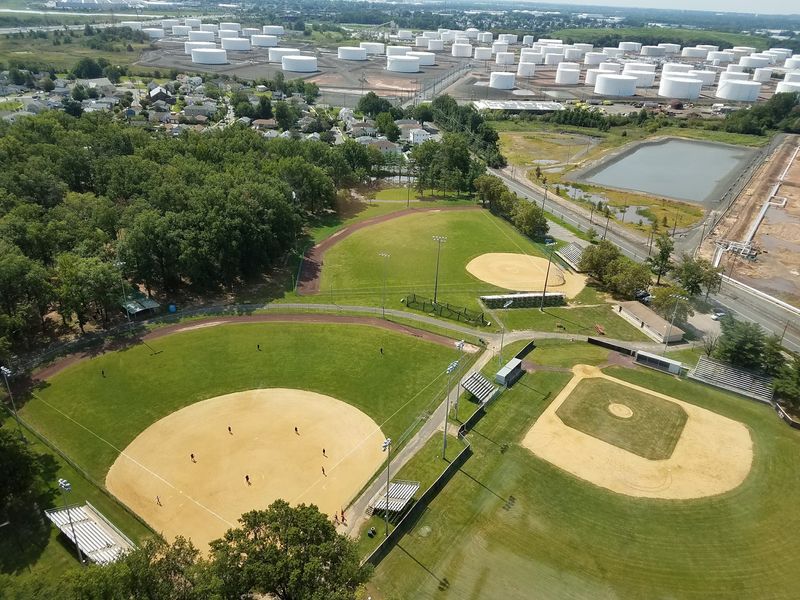
Plenty of folks assume a drought declaration only touches wide-open countryside. Union County proves otherwise, with community gardens, nurseries, landscaping operations, and small growing plots tucked between dense neighborhoods.
Lawns go crisp and brown here quickly, and park grass turns the color of straw. Street trees drop leaves early, which gives late summer an odd, premature autumn feeling.
Per the USDA Farm Service Agency designation issued September 03, 2026, Union County is one of the eleven counties covered, giving eligible producers a path to emergency loans through April 26, 2027.
Those funds can go toward replacing essential equipment, restoring livestock, reorganizing an operation, or refinancing qualifying debts, depending on what the FSA approves.
There is something clarifying about seeing a densely populated county on a drought list. Water is a shared resource, and the pressure shows up in gardens, parks, and greenhouses just as surely as in cornfields.
Small habits help. Watering early in the morning, mulching beds, and skipping the hose on cooler days all stretch a limited supply further.
Address: Union County, New Jersey, United States
5. Essex County, Where Parks And Growers Both Watch The Sky
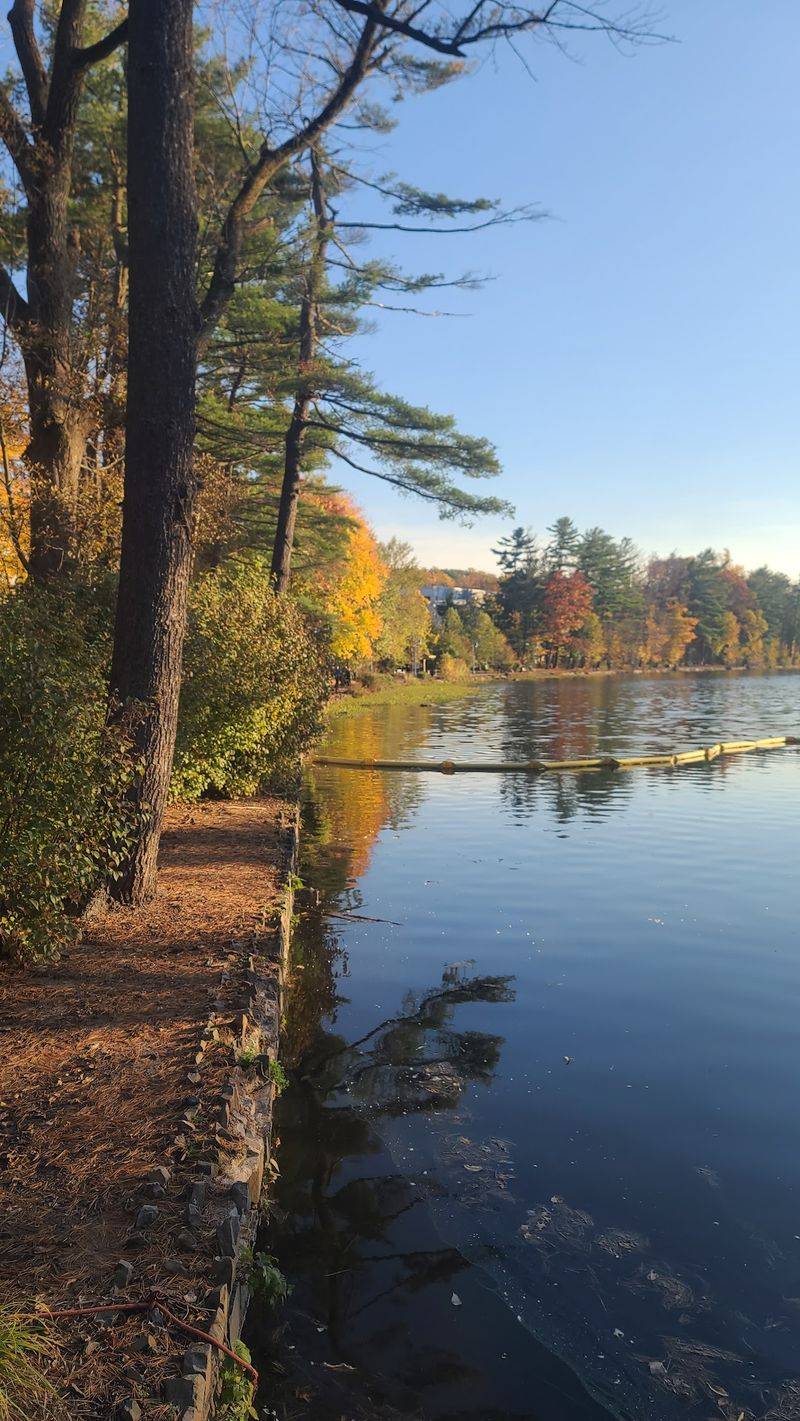
Few places pack so much green space into so little room. Essex County is known for its historic parks, and during a dry stretch those wide lawns take on a bleached, thirsty look that is hard to ignore.
Beyond the parks, there are greenhouses, urban growing projects, and landscape suppliers that depend on reliable water all season long.
The Farm Service Agency listed Essex County in the September 03, 2026 natural disaster designation tied to drought conditions beginning June 9, 2026. Eligible producers may apply for emergency loans up to April 26, 2027.
I find it useful to think of these loans as a tool rather than a rescue. The FSA evaluates the extent of losses, available security, and repayment ability, so the process is deliberate and documented.
Visiting during a dry spell changes the rhythm of a trip a little. Shade becomes the main attraction, water bottles become essential, and midday feels hotter than the thermometer suggests.
Bring a hat, take the shaded paths, and give the grass a break by sticking to walkways where signs ask you to.
Address: Essex County, New Jersey, United States
6. Hudson County Proves Even Urban Ground Gets Thirsty
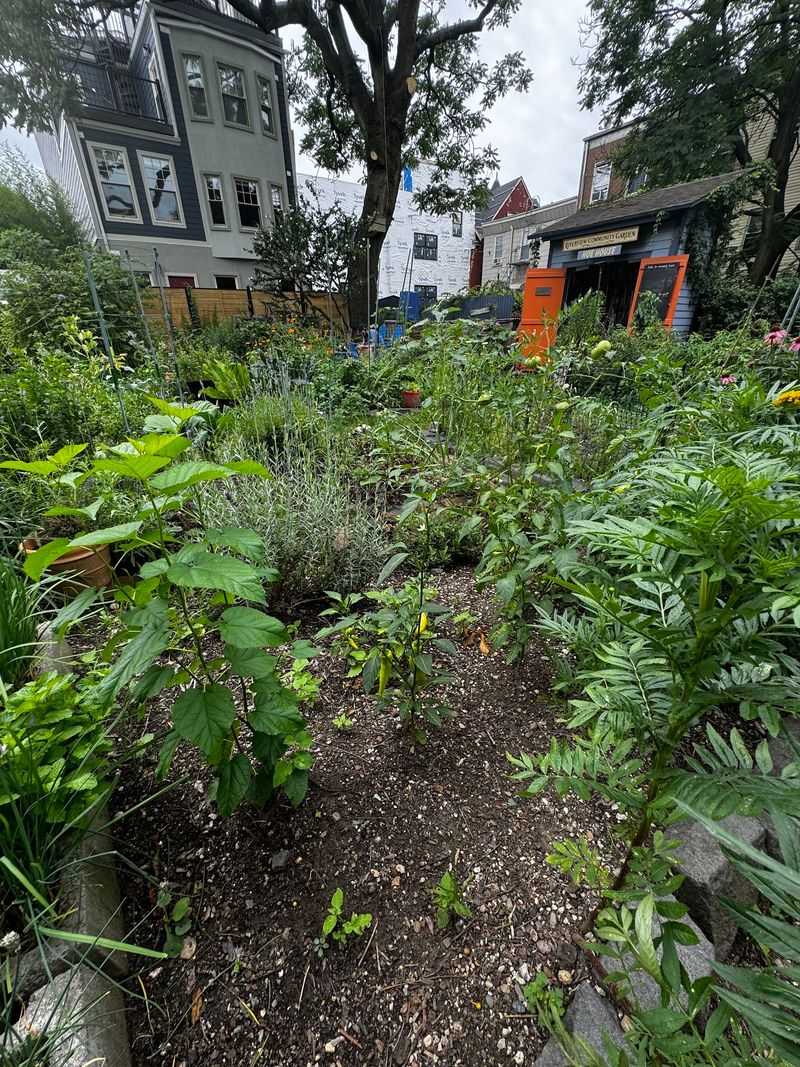
Of all the names on the list, this one raises the most eyebrows. Hudson County is among the most densely built parts of the state, with waterfront promenades and skyline views rather than sprawling fields.
Still, rooftop gardens, community plots, and container growing spaces exist here, and they suffer when rainfall disappears for months.
The USDA Farm Service Agency included Hudson County in its drought designation announced September 03, 2026, with the same emergency loan deadline of April 26, 2027 that applies across the other counties.
What that inclusion really signals is scale. Drought does not stop at a county border or a city limit, and the conditions that started on June 9, 2026 stretched across a wide band of the region.
Walking the waterfront on a dry, hot afternoon, you notice the little things. Planters look stressed, young street trees lean toward any bit of shade, and the air feels heavier than it should.
If you visit, take the ferry, follow the river paths, and appreciate how much effort goes into keeping green space alive in a place built mostly of brick and glass.
Address: Hudson County, New Jersey, United States
7. Mercer County Balances History With A Hard Growing Season
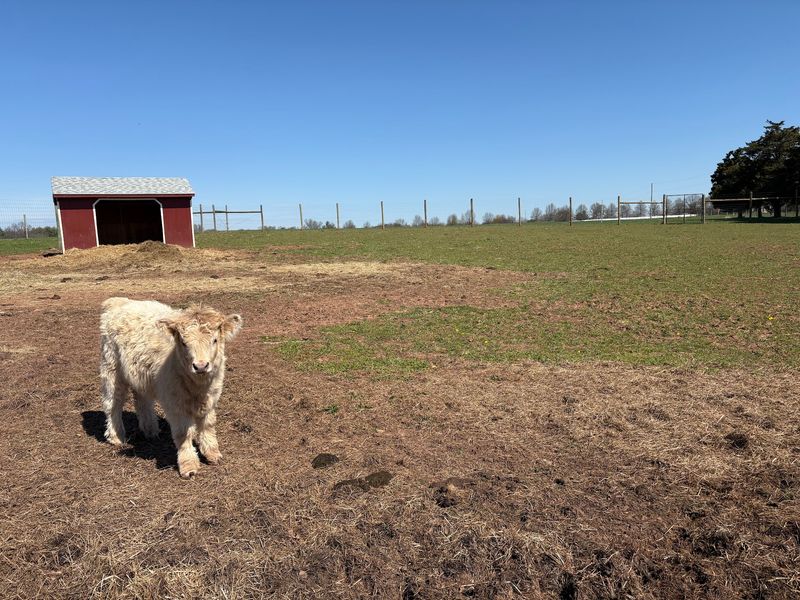
Central location, mixed landscape, real farms. Mercer County sits in a part of the state where suburban streets give way to hay fields and produce farms within a few minutes of driving.
Hay is one of the crops that really tells the truth about a drought, because a weak second cutting means livestock feed gets tight heading into winter.
The Farm Service Agency named Mercer among the eleven counties in the natural disaster designation dated September 03, 2026. Producers there can seek emergency loans until April 26, 2027, subject to FSA review of losses, security, and ability to repay.
Loans can help with essentials like replacing equipment or livestock, reorganizing an operation, or refinancing certain debts, which is often what keeps a farm viable after a difficult year.
There is a practical lesson tucked in here for home gardeners too. Deep, less frequent watering builds stronger roots than a quick daily sprinkle.
Farm markets in this county are worth a stop any season, and buying directly from growers has rarely mattered more than it does now.
Address: Mercer County, New Jersey, United States
8. Middlesex County And The Quiet Loss In Its Produce Fields
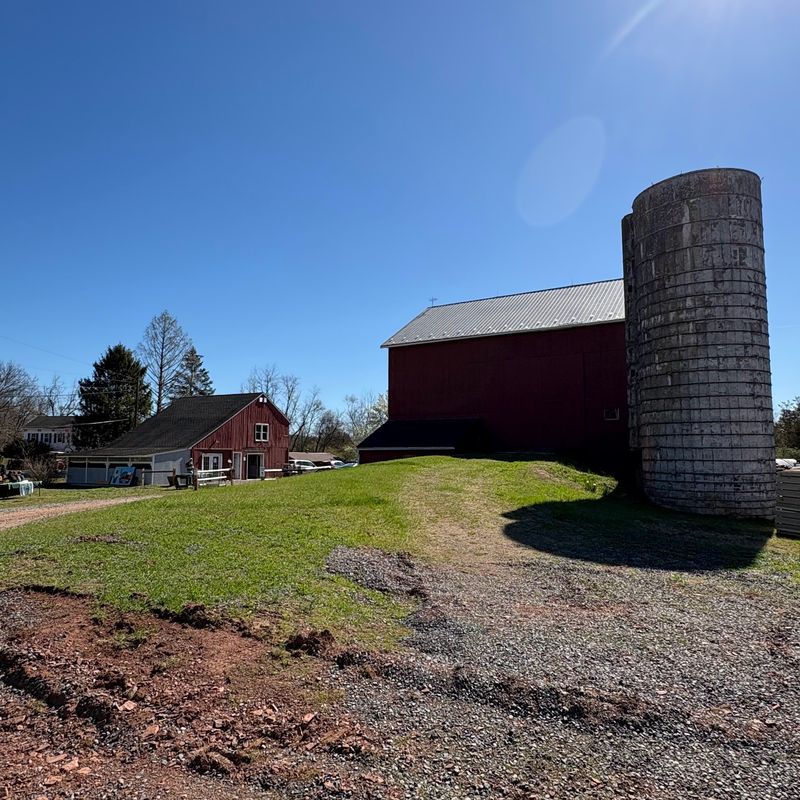
Tomatoes, peppers, sweet corn, and leafy greens have long been part of the growing landscape in this county, and vegetables are notoriously unforgiving when water runs short. A few dry weeks at the wrong moment can shrink fruit, slow ripening, and thin out a whole harvest.
Middlesex County appears on the USDA Farm Service Agency list of eleven counties designated as natural disaster areas because of drought, announced September 03, 2026.
Eligible producers have until April 26, 2027 to apply for emergency loans, and the FSA considers the extent of losses along with available security and repayment capacity.
Something I appreciate about the program design is its flexibility. Funds can address different needs, from equipment to livestock to restructuring an operation that took a real hit.
For anyone traveling through, the roadside farm stands are still the best introduction to the area. Ask what came in strong this year, and you will often get an honest, straightforward answer.
Supporting local growers during a rough season is one of the simplest ways to make a difference.
Address: Middlesex County, New Jersey, United States
9. Passaic County, Where Waterfalls And Farms Share The Strain
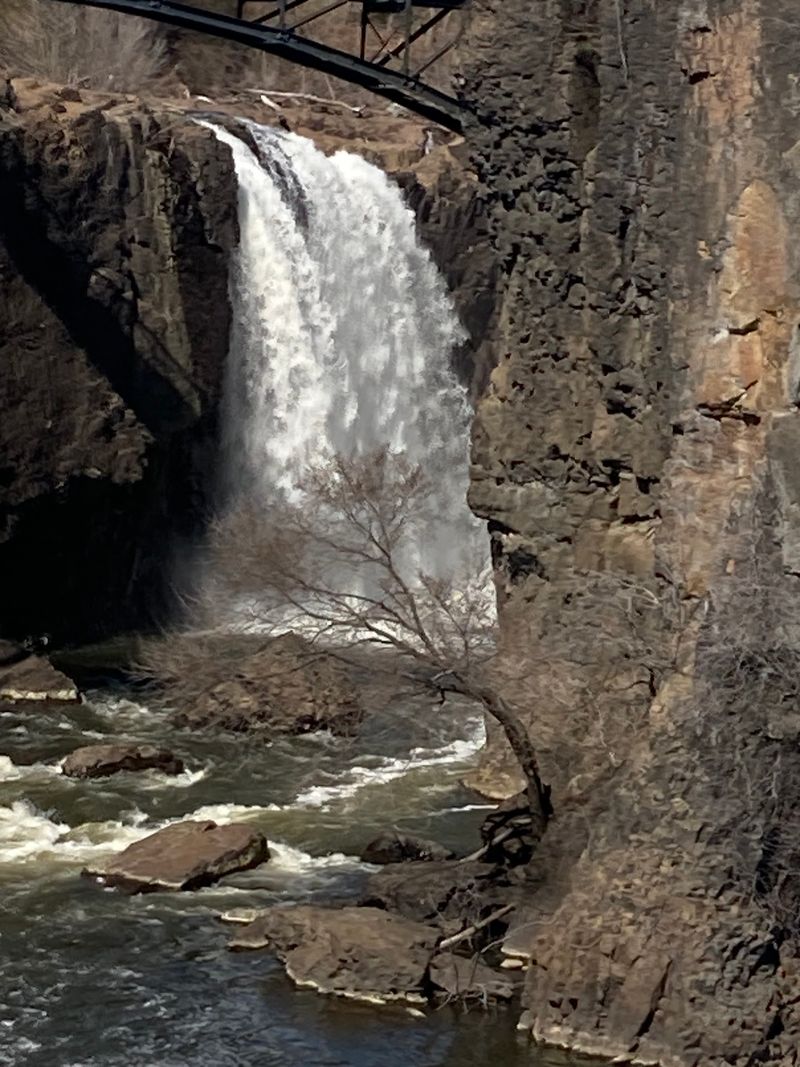
Water is part of this county’s identity, from its river to its famous falls, so a drought reads almost like a plot twist. Flow slows, rock ledges show more of themselves, and the sound of rushing water softens.
Up in the northern reaches, there are farms, orchards, and nurseries that need rain just as much as the rivers do.
Passaic County was included in the Farm Service Agency designation issued September 03, 2026, covering drought conditions that began on June 9, 2026 and continue.
Emergency loan applications remain open through April 26, 2027, and approval depends on FSA evaluation rather than automatic eligibility.
Seeing lower water levels up close is a strange kind of teacher. It makes the connection between rainfall, rivers, reservoirs, and dinner plates feel much less abstract.
If you head out to the falls or the northern hills, go early in the day when the light is soft and the heat has not settled in yet.
Carry water, wear real shoes, and leave the dry brush alone.
Address: Passaic County, New Jersey, United States
10. Sussex County Dairy Country Counts Every Inch Of Rain
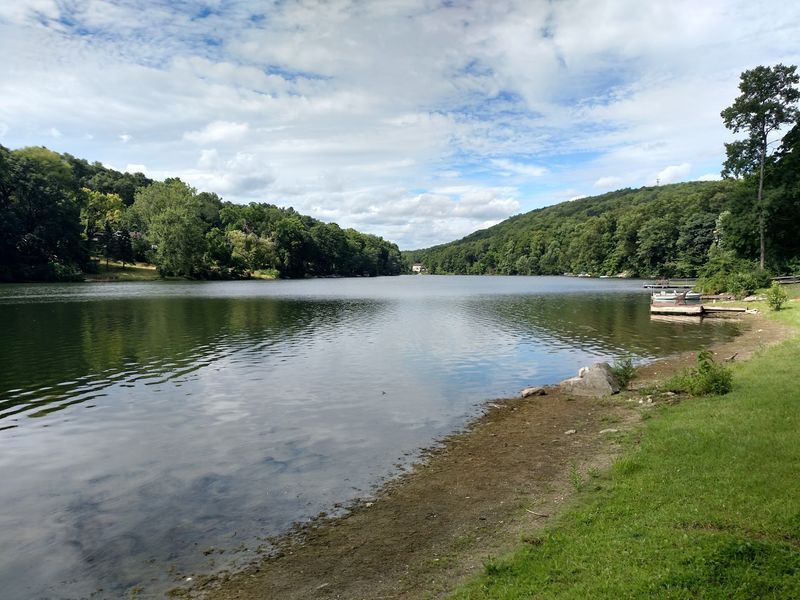
Up in the northwest corner, the landscape turns hilly and green, and dairy farming has deep roots. Pastures and hay ground are the backbone of that work, which makes rainfall the single most important ingredient of the year.
When pasture growth stalls, farmers start feeding stored hay in midsummer instead of saving it for winter. That is a domino that keeps falling for months.
Sussex County is one of the eleven counties named in the USDA Farm Service Agency disaster designation dated September 03, 2026, with an emergency loan deadline of April 26, 2027.
Loan funds can go toward livestock, essential equipment, reorganizing an operation, or refinancing certain debts, based on what the FSA approves after reviewing each application.
I have always thought this part of the state feels like a different world, all barns, ridgelines, and long country views. That beauty comes with real vulnerability when the weather turns stubborn.
Visit the farm markets, take the scenic roads slowly, and remember that the pretty view is also somebody’s livelihood.
Address: Sussex County, New Jersey, United States
11. Warren County Rounds Out The List Along The Delaware
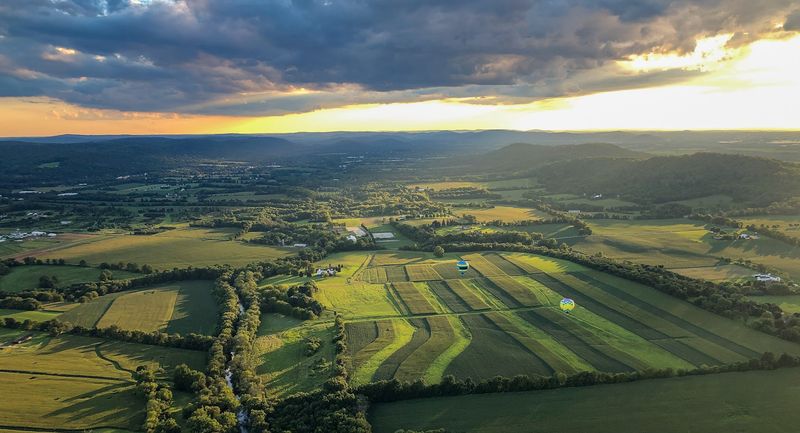
Last on the list but hardly least, Warren County stretches along the Delaware River with some of the most productive farmland in the region. Corn, hay, grain, and livestock operations fill the valleys between wooded ridges.
River levels drop noticeably in a dry year, and gravel bars appear where paddlers usually glide through without a thought.
The Farm Service Agency named Warren County in the September 03, 2026 natural disaster designation, completing the group of eleven counties affected by drought conditions that began June 9, 2026.
Producers in both primary and contiguous counties can apply for emergency loans through April 26, 2027, with the FSA weighing losses, security, and repayment ability for each request.
Wrapping up this look across the state, one thing stands out clearly. A drought does not announce itself loudly, it just slowly changes the color of everything.
Travelers passing through can still enjoy the river towns, the country roads, and the farm markets, and doing so supports the people working hardest through this stretch.
Address: Warren County, New Jersey, United States
