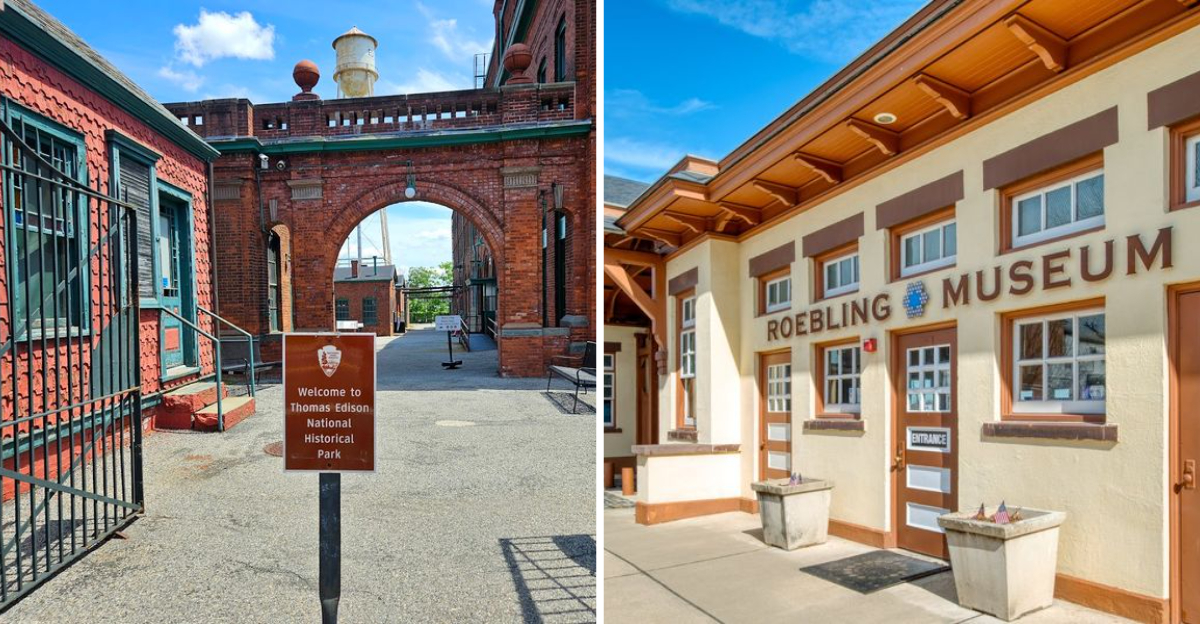
New Jersey is full of surprises, and some of the best ones are hiding inside buildings you would never expect.
Old prisons, abandoned factories, working lighthouses, and historic villages have been transformed into some of the most fascinating museums in the entire state.
These places tell real stories about the people who lived, worked, and even served time within their walls.
Whether you are a history lover, a curious traveler, or just looking for something different to do on a weekend, these museums are absolutely worth a visit.
1. Burlington County Prison Museum, Mount Holly
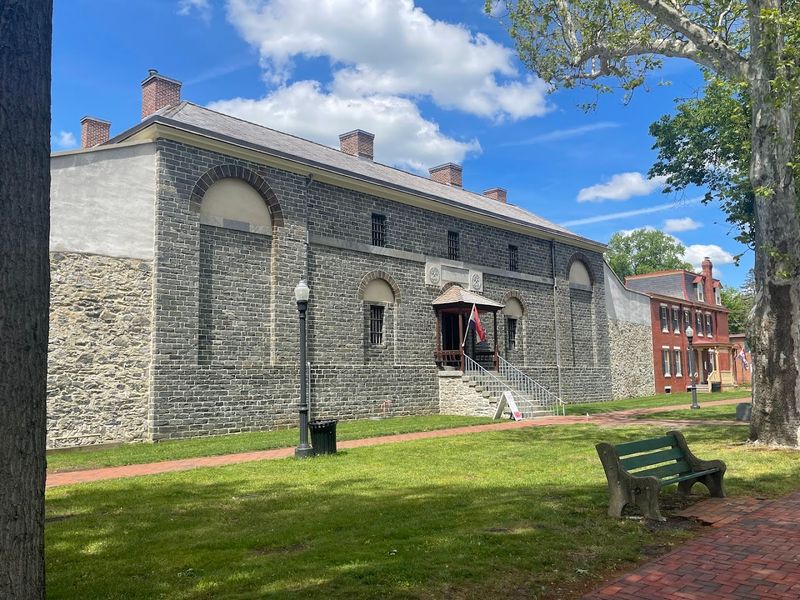
Walking through the front door of a building that once held real prisoners is an experience that is hard to forget. The Burlington County Prison Museum in Mount Holly is one of the oldest surviving jails in the entire United States, originally built in 1811.
It was designed by architect Robert Mills, who later went on to design the Washington Monument.
The building itself is a remarkable piece of history. Thick stone walls, original iron cell doors, and narrow corridors give visitors a genuine sense of what life was like for inmates more than 200 years ago.
The structure remained an active prison until 1965, which means it served its original purpose for over 150 years.
Today, the museum offers guided tours that walk you through the cells, the jailer’s quarters, and even a room where public hangings once took place. Each space has been carefully preserved to reflect different eras of the prison’s long history.
Exhibits inside explain the criminal justice system of early America and how punishment changed over time. Local volunteers run many of the tours and bring the stories to life with incredible detail.
It is equal parts eerie and educational, making it one of the most unique stops in all of South Jersey. Address: 128 High St, Mount Holly, NJ 08060.
2. Historic Cold Spring Village, Cape May
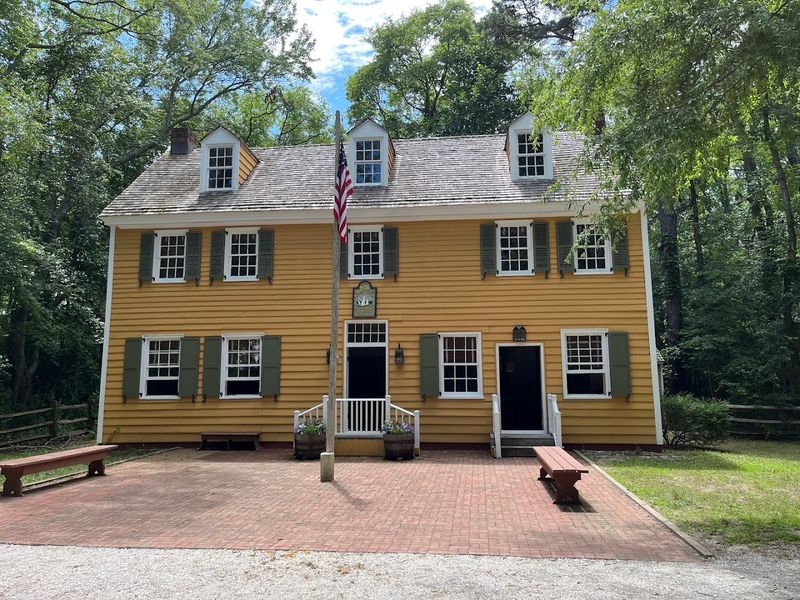
Stepping into Historic Cold Spring Village feels a little like time travel, but in the best possible way. Spread across 30 acres near Cape May, this open-air living history museum features more than 25 restored buildings from the 18th and 19th centuries.
The structures were relocated from across South Jersey and carefully reassembled here to create a working village.
Costumed interpreters bring the site to life by demonstrating traditional crafts like blacksmithing, tinsmithing, and broom making. You can watch a potter shape clay on a wheel or see a weaver working at a loom, all using tools and methods from hundreds of years ago.
It is the kind of place where kids and adults end up equally fascinated.
Many of the buildings served very specific purposes in their original communities, from farmhouses and barns to a general store and a one-room schoolhouse. Each structure tells a different story about rural life in early New Jersey.
The village also hosts seasonal events throughout the year, including heritage craft fairs and holiday celebrations that draw large crowds. Visiting during the summer months gives you the fullest experience, with the most demonstrations happening simultaneously.
Whether you spend an hour or an entire afternoon here, you will leave with a much deeper appreciation for how people lived and worked in early America.
Address: 735 Seashore Rd, Cape May, NJ 08204.
3. Paterson Museum, Paterson
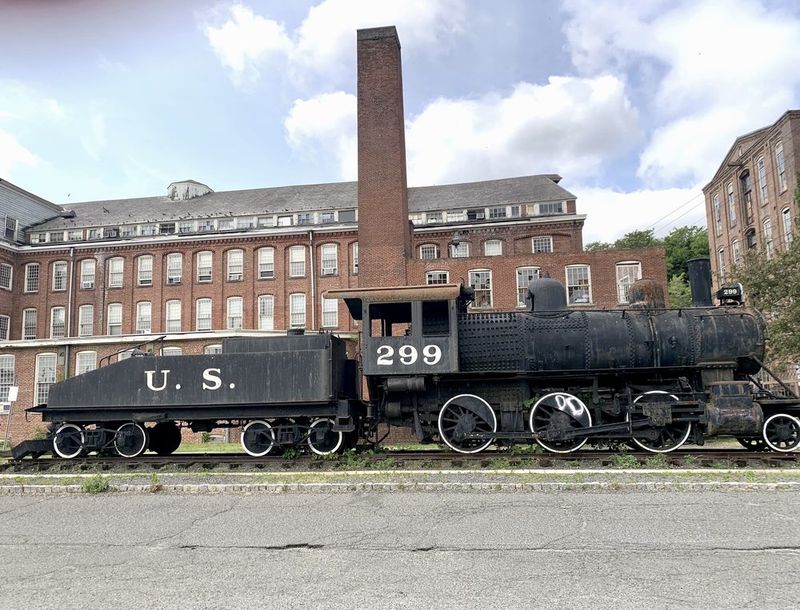
Paterson has a remarkable industrial story, and the museum that tells it is just as impressive as the city itself. The Paterson Museum is housed inside the former Rogers Locomotive Works, a massive brick factory building that dates back to the 1800s.
At its peak, Paterson was one of the most important manufacturing cities in the entire country.
The museum covers an enormous range of topics, from the silk industry that once made Paterson famous to the locomotives, pistols, and submarines that were invented or manufactured here. Yes, submarines.
John Philip Holland, the inventor of the modern submarine, developed and tested his early designs right in Paterson, and the museum has one of his original vessels on display.
The building itself is worth the visit. Exposed brick walls, heavy timber ceilings, and original factory floors give the space a raw, authentic character that modern museums often lack.
Walking through it, you can almost hear the hum of machinery that once filled these rooms. Exhibits are thoughtfully arranged to guide visitors through Paterson’s evolution from a planned industrial city to a diverse urban community.
The museum also highlights the contributions of immigrant workers who powered the factories for generations. For anyone curious about American industrial history, this is one of the most rewarding and underrated museums in the entire Garden State.
Address: 2 Market St, Paterson, NJ 07501.
4. Hoboken Historical Museum, Hoboken
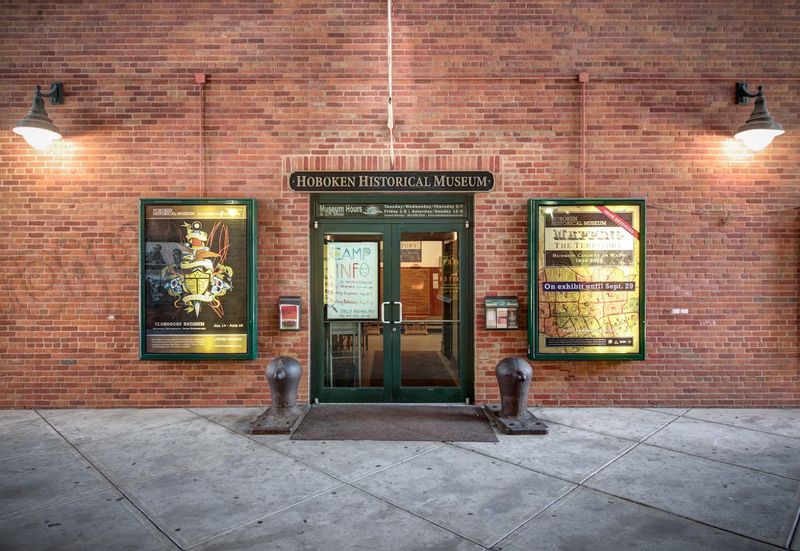
Hoboken is a city that punches well above its weight when it comes to history, and the Hoboken Historical Museum is the perfect place to explore that legacy.
Housed inside a former 19th-century industrial building just blocks from the Hudson River, the museum celebrates the rich and often surprising past of one of New Jersey’s most densely packed cities.
Most people know Hoboken as the birthplace of Frank Sinatra and a popular spot for Manhattan commuters.
But the museum reveals layers of history that go far deeper, including Hoboken’s role as a major shipping port, its vibrant immigrant communities, and its early days as an entertainment destination.
Old postcards, photographs, and artifacts fill the galleries with stories that feel both local and universal.
Rotating exhibitions keep the museum fresh and give regular visitors new reasons to return. Past shows have explored everything from Hoboken’s industrial waterfront to its neighborhood architecture and cultural traditions.
The building’s brick walls and wooden floors give the space a warm, lived-in character that matches the community it represents. It is the kind of museum where a single visit can easily turn into two hours of unexpected discovery.
For history enthusiasts and curious day-trippers crossing over from New York, the Hoboken Historical Museum offers an experience that is genuinely worth making time for.
Address: 1301 Hudson St, Hoboken, NJ 07030.
5. Roebling Museum, Roebling
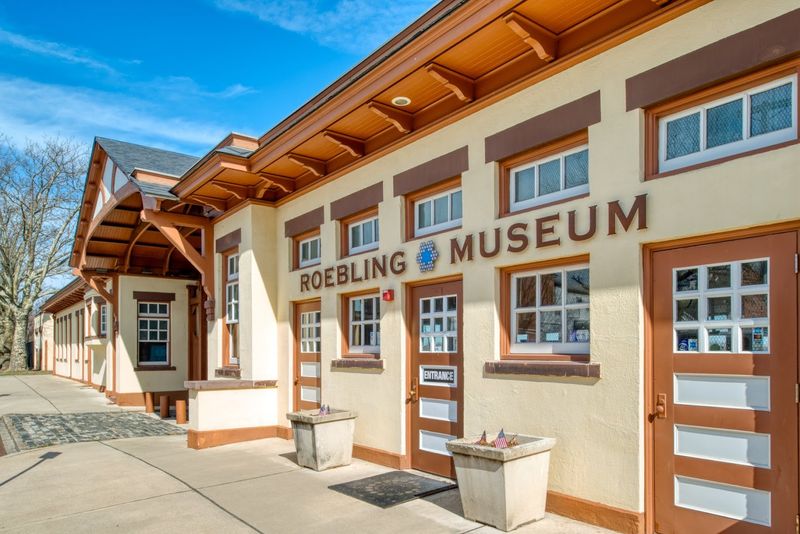
The name Roebling is forever linked to one of the most iconic structures in American history, the Brooklyn Bridge.
What many people do not realize is that the wire rope used to build that bridge was manufactured right here in a small New Jersey town that shares the same name.
The Roebling Museum tells that story with tremendous pride and detail.
Housed inside the former factory complex where John A. Roebling’s Sons Company once produced steel wire rope, the museum is an industrial history lover’s dream.
Massive spools of original cable, vintage machinery, and detailed exhibits trace the Roebling company’s journey from its founding in the 1840s to its impact on bridges, buildings, and infrastructure across the country.
The factory town of Roebling itself was a planned community built entirely to house the workers and their families.
That community planning aspect is one of the most fascinating parts of the museum’s story. Exhibits show how the Roebling company designed and built homes, schools, and community spaces for its employees, creating a self-contained world centered around the factory.
It is a fascinating look at the relationship between industry and everyday life in early 20th-century America. Visiting the museum gives you a whole new level of appreciation every time you see a suspension bridge.
The connection between this small town and some of the world’s greatest engineering achievements is genuinely astonishing.
Address: 100 2nd Ave, Roebling, NJ 08554.
6. Red Mill Museum Village, Clinton
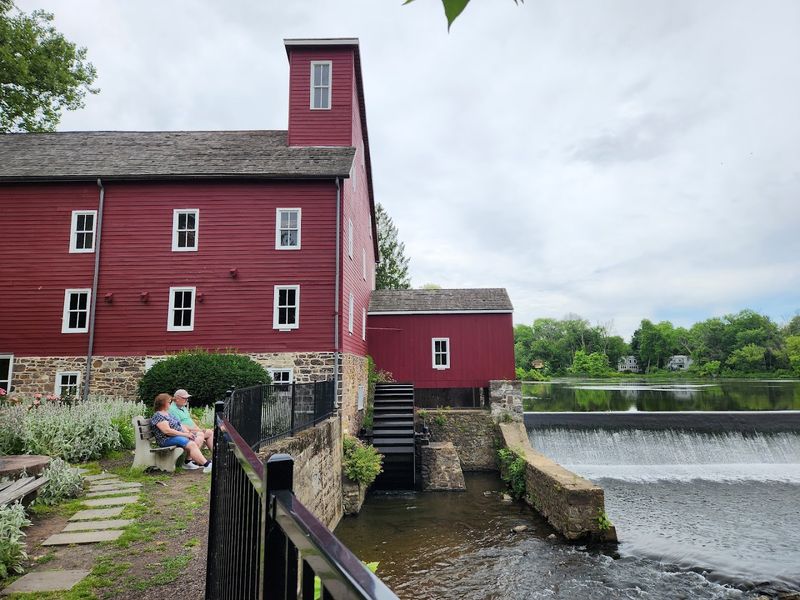
Few buildings in New Jersey are as instantly recognizable as the Red Mill in Clinton. Perched right beside a rushing waterfall on the Raritan River, the bright red structure has been photographed millions of times and appears on countless postcards.
But behind that picture-perfect exterior is a museum village with a genuinely rich and layered history.
The mill itself dates back to 1810 and has served many different purposes over its long life, including as a gristmill, a textile mill, a talc processing facility, and a graphite mill. Each phase of its history reflects the changing economic needs of the surrounding region.
Today, the building houses an extensive collection of tools, equipment, and artifacts related to its many industrial lives.
The surrounding village adds even more depth to the experience. More than a dozen historic structures have been relocated to the property, including a log cabin, a one-room schoolhouse, a general store, and a quarry office.
Each building is furnished and interpreted to reflect a specific period in New Jersey’s past. The site along the river is genuinely beautiful in every season, but autumn is particularly spectacular when the surrounding trees turn orange and gold.
For families, history enthusiasts, and photographers alike, the Red Mill Museum Village delivers a satisfying combination of natural beauty and historical substance that is hard to match anywhere else in the state.
Address: 56 Main St, Clinton, NJ 08809.
7. Historic Village at Allaire, Farmingdale
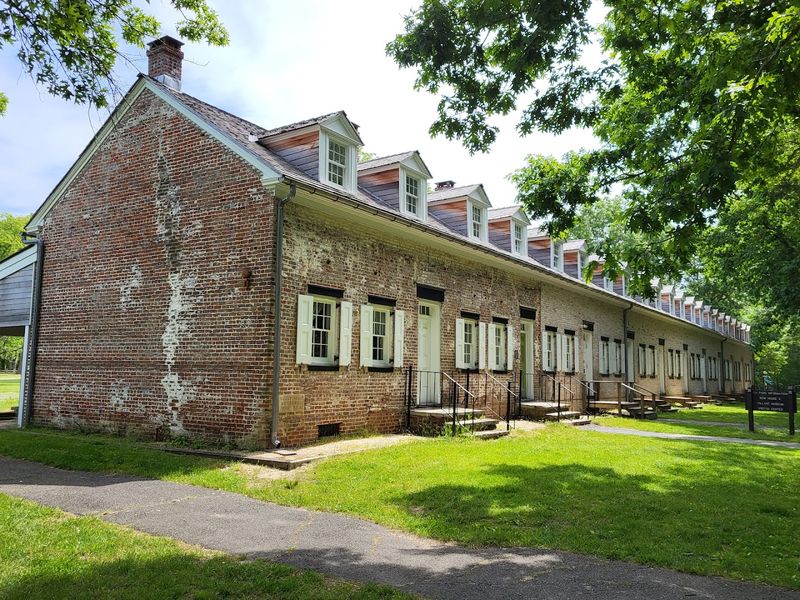
Hidden inside Allaire State Park, the Historic Village at Allaire is one of those places that feels genuinely removed from the modern world.
The village was originally an ironworks community established in the early 1800s, built to produce cast iron products using the abundant bog iron found in the nearby Pinelands.
At its height, it was a self-sustaining industrial community with hundreds of residents.
When cheaper Pennsylvania iron made bog iron production unprofitable, the village was largely abandoned by the mid-1800s. That abandonment, oddly enough, is part of what makes it so special today.
Because it was not demolished or repurposed, many of the original structures survived intact, giving visitors an unusually authentic window into early American industrial life.
Walking through the village, you pass a bakery, a carpenter’s shop, a blacksmith forge, a general store, and rows of worker cottages, all in various states of careful preservation. Costumed interpreters demonstrate period crafts and answer questions with genuine enthusiasm.
The surrounding park trails add a natural dimension to the visit, making it easy to spend a full day here. Children are particularly drawn to the hands-on demonstrations, while adults tend to linger over the architectural details and historical exhibits.
The combination of preserved industrial history, living demonstrations, and natural surroundings makes Allaire one of the most complete historical experiences in all of New Jersey.
Address: 4263 Atlantic Ave, Farmingdale, NJ 07727.
8. Thomas Edison National Historical Park, West Orange
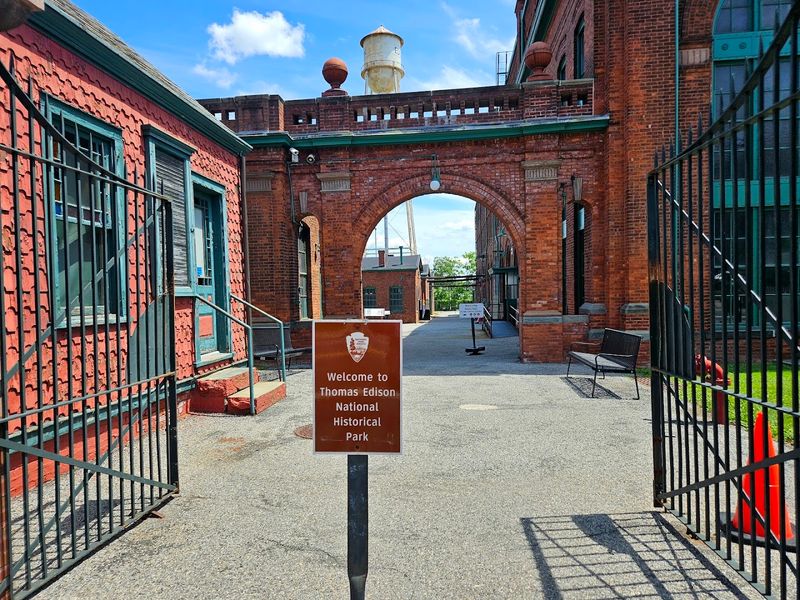
Thomas Edison is one of the most prolific inventors in American history, and his laboratory complex in West Orange is where much of that genius was put to work.
The Thomas Edison National Historical Park preserves both his sprawling laboratory campus and his family home, Glenmont, giving visitors an extraordinarily detailed look at how Edison lived and worked.
The laboratory complex alone is remarkable. Edison built it in 1887 specifically to accelerate the pace of invention, staffing it with dozens of skilled workers and filling it with every material and tool he could imagine needing.
The phonograph, the motion picture camera, and improvements to the electric light bulb were all developed here. Walking through the original rooms, with equipment still in place, feels like stepping directly into the moment of discovery.
The chemistry lab, the machine shop, the library, and the listening room are all open to visitors and have been meticulously preserved by the National Park Service.
Rangers lead tours that bring the history to life with engaging stories about Edison’s methods, his failures, and his remarkable persistence.
The sheer scale of the complex makes it clear that Edison was not just an inventor but an industrial organizer who understood how to build systems for creating new things.
For anyone with even a passing interest in science, technology, or American history, this park is one of the most rewarding destinations in the entire state.
Address: 211 Main St, West Orange, NJ 07052.
9. Naval Air Station Wildwood Aviation Museum, Cape May
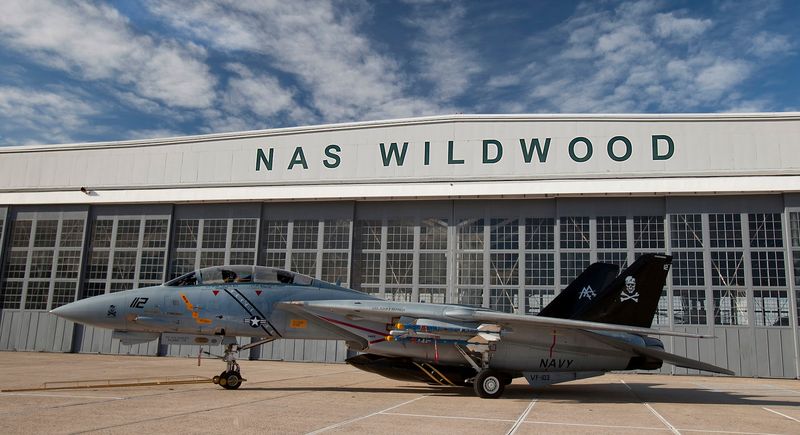
There is something genuinely thrilling about standing inside a World War II-era hangar surrounded by historic aircraft.
The Naval Air Station Wildwood Aviation Museum occupies one of the best-preserved military hangars in the country, a massive structure built in 1943 that still stands on the grounds of Cape May Airport.
The scale of the building alone is enough to take your breath away.
During the war, the base served as a training facility for Navy dive bomber pilots, and thousands of aviators learned their skills here before heading overseas. The museum honors that history with an impressive collection of restored aircraft, military vehicles, and aviation artifacts.
Many of the planes on display are exceptionally rare, and volunteers continue the ongoing work of restoring additional aircraft.
Beyond the aircraft, the museum does an excellent job of telling the human stories behind the machines. Exhibits cover the experiences of the pilots who trained at Wildwood, the mechanics who kept the planes flying, and the broader context of naval aviation during World War II.
Interactive displays and flight simulators make the experience especially engaging for younger visitors.
The hangar’s original structure, with its massive wooden arches and corrugated metal exterior, adds an authentic atmosphere that no purpose-built museum building could replicate.
Spending a few hours here leaves you with a deep appreciation for the bravery and skill of the men and women who served.
Address: 500 Forrestal Rd, Cape May, NJ 08204.
10. Absecon Lighthouse, Atlantic City
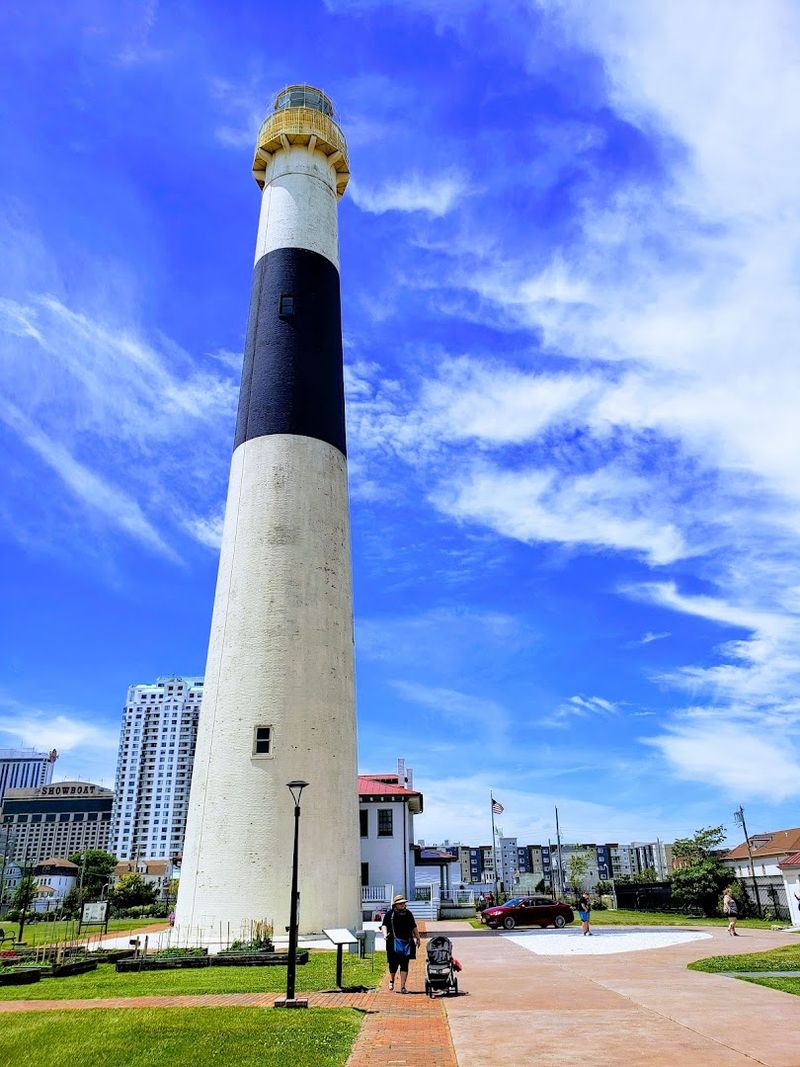
Atlantic City is famous for its boardwalk and casinos, but tucked a few blocks from all that noise and glitter stands one of the most elegant structures in the city.
The Absecon Lighthouse is the tallest lighthouse in New Jersey and the third tallest in the entire United States, rising 171 feet above the surrounding neighborhood.
Built in 1857, it guided ships safely through the treacherous shoals off the Jersey Shore for decades.
Today, the lighthouse is a fully restored museum that welcomes visitors to climb all 228 steps to the top. The panoramic views from the lantern room are absolutely stunning, stretching across Atlantic City, the bay, and the open ocean on clear days.
The climb itself is a workout, but the reward at the top makes every step worthwhile.
The restored keeper’s dwelling at the base of the tower houses exhibits about the lighthouse’s history, the life of lighthouse keepers, and the maritime heritage of the New Jersey coast.
Period furnishings and personal artifacts give the dwelling a warm, intimate character that contrasts nicely with the tower’s imposing height.
The lighthouse’s distinctive red and white striped pattern makes it one of the most photogenic structures on the entire Jersey Shore. Whether you are visiting Atlantic City for the first time or the fiftieth, the Absecon Lighthouse offers a perspective on the city that most visitors never experience.
Address: 31 S Rhode Island Ave, Atlantic City, NJ 08401.
11. Hereford Inlet Lighthouse, North Wildwood
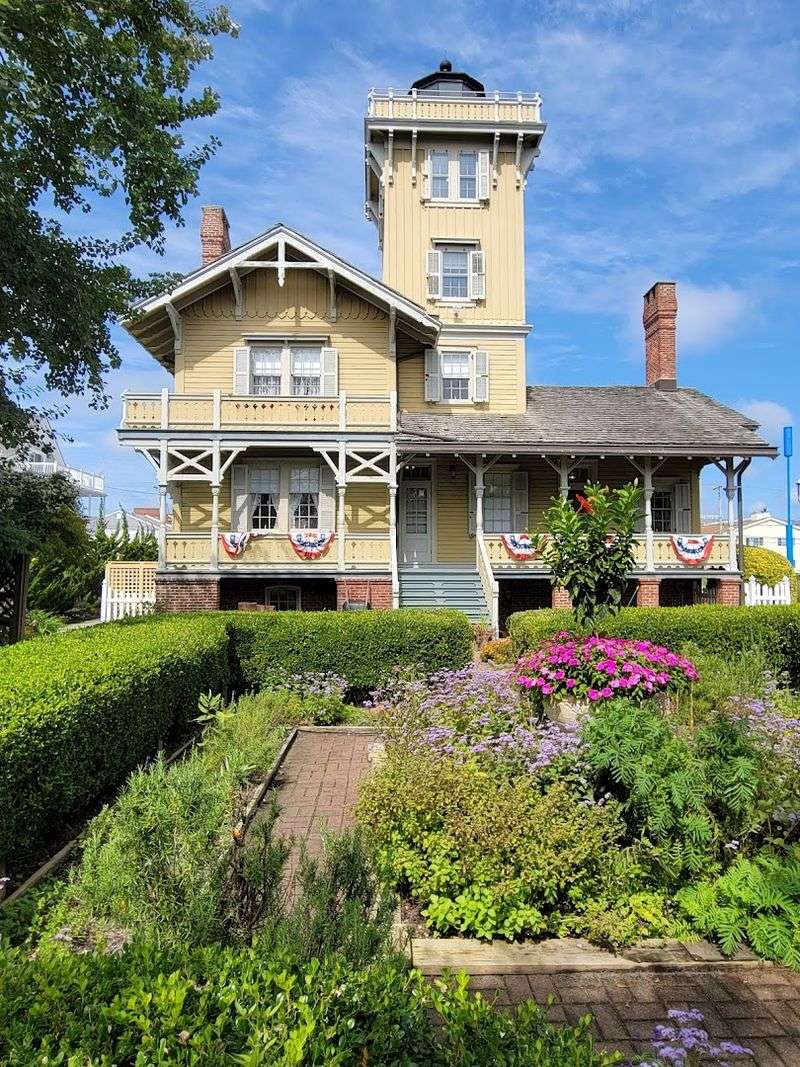
Not every lighthouse is a towering column of brick and iron. The Hereford Inlet Lighthouse in North Wildwood is a charming Victorian cottage-style structure that looks more like a storybook house than a working navigational aid.
Built in 1874, it remains one of the most architecturally distinctive lighthouses on the entire East Coast.
The building served as both a lighthouse and the keeper’s home, which means it was designed with livability in mind alongside its functional purpose.
The result is a structure full of decorative woodwork, wrap-around porches, and graceful proportions that stand in lovely contrast to the more utilitarian lighthouses found elsewhere along the coast.
It was decommissioned as an active aid to navigation in the 1960s but has since been beautifully restored.
Surrounding the lighthouse, the gardens are a destination in their own right. More than 100 varieties of plants fill the grounds with color and fragrance throughout the growing season, creating an atmosphere that feels genuinely peaceful.
The museum inside the keeper’s quarters tells the story of the lighthouse’s history and the families who lived and worked here over the decades. Artifacts, photographs, and period furnishings paint a vivid picture of what life was like for a lighthouse keeper in the late 1800s.
For visitors exploring the Wildwoods, this lighthouse is a quietly beautiful stop that offers a very different experience from the area’s more boisterous beachfront attractions.
Address: 111 N Central Ave, North Wildwood, NJ 08260.
12. Twin Lights Historic Site, Highlands
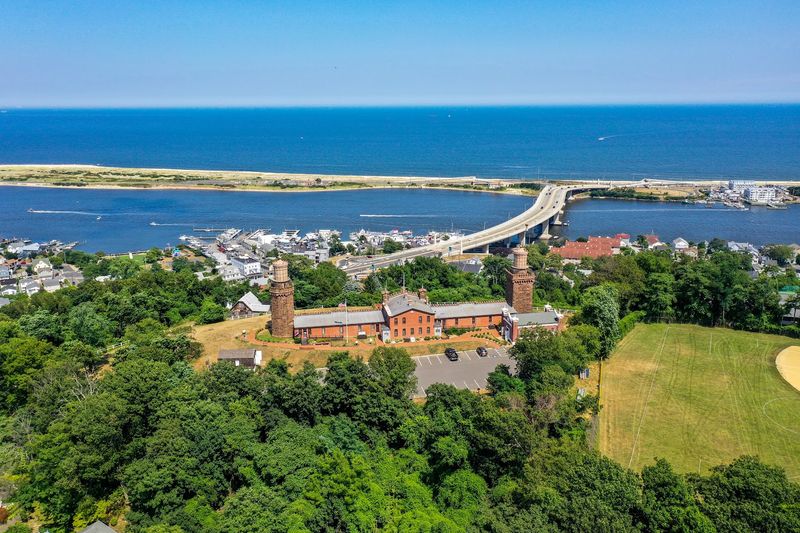
Perched high on a rugged bluff in the Highlands, the Twin Lights Historic Site commands one of the most dramatic views on the entire New Jersey coastline.
The distinctive brownstone structure with its two towers, one octagonal and one square, has guided mariners safely into New York Harbor since 1862.
It is the only twin lighthouse still standing in the United States.
The history of Twin Lights goes well beyond navigation. This was the site of the first demonstration of the Fresnel lens in America, a revolutionary optical technology that dramatically increased the range and power of lighthouse beams.
It was also the location where Guglielmo Marconi first demonstrated wireless telegraphy to the American public in 1899, using the site to transmit race results from the America’s Cup competition.
The museum inside the keeper’s quarters covers all of these milestones with well-organized exhibits that make the history accessible and genuinely exciting.
The grounds offer spectacular views across Sandy Hook Bay and out toward the Atlantic, making it a favorite spot for photographers and hikers as well as history enthusiasts.
Climbing to the top of the north tower rewards visitors with a panorama that stretches all the way to Manhattan on clear days. The combination of architectural grandeur, technological history, and natural beauty makes Twin Lights one of the most rewarding destinations in all of New Jersey.
It is the kind of place that stays with you long after you have driven back home.
Address: 2 Lighthouse Rd, Highlands, NJ 07732.
