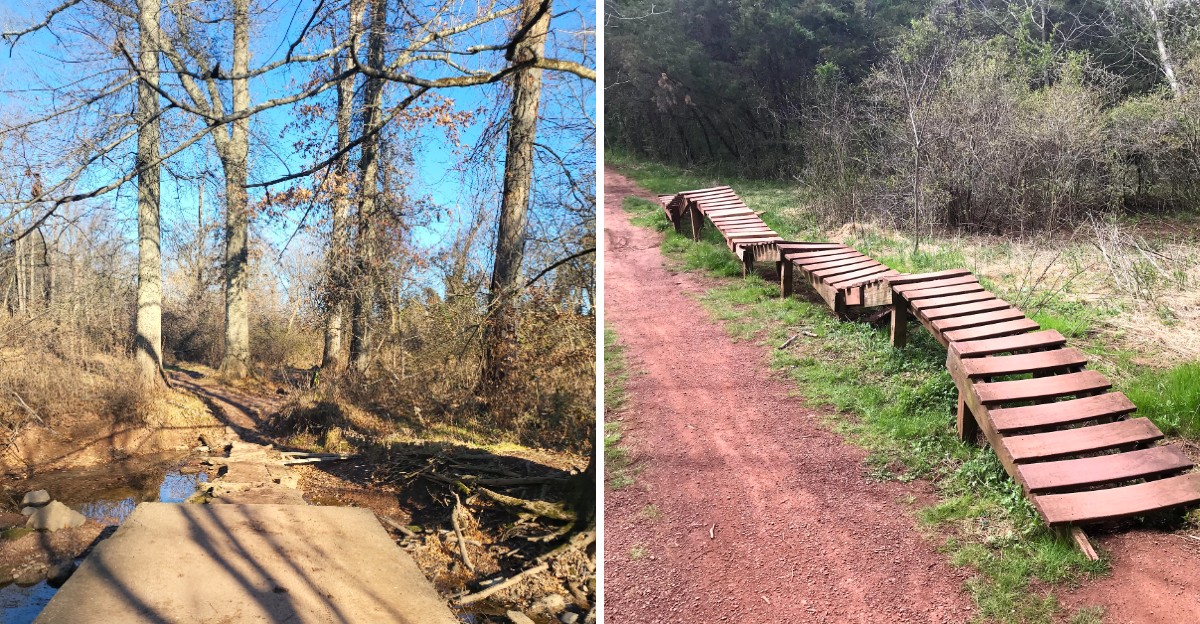
Here’s a strange thought for your next hike: much of this peaceful landscape was once supposed to disappear beneath a reservoir.
More than 3,000 acres of former farmland were acquired for a major water-supply project, but the plan was eventually shelved after other sources proved adequate.
Instead of becoming open water, the land became one of New Jersey’s most fascinating preserved spaces.
Today, trails wind through forests and broad farm fields, passing old barns, farmhouse remains, and other traces of the agricultural district that came before.
Hikers, cyclists, birdwatchers, and horseback riders now get the landscape that almost wasn’t. Whew, talk about a change of plans.
The story adds an extra layer to every quiet mile, especially when you realize just how different this place was supposed to look.
A Reservoir That Never Filled
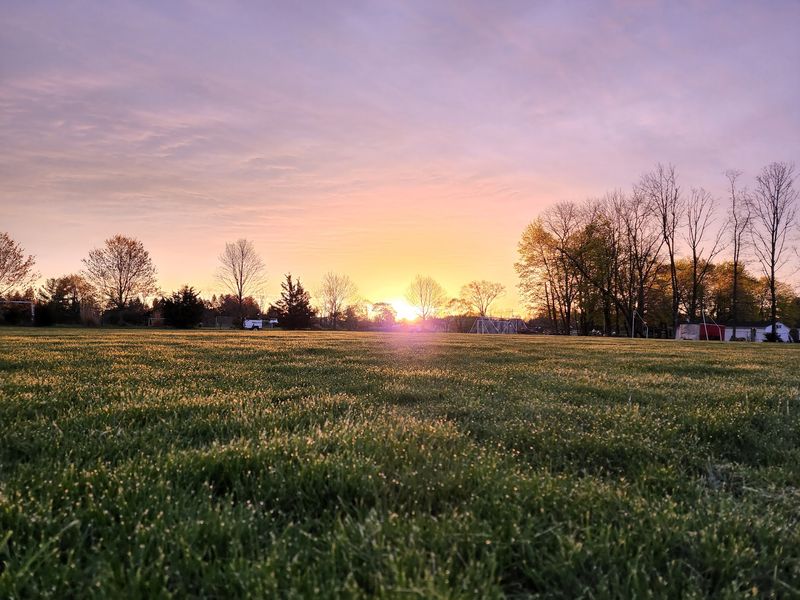
My first thought, looking across those fields, was simple. All of this was supposed to be underwater.
Back in the late 1950s and early 1960s, state leaders worried that a fast-growing population would run short on drinking water.
The valley around the Six Mile Run creek looked like a smart answer. Over the 1960s and 1970s, the state bought up farm after farm, planning a major water supply for central New Jersey.
By 1970 the land was placed under the Division of Water Resources, with a reservoir clearly in mind.
Then the math changed. By 1993, officials found that existing reservoirs like Round Valley and Spruce Run could meet the need, and water demand forecasts had shifted too.
Environmental concerns added more weight to the decision. The flood plan was shelved for good.
What stayed behind was a huge piece of public land with no job to do, and honestly, that turned out to be the best part of the whole story. It is a rare case where doing nothing created something wonderful for everyone who visits today.
Centuries of Farming Roots
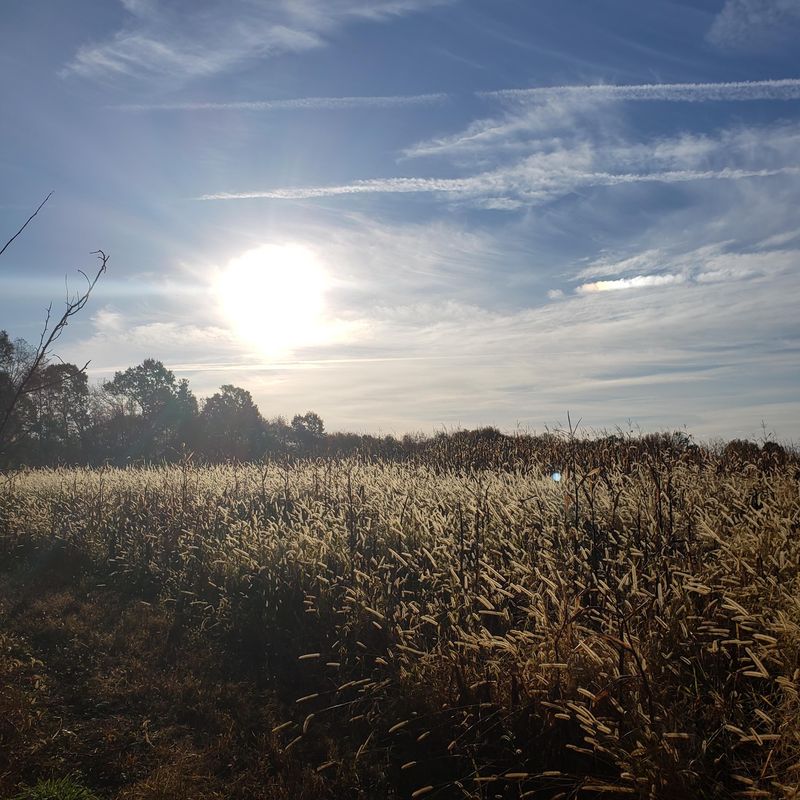
Long before anyone sketched a dam, families worked this soil. Colonial settlers, many of Dutch descent, began building farms here in the early 1700s.
They raised livestock, tended orchards, ran dairies, and grew wheat, rye, and oats.
That long run of farm life is exactly why the area earned a spot on the National Register of Historic Places in 1995. It is recognized as a cultural landscape tied to colonial settlement dating back to 1702.
Pretty impressive for a place most drivers zip past without a second look.
The Six Mile Run Reservoir Site is also known as the largest agricultural historic district in the state. Fields still stretch open in many spots, so the old pattern of farms, hedgerows, and wood lots is easy to read.
A handy tip for history fans is to look at the edges of fields. Tree lines often mark old property borders, and you can almost trace where one family farm ended and the next began.
It turns an ordinary stroll into a quiet little puzzle about the people who came before.
Old Farmsteads Hiding in Plain Sight
Weathered wood has a way of speaking without saying a word. Scattered across the preserve are remains of 18th and 19th century farmhouses, Dutch-framed barns, windmills, and silos.
Some stand tall, and others lean like they are tired.
Names like the J.J. Voorhees House, the Polhemus Farmstead, and the Wyckoff Farm connect the land to real families who worked here for generations.
Many structures have slipped into disrepair over time. Even so, they hold a strange kind of beauty.
I found myself slowing down every time a rooftop peeked through the trees. You start picturing morning chores, animals in the yard, and wagons rolling down dirt lanes.
A friendly reminder is to admire these buildings from a respectful distance. Old structures can be fragile, and they are part of a protected historic landscape.
Bring a camera instead, because the textures of peeling paint, stone foundations, and sagging beams make for fantastic photos, especially when the late afternoon sun paints everything gold and the shadows stretch long across the grass.
Following the Creek That Named It All
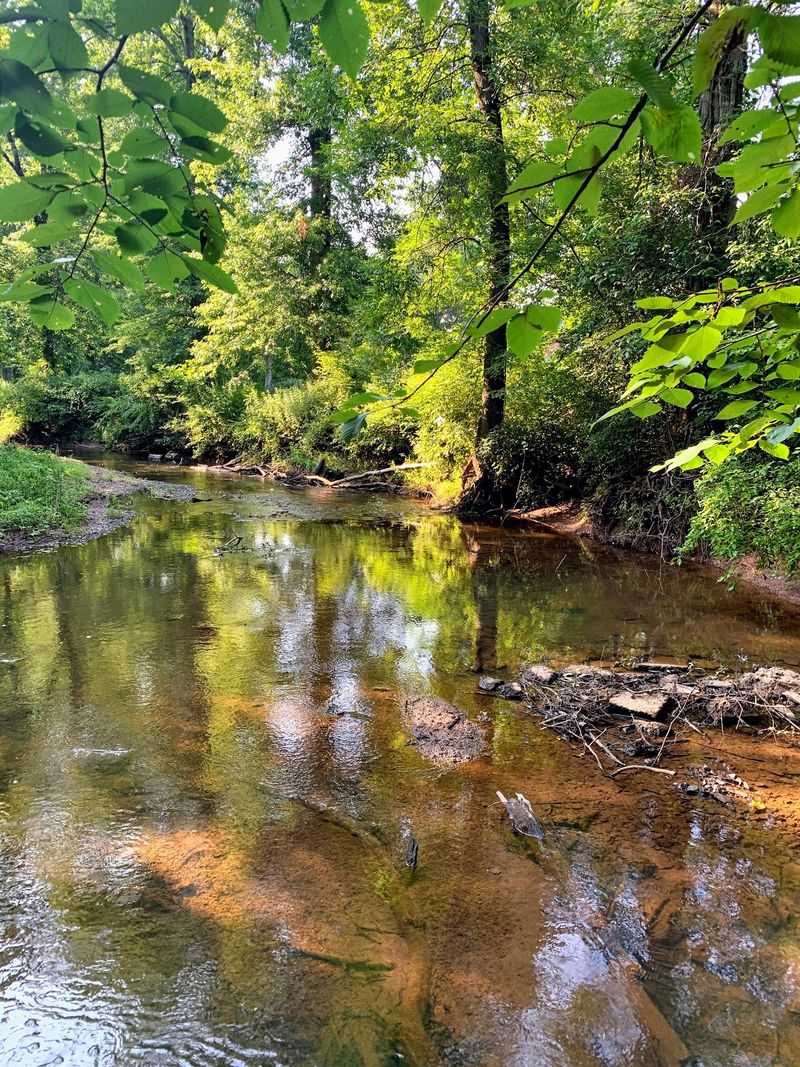
Water is the quiet star here, even without a reservoir. Six Mile Run is a tributary of the Millstone River.
Together with its smaller branches, it drains a big chunk of central Franklin Township in Somerset County.
Here is a fun bit of trivia. The name came from early colonial surveyors who measured distances from the old King’s Highway, now Route 27, near New Brunswick.
Nearby streams like Mile Run and Nine Mile Run got their names the same way.
Along parts of the trail, the soft sound of moving water drifts through the trees. It is calming in the best way.
After a good rain the stream can run full and lively, which is fun to see.
That same rain can leave paths muddy for a while, though, so plan your visit a day or two after a storm if you can. Waterproof shoes help too.
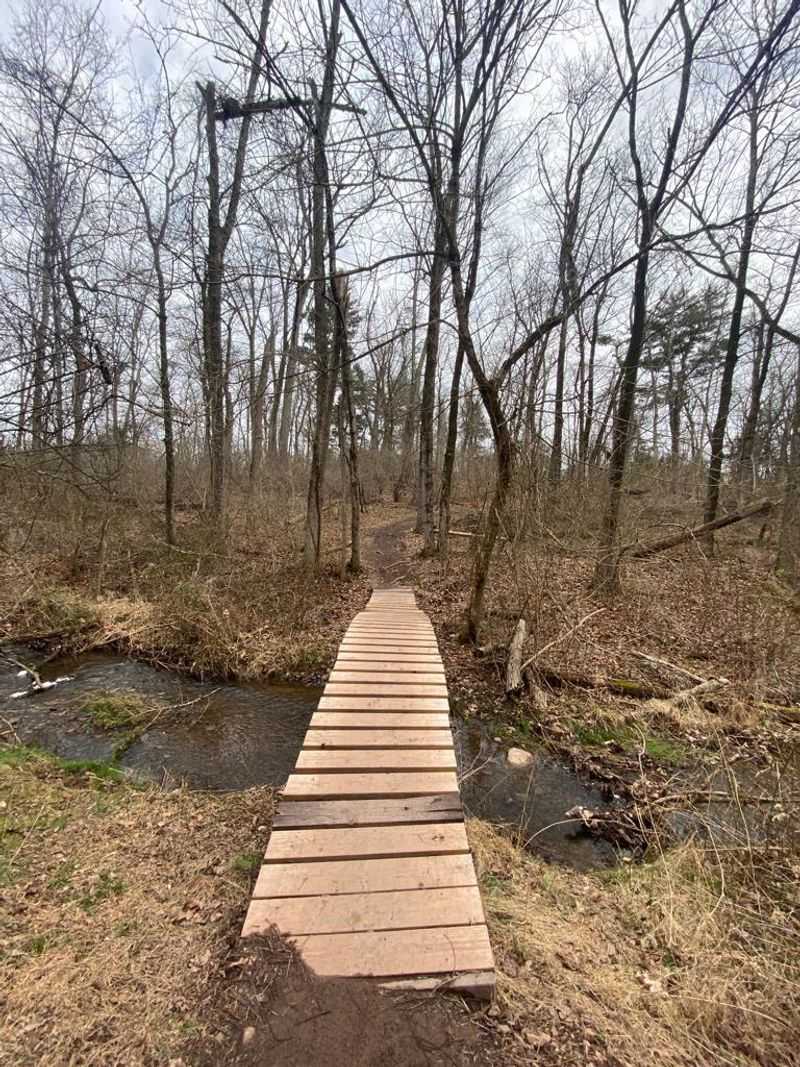
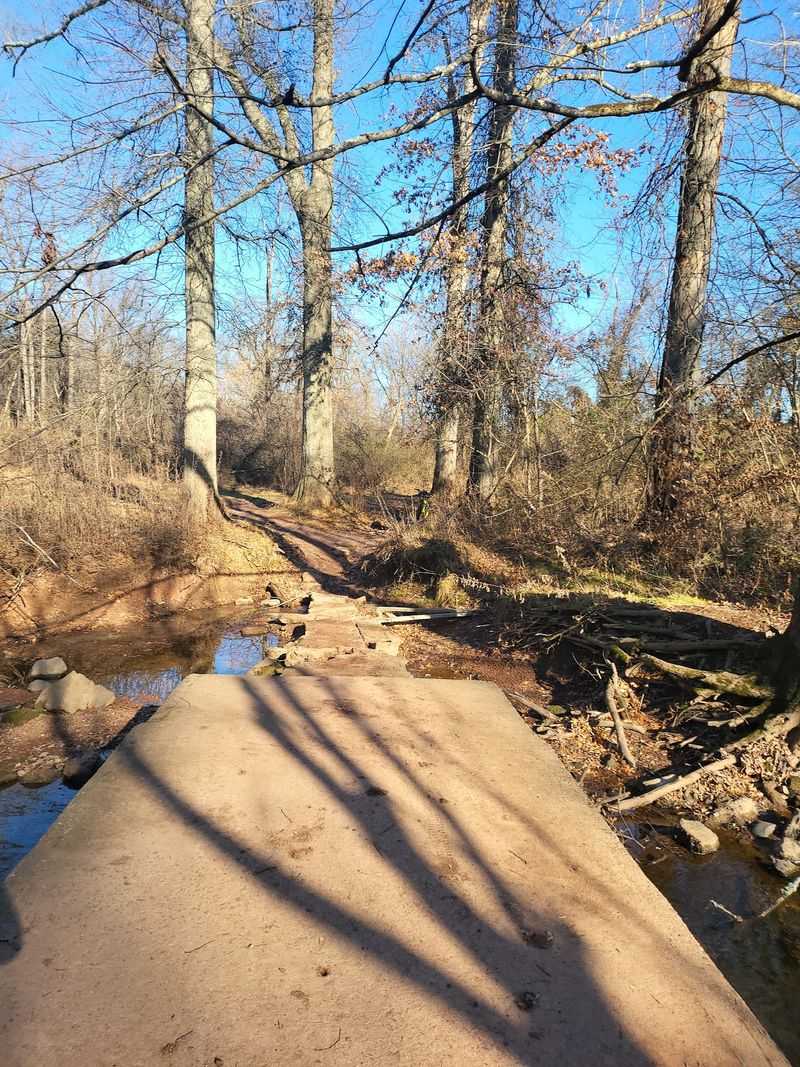
Standing on a little bridge and watching the current slide by gives you a real sense of why engineers once eyed this valley for storing water in the first place.
Trails Built for Wandering and Wheels
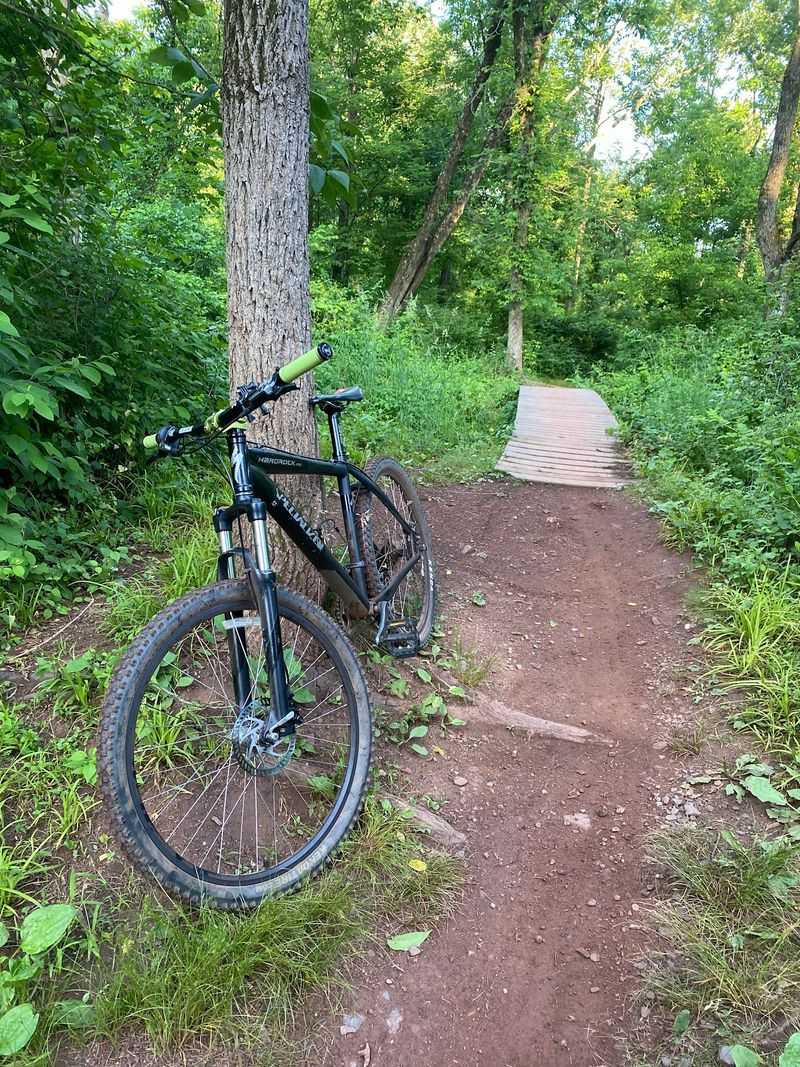
Wheels, boots, and hooves all share the ground out here. The preserve holds roughly 13.5 miles of marked, multi-use trails for hikers, cyclists, and horseback riders.
It is a lot of territory to explore.
Mountain bikers especially love the place. The Jersey Off Road Bicycle Association works with the State Park Service to keep the trails in shape.
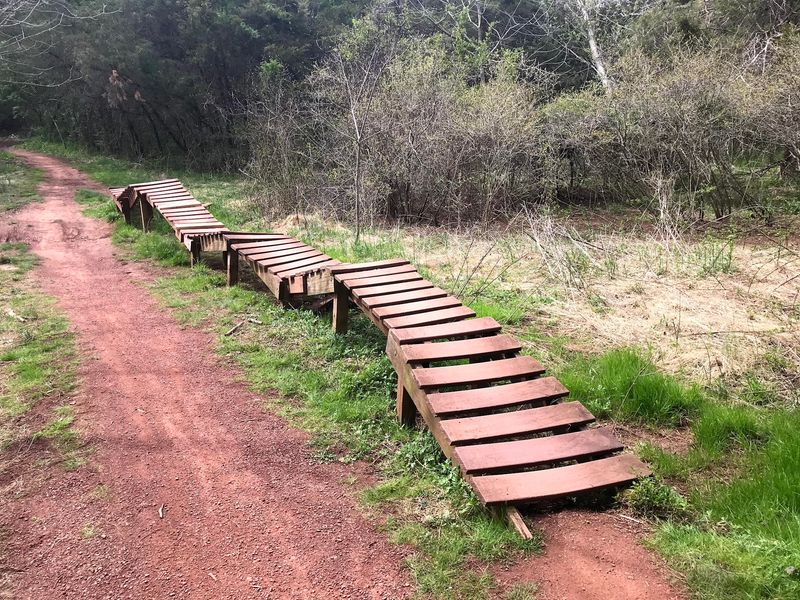
Some paths run fairly straight between parking areas, while others twist and wiggle through the woods on purpose.
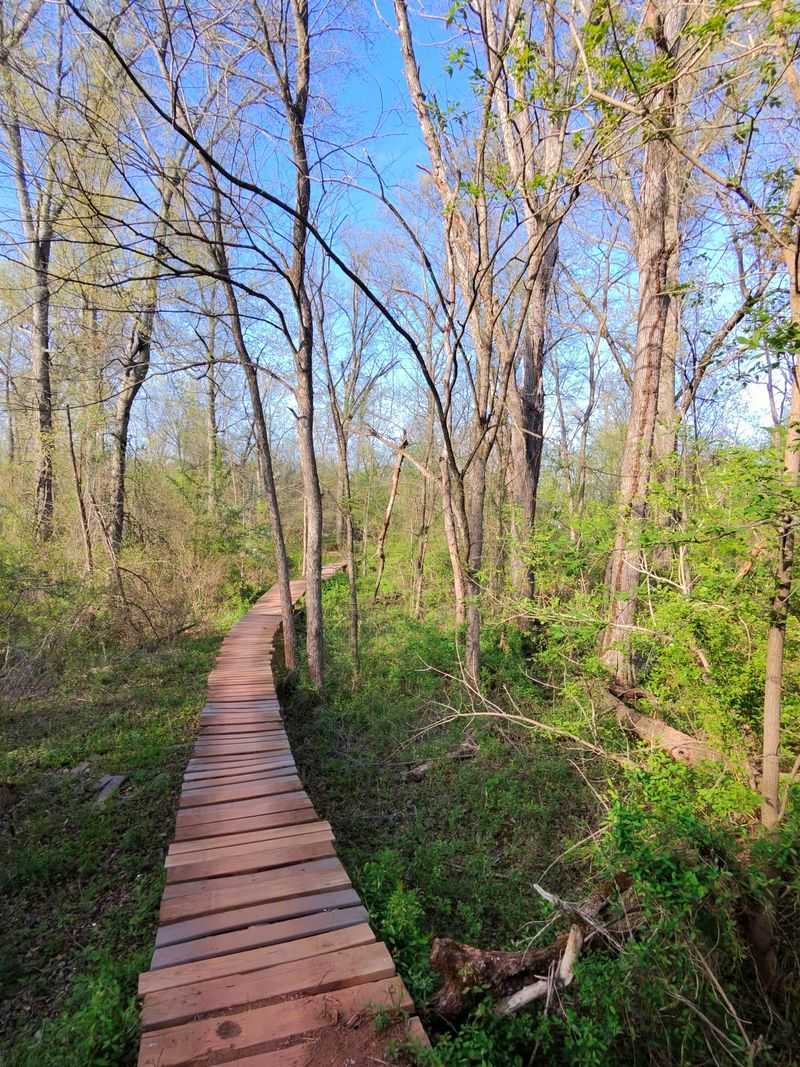
You will spot color-coded routes like the Red Trail, which follows the creek, and the Orange Trail, known for its twisty style. Small bridges and boardwalks pop up along the way, adding a little extra fun.
Since the trails are shared, keep your ears open around blind corners. Riders move quickly, and a quick heads-up goes a long way.
Hikers who prefer calmer paths often choose weekday mornings. Grab a trail map before heading out, too, because the network can get confusing and cell service is not always reliable.
Forests That Grew Back on Their Own
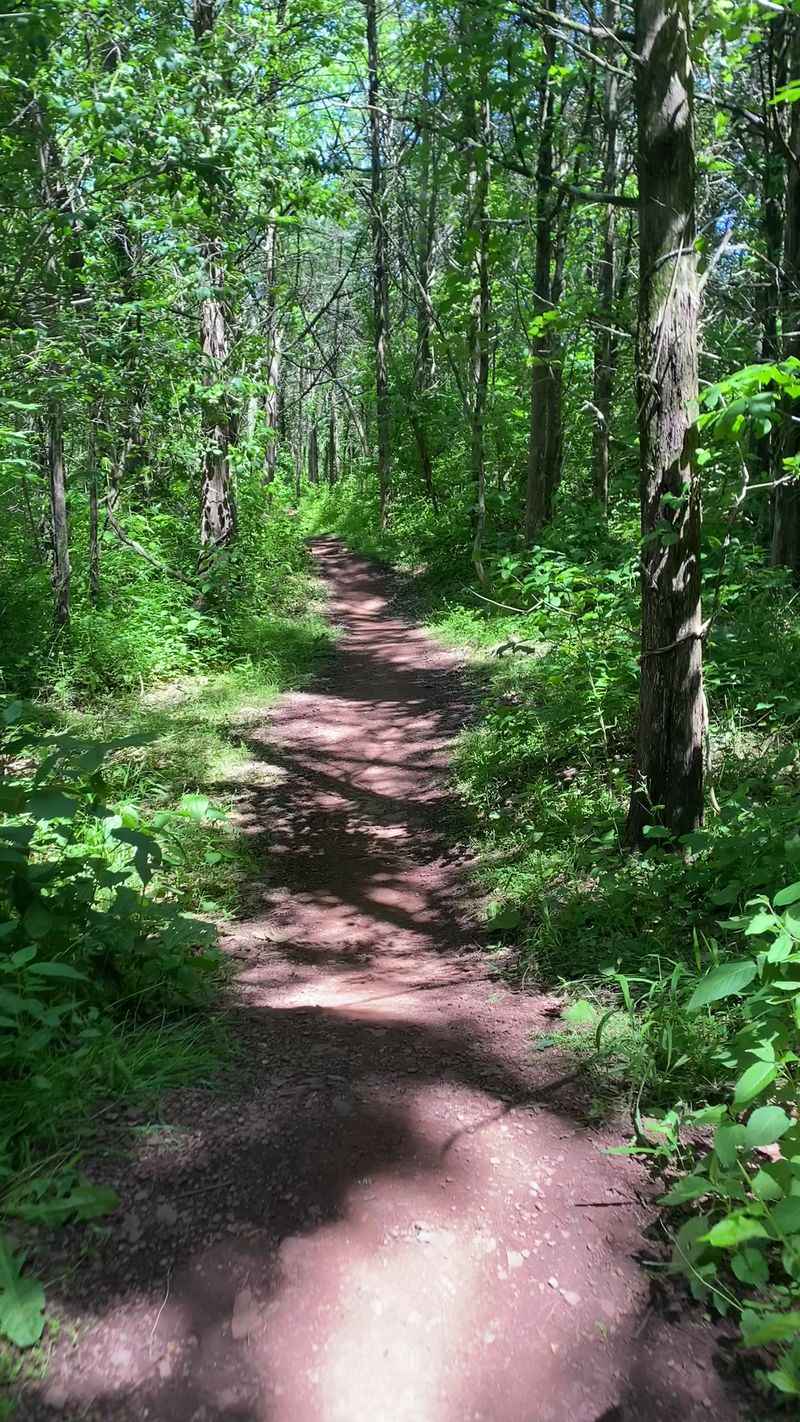
Nature did not wait around for a new plan. When fields were taken out of farming decades ago, the land began a slow process called old field succession.
Grasses came first, then shrubs, then young trees.
Today that process has created a patchwork you can actually see. One minute you are in a sunny meadow, and the next you are under a leafy canopy.
Every stage of regrowth sits side by side.
I love how this makes the preserve feel both wild and easy to reach. The 3,000-plus acres mix different forest types with open farm fields and views of the winding creek.
For curious kids and grown-ups alike, it works like an outdoor science lesson. Try comparing the plants in an open field with those in a thick woodland nearby.
Notice how sunlight, soil, and shade change what grows. Spring brings wildflowers and autumn brings bright leaves, so each season shows off a different side of this comeback story.
It is honestly one of the coolest free lessons around.
Room to Breathe in a Busy Region
Honestly, the silence caught me off guard. Suburbs and busy roads surround this land, yet out on the trails the loudest sounds are birds, wind, and crunching leaves.
It feels much farther from town than it really is.
That calm is precious. The preserve is managed by the Division of Parks and Forestry as part of the larger Delaware and Raritan Canal State Park.
Being protected parkland keeps the open space open.
Sunset is a special time to linger. The fields glow, the barns cast long shadows, and the whole valley seems to exhale.
If you want to make the most of the quiet, leave the speaker at home and try walking a stretch without your phone. Pause at an overlook of the fields and just breathe for a few minutes.
Parts of the trail have little shade, so a hat and plenty of water make the experience far more comfortable on warm days. Small comforts like these let you relax and actually soak in the peaceful mood around you.
Handy Tips Before You Head Out
A little planning makes the day smoother. The Six Mile Run Reservoir Site is open 24 hours, and the Lincoln Highway lot off Route 27 is a popular starting spot.
Parking near the soccer fields is another handy option.
Facilities are pretty basic, so pack your own water and snacks. There is no guarantee of drinking fountains along the way.
A small first aid kit is smart too, especially for riders tackling tight turns and roots.
Some trail sections may close for repairs after storms, and a few routes require crossing roads where traffic does not stop. Look both ways carefully.
Pay attention to posted signs and detours.
Footwear matters here. Roots, small hills, and occasional mud call for sturdy shoes with good grip.
Cyclists should always wear a helmet, since blind corners appear often. Before leaving home, download a trail map, because cell signals can be spotty in the woods.
With these basics covered, you can relax and enjoy the ups and downs of the trail without any unwanted surprises spoiling the fun.
A Lucky Twist Worth Celebrating
Sometimes the best plans are the ones that fall apart. Had the reservoir gone forward, the barns, fields, creek, and forests would all be hidden beneath water today.
Instead, the land survived nearly intact.
Once the project was dropped, the property moved to the Division of Parks and Forestry. It has been cared for as open space ever since.
That shift protected wildlife habitat and an important piece of colonial and farming history in New Jersey.
I left with a big smile and a fresh respect for happy accidents. Few places tell such a clear story about how a change of mind can shape a landscape for generations.
Whether you come to hike, ride, spot birds, or simply wander past old farmhouses, the preserve rewards every kind of visitor. Seasons change the scenery, so repeat trips never feel the same.
To start your own adventure, head to Six Mile Run Reservoir Site, Parking lot, Lincoln Hwy, Somerset, NJ 08873, and see this almost-lost valley with your own eyes.
