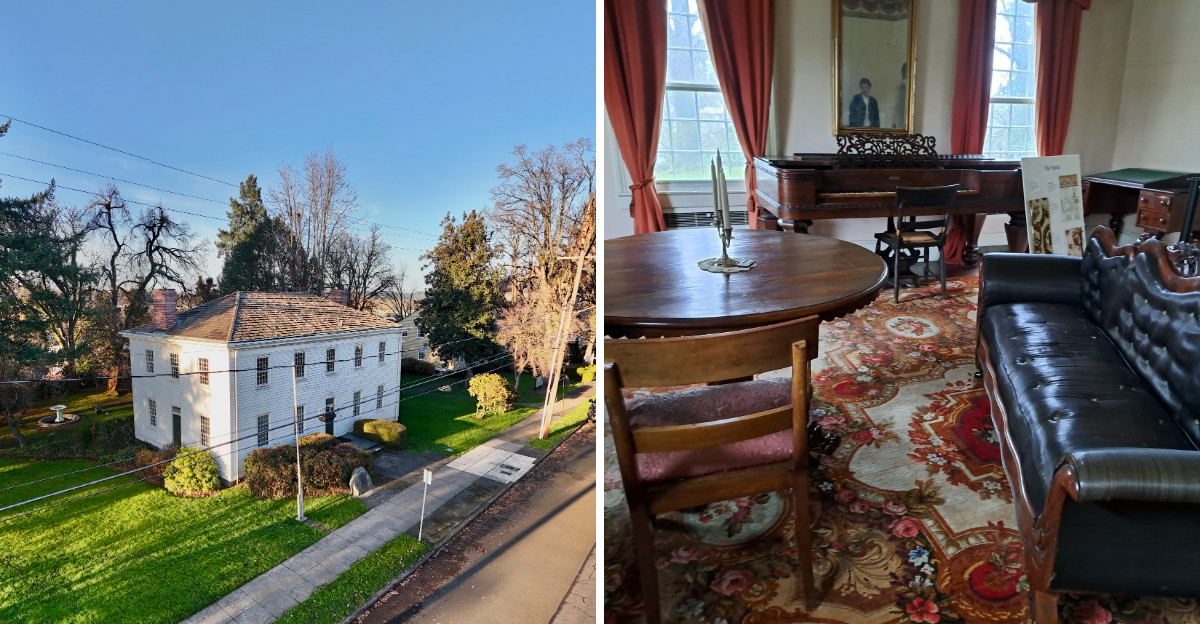
One building, several different lives. Hotel, boarding house, private home, each chapter leaving something behind for the next.
Original architecture survives remarkably intact here, details preserved through renovations rather than erased by them the way many historic buildings eventually suffer. Furnishings inside reflect different eras too, layered together in a way that tells the story of a structure.
Tracking a building through this many transformations takes serious archival work most historic sites never bother completing thoroughly. This site pieced that history together carefully, letting visitors trace exactly how one address served so many different communities over time.
A house rarely holds this many past identities. What stands here now in Oregon carries every previous version quietly within its walls.
A Doctor Who Shaped the Pacific Northwest
Dr. John McLoughlin had the kind of life story that sounds made up, but it is all real. Born in 1784 in what is now Quebec, he trained as a doctor and later ran the Hudson’s Bay Company post at Fort Vancouver for about two decades.
From there, he oversaw a huge fur trade region stretching across the future Pacific Northwest.
When tired American settlers arrived after the Oregon Trail, many were hungry and broke. McLoughlin often helped them with food, supplies, and credit, even though his British employers were not thrilled about it.
That kindness came at a cost. He eventually left the company and moved to Oregon City, a town he had helped plan near Willamette Falls. He became a United States citizen in 1851 and died in 1857.
Knowing all this before a visit makes the house hit differently. You are not just looking at old furniture. You are stepping into the final chapter of a man whose choices helped shape the region, and that gives every room a little extra weight.
Built for Family Life in the 1840s
Picture a brand new home in 1846, surrounded by a young and muddy frontier town. That was the McLoughlin House when John and his wife Marguerite moved in with family members. It was one of the fanciest homes around at the time.
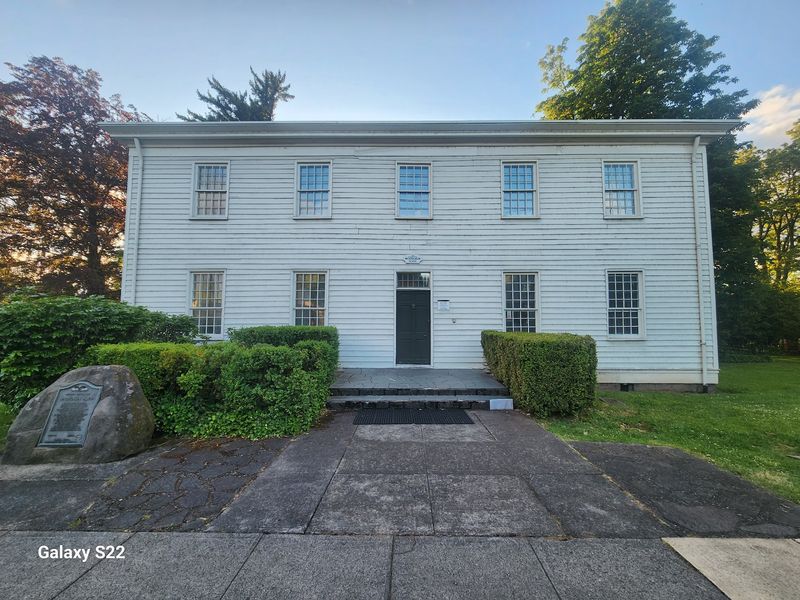
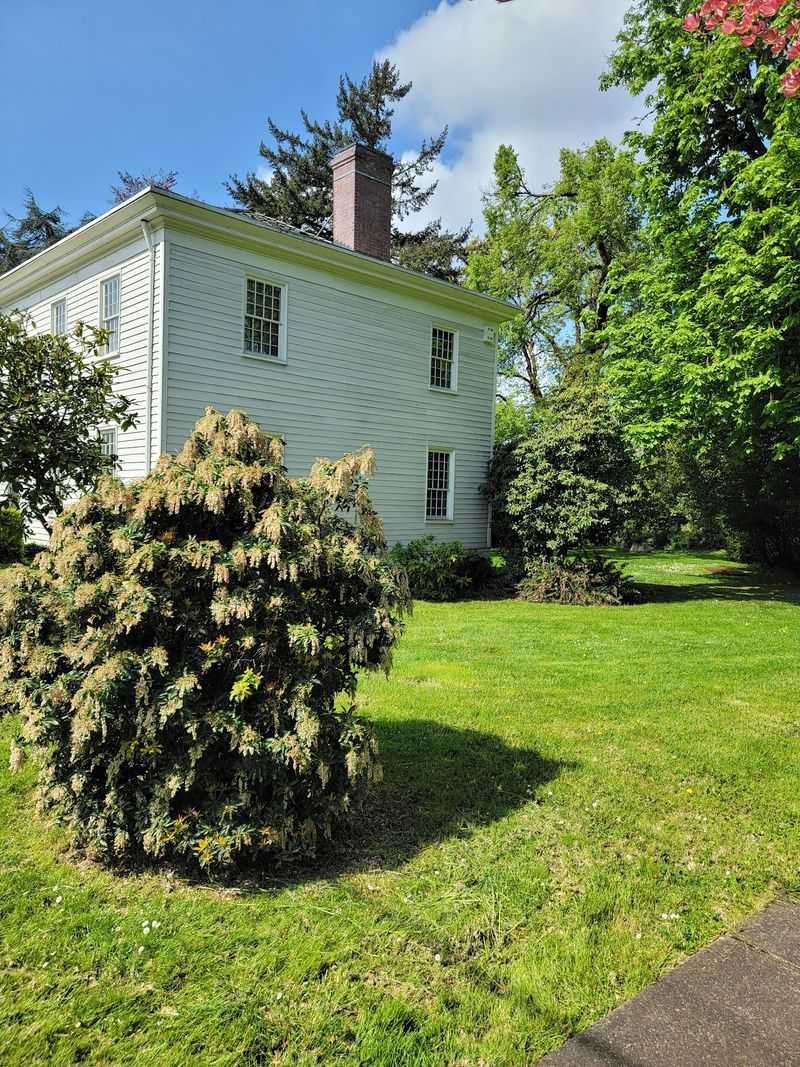
The style is simple but elegant. Think tidy rows of windows, a balanced front, and white wooden siding that practically glows on a sunny afternoon. Some folks call it Georgian in style, and once you notice the careful symmetry, it is hard to unsee.
Inside, the rooms were built for both family life and entertaining guests. McLoughlin was an important man, so plenty of visitors, traders, and leaders came through the door. Some Native leaders are said to have visited him for advice too.
A small tip from me. Before heading in, take a slow lap around the outside and look at the proportions. The house feels calm and steady, like it knows it has survived a lot.
Honestly, it has. And the best stories are still waiting inside.
Checking In at a Former Hotel
Here comes the surprising part. After Dr. McLoughlin died and his family eventually sold the property, the grand home did not stay a quiet family residence. By the late 1800s, it had become a hotel.
Back then, the house sat down near the riverfront on Main Street, close to the busy heart of Oregon City. Travelers, workers, and folks passing through the area needed beds, and a big house with lots of rooms was an easy fit.
Imagine suitcases thumping on the stairs where a famous leader once walked.
It is kind of funny, really. A home once filled with important guests and big decisions turned into a place where strangers paid for a night of sleep. The walls must have heard plenty of snoring.
When touring the rooms today, try to picture both versions at once. One is the proper family parlor from the 1840s. The other is a hotel lobby buzzing with tired travelers.
That mental double exposure makes the visit way more fun, and it is a great game to play with kids.
Rooms for Rent and a Boarding House Era
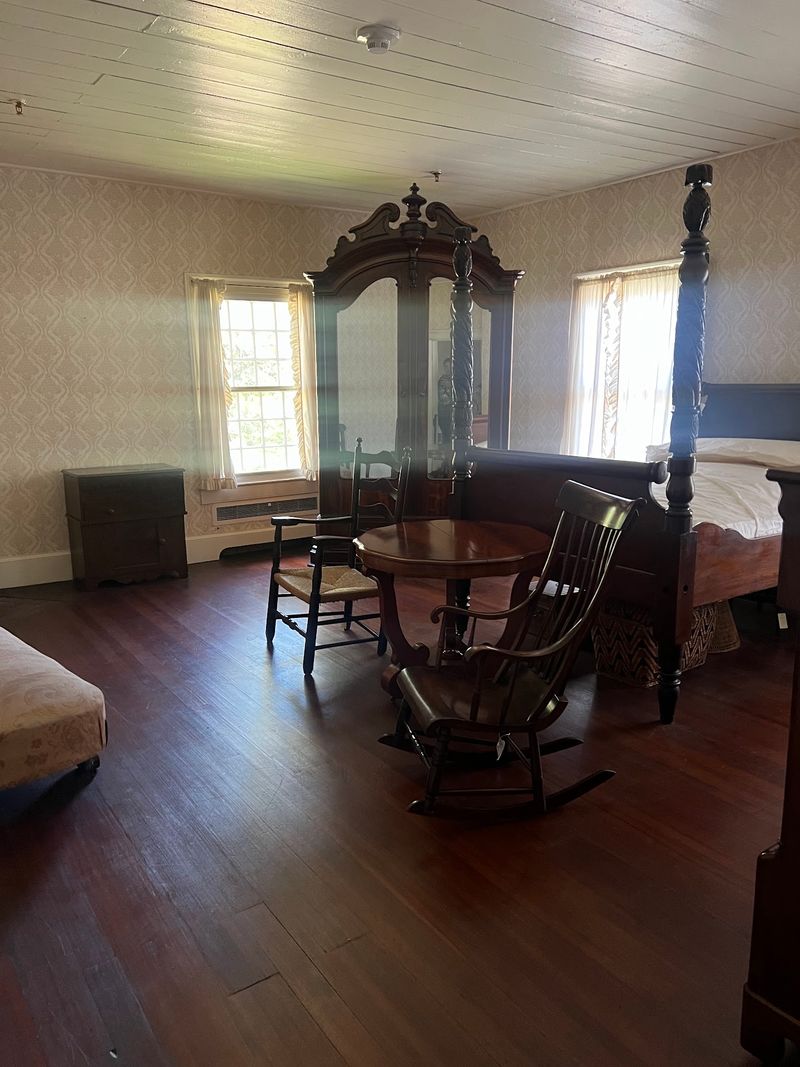
Hotels come and go, and this house kept changing with the times. Later on, it served as a boarding house, where renters lived in rooms and often shared meals. That was a common setup in growing towns, especially for workers near the mills along the river.
Things got rough during this period. The neighborhood around it became more industrial, and the old home slowly started looking worn out. Paint faded.
Floors creaked more. The building that once hosted important visitors was now just another tired rental.
I find this chapter oddly touching. It shows how easily history can slip away when nobody is paying attention. Plenty of famous buildings across the country were lost exactly this way.
By the early 1900s, the house was in real danger of being demolished to make room for industry. That threat is what finally woke people up. When you visit, keep this era in mind.
The polished rooms you see today almost did not exist at all, and that makes the careful restoration feel like a small miracle.
Saved and Moved Up the Bluff
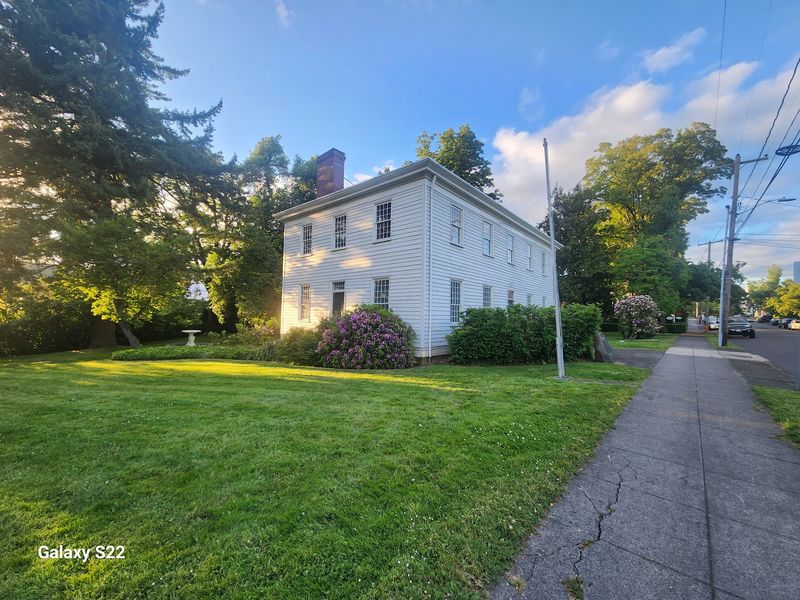
Moving a whole house sounds wild today, so imagine doing it in 1909. That is exactly what happened here. The McLoughlin Memorial Association stepped in to rescue the home from demolition and hauled it up from the riverfront to its current spot on the bluff.
The new location sat on land McLoughlin himself had set aside as a public park space. Pretty fitting, right? The house basically moved into its own founder’s backyard gift to the city.
Once settled, volunteers and supporters slowly brought it back to life. Later, in 1941, it was named a National Historic Site. Then in 2003, it officially joined the National Park System as part of Fort Vancouver National Historic Site across the river in Washington.
Standing outside, it is fun to look down toward the river and try to imagine the old site below. The view helps you understand how close this house came to disappearing. A lot of determined people deserve credit, and honestly, they had some serious muscle and patience too.
Tours That Begin Next Door
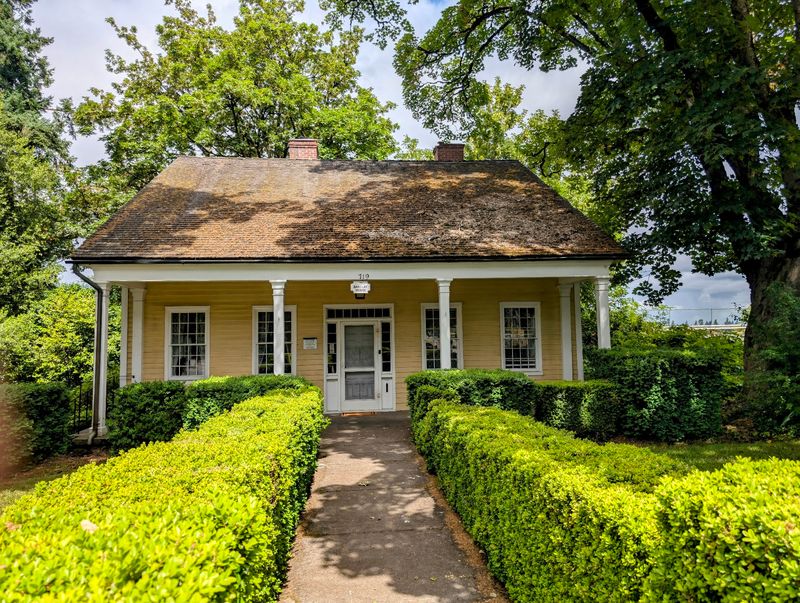
Here is a detail that confuses first timers. Tours do not start at the McLoughlin House. They begin at the Barclay House right next door, which belonged to Dr. Forbes Barclay, another doctor who worked with the Hudson’s Bay Company before settling in Oregon City.
Guides usually share Barclay’s story first, and then lead the group over to McLoughlin’s home. It works nicely, like a warm up act before the main show. The tours are free and tend to leave near the top of the hour.
The house is typically open Fridays and Saturdays from 10 AM to 4 PM, though schedules can shift with seasons or restoration work. I would check the official website before driving over. Nobody wants to show up to a locked door.
Plan for about half an hour, maybe more if you love asking questions. The volunteers and park staff really know their stuff, and they seem happy to chat. Bring your curiosity.
It is the best ticket you can carry here.
Period Treasures Inside the Parlor
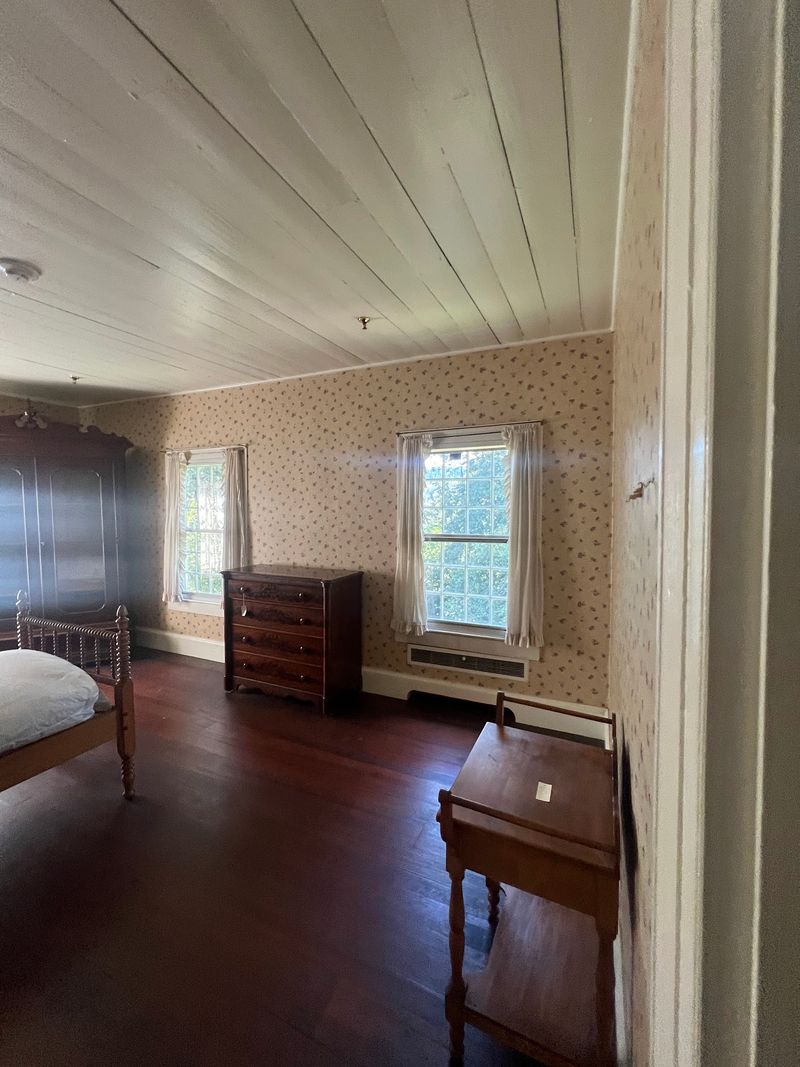
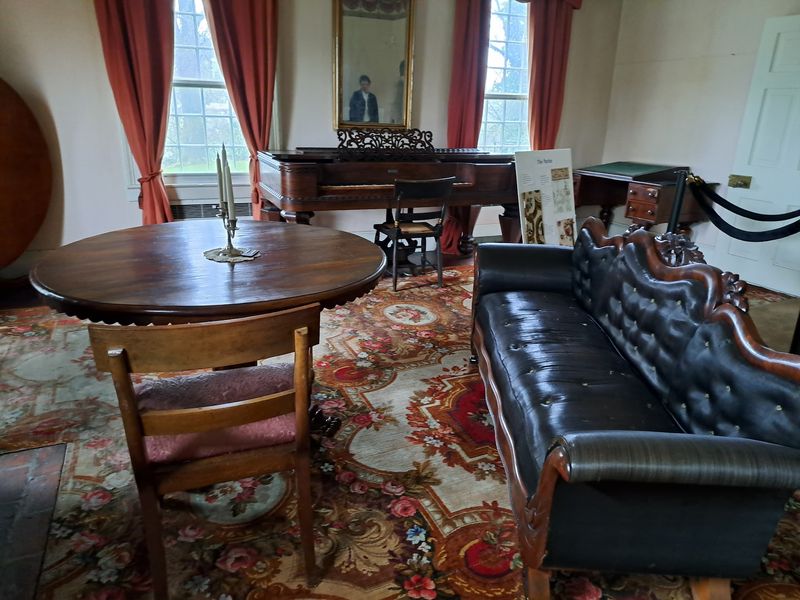
Old furniture has a way of making history feel close enough to touch, even when you really should not touch it. Inside the McLoughlin House, rooms are filled with period pieces that help show how an important frontier family lived.
Some items are tied to the McLoughlin family, while others come from the same era. Keep an eye out for small details like a mantel clock that reportedly traveled west on the Oregon Trail. Think about that bumpy wagon ride. It still made it!
Textiles, dishes, and simple decorations add even more personality. Each room tells a slightly different piece of the story, from cozy family moments to more formal gatherings with guests.
My advice? Slow down and look at the little things. The worn edges, the stitching, the dark wood grain.
These tiny clues say more about daily life than any big sign could. Ask your guide which items are original, since the answers can be pretty surprising and spark great conversations afterward.
A Quiet Resting Place Beside the Home
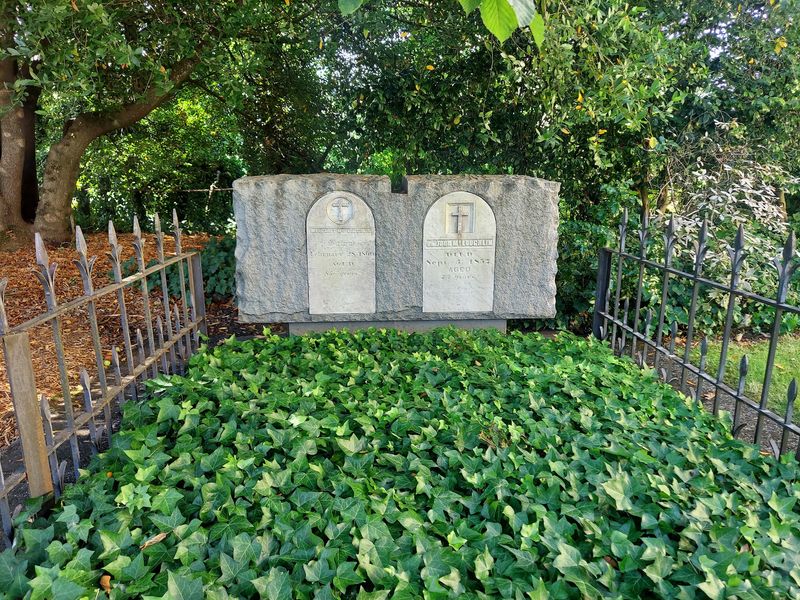
Just beside the house, there is a peaceful little spot that many visitors almost miss. Dr. John McLoughlin and his wife Marguerite are buried right there, in a small ivy covered plot on the grounds.
Their remains were moved here from a nearby church cemetery years after they died, bringing them back home in a way. It is a quiet, simple place with no big fuss. Just greenery, stone, and a strong sense of calm.
Marguerite deserves her own moment of attention. She was of Swiss and Cree heritage and was a steady partner through decades of frontier life. Her story adds depth to the family history that sometimes gets overlooked.
Take a few quiet minutes here after the tour. It is a good place to let everything you learned settle in. Fall is especially lovely, when leaves drift over the ivy and the whole corner glows gold.
Please be respectful, keep voices soft, and remember this is a grave site, not just a photo stop.
Autumn Strolls Around the Grounds
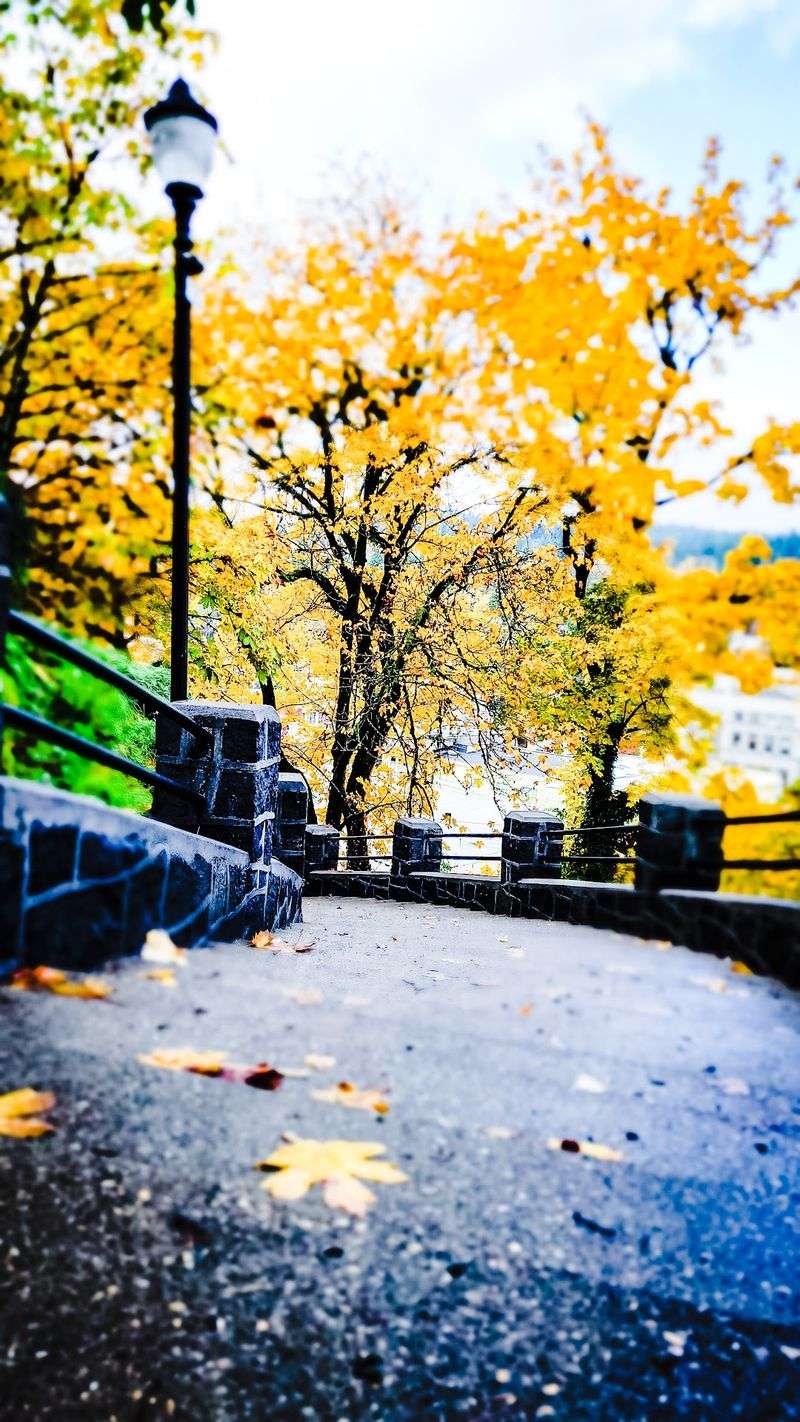
Even on days when the doors are closed, the grounds are worth a wander. I would honestly suggest coming early just to stroll before a tour. The lawns, trees, and old homes around the bluff create a calm, neighborly feel.
Autumn is the real star. The trees turn bright orange and red, and the white house pops against all that color. Photographers will be happy. So will anyone who just likes crunchy leaves underfoot.
There is a small fountain nearby, and paths connect this upper neighborhood to downtown Oregon City. One route even passes a little waterfall and leads toward the Oregon City Municipal Elevator, a quirky public elevator that links the bluff with the lower town.
Wear comfy shoes, since there are hills and steps around here. Parking can get a bit tricky on busy days, so give yourself some extra time. A slow walk makes the whole visit feel less like a museum trip and more like a relaxed afternoon in a very old, very charming neighborhood.
Planning a Day in Old Oregon City
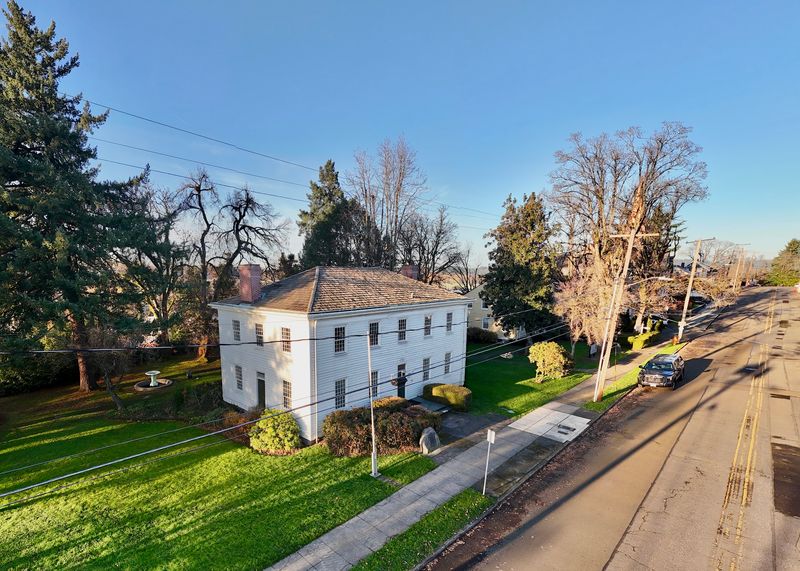
Think of the McLoughlin House as a starting point, not the whole trip. Oregon City was the end of the Oregon Trail, and it is packed with history within an easy drive or walk.
After your tour, ride the Municipal Elevator down to the lower town for fun views of the Willamette River area. Downtown has shops and places to grab lunch. History fans might also enjoy the Rose Farm Museum, a historic home located about a mile away.
Special events sometimes pop up here too, like fundraisers or living history presentations where an actor portrays Dr. McLoughlin himself. Those are a blast if your timing works out. Kids especially love it.
Remember the limited hours and possible closures for restoration, so always double check before you go. A little planning goes a long way.
When you are ready, set your map for McLoughlin House – National Historic Site, 713 Center St, Oregon City, OR 97045, and enjoy discovering a house that has been a home, a hotel, and a boarding house, all in one.
