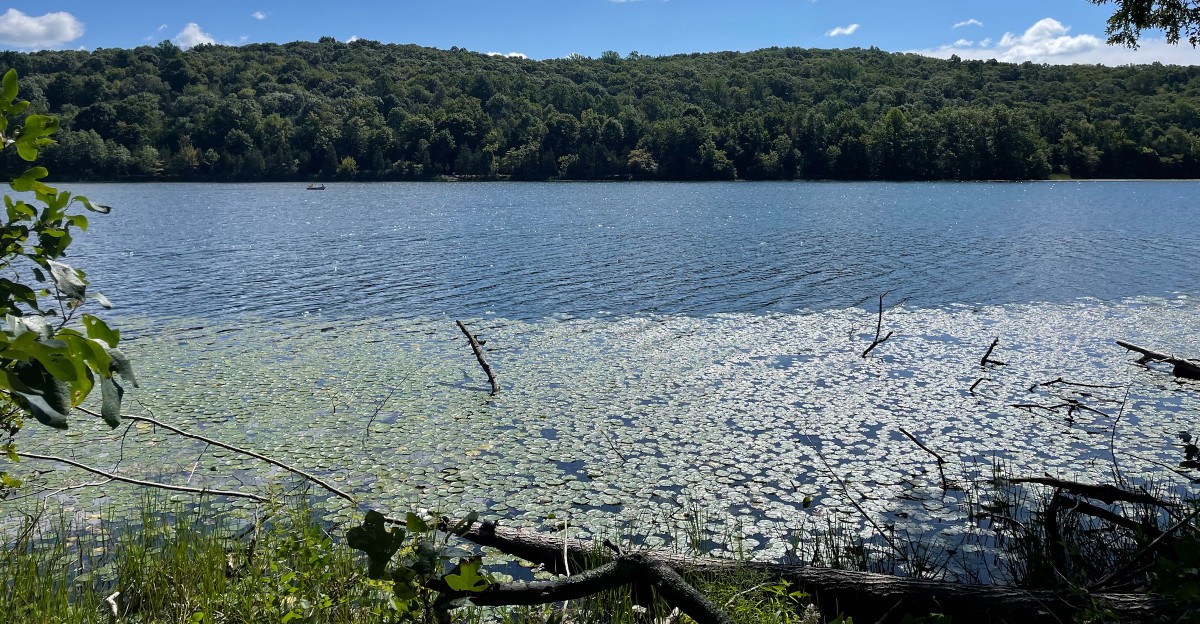
Small planes glide in to land right beside a lake that drops 110 feet below its glassy surface. That’s a real combo, and I can’t imagine a stranger pairing for a quiet paddle.
The water here is famous for its clarity. Gas motors aren’t allowed, so the loudest sound is often a propeller overhead.
I like how this spot sits inside a big state park in New Jersey, yet it still feels a little secret. Glaciers carved it out long ago, and the state now stocks it with trout and even landlocked salmon.
So what does it feel like to float above the deepest natural lake in the state? I believe the answer starts with a kayak, a fishing rod, and an eye on the sky.
Yes, It Really Drops 110 Feet Down
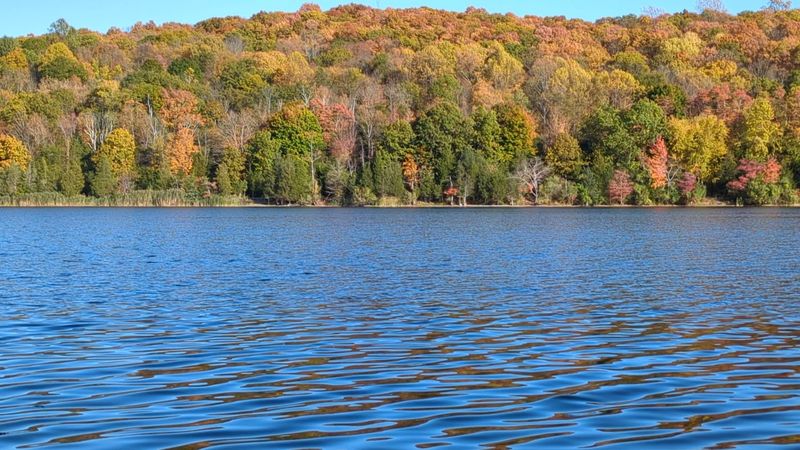
Most lakes in the Garden State are shallow enough to feel cozy. Lake Aeroflex goes the other direction, sinking to a maximum depth of 110 feet.
That number earns it the title of New Jersey’s deepest natural lake. The average depth sits around 40 feet, which is still pretty serious for a lake this size.
Some folks also call it New Wawayanda Lake. Two names for one lake feels fitting for a place with this much going on under the surface.
Glaciers did the heavy lifting here. Long ago, moving ice scooped out the basin and left behind a natural freshwater lake.
The surface covers roughly 103 to 119 acres, depending on the source. That’s big enough to explore for hours but small enough to never feel lost.
Here’s a fun way to think about it. If you stacked about five two-story houses on top of each other, they’d reach roughly the depth of the lake’s deepest spot.
That depth matters for more than bragging rights. Cold, deep water helps fish survive warm summers, which shapes the whole fishing scene here.
So when you push off from shore, remember what’s below. You’re floating over one of the coolest geology lessons in the state.
Keep One Eye On The Sky For Landing Planes
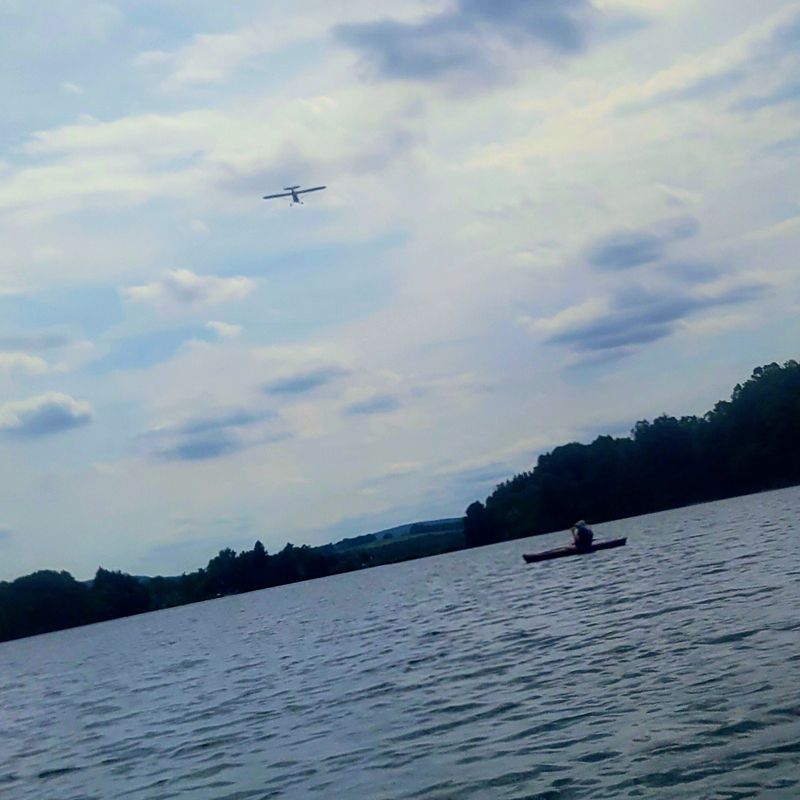
Planes and paddles rarely share a view. At the southern end of the lake, they do every day the weather allows.
The Aeroflex-Andover Airport sits right next to the water. Its runway stretches 1,981 feet, which is short by airport standards.
The New Jersey Forest Fire Service operates the airport. That gives this little airfield a real job beyond weekend flying.
From your kayak, you can watch small airplanes take off and land. Plane watching ranks as one of the most mentioned things about this lake.
It’s a funny contrast. You’re gliding along quietly while a propeller hums just beyond the shoreline.
Kids especially tend to love this part. A picnic suddenly becomes a mini air show without anyone buying a ticket.
Bring a camera with a decent zoom if you want photos. The planes move fast, but the approach over the water gives you a few good seconds.
Try visiting on a clear day for the best chance of seeing flights. Low clouds or storms usually mean fewer planes overhead.
Honestly, few lakes anywhere can offer this kind of entertainment. Your snack break might come with a runway view.
Paddlers Get The Whole Lake To Themselves (Almost)
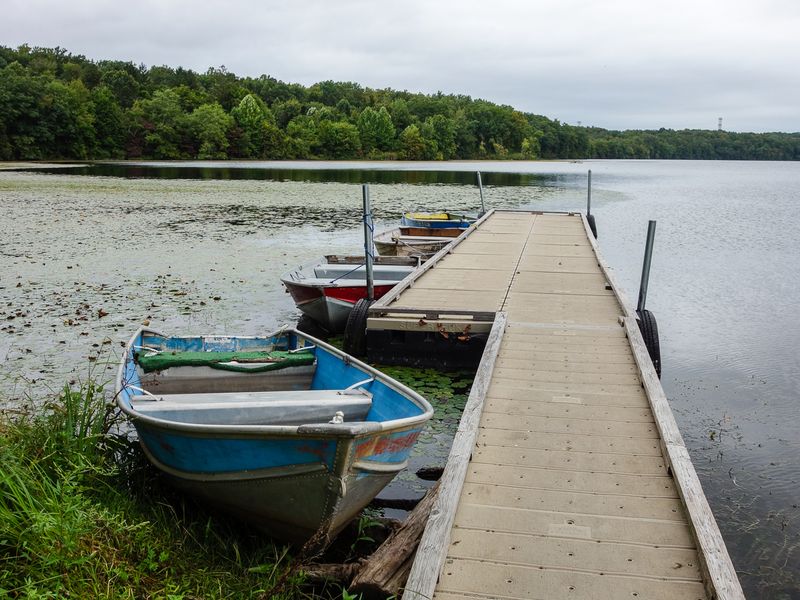
No roaring speedboats. No giant wakes rocking your kayak sideways.
Gas motors are banned on Lake Aeroflex, so only electric motors, trolling motors, or human power are allowed. That rule keeps the water calm and the air quiet.
Kayaking is the star activity here. Canoes and paddleboards show up too, all launching from a small boat ramp.
A full loop around the lake covers about 2.5 miles. That’s a satisfying trip for beginners and a relaxed warm-up for experienced paddlers.
The water is known for being remarkably clear. On a sunny day, you can peer down and spot plants swaying below.
Speaking of plants, the lake does have weeds and lily pads in spots. Paddleboarders should wear a life vest and stay alert, since falling in near weeds can get tricky.
Canoes and kayaks feel steadier for most people. They’re a smart pick if balance isn’t your superpower.
Swimming from boats isn’t allowed, so stay dry and enjoy the ride. Pack water, sunscreen, and a hat for longer loops.
Paddle slowly near the shore. That’s where the scenery feels most peaceful.
Landlocked Salmon In New Jersey? Believe It
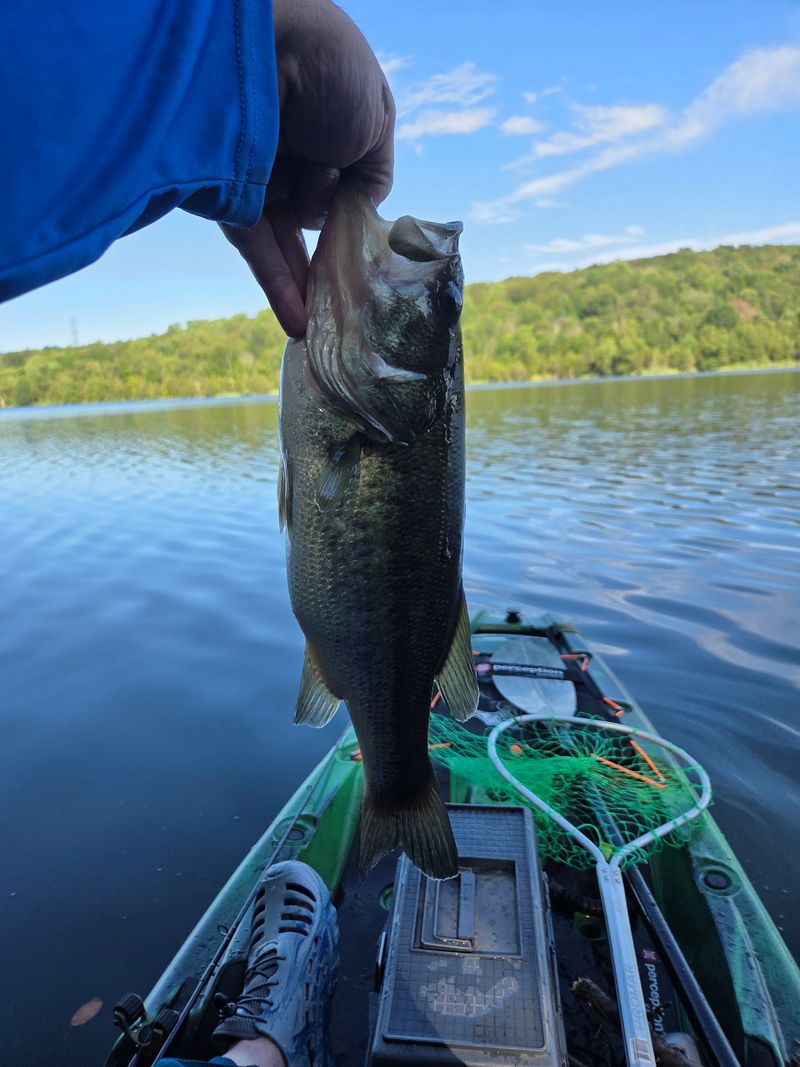
Salmon usually make people think of Alaska. Lake Aeroflex flips that idea on its head.
It’s one of three lakes in New Jersey that receive regular stockings of landlocked salmon. The state’s salmon stocking program began in 2006, with Lake Aeroflex among the original two locations.
The lake also counts as a holdover trout lake. That means trout can survive through the year instead of vanishing after summer.
The New Jersey Division of Fish and Wildlife stocks Lake Aeroflex with rainbow trout, while some brown trout may remain from earlier stocking efforts. Its deep, cool water allows trout to survive through the summer.
Other species swim here too. You might hook largemouth bass, smallmouth bass, chain pickerel, or panfish like bluegill.
Two docks reach out into the water for shore fishing. Still, shore spots are limited, and the easiest access is fairly shallow.
A kayak or small boat can help you reach deeper areas. That’s where trout and salmon tend to hang out.
Most anglers age 16 or older need a valid New Jersey fishing license, plus a trout stamp if they’re targeting trout or salmon. New Jersey residents age 70 and older are exempt from these requirements.
Patience helps here. Big rewards often take a little waiting.
Winter Turns The Lake Into An Ice Fishing Spot
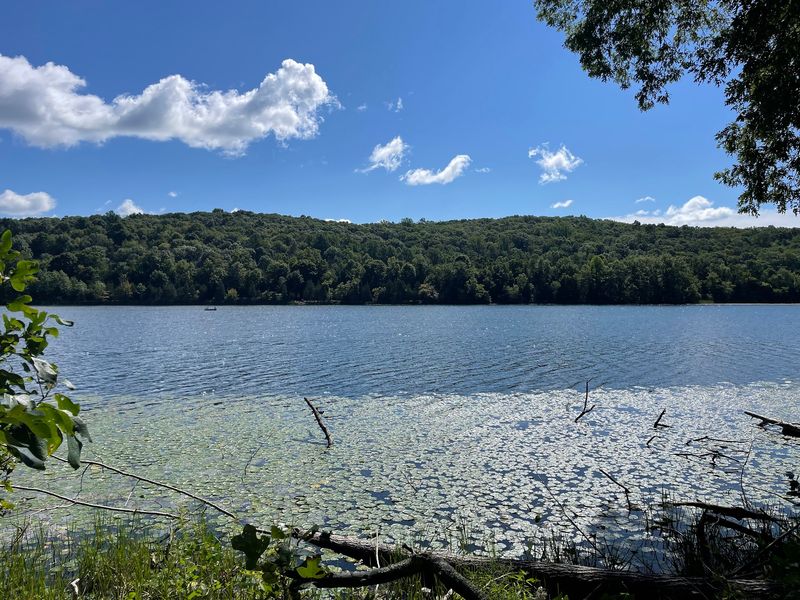
Cold weather doesn’t shut this place down. When conditions allow, ice fishing takes over the frozen lake.
The same deep water that keeps trout happy in summer keeps the fishing interesting in winter. Anglers drill holes and wait for a bite beneath the ice.
Safety comes first, though. Only head out when the ice is thick enough and conditions are approved.
Dress in layers that trap heat. A warm hat, waterproof boots, and gloves make a huge difference on a windy day.
Bring a thermos of hot cocoa for the waiting game. Fish don’t follow schedules, so comfort matters.
The surrounding park changes in winter too. Snow covers the trails, and the rail-trails become paths for cross-country skiing.
That gives families options. One person can fish while another glides along a snowy trail nearby.
The same fishing license and trout stamp requirements apply in winter, with exemptions for New Jersey residents age 70 and older. Anglers should also check the current seasonal fishing regulations.
There’s something calm about a frozen lake under a gray sky. Quiet, crisp, and peaceful, it’s a totally different personality from summer.
A 5,600-Acre Backyard Surrounds The Water
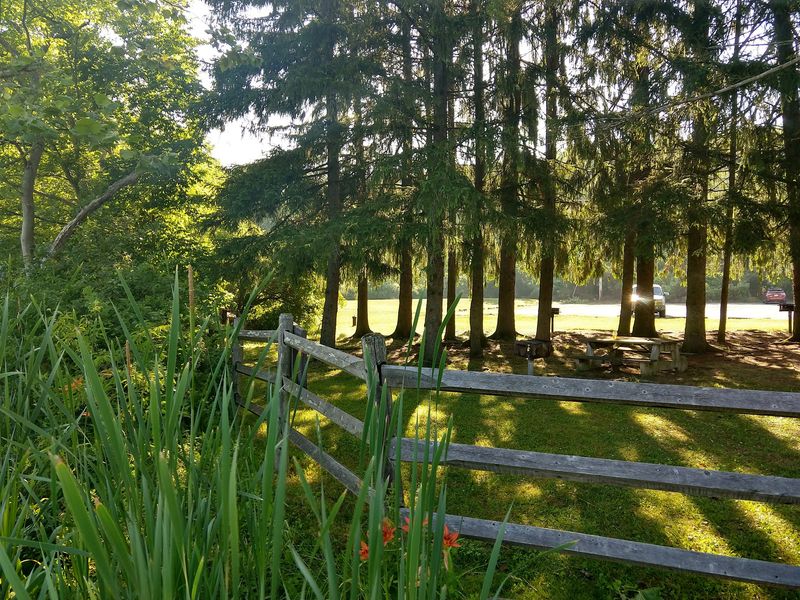
Lake Aeroflex doesn’t sit alone. It’s the centerpiece of Kittatinny Valley State Park, a 5,600-acre spread in New Jersey’s Skylands region.
The park lies near Newton and Andover Township in Sussex County. Its location puts you close to rolling hills and open countryside.
The whole property became a state park in 1994. The New Jersey Green Acres program acquired it to protect its natural features.
Fewer than 200,000 people visit each year. Compared to busier parks, that number feels downright relaxed.
Kittatinny Valley State Park is generally open from sunrise to sunset, although Lake Aeroflex has separate access provisions for anglers fishing from boats.
Picnic areas come with grills, so you can cook lunch outdoors. Picnic tables sit under pine trees, giving you shade on hot afternoons.
There’s a restroom near the lake area too. Small details like that make a full day out much easier.
Parking can fill up on busy days. Arriving early is a smart move, especially on summer weekends.
Treat the lake as your starting point. The rest of the park is waiting for you.
Rail-Trails Practically Beg For A Long Walk
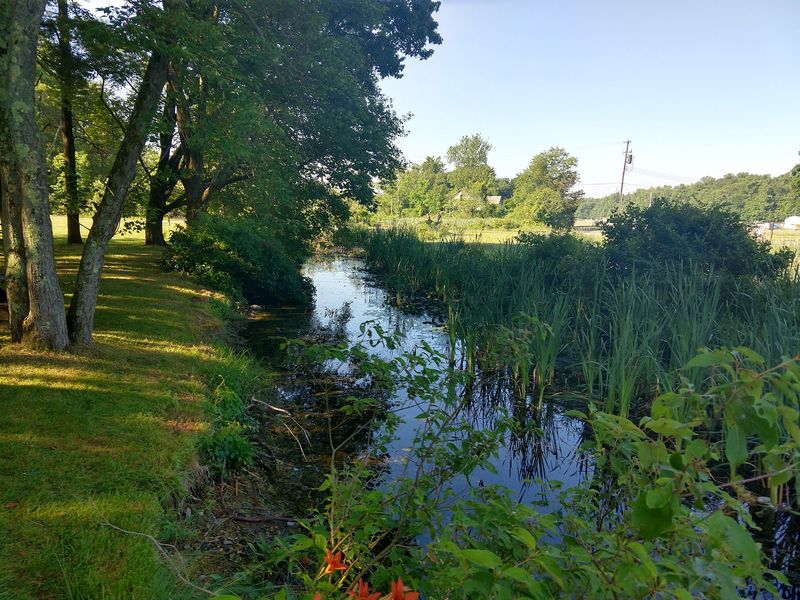
Old railroad lines make surprisingly great trails. Two of them run right through Kittatinny Valley State Park.
The Paulinskill Valley Trail stretches 27 miles. The Sussex Branch Trail adds another 20 miles of flat, friendly paths.
Rail-trails stay mostly level because trains didn’t love steep hills. That makes them perfect for younger hikers and casual bikers.
Hiking, mountain biking, and horseback riding are all welcome on the park’s trails. You might share the path with a rider on horseback.
Shorter loops near the lake work well for morning walks. Benches nearby let you rest while watching planes come and go.
Dog owners enjoy these paths too. A lakeside break with your pup sounds like a good afternoon.
Bring sturdy shoes and plenty of water. Some trails run long, and turning back halfway is always fine.
Download a trail map before you leave home. Cell service can be spotty in rural areas.
Winter visitors can try cross-country skiing on the rail-trails. The same path feels brand new under fresh snow.
Pick a direction and go.
Bring Binoculars, Because The Wildlife Shows Up
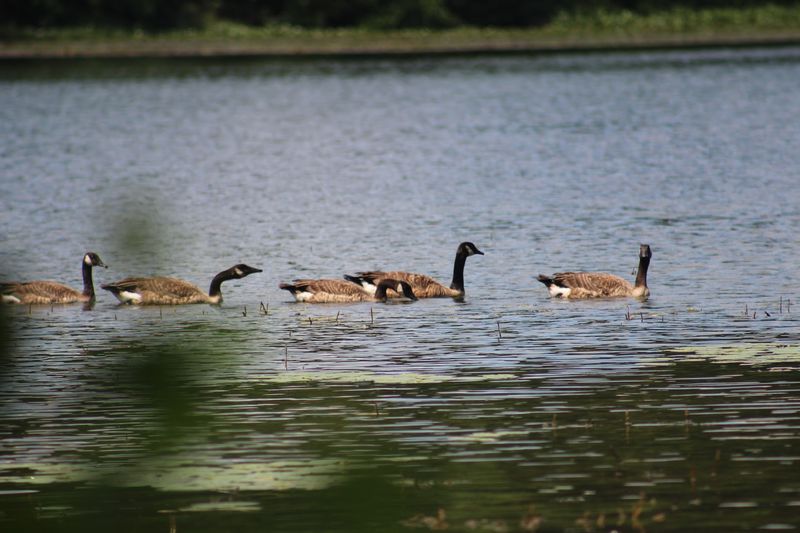
More than 200 bird species have been recorded in this park. That’s a serious checklist for anyone carrying binoculars.
The mix of habitats explains it. Lake, forest, fields, and wetlands all sit close together.
Whitetail deer and wild turkeys are common sights. Beavers and muskrats live around the water, so watch the shoreline.
Black bears and bobcats also call the park home. Seeing one is rare, but it’s wise to know they’re around.
Store food carefully and never feed wildlife. Keeping animals wild keeps everyone safer.
Early mornings tend to be the best time for spotting animals. The park is quieter, and creatures move more before the heat sets in.
Bird watching from the lakeside pairs nicely with plane watching. You’ll be looking up a lot either way.
A simple field guide or bird app helps kids join in. Turning it into a scavenger hunt keeps young explorers busy.
Move slowly and talk softly. Animals notice noise faster than you think.
The more patient you are, the more the park reveals.
Plan Your Trip Starting At A Stone House From 1825
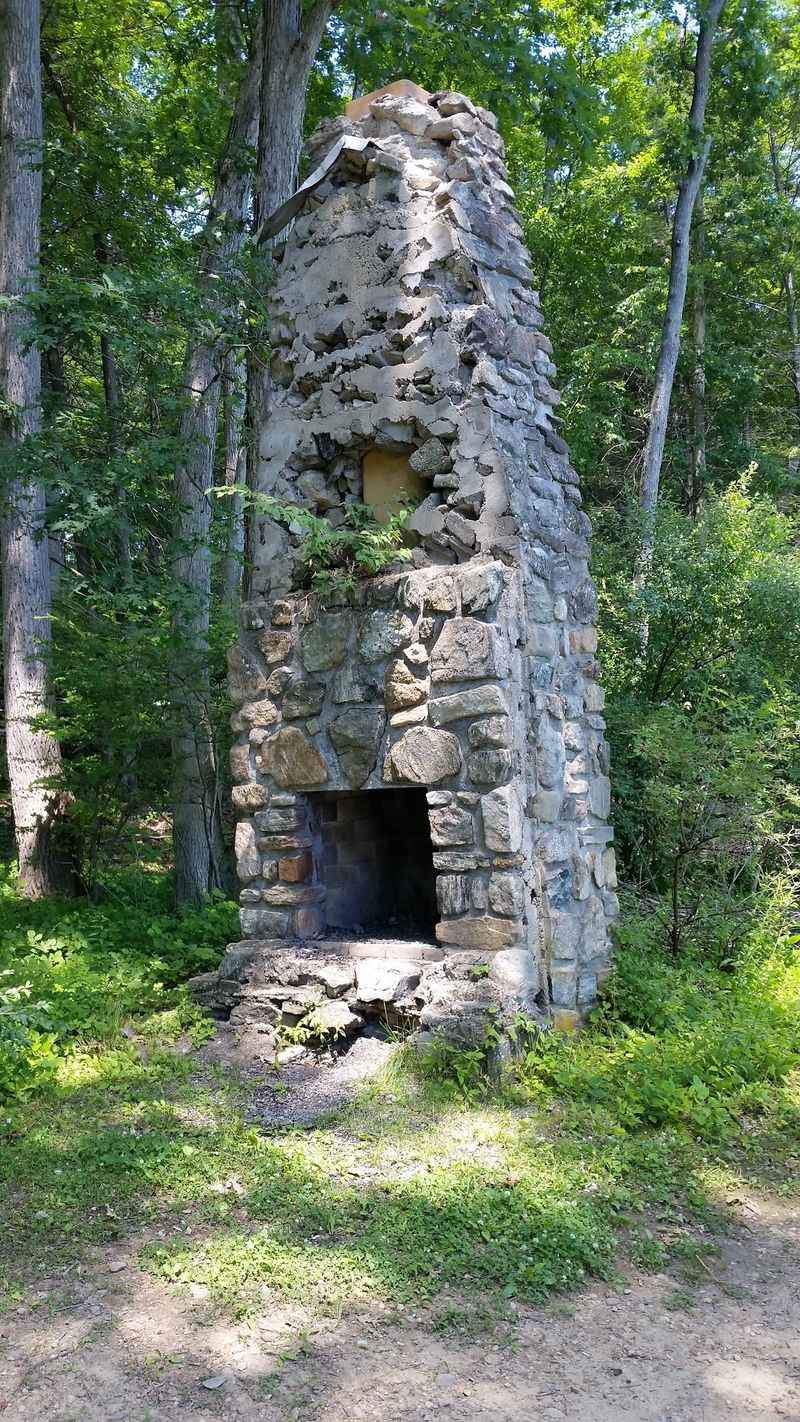
History greets you before the lake does. The Hill-Hussey Stone House, built in 1825, now serves as the park’s visitor center.
It hosts nature programs throughout the year. Those programs are a fun way to learn about the animals and plants you’ll see.
The park office is reached from 199 Goodale Rd, Newton, NJ 07860. Stop there for maps and helpful trail tips.
The lake itself is listed at Lake Aeroflex Rd, Newton, NJ 07860. For boating, the launch area uses the GPS address 265 Limecrest Rd, Newton, NJ 07860.
Remember that swimming isn’t allowed at Lake Aeroflex. There’s no designated beach, so plan on paddling, fishing, and picnicking instead.
Pack a life vest for every paddler. The lake’s weedy patches make that extra important.
Arrive early on weekends to snag parking. A cooler, sunscreen, and bug spray round out a solid kit.
Lake Aeroflex rewards curious visitors. Deep water, clear views, and planes overhead make it one of New Jersey’s most unusual outdoor stops.
Go once, and you’ll probably start planning round two.
