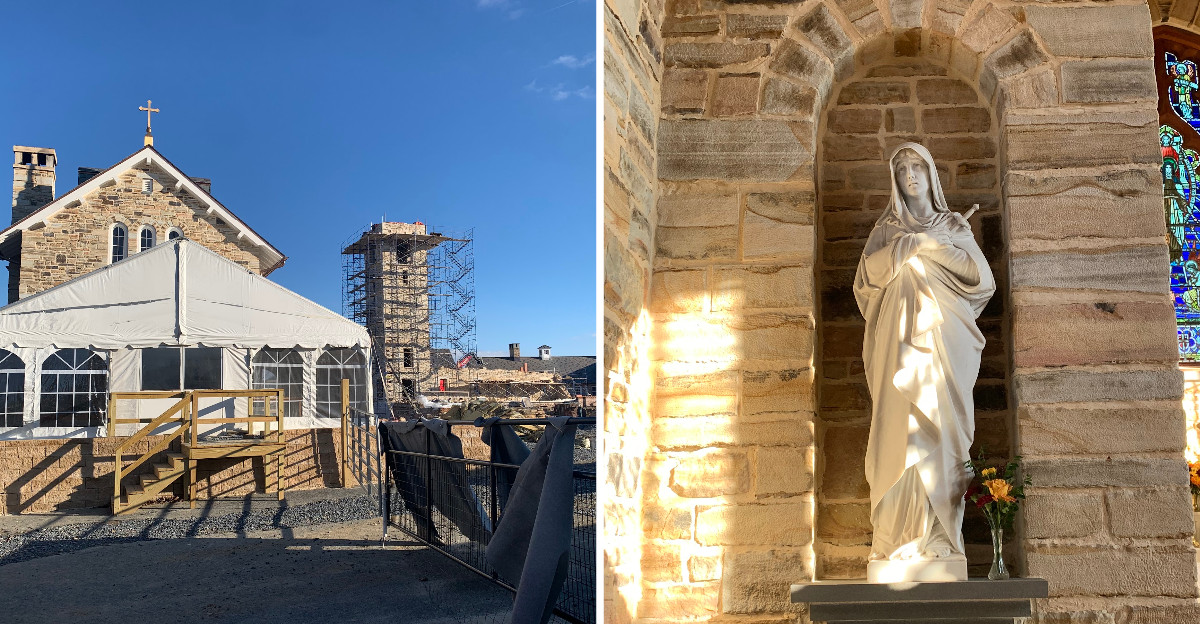
A group of cloistered nuns is raising a stone monastery largely by hand, and the price tag reportedly tops $100 million. That’s not a typo.
These women spend most of their day in silent prayer, yet they’ve taken on a project that would make a construction crew sweat.
I love that the plan leans on old-fashioned craft instead of heavy modern machinery. Stone by stone, the walls are meant to last for centuries.
I can’t imagine the patience that takes.
The setting helps. The site sits in quiet Pennsylvania woods, not far from one of the most famous historic towns in America.
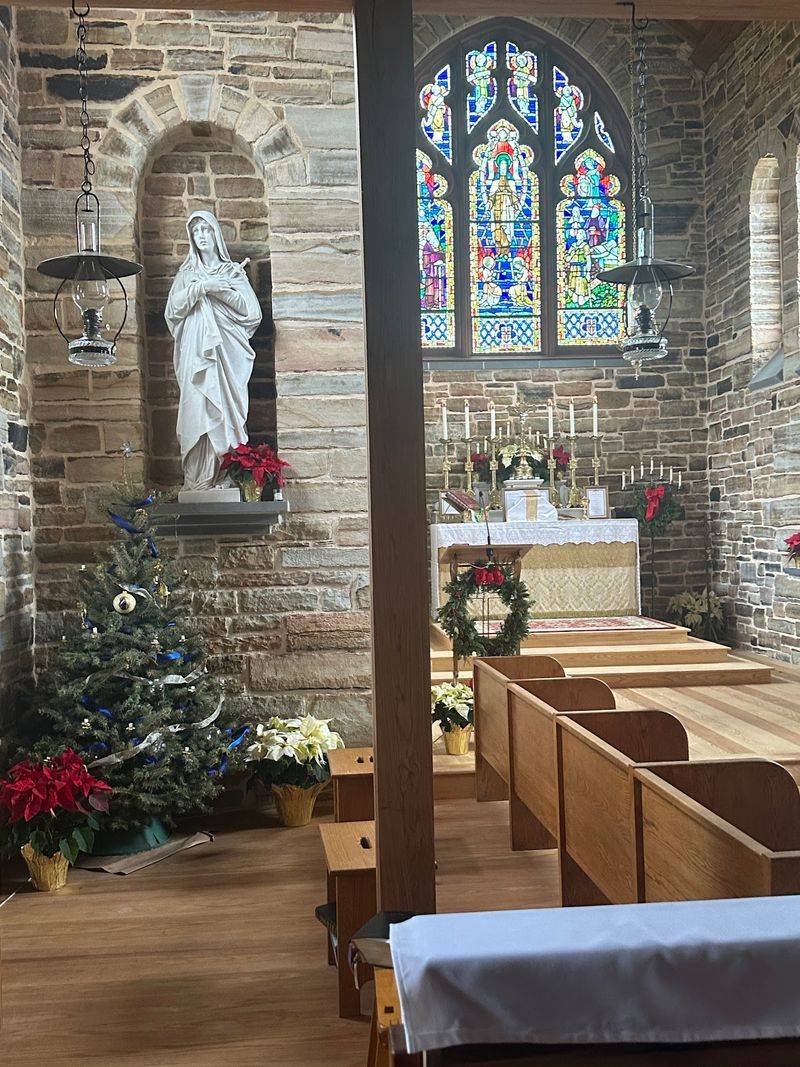
On Sundays, Mass still happens in a temporary chapel while the big dream rises nearby.
The project brings centuries-old building traditions into the present, creating a striking contrast between the quiet life of the sisters and the scale of their plans. Even before completion, the monastery offers a glimpse of an unusually ambitious undertaking.
The Sisters Behind This Bold Stone Project Live a Life Most of Us Never See
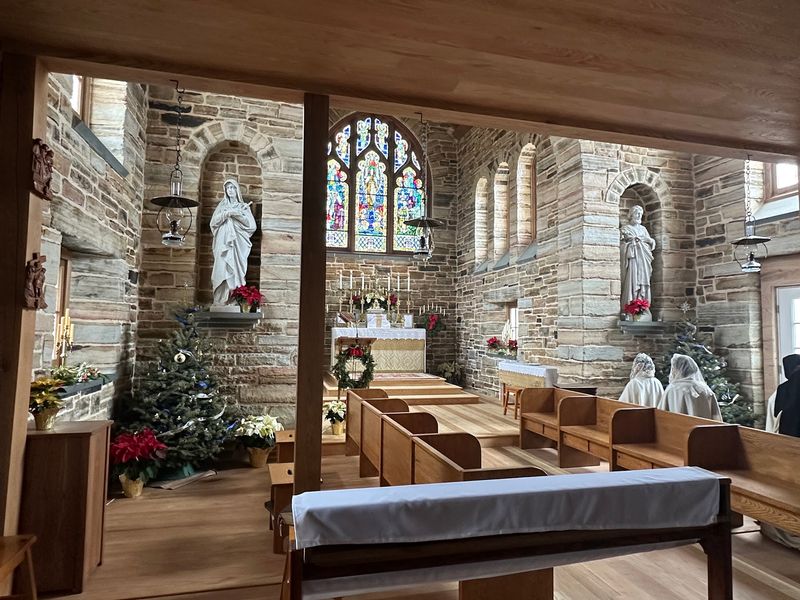
Meet a community that chose silence over noise and prayer over busy schedules. Carmel of Jesus, Mary and Joseph is home to traditional Discalced Carmelite nuns living in south-central Pennsylvania.
Carmelite nuns follow a way of life shaped by Saint Teresa of Avila in sixteenth-century Spain. Her reform focused on prayer, simplicity, and a close-knit life inside an enclosure.
Enclosure means the sisters stay within the monastery grounds for nearly everything. They don’t run errands around town or hold regular jobs out in the world.
Their main work is prayer. They pray for the Church, for families, and for people who ask for help, all through a daily rhythm of worship.
That rhythm includes the Divine Office, a set of prayers spread across the day and night. It also includes quiet time, manual work, and simple meals together.
Here’s what makes the building project so striking. Women devoted to stillness have taken on one of the most ambitious construction efforts in the region.
It feels a little like a librarian deciding to build the library herself, brick by brick. Yet for the sisters, the work fits their calling, because they see the monastery as a lasting home for prayer.
Understanding their life first makes every stone in this story mean a lot more.
Yes, That Price Tag Really Has Eight Figures in It
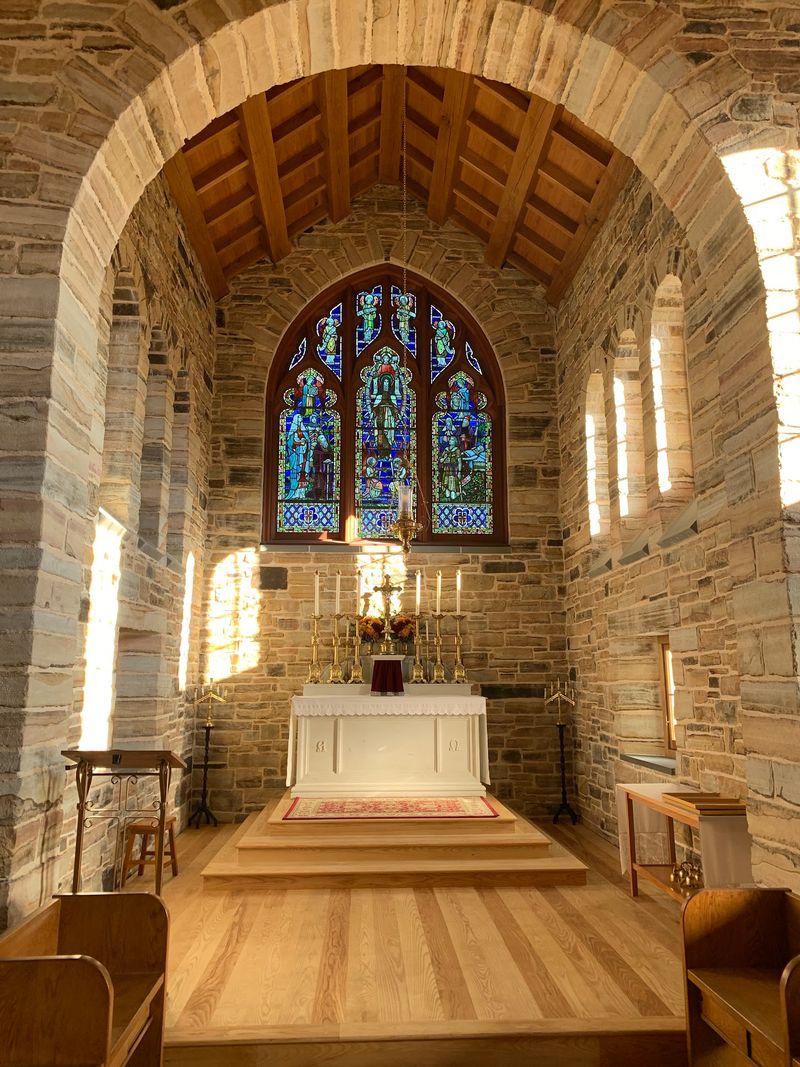
A hundred million dollars sounds like the budget for a sports stadium, not a convent. Still, that’s the scale reported for the stone monastery these sisters are building.
Why so much? Real stone, careful hand craftsmanship, and a design meant to last for hundreds of years all add up quickly.
Most modern buildings are designed with a lifespan of a few decades. The sisters are thinking in centuries, the way medieval builders did with great cathedrals.
That long view changes the math. Cheaper materials might save money now, but they’d need repairs and replacements again and again over time.
The nuns depend on donations to keep the work moving. Their fundraising mailings describe the effort as building a home and refuge for Christ, which explains why they won’t cut corners.
Not everyone loves the approach, of course. Big religious building projects always spark debate about cost and priorities.
Even so, it’s hard not to admire the commitment. They’re not building a quick fix but a place meant to outlast everyone reading this sentence.
Think of it as a slow-motion masterpiece. The final bill is huge, but so is the vision behind it, and that vision stretches far beyond a single generation.
Skipping the Heavy Machines Makes Every Wall a Labor of Patience
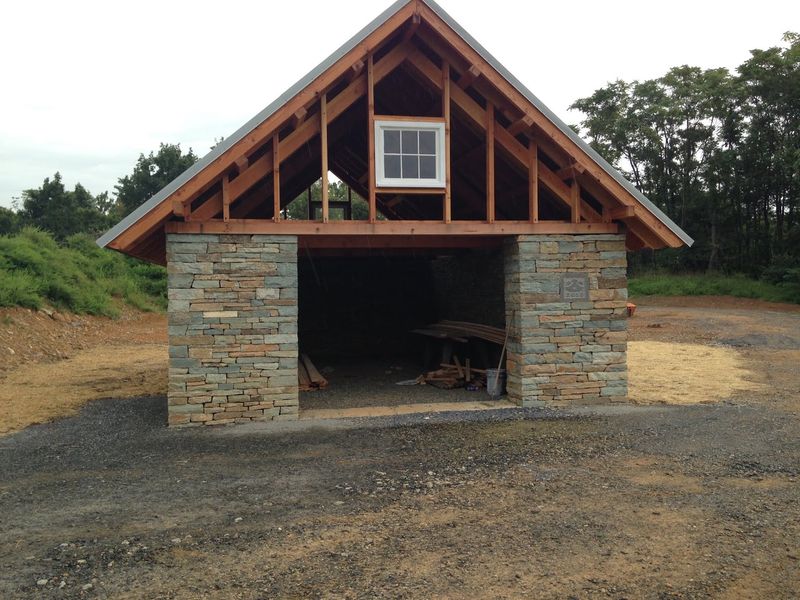
Bulldozers and giant cranes are the usual stars of any big construction site. Here, the spotlight shifts to hand tools, skilled workers, and a whole lot of patience.
The monastery is being built using traditional stone masonry and timber-framing techniques. The sisters contribute hands-on labor alongside skilled craftsmen, including professional stonemasons and a general contractor.
Why would anyone pick the slow road? For the sisters, the method matters as much as the finished building.
Hand-shaped stone carries the mark of the people who cut it. Each block becomes a small offering of time and effort rather than a factory product.
There’s a practical side too. Solid stone walls, carefully fitted, can stand strong for generations with far less upkeep than many modern materials.
Medieval builders raised cathedrals this way across Europe. Many of those buildings still stand today, which is pretty convincing proof the old methods work.
I find that oddly comforting. In a world obsessed with fast results, here’s a group happily trading speed for something that lasts, one careful chisel strike at a time.
Those Sunday Chants Might Give You Goosebumps
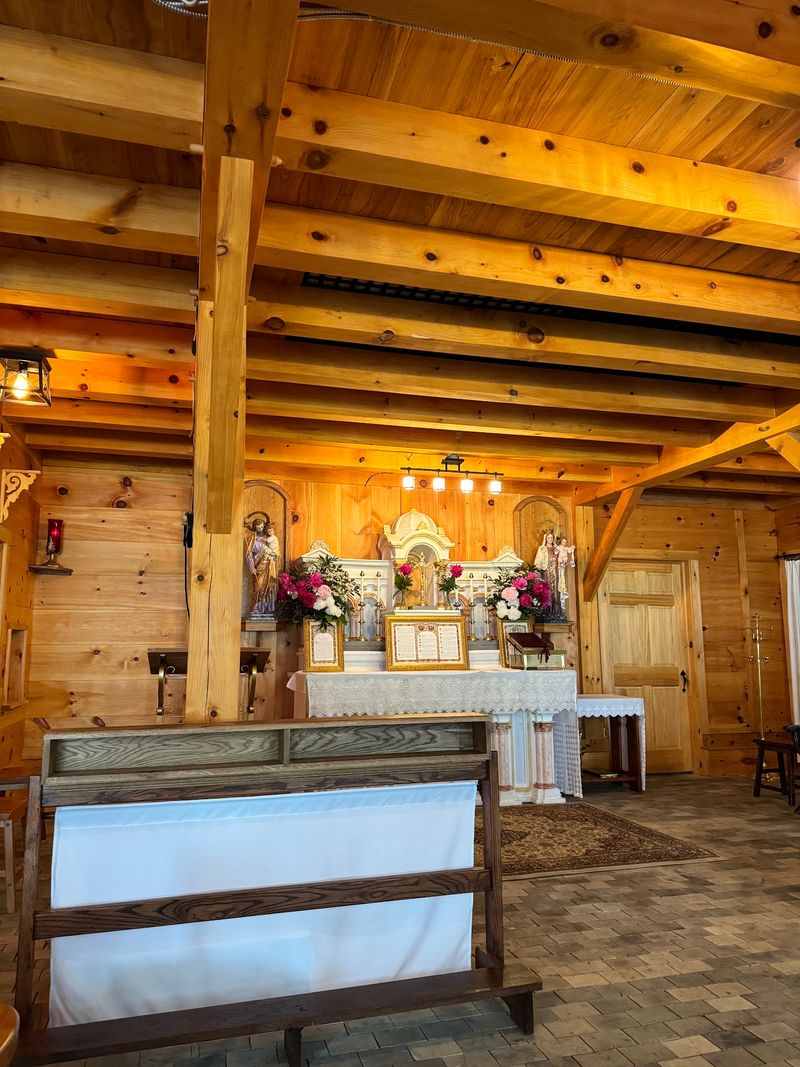
Gregorian chant sounds like music floating straight out of the Middle Ages. At Carmel of Jesus, Mary and Joseph, the sisters sing it during Mass.
The liturgy here is the Traditional Latin Mass. It’s the older form of Catholic worship, prayed in Latin with ancient chants and quiet, reverent moments.
Sunday Mass is traditionally celebrated in the Carmelite Rite, accompanied by the sisters’ Gregorian chant. Visitors should confirm the current schedule with the monastery before traveling.
The nuns provide the chant from their side of the chapel, keeping their enclosure.
If you’ve never heard chant live, it’s worth the trip. The melodies are simple, steady, and surprisingly calming, even if you don’t understand a word of Latin.
Be ready for a longer service than many parishes offer. Traditional Masses with chant and a sermon can run well past an hour.
Schedules can change, so check with the community before planning your visit. That small step saves you from a disappointing early-morning drive.
Even for curious non-Catholics, the experience can feel like opening a window into history. Few places in the region keep these ancient sounds alive quite like this.
Pack a Folding Chair Because the Chapel Is Still a Work in Progress
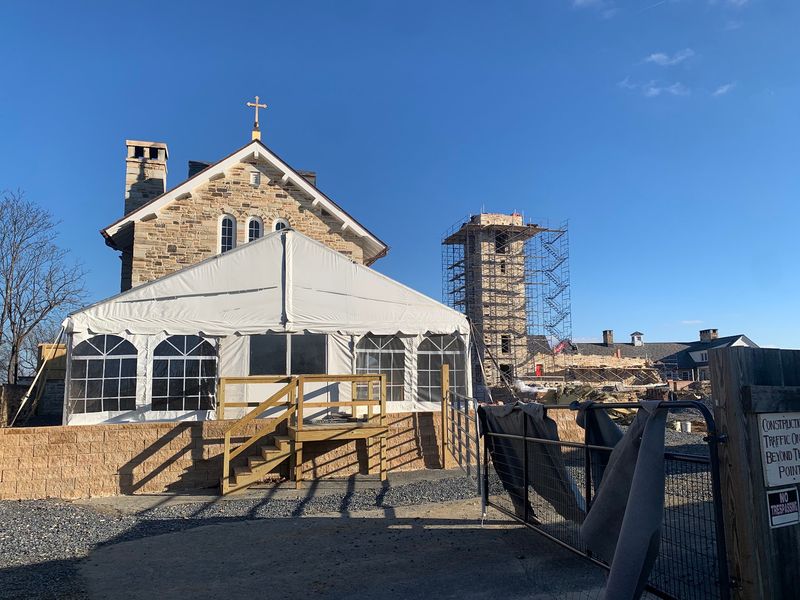
Here’s a tip most people learn the hard way. The grand monastery chapel isn’t finished yet, so Mass takes place in a temporary building.
That temporary space has limited indoor seating. On busy Sundays, it can fill up fast, leaving latecomers looking for a spot.
Arriving early is your best move. Bringing your own folding chair is a smart backup plan.
A kneeling pad or small cushion also helps. Traditional Mass includes plenty of kneeling, and your knees will thank you later.
Weather matters too. Pennsylvania mornings can swing from chilly to steamy, so a light jacket or water bottle is never a bad idea.
I actually like this humble setup. It’s a reminder that the sisters are living through the construction right alongside everyone else.
Someday, the finished stone chapel will likely make people forget these simple beginnings. Being there now means seeing a chapter that won’t last forever.
Think of it like visiting a famous building before the paint dries. You get to say you saw it when it was still becoming something.
So grab that chair, set your alarm, and come prepared. A little planning turns a cramped morning into a memorable one.
Woods, Wildlife, and a Whole Lot of Quiet Surround the Grounds
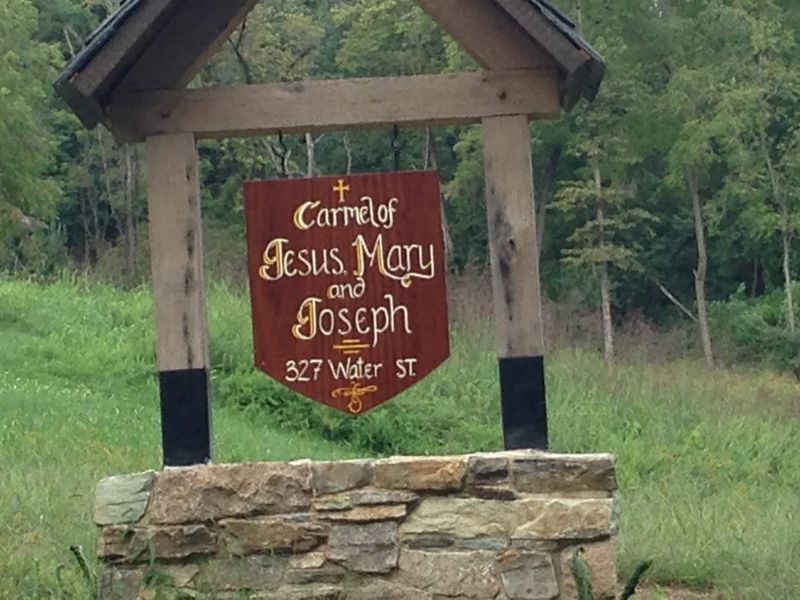
Forget traffic noise and blinking signs. The monastery sits surrounded by woods and wildlife, which fits a community built on silence.
The Fairfield area lies in the rolling countryside of Adams County, Pennsylvania. Farms, hills, and patches of forest stretch across the region.
That natural setting isn’t just pretty scenery. For contemplative nuns, quiet surroundings support a life focused on prayer and reflection.
Visitors often notice how peaceful the property feels. You might spot birds or deer near the tree line if you’re paying attention.
Please remember that this is a working monastery, not a public park. Stick to areas open to guests and respect the enclosure.
The sisters’ private spaces are off-limits, and that boundary matters deeply to their way of life. A little courtesy keeps the peace for everyone.
Still, just pausing in the parking area can feel restful. The trees, the breeze, and the stone rising from the ground make a calming combination.
It’s a nice change for anyone stuck in a busy routine. Sometimes the best souvenir from a trip is simply a quieter mind, and this spot offers that without charging a thing.
Gettysburg Is Close Enough to Make This a Perfect Side Trip
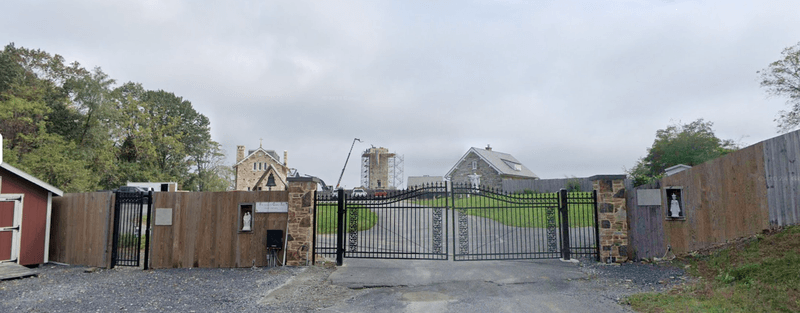
History lovers, this one’s for you. The monastery is roughly a fifteen-minute drive from downtown Gettysburg.
That makes it an easy add-on to a weekend exploring one of America’s most famous historic towns. You can pair centuries-old worship traditions with nineteenth-century American history in one trip.
The address is 327 Water St, Fairfield, PA 17320. Plug it into your map app before you leave, since rural roads can get confusing.
Fairfield itself is a small town with country charm. It’s a nice break from the busier tourist streets nearby.
Plan your day around Sunday Mass if you want to hear the chant. Then spend the afternoon touring Gettysburg’s museums, fields, and monuments.
Families can make it educational too. Kids learn about Civil War history in the afternoon after seeing an ancient form of worship in the morning.
Just remember the monastery isn’t a tourist attraction with guided tours. Treat it as a place of prayer, and you’ll be welcome.
Honestly, it’s hard to find a region in Pennsylvania that packs this much history into such a short drive. One road trip, two very different journeys back in time.
Not Every Headline About These Sisters Has Been Easy
Every big story has its bumps. The community at Carmel of Jesus, Mary and Joseph has faced public attention beyond its construction work.
The sisters have been the subject of a Vatican apostolic visitation, an official review process the Church uses for religious communities. Their supporters rallied around them during that time.
Reactions online show how strongly people feel. Many praise the nuns as faithful and devoted, while a few critics question their fundraising and building plans.
That kind of split isn’t unusual for ambitious religious projects. When something is bold and expensive, people naturally have opinions.
What stands out is how the sisters keep going. The stone keeps rising, the chant keeps sounding on Sundays, and the daily prayer schedule continues.
It’s a good reminder that real communities aren’t postcard-perfect. They deal with pressure, questions, and outside opinions like anyone else.
Visiting with an open mind is the best approach. You can appreciate the craftsmanship and peaceful setting while forming your own thoughts.
I respect that they’ve stayed focused through it all. Whatever someone believes, steady dedication to a long, difficult goal is something most of us could learn from.
Your Support Could Literally Become Part of the Walls
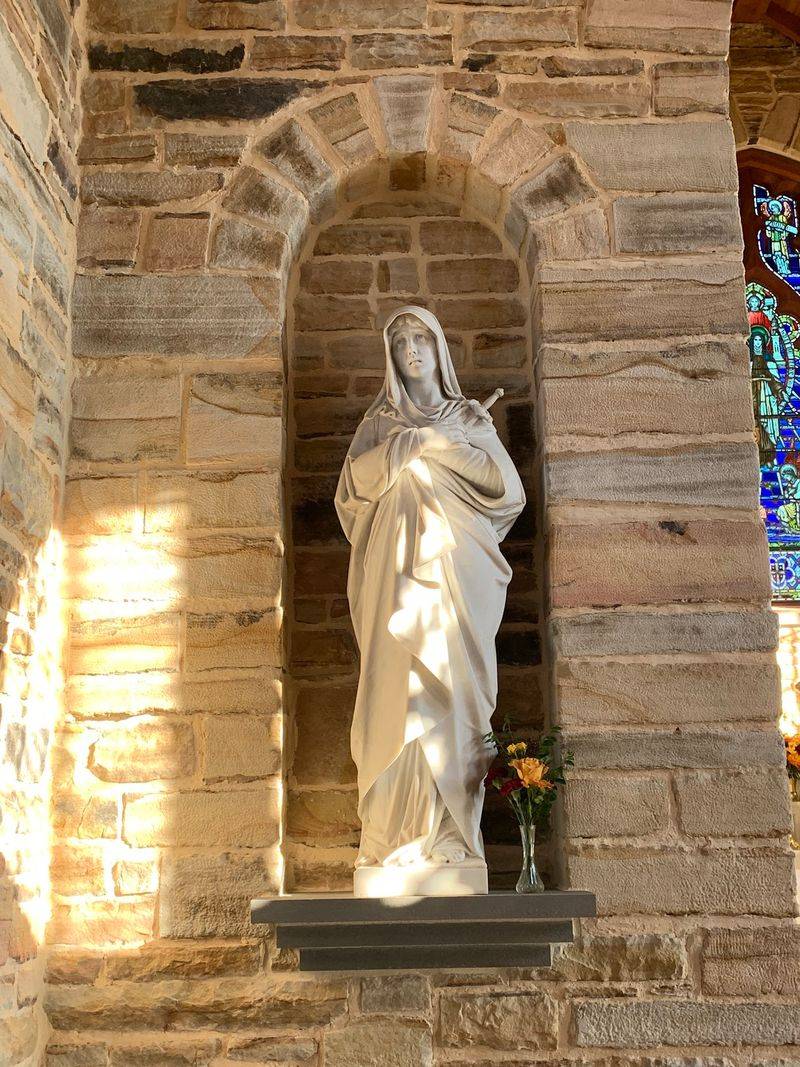
Few donations end up as something you can actually touch someday. At this monastery, gifts help turn raw stone into walls built to last centuries.
The nuns rely on generosity to fund the project. Without steady support, a hand-built monastery of this size simply couldn’t move forward.
You don’t need deep pockets to help. Small gifts add up, and many supporters also promise to pray for the community.
Visitors who attend Mass can make an offering there. Others choose to send support by mail after learning about the work.
Buying from or donating to a contemplative community feels different from typical charity. You’re helping preserve a way of life that’s been around for hundreds of years.
The sisters, in turn, pray for their benefactors. For many supporters, that spiritual connection matters as much as the building itself.
If you visit, keep your expectations simple. There’s no gift shop tour or flashy visitor center, just a sincere community doing a remarkable thing.
Watching the progress over the years could become its own tradition. Each trip back might reveal a new wall, arch, or finished section rising above the Pennsylvania trees, and that’s pretty special to witness.
