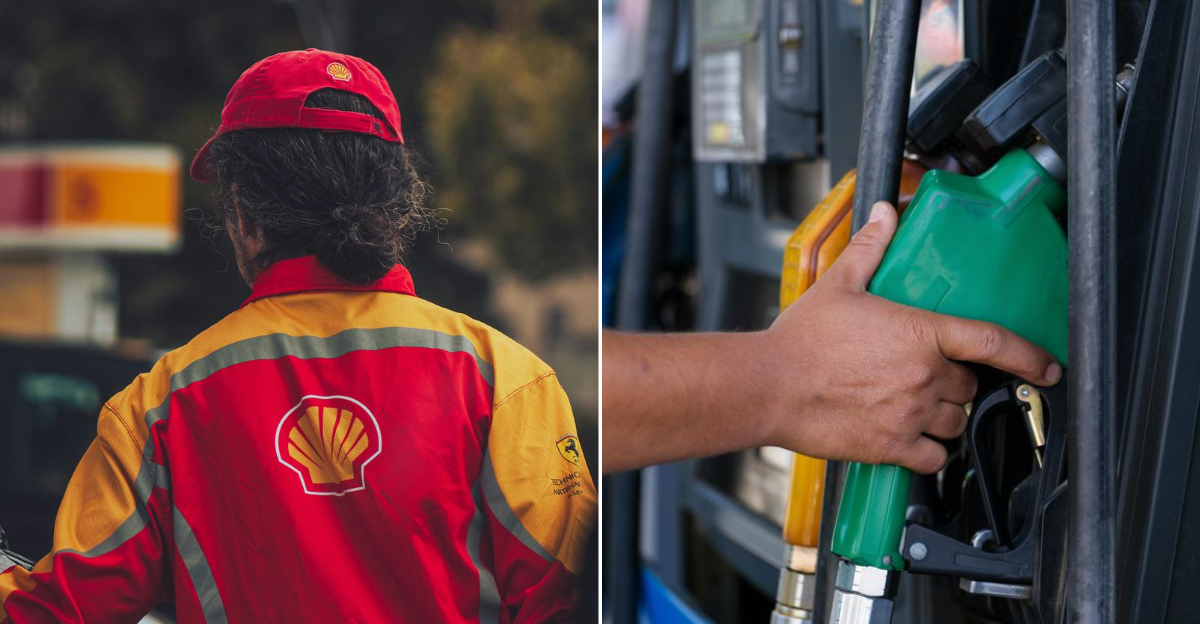
You can spot a visitor in New Jersey instantly, because they step out of the car and reach for the pump like it is muscle memory. New Jersey still bans self-serve gasoline at retail stations under the Retail Gasoline Dispensing Safety Act rules, so attendants are the ones who pump your gas while you stay put.
That is why tourists get confused every day, especially if they are used to tapping a screen, squeezing a handle, and pretending it is all totally normal. The funny part is that the rule is not subtle, because the whole system is built around trained attendants handling gasoline dispensing under safety standards that stations are required to follow.
So if you pull in, pop your fuel door, tell them your grade and dollar amount, and let them do their thing without hopping out to help. If you want to pay by card, just ask how they prefer to run it, because different stations handle the flow a little differently.
Once you get used to it, it honestly feels like a tiny luxury, especially in bad weather or when you are exhausted. And if someone honks, do not panic, because they are usually honking at the line, not at you personally.
The New Jersey Rule That Stops You Mid-Reach For The Nozzle
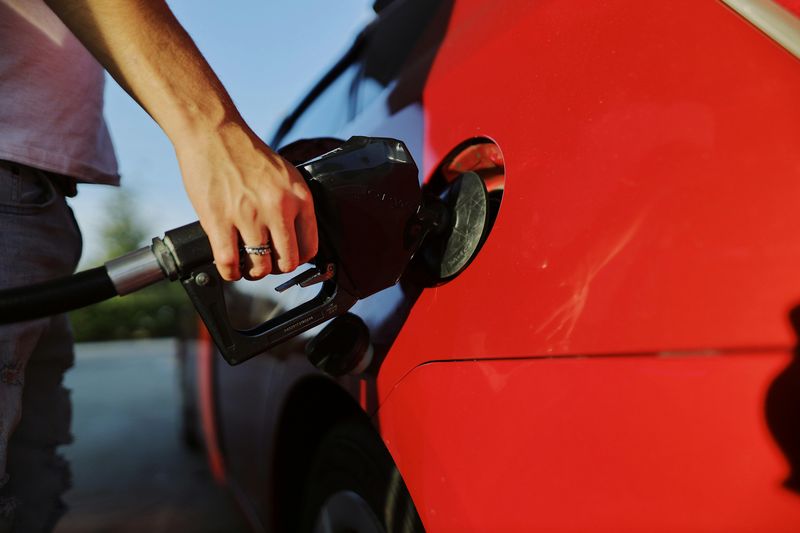
You go to grab the nozzle like you always do, and then a friendly attendant is already at your window asking what you want. That quick interception is not attitude, it is the rule, and it is probably the most New Jersey interaction you will have besides merging on the parkway.
The state keeps full service as standard, so you wait, you say regular or premium, and you let them handle the pump while you stay buckled or stretch your legs.
It feels odd if you are used to pumping your own, but honestly it becomes second nature after a couple stops. You will notice a rhythm at busy stations near the turnpike ramps, with attendants gliding from car to car like they are working a pit lane.
If they tap your window or point to the fuel door release, they are not rushing you, they are keeping the line moving, which matters a lot on holiday weekends in this state.
The best move is simple patience and a quick thumbs up to confirm the grade. If your card has a chip, most places handle it right at the pump with a portable reader or they guide you to the window.
Once you get the hang of letting them do the thing, you will wonder why you ever froze mid reach in the first place, and you might even appreciate the break.
Retail Gasoline Dispensing Safety Act, The Exact Law Behind Full Service
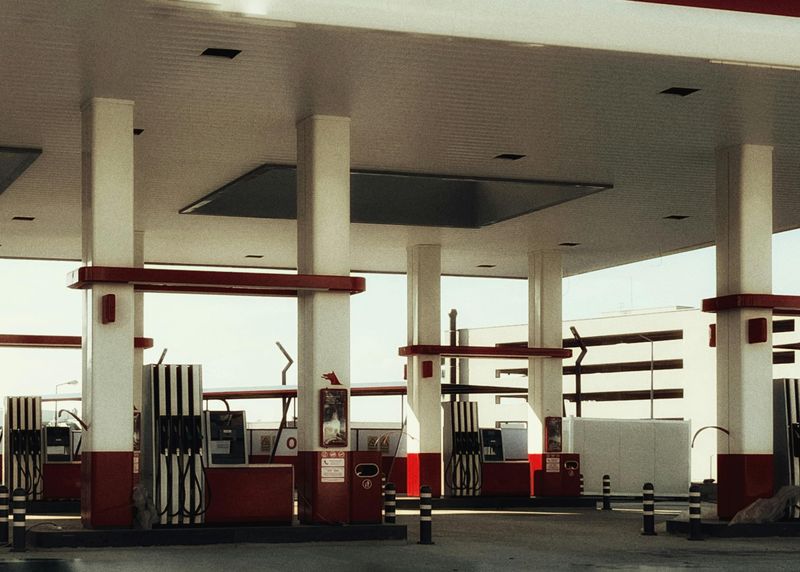
If you want the chapter and verse, it sits under the Retail Gasoline Dispensing Safety Act, which sounds dry until you realize it decides who touches the nozzle. The law says retail gasoline gets dispensed by trained attendants, with safety and fire risk as the big reasons that keep getting cited.
New Jersey leans on the idea that supervision reduces mishaps, especially around busy corridors where cars and distractions pile up.
You do not need to memorize legal language, but it helps to remember that this is not a store policy, it is the state talking. The act puts responsibility on the station to run things safely, which includes who operates the pump and how emergency systems are kept ready.
When you see a laminated copy of rules near the cashier window, that is not just for show, it anchors the whole routine.
The law has stuck around through many attempts to change it, and every time the debate revives, the safety argument takes center stage. Whether you agree or think you can handle your own pump just fine, the statute calls the shots inside state lines.
So when the attendant waves you off with a quick smile, it is not personal power, it is compliance, and it is the same in beach towns, suburbs, and turnpike plazas from north to south.
Only Attendants Can Pump, And Stations Must Keep One On Duty
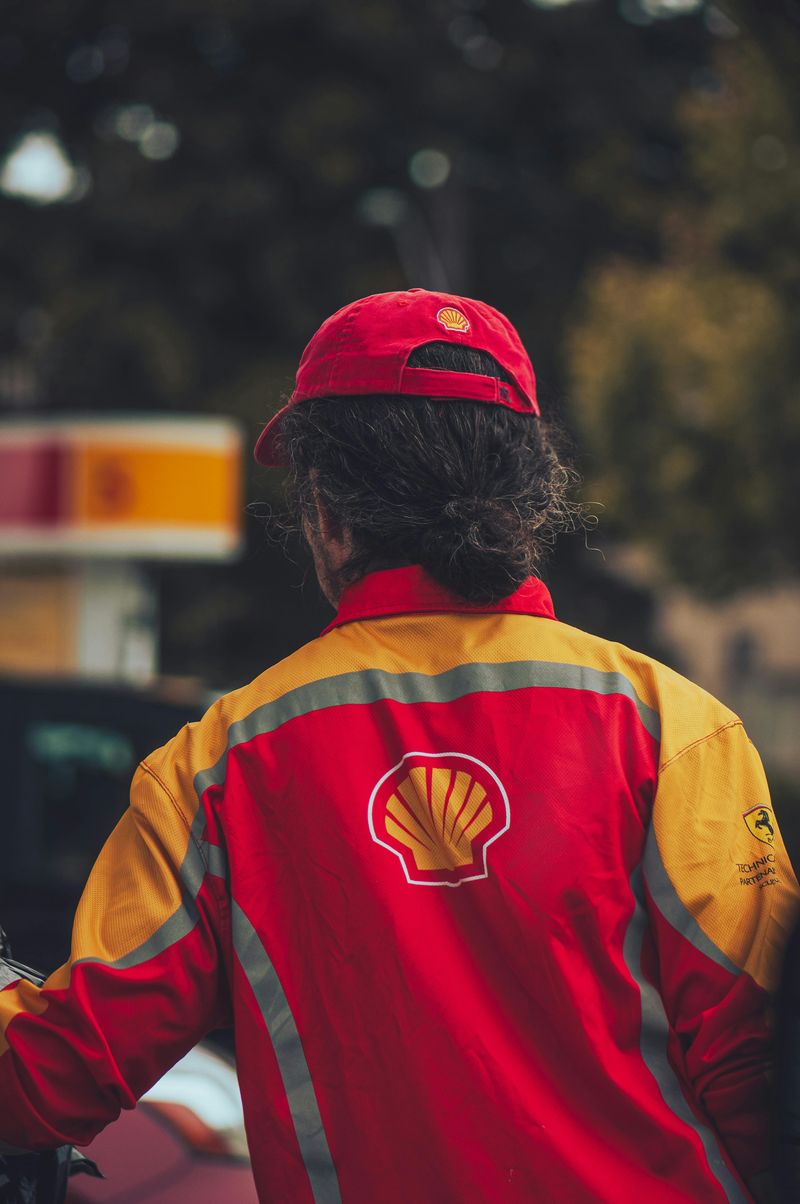
The practical piece is super straightforward, because the station has to keep an attendant on duty when fuel is being sold. That means if pumps are live, someone trained is out there moving between bays, watching for phones, open hatches, and everything else that makes a forecourt lively.
You will see them juggling payments, fuel grades, and quick directions while keeping a calm eye on the whole space.
On a quiet morning, the wait can be almost nothing, and on a shore weekend it can feel like a small parade with cones, hand signals, and quick nods. If you pull in and do not spot anyone right away, just idle and look for the person in a vest before reaching for the handle.
They usually pop out from the booth fast, and if they are swamped, a raised hand out the window helps them slot you into the rotation.
This is also why some stations limit which islands are open at slower times, because staffing drives the layout. You are not being ignored if a lane is dark, the crew is just concentrating traffic where they can safely monitor it.
Once your turn hits, keep your request short and clear, then let them take it from there while you watch mirrors and enjoy the tiny pause in your drive through New Jersey.
Training And Certification Rules Most Visitors Never Realize Exist
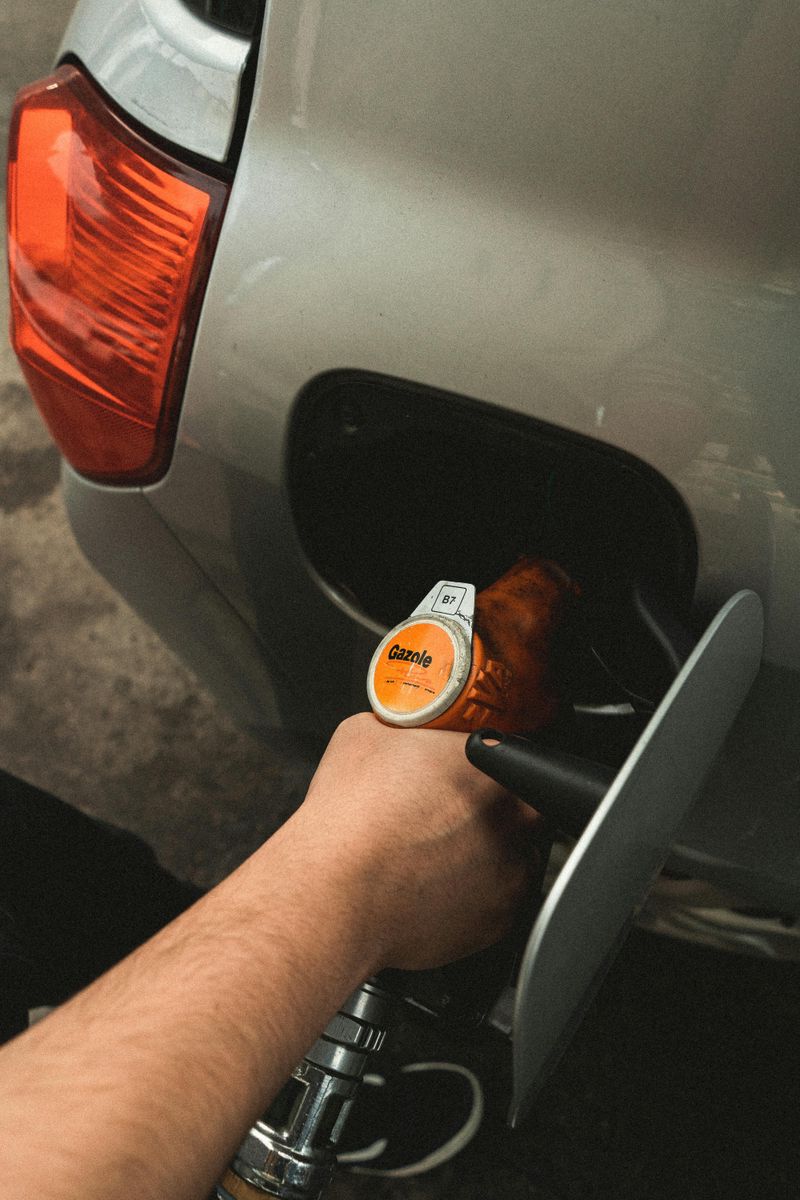
What you do not see from the driver seat is the quiet training that keeps the whole operation from turning chaotic. Attendants get shown how to ground nozzles, handle spills, spot leaks, and shut things down fast if something goes sideways.
There is usually a manager who tracks who is cleared to work the forecourt, with refreshers on procedures and equipment checks that happen behind the glass.
Those little routines explain why they may pause before squeezing the trigger or glance under your car as the pump starts. They are not being fussy, they are making sure there is no static, no misclick on the grade button, and no chance your tank cap falls onto the concrete.
When they grip the nozzle at a certain angle or rest it a particular way, that is not a quirk, it is a learned habit meant to reduce mess and sparks.
New Jersey takes that structure seriously, and you will feel it most at bigger stations near highway exits where turnover is constant. Even the way they position a cone around a slick spot follows a checklist that comes from training.
So if you are tempted to jump out and help, just know you are stepping into a system that keeps cars, people, and pumps running smoothly, and it works because the crew is drilled on the details.
Signs Spell It Out, Wait For An Attendant, Stop Motor, No Smoking
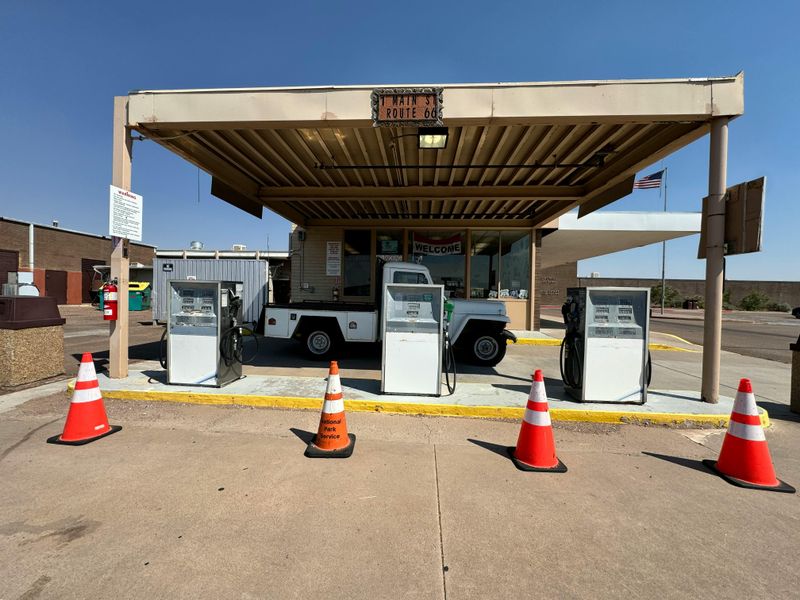
Next time you pull in, take a second to really look at the stickers and boards around the pump island. They usually say full service only, wait for attendant, stop motor, and no smoking in bold, simple language that removes guesswork.
You will also spot small icons about cell phone use, open flames, and keeping the vehicle in park while fueling.
The signs are not there to nag you, they keep the dance predictable when cars are packed tight and everyone is coming off a long stretch of highway. If an attendant points toward a sign, it is just a nudge to follow the basic checklist that protects you and the people around you.
Engines off reduces vapor ignition risk, and the waiting line stays orderly when no one jumps pumps or blocks the flow.
Plazas along the turnpike and local neighborhood stations both follow the same visual cues, which helps a lot when you are new to the routine. Read once, follow always, and the whole stop becomes easy muscle memory.
New Jersey keeps this signage consistent for a reason, and if you lean into it, you will move faster, smile sooner, and roll back onto the road without a hiccup.
The Exceptions People Mix Up, Diesel, Marine Fuel, Aircraft Fuel
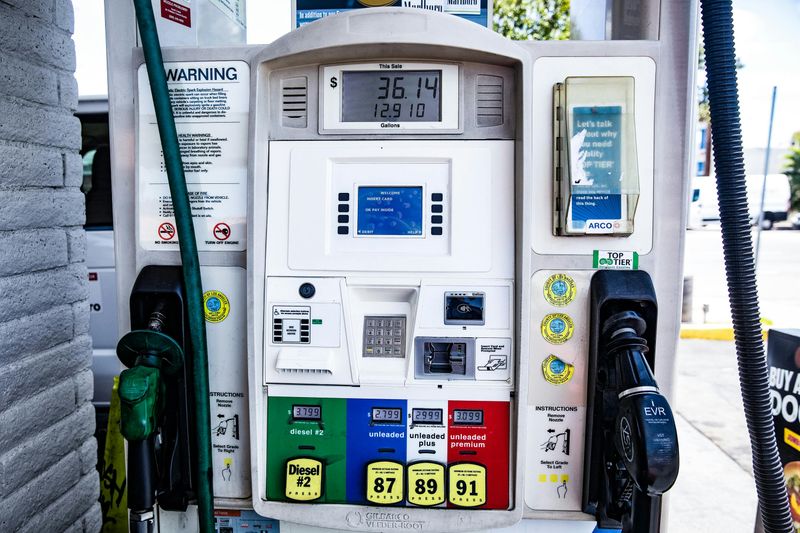
This is where folks swear they have found a loophole, and then the details knock that idea down. The full service rule is tied to retail gasoline for passenger vehicles, so other fuels like diesel, marine fuel at docks, and aircraft fuel live under different setups.
You might see drivers at a diesel island handling their own pump at certain locations, and that is often a separate system with its own procedures.
Marinas and small airports have very specific fuel handling rules driven by entirely different risks, from open water to static around hangars. Those spaces are not your corner gas stop, and they follow their own training, equipment, and shutdown plans.
So if your buddy points at a dock and says, see, self serve exists here, they are comparing different worlds that happen to share a nozzle and a hose.
On the highway, the important takeaway is simple clarity about what you are driving and where you are parked. If it is a typical gasoline car at a retail station in New Jersey, expect full service and keep hands off the hardware.
When you are dealing with diesel or specialty fuel in designated areas, expect different rules and read the posted instructions like your day depends on it, because in those environments, it often does.
Remote Emergency Shutoff Switches And Other Safety Requirements
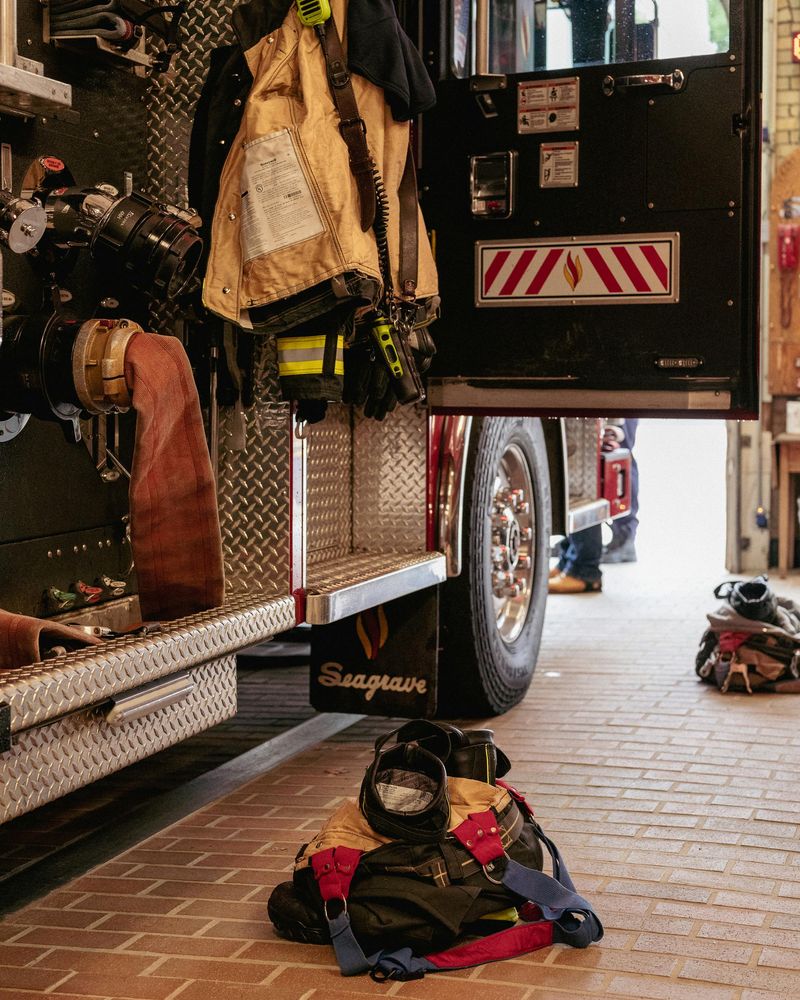
If you have ever noticed a big red button near the office door or mounted on a pole, that is the emergency shutoff. Stations in New Jersey keep these systems easy to reach, and attendants know exactly when and how to use them if something starts to smell wrong or spray where it should not.
Along with that, you will see extinguishers, absorbent kits, and clear paths that are not random, they are required.
The setup makes quick action possible when time is the only thing that stops a little problem from getting big. That is also why cars get waved forward or angled a certain way, because the layout considers sightlines, exits, and spill control.
If an attendant asks you to pop the fuel door or reposition a foot, trust that they are thinking about equipment and flow, not picking at you.
From urban stations tucked under highway ramps to quiet suburban corners, the gear and procedures stay recognizable across the state. The result is a kind of shared language that you pick up by osmosis after a couple fills.
It is one more reason visitors should let the crew run the show, because the safety net only works if the people trained to use it are the ones actually touching the buttons and the nozzles.
What Happens If You Try Anyway, Penalties Can Add Up Fast
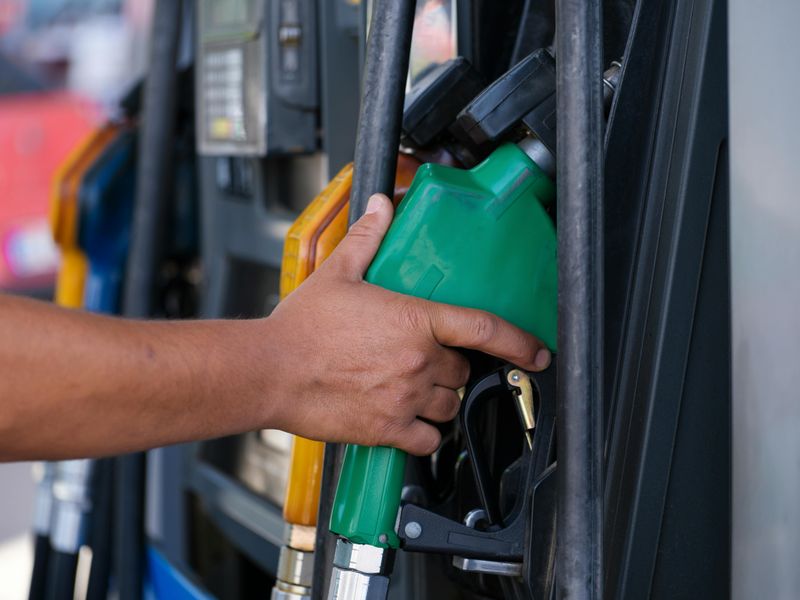
So what if you grab the handle anyway, just to top off and be on your way faster? In New Jersey that can turn awkward quickly, because attendants are trained to stop you and the station is on the hook for enforcing the rule.
You might get a firm wave off, a knock on the window, or a polite but clear request to step back while they handle the fueling.
Beyond the momentary cringe, there are real penalties for noncompliance that land on the business, which is why staff takes it seriously. Nobody wants paperwork or a visit from an inspector because a traveler felt confident and impatient.
If you refuse to listen, managers can escalate, and that is how a quick pit stop becomes a story you retell for all the wrong reasons.
The smarter path is to own the mix up, say sorry, and let them finish the job. You will be out of there faster than any argument could possibly resolve.
Consider it part of driving culture in this state, like yielding firmly yet fairly, and you will leave with your tank full and your mood intact, which is the only outcome that really matters on a long drive.
How To Handle The Pump Like A Local, Signals, Tips, And Timing
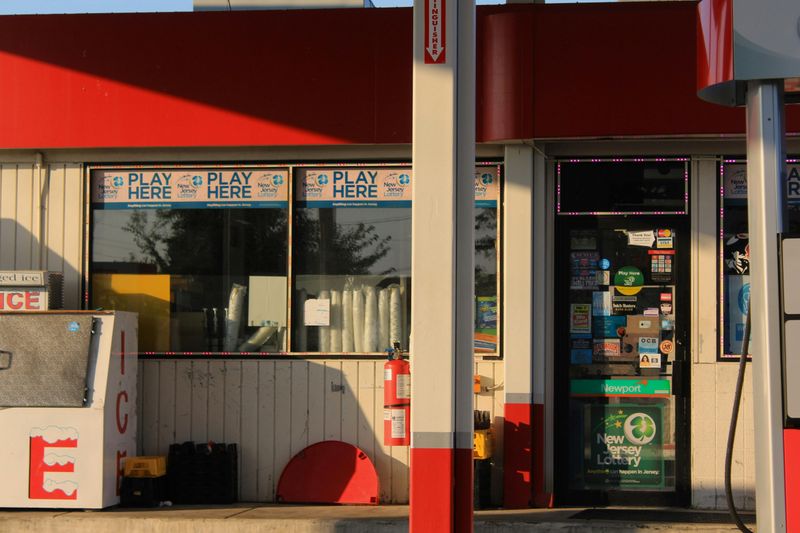
Want the smooth version that looks local? Roll in slowly, line up with the pump on your fuel door side, and stop where the hose reaches without bending weirdly.
Crack the window, keep the engine off, and when the attendant walks up, say the grade and payment preference in one breath so they can move on and swing back when you are set.
Thumbs up means you are good with their plan, and a quick point to the cap or the release handle helps if your car is tricky. If you need a receipt, ask up front, because that saves them a second trip and gets you out faster.
On busy days, you might see a little choreography with cones and hand waves, so follow it like traffic and leave space for the next car to angle in smoothly.
When the nozzle clicks, they will finish, secure the cap, and confirm you are all set before waving you out. A friendly thanks goes a long way, and you will feel that New Jersey groove kick in as you glide back to the exit.
Do that a couple times, and you will coach your friends through it without missing a beat, which makes the whole drive feel easier than it did five minutes ago.
Dear Reader: This page may contain affiliate links which may earn a commission if you click through and make a purchase. Our independent journalism is not influenced by any advertiser or commercial initiative unless it is clearly marked as sponsored content. As travel products change, please be sure to reconfirm all details and stay up to date with current events to ensure a safe and successful trip.
