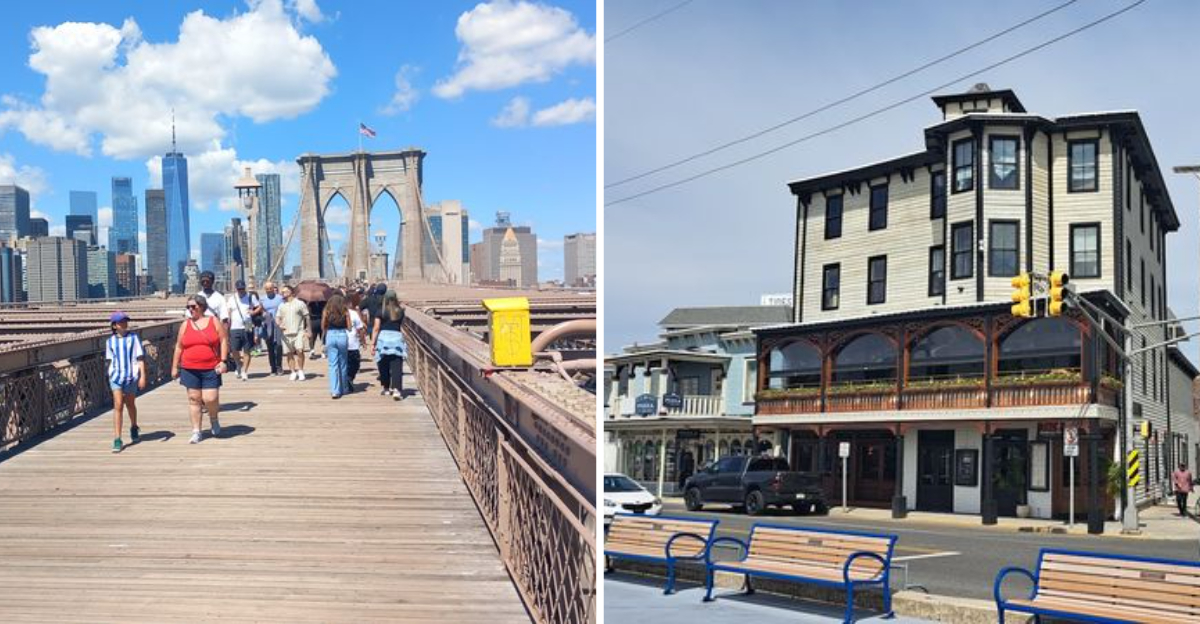
Nobody warns you that moving to New Jersey might feel like signing up for a financial obstacle course with a beautiful skyline view.
I packed my bags expecting charm, good food, and maybe a reasonable tax bill, and got two out of three.
Property taxes here have a way of making you do a double-take at your mail and question every life decision you have ever made.
The Garden State is quietly watching thousands of residents load up moving trucks and head for friendlier zip codes, and the numbers are genuinely jaw-dropping.
If you have ever wondered why your neighbor suddenly vanished, this list might explain everything.
1. Jersey City: The Luxury Trap Nobody Warned You About

Jersey City looks incredible from a distance, all glass towers and waterfront promenades that make you feel like you are living inside a magazine spread.
But behind that polished exterior, middle-class families have been quietly packing up and heading to states where their paycheck actually stretches past rent and groceries.
The city led New Jersey in raw population loss, a stat that feels almost impossible given how much construction has been happening.
The luxury high-rise boom attracted a wave of high-income renters and buyers, but it simultaneously pushed out the longtime residents who built the community in the first place. Displacement does not always look dramatic.
Sometimes it looks like a family quietly deciding that Pennsylvania or North Carolina just makes more financial sense.
Food culture here is genuinely extraordinary, with everything from Filipino bakeries to Colombian arepas stands tucked into neighborhoods that feel alive and layered. The tragedy is that the people who created that culinary diversity are often the first ones priced out.
Jersey City is a city that tastes like the whole world, even as the world it built slowly moves away.
2. Newark: When Urban Costs Outpace Urban Opportunity
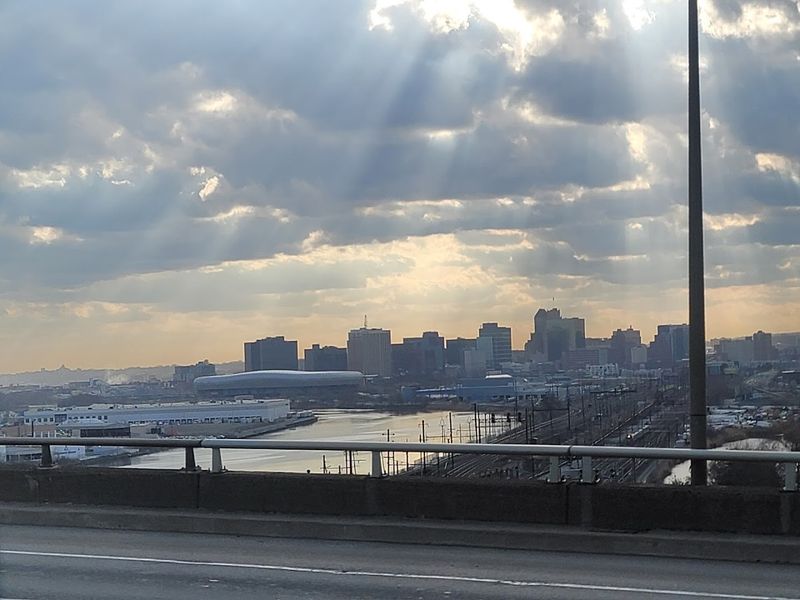
Newark has always been a city of resilience, a place that has absorbed waves of immigration, reinvention, and economic pressure for over a century. But the latest wave, a relentless surge in urban living costs, has been harder to absorb than most.
Residents are leaving the Hudson-Essex corridor in numbers that signal something deeper than a typical urban shift.
The food scene in Newark is one of the most underrated in the entire Northeast. Ironbound, the city’s Portuguese neighborhood, serves some of the most honest, fire-roasted meals you will find anywhere on the East Coast.
Sitting down to a plate of grilled fish with crusty bread in Ironbound feels like a small act of defiance against everything that is going wrong outside.
Rising costs have a particular cruelty in cities like Newark, where working-class residents have fewer financial cushions to absorb sudden rent spikes or property assessment increases. Many families who stayed through the hard years are now leaving during what should have been the good ones.
The departure of longtime residents strips a city of its memory, and Newark deserves better than to lose the people who kept faith with it longest.
3. Maurice River Township: The Town That Lost the Most

Maurice River Township is not a name that shows up in many travel headlines, but it earned a grim distinction recently by recording the highest percentage population loss in all of New Jersey, a staggering 17.4% drop that put it at the top of a list nobody wants to lead.
Cumberland County sits in the southern part of the state, far from the glamour of the Shore or the density of the north, and that distance has not protected it from financial pressure.
The township is quiet, rural, and genuinely beautiful in a way that feels forgotten. Flat marshlands stretch toward the river, and the sky opens up in ways that feel impossible closer to the city.
There is local seafood culture here tied to the Delaware Bay that most New Jerseyans have never experienced.
Clam chowder made with Maurice River clams has a briny, clean flavor that tastes like the bay itself. But the people who know how to make that chowder, who have lived along these waterways for generations, are leaving.
When a small community loses nearly one-fifth of its population, it does not just shrink. It loses something irreplaceable, a whole way of life that cannot be reconstructed once it scatters.
4. Millburn: The Gold-Plated Exodus
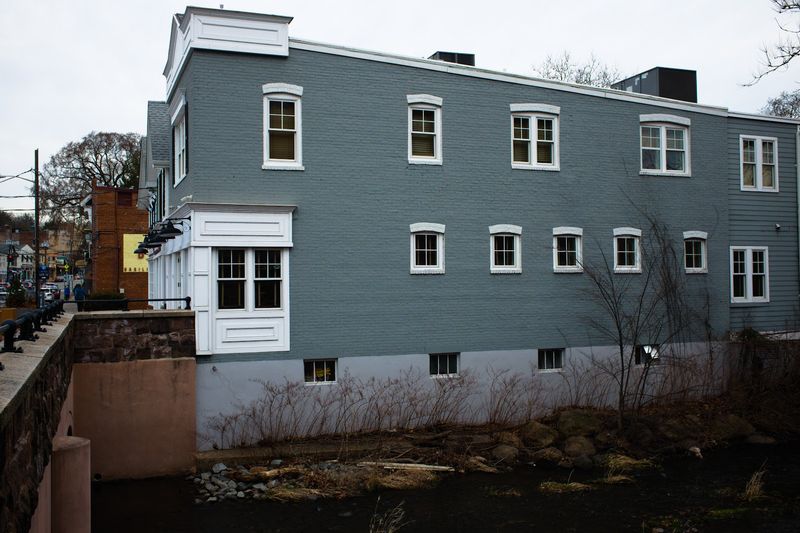
Millburn sits in Essex County wearing its wealth like a well-tailored blazer, excellent schools, beautiful homes, and property taxes that average over $24,000 a year.
That last detail is the one that eventually sends even the most comfortable residents scrolling through real estate listings in Florida and South Carolina.
High-net-worth families are cashing out in impressive numbers, selling their Millburn homes at peak prices and relocating to states where that same money buys twice the house and a fraction of the tax burden.
The town’s downtown, called Millburn Avenue, is lined with independent restaurants and cafes that feel genuinely curated rather than generic. A Saturday morning there, with a proper egg sandwich and strong coffee from a local spot, feels like the suburban dream fully realized.
The food is good, the streets are clean, and the community events are thoughtfully organized.
But a dream that costs $24,000 a year just in property taxes starts to feel more like a subscription you keep meaning to cancel. Younger families especially are doing the math and finding that the prestige of a Millburn address no longer justifies the ongoing financial commitment.
The outflow is steady and quiet, the kind that empties a community slowly, one sold sign at a time.
5. Union City: Density Without Affordability

Union City is one of the most densely populated places in the entire United States, a fact that somehow never stops being surprising when you are standing in the middle of it.
Stacked apartment buildings, sidewalks full of life, and the smell of Cuban food drifting out of open restaurant doors make it feel electric and alive.
But density without affordability is just crowding, and residents have been leaving in search of lower-density, lower-cost regions at a noticeable rate.
The Cuban culinary heritage in Union City is extraordinary and deeply embedded in the community’s identity. Ropa vieja, picadillo, and sweet plantains prepared with real technique are available from spots that have been feeding the same families for decades.
Eating here feels less like dining out and more like being welcomed into someone’s kitchen.
The irony of Union City’s situation is sharp. A place this culturally rich and gastronomically vibrant should be thriving.
Instead, the cost of staying, between rent, taxes, and the general financial pressure of life in the New York metropolitan area, is pushing families toward Georgia, Florida, and cheaper corners of Pennsylvania. Every family that leaves takes a piece of that food culture, that street energy, and that irreplaceable community memory with them.
6. Ewing Township: One Foot in Jersey, One Eye on Pennsylvania
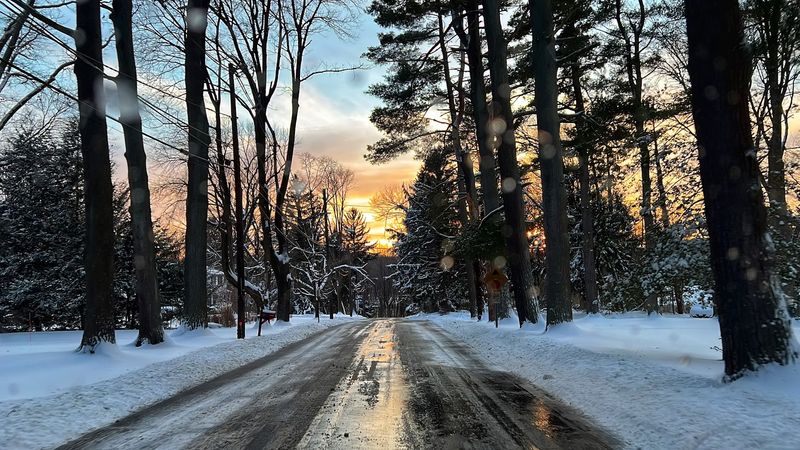
Ewing Township has a geographic advantage that has recently become its biggest liability. Sitting right on the edge of the Pennsylvania border, it gives residents a daily, visible reminder that a different tax reality exists just a short drive away.
The township has ranked among the top communities in New Jersey for percentage-based population loss, and the direction most people are heading is predictable.
Pennsylvania’s lower property tax rates and comparable suburban amenities make the decision almost mathematical for families already stretched thin. Ewing itself is not without charm.
It has solid parks, accessible downtown areas, and proximity to Trenton’s growing food scene, which has been quietly developing some genuinely interesting restaurants over the past few years.
Trenton’s dining corridors, reachable in minutes from Ewing, offer everything from Peruvian ceviche to hearty soul food that reflects the city’s layered cultural history. But enjoying a great meal nearby does not offset the financial reality of owning or renting in Ewing when the same dollar stretches visibly further across the border.
The town is watching families make the short hop to Bucks County or Mercer County, Pennsylvania, with a regularity that local officials can no longer ignore or explain away as a temporary trend.
7. Highlands Borough: When the Shore Stops Being Worth It
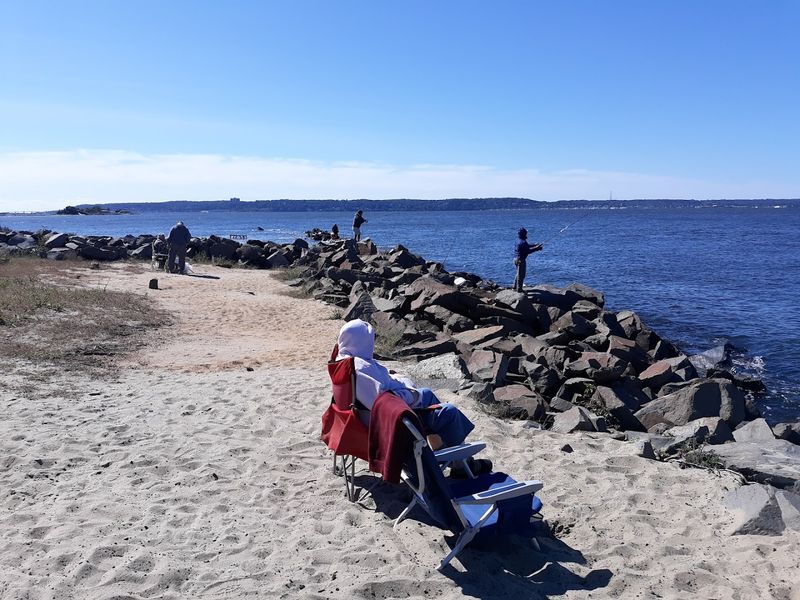
Highlands Borough is the kind of place that looks like a postcard from the Jersey Shore, small, waterfront, with views of Sandy Hook Bay that feel genuinely cinematic on a clear day.
But living in a postcard is expensive, and Highlands has been dealing with a combination of high costs and environmental pressures that have made year-round residency increasingly difficult to justify.
The population drain here is real and ongoing.
Flooding risk, rising insurance costs, and property tax bills that do not reflect the modest size of many homes have created a financial squeeze that even deeply loyal residents are struggling to absorb.
The food culture along the waterfront is one of the borough’s genuine treasures, with seafood shacks and casual dockside spots serving the freshest possible catch pulled directly from local waters.
A bowl of clam chowder or a simple plate of fried flounder eaten with a view of the bay is one of those experiences that makes you understand exactly why people fell in love with this place to begin with. The tragedy is that fewer and fewer year-round residents are around to enjoy it.
Highlands is becoming a town people visit rather than a town people stay in, and that shift changes the character of a community in ways that are hard to reverse.
8. Andover: When Rural Charm Meets Financial Reality
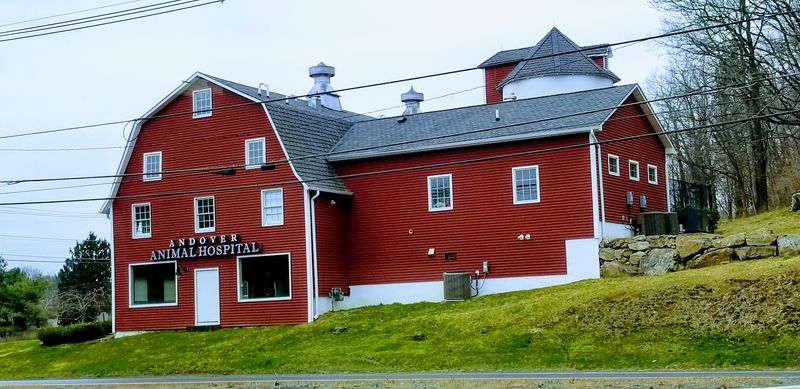
Andover sits in Sussex County like something out of a quieter, slower version of New Jersey that most people from the northern suburbs do not know exists.
Dense forest, rolling hills, and a pace of life that feels genuinely unhurried make it the kind of place people fantasize about moving to when city life gets overwhelming.
But the costs of staying in that fantasy have been creeping up steadily, and the town has been losing residents as local taxes outpace local wages.
Commuting costs are a particular burden in a community this far from major employment centers. The combination of long drives, high gas prices, and property tax bills that feel disconnected from local income levels has pushed many families toward more affordable rural options in neighboring states.
Sussex County has some genuinely wonderful farm-to-table food culture, with local farms producing vegetables, cheese, and honey that end up on menus across the region.
Roadside farm stands in and around Andover offer the kind of tomatoes and sweet corn that make summer feel worthwhile.
But enjoying that rural abundance requires being able to afford to stay, and for a growing number of Andover residents, that calculation is no longer working in the town’s favor.
The quiet is beautiful. The bills, less so.
9. Kearny: Riding the Hudson County Outbound Wave
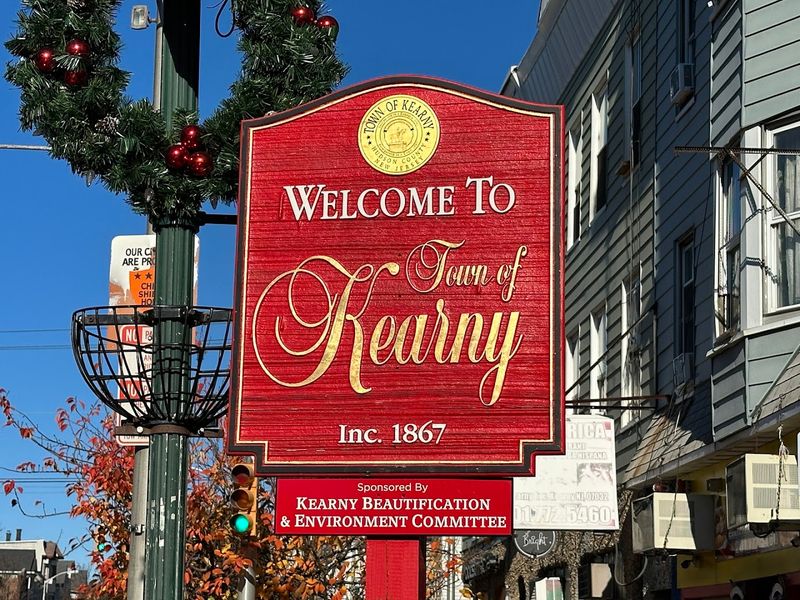
Kearny is a working-class Hudson County town with a proud Scottish and Irish heritage, a history tied to the textile industry, and a community that has always valued hard work and neighborhood loyalty.
But loyalty has its limits when the financial math stops adding up, and Kearny has been part of what demographers are calling the Hudson County outbound wave, a steady flow of residents heading south to more affordable New Jersey counties or leaving the state entirely for the Carolinas and Florida.
The town has a surprisingly vibrant food scene for its size, with a mix of diners, Portuguese bakeries, and Latin American spots that reflect the community’s evolving demographics.
A proper breakfast sandwich from a Kearny diner, eaten at a worn Formica counter with a cup of strong coffee, is one of those simple pleasures that feels deeply New Jersey in the best possible way.
Property assessments in Kearny have climbed alongside those of its more glamorous Hudson County neighbors, but without the same amenities or proximity to transit that might justify the increase.
Residents feel the squeeze without the compensation, and many are concluding that the loyalty they feel toward their town is not enough to offset the financial pressure of staying.
The outbound wave is quiet but consistent.
10. Bayonne: A Stable Town That Is Now Shifting
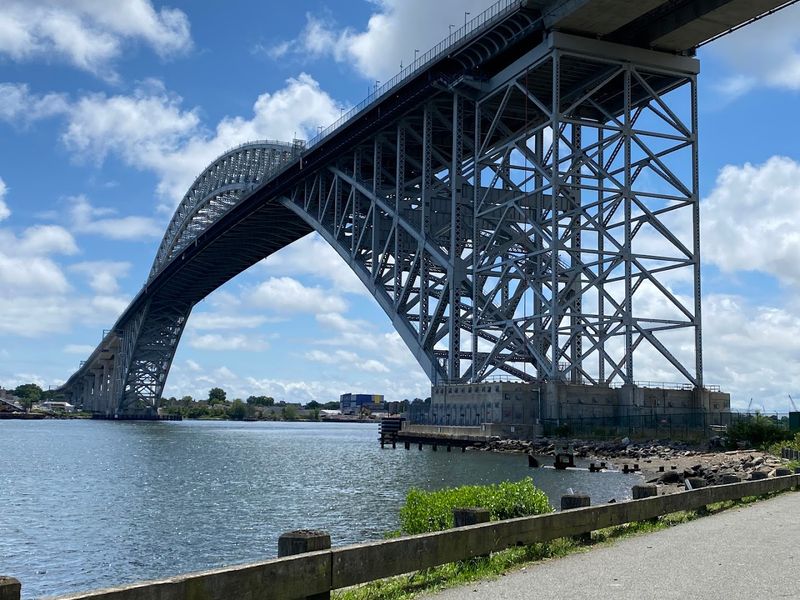
Bayonne has a reputation for stability that goes back generations. It is the kind of town where families stayed for decades, where grandparents and grandchildren lived on the same block, and where the neighborhood diner knew your order before you sat down.
That reputation is now being tested by rising property assessments that have fundamentally changed the financial calculus for longtime homeowners who never planned on selling.
More people are packing up and leaving Bayonne than settling in, a reversal that would have seemed unthinkable to residents even ten years ago. The town’s food culture reflects its layered history beautifully.
Polish delis, Italian bakeries, and Dominican lunch counters exist within blocks of each other, producing a culinary landscape that feels genuinely organic rather than curated.
A fresh kielbasa from a Bayonne Polish deli or a cannoli from one of the old-school Italian pastry shops represents the kind of food that only exists where communities have stayed rooted long enough to build real tradition.
The fear is that as those communities scatter, the food traditions scatter with them.
Bayonne is not broken, not even close. But the cracks in its foundation of stability are visible now, and the people who notice them first are the ones quietly loading up the moving truck.
11. North Bergen: Life in the Shadow of New York City Costs Too Much
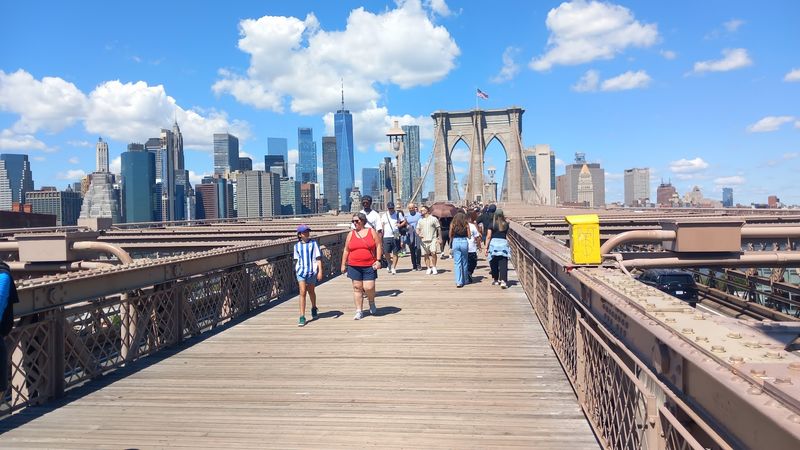
North Bergen has one of the most dramatic views in New Jersey, a hilltop perspective across the Hudson that frames the Manhattan skyline like a painting you get to see every morning.
For decades, that view was considered a reasonable trade-off for the cost of living in the shadow of the world’s most expensive city.
Lately, the trade-off has started to feel less reasonable as property costs climb and the financial gap between staying and leaving widens.
Longtime families who built their lives in North Bergen are exiting the state entirely, heading to Florida, South Carolina, and Tennessee in numbers that have changed the demographic texture of the town.
The food scene here has always been a quiet source of local pride, with Cuban, Dominican, and Colombian restaurants packed into commercial strips that hum with energy on weekend evenings.
A late dinner of Cuban-style roasted pork with rice and black beans from a North Bergen spot, eaten while the city across the river glitters in the dark, is one of those meals that feels like a privilege.
The problem is that the privilege of staying in North Bergen is becoming increasingly difficult to afford for the families who made it worth living in.
The view has not changed. The financial reality underneath it has.
12. Cape May City: When the Resort Town Prices Out Its Own People
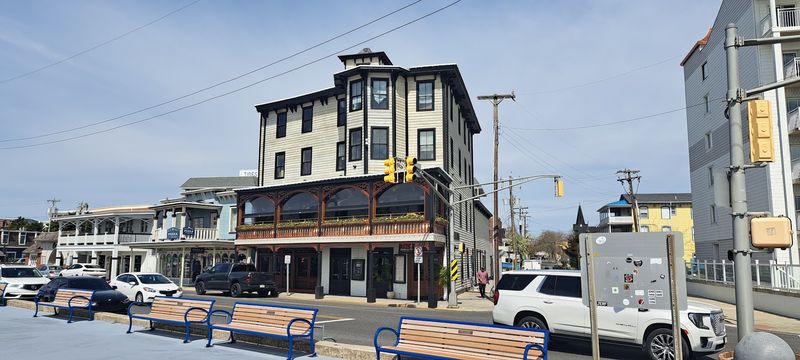
Cape May City is one of the most photographed places in New Jersey, a Victorian gem at the very tip of the state where gingerbread houses line streets that feel frozen in a more graceful era.
Every summer it fills with visitors who fall in love with it on sight and spend the rest of the year dreaming about coming back.
But the people who actually live there year-round are leaving, and Cape May County became the only county in New Jersey to see an overall population decline since 2020.
Resort-town economics are brutal for permanent residents. Property values inflated by vacation demand push tax assessments to levels that make year-round living financially unsustainable for working families and retirees on fixed incomes.
The food scene in Cape May is legitimately exceptional, built around the extraordinary seafood pulled from the waters where the Delaware Bay meets the Atlantic Ocean.
Fresh crab, local oysters, and fish so recently caught it barely needs seasoning are available from spots that have been serving the same families and visitors for generations. Eating well in Cape May feels effortless.
Affording to stay feels like the opposite. The town’s beauty is not in question.
What is in question is whether the people who give it life beyond the summer season can continue to afford the cost of calling it home.
Dear Reader: This page may contain affiliate links which may earn a commission if you click through and make a purchase. Our independent journalism is not influenced by any advertiser or commercial initiative unless it is clearly marked as sponsored content. As travel products change, please be sure to reconfirm all details and stay up to date with current events to ensure a safe and successful trip.
